



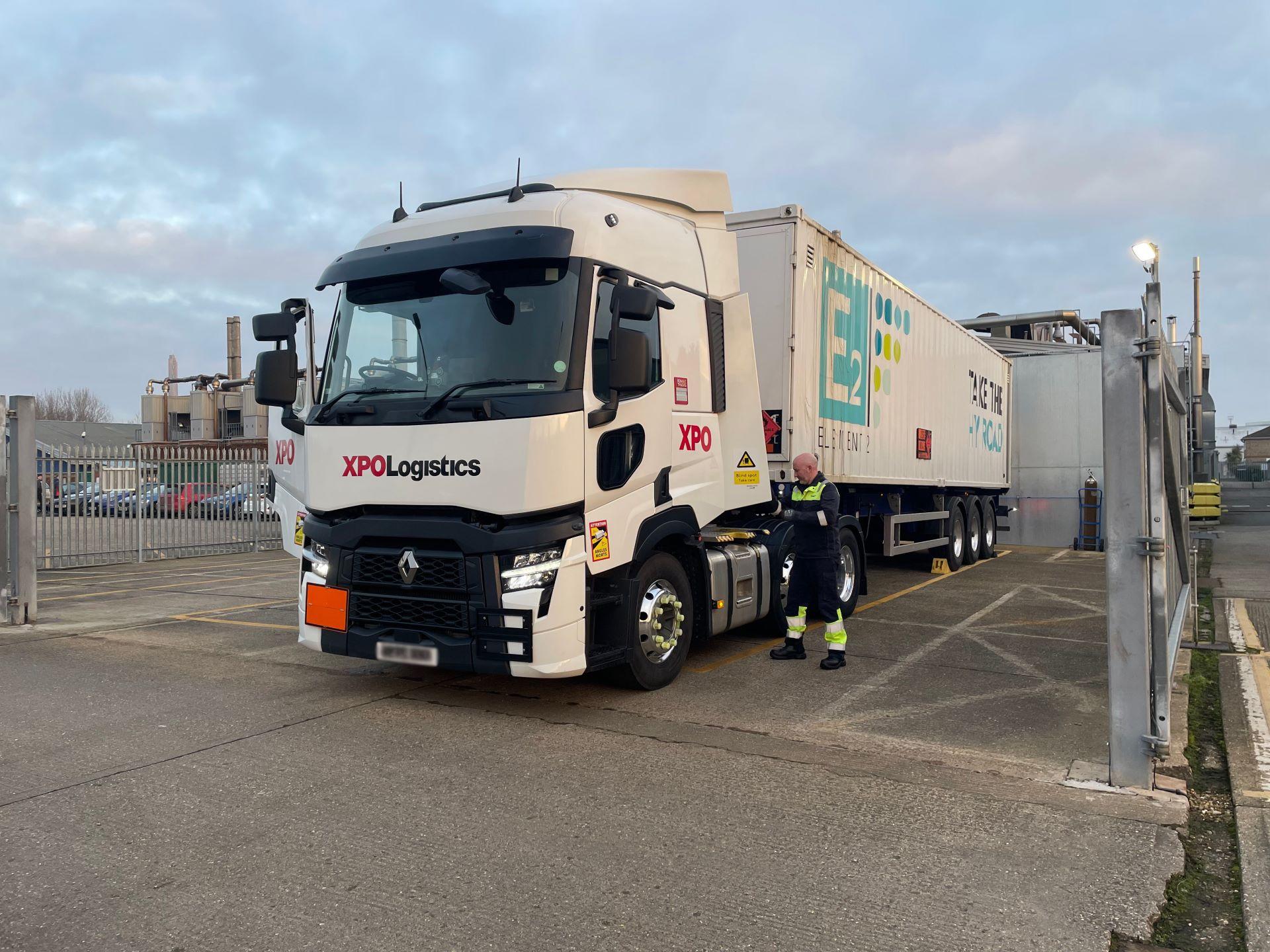
MAHLE Powertrain has kicked off the testing and calibration phase of an ambitious programme poised to accelerate hydrogen adoption in the heavy-duty haulage sector. Dubbed Project Cavendish, this £9.8 million initiative – funded by the UK government through the Advanced Propulsion Centre (APC) – aims to bring fast-to-market solutions that make hydrogen combustion engines (H2-ICE) an accessible reality. By leveraging existing engine platforms and infrastructure, it promises to help fleet operators decarbonise at pace and meet looming emissions targets.
At the heart of this milestone is MAHLE Powertrain’s Northampton-based testing facility, designed specifically to manage hydrogen-powered engine development. Jonathan Hall, MAHLE Powertrain’s Head of Research and Advanced Engineering, underscores the advantage of this specialist environment:
“Hydrogen combustion engines (H2-ICE) are well-suited to heavy-duty, long-distance applications that are hard to electrify. Its use allows industry to take advantage of years of development and investment as a means to accelerate the transition towards net zero. Our facilities have been designed for this type of advanced work with a dedicated hydrogen supply, inhouse-developed monitoring and safety systems, and high-torque dynamometers that are ideally suited to the testing and calibration phase of this project.”
This accelerated push towards hydrogen-powered haulage comes in response to tightening legislation worldwide. In the EU, recently revised CO2 standards for heavy-duty vehicles require a 45% reduction in emissions by 2030, rising to 65% by 2035 and 90% by 2040. These targets, part of the “Fit for 55” package, have broadened in scope and urgency, creating pressure on manufacturers and fleet operators to find sustainable, high-efficiency solutions.
The UK government has also signalled its commitment by allocating £8.3 billion for hydrogen development via Great British Energy and up to £21.7 billion to support carbon capture infrastructure. This coordinated approach aims to create the large-scale ecosystem necessary for hydrogen to gain traction in not only road transport but also rail, aviation, and maritime sectors. As Project Cavendish demonstrates, hydrogen combustion engines are positioned to complement other zero-emission solutions, such as fuel cell electric vehicles, sharing the common requirement of robust hydrogen infrastructure.
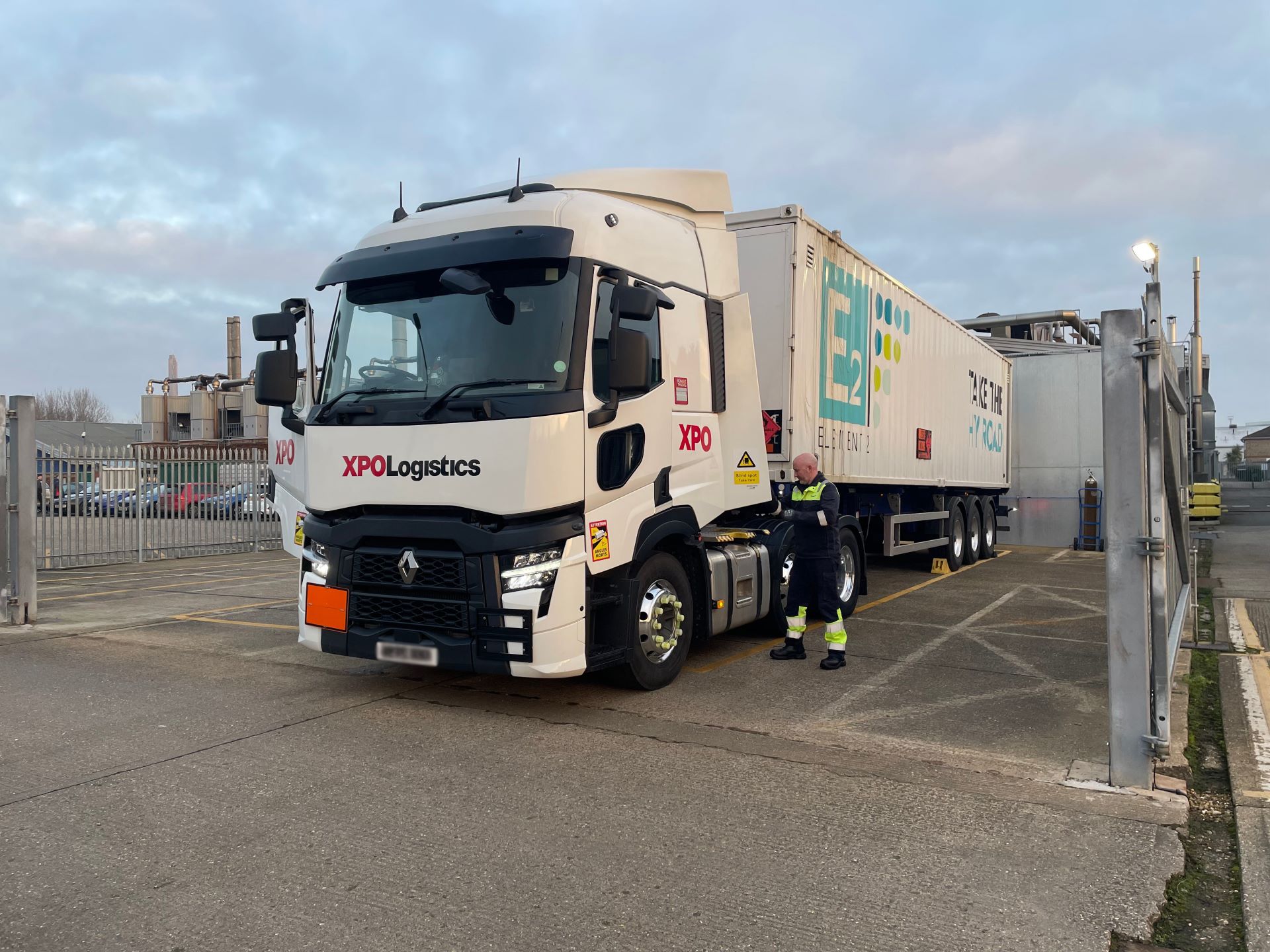
A Collaborative Effort with Industry-Leading Partners
Project Cavendish unites several expert organisations, including PHINIA, BorgWarner, Cambustion, Hartridge, and MAHLE Powertrain. Together, they are refining novel fuel-injection systems and cutting-edge turbocharging technology that must be production-ready in time for rigorous EUVII/US27 legislation. MAHLE Powertrain’s specialist site in Northampton, recently expanded to accommodate two high-capacity hydrogen tube-trailers, ensures the near-continuous supply of hydrogen essential for intense testing programmes. Meanwhile, upgraded engine dynamometers with a formidable 900 kW / 4,000 Nm nominal capacity are fully capable of simulating real-world heavy-duty demands.
Accelerating the Path to Net Zero
With Project Cavendish now in its testing phase, the consortium is poised to deliver a transformative leap toward decarbonised trucking. By focusing on repurposing existing hardware and refining hydrogen-specific technologies, MAHLE Powertrain and its partners offer a fast-tracked route to cleaner logistics and long-distance haulage.
As the drive to net zero intensifies, hydrogen combustion engines stand out as a pragmatic, near-term solution that can integrate into current fleets while charting a path for broader infrastructure development. From Northampton’s pioneering test benches to the halls of European and global policy, Project Cavendish underscores the crucial synergy between innovation, collaboration, and legislative support to meet – and surpass – today’s decarbonisation targets.


