



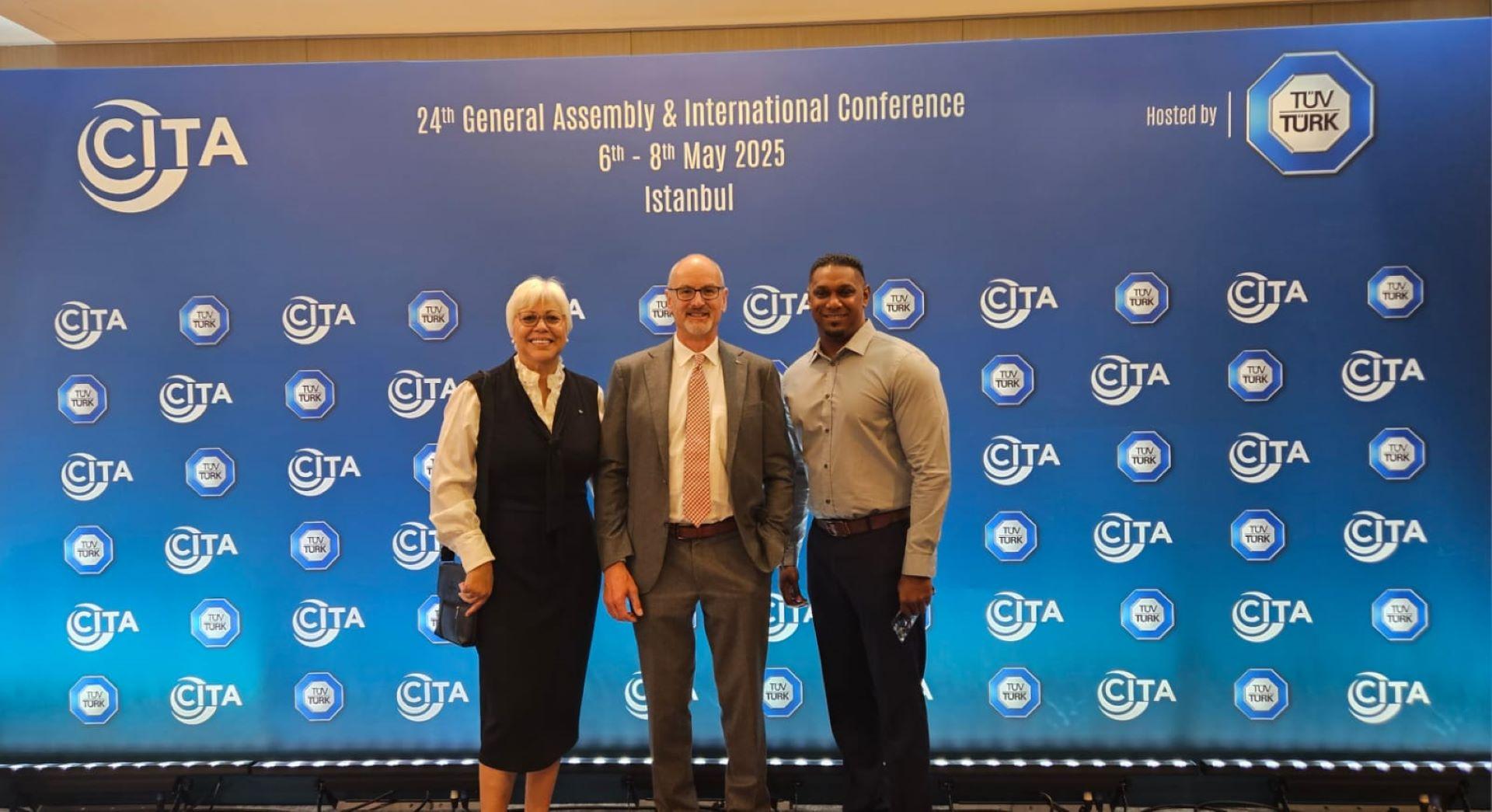
The Vehicle Testing Association (VTA) of South Africa, a constituent body of the Retail Motor Industry Organisation (RMI), has once again demonstrated its unwavering commitment to global standards in road safety and environmental protection through its prominent role at the 2025 CITA International Conference in Istanbul, Turkey.
Held in May under the theme “Forging Global Alliances for Safer Roads and a Greener Future,” the conference brought together nearly 400 international road safety and regulatory experts. The gathering served as a critical platform to advance global dialogue on Periodic Technical Inspections (PTI), type approval, and compliance systems—core mechanisms that underpin safer roads and cleaner environments worldwide.
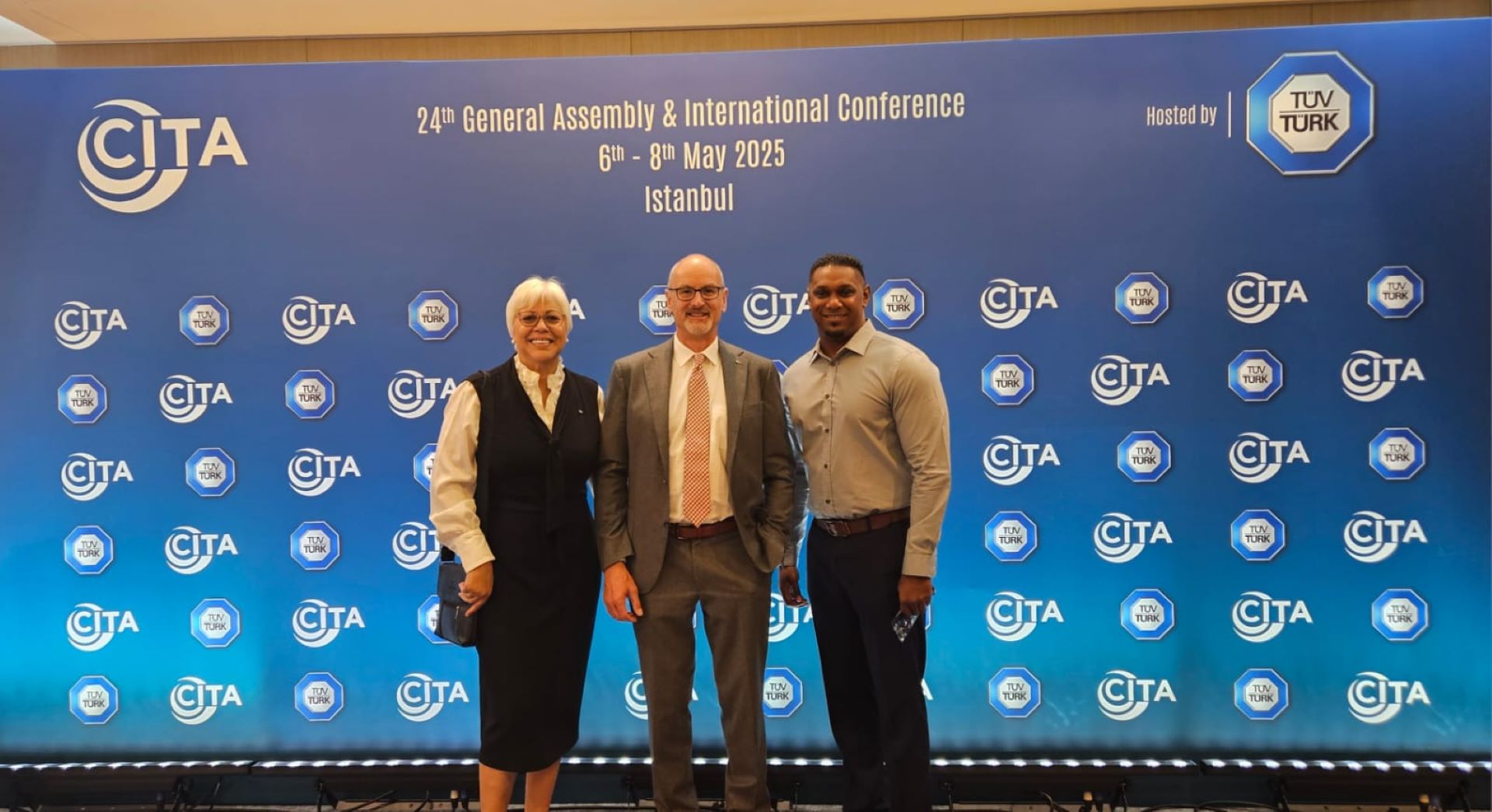
Representing South Africa were VTA Chairperson Ferose Oaten and National Director Julian Pillay, who actively contributed to key discussions aimed at shaping the future of global vehicle compliance. The conference was opened by CITA President Gerhard Müller, who issued a strong call to action for greater alignment with the Global Plan for the Decade of Action for Road Safety 2021–2030. “We must continue to emphasise the role of vehicle compliance to make our roads safer and cleaner,” Müller urged.
Highlighting LMIC Challenges and South African Realities
Among the standout moments of the event was Oaten’s leadership in a targeted session addressing the specific compliance challenges faced by low- and middle-income countries (LMICs). Drawing on South Africa’s unique socio-economic landscape and its regional dynamics, she underscored the urgent need for tailored compliance strategies that support sustainable reform.
Her contributions were recognised through her appointment as CITA Vice President Treasurer, a pivotal role that enhances South Africa’s influence on international vehicle compliance policy. Succeeding the outgoing Vice President Treasurer, Mr. Lothar Geilen, Oaten will also continue to represent the continent in her capacity as Chair of the Regional Advisory Group for Africa (RAG Africa).
Learning from Global Best Practice
One of the most impactful insights shared at the conference was a case study showcasing the success of Turkey’s PTI system. The study confirmed the tangible benefits of structured vehicle inspections in reducing accidents and emissions—offering a model that South Africa could adapt to local conditions.
In South Africa, where over 13,000 road fatalities occur annually and an estimated 14% of accidents involve unroadworthy vehicles, the lessons from the conference are more relevant than ever. Delegates returned with renewed resolve to modernise the nation’s PTI system, aligning efforts with the urgent implementation of Section 138(k) of the National Road Traffic Act and the long-discussed expansion of PTI to include private vehicles.
The conference also shed light on global trends such as the digitalisation of inspection platforms, the integration of emissions testing, and the growing importance of skills development in the sector—all areas where South Africa is poised to make transformative strides.
A Roadmap for Safer, Greener Mobility
Reflecting on the significance of the event, Julian Pillay said, “This year’s CITA conference was not just about dialogue—it was about real, actionable strategies that South Africa can adopt to save lives, protect the environment, and support a modern vehicle compliance industry. The relationships we’ve built with counterparts in Turkey, Germany, and beyond will be instrumental in the evolution of our national PTI framework.”
Ferose Oaten echoed this sentiment, adding, “The Istanbul conference reaffirmed the value of international collaboration and innovation in building safer and more sustainable transport systems—an objective that the VTA remains fully committed to advancing at home. Our engagement ensures South Africa is not only aligned with global best practice but also positioned to lead vehicle safety reform across the African continent.”
As the global community rallies around common goals for road safety and emissions reduction, the VTA’s strategic engagement ensures that South Africa’s voice is not only heard—but also helping to shape a safer, more sustainable future for all.


