




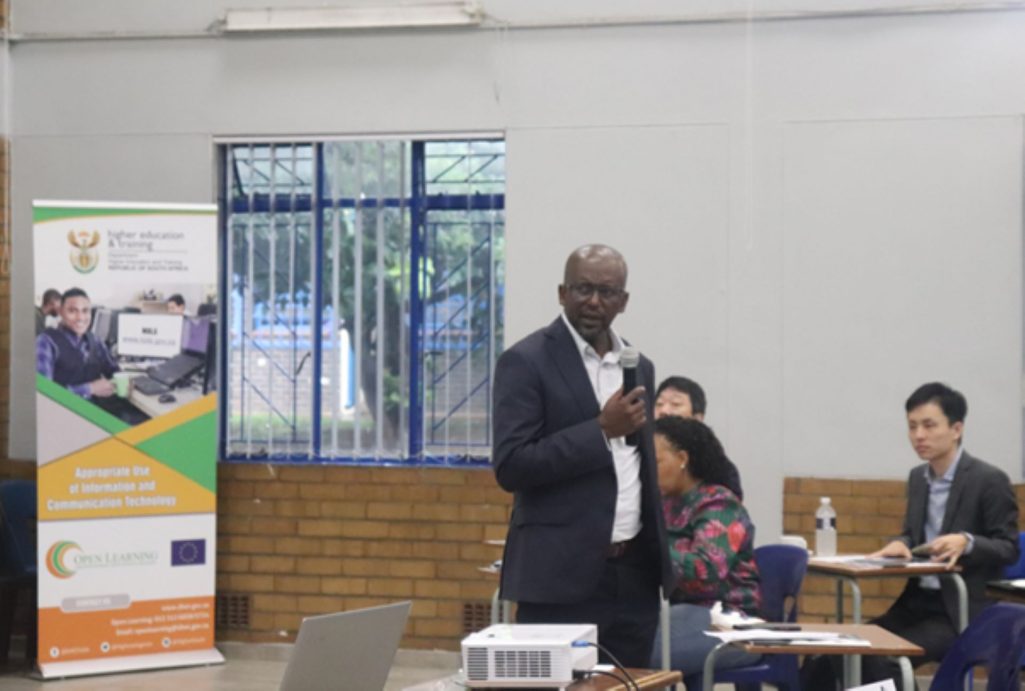
The Department of Higher Education and Training (DHET), in partnership with the Japan International Cooperation Agency (JICA), is set to host a transformative two-day Centres of Specialisation (CoS) Facilitator Workshop at Tshwane South TVET College, Pretoria West Campus, on 18-19 February 2025. This workshop will convene over 70 TVET college lecturers and project managers from across South Africa, reinforcing the country’s commitment to high-quality occupational training delivery.
Sabelo Buthelezi, Chief Director for the Special Projects Unit at DHET, underscores the significance of equipping facilitators with the necessary expertise to integrate dual occupational programmes into South Africa’s evolving socio-economic landscape.
“This workshop is a vital initiative to strengthen the delivery of Occupational Programmes by equipping facilitators with the necessary skills and techniques for effective training. Through this engagement, participants will gain practical insights into combining theory, simulated practice, and real-world workplace experience, ensuring that occupational training remains relevant, impactful, and aligned with industry needs,” says Buthelezi.
Strengthening Industry Collaboration
A key partner in the discussions is the Retail Motor Industry Organisation (RMI), with RMI National Training Director Louis van Huyssteen contributing in his capacity as Occupational Team Convener (OTC) for DHET. Having played a pivotal role in the CoS pilot project (2017–2022), Van Huyssteen brings valuable industry experience, further bridging the gap between TVET colleges and the automotive sector.
Core Focus Areas of the Workshop
Workshop facilitator Paulos Mahlangu has outlined the primary focus areas, stating, “The workshop covers key aspects of the CoS framework, including accreditation requirements, registration processes, curriculum content, and assessment strategies. Facilitators will also explore best practices in learning support material development, logbook management, and workplace integration—critical elements for ensuring high-quality training delivery. Investing in capacity-building initiatives like this lays the foundation for a robust occupational training system that not only equips learners with essential skills but also strengthens South Africa’s workforce.”
Enhancing Facilitator Expertise
Eugene Vermaak further emphasises the long-term impact of this initiative, noting, “This capacity-building workshop empowers facilitators with the skills needed to effectively deliver Occupational Programmes. Participants will deepen their understanding of dual occupational programmes, engage with integrated training methods that combine theory, simulated practice, and workplace experience, and gain valuable insights into best practices for collaboration between TVET colleges and industry partners.”
A Call to Action for TVET College Facilitators
Encouraging facilitators to embrace this opportunity, Buthelezi concludes, “This workshop is a chance to refine your facilitation skills, ensuring you can equip learners for the evolving world of work. It is also a platform to connect with experienced CoS facilitators and industry experts, developing valuable professional networks. Through engagement with expert trainers, you will gain practical insights that enhance both teaching and learning. Most importantly, your participation contributes to a culture of continuous learning and excellence in the delivery of CoS training across TVET colleges.”
The RMI remains steadfast in its commitment to supporting skills development and strengthening the partnership between TVET colleges and industry stakeholders, driving the future of occupational training in South Africa. This initiative represents a significant step towards aligning training methodologies with industry demands, ensuring a skilled and adaptable workforce for the future.


