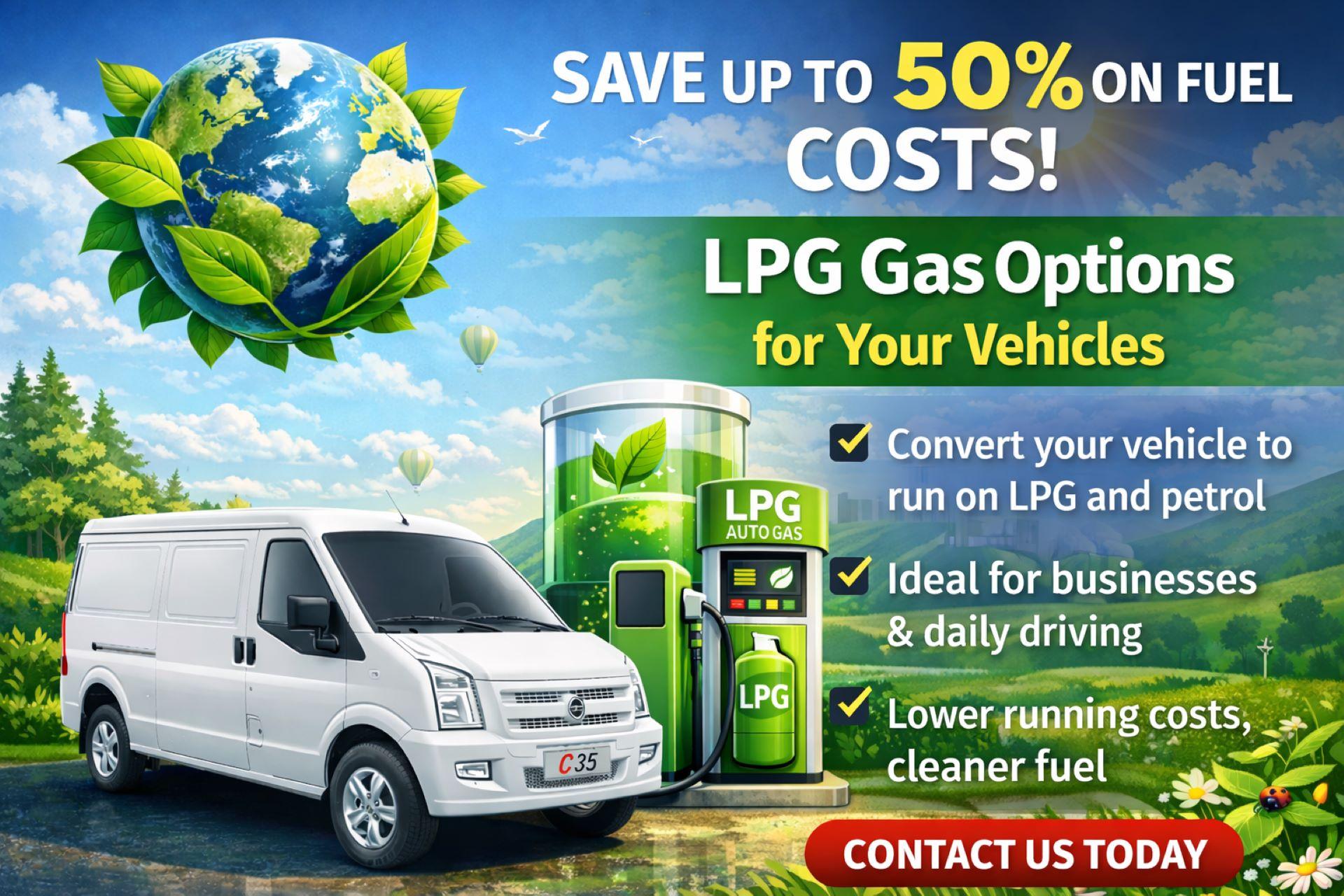
As fuel prices continue their stubborn climb, South African motorists and businesses are being forced into a quiet recalibration of priorities. The conversation is no longer just about purchase price or brand loyalty, but about what it truly costs to keep a vehicle moving month after month. In this climate, DFSK South Africa has stepped forward with a solution that feels less like a futuristic gamble and more like a practical response to present-day realities.
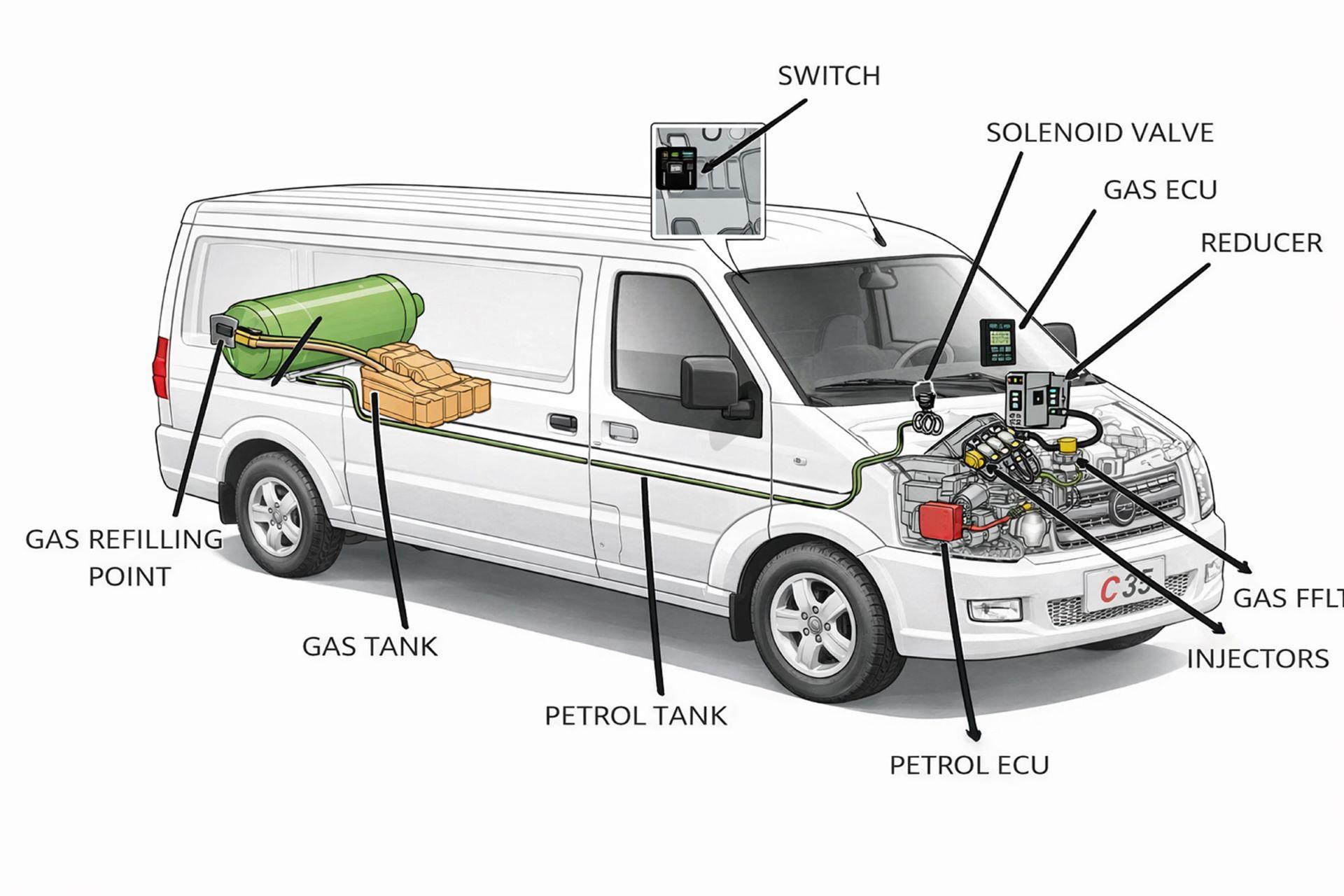
The company has introduced an LPG Autogas conversion system across its petrol vehicle range, offering a dual-fuel setup that allows drivers to switch between conventional petrol and liquefied petroleum gas with ease. It is a move grounded in pragmatism, aimed squarely at reducing operating costs without disrupting the rhythms of daily use.
For many South Africans, fuel has become an unpredictable expense that quietly erodes profitability and personal budgets alike. Fleet operators, delivery services and small businesses feel this pressure most acutely, where every kilometre driven directly impacts the bottom line. DFSK’s LPG system addresses this tension by offering fuel savings of up to 30 to 50 percent, creating a tangible difference that can be measured not just in rands, but in sustainability of operations.
The financial case is further strengthened by a relatively short return on investment window, with the conversion expected to pay for itself within six to twelve months. This positions LPG not as a long-term bet, but as an immediate lever for cost control, something that resonates strongly in an economy where certainty is increasingly rare.
Beyond cost savings, the appeal of the system lies in its flexibility. Unlike fully electric vehicles, which still face infrastructure and pricing barriers in South Africa, LPG conversions do not demand behavioural change. There are no charging schedules to plan around, no range anxiety to manage. The vehicle remains as usable and familiar as ever, simply with an additional, more affordable fuel option in its arsenal.
DFSK South Africa has also emphasised that the conversion is fully approved and does not affect the vehicle warranty, a critical reassurance in a market where reliability and aftersales support carry significant weight. The cleaner combustion properties of LPG may even contribute to reduced engine wear over time, adding a subtle but meaningful long-term benefit.
The broader context cannot be ignored. Electric vehicles continue to dominate global headlines, promising a cleaner and more advanced mobility future. Yet in South Africa, that future still feels just out of reach for many consumers, constrained by high entry costs and limited charging infrastructure. DFSK’s approach acknowledges this gap, offering a solution that bridges the present rather than waiting for the future to arrive.
By rolling out the LPG Autogas conversion across its dealer network, and allowing customers to include the upgrade in vehicle finance packages, DFSK is lowering the barrier to entry even further. It transforms what could have been a niche offering into something accessible, scalable and immediately relevant.
In a market defined by rising costs and cautious decision-making, the introduction of LPG Autogas is less about innovation for its own sake and more about restoring balance. It gives drivers and businesses a way to regain control, to stretch every litre further, and to navigate an uncertain fuel landscape with a little more confidence.