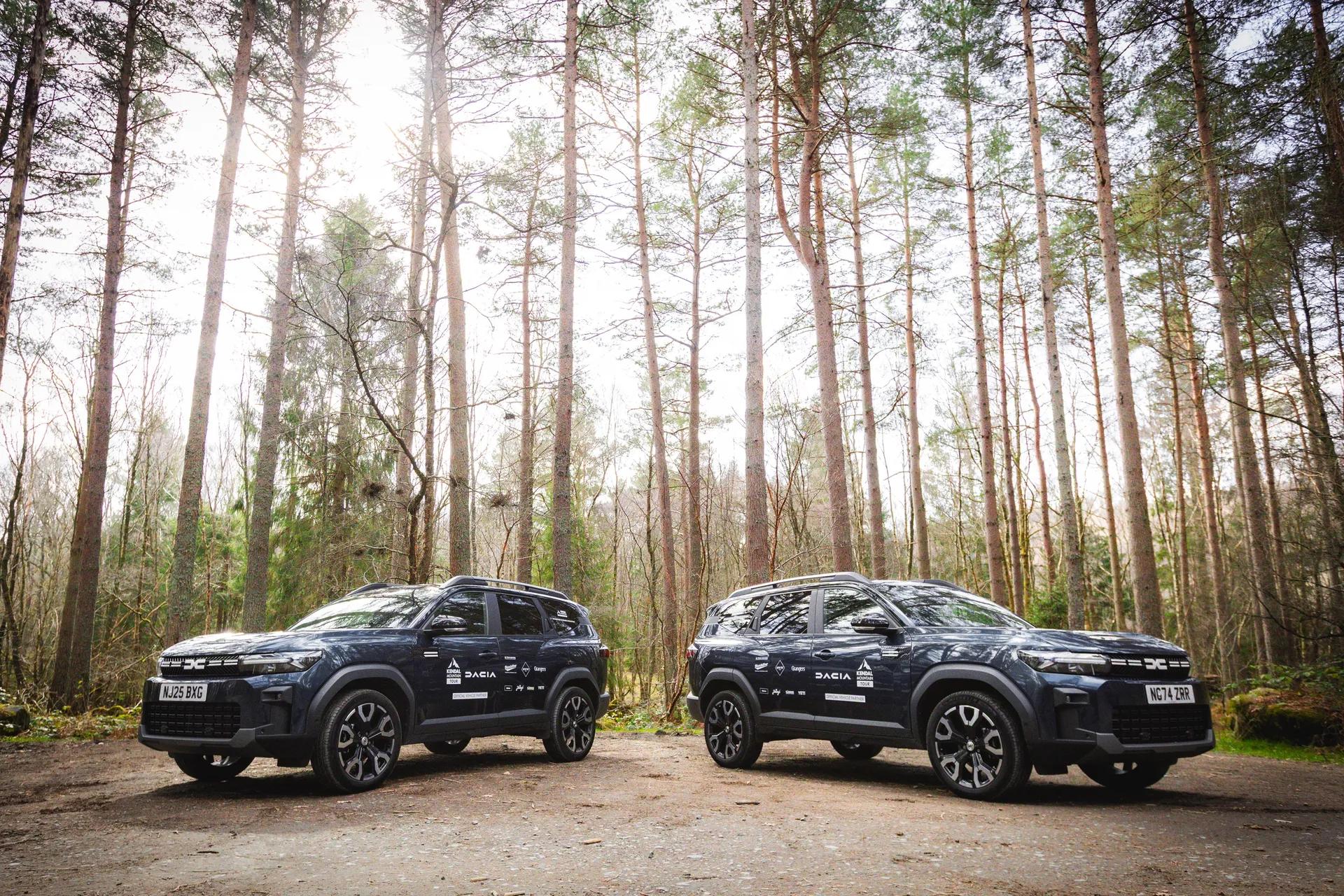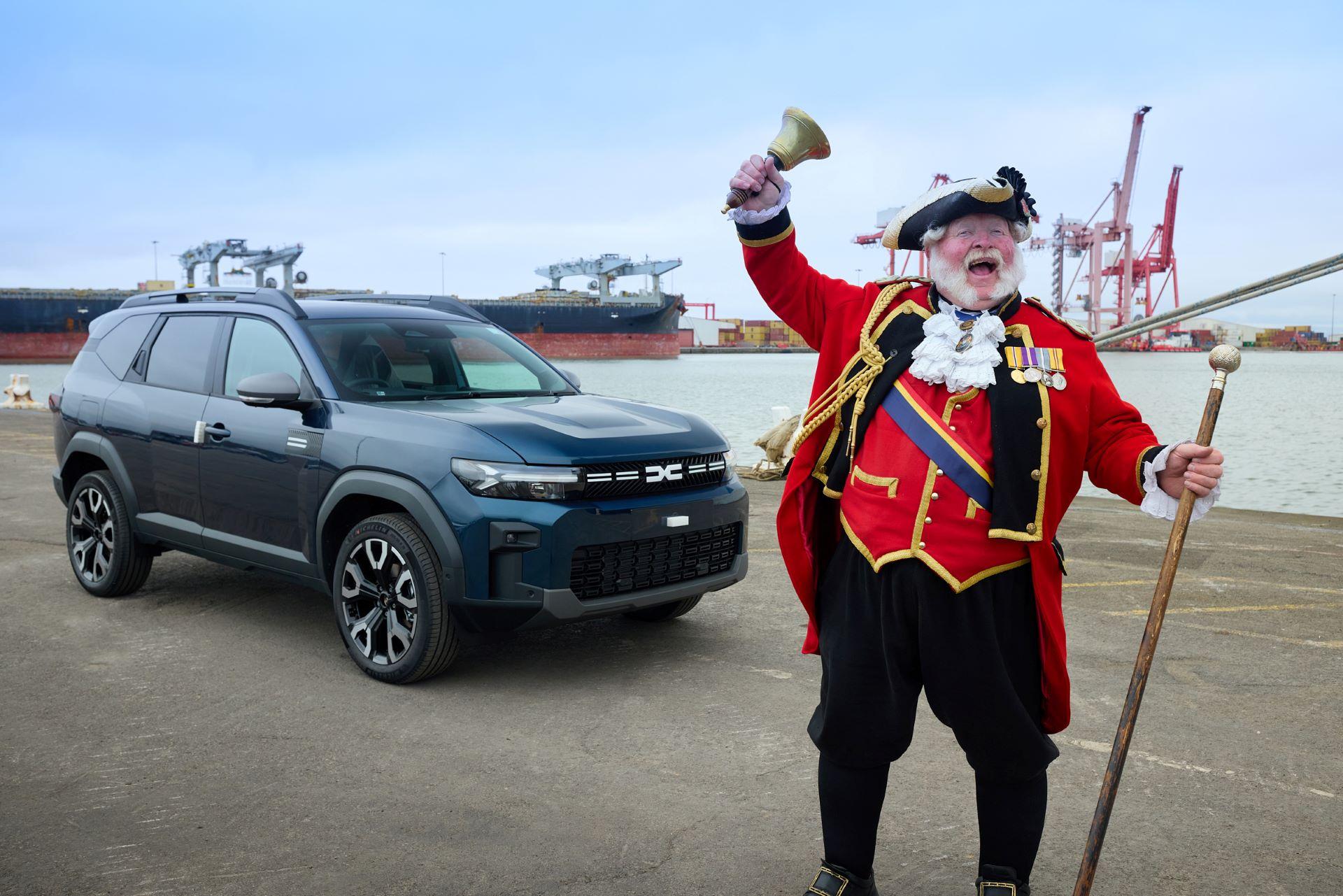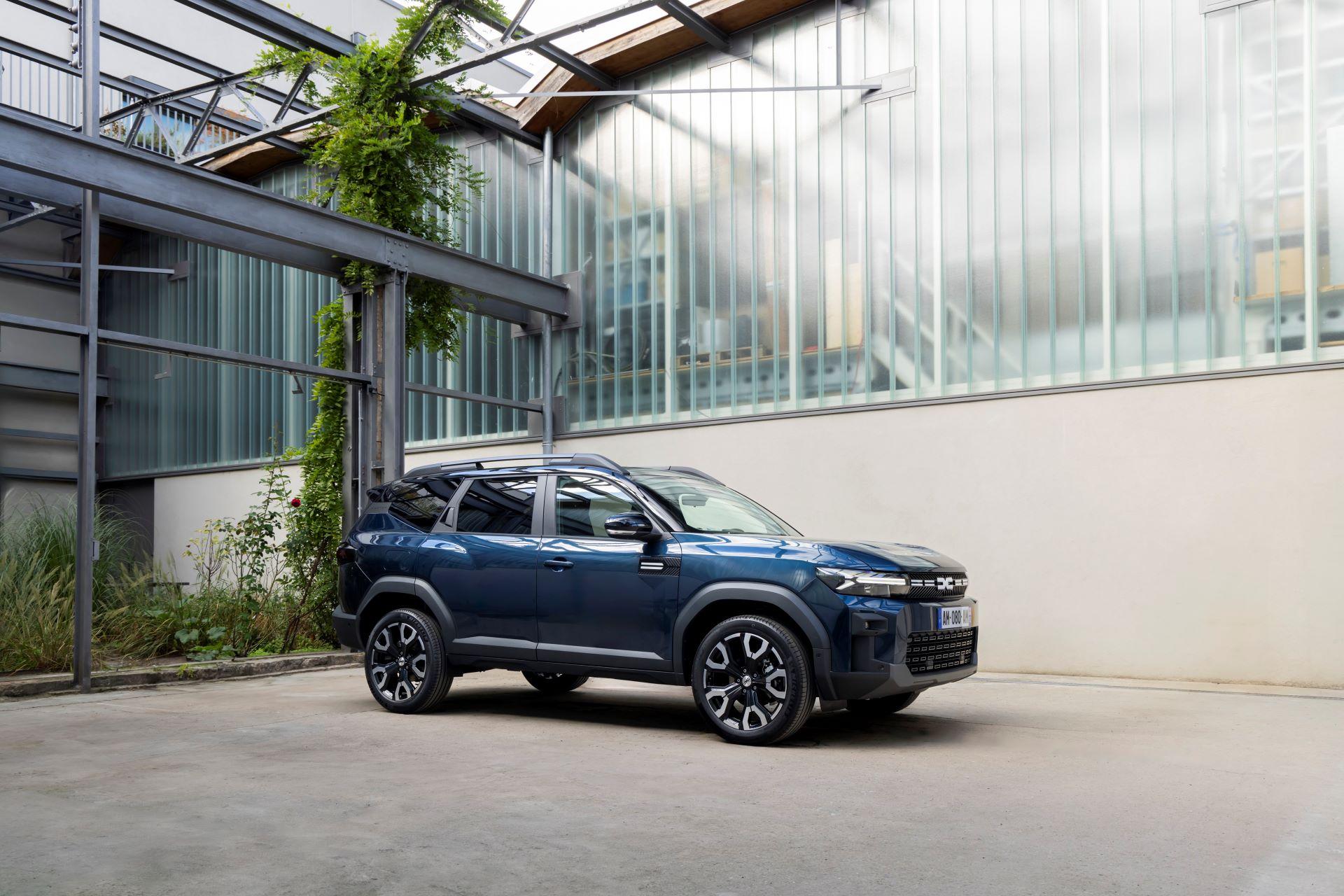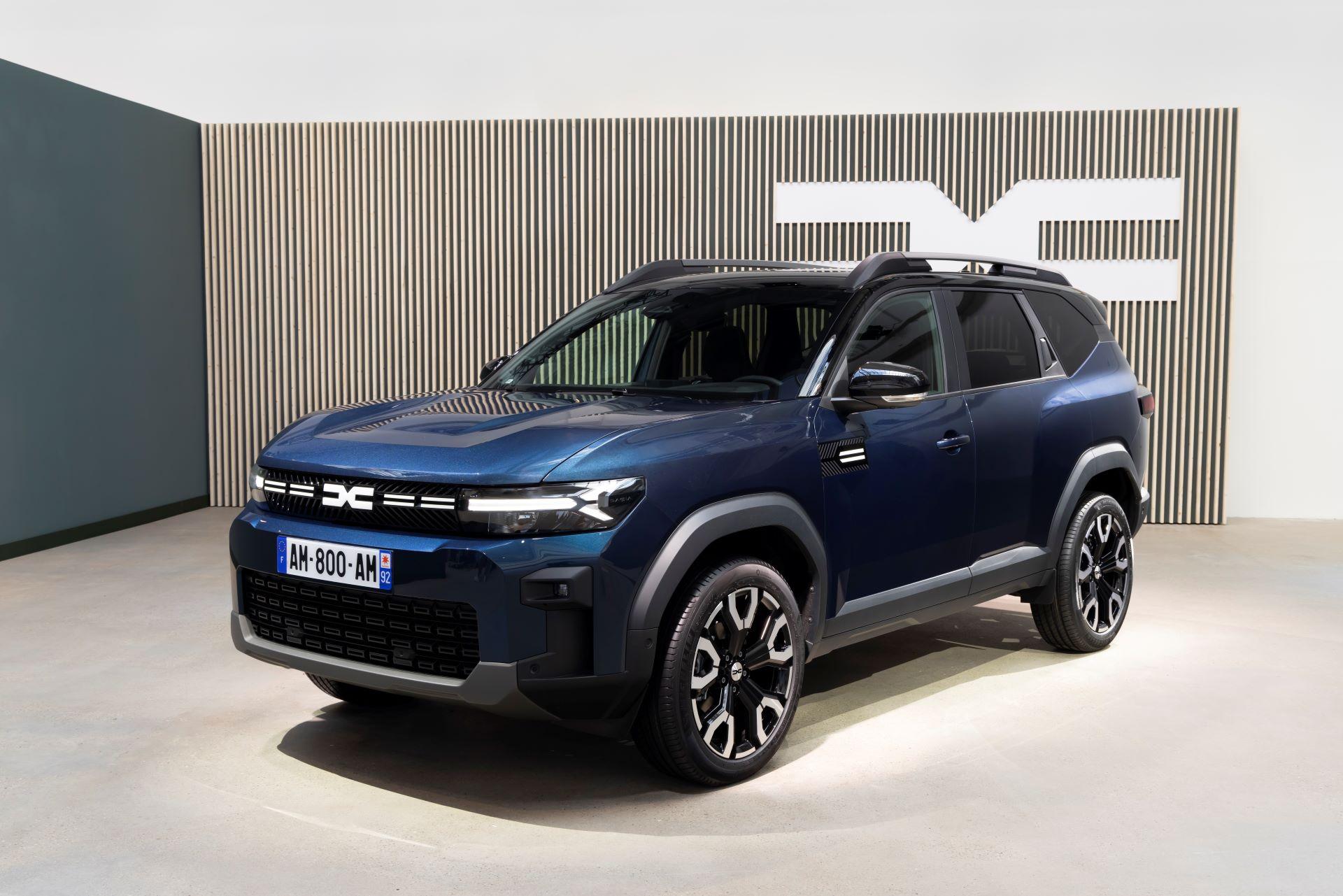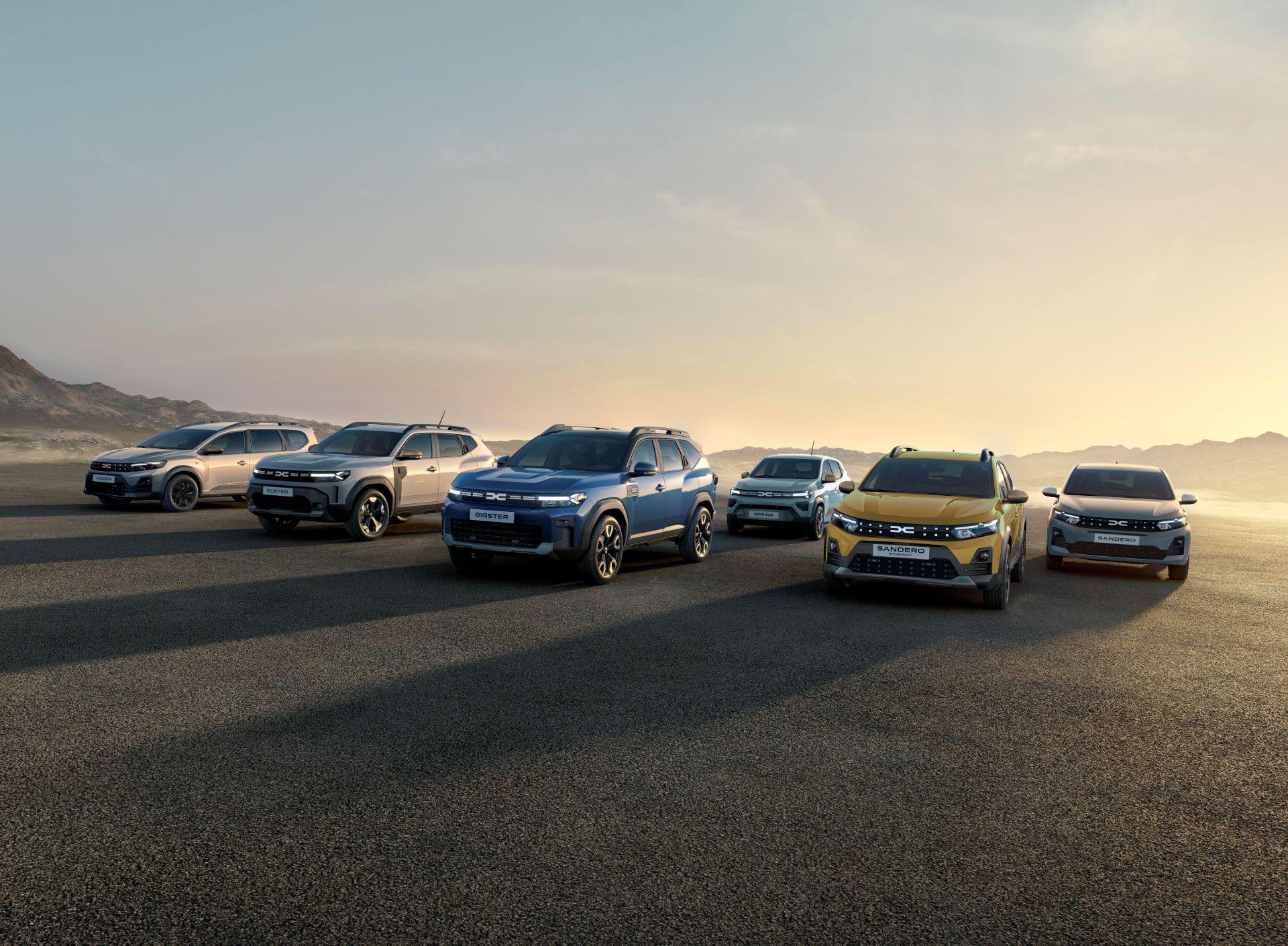




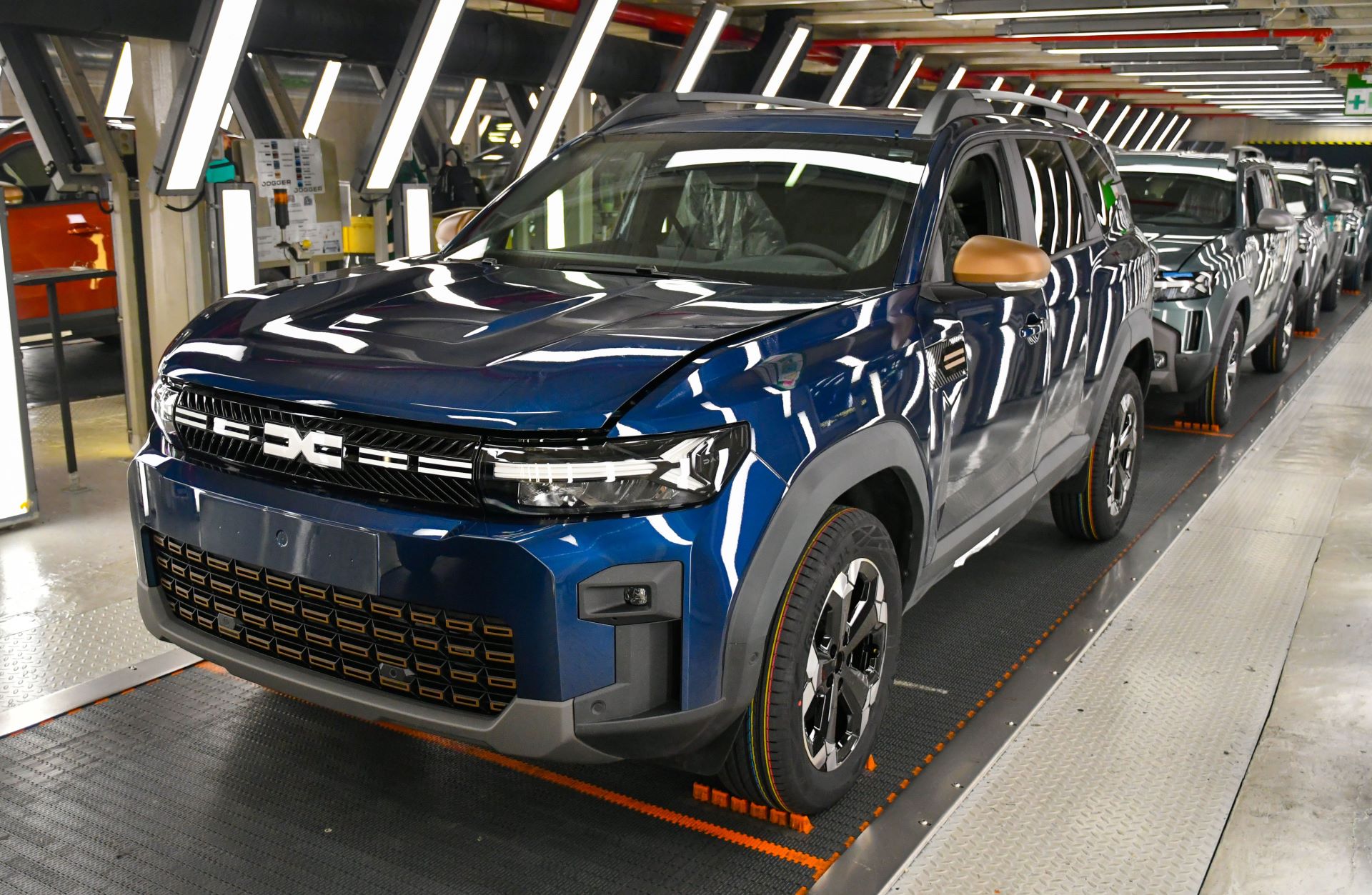
On 24 April 2025, the Dacia Vehicle Plant in Mioveni, Romania, achieved a momentous milestone: the production of its eight millionth vehicle—a striking Dacia Bigster in Indigo Blue. For a company that has grown from humble beginnings to become a dominant player in the global automotive market, this achievement symbolises more than just a number; it is a testament to sustained evolution, innovation, and industrial excellence.
A Legacy Forged in Steel
Nestled in the heart of Argeș County, the Mioveni plant is a linchpin in Dacia’s manufacturing operations. Spanning an impressive 355,000 square metres, the facility is a powerhouse of productivity, with a car emerging from the production line every 55 seconds. That equates to a staggering 1,357 vehicles per day—an indicator of both precision and scale.
The plant first opened its doors on 20 August 1968, when it began assembling the Dacia 1100, built under licence from the Renault R8. This partnership would shape the next chapter in Romania’s industrial journey, particularly with the launch of the Dacia 1300 in 1969—a model derived from the Renault 12. Over the next three decades, the 1300 and its many derivatives, such as the 1310 Sport, 1320, 1325, and Pick-Up, became the backbone of Romanian roads and an enduring symbol of practical mobility.
Between 1969 and 2006, nearly 2.3 million units of the Renault 12-based family were produced, including over 319,000 commercial vehicles—highlighting Dacia’s broad market reach and utility-driven design ethos.
From National Innovation to Global Ambition
In 1995, Dacia took a bold step forward with the launch of the Nova—the first model designed entirely in Romania. The Nova laid the groundwork for future iterations like the SupeRNova and Solenza, solidifying Dacia’s ambitions to move beyond rebadged designs and into the realm of self-sufficient engineering.
However, the turning point in Dacia’s story came in 1999, when the Renault Group acquired a controlling stake in the company. This partnership catalysed a new era of innovation and investment, culminating in the launch of the now-iconic Logan in 2004. Affordable, reliable, and globally successful, the Logan heralded a fresh identity for Dacia—one that prioritised smart, accessible mobility solutions.
Enter the Bigster: A New Era Begins
Now, as Dacia celebrates its eight millionth vehicle, it’s the Bigster that steps into the spotlight. The new C-segment SUV represents the brand’s most ambitious product yet—larger, bolder, and brimming with the value proposition that Dacia has become synonymous with.
With more than 13,000 orders already placed before the first units reach showrooms, the Bigster is primed to disrupt a market segment often dominated by high price tags and overcomplication. Designed to meet the needs of modern families, the Bigster promises robust utility, striking design, and the latest in comfort and technology—at an accessible price.
Deliveries in the UK are set to begin within weeks, with test drives available imminently. It’s a launch that underlines Dacia’s growing influence across Western Europe and its ability to challenge conventions with pragmatic design and down-to-earth appeal.
The Duster Reigns Supreme
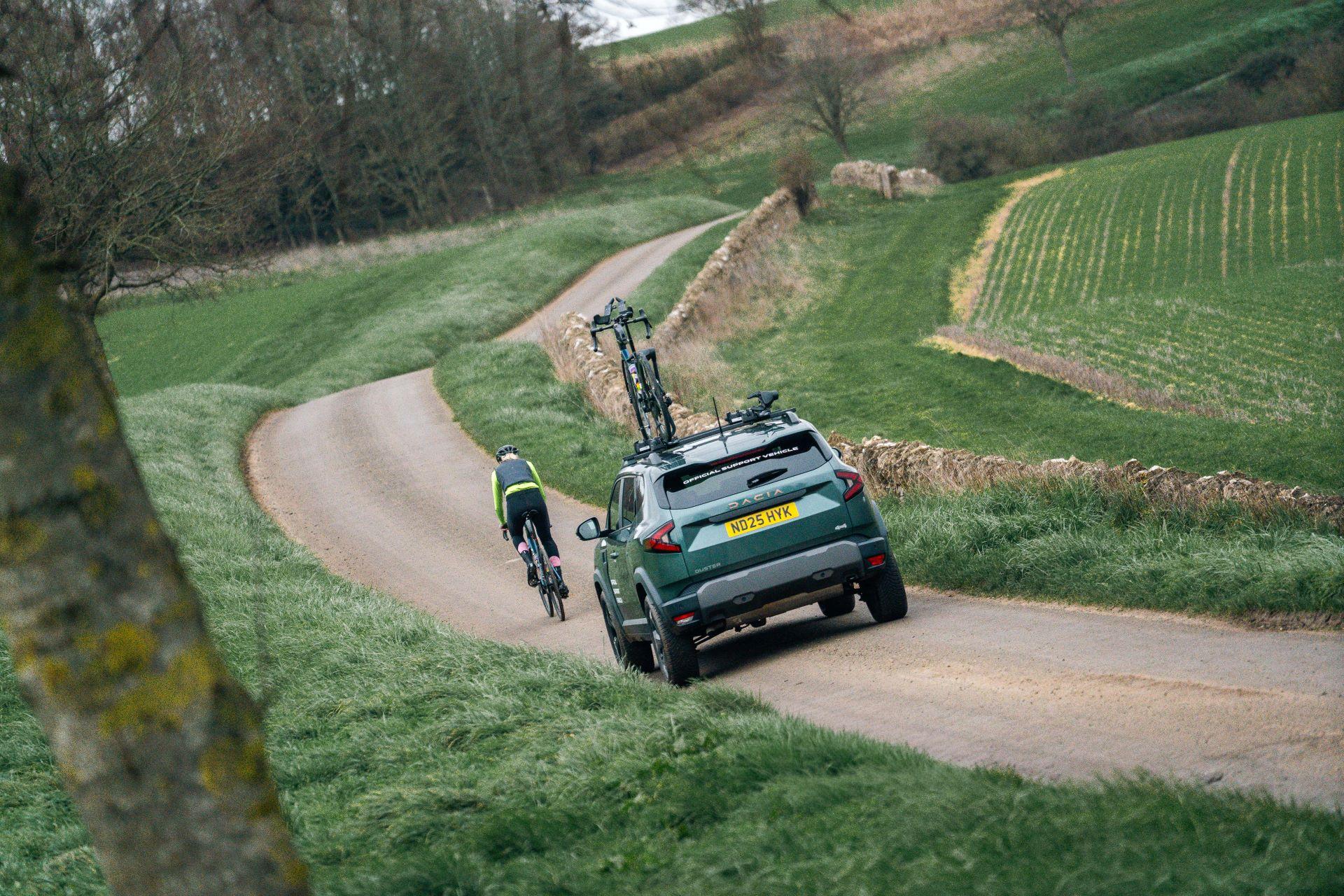
Of all Dacia’s achievements, none exemplifies the brand’s success quite like the Duster. First launched in 2010 and now in its third generation, the Duster has become a global success story, with over 2.6 million units produced to date. Blending off-road capability with urban sensibility, it remains a cornerstone of the Dacia lineup.
The latest Duster iteration builds on this legacy with updated styling, greater space, enhanced comfort, and modern features—while staying true to the core principle of no-nonsense motoring.
A Future Built on Proven Foundations
Eight million vehicles is more than a production figure—it’s a marker of resilience, reinvention, and relevance. From its earliest models shaped by Renault licences to fully homegrown engineering, and from national pride to global reach, Dacia’s journey is one of constant evolution.
As the Bigster begins its rollout and a new chapter unfolds, one thing remains clear: the Mioveni plant isn’t just building cars—it’s building history, one vehicle at a time.