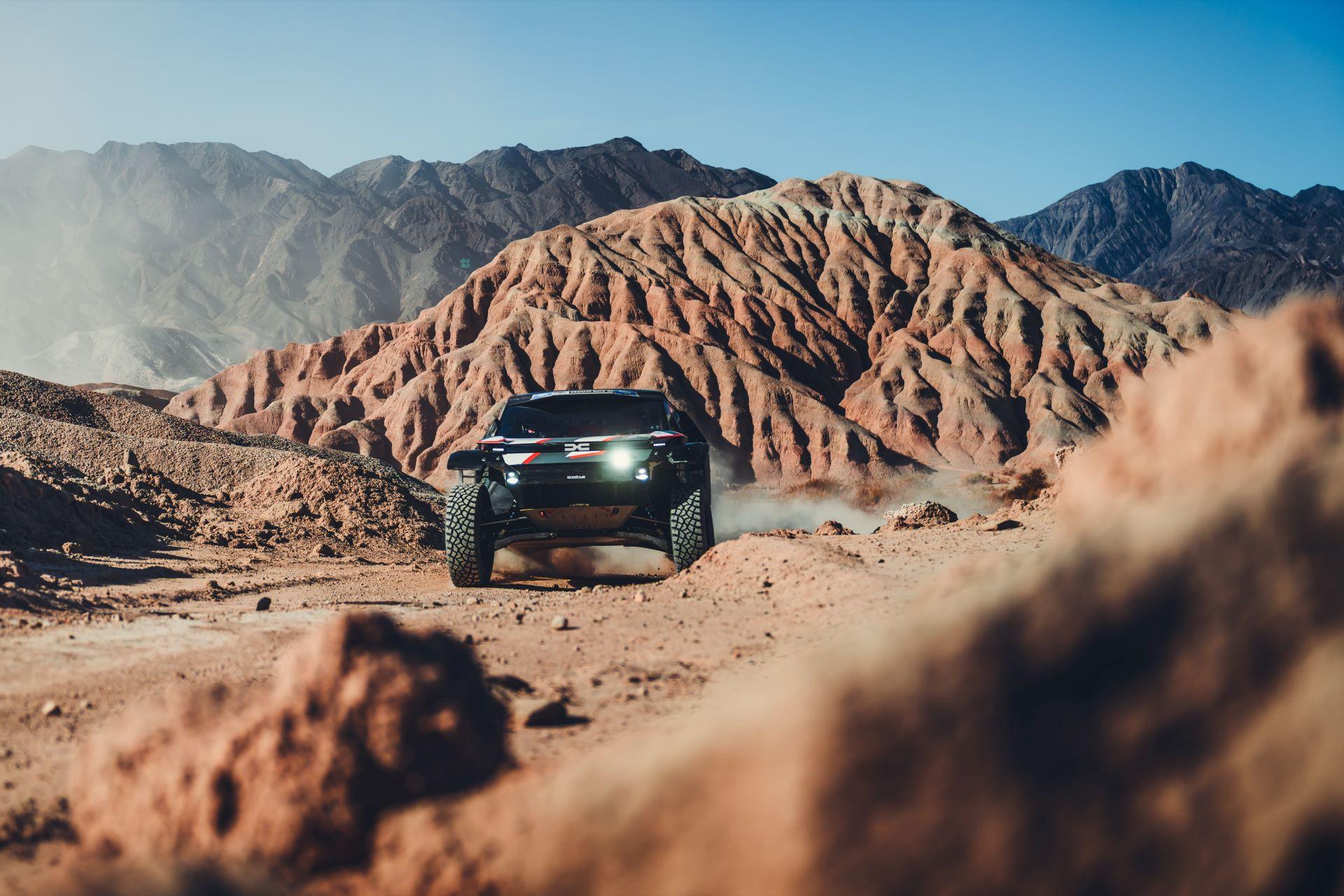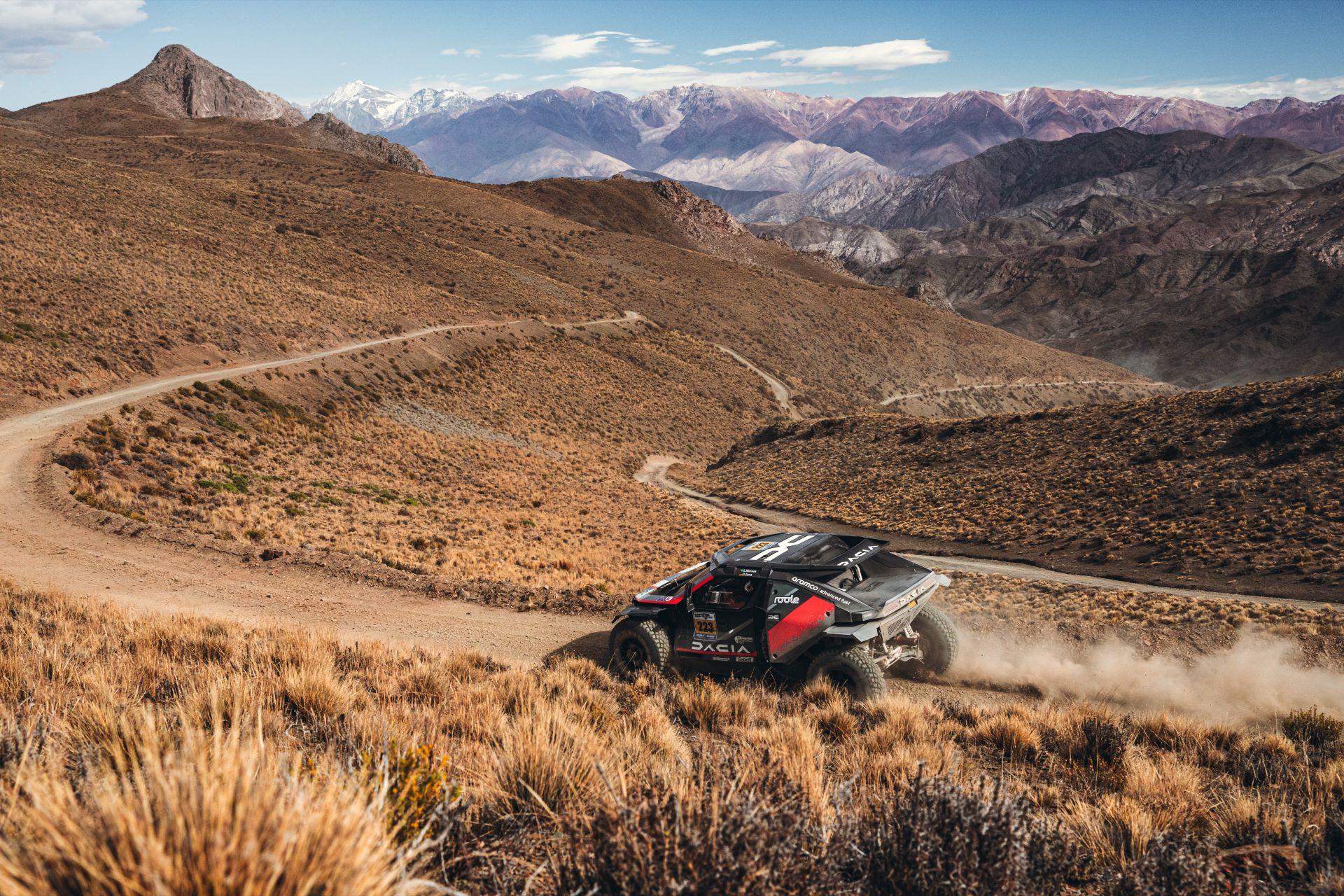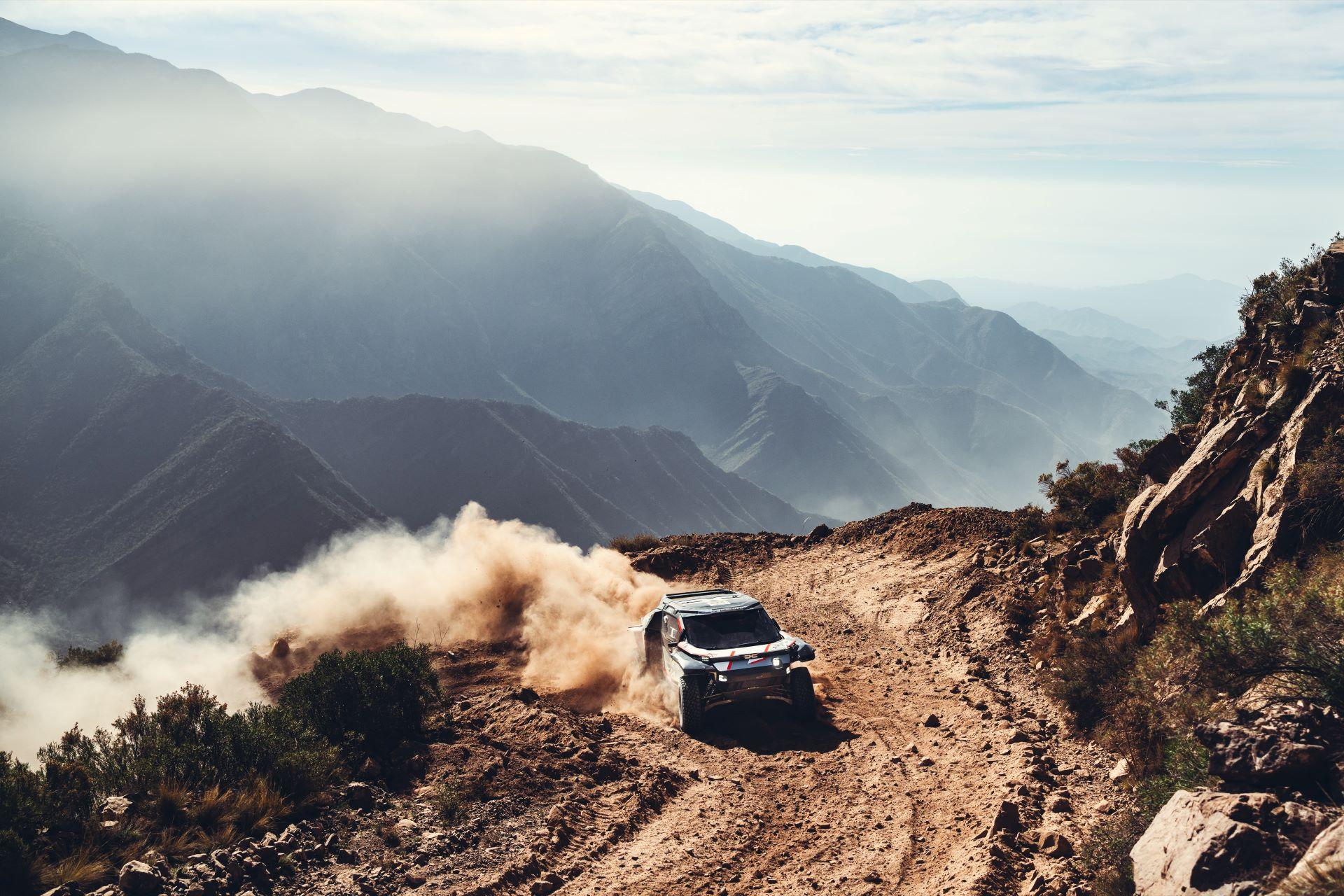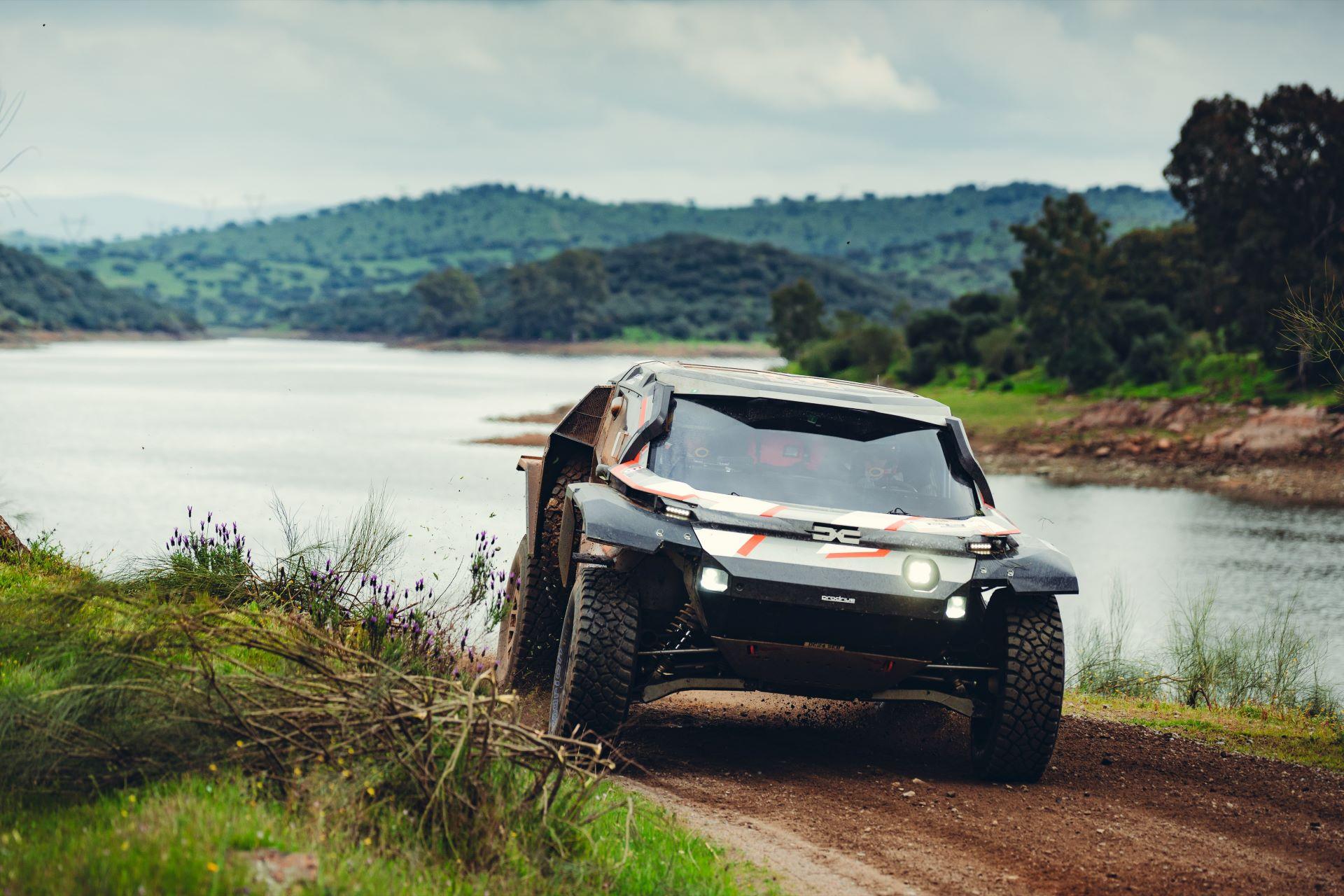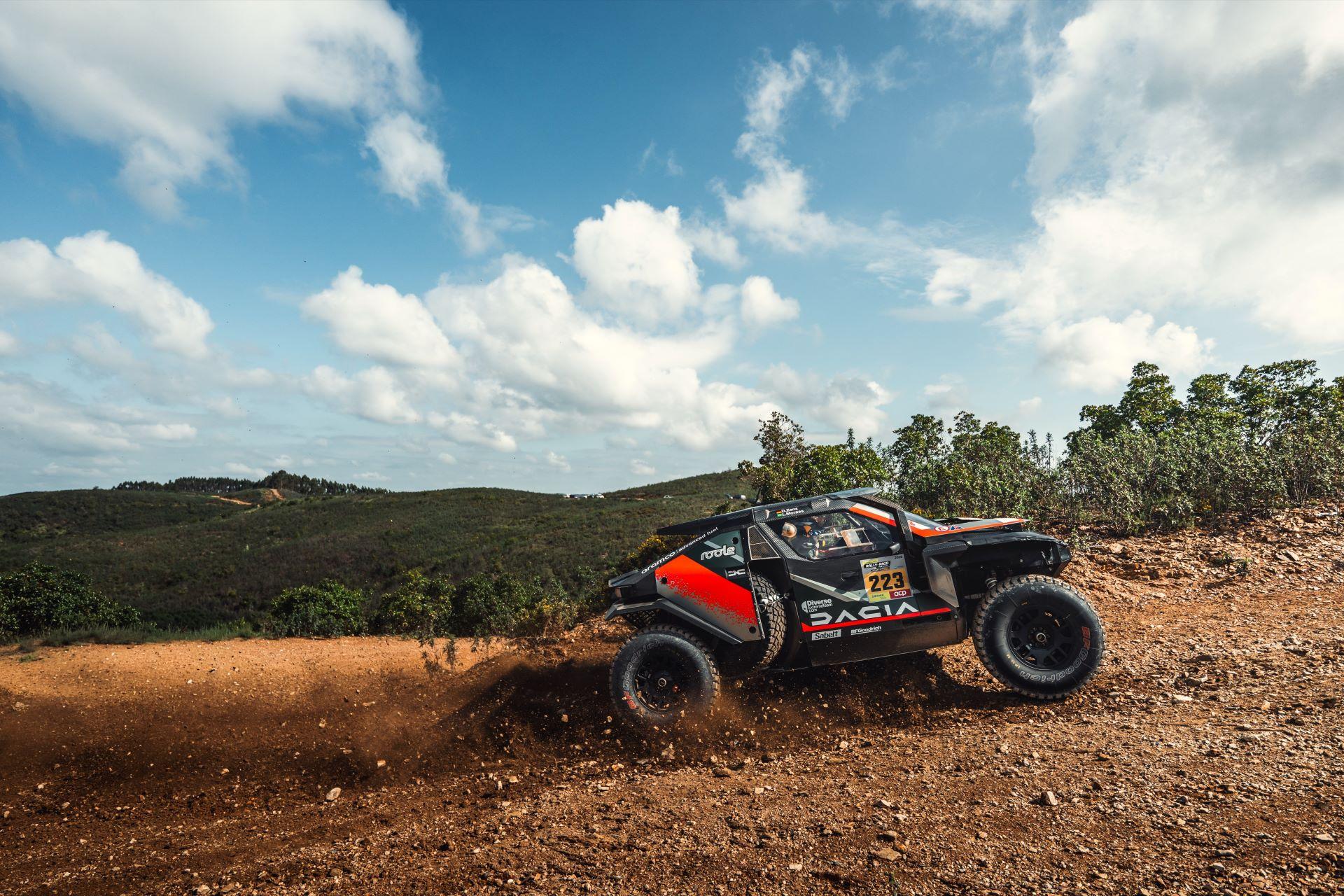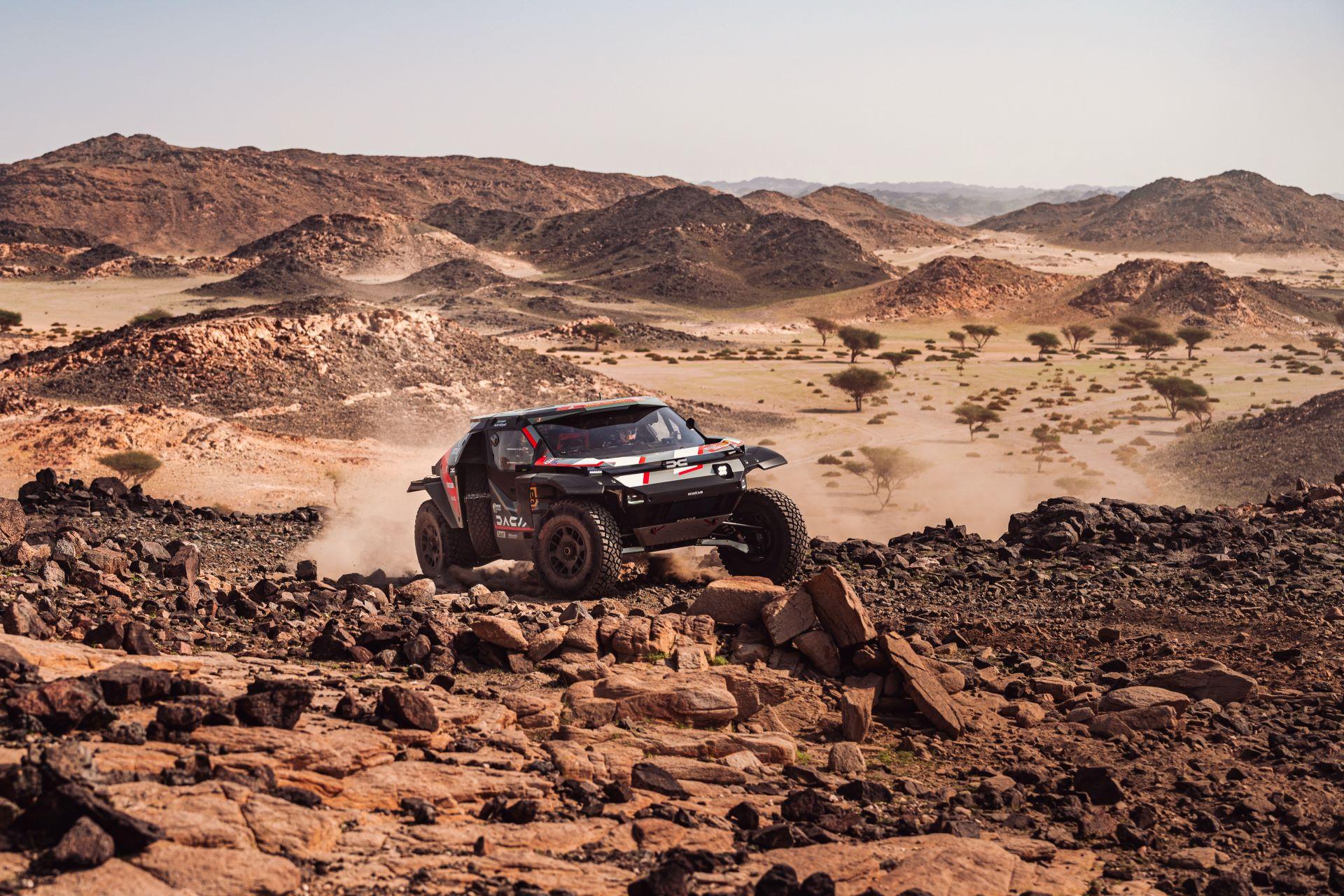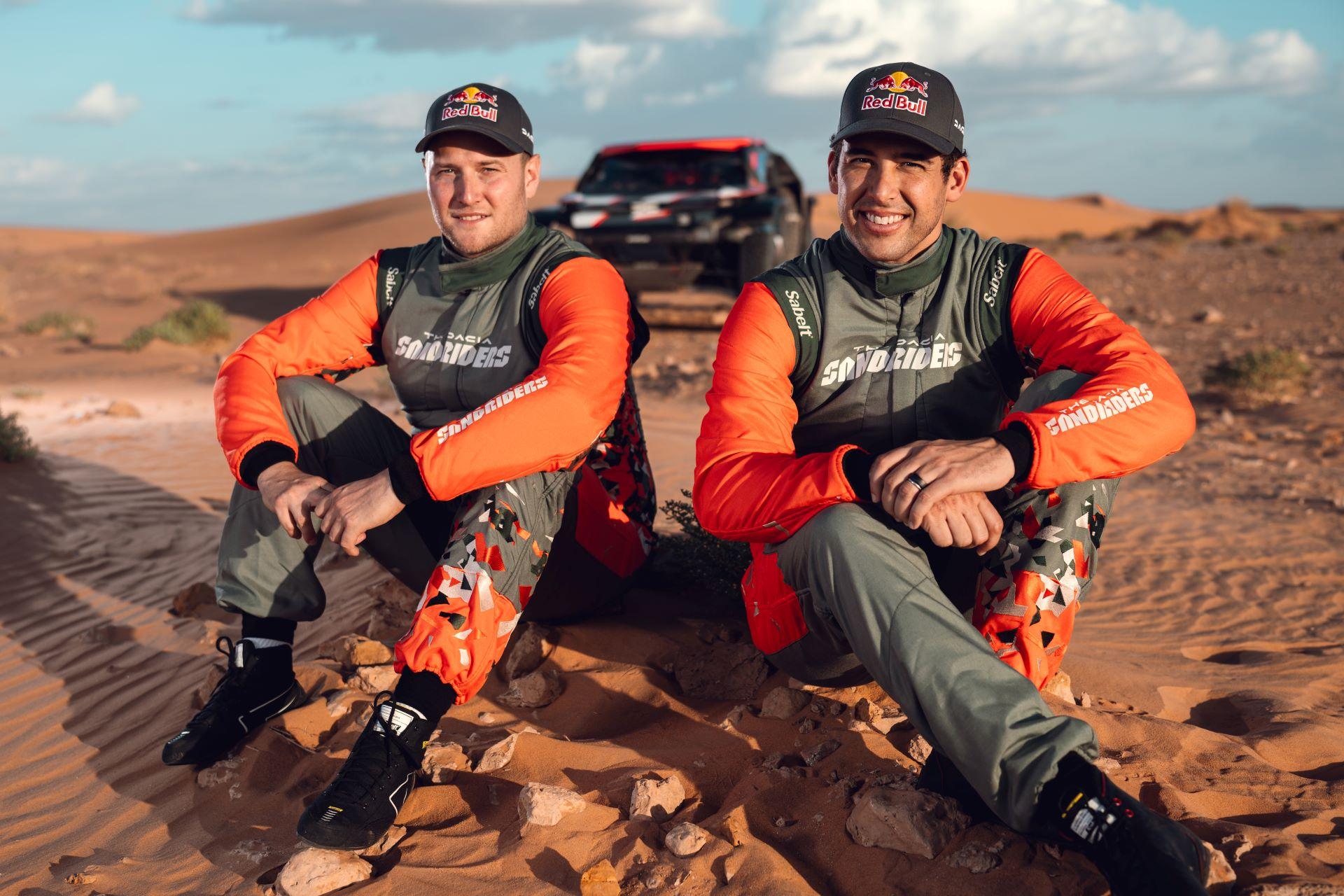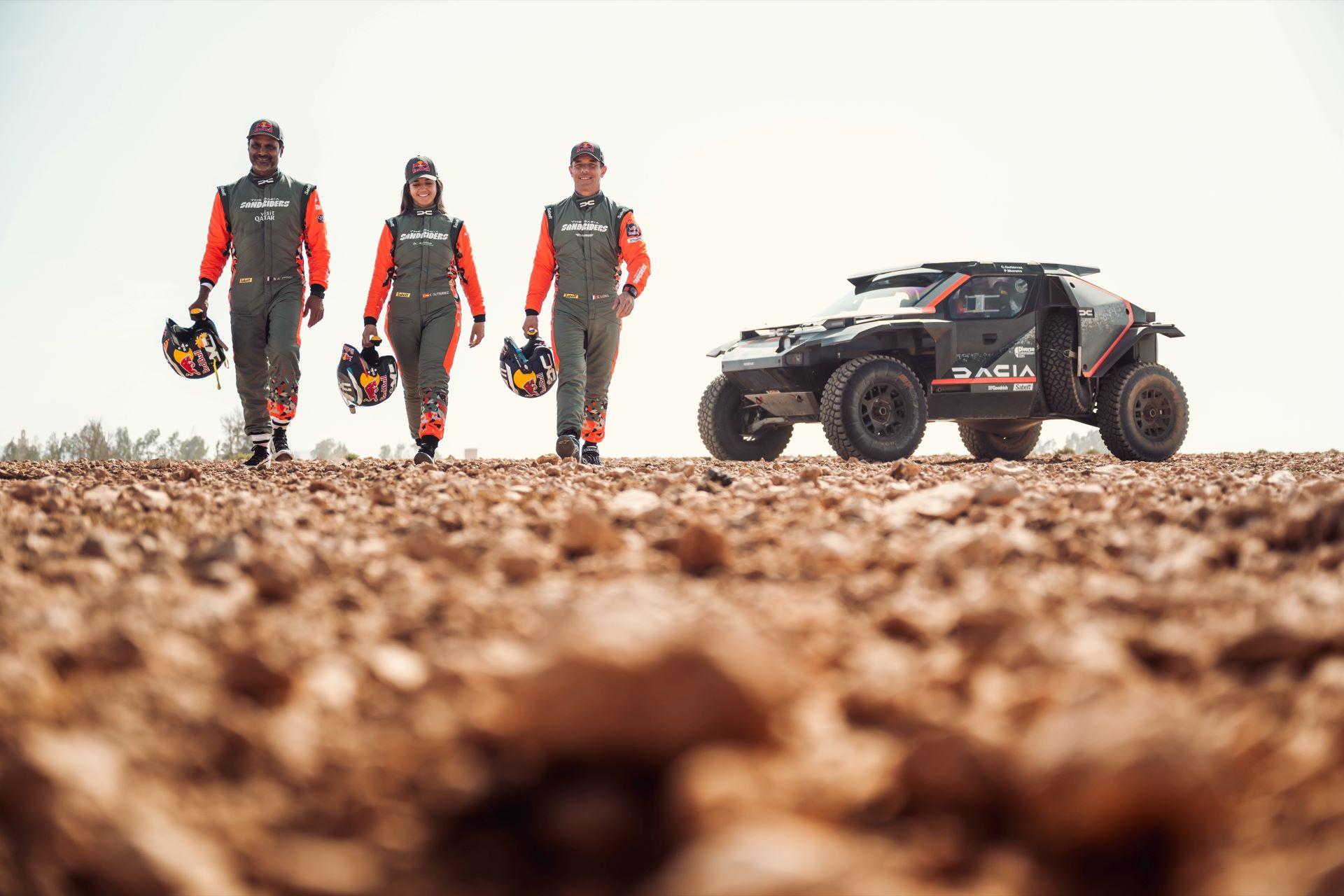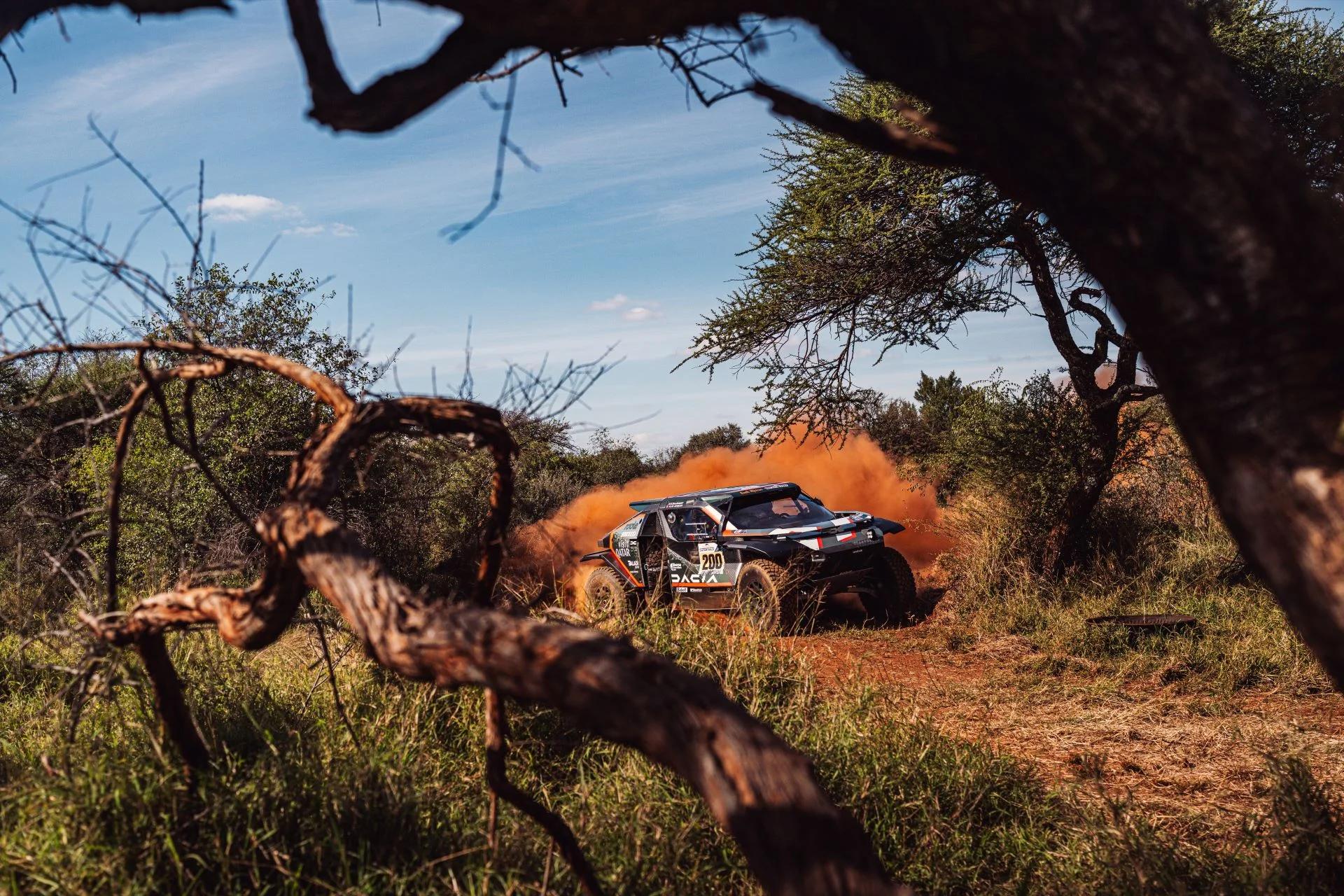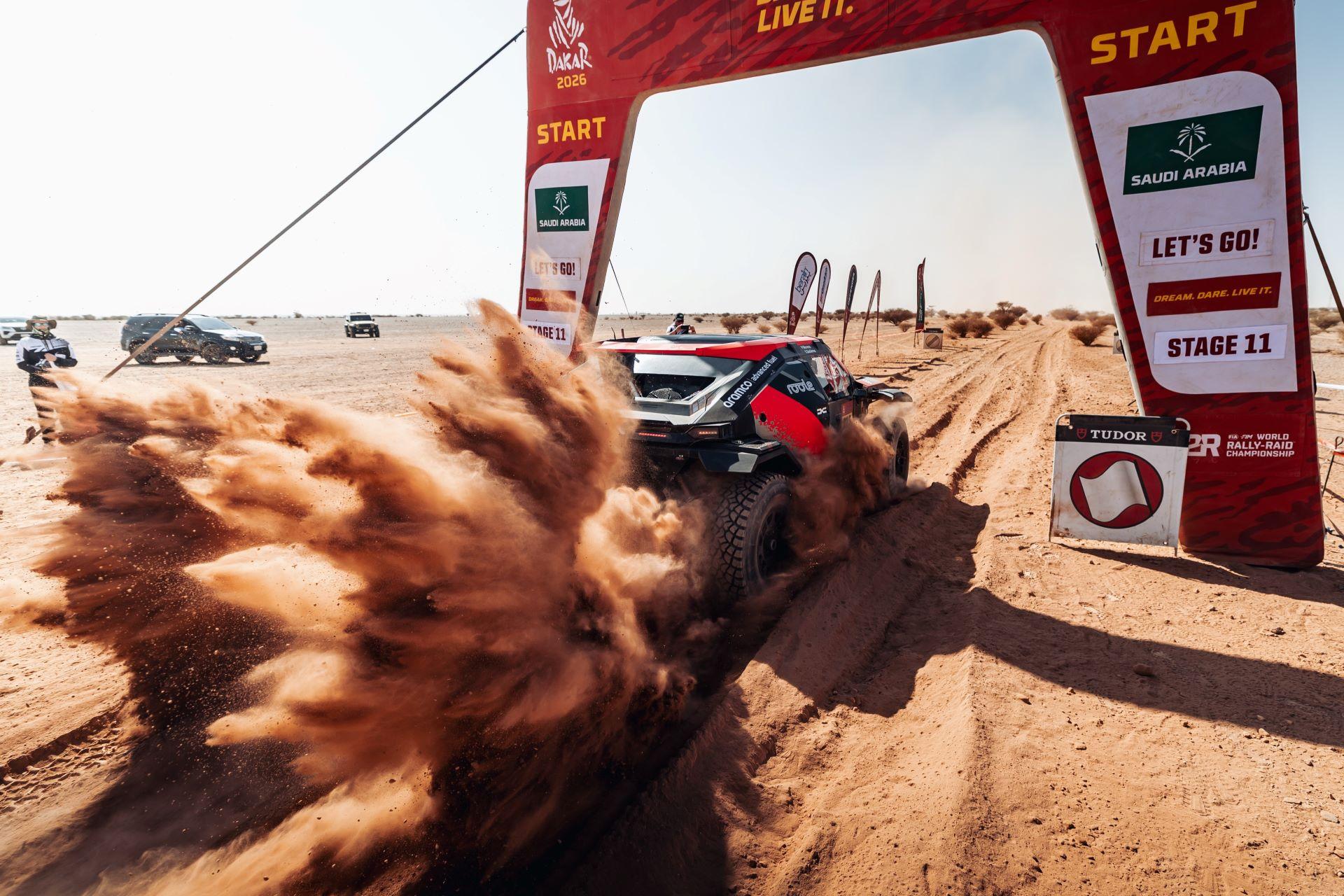
The toughest test in international motorsport has a new conqueror, and its badge tells a powerful story of grit, engineering resolve and belief. The Dacia Sandriders have claimed outright victory at the 48th Dakar Rally, with Nasser Al-Attiyah and Fabian Lurquin delivering a commanding win by almost ten minutes after nearly two weeks of relentless competition across Saudi Arabia.
It is a result that feels seismic not only because of Dakar’s fearsome reputation, but because it arrives in just Dacia’s second participation in the FIA World Rally-Raid Championship’s flagship event. Against a field stacked with experience, budget and legacy, Dacia has proven that robustness, clarity of purpose and intelligent design still count for everything when the desert turns unforgiving.
A Victory Forged Over Distance and Discipline
Across 13 punishing days, the 2026 Dakar Rally covered a total distance of 7,976 kilometres, with 4,809 kilometres raced against the clock. From rock-strewn mountain tracks to towering sand dunes and fast open plains, the route demanded mechanical endurance, strategic restraint and mental resilience in equal measure.
The Dacia Sandriders delivered on all fronts. The team secured two stage victories and, remarkably, slipped outside the top three overall positions only once during the entire event. Consistency became its sharpest weapon, allowing Al-Attiyah and Lurquin to build pressure while others faltered under the weight of Dakar’s attrition.
Their final margin of victory, 9 minutes and 42 seconds, was the product of measured control rather than last-gasp heroics. It was Dakar won with intelligence, not bravado.
Final Stage Composure Seals the Win
The closing act of the rally unfolded over a 105 kilometre timed loop around Yanbu, where the event had begun weeks earlier. With a 16 minute buffer heading into Stage 13, Al-Attiyah and Lurquin approached the gravel-heavy, mountainous route with caution firmly front of mind.
Organisers had flagged careful cornering as essential, and the leading crew responded accordingly. Posting the 36th quickest time, they avoided unnecessary risk and let the clock work in their favour, sealing victory without drama. It was a masterclass in championship thinking, resisting temptation in a sport that often rewards aggression.
Behind them, the fight was anything but subdued.
Four Cars Home, One Team Statement
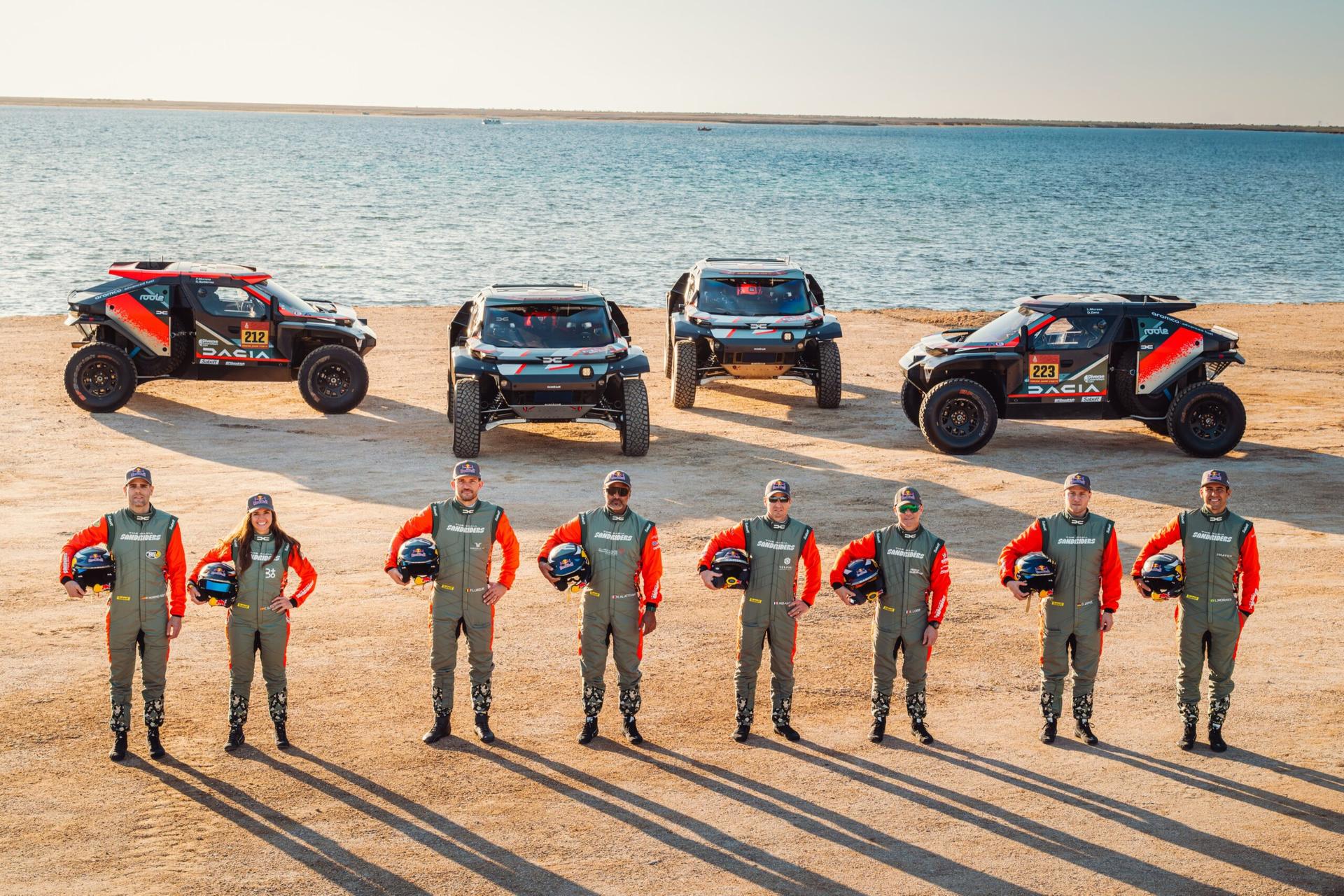
Dacia’s triumph was not confined to the top step of the podium. In a rally defined by survival as much as speed, all four Dacia Sandriders crews reached the finish, an achievement that underlined the programme’s depth and reliability.
Sébastien Loeb and Édouard Boulanger returned to the final bivouac on the Red Sea in fourth place, narrowly missing out on the podium after a valiant push on the final stage. Just 29 seconds off third at the start of Stage 13, they missed a stage win by eight seconds and ultimately fell short of the podium by only 37 seconds. Given the delays and challenges they faced earlier in the rally, fourth place was a deserved reward for relentless determination.
Lucas Moraes and Dennis Zenz completed their first Dakar Rally with The Dacia Sandriders in seventh overall. Starting the final stage 18 seconds off sixth, they showed maturity and composure, finishing the event with valuable experience banked for the future.
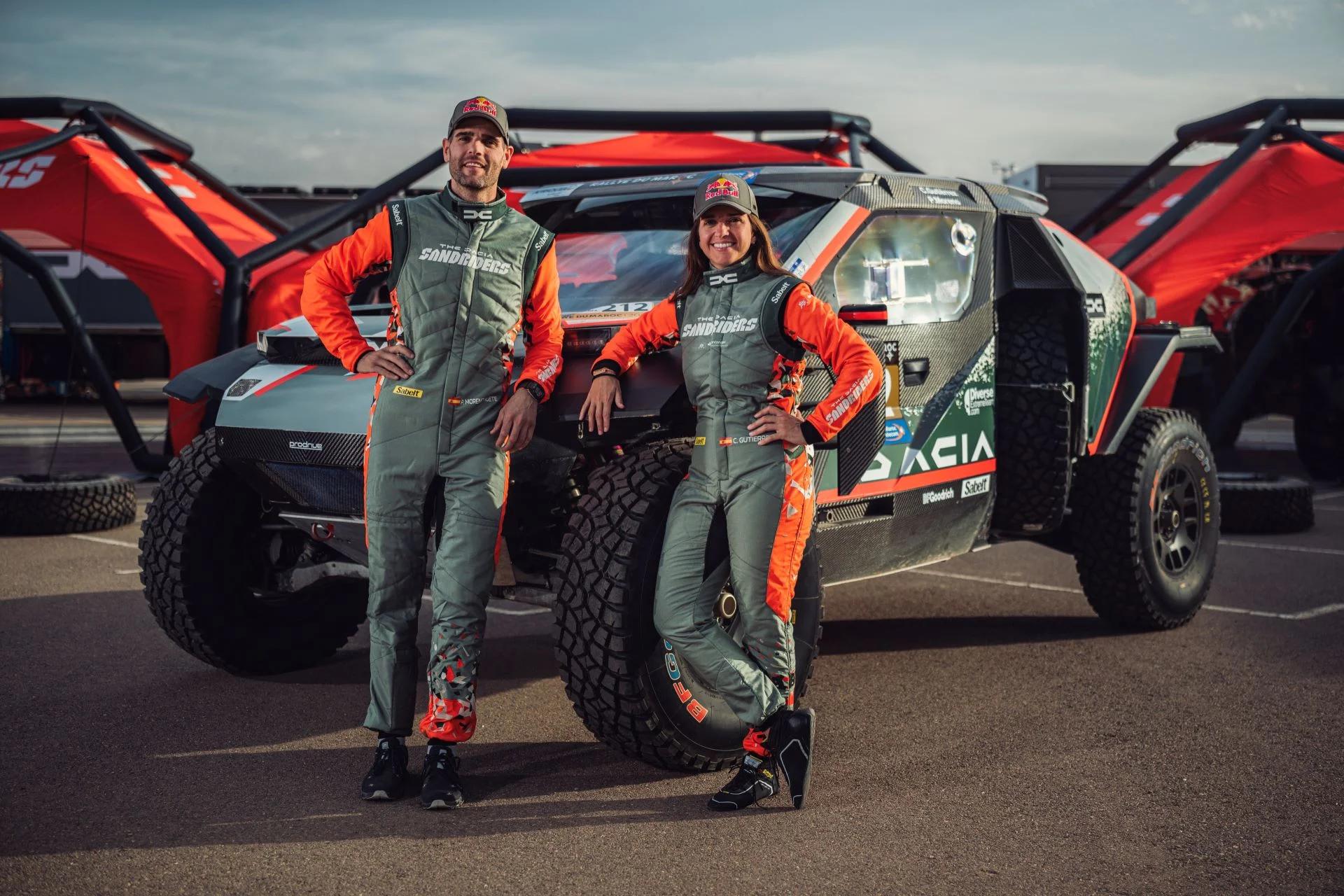
Cristina Gutiérrez and Pablo Moreno rounded out the team’s strong showing, climbing from 12th to 11th overall after posting the 10th fastest time on the final stage.
Four cars inside the top eleven at Dakar is no footnote. It is a statement.

Engineering That Reflects the Brand
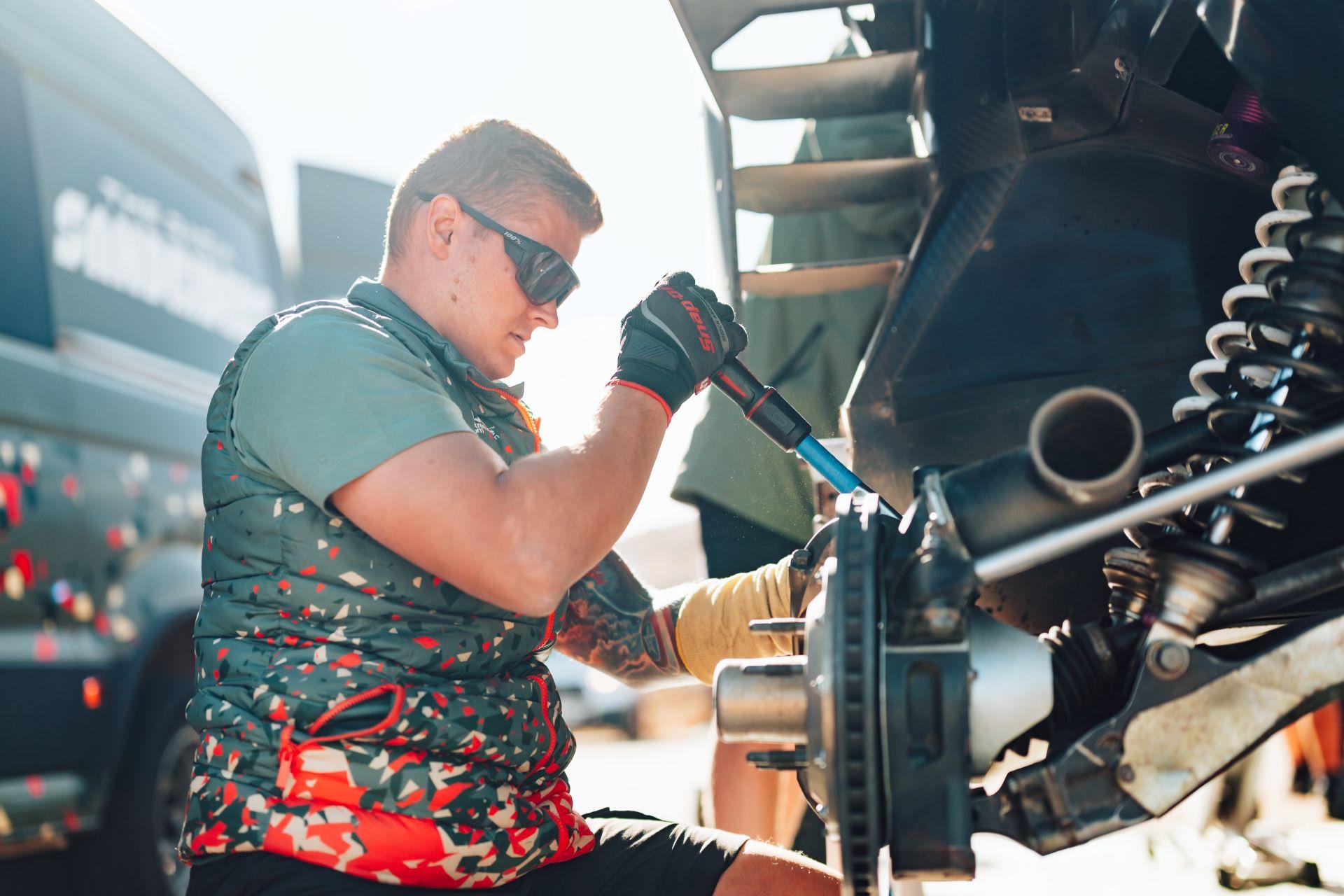
While driver skill and navigational precision were decisive, the Sandrider itself stood at the heart of this victory. Designed and built to endure the harshest environments, the Dacia Sandrider translated the brand’s road car philosophy into a competition machine capable of absorbing punishment without compromise.
Across dunes, rocks and high-speed sections, reliability became a competitive advantage. Where Dakar often exposes weakness with brutal honesty, the Sandrider delivered consistency, stage after stage, validating Dacia’s long-held reputation for robust, outdoor-ready vehicles.
A Historic Moment for Dacia
Katrin Adt, Dacia CEO, captured the scale of the achievement with unfiltered emotion.
“We did it. What an achievement, what an adventure, what a performance. Today is a historic moment and the proudest moment for the whole Dacia brand. It is the result of so much hard work by so many talented people, and it shows that The Dacia Sandrider, like our road cars, is reliable and robust.”
Her words reflect more than celebration. They signal a brand that has entered elite motorsport not to participate, but to compete with conviction.
Al-Attiyah Makes It Six, Lurquin Makes History
For Nasser Al-Attiyah, this victory marks his sixth Dakar Rally win, adding another chapter to one of the sport’s most decorated careers. It is his third triumph in Saudi Arabia, following previous successes in 2011, 2015, 2019, 2022 and 2023.
For Fabian Lurquin, the moment carries even deeper resonance. After 22 years of dreaming, working and returning to the Dakar with unfinished business, he claims his first overall victory. It is also the first Dakar win in the car category for a Belgian navigator, adding a layer of history to an already memorable result.
“I have been dreaming of this for 22 years,” Lurquin said. “I would exchange ten times the second place with the first one.”
Dreams, at last, fulfilled.
A Team Effort, Fully Realised
Team Principal Tiphanie Isnard described the win as the culmination of relentless commitment.
“To win the Dakar after the first full season of competing is a wonderful result. This victory was the result of outstanding teamwork and commitment. To have all four cars finishing inside the top eleven is really impressive and testament to the efforts of our brilliant team.”
In Dakar, nothing is gifted. Everything is earned kilometre by kilometre, decision by decision.
For Dacia, this victory signals more than a trophy. It confirms that the brand’s philosophy holds firm even when the terrain tries to break it. In the world’s toughest rally, Dacia did not just survive. It set the pace, controlled the narrative and emerged victorious, sooner than anyone expected.