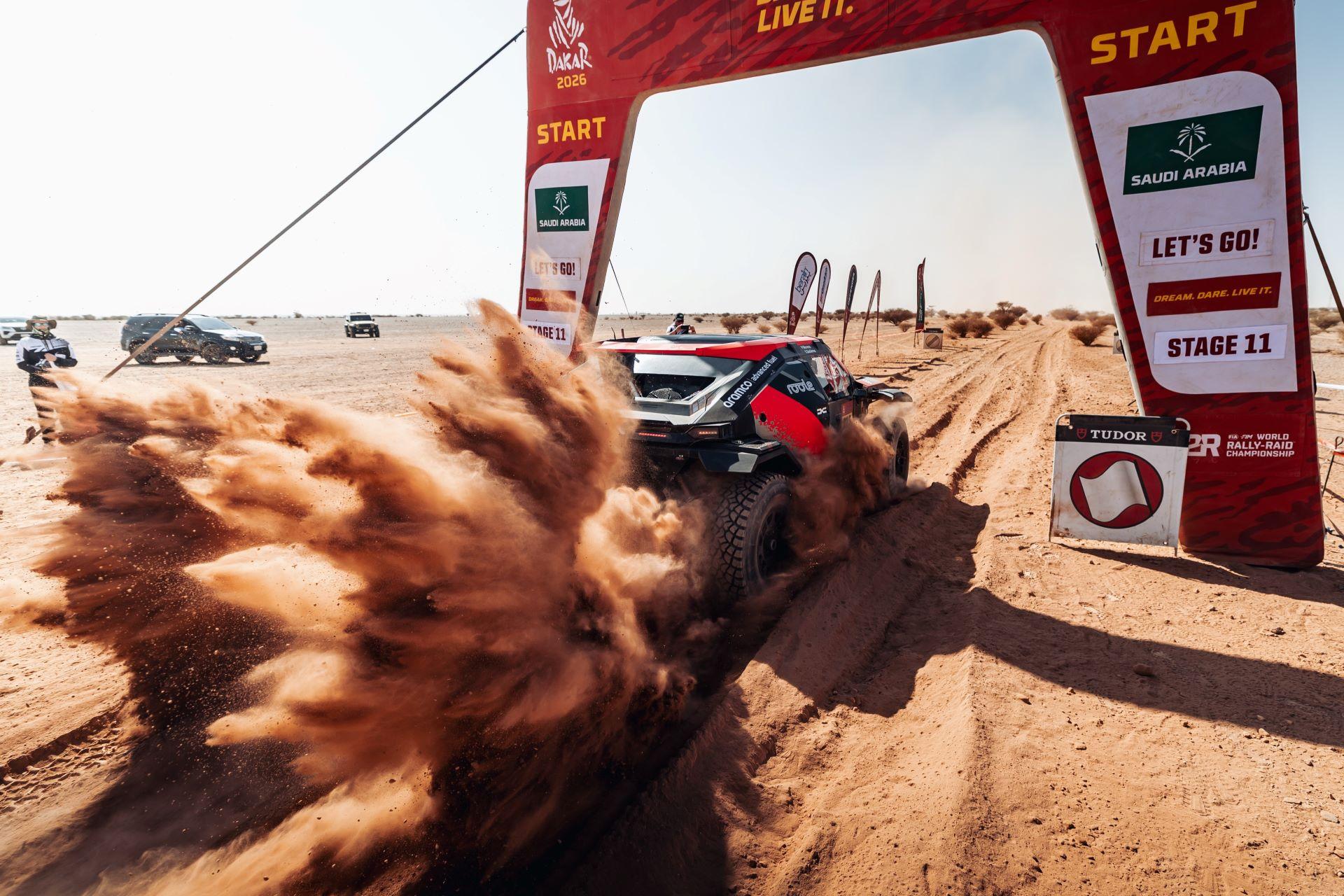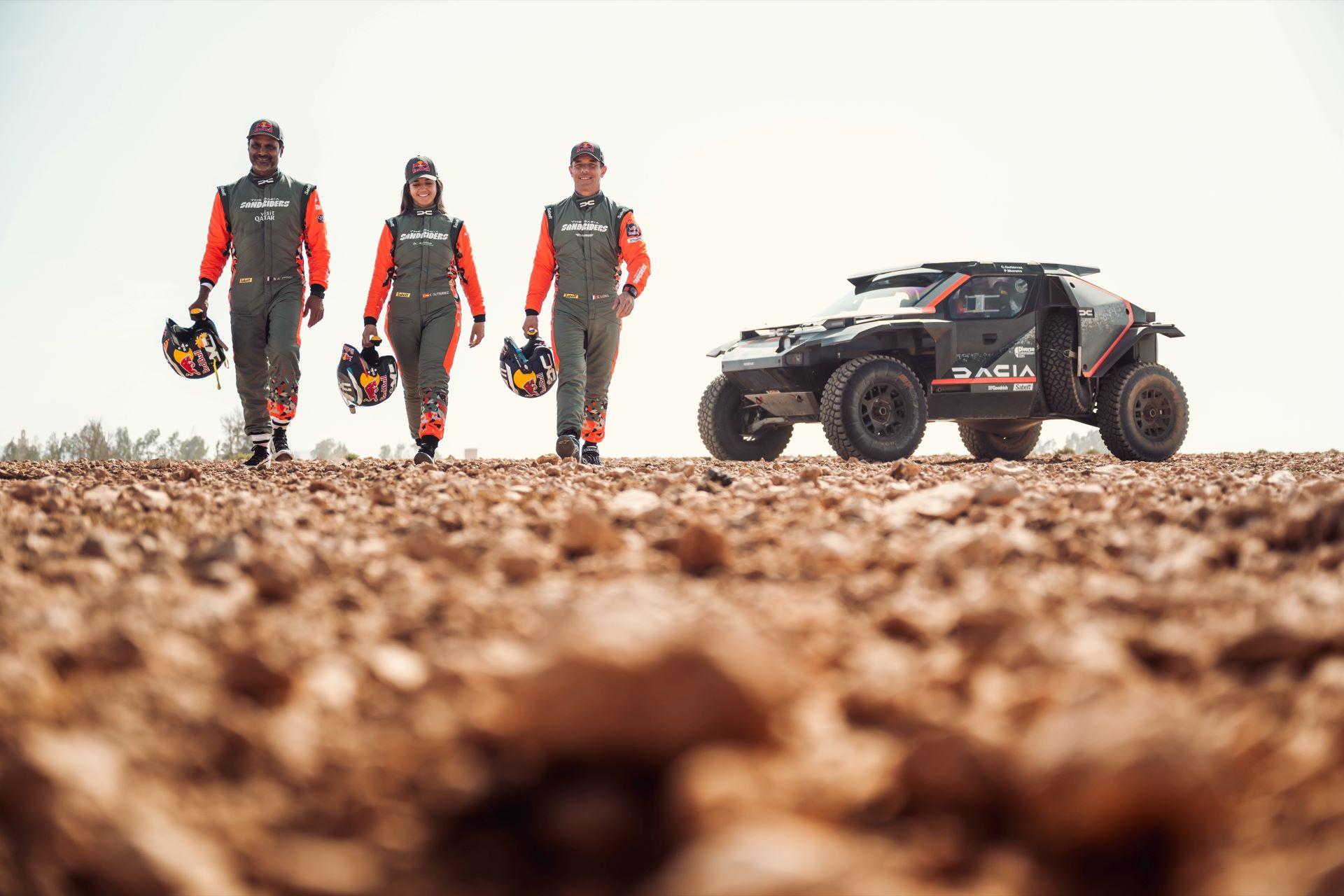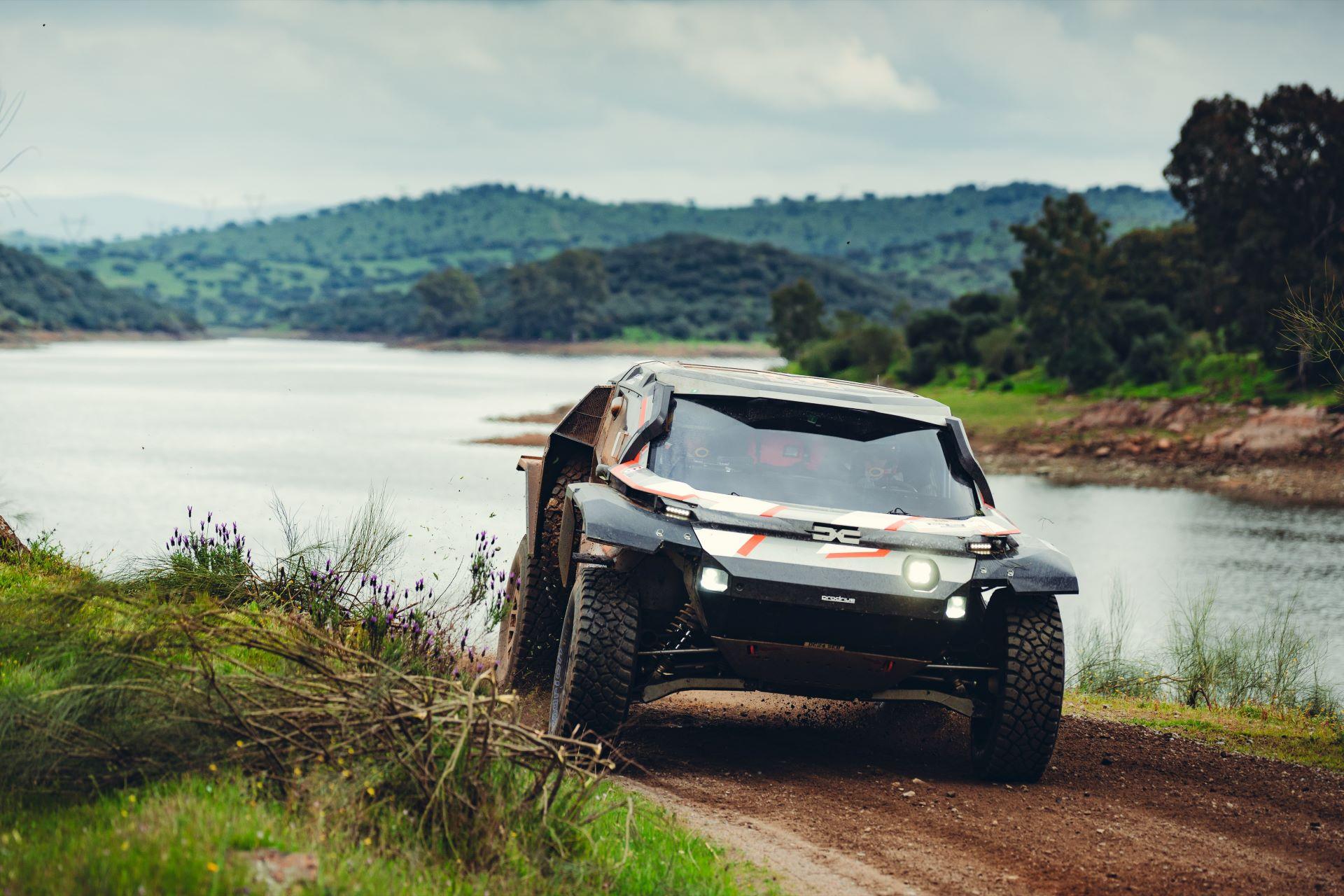
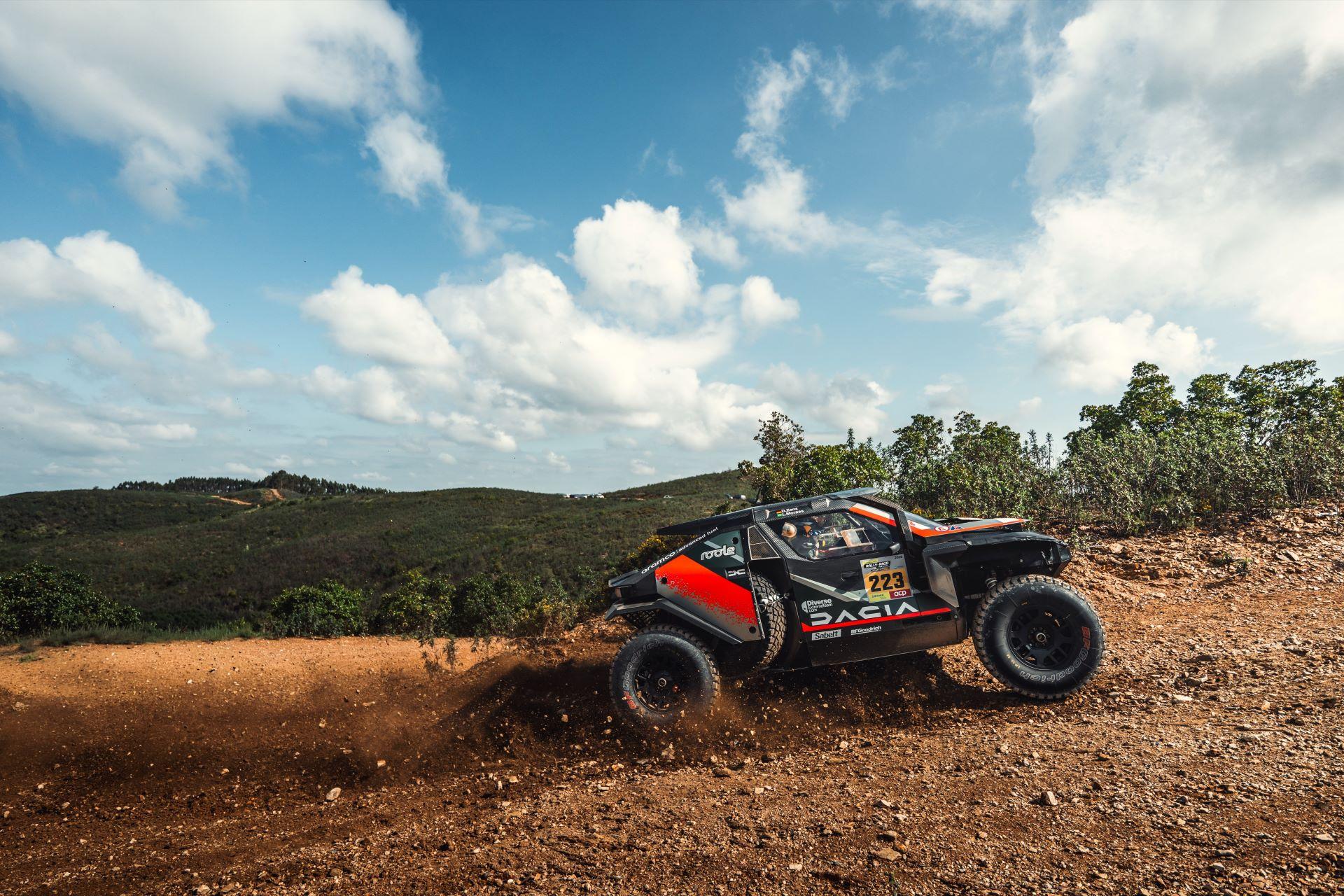
The FIA World Rally-Raid Championship shifts its rhythm and continent as it lands in South America for round three, where The Dacia Sandriders arrive not as newcomers, but as the team everyone is now chasing. After back-to-back victories in the Dakar Rally and Rally-Raid Portugal, the squad sits atop the Drivers’, Navigators’ and Manufacturers’ standings, carrying both momentum and expectation into uncharted territory.
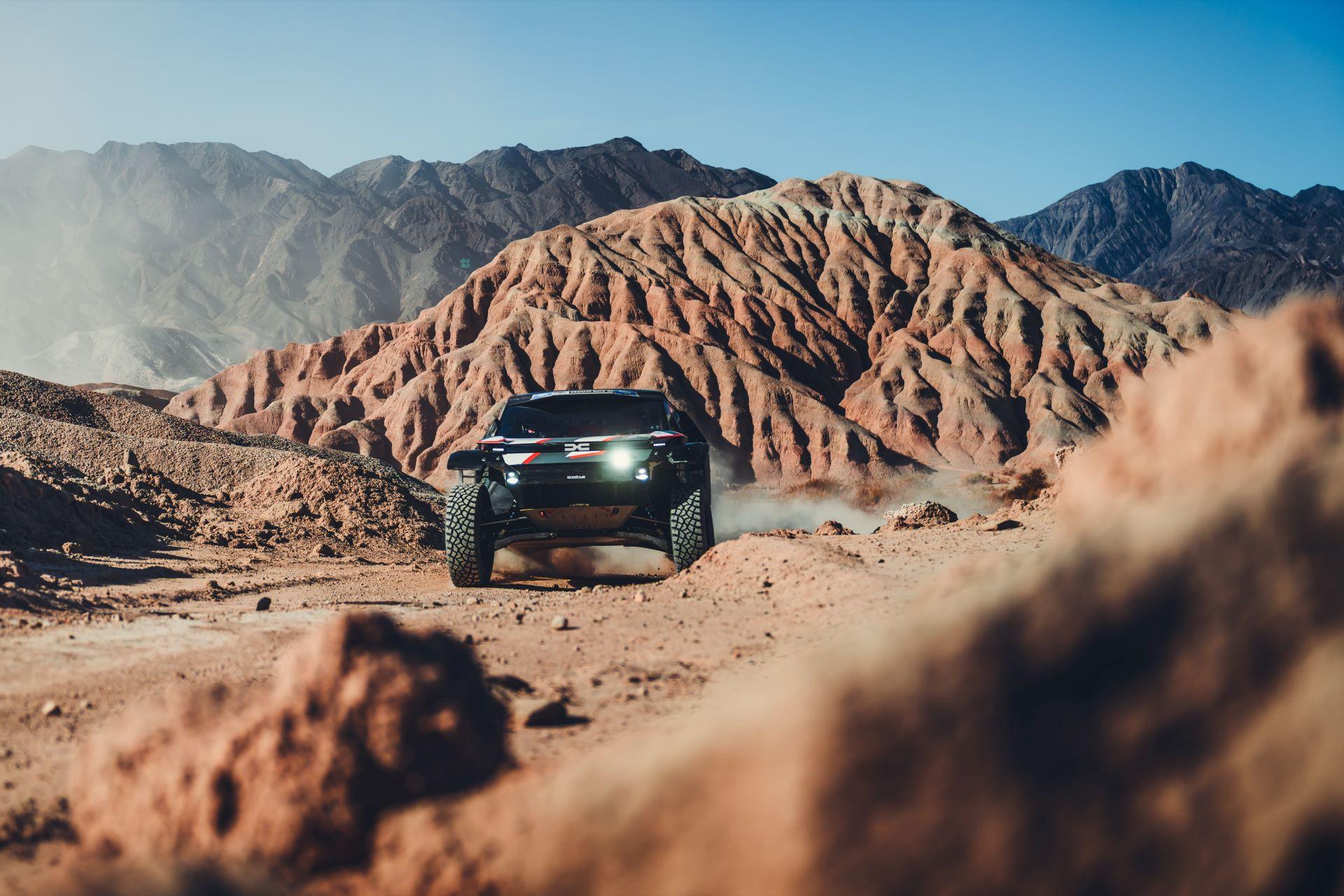
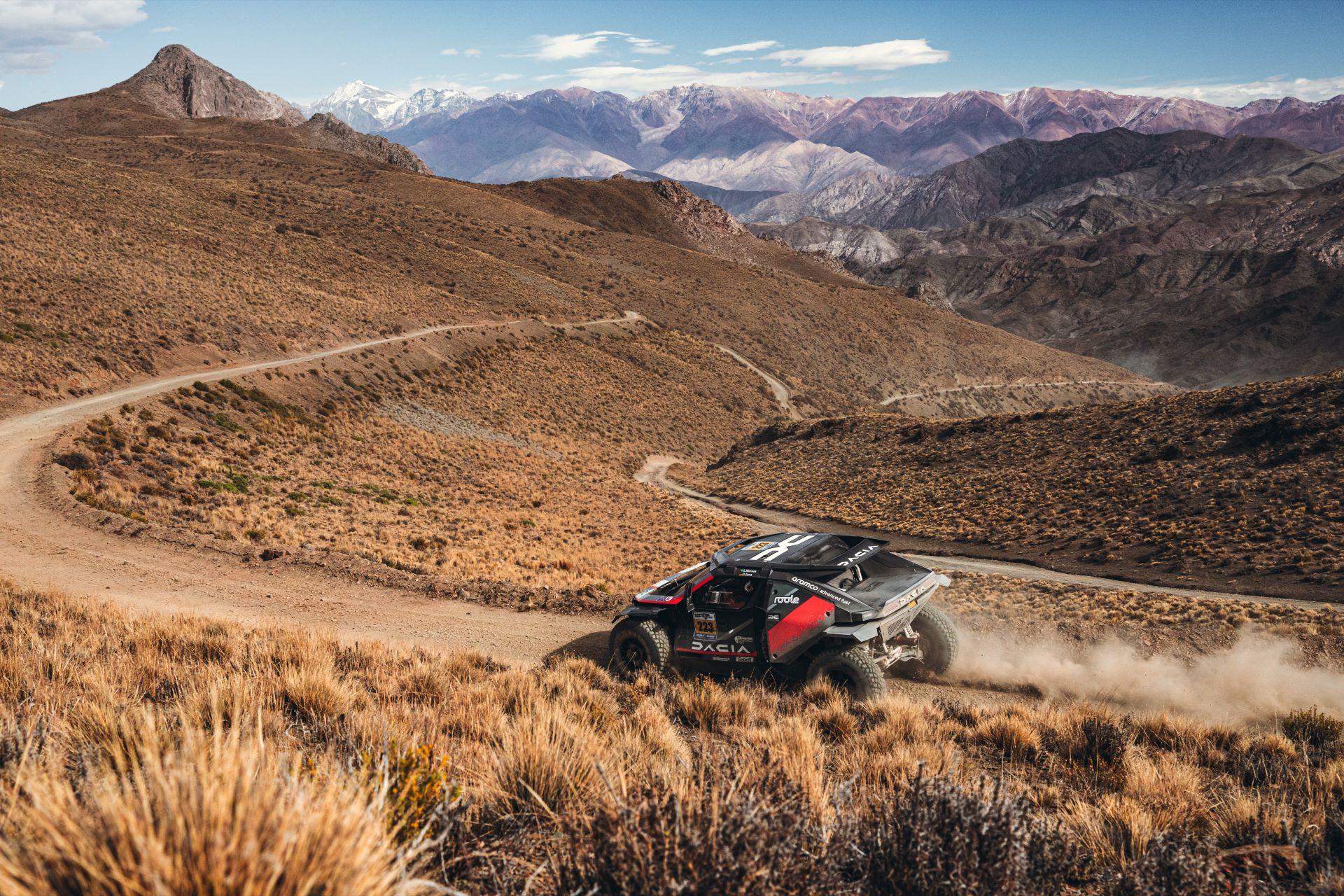
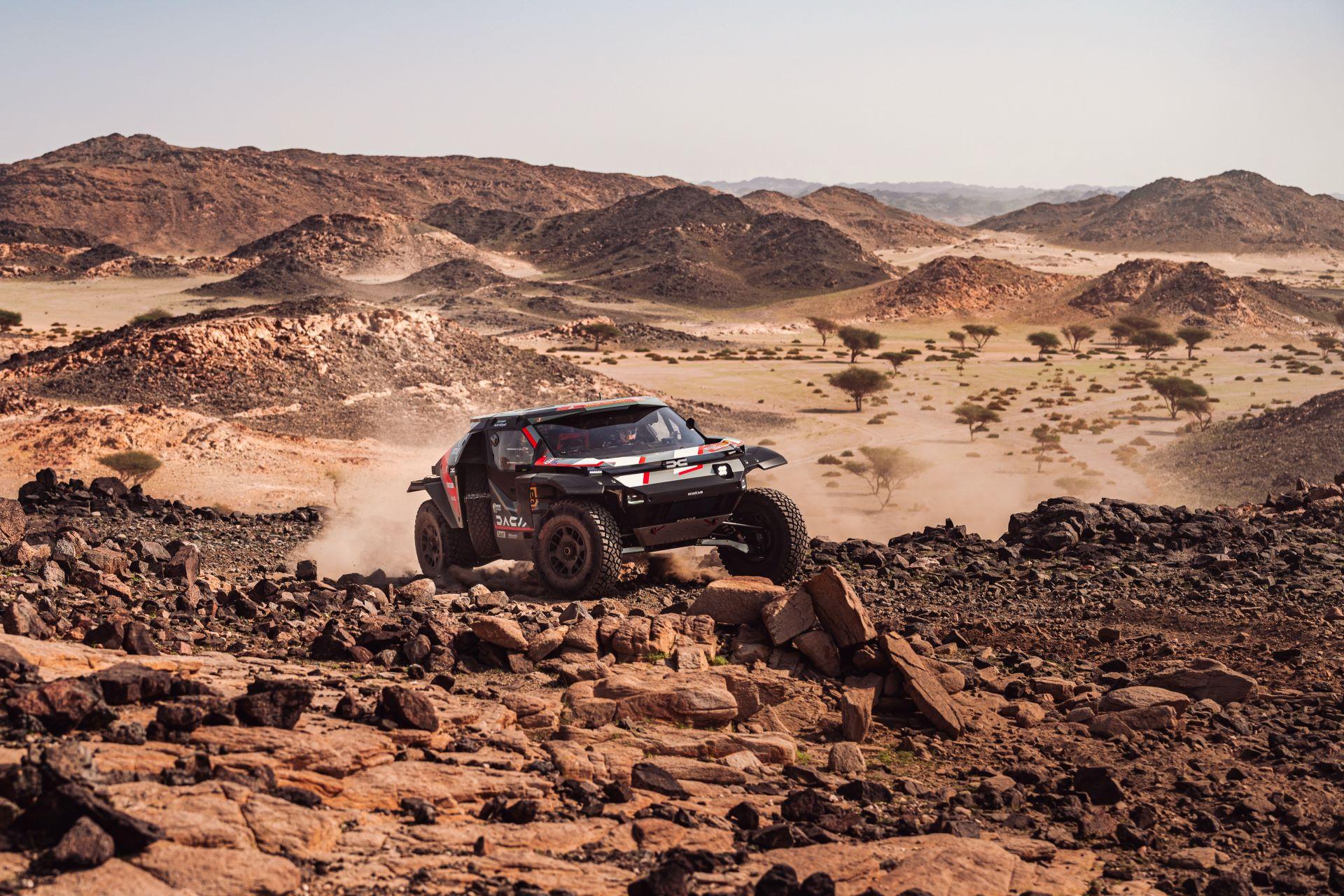
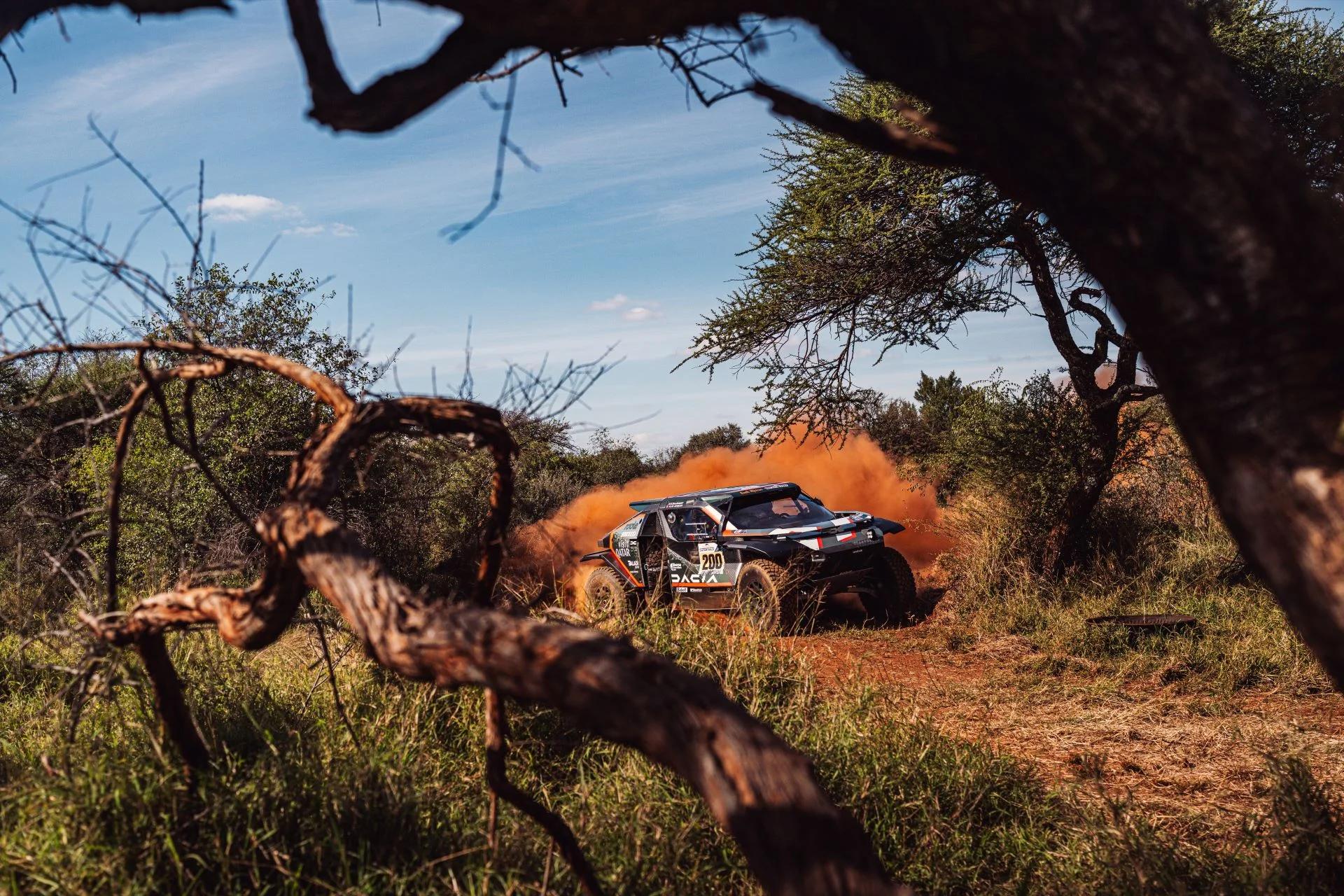
Argentina marks a fresh frontier for the 2026 season’s pace-setting outfit, as Desafío Ruta 40 returns to the championship calendar with a route designed to test every assumption a team can make about endurance rallying. Over five stages and nearly 3,000 kilometres of racing, crews will be pushed across a constantly shifting canvas of terrain, from dried riverbeds and gravel plains to salt flats, high-altitude mountain tracks and deep, punishing sand.
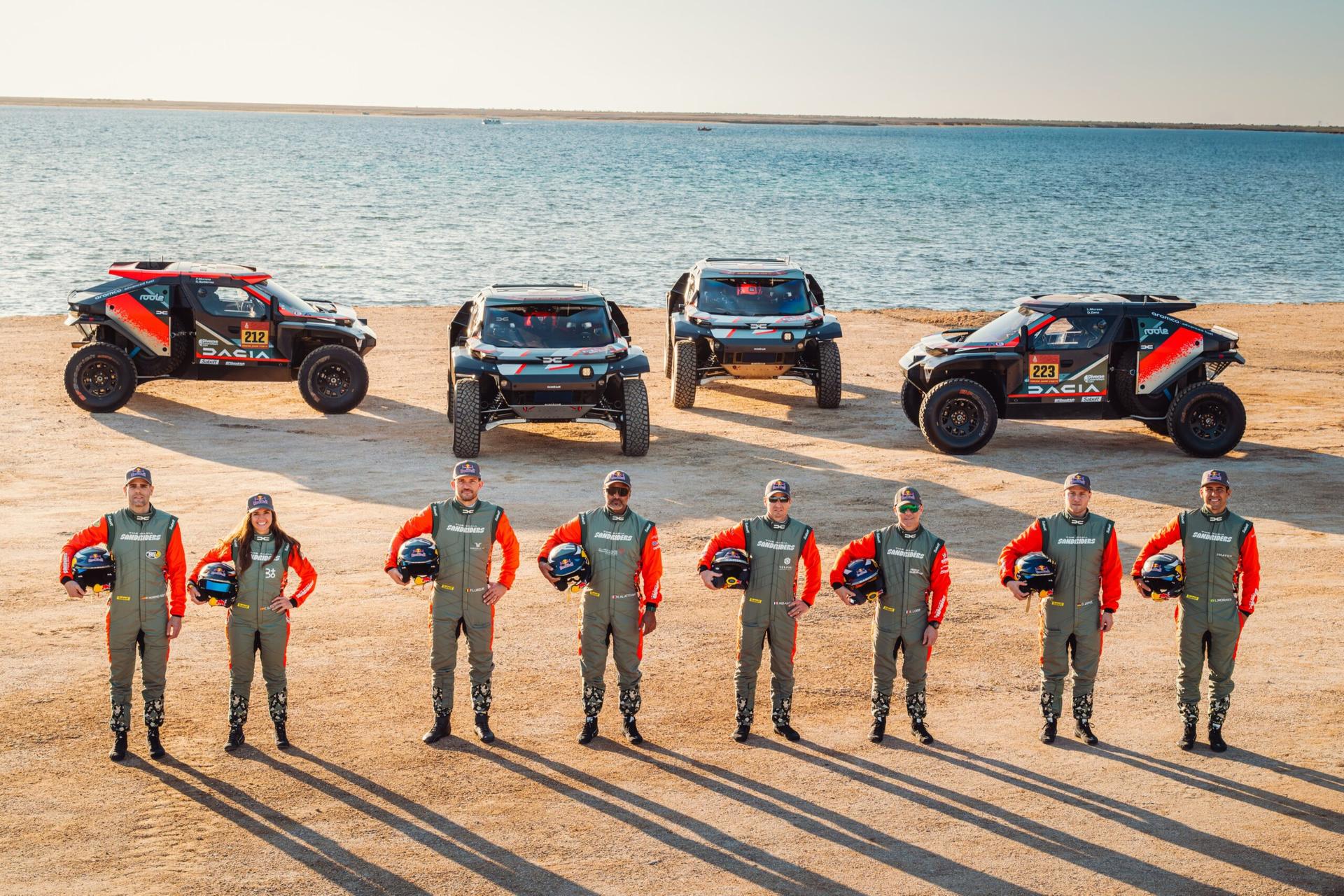
For The Dacia Sandriders, this is more than just another round. It is a mission of discovery wrapped in a title fight. The championship lead is tight at the top, with Sébastien Loeb holding a slender seven-point advantage over Nasser Al-Attiyah, while Lucas Moraes remains firmly in contention after a strong run of form. Every stage in Argentina carries weight, not just in seconds but in the broader narrative of a season that is beginning to crystallise into a three-way battle at the front.
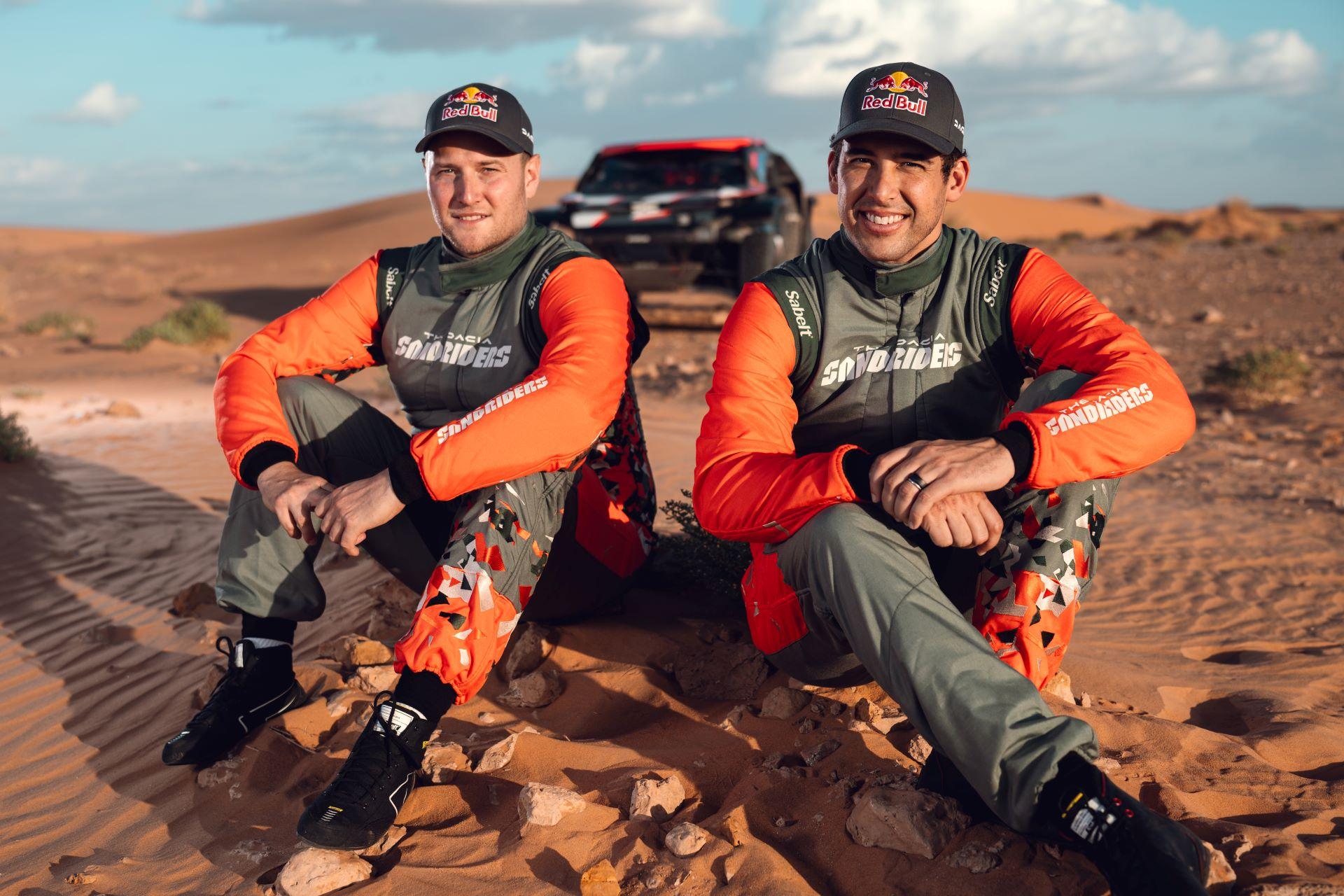
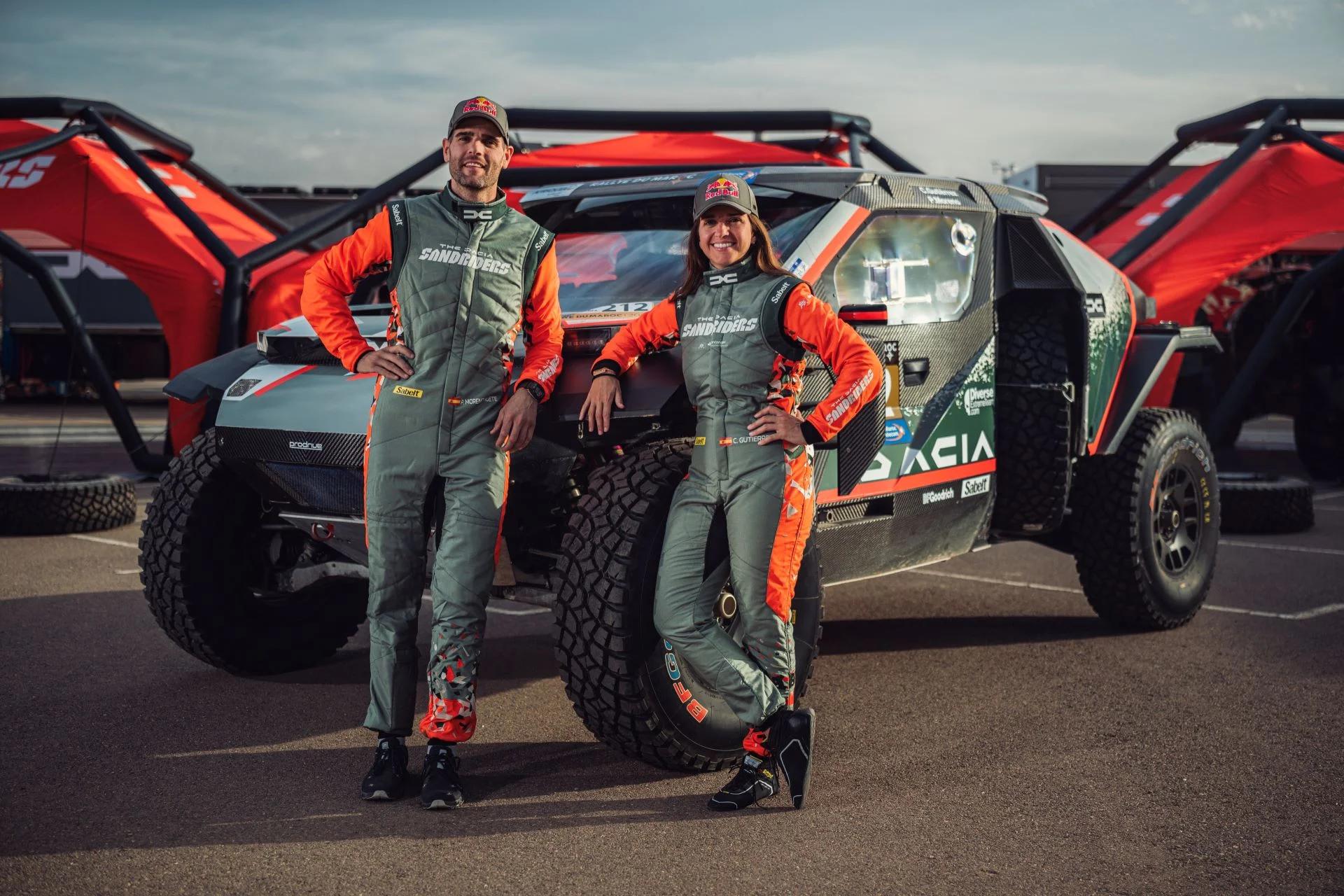
The team’s strength lies not only in its driving talent but in continuity. All three crews remain unchanged, a rare luxury in a discipline defined by chaos and constant adaptation. Loeb continues alongside Édouard Boulanger, who leads the Navigators’ standings, forming a pairing that blends precision with pace. Al-Attiyah, partnered with Fabian Lurquin, arrives with unfinished business after a difficult outing in Portugal but carries proven pedigree on South American soil, including a Desafío Ruta 40 victory in 2023. Moraes, racing closer to home terrain, teams up with Dennis Zenz, their partnership gaining confidence after a fourth-place finish in Portugal, their strongest result of the season so far.
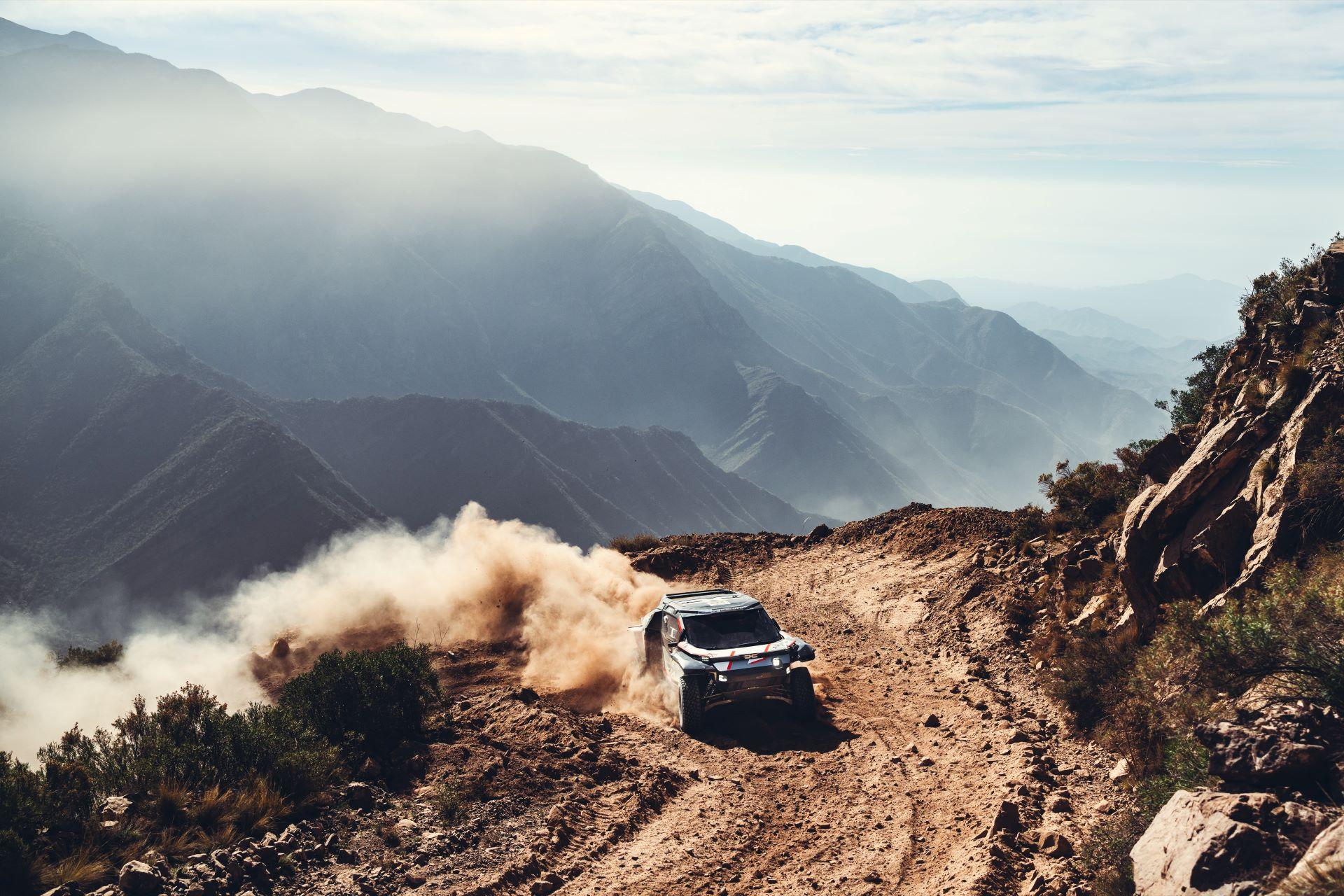
Desafío Ruta 40 itself is a reminder that rally-raid success is never built on speed alone. The event’s opening stage loops through San Juan’s rugged surroundings, where gravel and dried riverbeds set the tone for what is to come. Stage two stretches south into Mendoza and delivers the longest day of the rally, a demanding mix of salt flats, sand, gravel and asphalt that leaves no margin for hesitation. Stage three introduces the iconic El Nihuil dunes before transitioning into high-speed salt flats and mountain tracks, while stage four climbs to altitudes of around 3,200 metres, threading through the Andes on rocky, technical terrain. The final stage returns the rally to its origins, blending riverbeds and WRC-style roads in a closing test of endurance and composure.
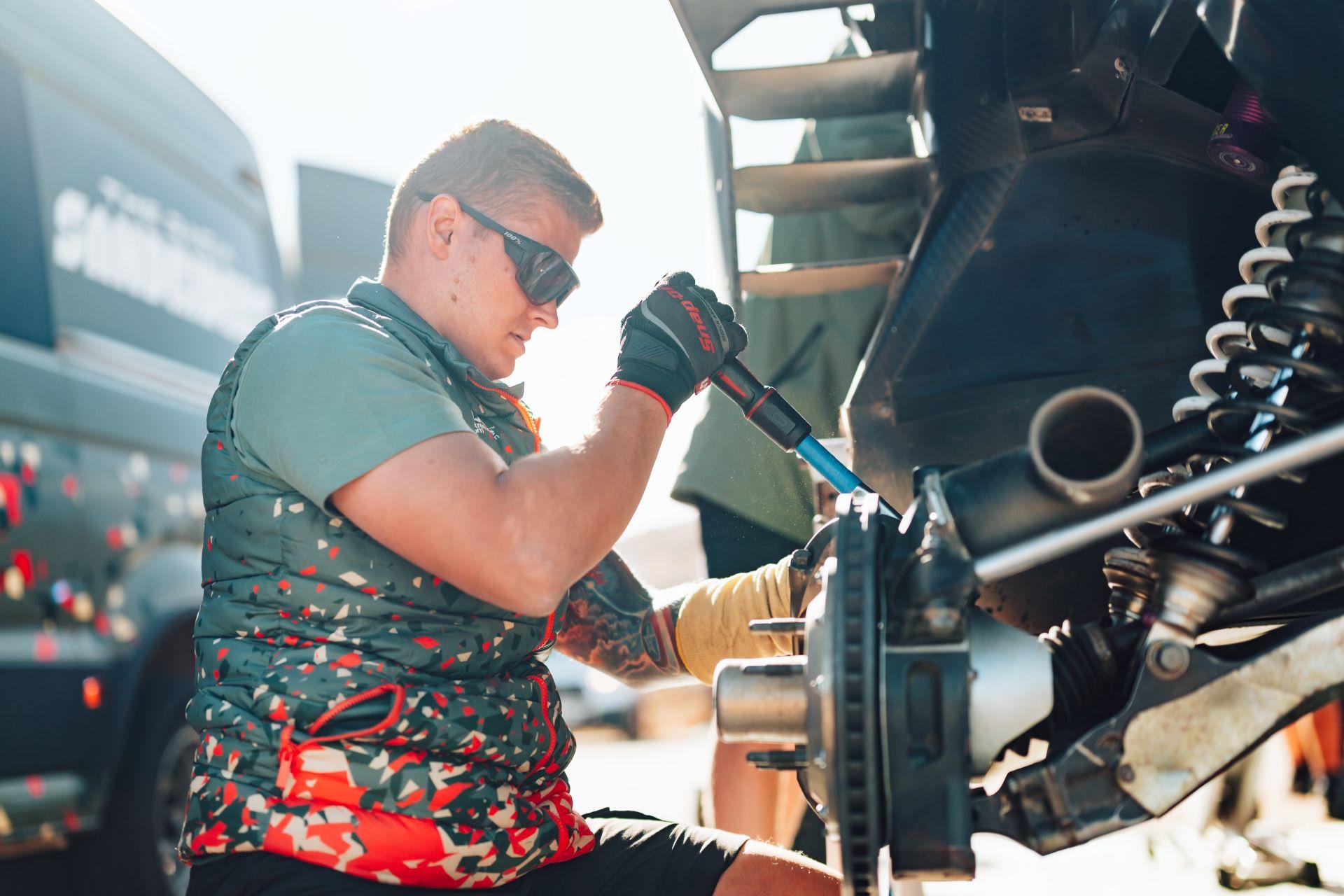
The challenge is amplified not only by geography but by timing. With just weeks between events and a complex logistical sprint to move cars and equipment across continents, preparation has been compressed into a high-pressure cycle of rebuilds and recalibration. Yet the team arrives in Argentina with confidence intact, powered by ARAMCO sustainable fuel and running on BFGoodrich tyres, a combination designed to withstand the extremes of modern rally-raid competition.
Team Principal Tiphanie Isnard describes the event as a true test of both machine and mindset, highlighting the diversity of terrain and the added complexity of high-altitude sections crossing the Andes. Beyond the technical demands, she points to the emotional energy of Argentina itself, where passionate crowds line the stages and transform the rally into a moving celebration of motorsport.
Inside the cockpit, anticipation is matched by respect for the challenge ahead. Dennis Zenz speaks of the event as a pure rally-raid examination, where dunes, camel grass and fast navigation sections demand total concentration from both driver and co-driver. For him and the wider team, the objective is simple in principle but difficult in execution: stay consistent, stay fast and keep the championship lead alive.
Al-Attiyah approaches the rally with intent to rebound, confident in the capability of the Dacia Sandrider across unpredictable terrain. Loeb brings experience and fond memories of Argentina’s stages, alongside a clear focus on extending his championship position. Moraes arrives motivated by familiar ground and strong recent form, aiming to convert consistency into a breakthrough result.
As the championship reaches its halfway point, Desafío Ruta 40 stands as a pivot moment. With two rounds remaining after Argentina, every kilometre becomes a calculation in risk, reward and resilience. For The Dacia Sandriders, the landscape ahead is not just South American terrain, but a widening championship battlefield where leadership must be defended as fiercely as it was earned.
In a sport where the ground changes faster than strategy can adapt, Argentina promises to reveal not just who is fastest, but who can endure when the map itself becomes part of the challenge.