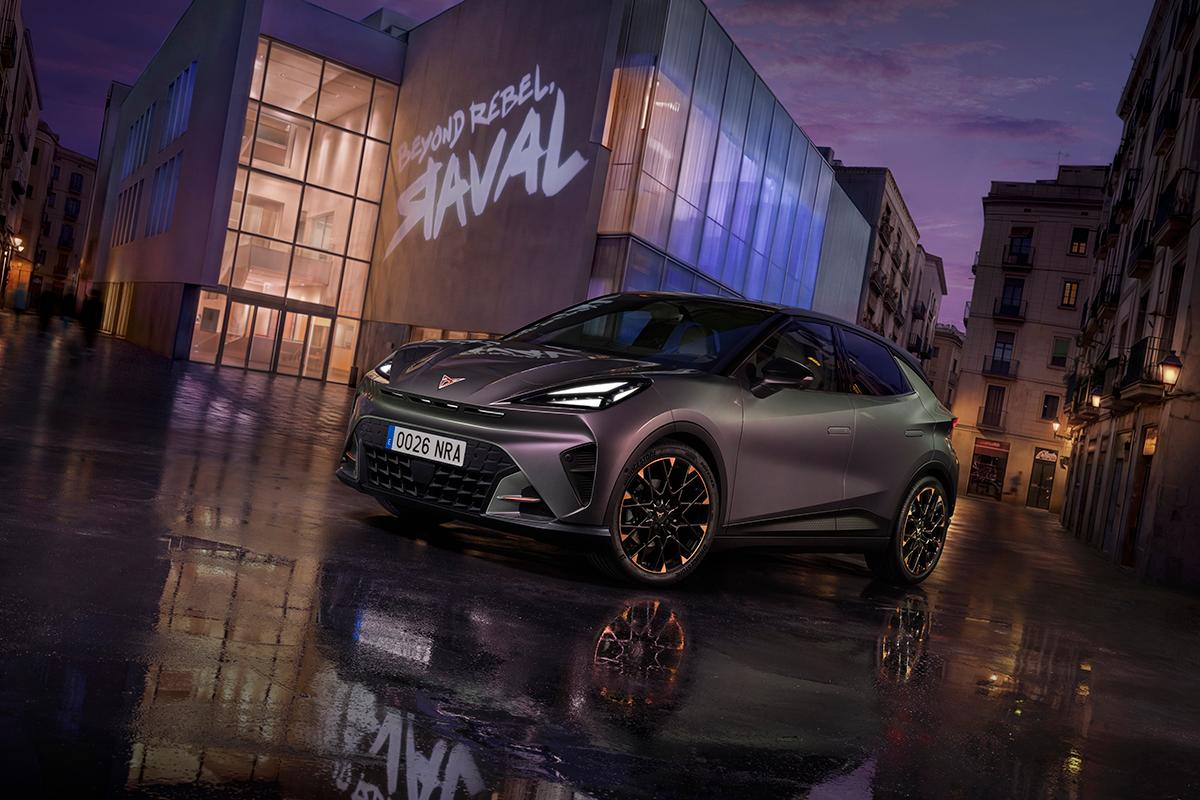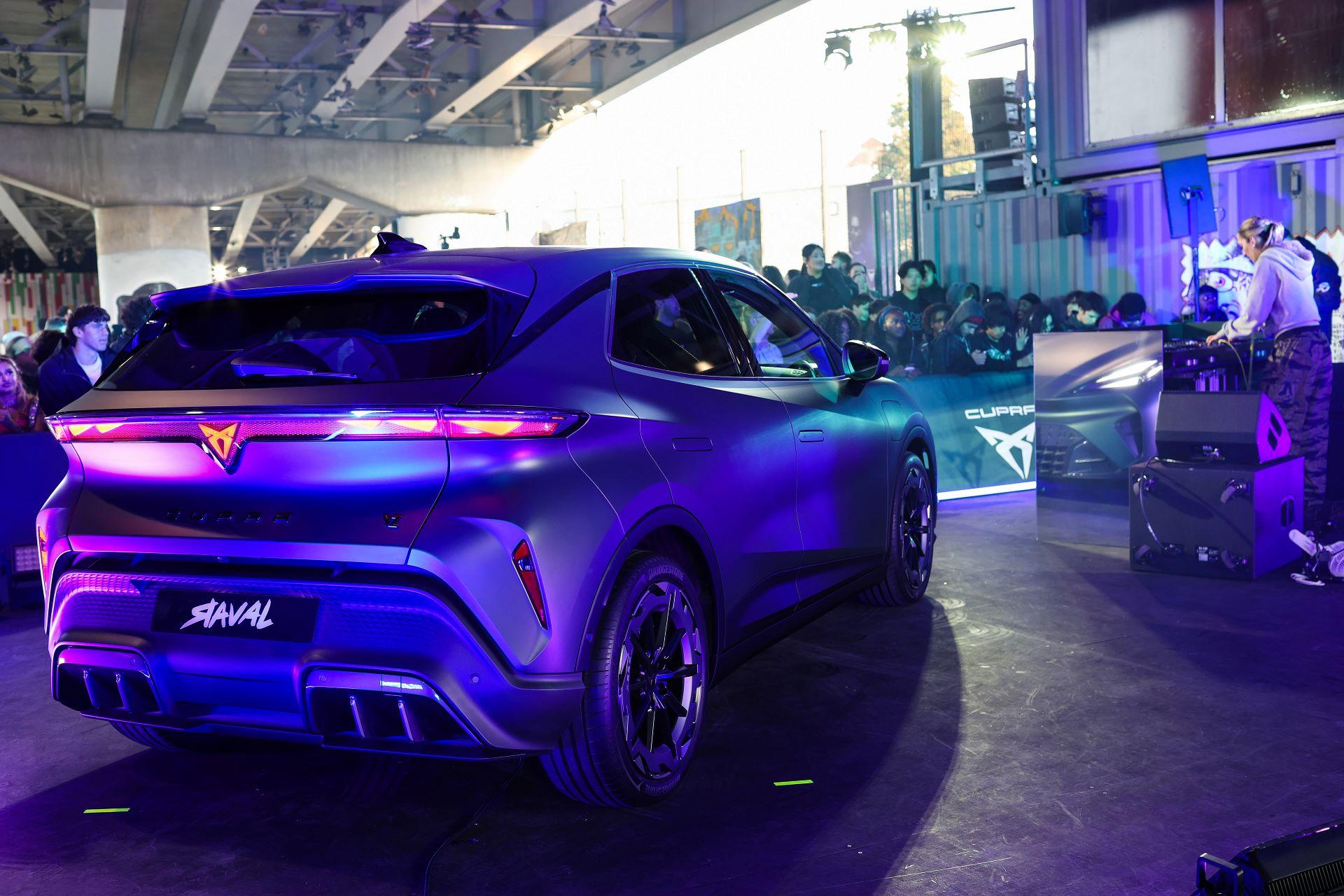







The streets of Europe are about to pulse with something louder than traffic. On 9 April, CUPRA will orchestrate a continent-spanning reveal that feels less like a car launch and more like a cultural ignition point. The debut of the CUPRA Raval will unfold simultaneously across 12 cities, transforming urban centres into stages where music, design and electrification collide in real time.
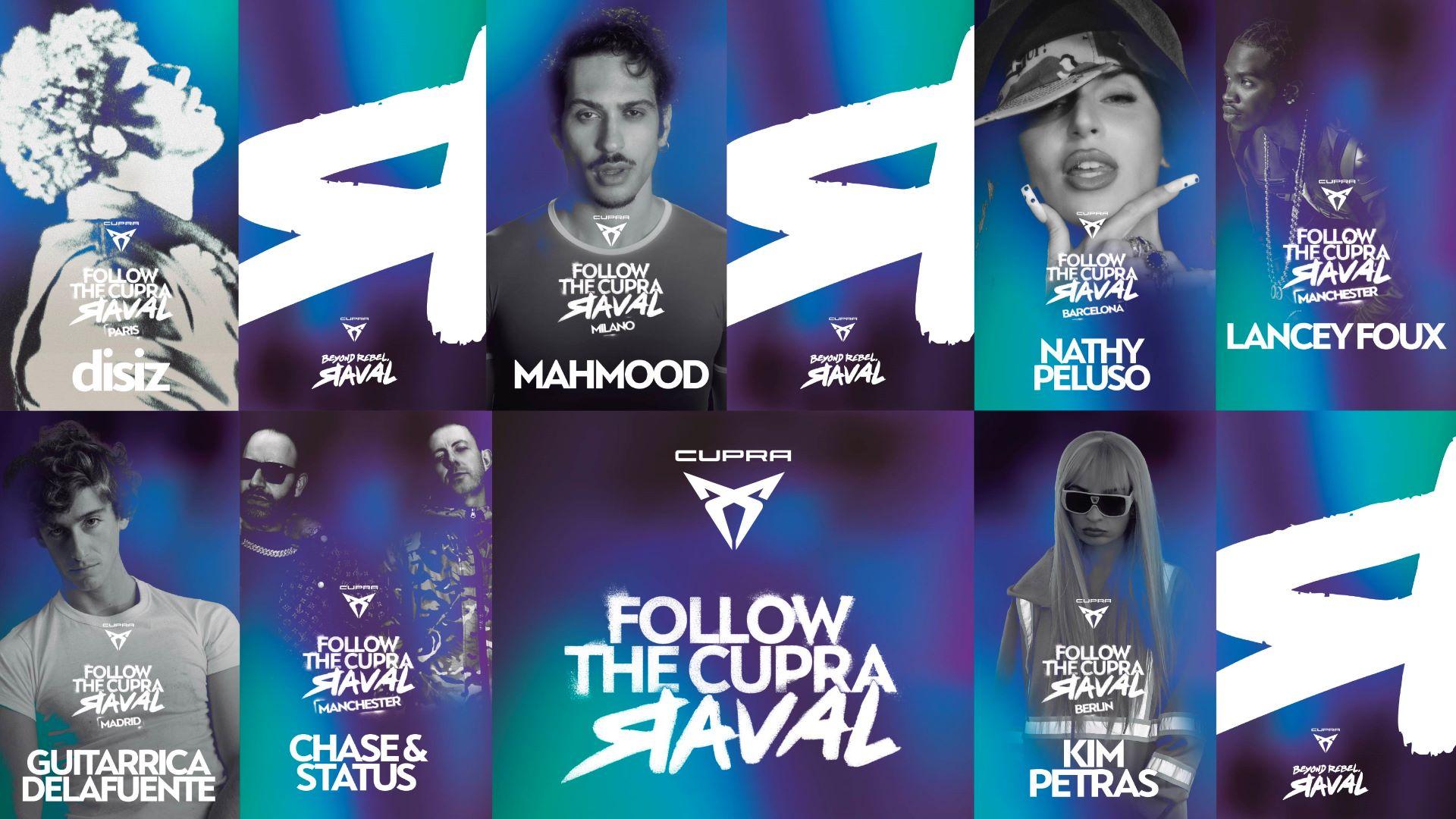
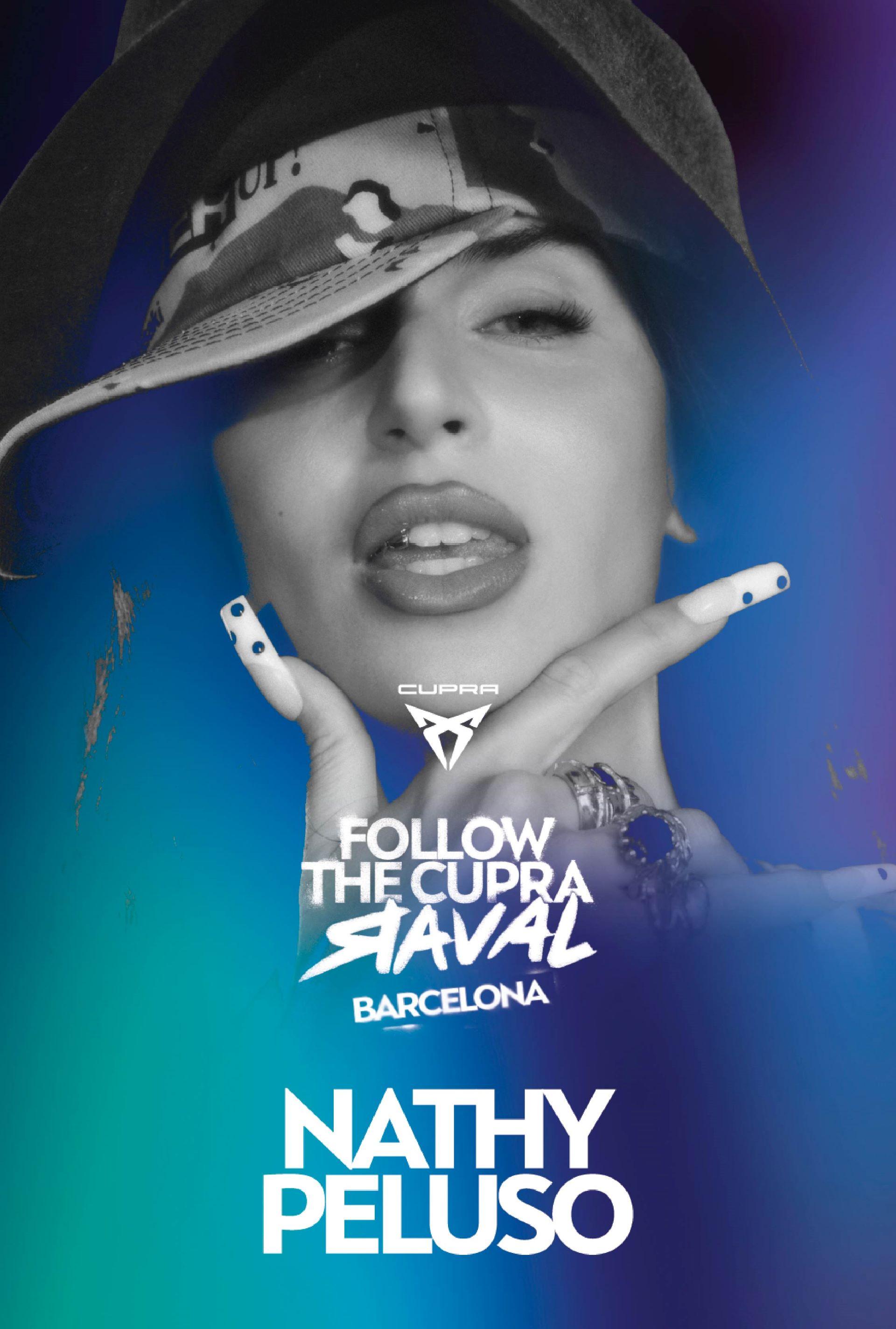
From Barcelona to Manchester, the “Follow the CUPRA” experience brings together a new generation of artists who don’t just perform, but embody the brand’s defiant rhythm. Nathy Peluso will electrify Barcelona, while Guitarricadelafuente takes over Puerta del Sol in Madrid. In Paris, Disiz steps into the spotlight, while Kim Petras commands the stage in Berlin.
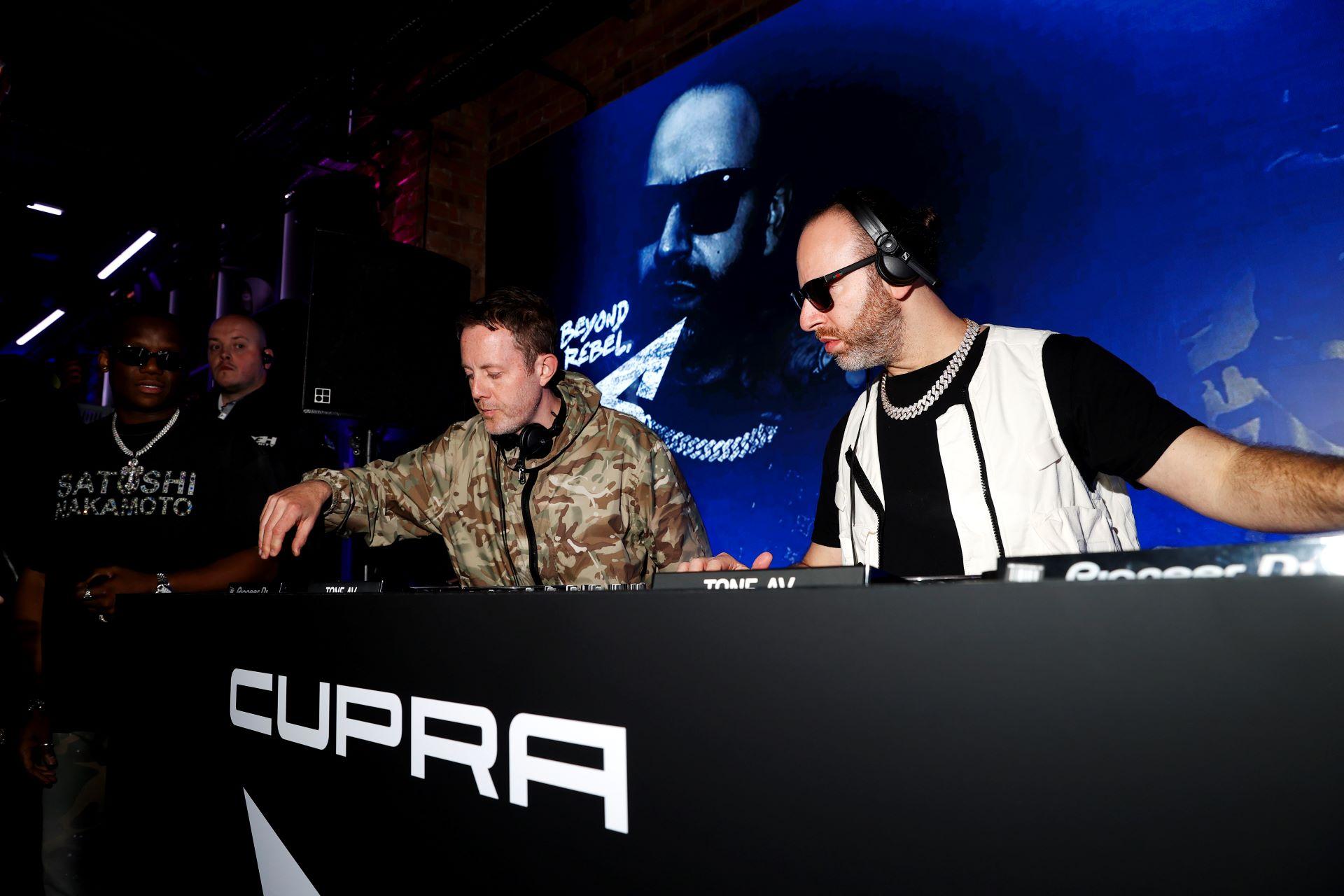
The UK leg leans into raw, bass-heavy energy as Chase & Status and Lancey Foux perform in Manchester, while Mahmood brings his distinctive sound to Milan. Each performance includes not only established hits but also an unreleased track, turning the reveal into a moment of genuine discovery rather than rehearsed spectacle.
Beyond these headline cities, CUPRA extends the experience into Munich, Vienna, Lisbon and Rotterdam through its City Garages, while Copenhagen and Helsinki host more intimate, exclusive unveilings. It’s a carefully choreographed spread, designed to blur the line between local culture and global ambition.
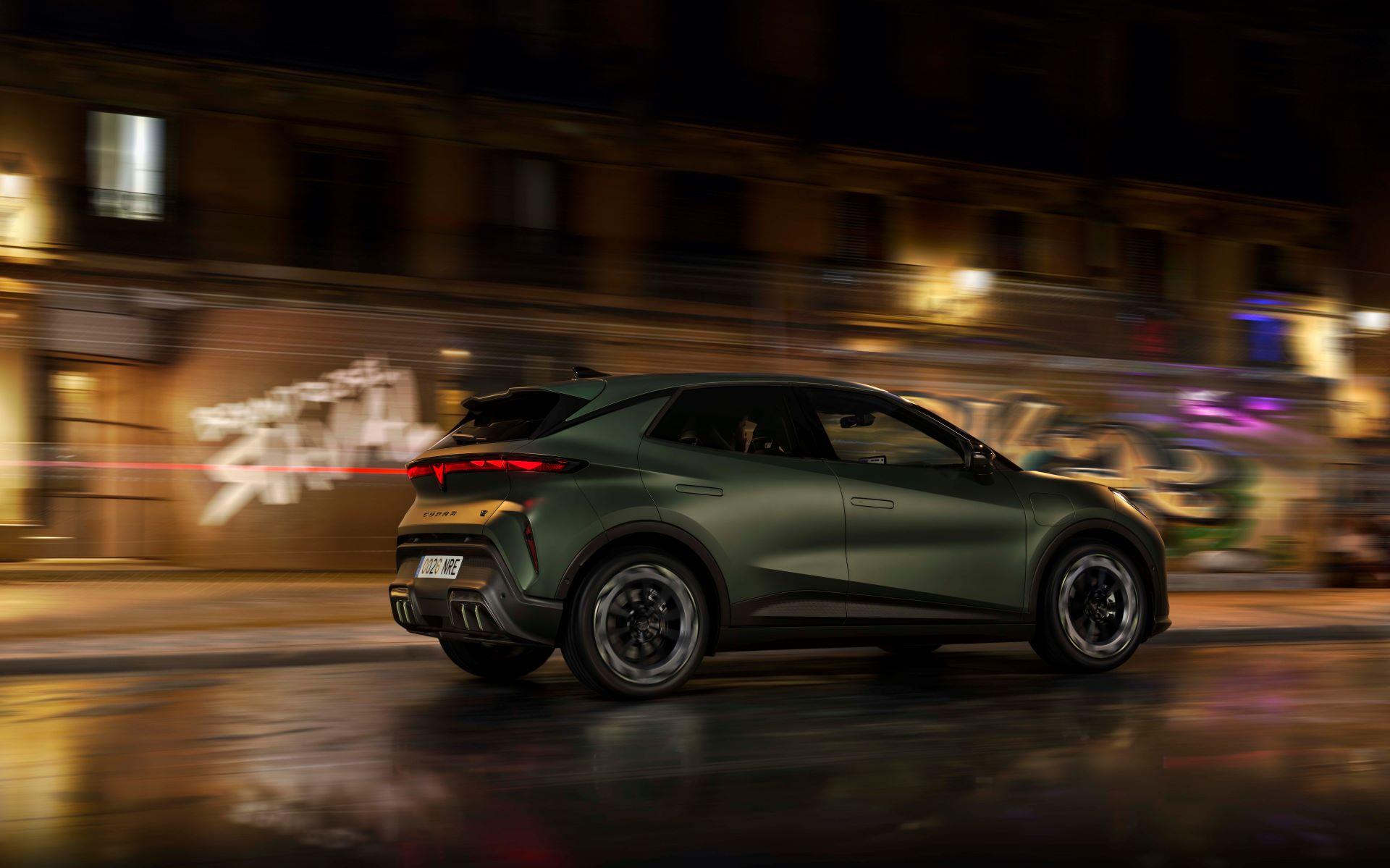
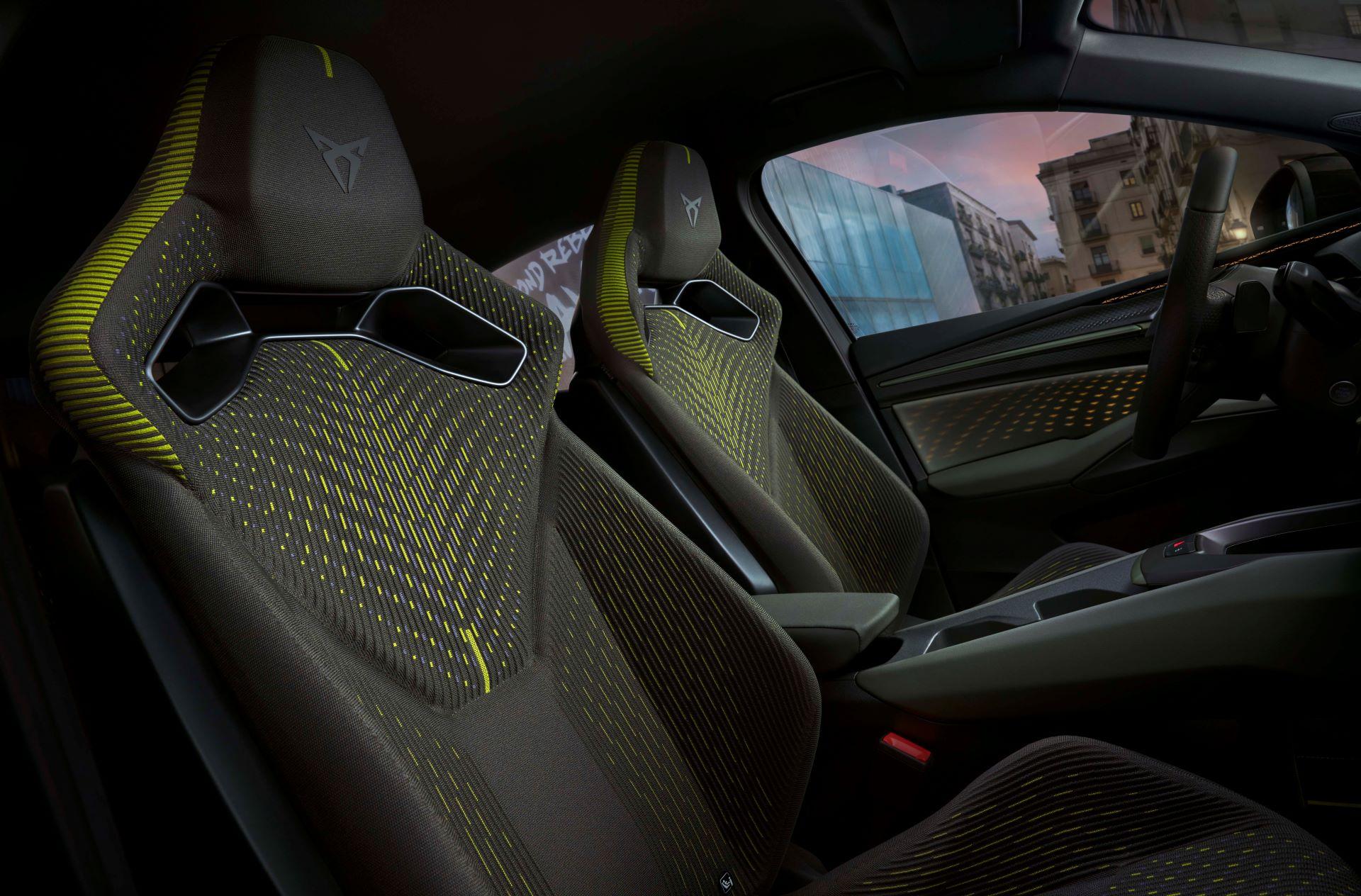
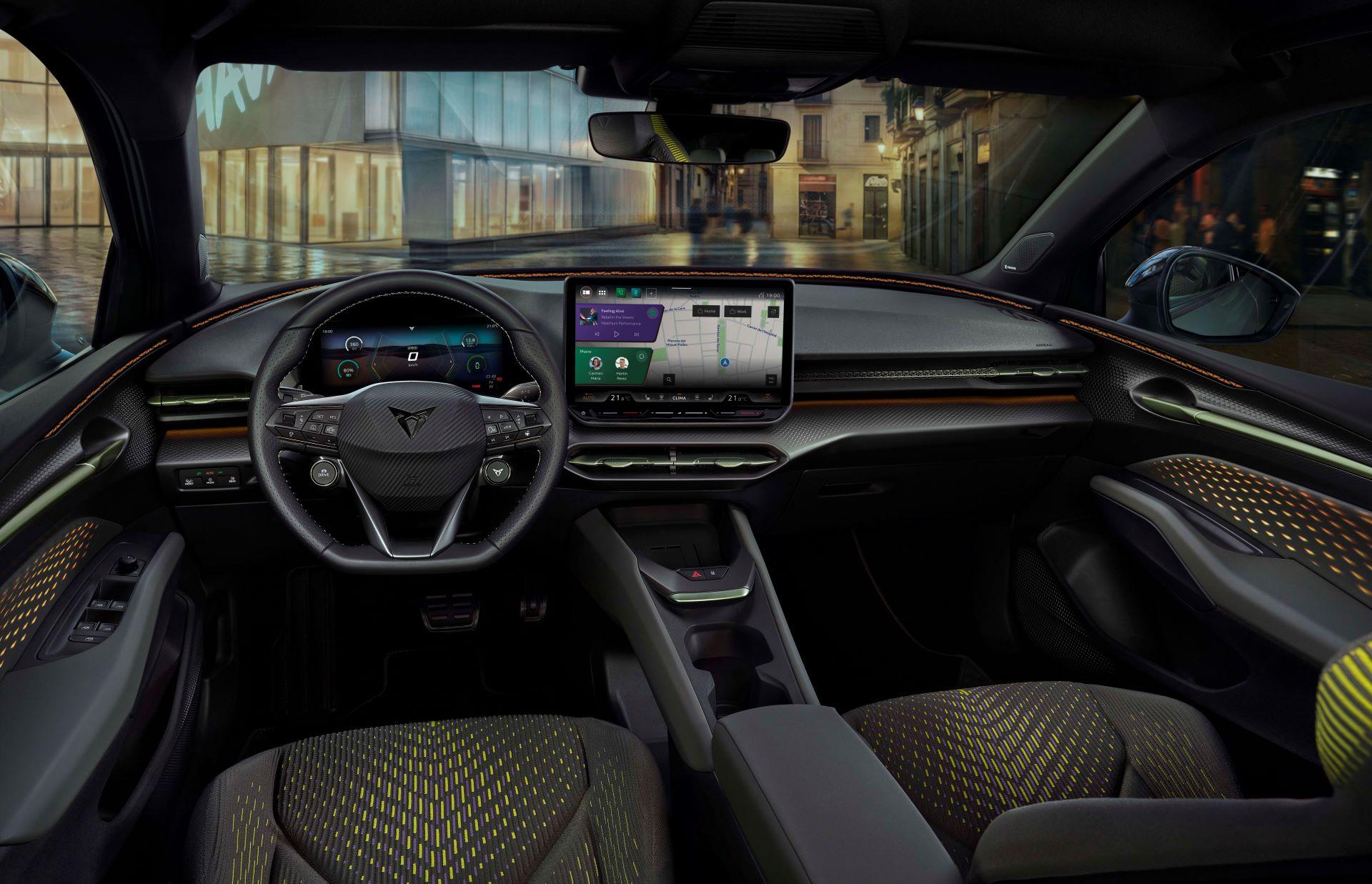
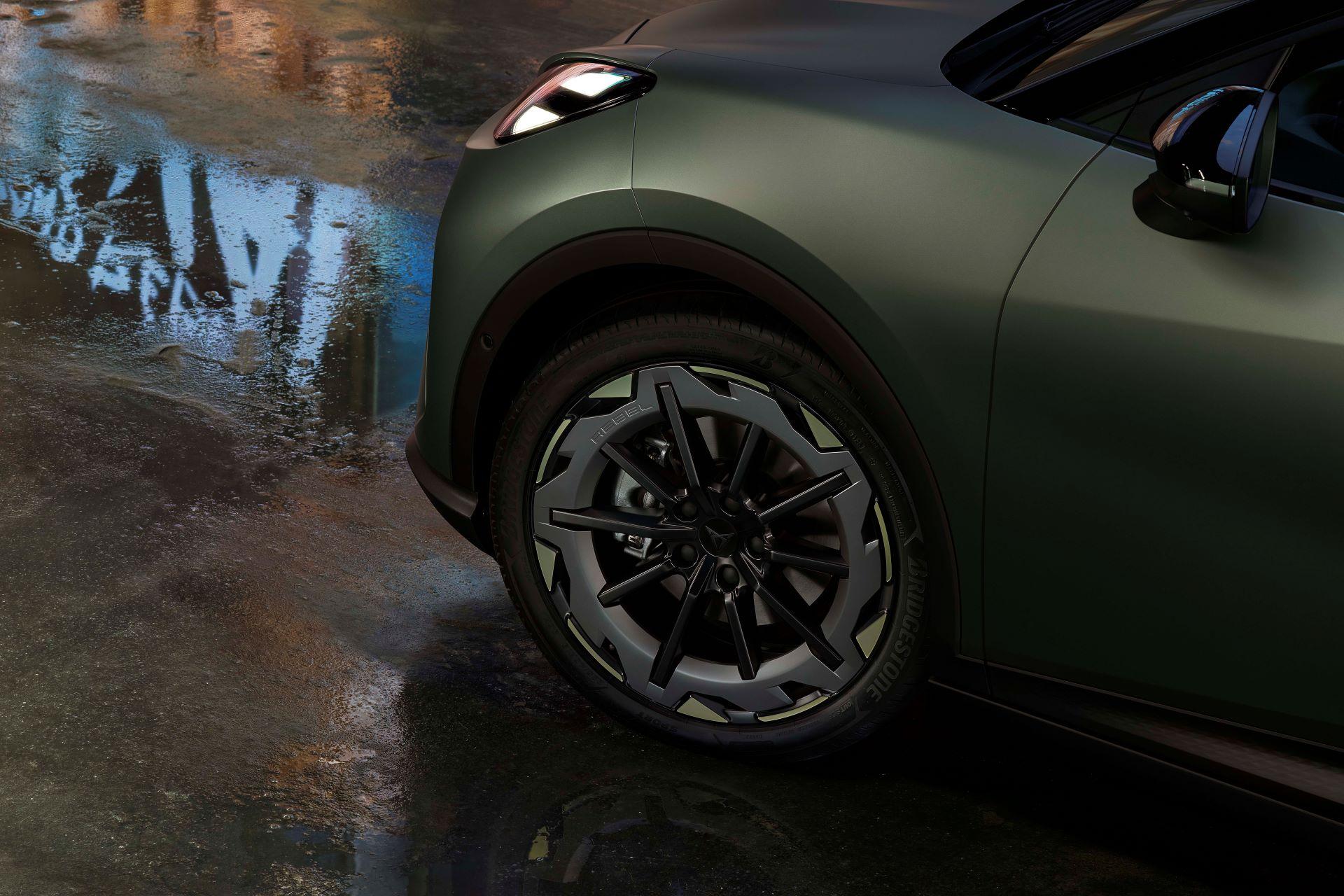
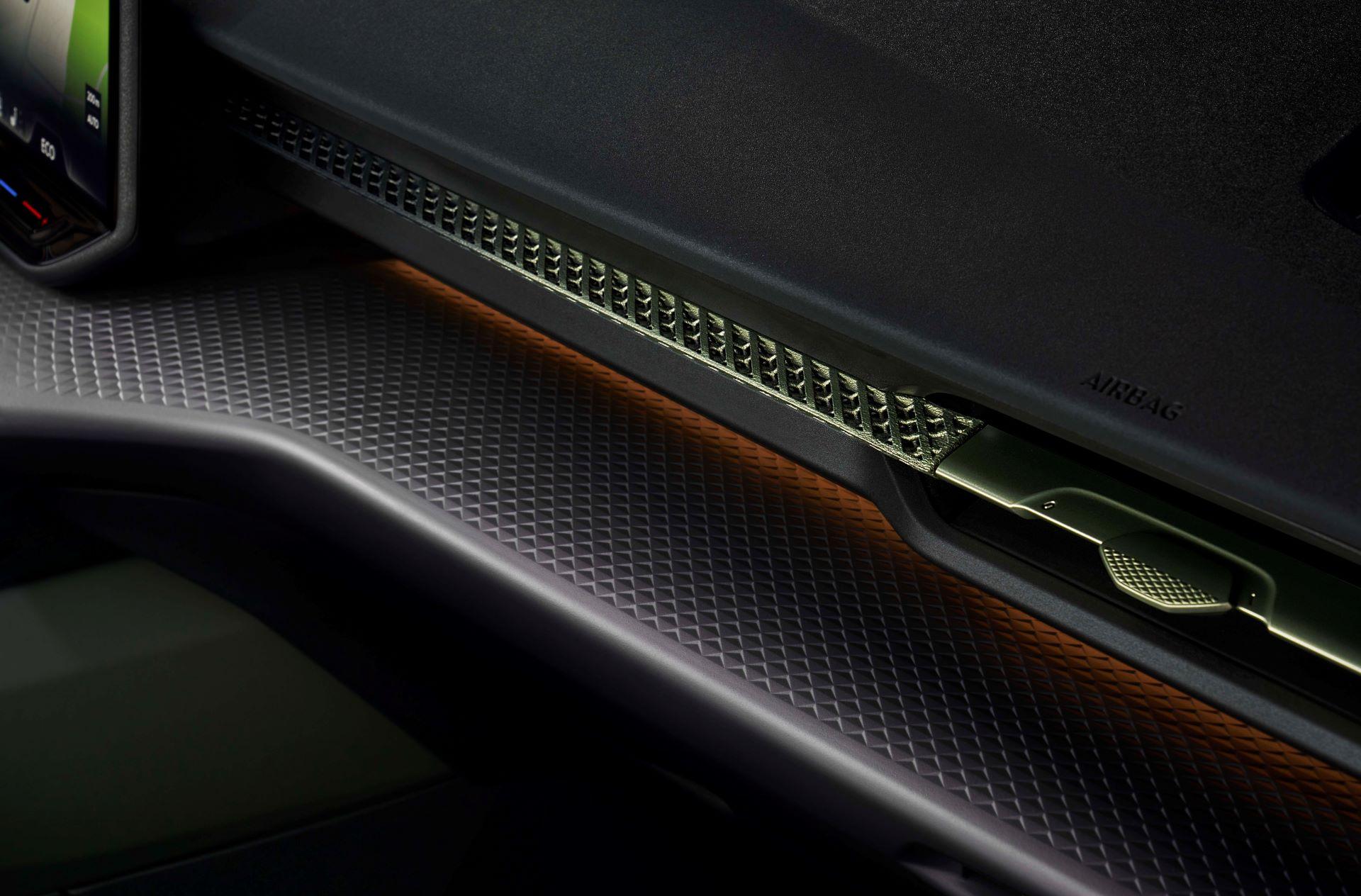
At the centre of it all sits the CUPRA Raval, a compact electric car that aims to reframe what accessibility in electromobility looks like. Measuring just four metres, it distils the brand’s design language into something tighter, sharper and more expressive. This is not a polite urban EV. It leans into aggression, into emotion, into the idea that small cars don’t have to feel small. The Raval arrives with a clear intent: to win over skeptics who still see electrification as compromise rather than evolution.
This launch also reinforces CUPRA’s broader narrative. Since breaking away in 2018, the brand has moved with the urgency of a start-up and the confidence of a disruptor, building a portfolio that ranges from the CUPRA Ateca to the all-electric CUPRA Born and the striking CUPRA Tavascan. With over a million vehicles sold in just seven years, its trajectory has been anything but conventional.
Yet CUPRA’s identity extends beyond the metal. Its so-called “Tribe” blends sport, cinema and music, with figures like Saúl Craviotto, J. A. Bayona and Alexia Putellas reinforcing a philosophy built on creative rebellion. Partnerships with FC Barcelona and involvement in Formula E further anchor that identity in both performance and cultural relevance.
The Raval’s unveiling feels like a natural extension of this ethos. Instead of a single stage and a captive audience, CUPRA has chosen fragmentation, energy and simultaneity. It is less about presenting a car and more about embedding it into the rhythm of the cities it aims to inhabit.
When the lights flare on 9 April, the message will be unmistakable. Change does not arrive quietly, and CUPRA has no intention of asking permission.