Milton Keynes, 16-01-2025 – The journey from sketch to reality in the automotive design world is a fascinating process. For Alberto Torrecillas, exterior designer at CUPRA, it begins with a simple sheet of paper and a pencil. His drawing eventually evolves into a vision, and that vision becomes the brand’s first electrified SUV: the CUPRA Terramar. However, before it can emerge as the stunning finished product, the design undergoes countless iterations—both digital and physical—until the perfect proportions and aesthetics are achieved. One of the most vital stages of this process involves full-scale clay models, a traditional technique that remains crucial in the modern design world.
The Importance of Proportions
The CUPRA Terramar, an SUV that stretches 4.5 metres in length, needed careful attention to its proportions to ensure it both exuded the strength typical of an SUV and maintained the athletic, sporty feel the brand is known for. Torrecillas explains, “We draw the essence of the model, we transform it digitally to understand its volumes, but if we want to truly feel the surfaces and verify that the proportions work, we need a full-scale model.”
This stage—where digital meets tactile—was pivotal in shaping the final design of the Terramar, particularly when it came to showcasing its generous length. The clay model offered a hands-on approach to see how the vehicle’s proportions interacted with light, shadow, and physical space.
From Digital to Physical: The Clay Process
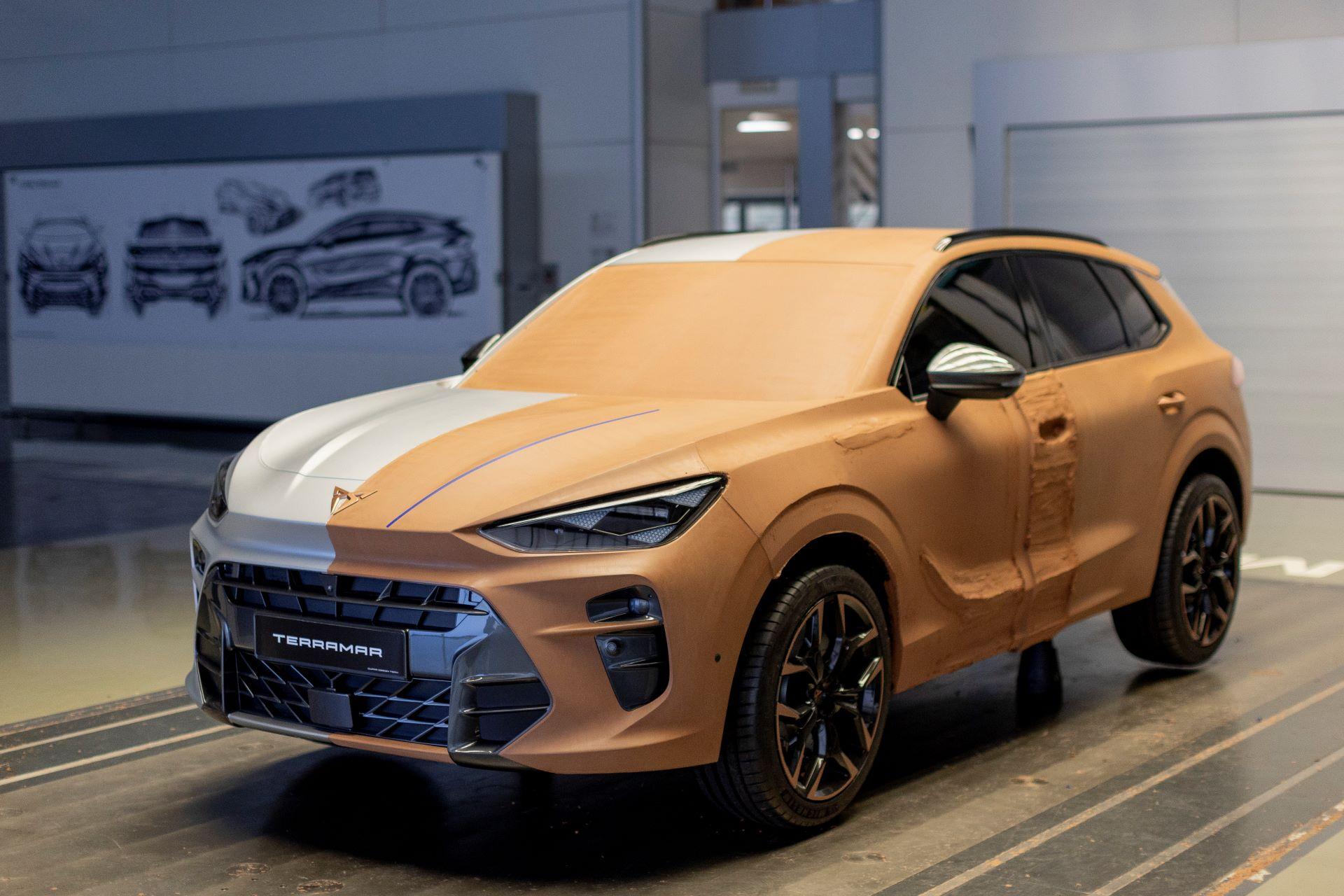
Inside the exclusive design studios at CUPRA’s Technical Centre, Torrecillas examines a preliminary version of the Terramar, a full-scale clay model meticulously crafted to reflect the design’s true form. On one side, it is coated in vinyl, giving it the realistic appearance of a finished vehicle, while the other side remains an earth-coloured sculpture of over 5,000 kilograms of clay. The model is crafted through precise automatic milling, followed by the careful handwork of designers who sculpt every contour to millimetric accuracy.
Torrecillas emphasizes the importance of proportions: “Proportions are essential in our models. We define them in the sketches we make, but where we really appreciate them is in the physical clay replicas.” In the case of the Terramar, the clay model was essential in visualizing and validating the SUV’s athletic sculpture while highlighting its 4.5-metre length. By doing so, the designers were able to emphasize the vehicle’s body colour and bring out its sporty aesthetic.

Combining Craftsmanship with Cutting-Edge Technology
While modern digital tools play a significant role in the design process, the importance of clay as a physical medium cannot be understated. “This material is very interesting because you can use it to examine the sections, the play of lights and shadows…” Torrecillas explains. Unlike digital renderings, clay allows designers to experience and evaluate a model in a tangible way, giving them a deeper understanding of how the vehicle will interact with the world.
Additionally, the ability to touch and feel each surface is invaluable in the design validation process. Every line, every curve, and every contour carries meaning and intention. Torrecillas adds, “For us, every shape, every line, every contour has a meaning and conveys an intended effect. By simply touching the surfaces we can tell if they’re going to work in terms of design.”
Immediate Feedback and Precision
One of the key advantages of working with clay models is the speed at which designers can make adjustments. The material is malleable, allowing for instant changes that can be immediately visualized and evaluated. For example, the prominent lines on the bonnet of the CUPRA Terramar—designed to frame the brand’s logo—were one of the model’s most crucial features. Thanks to the clay model, the design team was able to instantly pinpoint the sections that needed to be emphasized and tweak them to perfection.
A Seamless Integration of Tradition and Innovation
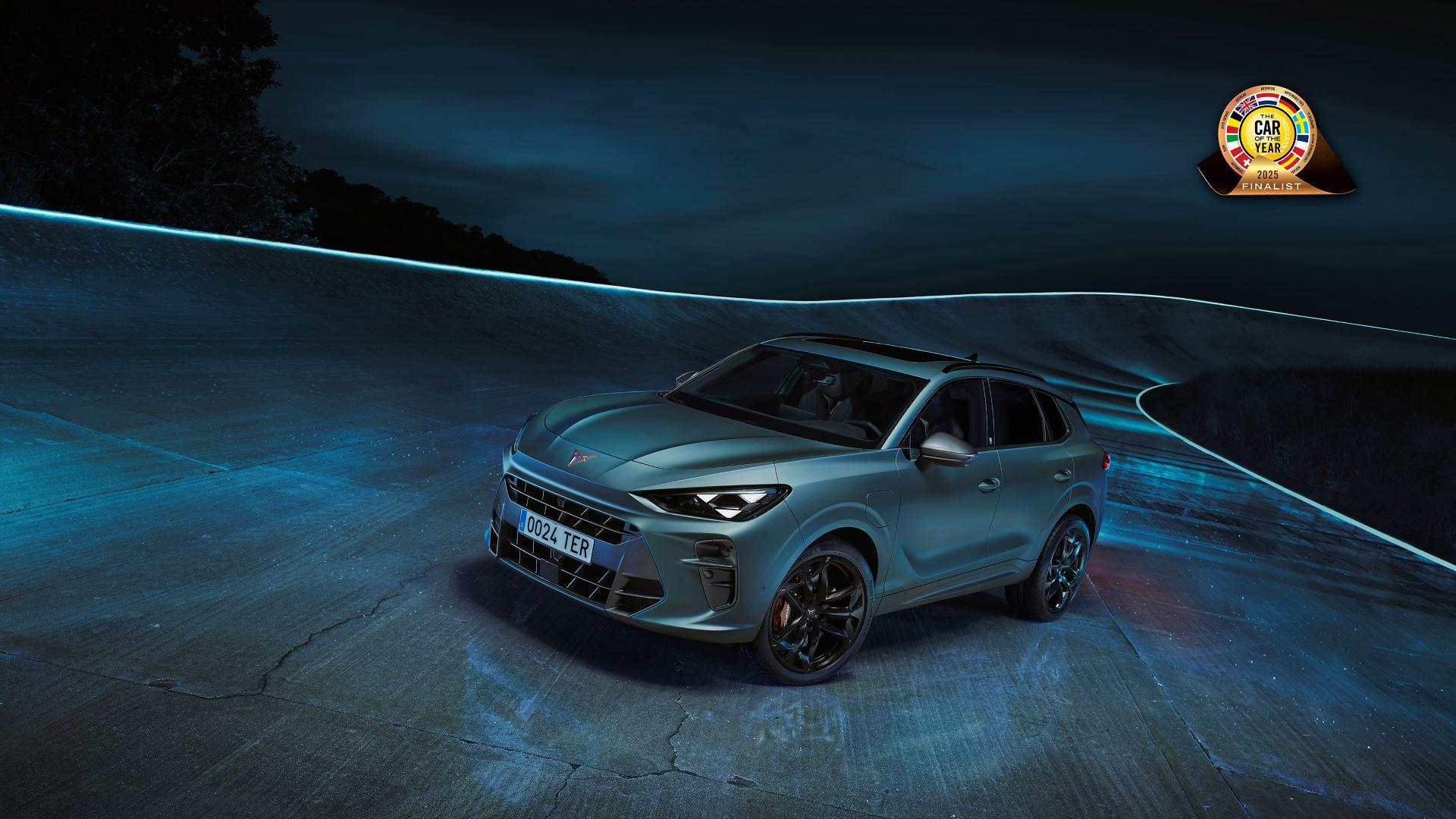
The culmination of this creative process—where traditional craftsmanship meets cutting-edge digital tools—results in a car that’s not just visually striking but also a reflection of the brand’s design ethos. The CUPRA Terramar blends bold proportions with a modern and sporty aesthetic, making its debut in the fast-growing European SUV market.
In the end, the story of the CUPRA Terramar is one of collaboration between sketch, digital technology, and clay—a blend of artistry and precision that ensures every curve, every line, and every detail is just right.