



The Evolution of the Garage
The garage was once a sacred, grease-slicked sanctuary—a physical space where car enthusiasts gathered to wrench, race, and share stories. Today, that space has evolved. The garage is digital. The tools are virtual. And the culture? It’s booming.
Sim racing—short for simulation racing—has transformed from a niche hobby to a digital phenomenon with global reach. Beyond the adrenaline-fueled competition and stunningly realistic graphics, sim racing has birthed vibrant communities where passion meets performance. But more importantly, it has become a fertile ground for automakers, parts manufacturers, and motorsport brands to engage a new generation of consumers and loyalists.
This article explores how sim racing communities are reshaping car culture and how automotive brands are leveraging these digital spaces to build powerful, lasting brand affinity.
From Hobby to High-Octane Industry
The Rise of Sim Racing
Sim racing’s journey began decades ago with rudimentary polygonal racers like Pole Position and Gran Turismo, but the last 10 years have marked a seismic shift. With titles such as iRacing, Assetto Corsa Competizione, and rFactor 2, sim racing is now deeply embedded in both motorsport and mainstream gaming.
The global pandemic played catalyst, thrusting millions indoors—and online. Racing professionals like Lando Norris, Max Verstappen, and Charles Leclerc took to sim rigs, streaming their races and blurring the lines between digital and physical circuits. Suddenly, virtual paddocks weren’t just fun—they were legitimate, community-driven platforms for entertainment, competition, and connection.
The Economics of the Digital Track
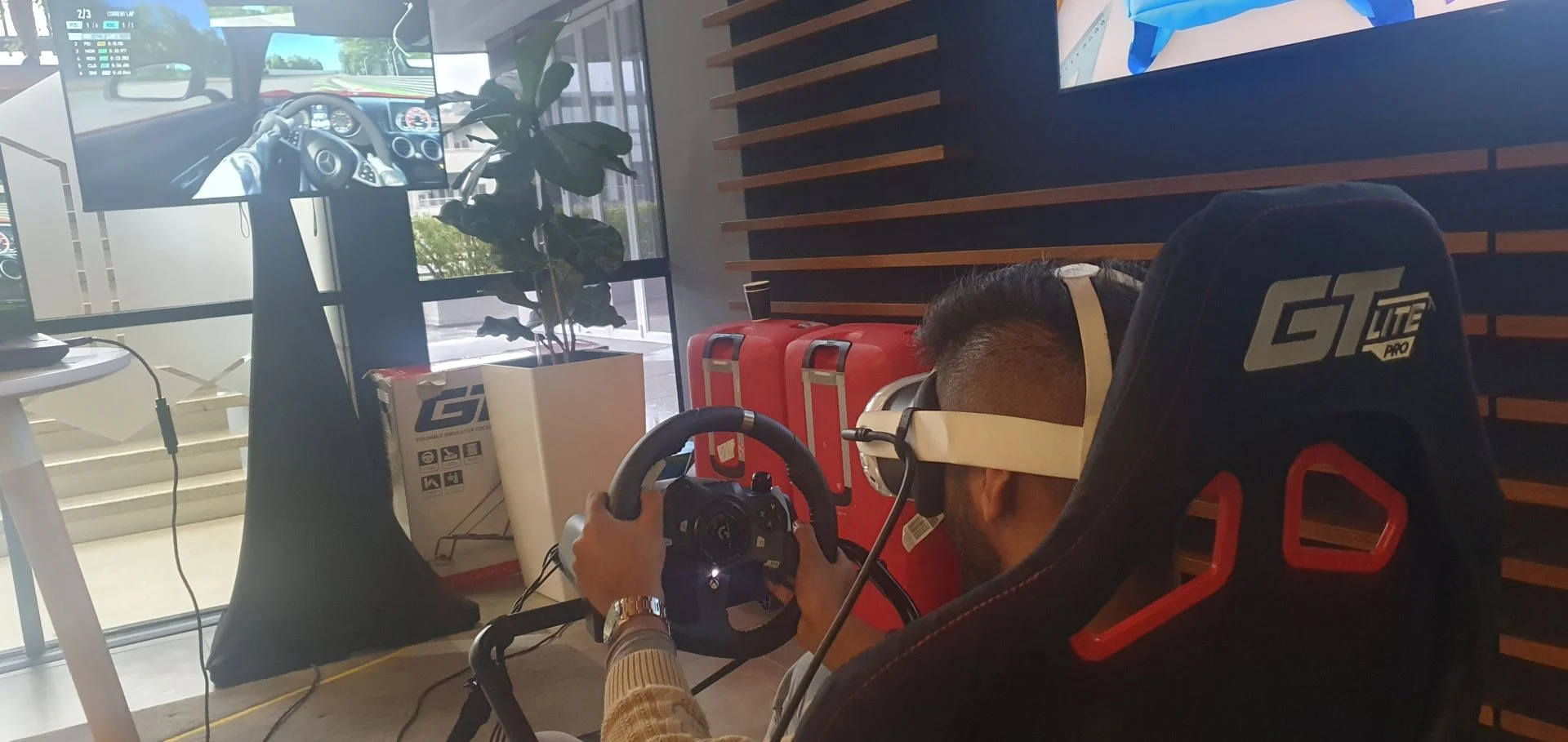
From $200 starter wheels to $30,000 high-end simulator setups, the sim racing ecosystem now encompasses a thriving market for peripherals, subscription services, esports sponsorships, and branded events. But the real currency? Influence.
With thousands of livestreams and forums buzzing with car talk, sim racing is becoming a digital proving ground for real-world automotive loyalty.
The Culture of the Digital Paddock
Where Enthusiasts Become Evangelists
Sim racing communities are less about the finish line and more about the journey—fine-tuning setups, replicating legendary liveries, and debating mechanical theories. Here, car enthusiasts don’t just play with cars; they build relationships with them.
These communities—Reddit threads, Discord servers, Twitch chatrooms—are microcosms of global car culture. They’re inclusive, diverse, and radically accessible. Unlike traditional car meets, anyone with an internet connection and a passion for driving can join in.
Within this world, brand loyalty is earned, not inherited. And for automakers, that’s a golden opportunity.
Digital Tuning, Real-World Influence
One of the most profound shifts is how digital experiences are shaping real-world perceptions. A player who races a BMW M4 GT3 in iRacing over hundreds of hours doesn’t just learn its virtual handling dynamics—they form an emotional bond with the brand.
This brand intimacy translates into influence: discussions around tire wear, torque curves, and aero performance mirror the detail-oriented chatter of real-world petrolheads. These experiences aren’t fleeting—they’re formative.
How Brands Are Entering the Grid
OEMs and Motorsport Partnerships
Manufacturers like Porsche, Mercedes-AMG, and Ferrari have all embraced sim racing—not just by lending their names to virtual cars, but by investing directly into esports programs. BMW’s long-standing partnership with iRacing, for example, has led to co-developed cars and dedicated esports competitions under the BMW SIM GT Cup banner.
These aren’t just promotional stunts. They’re part of a broader strategy to embed the brand in the hearts and minds of next-gen enthusiasts.
Product Placement with Purpose
Rather than passive logos, sim racing allows for interactive branding. A car model in Gran Turismo or Forza Motorsport is not just seen—it’s driven, tested, and mastered. This creates brand touchpoints that are experiential and emotional.
Tire manufacturers like Michelin and Pirelli sponsor in-game championships and influence digital physics models. Oil brands like Mobil 1 feature on liveries and digital billboards. And performance parts brands like HKS and Sparco are embedded into virtual garages.
This is a level of immersion traditional advertising can’t replicate.
The Power of the Influencer Racer
Streamers and Sim Stars
Today’s sim racers aren’t just gamers—they’re content creators, educators, and brand ambassadors. Influencers like Jimmy Broadbent, Super GT, and Jardier command dedicated fanbases. Their YouTube tutorials, Twitch streams, and Discord hangouts have become cultural touchpoints.
When these influencers choose a certain car, mod, or rig, they’re not just showcasing performance—they’re shaping preference.
OEMs and aftermarket brands are increasingly collaborating with these sim racing influencers, sponsoring builds, co-hosting events, and tapping into their audiences with authentic, grassroots engagement.
Community as Catalyst
Modders, Makers, and Custom Culture
One of the defining features of sim racing communities is their collaborative spirit. From hand-crafted car mods to photorealistic liveries, the sim space is buzzing with creator culture.
These digital customisers often do more than replicate reality—they extend it. Want a K20-swapped Miata at Tsukuba? There’s a mod for that. Want to reimagine an Audi RS6 as a Mad Max machine? Done.
This passion for creation mirrors the aftermarket tuning scene—and smart brands are taking notice. Some now partner directly with modders to develop branded content packs, custom events, and limited-edition digital gear.
User-Generated Events
Virtual car meets, league races, and endurance events like the 24 Hours of Le Mans Virtual draw massive audiences. These events aren’t just digital entertainment—they’re community-powered brand showcases.
Sponsors can integrate naturally through vehicle liveries, pit-side advertising, and behind-the-scenes content. And unlike real-world motorsport, the barrier to entry is minimal. This opens up brand visibility to a global, grassroots audience.
The Road Ahead
The Future of Virtual Motorsport
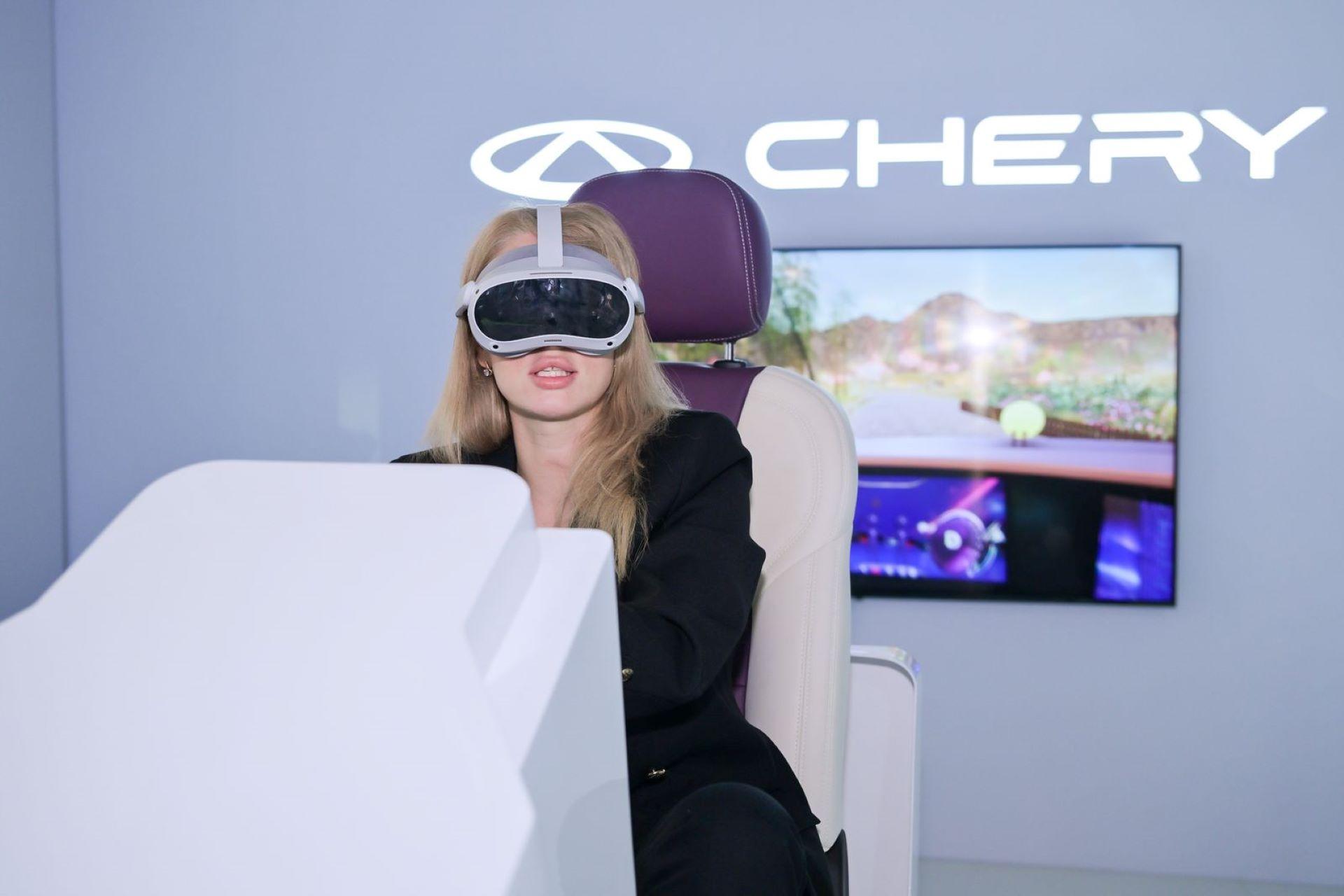
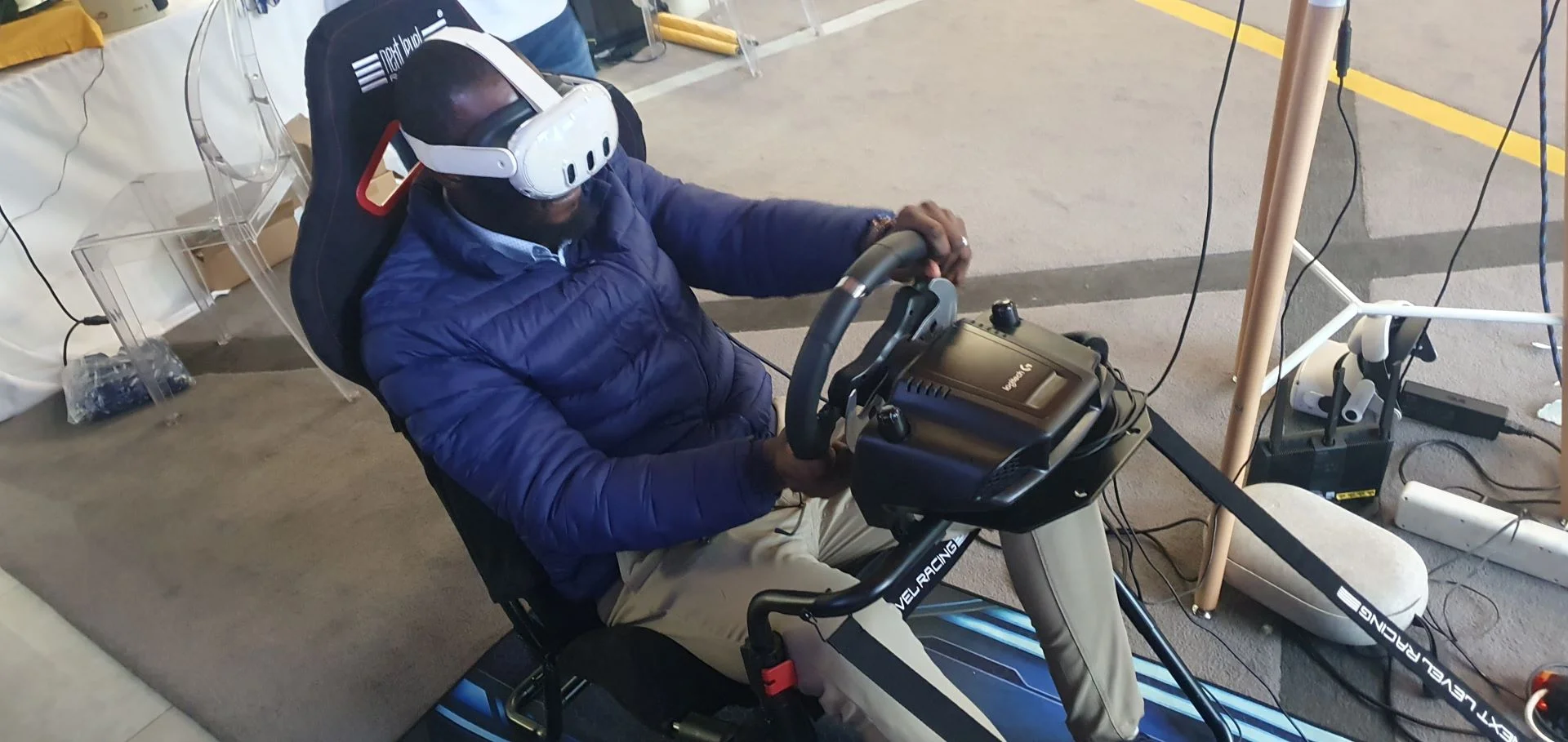
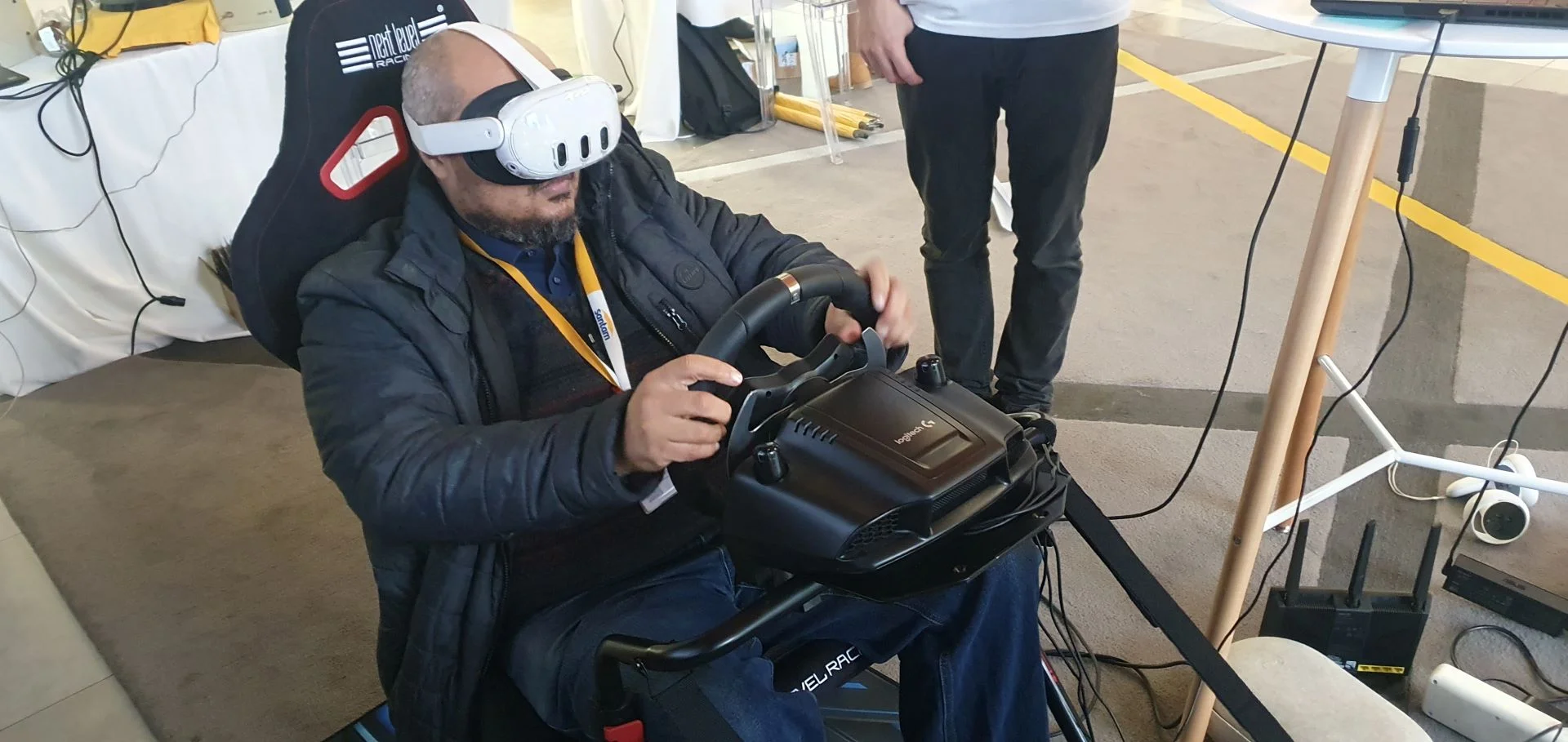
As sim racing hardware becomes more affordable and platforms continue to evolve with better physics, realism, and social integration, the space is poised for further growth. Emerging technologies like VR, haptic feedback systems, and AI co-pilots are making sim racing more immersive than ever.
And as electric vehicles reshape real-world racing, expect sim platforms to mirror these shifts—with virtual Formula E, EV tuning leagues, and regenerative braking mechanics becoming standard.
Metaverse Motorsports?
Sim racing is also a precursor to broader automotive experiences in the metaverse. Brands are beginning to explore persistent digital environments—where you can own a McLaren, race it online, showcase it in a digital showroom, and trade custom parts as NFTs.
While the “metaverse” as a concept is still maturing, sim racing communities are arguably the closest we’ve come to that vision in action.
The Engine of Connection
In the age of attention scarcity, authenticity matters. Sim racing communities offer a rare combination of passion, precision, and participation—a space where brands don’t just speak to audiences, but race alongside them.
By embedding themselves within the digital garage, automotive companies have the opportunity to foster deep, lasting brand affinity among a global cohort of highly engaged, technically savvy enthusiasts.
This isn’t just gaming. It’s culture. It’s community. And it’s the future of the automotive brand experience.
Key Takeaways for Brands
Be Present, Not Passive
Don’t just license cars—collaborate, co-create, and compete.
Engage Influencers Authentically
Partner with content creators who live and breathe the space.
Leverage User-Generated Content
Support modders and community-driven projects.
Design for Experience, Not Exposure
Let users feel your brand through interaction.
Support the Ecosystem
Invest in leagues, sponsor events, and enable access.
The checkered flag is waving—not at the end of the race, but at the start of a new era.
Welcome to the digital garage.