




The South African automotive aftermarket is at a crossroads. Faced with an urgent and growing skills shortage, the industry must act decisively to protect its future. For accredited workshops like MJ Mechanical Repairs – a proud member of the Motor Industry Workshop Association (MIWA) – the solution lies in something both simple and strategic: investing in apprenticeships.
The skills gap is no longer a looming threat – it’s a present-day challenge with direct consequences for workshop efficiency, service quality, and the long-term sustainability of businesses across the country. Forward-thinking workshops are stepping up, actively building the workforce they want to see.
Apprenticeships as a Strategic Imperative
“Apprenticeships are essential for closing the skills gap,” says Louis van Huyssteen, National Director of Training at the Retail Motor Industry Organisation (RMI). “Businesses that invest in training not only uplift young professionals but also secure a sustainable, highly skilled workforce. Structured training helps maintain high standards of competency across the industry, ensuring that every individual is equipped to meet the demands of modern vehicles and deliver top-quality service.”
This is more than theory – it’s a tangible strategy already delivering results at a grassroots level.
Real Growth Through Real Mentorship
Pieter Niemand, National Director of MIWA, a proud association of the RMI, believes the time for talk is over. “We’re seeing the benefits of mentoring and on-the-job learning. It’s an investment, yes, but one that offers sustainable returns for both the business and the broader industry.”
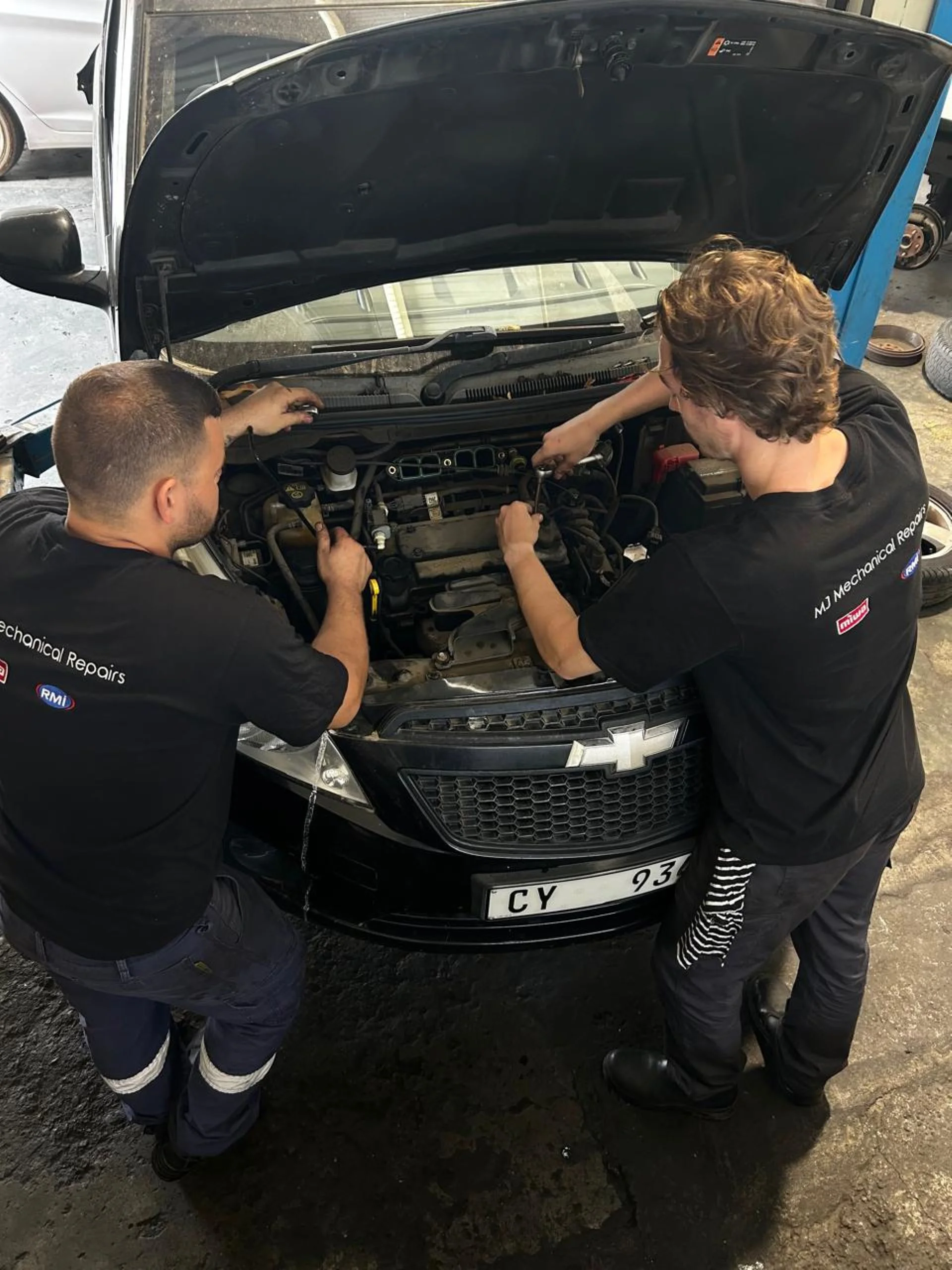
Johan Nel, MIWA Executive Committee Member and owner of MJ Mechanical Repairs, didn’t plan to take on an apprentice. But when a former school holiday student, Tristan, returned after matric with a hunger to learn, Nel didn’t hesitate. “We weren’t actively hiring, but when 2025 kicked off with increased workload, Tristan immediately came to mind. He’s proven to be an asset. He is quick to learn, full of ideas, and genuinely enthusiastic. Apprentices like him improve our efficiency and team dynamic.”
A Win-Win Model
With the support of a merSETA grant in 2025, MJ Mechanical Repairs was able to fund Tristan’s training. “The process has been fairly straightforward, and it’s a win-win – the apprentice’s study fees are covered, and the business benefits from the additional support without financial strain,” explains Nel.
Having already navigated the Recognition of Prior Learning (ARPL) process for his son-in-law Mike, Nel’s daughter Bianca was instrumental in ensuring a smooth experience this time around. “It took perseverance and constant follow-up, but we did it,” she says. “That experience gave us the confidence and knowledge to help Tristan now.”
From Learning to Leading
“Training has had a significant impact on our business, both in terms of skill development and overall growth,” says Nel. “With years of combined experience in the petrol and diesel mechanic trade among our qualified mechanics, our apprentice has the opportunity to learn from some of the best. By teaching him the correct techniques from the start, we ensure that he is equipped to perform tasks properly and efficiently. As a result, our business benefits from having a highly skilled and competent individual delivering quality work, which ultimately drives our success and growth.”
Nel urges other workshop owners to follow suit. “The youth are the future of our trade. If we don’t invest in them now, we risk losing critical skills and weakening our industry. Apprenticeships don’t just benefit the individual – they enhance the business, bring in fresh energy, and ensure continuity.”
He also notes that investment doesn’t need to start with a formal apprenticeship. “Even small workshops can contribute. Start by offering job shadowing or holiday work. You’ll quickly identify those with genuine passion and potential.”
Supporting the Next Generation
One of the biggest barriers to entry, Nel explains, is financial. “Apprentices need a salary and attend full-time training one week each month. That’s why grants like merSETA’s are so important. But awareness is still low. More businesses need to understand how to access this support.”
For MIWA, championing member workshops in this area is a key focus.
“As an industry, we need to focus not only on today’s challenges but tomorrow’s opportunities,” concludes Niemand. “Apprenticeships ensure knowledge transfer, leadership development, and the ongoing delivery of quality service. If more workshops follow suit, we will see a stronger, more skilled and more resilient sector in the years ahead.”


