



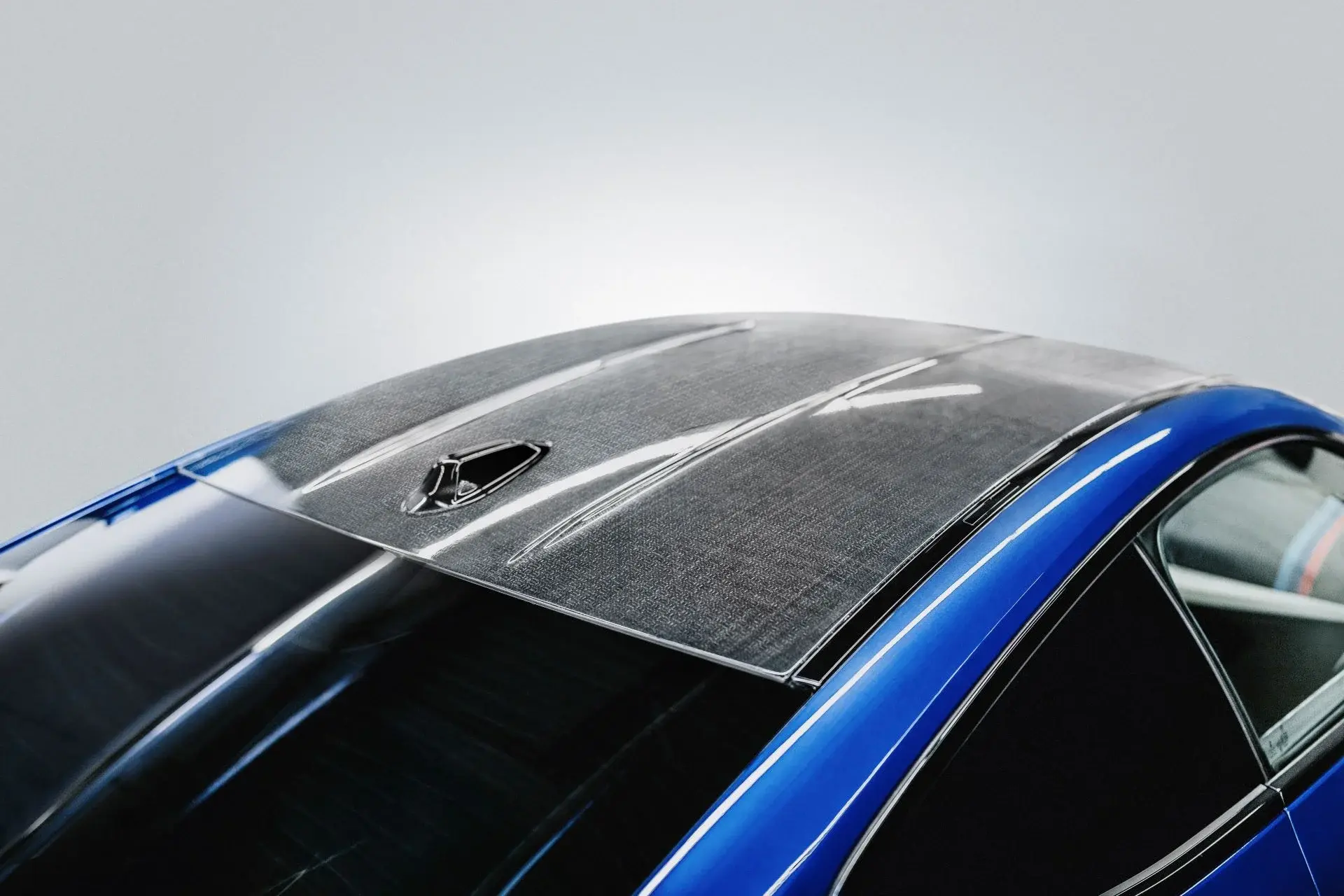
Munich, Germany – June 2025 — The BMW Group has taken a significant step toward sustainable mobility with the announcement that natural fiber composites, once reserved for the race track, are now ready for deployment in the brand’s series production vehicles. After years of development, rigorous testing, and motorsport validation, the Munich-based manufacturer has declared these lightweight, flax-based materials as having reached series maturity—marking a key milestone in its decarbonisation roadmap.
Developed in collaboration with Swiss clean-tech specialist Bcomp, the natural fiber components promise not only a substantial reduction in production-related CO₂e emissions but also new levels of sustainability without compromising on performance or durability. The technology, initially applied in high-performance motorsport scenarios, is now set to shape the future of BMW’s production models—both literally and figuratively.
A Natural Evolution in Lightweight Construction
Lightweight construction is a cornerstone of the BMW engineering philosophy, valued for its positive impact on efficiency, agility, and dynamics. But with sustainability now a defining factor in modern automotive development, materials like carbon fibre are being re-evaluated through the lens of lifecycle impact.
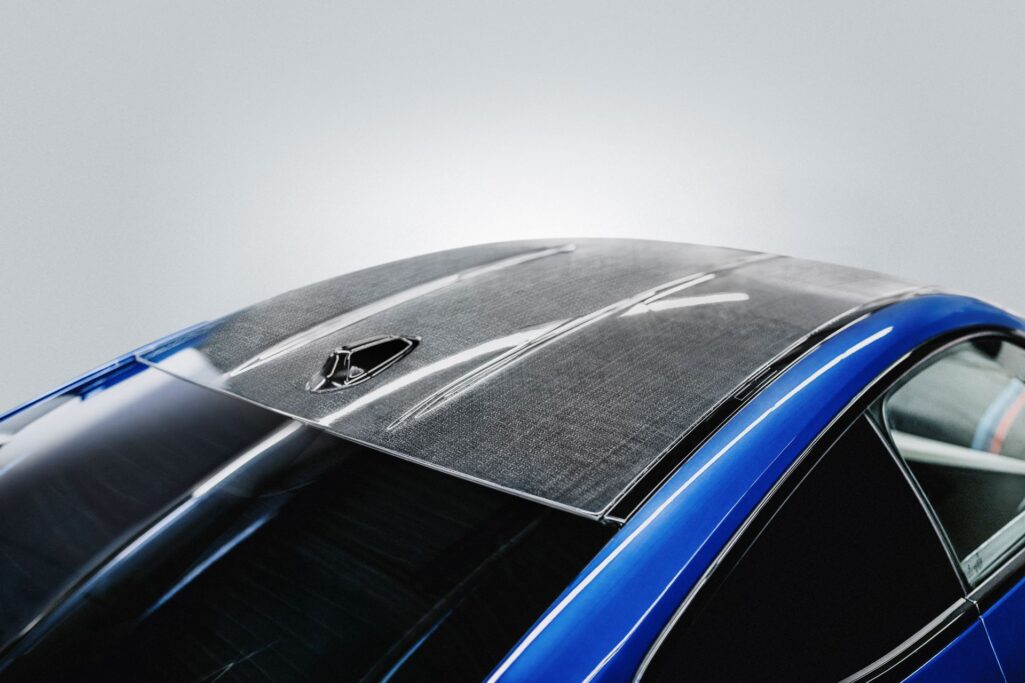
Natural fiber composites offer a compelling alternative. Derived from renewable flax fibers, these composites exhibit excellent mechanical properties while delivering a CO₂e footprint approximately 40% lower than that of carbon fibre during production—particularly when applied to structural elements like vehicle roofs. Beyond production, their end-of-life recyclability further contributes to the material’s circular credentials.
“This advancement is more than just a material swap—it’s a paradigm shift,” said Franciscus van Meel, CEO of BMW M GmbH. “Natural fiber is an innovation that perfectly exemplifies BMW M’s ethos: ‘Born on the racetrack. Made for the streets.’”
Proven Under Pressure: Motorsport as the Testing Ground
Natural fiber composite materials have already proven their mettle in the highest levels of competition. Since debuting in the BMW iFE.20 Formula E car in 2019, they have become a fixture in models such as the BMW M4 DTM and BMW M4 GT4, replacing traditional carbon-fibre-reinforced plastics (CFRP) in various body and structural components.
These materials will next face their most grueling challenge yet—the 24-hour race at the Nürburgring, where they will be fitted in the BMW M4 GT4. BMW M Motorsport’s long-standing partnership with Bcomp, now an official component supplier, reflects the synergy between motorsport excellence and environmentally conscious engineering.
From Paddock to Production
BMW’s partnership with Bcomp is not only technical—it’s also strategic. Through BMW i Ventures, the Group holds a stake in the Swiss innovator, strengthening its commitment to integrating breakthrough materials across its product portfolio.
This forward-looking collaboration ensures that lessons learned on the race track seamlessly transition into road-going vehicles. Natural fiber composites will be introduced into select future models across the BMW M range, forming part of a broader strategy to reduce emissions at every stage of a vehicle’s life cycle—from material sourcing to end-of-life recyclability.
Towards a Greener Driving Future
As automotive manufacturers face mounting pressure to reduce their environmental impact, BMW’s shift toward natural fiber composites sets a compelling precedent. It demonstrates that performance, sustainability, and luxury need not be mutually exclusive.
With these cutting-edge materials now entering series production, BMW reaffirms its role as an innovation leader—delivering vehicles that are not only engineered for exhilaration, but also crafted with environmental integrity.


