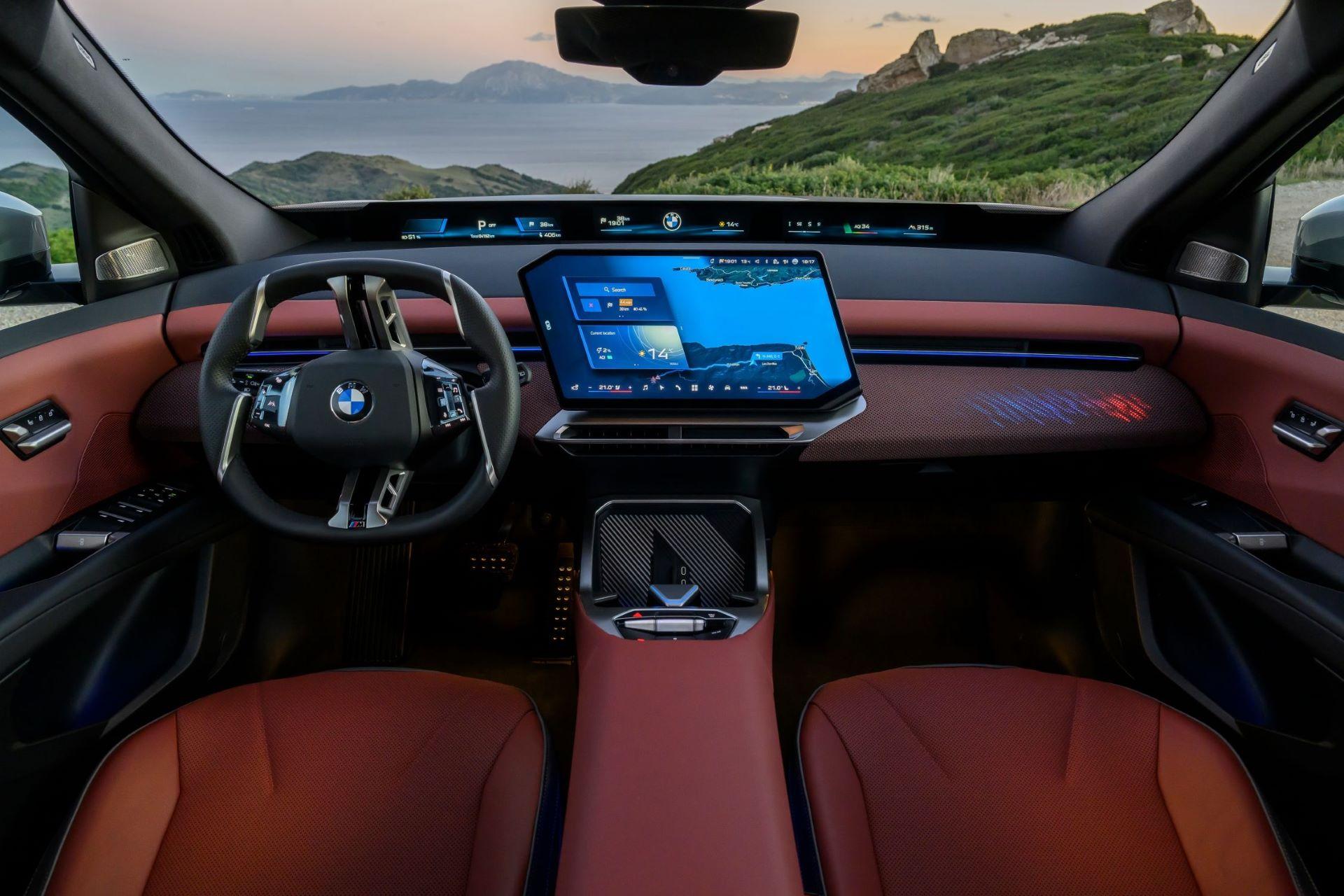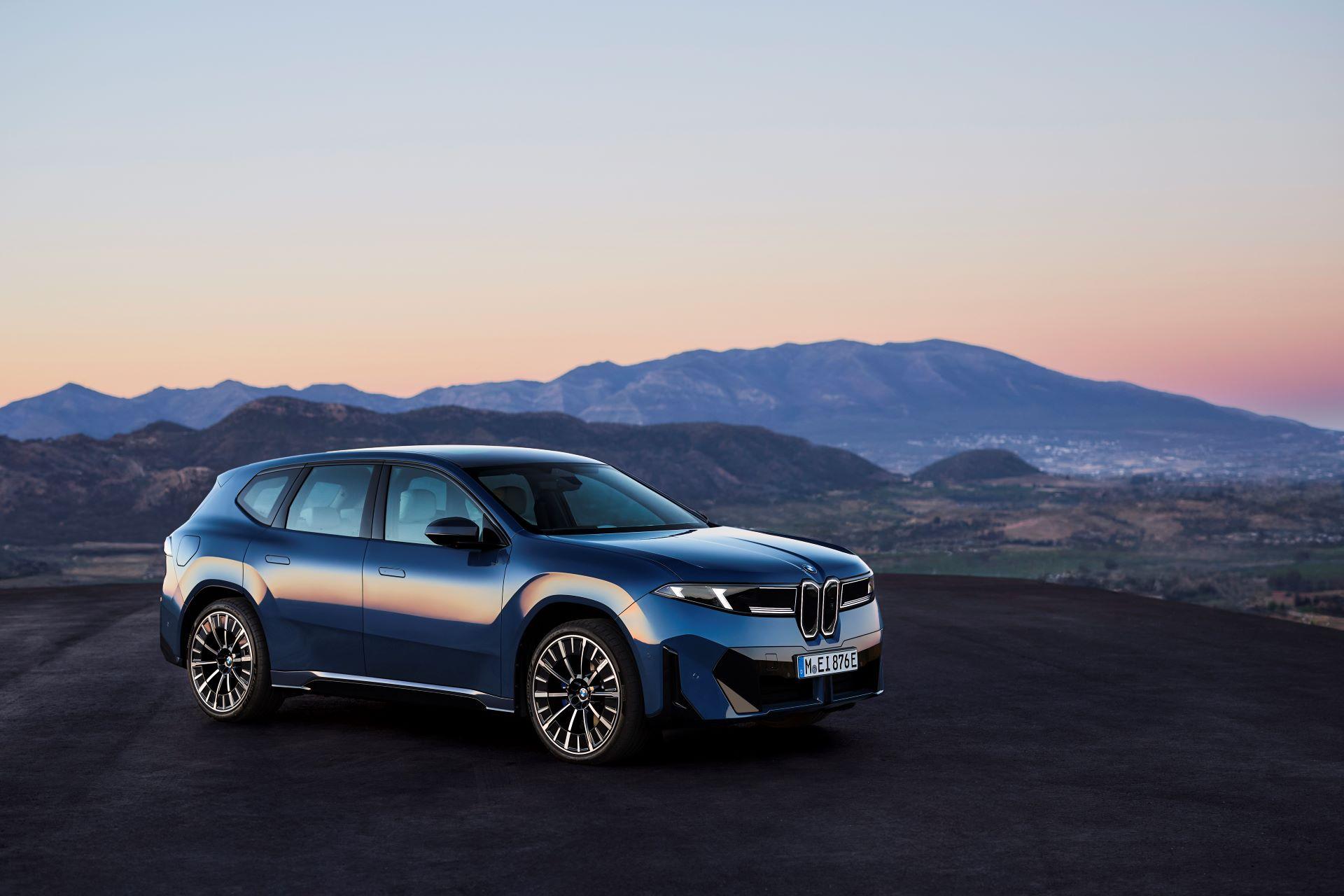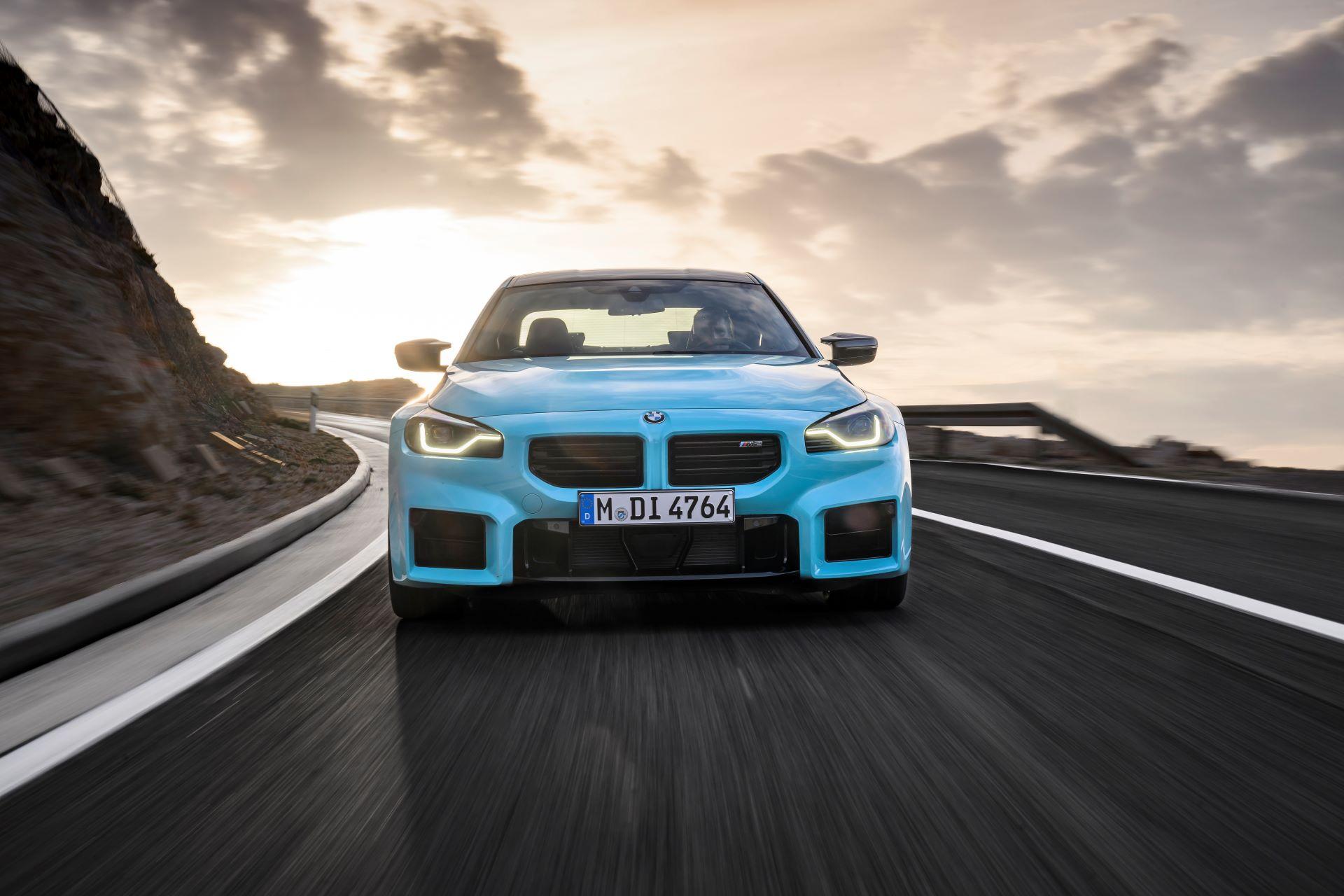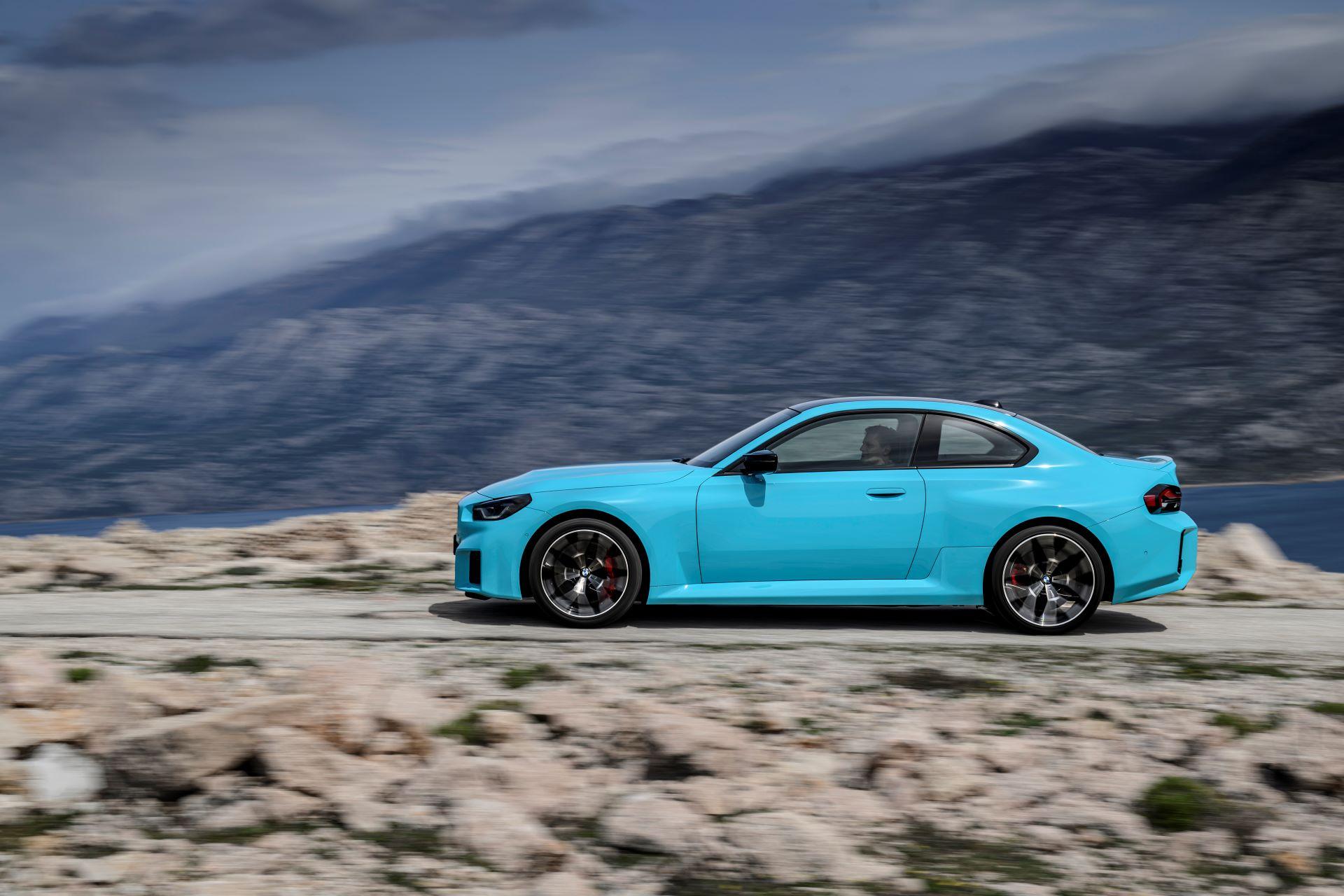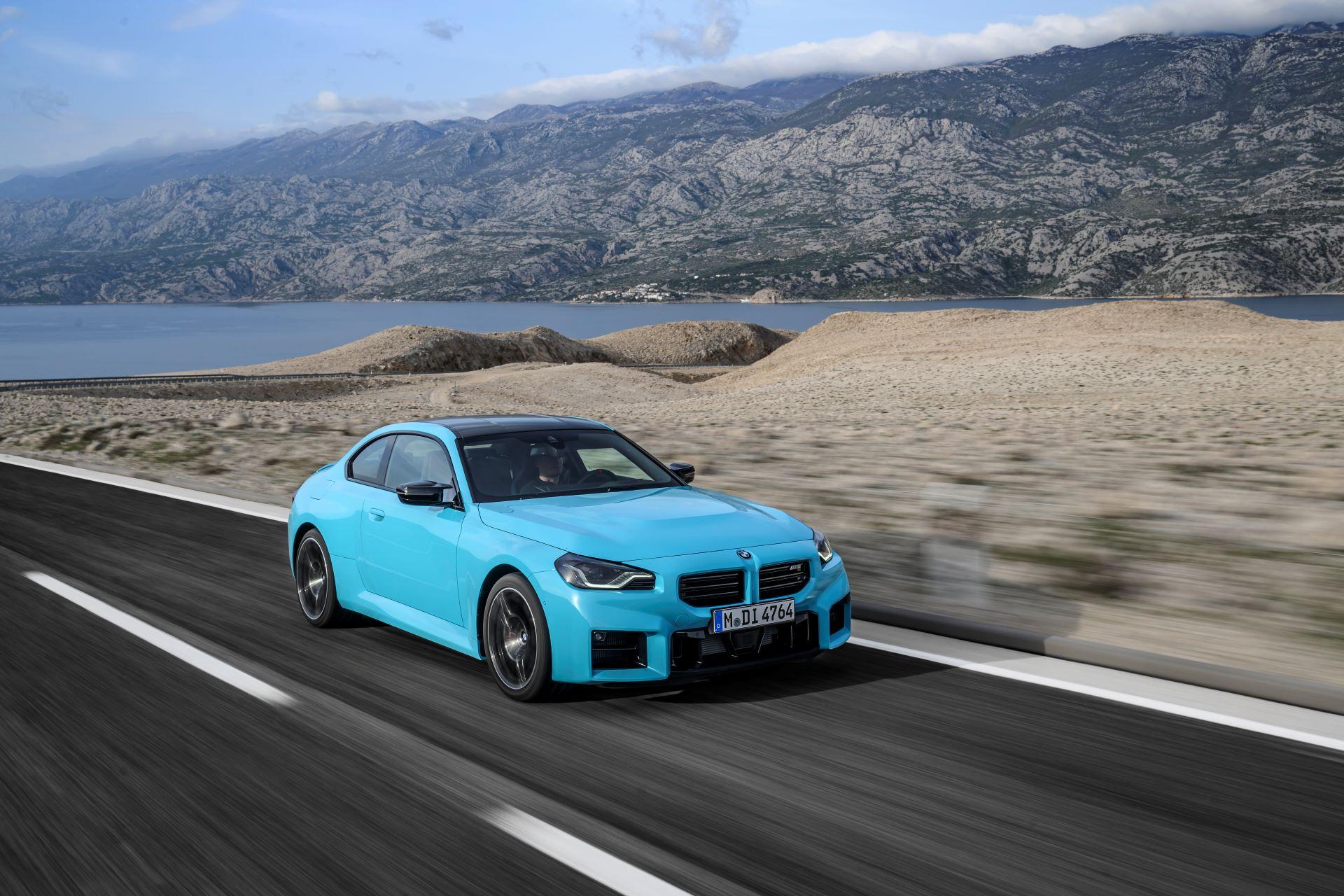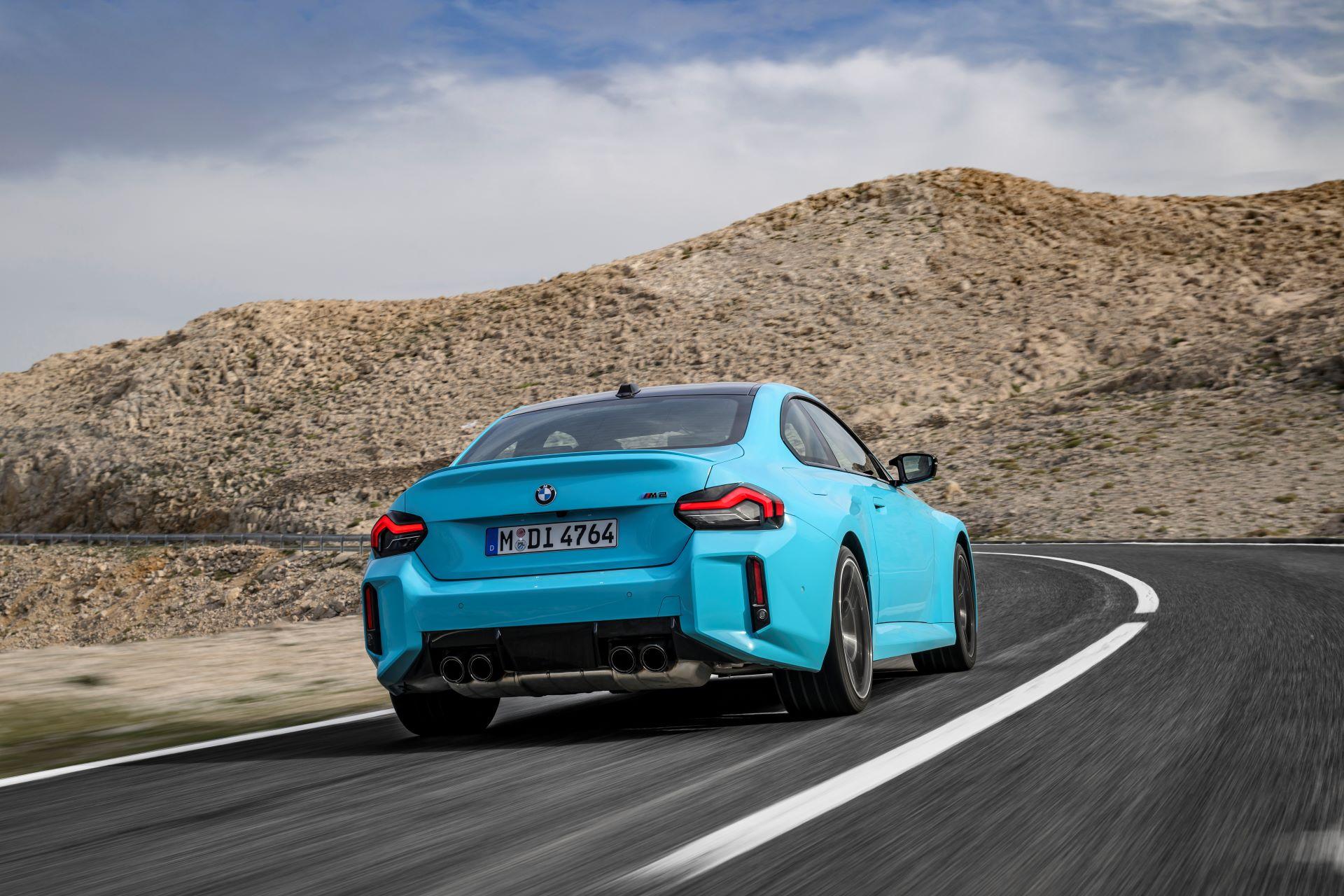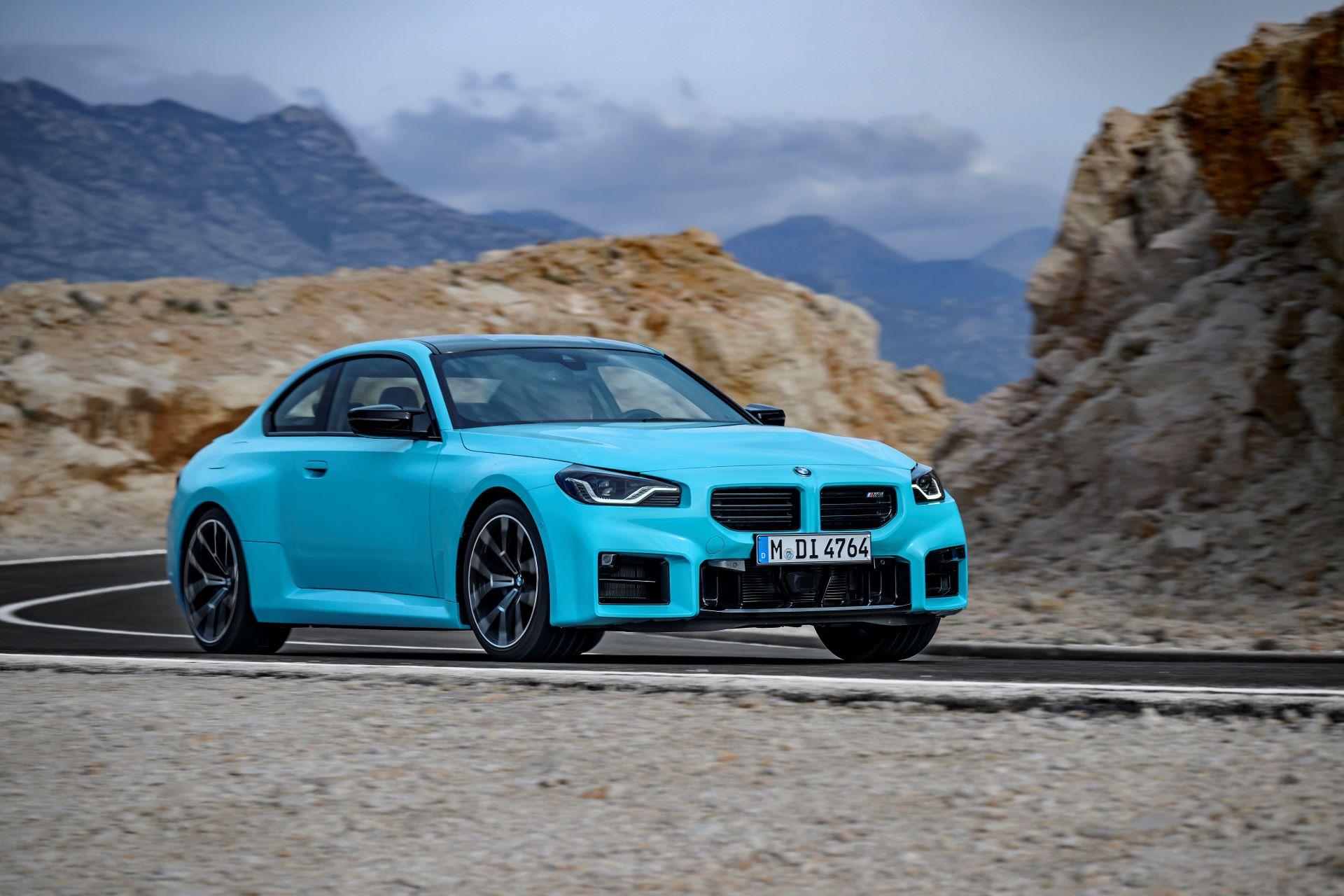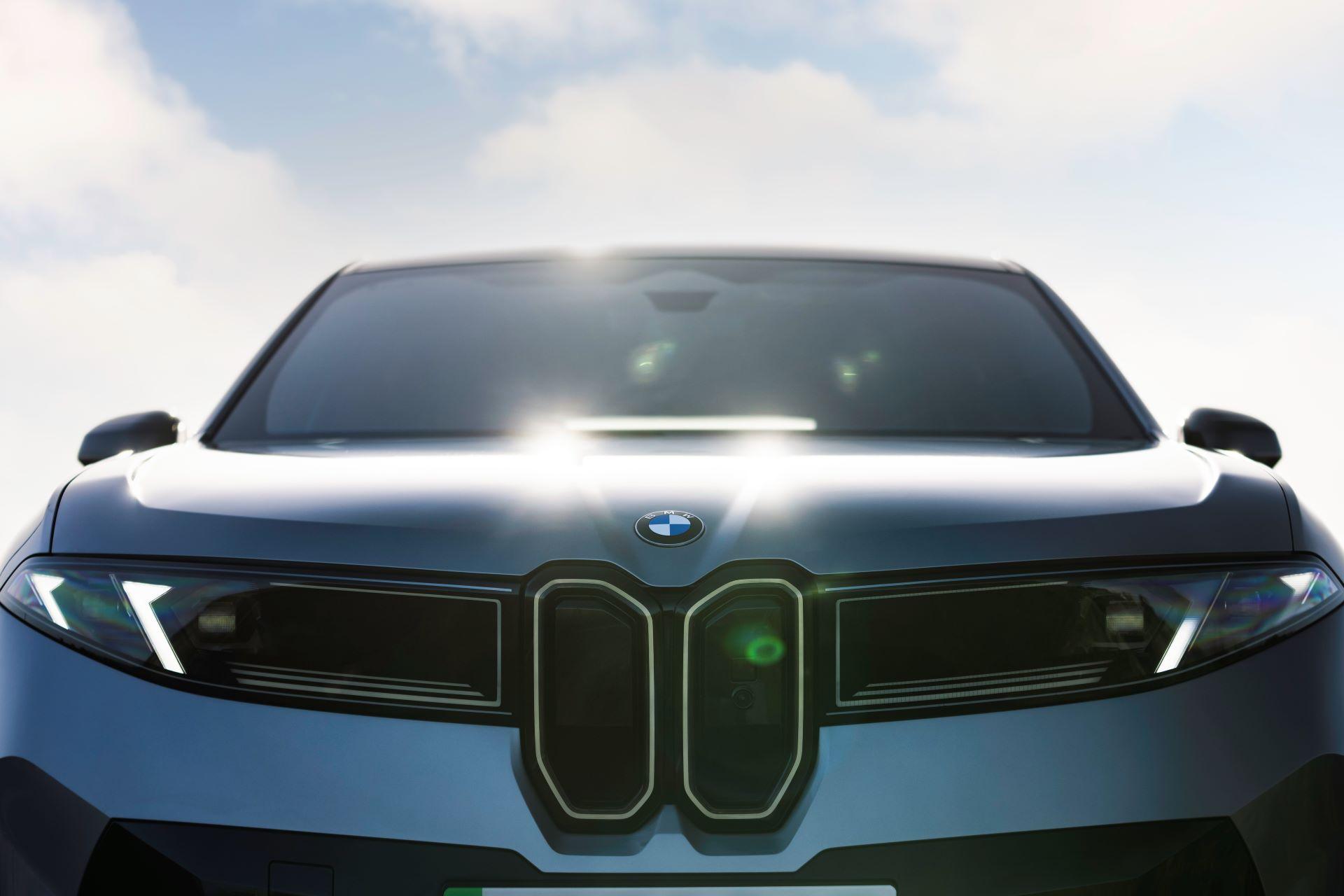



Munich, Germany – The BMW Group’s latest electric vehicle, the all-new BMW iX3 50 xDrive, embodies a bold and comprehensive sustainability vision that stretches across its entire life cycle—from sourcing raw materials and manufacturing, to the way it is driven. This all-electric SUV is the first Neue Klasse model to put BMW’s circular economy ambitions into tangible practice, marking a decisive step toward achieving the Group’s ambitious climate goals for 2030 and 2050.
A Holistic Life Cycle Approach
Sustainability is more than a buzzword for BMW—it’s a design and engineering philosophy. The new iX3 integrates sustainability at every touchpoint of its development and production. Thanks to extensive measures in the supply chain, vehicle manufacturing, and its efficient use phase, the vehicle not only sets new environmental standards but also proves that sustainability can coexist with BMW’s hallmark performance and luxury.
Decarbonisation From Day One
One of the iX3’s most striking achievements lies in its early CO₂e break-even point. When charged using the European electricity mix, the iX3 achieves a lower CO₂e footprint than a comparable combustion-engine model after just 21,500 kilometres (WLTP combined). Switch to renewable electricity, and that threshold drops to 17,500 kilometres, meaning many drivers could effectively see a climate advantage in under a year of use.
Cutting Carbon in the Supply Chain
The supply chain, often an unseen contributor to emissions, is where BMW has made some of its most innovative strides. Through a meticulous combination of renewable energy, secondary raw materials, and advanced production processes, BMW has reduced CO₂e emissions by 35% during the iX3’s development.
For example, the Gen6 battery cells powering the iX3 include 50% secondary cobalt, lithium, and nickel. Notably, the carbon footprint per watt hour has been cut by 42% compared to the outgoing Gen5 cell, thanks to clean energy use in cell production and material sourcing.

From Ocean Waste to Open Roads
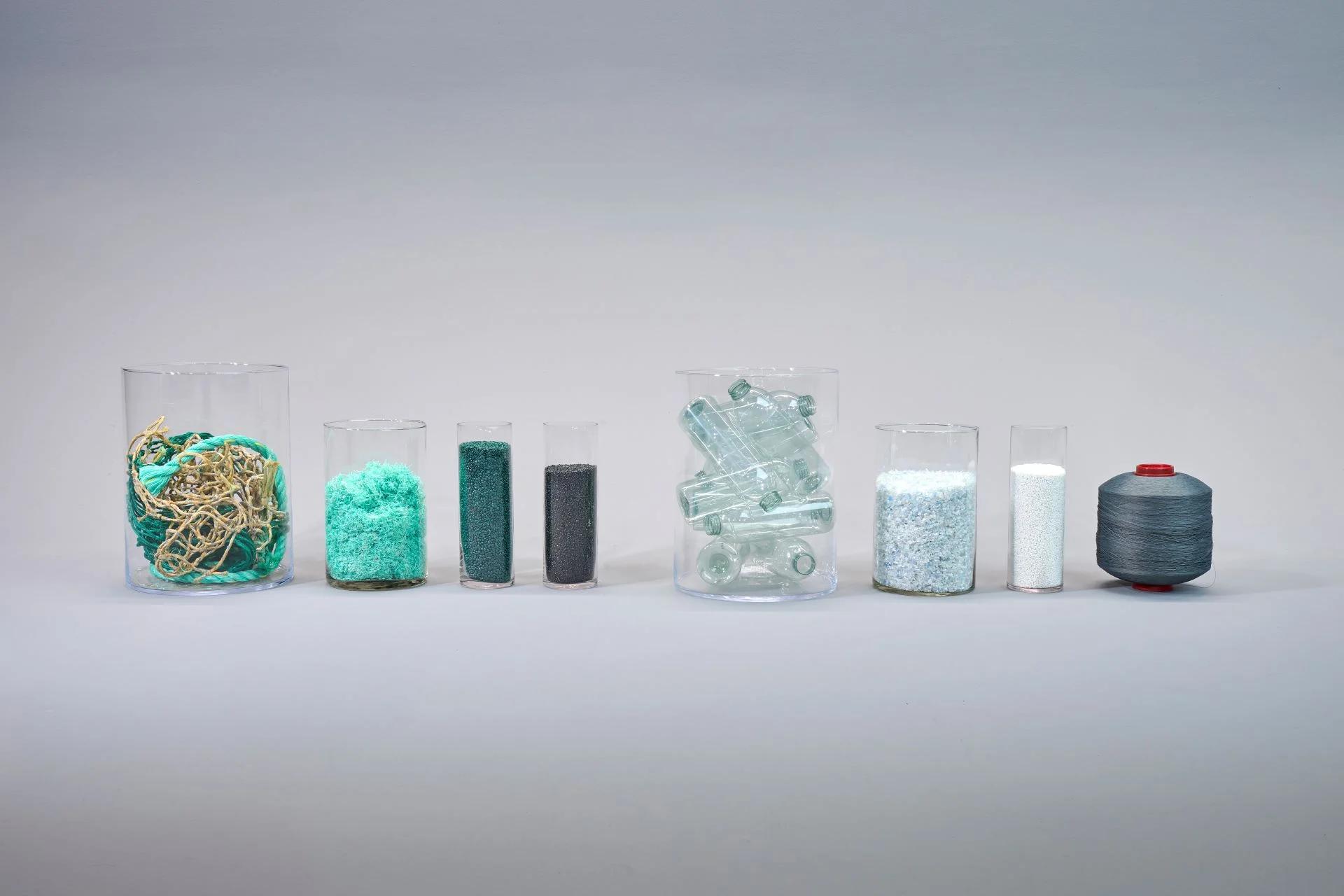
The BMW iX3 also pioneers the use of post-consumer materials. The engine compartment cover and front storage area incorporate 30% recycled maritime plastic, including discarded fishing nets and ropes—actively preventing marine pollution. Likewise, secondary aluminium accounts for 80% of wheel carriers and 70% of cast aluminium wheels, dramatically reducing the need for virgin material extraction.
Designing for Circularity
BMW’s ‘Design for Circularity’ concept has been fully embedded into the iX3’s development. By focusing on materials that are easier to recycle, prioritising secondary inputs, and simplifying disassembly, BMW ensures that one-third of the iX3’s material content is from secondary sources.
A standout interior feature is the new Econeer seat, found in the Essential trim, which uses mono-material construction for improved recyclability. Every layer—from fabric to fleece—is made from recycled PET, setting a new benchmark in sustainable interior design.
Efficiency in Motion
Thanks to extensive aerodynamic improvements, reduced rolling resistance, and smarter energy use, the new iX3 delivers 20% lower energy consumption than its predecessor (WLTP combined). This leap in efficiency doesn’t come at the cost of performance—true to BMW form, it retains the responsive dynamics and driving pleasure the brand is known for.
A Fossil-Free Production Blueprint
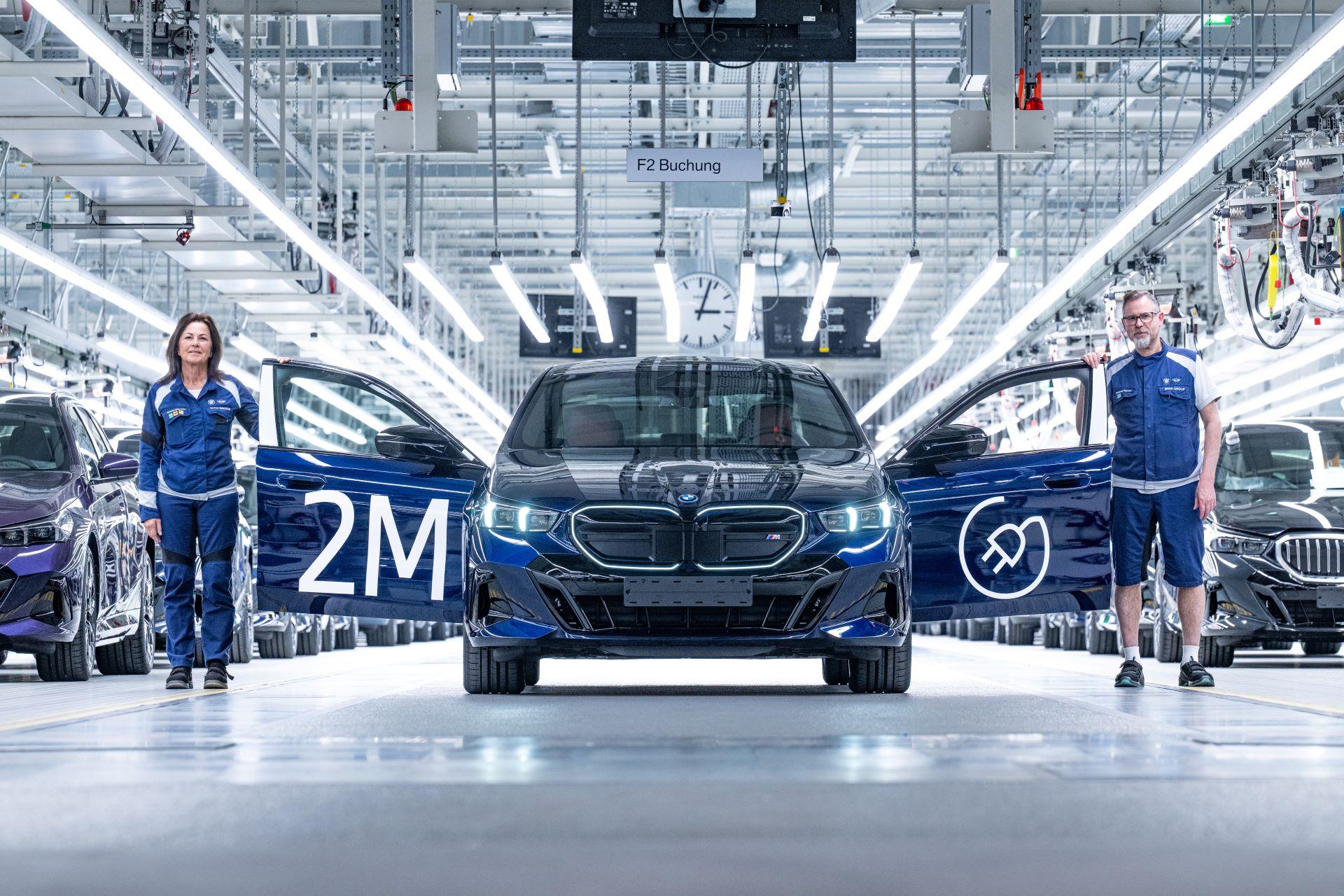
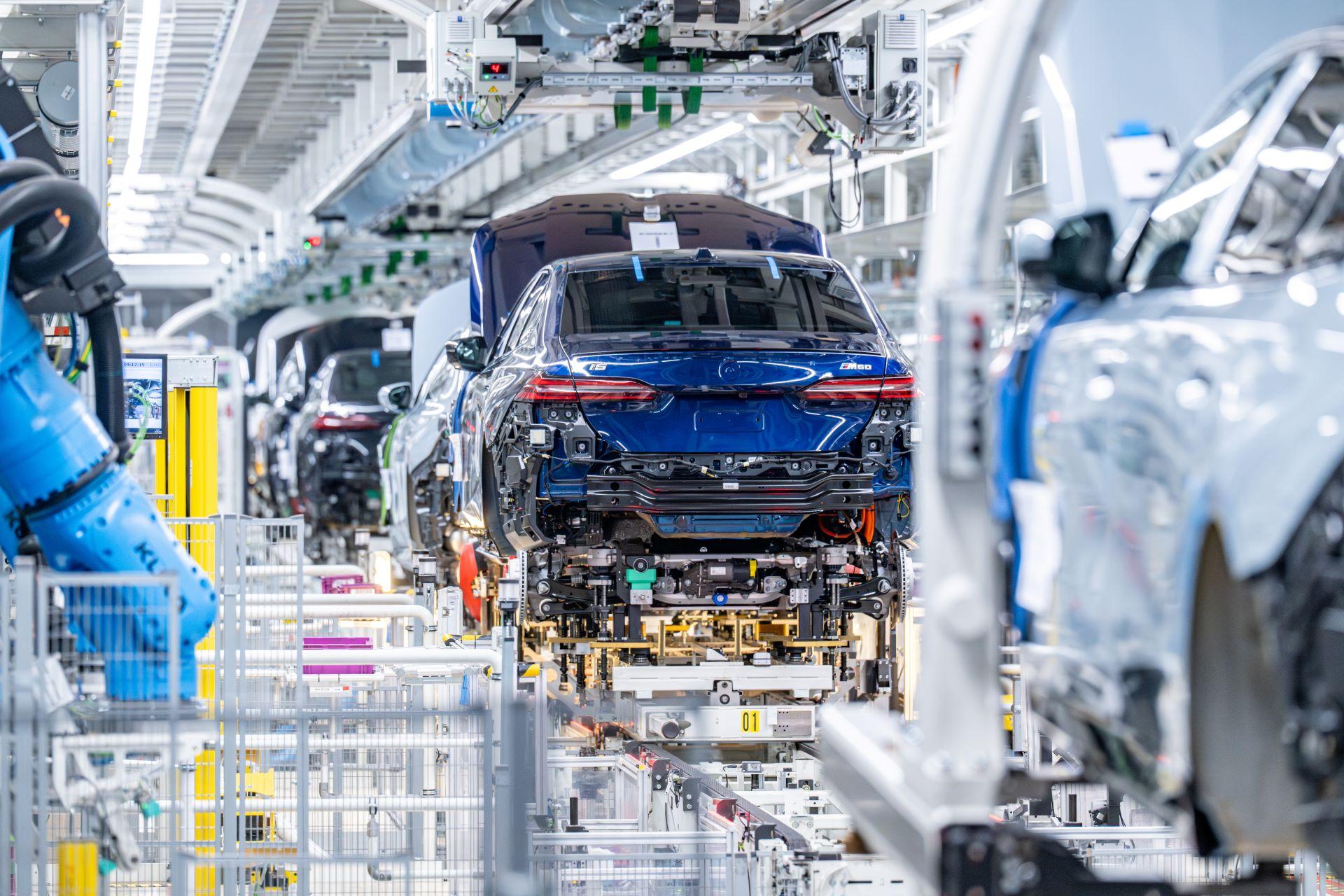
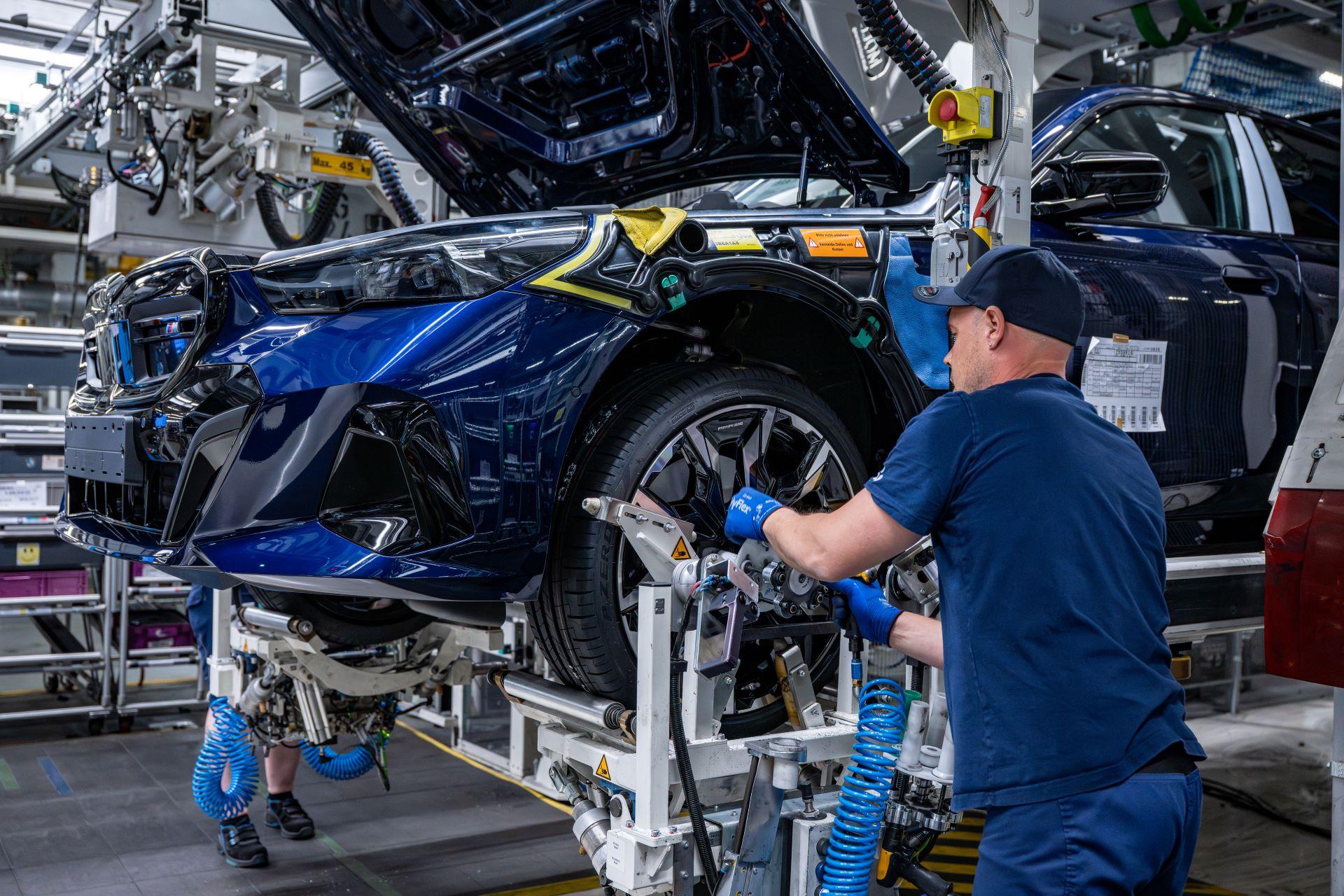
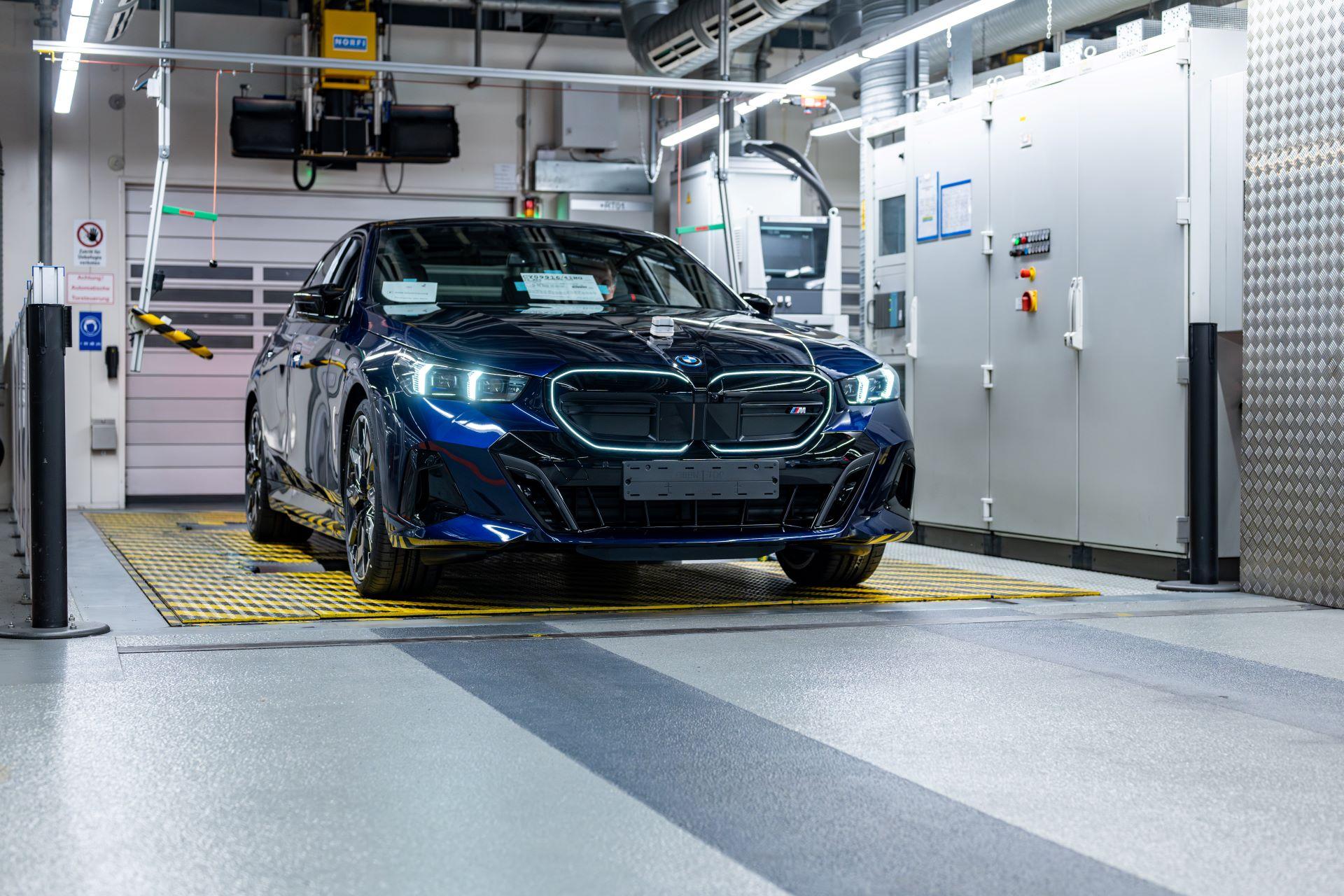
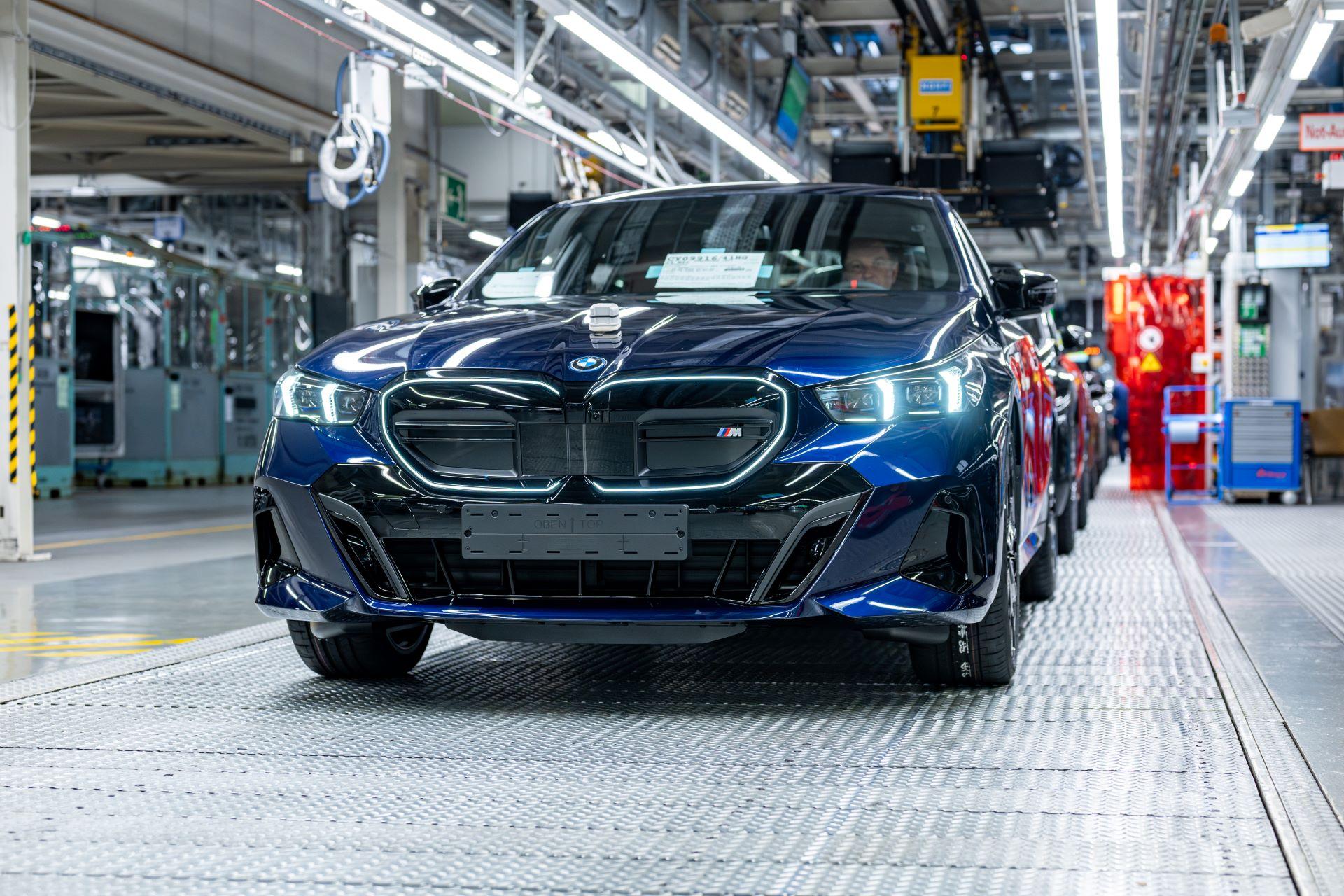
Production of the iX3 is another major stride in decarbonisation. The vehicle is manufactured at BMW’s Debrecen plant in Hungary, the Group’s first factory built to operate without fossil fuels under standard conditions. The facility runs exclusively on electric power, with 25% generated on-site via solar panels, and any excess is stored for heating applications—such as powering the ovens in the paint shop.
The result? Just 0.1 tons of CO₂e emissions per vehicle produced—a two-thirds reduction compared to other BMW plants.
Transparency and Targets
BMW continues to set the industry standard for accountability by offering a TÜV-verified Product Carbon Footprint report for the iX3, available both online and via the My BMW app. This offers full transparency into the car’s environmental impact from cradle to grave.
The iX3 also plays a crucial role in the Group’s broader environmental strategy, which includes cutting CO₂e emissions by at least 40 million tons by 2030 (baseline: 2019) and achieving net zero by 2050 or sooner.