Farnham, 7 May 2025 – UK-based electric vehicle innovator BEDEO has issued an open letter to senior government officials, sounding the alarm over the mounting risks of the UK missing its van-sector net-zero targets. In a hard-hitting appeal, the company urges the Government to introduce critical policy changes that would enable fleet operators to embrace low-emission technologies without sacrificing practicality, performance or profitability.
With zero-emission vehicle (ZEV) mandates requiring 70% of new vans sold in the UK to be electric by 2030—and a complete phase-out of diesel vans by 2035—the pressure is mounting on fleet operators to transition at speed. Yet, BEDEO warns, the current market reality paints a far more troubling picture.
A Market Out of Step with Mandates
Despite growing awareness of climate goals, uptake of large electric vans remains sluggish. BEDEO’s data reveals that battery-electric vehicles (BEVs) in the 3.5–4.25 tonne bracket currently represent just 0.5% of the market, with BEVs over 3.5 tonnes at 5.3%—a decline from 2023 figures.
The reasons are clear: range anxiety, payload limitations, and high costs continue to hamper adoption. BEDEO forecasts that even the most sustainability-focused fleet operators will struggle to convert more than 50% of their fleets to zero-emission models by 2030.
“Electric vans just don’t have the same payload as diesel – it’s not even close,” says Osman Boyner, BEDEO Founder and CEO. “Fleet managers tell us they’re ready to convert 60 to 70 per cent of diesel vans – but not until cost and performance improve. Today, they’re ready for Range Extender and retrofit – but they need Government support.”
Retrofitting: The Missing Piece of the Net-Zero Puzzle
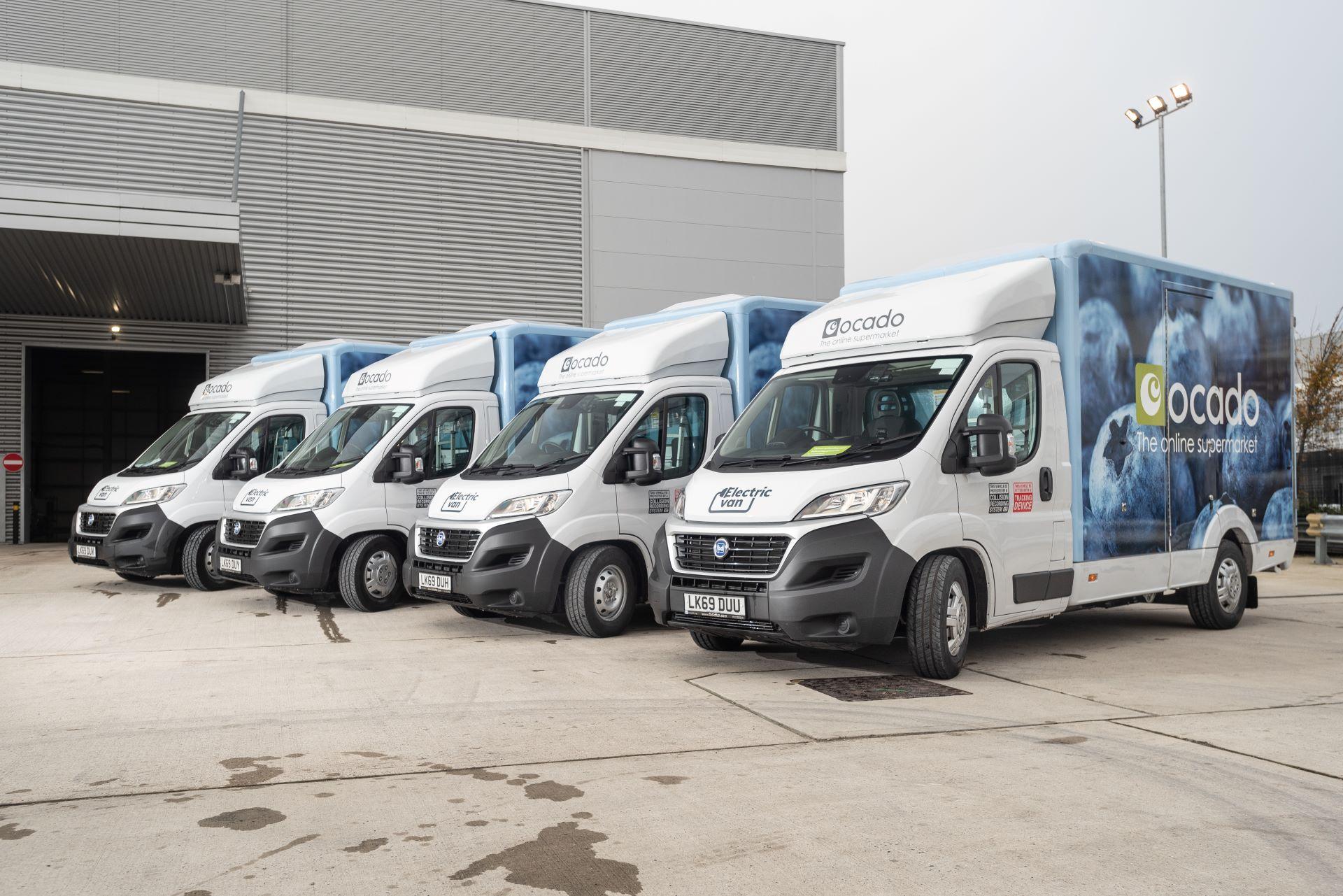
At the heart of BEDEO’s solution is its Reborn Electric RE-100 – a Range Extender system that delivers over 62 miles (100 km) of fully electric driving per charge, specifically optimised for urban delivery cycles. Critically, the solution retains the original diesel engine, ensuring the performance and uptime fleet operators rely on, while cutting emissions on short trips where it matters most.
Rather than replacing entire fleets, BEDEO’s technology offers a greener and more affordable pathway: retrofitting existing vehicles to drastically reduce emissions without the waste of scrappage or the cost of new purchases.
Already proven in commercial use, BEDEO’s retrofit technology is helping fleets across the UK—both large and small—cut CO₂ emissions and operational costs. Market confidence is rising too: the company has secured a letter of intent for 500 vehicles from fleet operators eager to deploy the technology at scale.
Three Policy Shifts for Real Progress
In its open letter, BEDEO outlines three urgent policy recommendations to unlock retrofitting’s full potential and ensure the UK’s van sector remains on track for net-zero:
- Inclusion in Grant Schemes
Range Extender vans must be eligible under Alternative Fuelled Vehicle (AFV) grant programmes, recognising their crucial role as a stepping-stone to full electrification. - Licence Weight Adjustments
Current regulations allow drivers with standard B licences to operate 4.25t electric vans—but not Range Extender equivalents. BEDEO urges the Government to extend this exemption to hybridised retrofits. - Official Net-Zero Recognition
BEDEO calls for formal recognition of Range Extender retrofit solutions in the UK’s decarbonisation roadmap—highlighting their real-world effectiveness, scalability and immediate impact.
The company has written directly to senior figures including Heidi Alexander, Secretary of State for Transport, and Ed Miliband, Secretary of State for Energy Security and Net Zero, seeking clarification on why similar Range Extender technology is permitted in London’s black cab fleet but not in goods transport vehicles.
A Pragmatic Path Forward
BEDEO’s message is clear: retrofitting is not a compromise—it is a pragmatic and powerful strategy that enables fleets to act now rather than wait for a perfect but distant future.
“According to McKinsey & Company, LCVs are responsible for 40% of logistics-related emissions,” Boyner adds. “If the UK wants to lead on decarbonisation, we need solutions that can be deployed today—not in five years’ time.”
With rising demand and a proven track record, BEDEO is urging policymakers to embrace retrofit innovation as a legitimate and necessary tool in the UK’s decarbonisation arsenal.
For more information on BEDEO’s solutions and how they can support fleet operators in reaching net-zero, visit bedeo.tech.