


As South African consumers become increasingly selective about how and where they spend their money, the local automotive market is undergoing a meaningful shift. Purchasing decisions are no longer driven purely by familiar badges or long-standing reputation. Instead, buyers are prioritising genuine value, advanced technology, everyday practicality and long-term ownership confidence.
At the same time, the rapid arrival of new automotive brands has reshaped the competitive landscape. While this has brought welcome choice and sharper pricing, it has also introduced a layer of uncertainty. Many buyers are now looking beyond showroom appeal and asking tougher questions about engineering depth, aftersales support, parts availability and whether emerging brands will still be present and accountable years into ownership.
It is within this evolving environment that BAIC Automobile South Africa is positioning itself with intent and clarity.
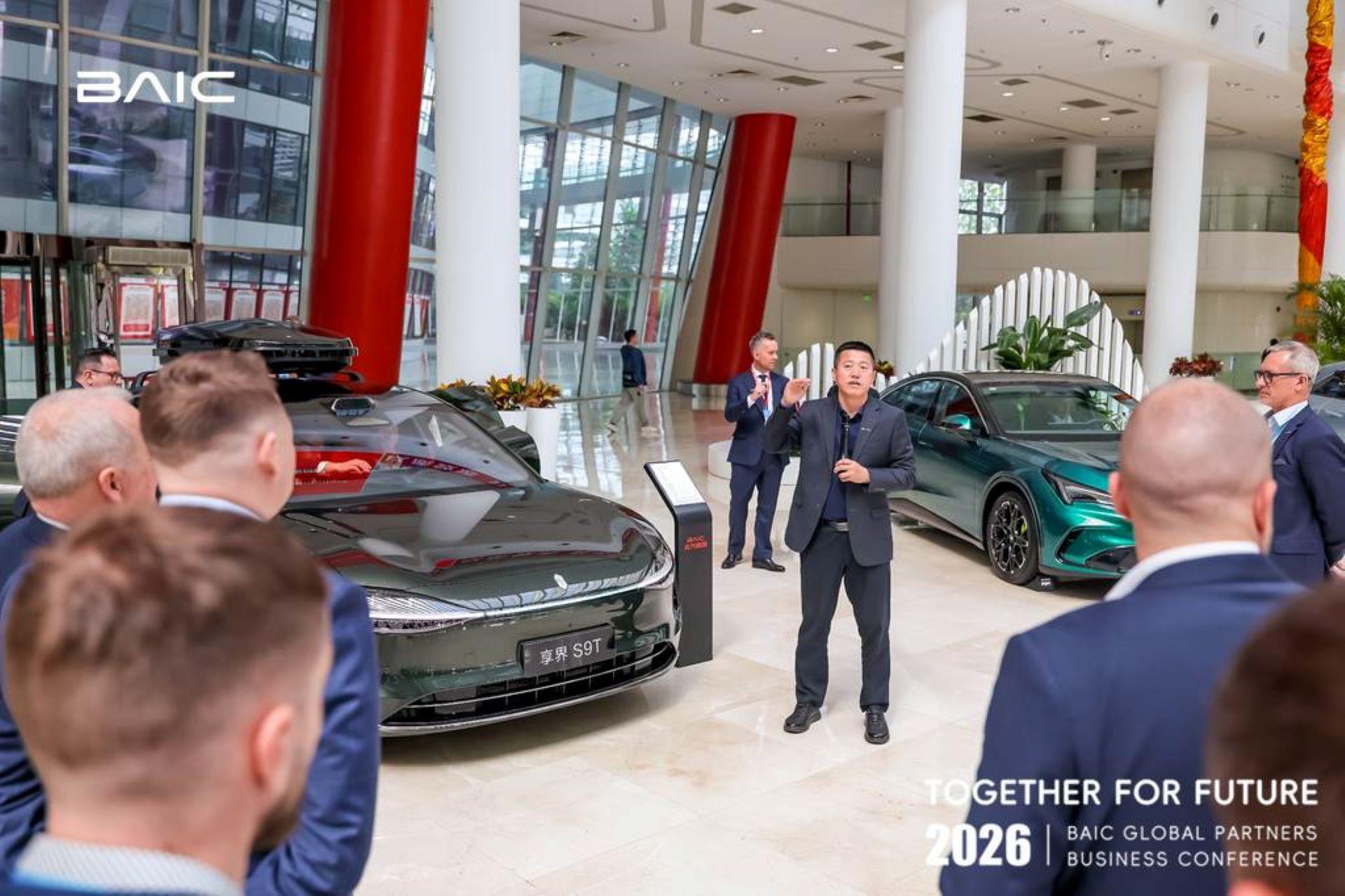
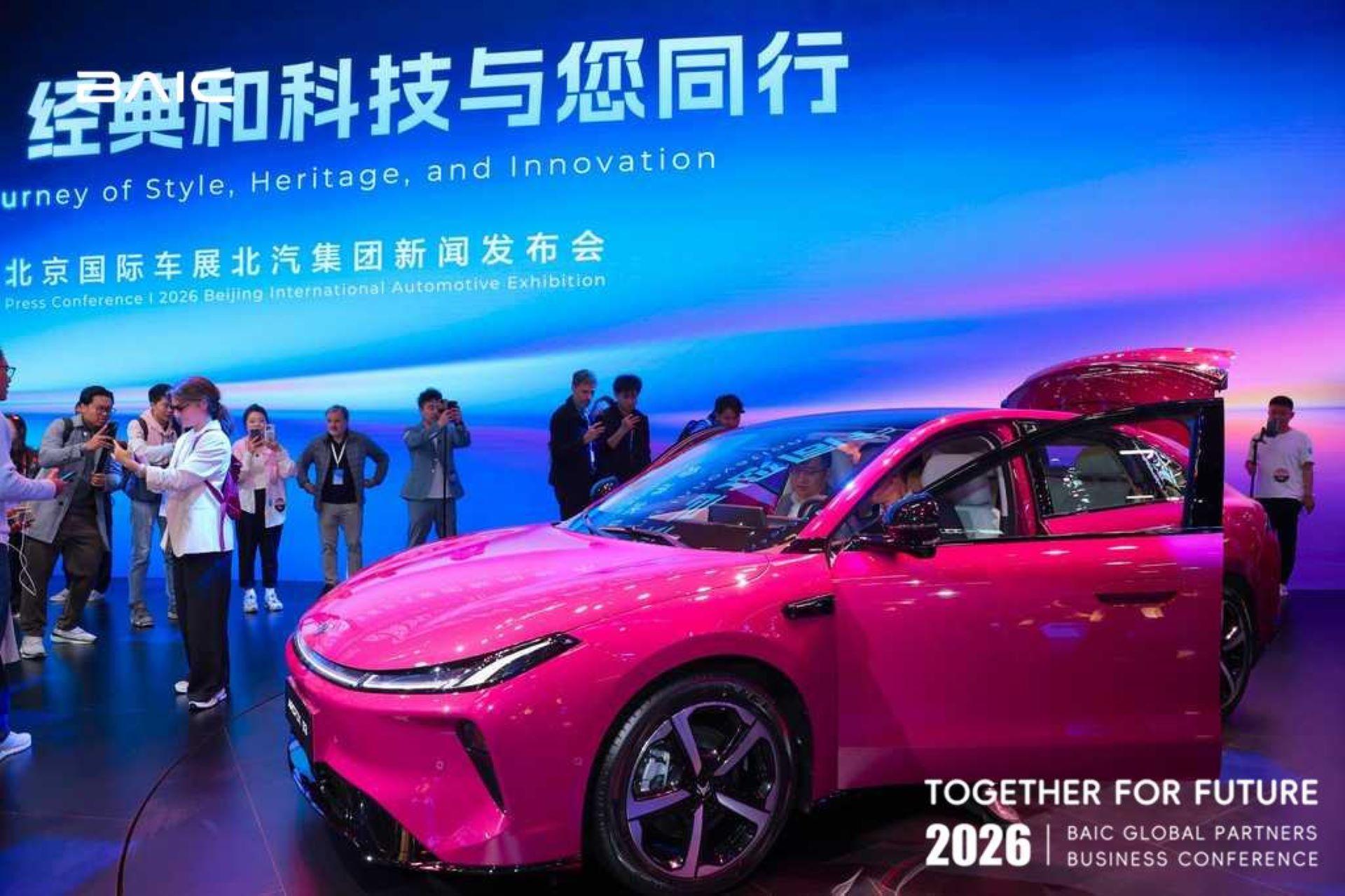
Unlike many newer entrants, BAIC is supported by one of China’s most established automotive groups, with origins dating back to 1958. This long-standing industrial foundation reflects decades of large-scale manufacturing experience and sustained investment in automotive development, giving the brand a depth that extends far beyond recent market entry narratives.
BAIC’s global credentials are further strengthened through its technical and manufacturing collaborations with some of the world’s most recognised automotive names. Most notably, its long-standing partnership within the Beijing Benz joint venture with Mercedes-Benz sees Mercedes-Benz vehicles and powertrains produced as part of the brand’s global manufacturing footprint. This level of integration into international automotive production networks places BAIC in a distinctly different category from many emerging brands.
For South African consumers, this background translates into reassurance. It signals a manufacturer with proven production capability, established engineering processes and long-term commitment to automotive investment at scale.
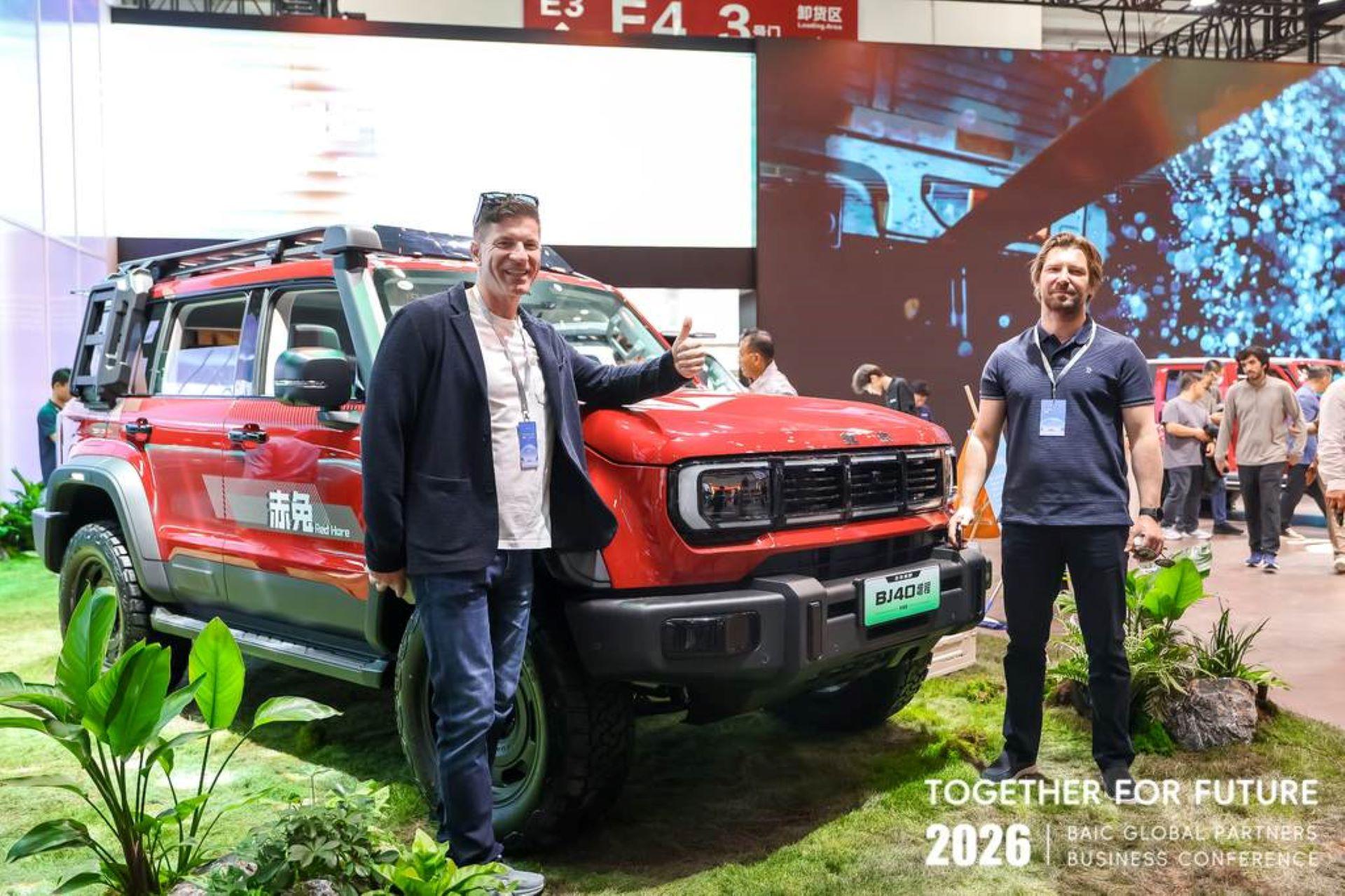
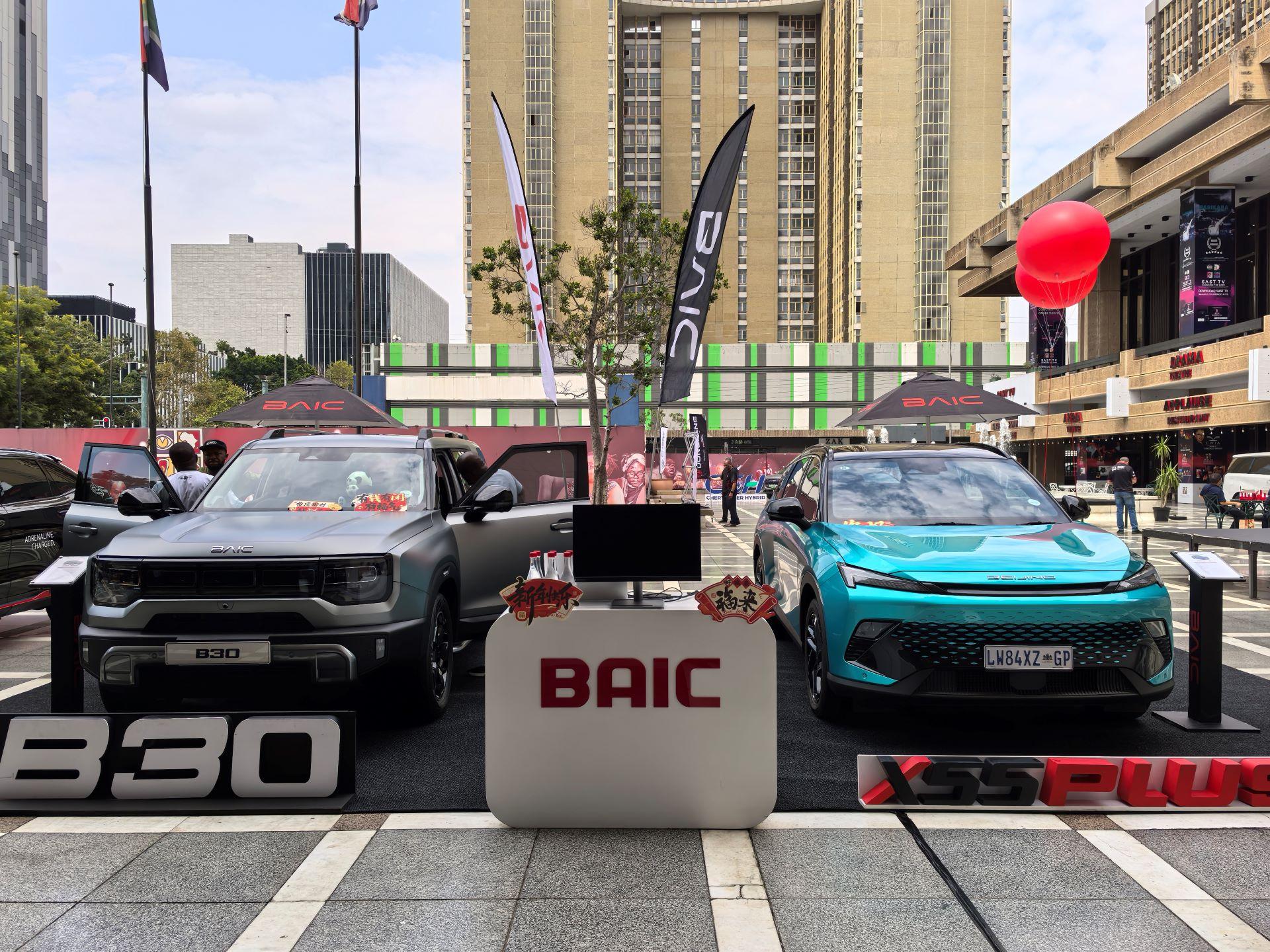
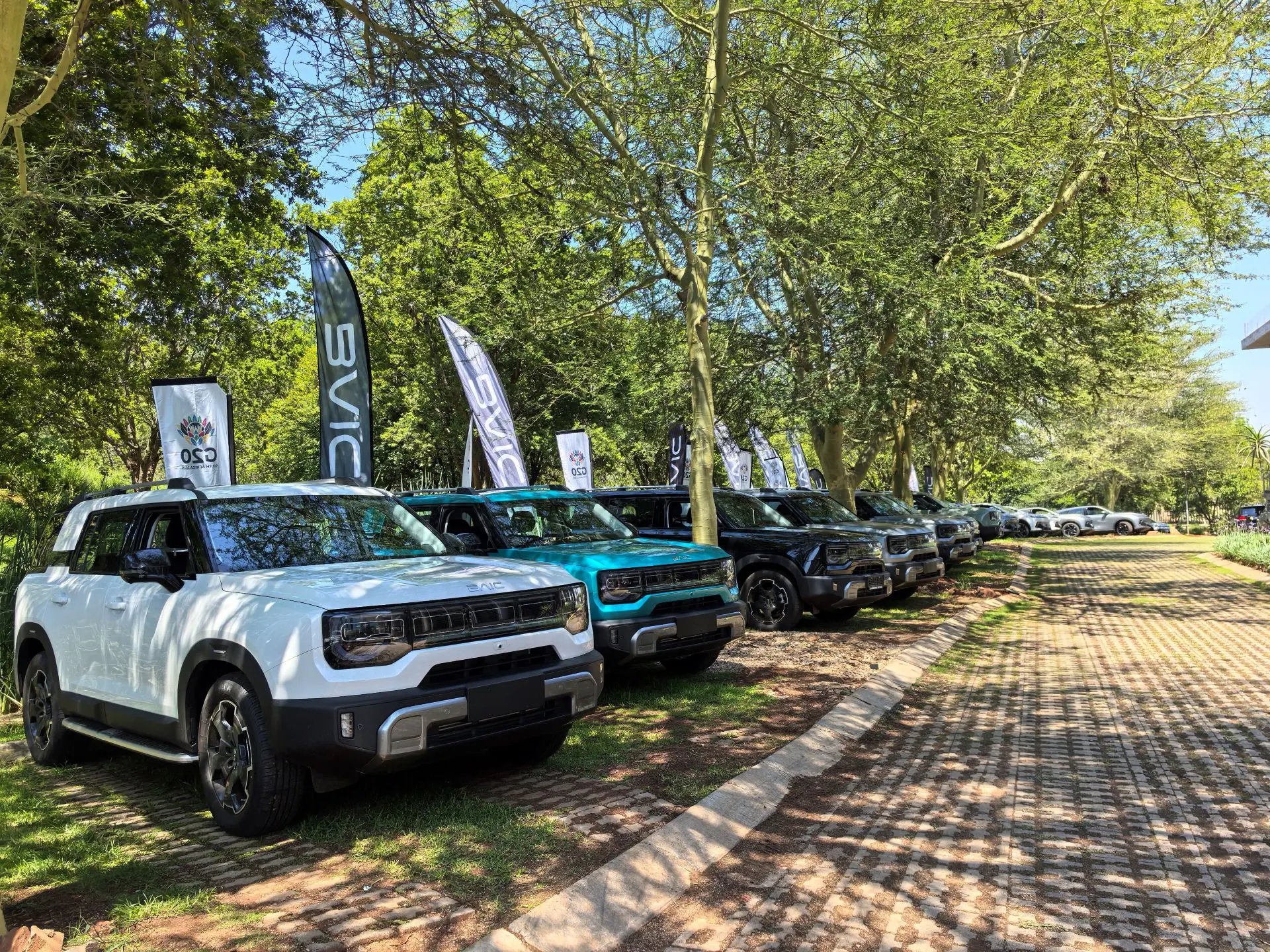
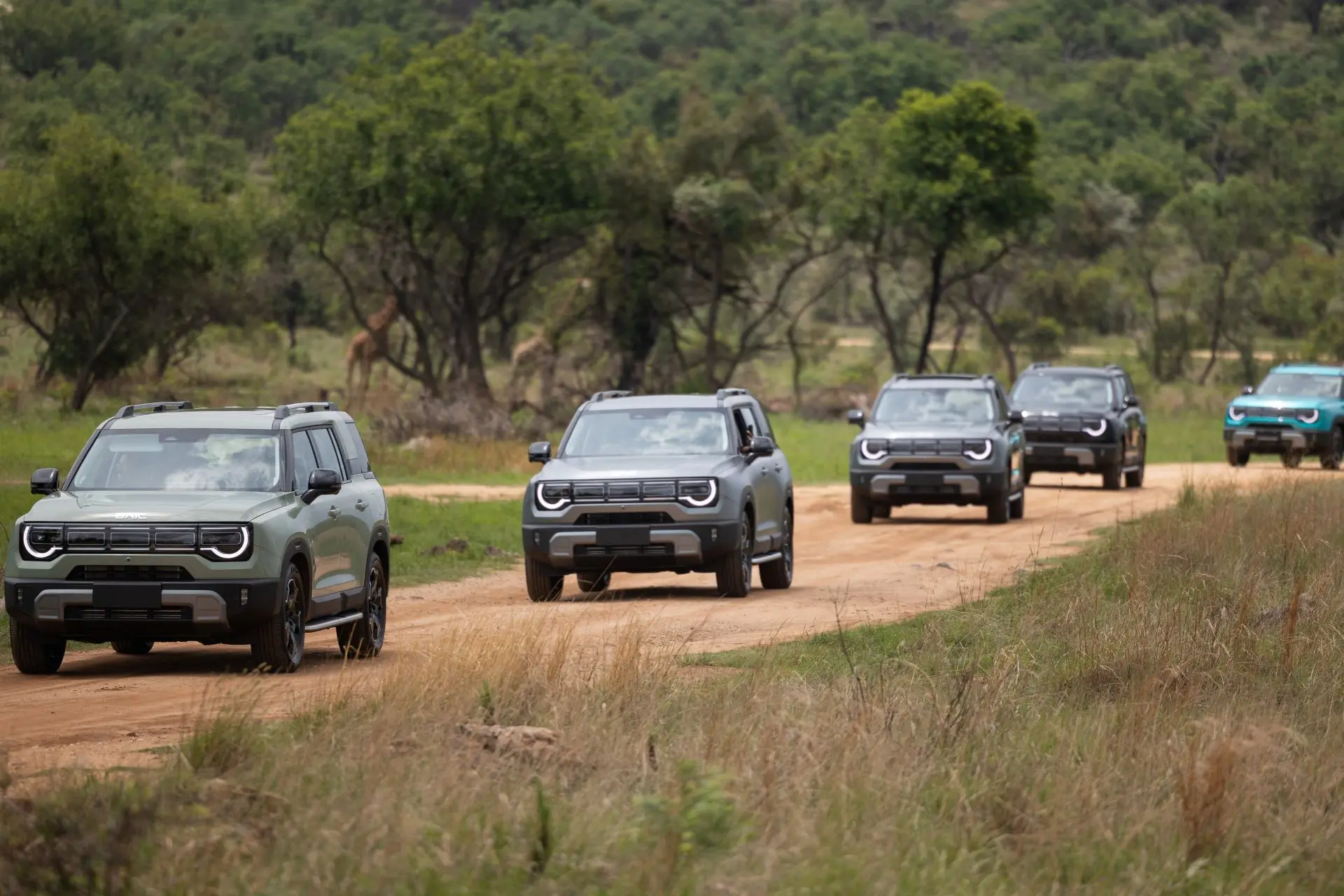
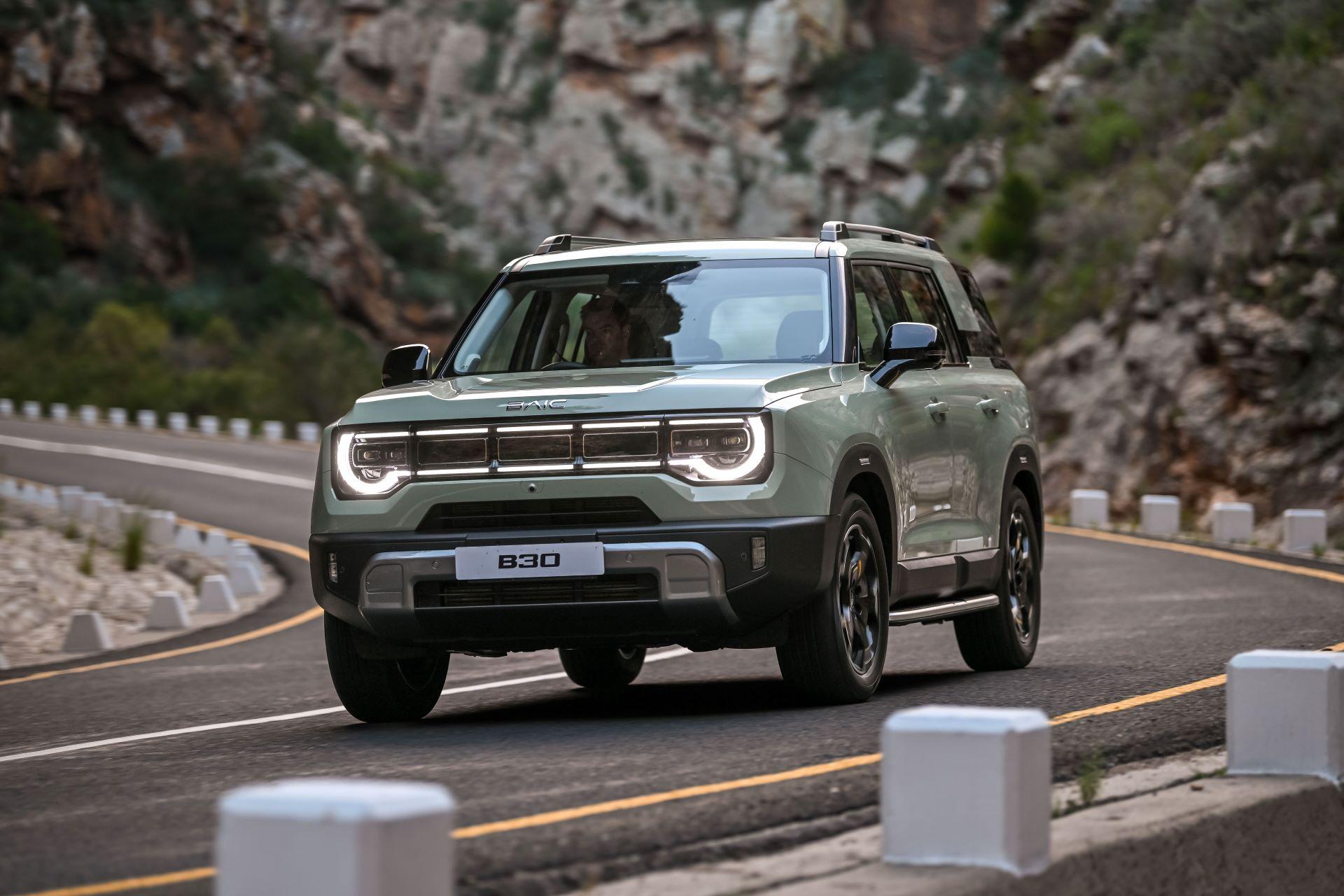
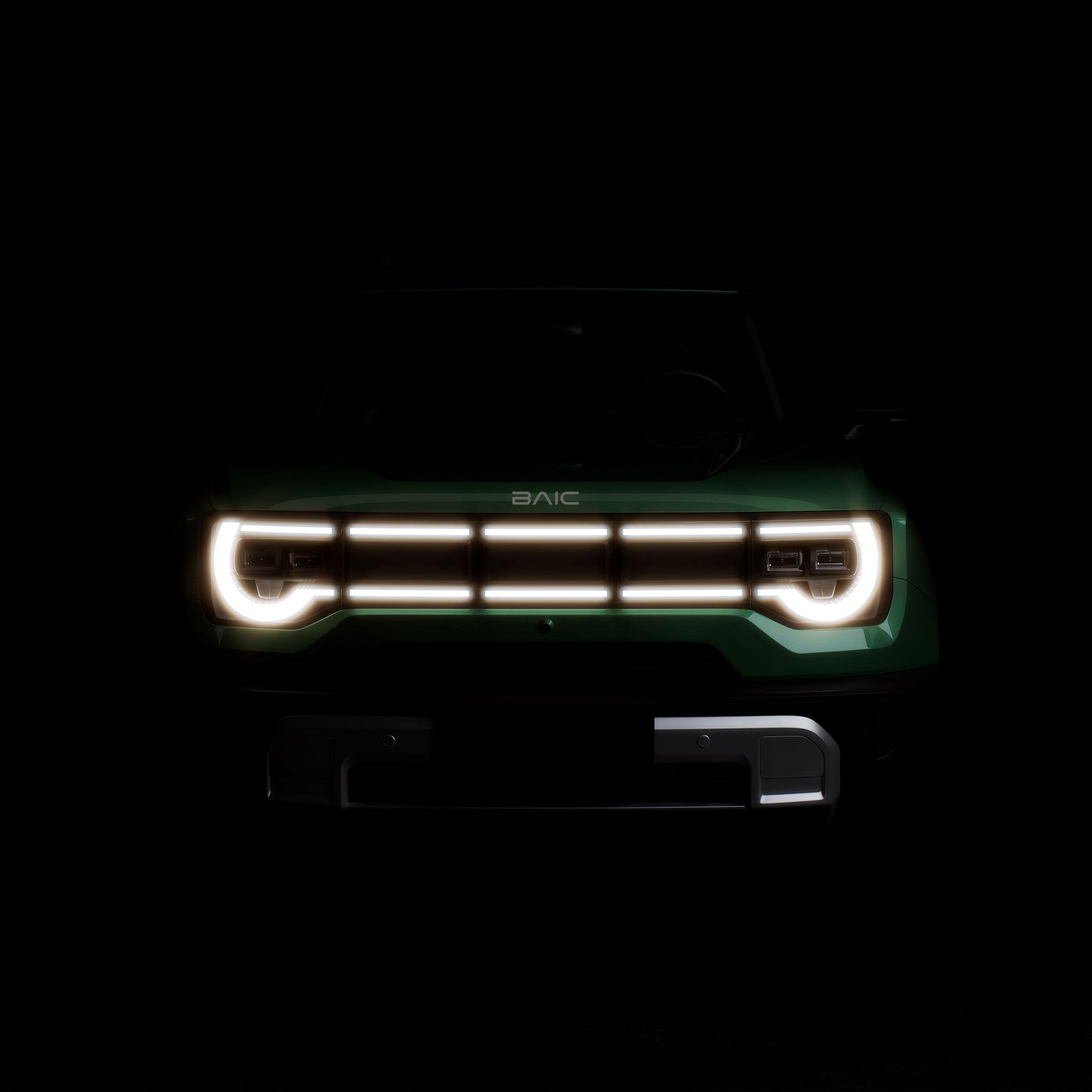
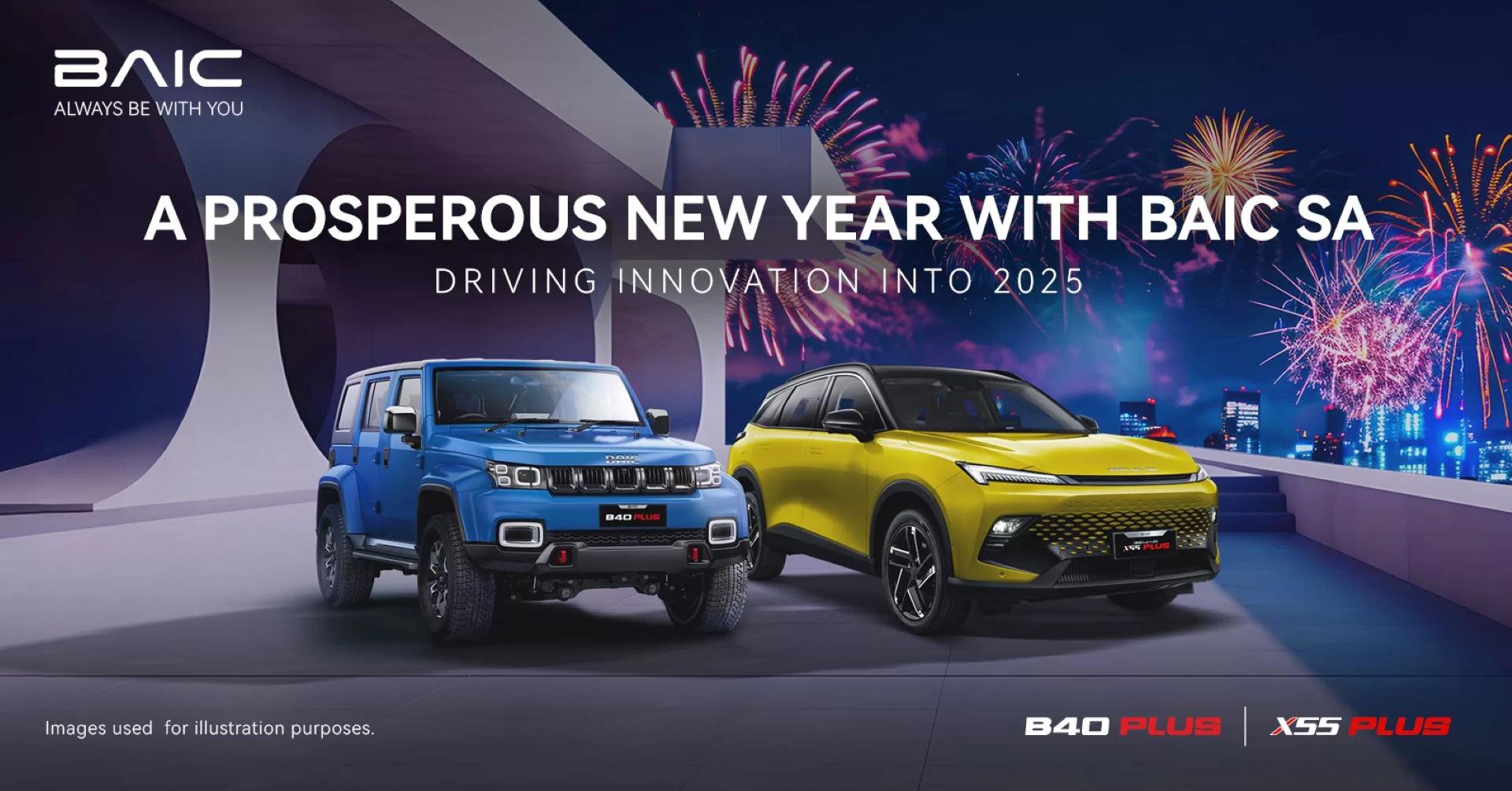
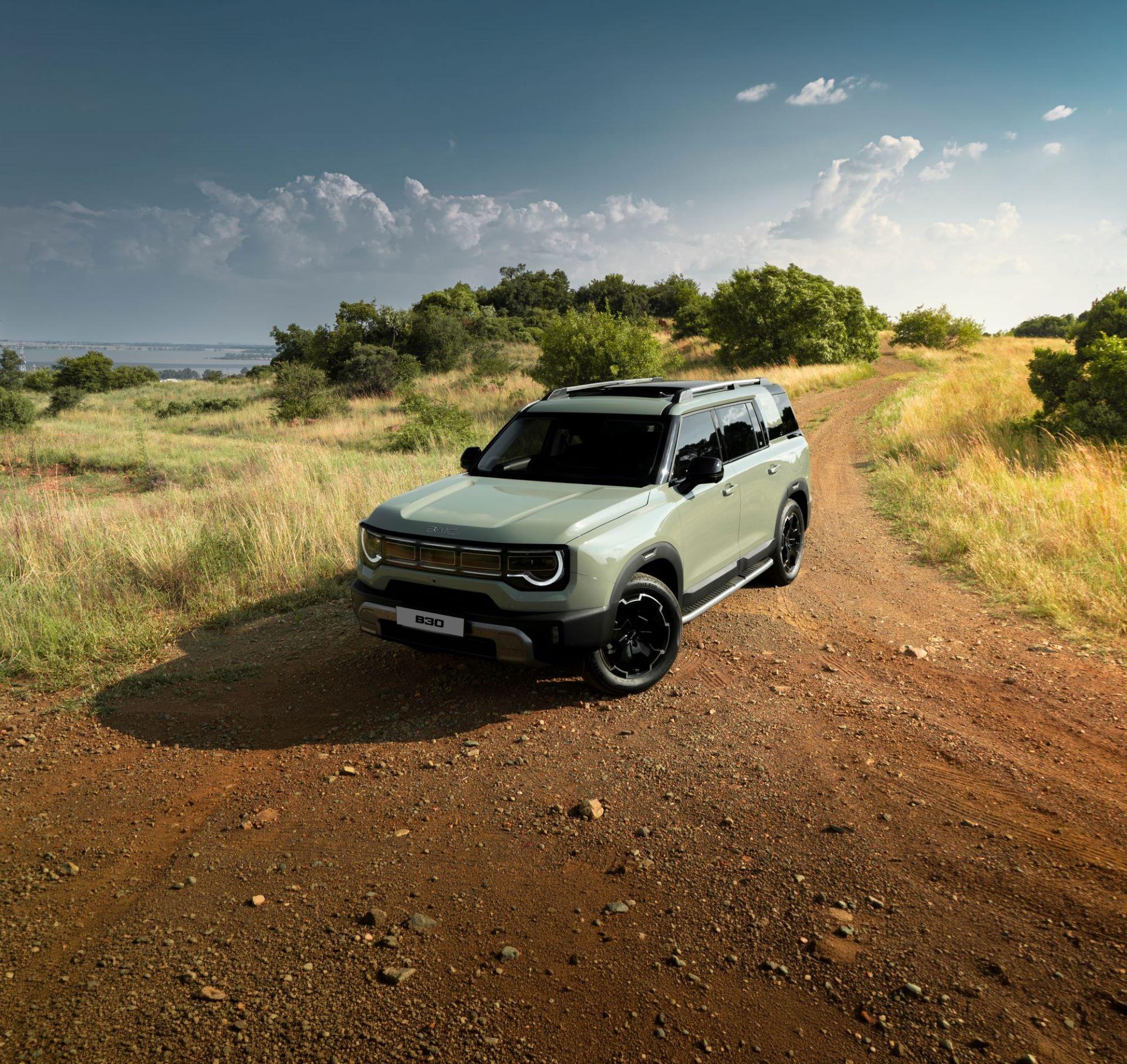
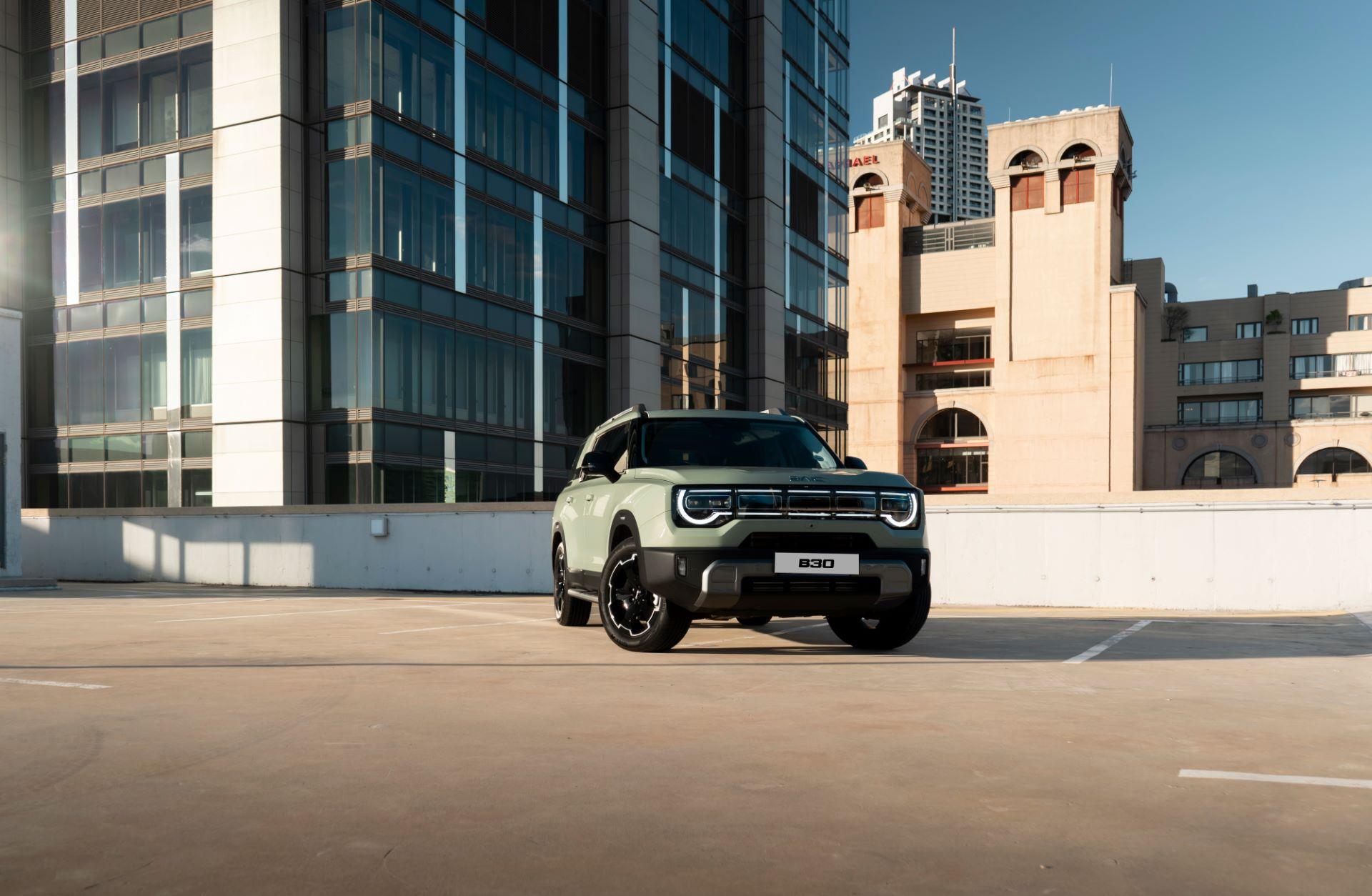
These foundations are reflected in its local product range, including the all-new B30 and the X55 PLUS. Both models aim to bring modern SUV design, intelligent safety systems and premium-level features into a more accessible pricing structure for South African families.
With pricing starting at R429,900 for the X55 PLUS and R519,900 for the B30 SUV range, BAIC is positioning its vehicles competitively within a segment where specification levels often vary widely across price points.
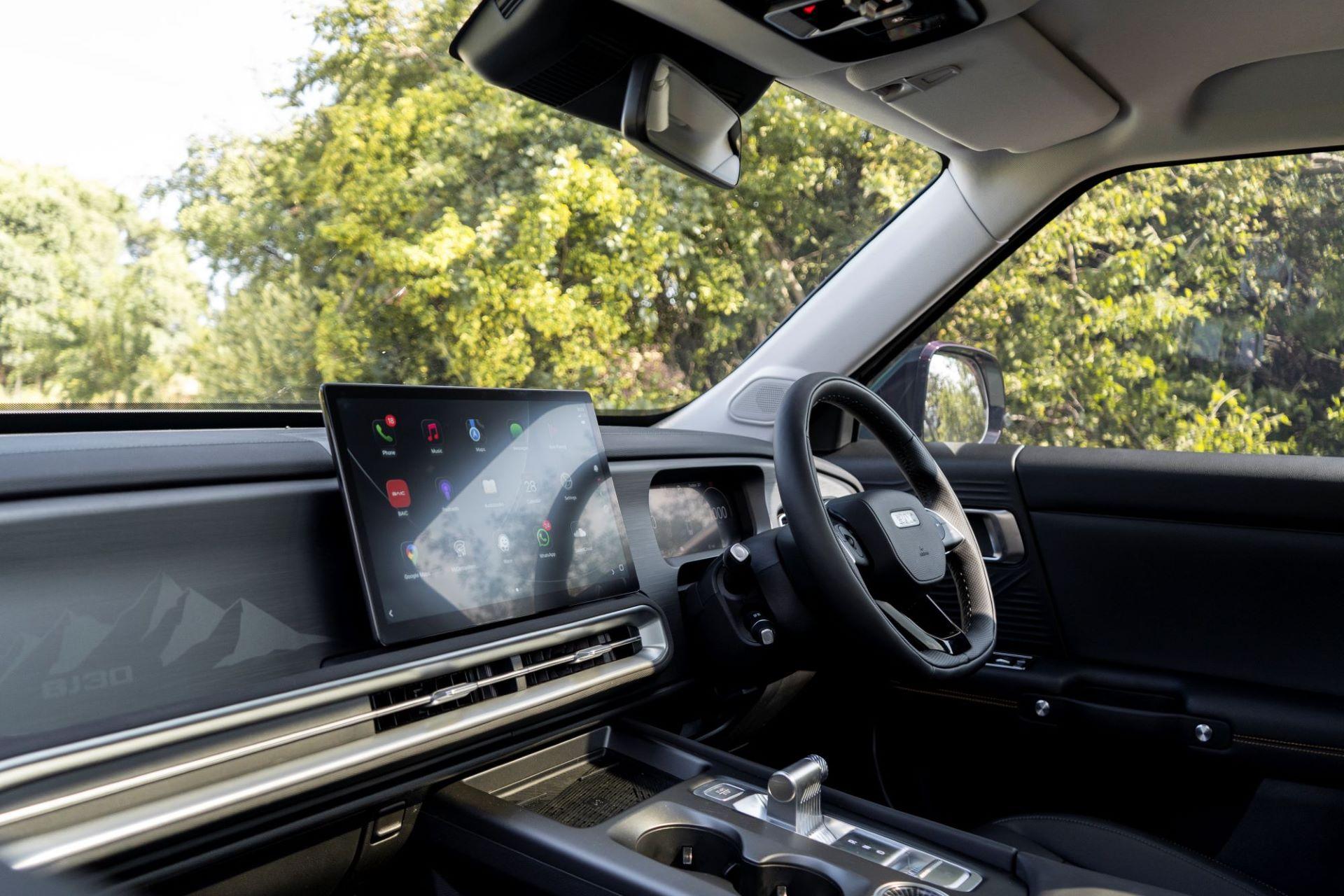
The B30 Elite Adventure in particular highlights this value-led approach. Standard features include a fully digital driver display, a large 14.6-inch infotainment system and dual-zone climate control. Safety is also a core focus, with a Level 2 ADAS suite that integrates Adaptive Cruise Control, Autonomous Emergency Braking, Lane Keeping Assist and a range of intelligent driver support systems, all included rather than offered as optional extras.
This approach reflects a broader philosophy of making advanced technology and safety more widely accessible, rather than reserving it for higher price brackets.
The value equation becomes even more compelling when efficiency and long-term running costs are considered. The upcoming B30 Hybrid Electric Vehicle delivers up to 301 kW of combined power while achieving fuel consumption as low as 5.85 L/100 km. With a potential driving range of up to 1,000 km, it presents a strong proposition in a market where fuel costs remain a key consideration for many households.
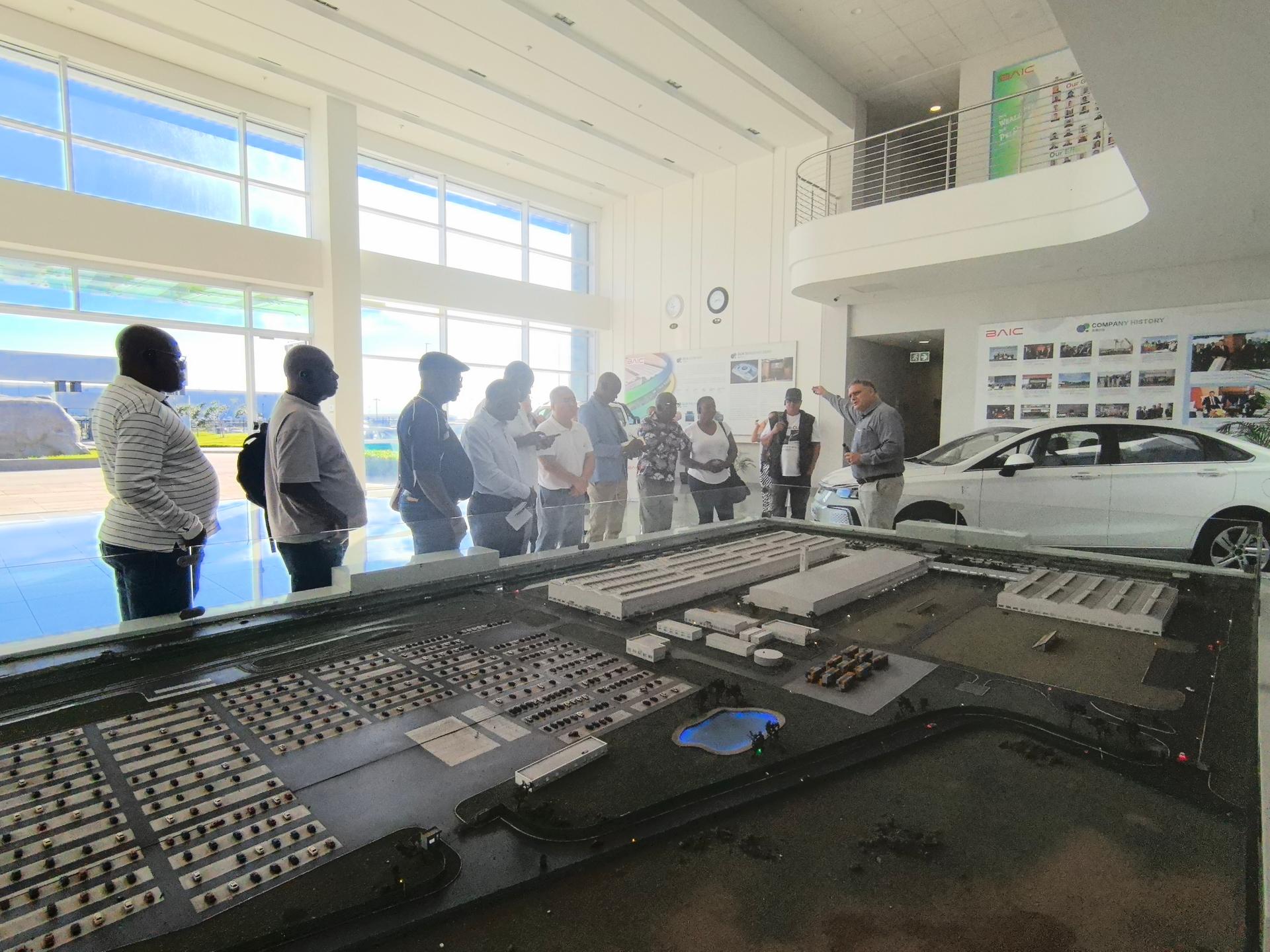
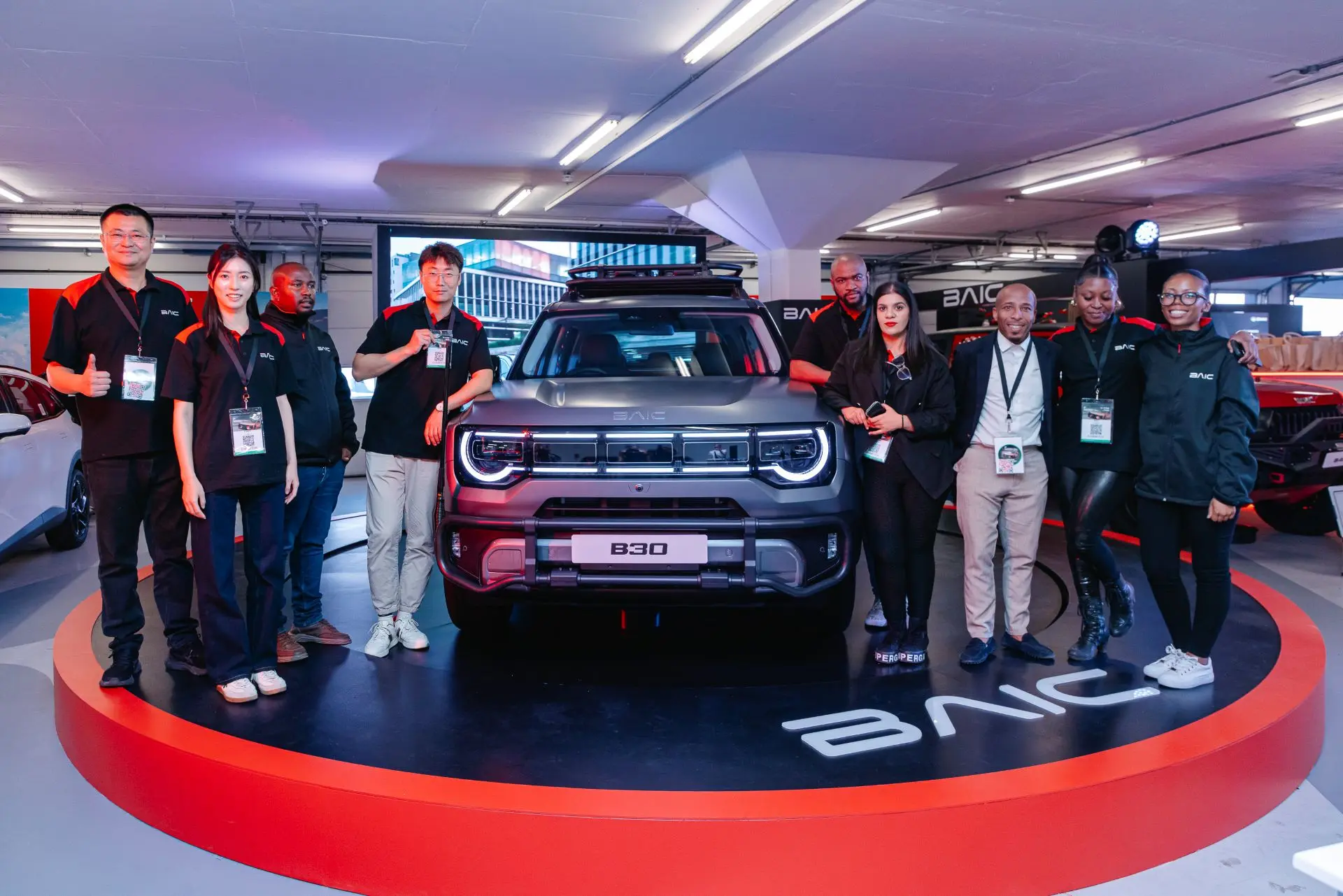
Beyond its product offering, BAIC Automobile South Africa is also expanding its dealer network and aftersales infrastructure across the country. This growth is supported by a five-year or 150,000 km warranty, reinforcing customer confidence and strengthening the brand’s long-term commitment to the local market.
As the South African automotive landscape continues to evolve, BAIC’s perspective is clear. The future of premium mobility will not be defined solely by heritage branding or elevated price tags, but by intelligent decisions grounded in value, technology, engineering credibility and dependable ownership support.
For a growing number of South African motorists, smarter buying is becoming the new form of luxury.