



This week, the Fédération Internationale de l’Automobile (FIA), the global governing body for motorsport and a federation for mobility organisations worldwide, hosted a landmark seminar that brought together over 100 FIA members and partners. The virtual event underscored the FIA’s commitment to addressing the growing issue of online abuse in sport, and it provided a platform for the FIA’s United Against Online Abuse (UAOA) Research Scholars to share groundbreaking progress on their research into this pressing issue.
At the heart of the seminar were the four UAOA Research Scholars, each contributing valuable insights into different facets of online abuse within sport. These scholars are part of a prestigious Global Research Scholarship programme launched by the FIA, which is specifically designed to support initiatives aimed at combating online abuse in the sporting world. The programme is funded by the FIA Foundation and delivered in collaboration with Dublin City University. As FIA President and UAOA Founder Mohammed Ben Sulayem noted, the scholarship initiative “showcases the very best of the FIA,” highlighting the organisation’s proactive role in addressing social issues within the realm of sport.
A Deep Dive into the Research
The four scholars presented compelling updates on their ongoing research, which addresses crucial areas such as gender, governance, education, and cultural factors related to online abuse in sport. These topics are more than just academic pursuits; they are integral to shaping global policies and practices that could drastically alter how online abuse is handled within sporting communities.
Roshni Gajjar: Tackling Governance in Sport
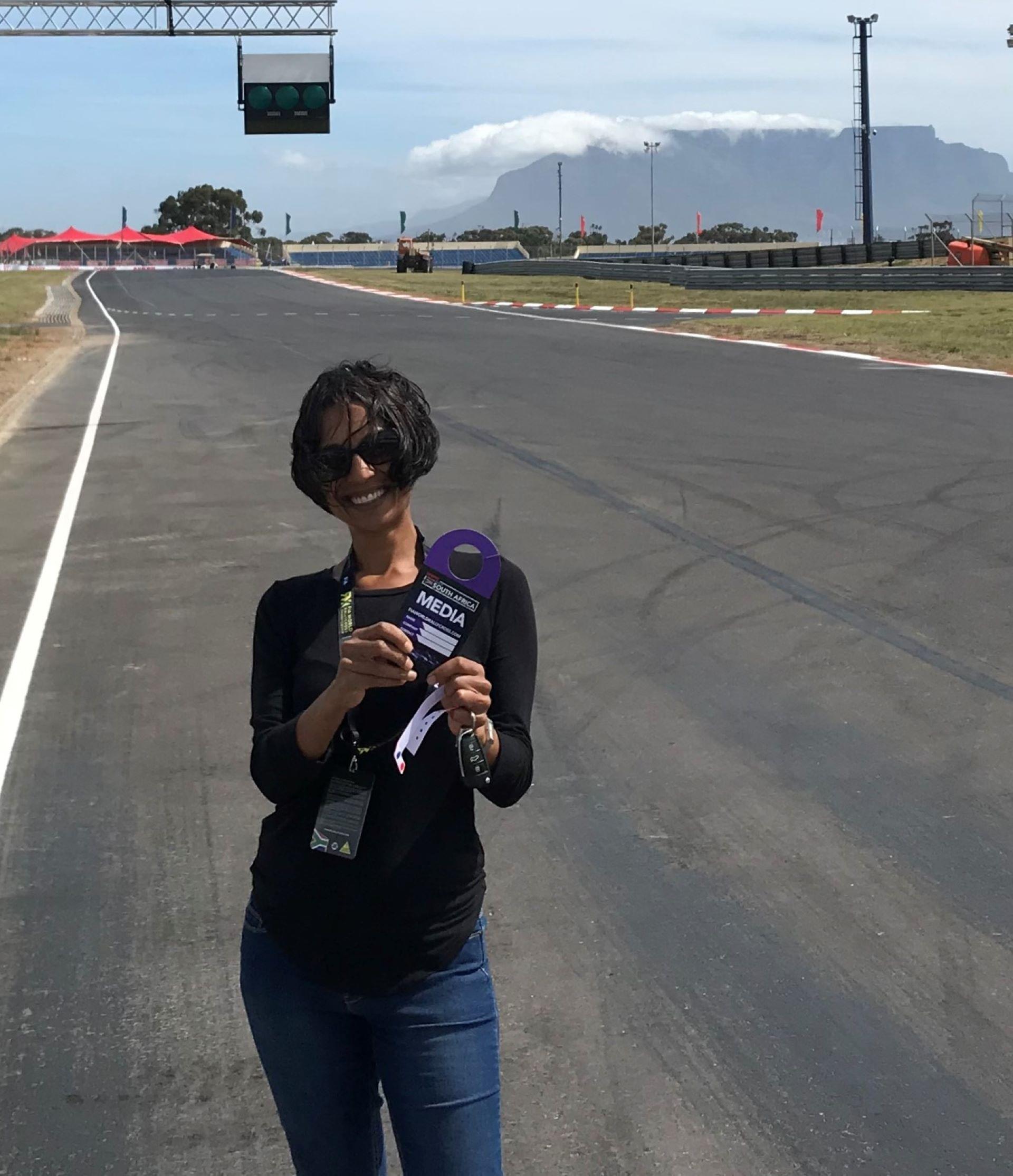
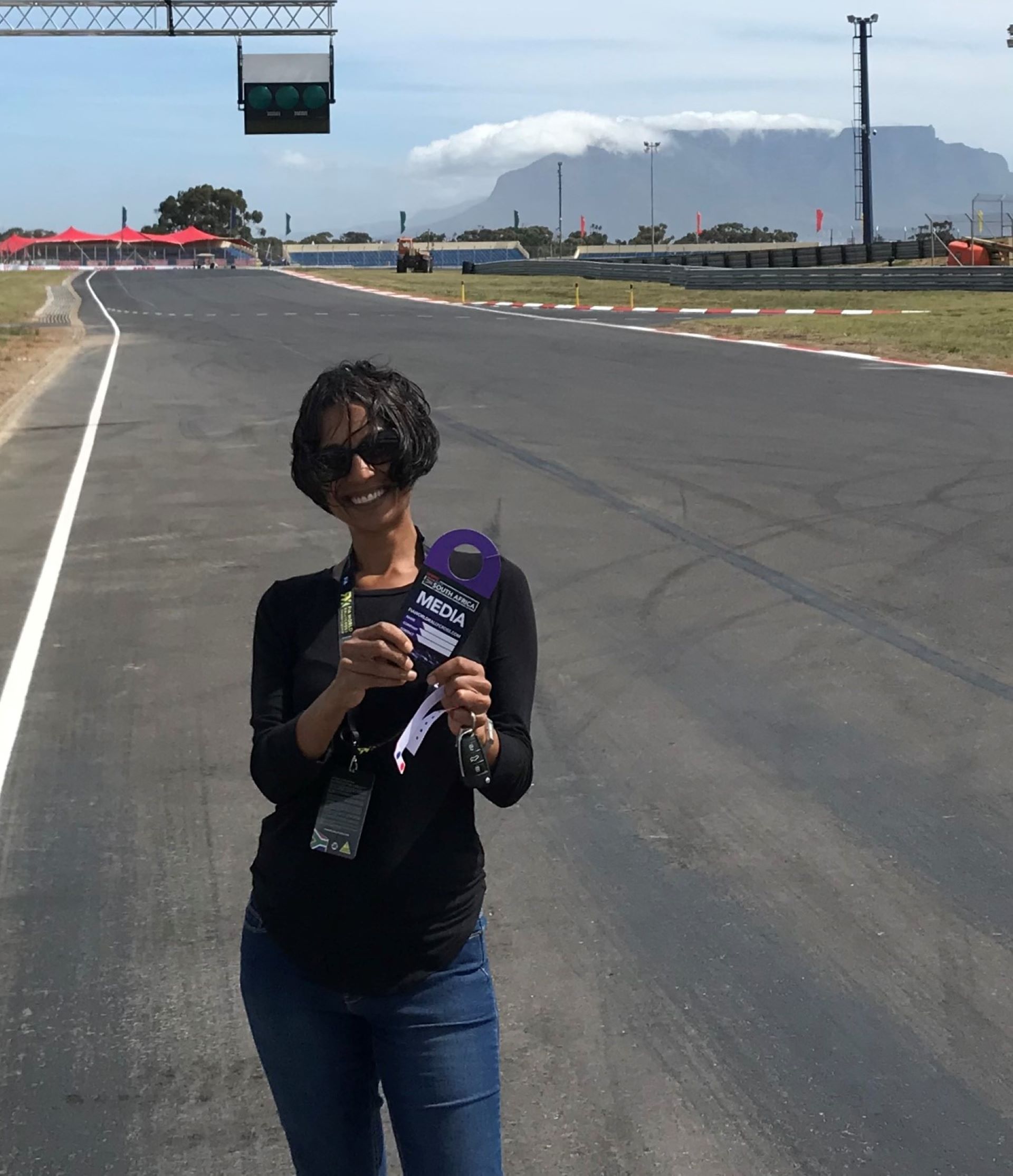
Among the standout presentations was that of Roshni Gajjar, a South African researcher and one of the first recipients of the FIA’s prestigious Global Research Scholarship. Gajjar’s study focuses on the strategic rationale and governance principles that federations can adopt to combat online abuse in sport, with a particular emphasis on motorsport. Her research explores the underlying structures that enable or hinder the fight against online toxicity and provides actionable recommendations to ensure a safer environment for athletes, officials, and fans alike.
Reflecting on her work, Gajjar highlighted the need for a systemic approach to online abuse in sport, stating, “My end goal is to present evidence-based principles that support the systemic combat of online harms, a complex and textured emerging issue in sport.” She stressed the importance of understanding the contributing factors and identifying successful mitigation strategies to ensure that sport continues to inspire and engage audiences in a healthy and enjoyable way.
Global Perspectives on Online Abuse
In addition to Gajjar’s work, the seminar also featured the research of three other scholars whose studies focus on the cultural and social dimensions of online abuse within sport.
- Kimberley Wyllie (Scotland) is investigating the pervasive impact of sexism and misogyny in motorsport fan communities. Her research examines how these behaviours affect the identities and experiences of female fans, a group often marginalised in the predominantly male-dominated sport.
- Maria Luliano (Italy) is analysing the patterns and social implications of online abuse within Italian football, shedding light on the cultural and systemic factors that fuel hostility within the sport’s fan base.
- Ana Rodriguez Armendariz (Mexico) is focusing on the role of educational initiatives in sport as preventative measures against online abuse. Her research delves into how awareness and training can be mobilised to reduce harm and promote a culture of respect within the sporting community.
A Call to Action for Federations
Gajjar’s remarks were especially pointed in urging sports federations worldwide to take immediate action in addressing online abuse. “I urge sports federation leaders not to wait for published research but to apply due care and put online abuse higher on the agenda,” she said. Her call to action highlights the urgency of the situation, as online abuse continues to be a growing concern in sports communities, with severe psychological and emotional consequences for victims.
A Unified Approach to Combatting Online Abuse
The FIA’s initiative is a significant step towards addressing the root causes of online abuse in sport. The collaboration between the FIA, its member clubs, and academic institutions like Dublin City University underscores the importance of interdisciplinary approaches to solving this complex issue. As FIA President Mohammed Ben Sulayem remarked, “By supporting this initiative, the FIA is not only addressing the root causes of online abuse in sport but equipping itself with the tools and strategies needed to combat it effectively.”
Motorsport South Africa (MSA), one of the FIA’s 243 Member Clubs, has also expressed its full support for Gajjar’s research, recognising the contribution it makes to tackling online abuse, particularly from the perspective of the Global South. MSA Chairman and FIA Senate member Anton Roux echoed this sentiment, stating, “Marshals and officials of sport need to be applauded rather than subjected to any kind of hate speech on social channels.”
Moving Towards a Safer Sporting Environment
The FIA’s United Against Online Abuse campaign, alongside the invaluable research being conducted by scholars like Gajjar, Wyllie, Luliano, and Rodriguez Armendariz, is poised to drive tangible change in the way online abuse is handled in sport. By fostering collaboration between sporting organisations, governments, and tech platforms, the FIA is laying the groundwork for a future where online abuse is no longer tolerated in any form, and where all participants—athletes, officials, and fans—can engage in sport in a respectful and supportive environment.
As the research continues to evolve and the impact of the FIA’s campaign becomes more pronounced, the global sporting community stands to benefit from a more inclusive, safer, and welcoming digital space.


