



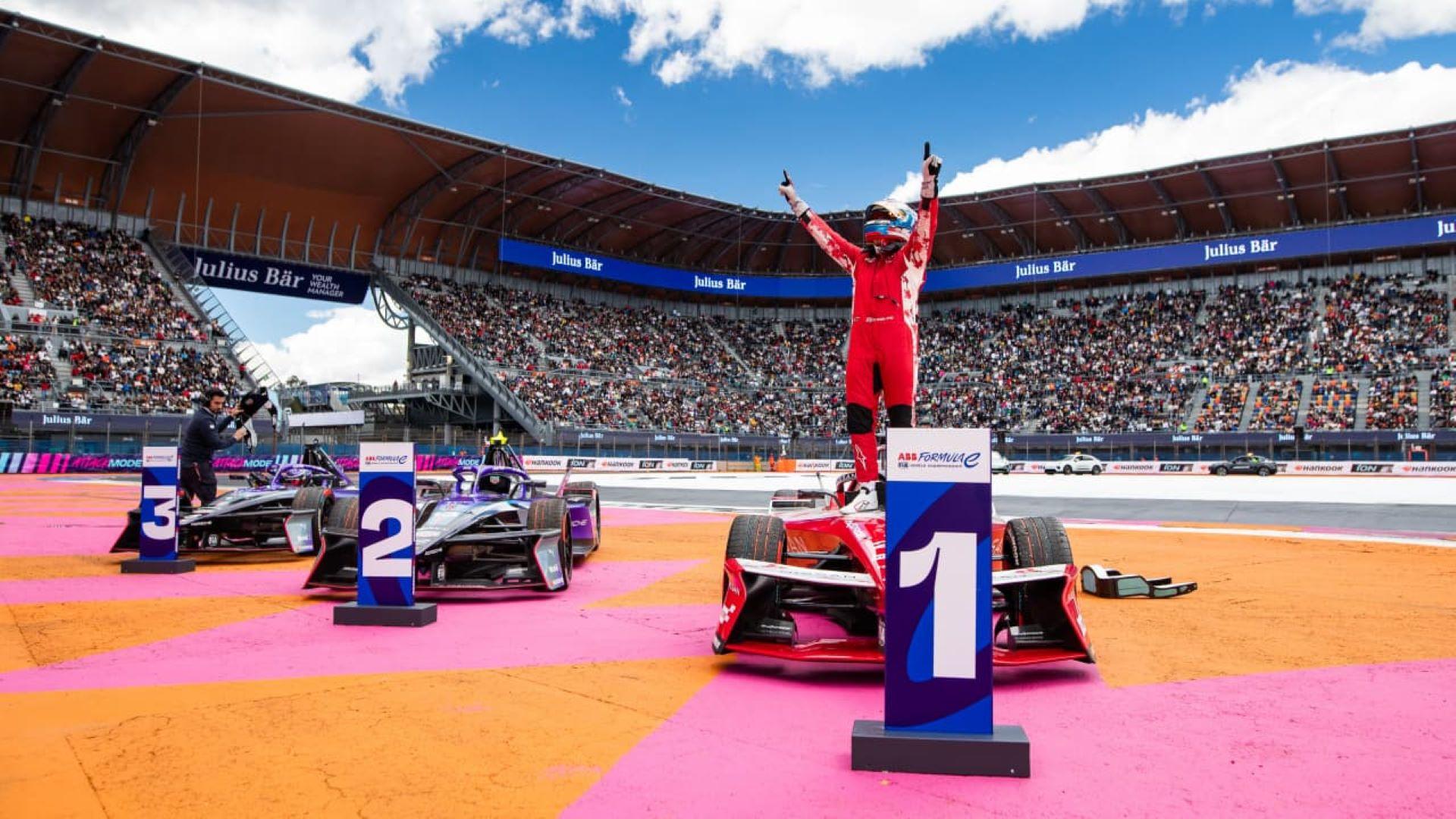
In the modern sporting world, data is no longer a luxury — it’s a necessity. What began as simple statistics scribbled on notepads has evolved into a sophisticated science underpinning every strategic decision at the highest level. From the electric buzz of a Formula E grid to the roar of a sold-out Premier League stadium, data quietly powers performance, potential, and progress.
While sports like baseball may have pioneered the data revolution with the ‘Moneyball’ approach, others have swiftly caught up. T20 cricket teams now craft batting orders based on opposition matchups, while motorsport — particularly Formula E — has become a data-driven arena where thousands of metrics are parsed in milliseconds. But not all sports apply data in the same way, and when you compare something as machine-reliant as Formula E with a human-centric sport like football, the contrast is as illuminating as it is instructive.
At the heart of this intersection are two professionals: Cristina Mañas Fernández, Head of Performance and Simulation at Nissan Formula E Team, and Simon Timson, Performance Director at Manchester City Football Club. Their roles may differ in context, but both are driven by the same core principle — using data to deliver peak performance.
The Language of Numbers
“Data is really important for us for a number of reasons,” explains Timson, whose tenure at Manchester City began in 2020. “It provides unique insights into all elements of our work — from talent identification and recruitment to tactical planning and injury prevention.”
In football, where squads can number into the dozens, data allows for dynamic decision-making. Each player is profiled based on more than 20 quantifiable metrics aligned with the club’s tactical identity. These insights help coaches build line-ups that are as strategically sound as they are situationally responsive.
Over in the high-octane world of Formula E, the principles are similar, but the application is inherently different. “For us, it’s fundamentally the same,” says Mañas, “but we also have this complicated piece of machinery in the form of the car. The only way we can understand how it works and how to improve it is through data.”
Unlike football, Formula E teams manage just two primary drivers, each paired with a bespoke car set-up tailored to their individual driving style. There are no interchangeable athletes — each session, each adjustment, each lap counts.
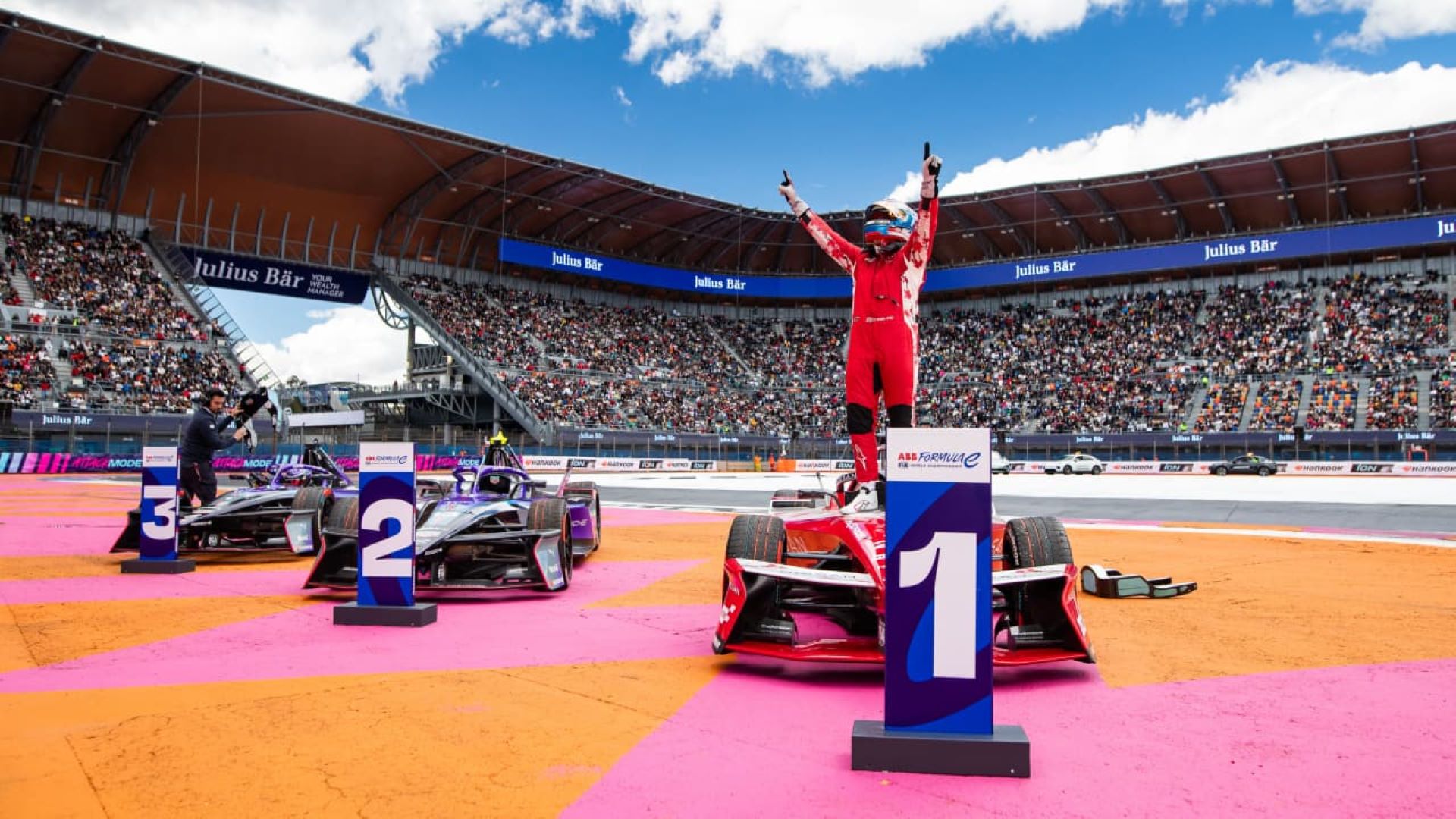
Models, Metrics and Machine Learning
In Manchester City’s case, data helps to refine positional profiles and align recruitment strategies with tactical aspirations. “We can quantify more than 20 concepts within our game model,” Timson elaborates, “then bolt that onto our recruitment process. We overlay profiles of potential signings onto our existing squad. It’s powerful, but also noisy — especially when comparing players from different leagues.”
Formula E, by contrast, prioritizes precision over volume. “We can’t attribute numbers to driver styles the same way,” Mañas admits. “So we rely more on qualitative work, focusing on fine-tuning the car based on the driver’s feedback and historical data.” Set-ups are crafted not only around driving technique but also the unique characteristics of each circuit and even race strategy — a symphony of sensors and simulations.
Planning the Perfect Performance
Both sports require intense preparation. For Mañas and her team, race weekend prep begins up to three weeks in advance. “We start with a pre-event report to characterise the circuit,” she explains. “Then we use the simulator for two or three days to explore set-up combinations and strategies.” Once trackside, real-time data confirms assumptions or prompts recalibration.
Timson notes a similar rhythm in football, albeit with different constraints. Fixture congestion, injuries, and unpredictable opponents add layers of complexity. “We analyze data, then deliver a package to Pep Guardiola and his staff,” he says. “The data helps inform tactical setups, but there’s more ambiguity compared to motorsport.”
Real-Time Impact
Perhaps the most striking difference lies in real-time responsiveness. Formula E teams digest thousands of live data points mid-race, allowing engineers to fine-tune performance on the fly. “We manage a race by watching key metrics and collaborating with the driver,” Mañas says. “It’s a constant evolution.”
In contrast, football is still catching up. “That’s where motor racing is ahead,” Timson admits. “You have more real-time data and engineers trained to respond to it. In football, it’s still very cultural. The data only goes so far in telling us what’s happening on the pitch.”
The Data-Driven Future
Despite their differences, both sports are converging on a common truth: data is integral, but it’s not everything. Whether it’s optimizing tire temperatures or identifying gaps in an opposition’s press, the fusion of machine learning and human insight defines the future.
And as technology advances, so too will the influence of people like Mañas and Timson — the quiet masterminds behind the scenes, transforming numbers into narratives and potential into performance.
In the end, while the pitch and the paddock may be worlds apart, they’re both playing the same game — and the scoreboard is now digital.


