



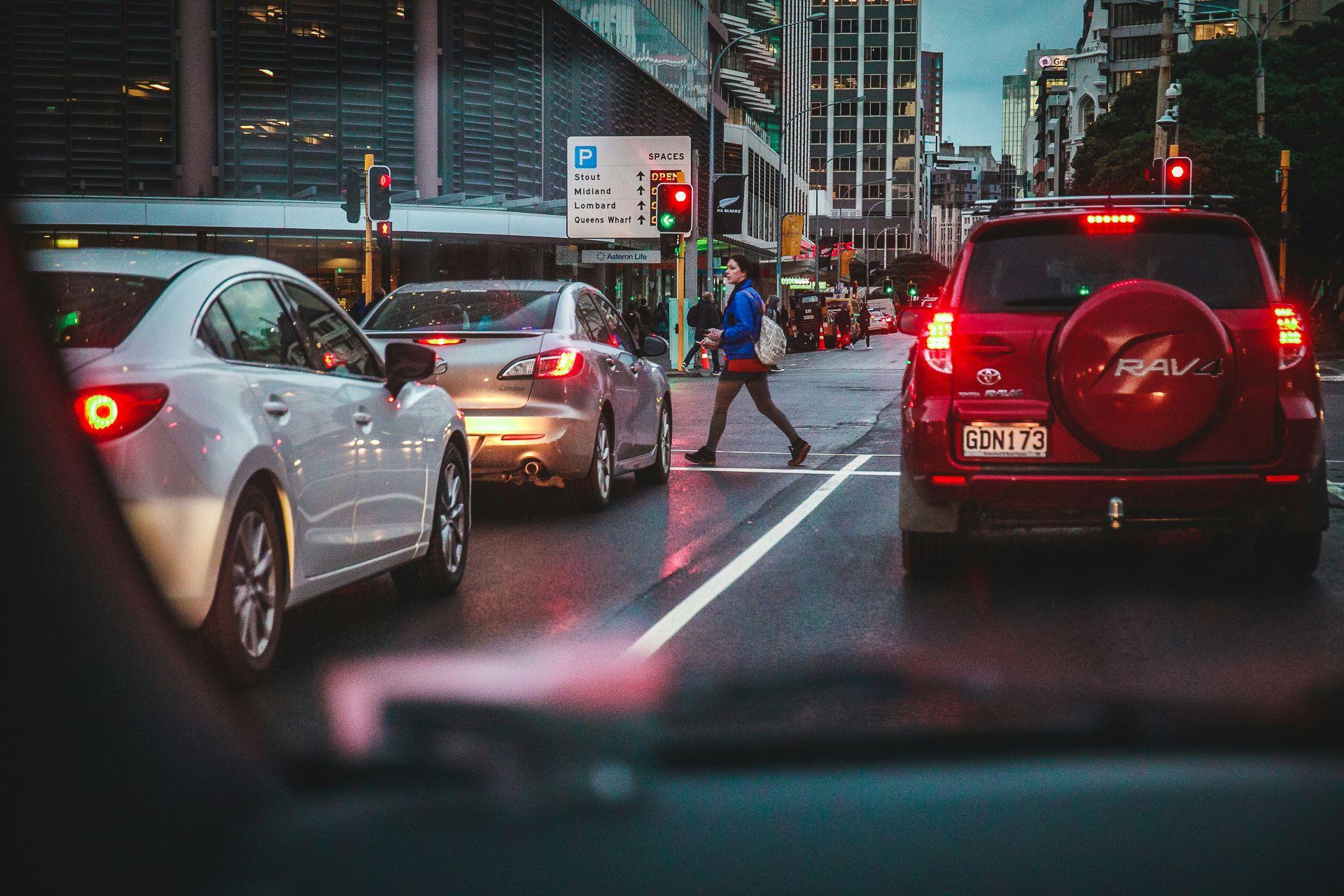
As fuel prices continue their unpredictable climb, South African motorists are under pressure to stretch every litre. With July bringing price hikes between 55c and 82c per litre—and forecasts suggesting only a minor petrol reprieve of around 20c while diesel may rise by over 60c—the need to drive smarter has never been more urgent.
Eugene Herbert, CEO of MasterDrive, says that while motorists cannot control oil prices or global instability, they can take control behind the wheel. “Drivers face challenging periods ahead with geopolitical tensions creating uncertainty. While one cannot change these factors, how one drives remains within their control,” he says. “Defensive driving is not only critical for safety, but also plays an essential role in reducing fuel bills.”
The Art of Anticipation
At the heart of both defensive and eco-driving is anticipatory driving. By looking 12 seconds ahead, motorists can better predict traffic flow and avoid unnecessary acceleration and braking. “Frequent acceleration and braking can increase fuel consumption by 10% to 40%, while also causing unnecessary wear and tear on your vehicle,” Herbert notes. Smooth, considered driving makes a marked difference in both cost and car maintenance.
Speed with Purpose
Speeding isn’t just dangerous—it’s expensive. Reducing your speed by just 20km/h can cut fuel use by up to 20% in the right conditions. Herbert advises: “Particularly on highways, try to maintain a consistent speed of around 100km/h and avoid exceeding 120km/h. This sweet spot often allows for optimal fuel efficiency.”
Shift Smarter
Gear changes play a subtle but significant role in fuel consumption. Keeping engine revolutions per minute (RPM) between 2,500 and 3,000 ensures the engine is working efficiently. “Combine efficient gear changes with regular servicing, oil changes, and proper tyre maintenance and you’ll see a noticeable impact on your fuel budget,” says Herbert.
Plan Before You Go
Short, repeated trips can be a hidden fuel guzzler—especially in cold weather when engines take longer to reach optimal operating temperature. “Try to combine errands into one trip, ideally in the same area. The less often you start from cold, the better,” says Herbert. He also recommends using carpooling and navigation apps to avoid congestion, which can spike consumption by as much as 40%.
Park Smarter in Winter
Winter adds its own challenges. Starting a car in cold weather means your engine and heating system work harder to get to efficient operating levels. “Whenever possible, park in a garage or covered area. A warmer engine warms up faster, reducing the need for window demisting or interior heating—both of which use additional fuel,” Herbert adds.
Defensive Driving is Economic Driving
In total, adopting a defensive, fuel-efficient driving style can reduce consumption by up to 20%. These savings aren’t necessarily cumulative, as each strategy impacts efficiency under different conditions, but their collective effect is substantial. “In challenging economic times, adopting these habits is more than just practical—it’s essential,” says Herbert.
Fuel costs may rise and fall, but smart driving remains a constant solution. With a little foresight, discipline, and care, South African drivers can go further for less—without compromising on safety.


