



Hanover, Germany, August 19, 2025 – Continental is accelerating its journey towards a more sustainable future in tyre manufacturing by increasingly prioritising renewable and recycled materials in its production processes. Having achieved an average of 26 percent renewable and recycled content in 2024, the company expects this figure to rise by a further two to three percentage points in 2025. By 2030, Continental aims to integrate more than 40 percent renewable and recycled materials into its tyres – all while maintaining uncompromising safety, quality, and performance standards.
Two materials lie at the heart of this transformation: silica and carbon black. Both are essential fillers that, alongside rubber, make up a significant proportion of tyre composition. They are critical to delivering core performance characteristics such as grip, braking efficiency, and durability. Continental’s innovations in sourcing these fillers from renewable and recycled origins mark a decisive step forward in reducing the industry’s environmental footprint.
Silica from Rice Husk Ashes: Harnessing Agricultural By-Products
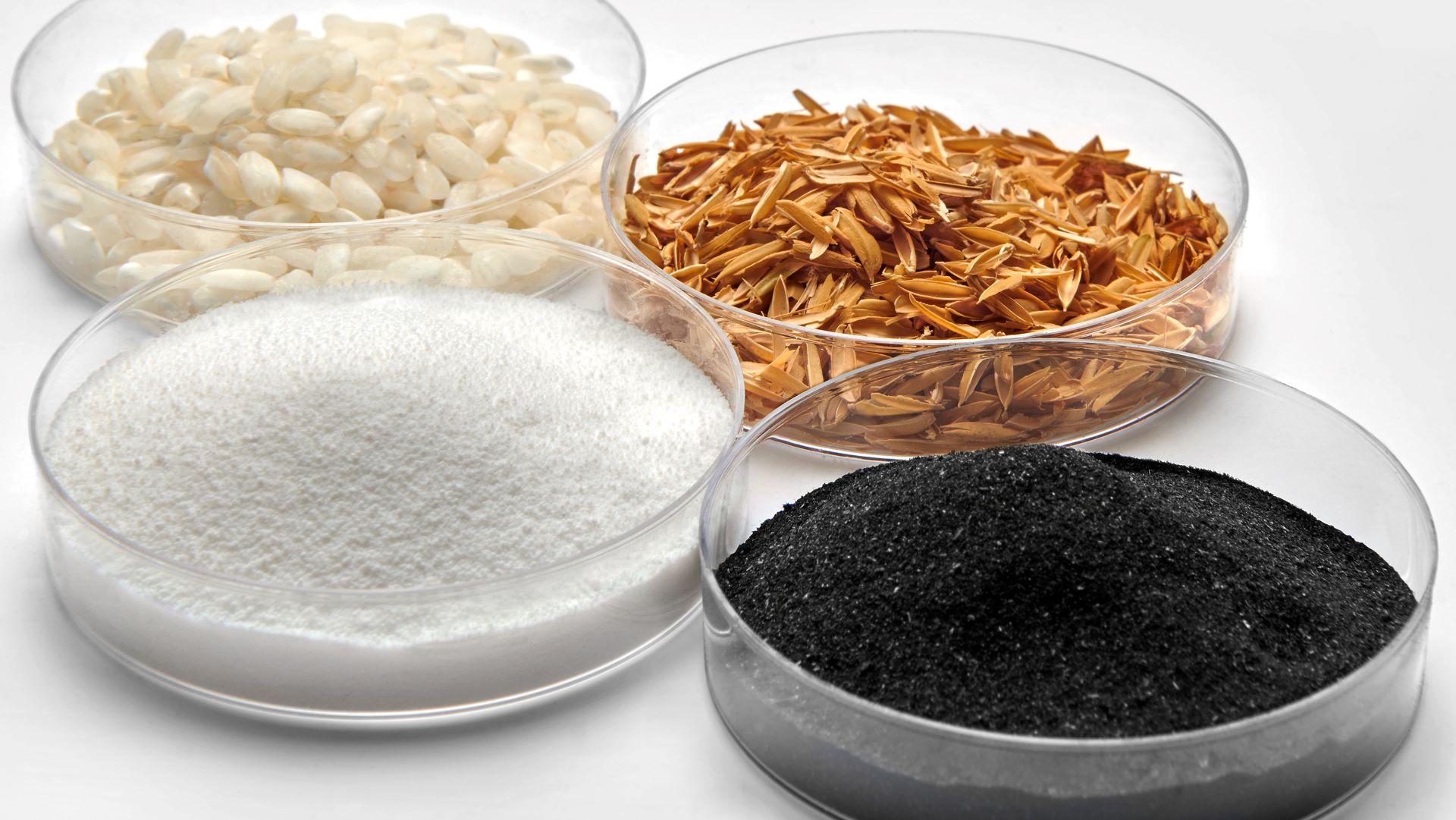
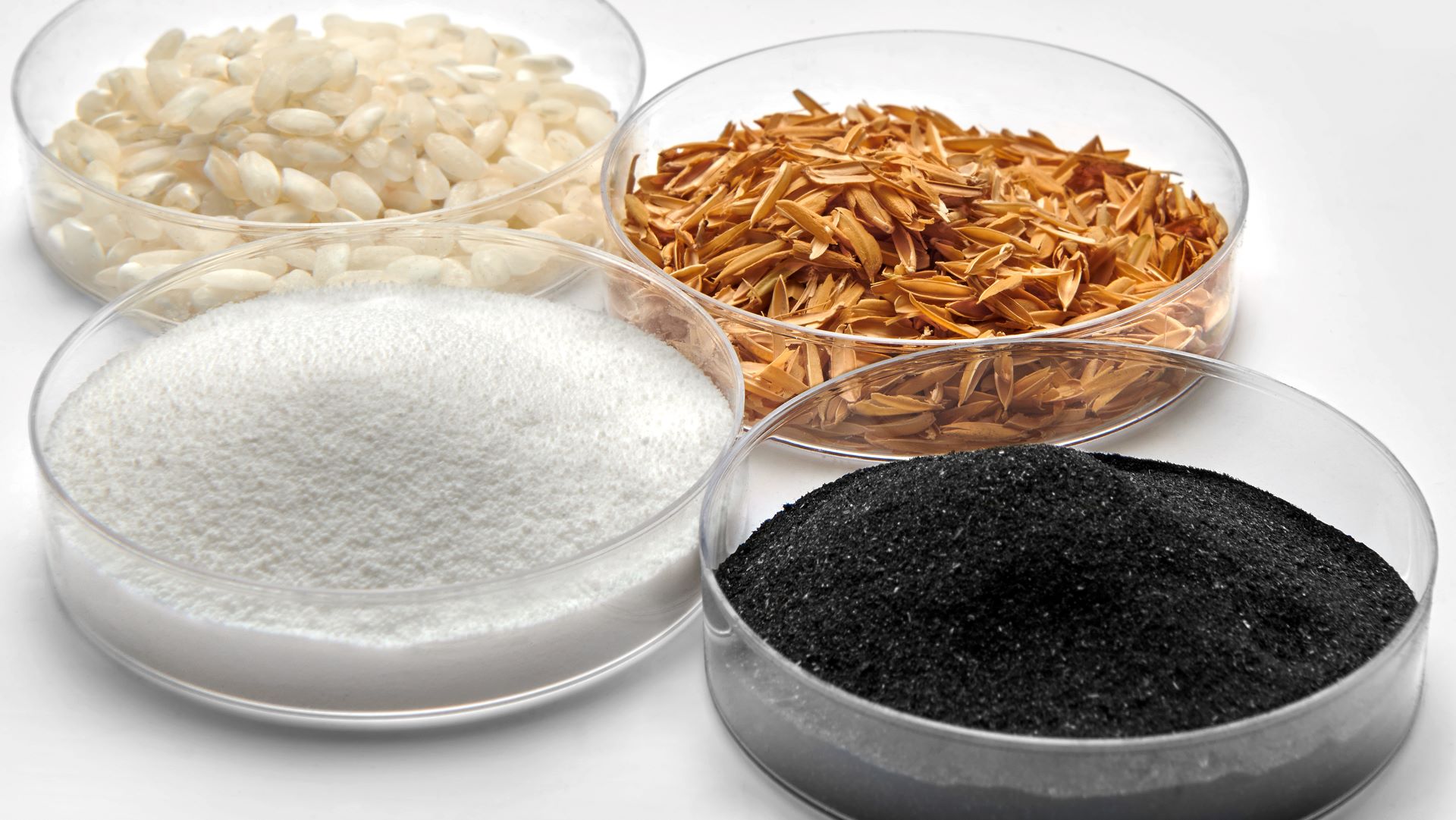
Traditionally obtained from quartz sand, silica has been indispensable in tyre manufacturing for more than three decades, significantly improving energy efficiency and cutting braking distances by nearly 50 percent. Continental, an early adopter of silica, is now taking the next step by using variants derived from the ashes of rice husks – an agricultural by-product of risotto rice production in Italy and wider Asian agriculture.
The silica, produced by partners such as Solvay in Italy, is manufactured through innovative biomass-based processes that are more energy-efficient than conventional methods. This approach not only supports the circular economy but also helps build a more sustainable value chain. By transforming agricultural waste into a high-performance raw material, Continental is reshaping the environmental profile of modern tyres while continuing to enhance rolling resistance, fuel efficiency, and CO₂ reduction.
“Innovation and sustainability go hand in hand at Continental. Using silica from the ashes of rice husks in our tyres shows that we are breaking completely new ground – without compromising on safety, quality or performance,” says Jorge Almeida, Head of Sustainability at Continental Tires.
Bio-Based and Recovered Carbon Black: A New Chapter in Tyre Manufacturing
Carbon black, which accounts for up to 20 percent of a passenger car tyre’s weight, is another focus area in Continental’s sustainability strategy. It strengthens the rubber and ensures long-lasting durability, making it indispensable for tyre safety and performance. Continental uses around a dozen specialised types of carbon black across its product portfolio, sourced from leading suppliers such as Orion Engineered Carbons and Tokai Carbon.
To reduce reliance on fossil feedstocks, Continental employs several innovative processes to produce more sustainable carbon black. One approach substitutes crude oil with tall oil, a by-product of the paper industry, to create bio-based carbon black. Another involves the use of recycled pyrolysis oil derived from end-of-life tyres. In both cases, Continental applies a mass balance method, ensuring that a portion of fossil inputs is systematically replaced by renewable or recycled sources – without requiring adjustments to established production processes.
Furthermore, Continental has deepened its collaboration with Pyrum Innovations, a specialist in thermolysis technology for recycling end-of-life tyres. This advanced pyrolysis process recovers carbon black directly from discarded tyres, enabling its reuse in new tyre production. To date, recovered carbon black has been successfully used in forklift tyres, with ongoing developments aimed at expanding its application across passenger and commercial tyres while meeting rigorous performance and safety standards.
A Long-Term Commitment to Sustainable Innovation
Continental’s strategic integration of silica from rice husk ashes and bio-based, recycled carbon black demonstrates its commitment to advancing sustainability without compromising performance. By embedding renewable and circular practices into its tyre production, the company not only reduces raw material consumption but also contributes to broader industry goals of lowering CO₂ emissions and enhancing resource efficiency.
As Almeida notes, Continental’s approach is not about incremental adjustments, but about redefining tyre production itself. With a clear target of more than 40 percent renewable and recycled content by 2030, the company is signalling a new era where innovation and sustainability are inseparably linked – paving the way for safer, cleaner, and more efficient mobility worldwide.


