



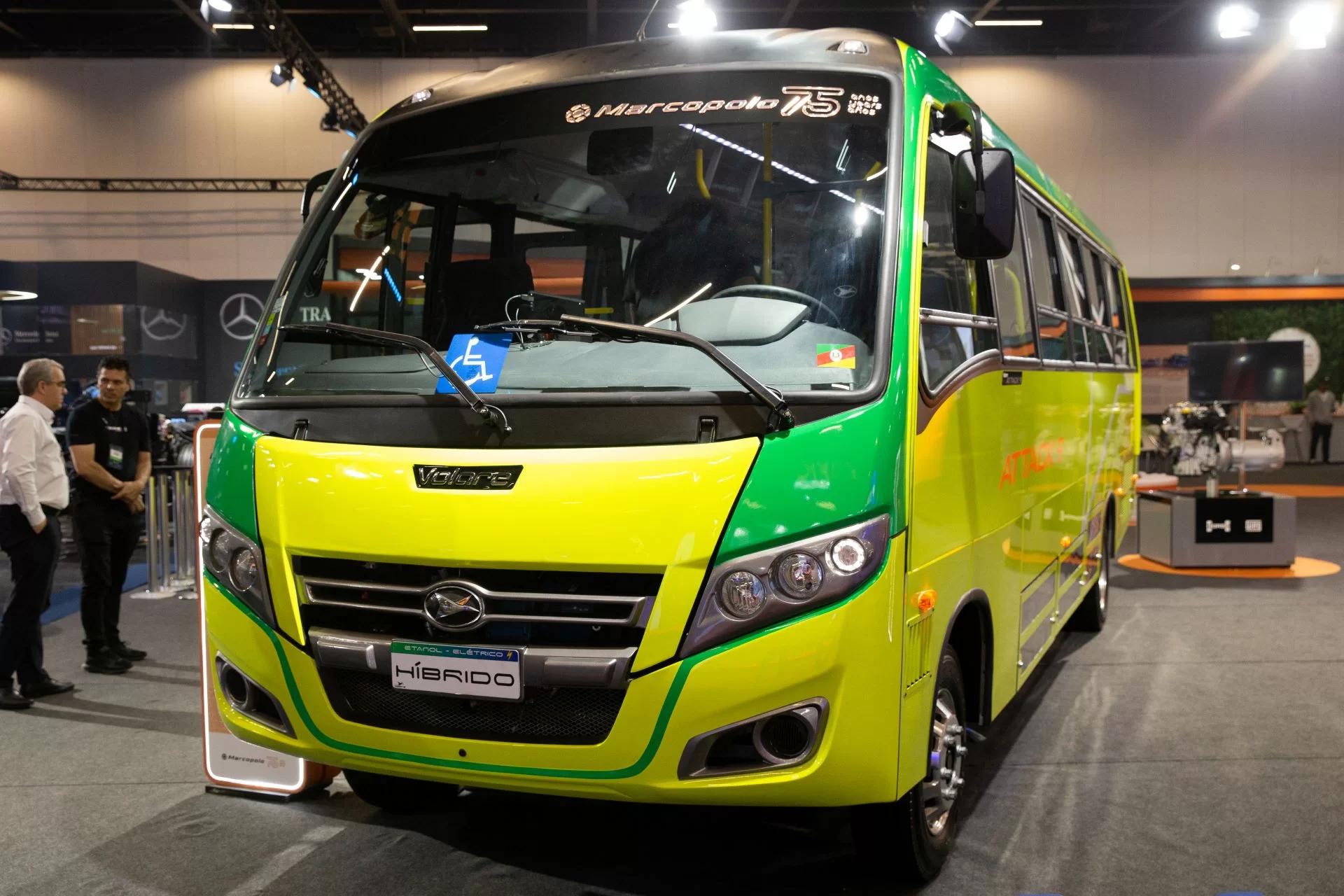
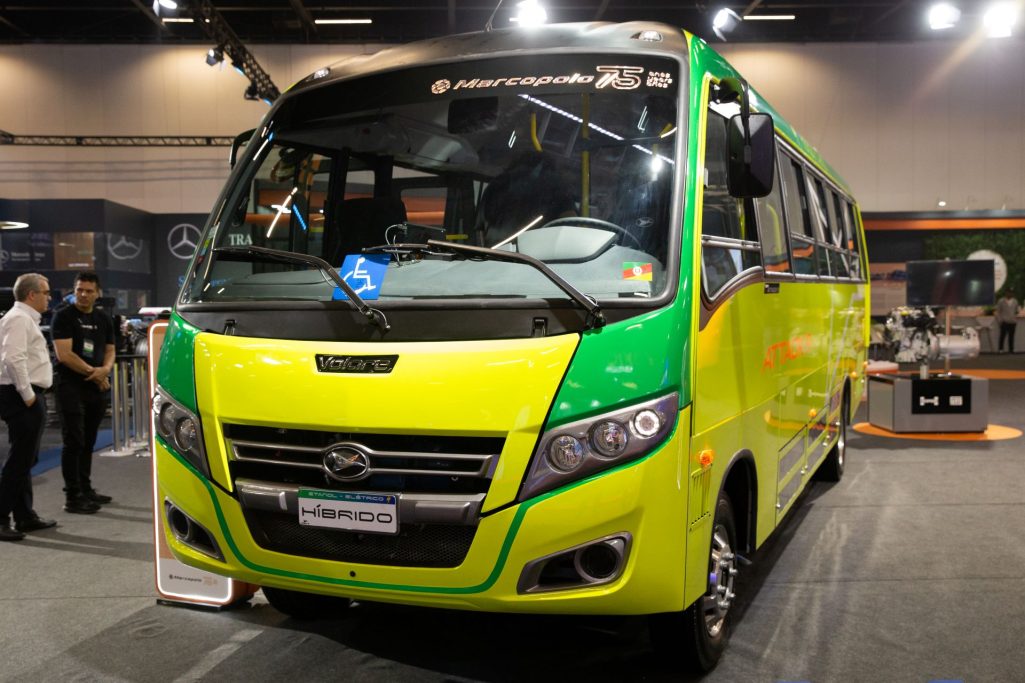
In a pioneering effort to bring sustainable transport solutions to the forefront, Marcopolo, HORSE, and WEG have unveiled the Volare Attack 9—the world’s first hybrid ethanol microbus equipped with a Range Extender solution. This groundbreaking collaboration marks a significant leap in clean mobility, offering a compelling alternative to traditional hybrid electric vehicles.
Unveiled at the Lat.Bus 2024 Expo, the Volare Attack 9 is a hybrid microbus powered by a combination of bioethanol fuel and an advanced electric powertrain. With an anticipated market launch in 2026, the microbus will offer a range of up to 450 kilometers, making it a viable and environmentally friendly option for urban and intercity travel.
Collaboration for Innovation
The Volare Attack 9 is the result of a strategic partnership between three industry leaders. HORSE, a division of HORSE Powertrain Limited, is known globally for its innovative and low-emission powertrain systems. Marcopolo, South America’s largest bus manufacturer, provides extensive expertise in mass transit, while WEG, a Brazilian multinational, contributes cutting-edge electronic components to the powertrain. Together, these companies have created a vehicle that demonstrates leadership in sustainable public transportation.
Patrice Haettel, CEO of HORSE, highlighted the significance of this collaboration: “This Range Extender solution in the Volare Attack 9 is the result of an incredible collaboration between HORSE, WEG, and Marcopolo. Marcopolo is demonstrating industry leadership in introducing the technology into the microbus class, and we hope this will be the start of a range of sustainable solutions using this technology.”
Range Extender Powertrain: Efficiency Meets Sustainability
The Volare Attack 9 is not just a hybrid vehicle but a revolutionary one, thanks to its Range Extender powertrain. Unlike traditional plug-in hybrid electric vehicles (PHEVs), where the combustion engine can directly power the wheels, the Range Extender system works as an internal charging source for the vehicle’s battery. This ensures that the combustion engine runs solely to charge the battery, operating within an optimal efficiency window.
The combustion engine in the Volare Attack 9—a 1.0-litre, three-cylinder turbocharged ‘HR10’ unit—runs on bioethanol, a carbon-neutral fuel widely available in Brazil. This setup significantly reduces emissions compared to conventional PHEVs, offering an improved emissions profile while maintaining operational flexibility. By using WEG components, including electric generators, e-motors, inverters, and battery packs, the powertrain ensures seamless integration and superior performance.
The result is a microbus that can operate with significantly lower emissions and greater fuel efficiency than its diesel or gasoline counterparts, making it a game-changer for cities aiming to reduce their carbon footprint.
A New Chapter in Brazilian Engineering
The introduction of the Volare Attack 9 is more than just a technical achievement—it’s a symbol of Brazil’s commitment to sustainable innovation. By leveraging locally produced bioethanol and collaborating with Brazilian manufacturers like WEG, the Volare Attack 9 represents a milestone in decarbonised public transport. As a region with a well-established ethanol infrastructure, Brazil is ideally positioned to adopt and expand the use of this groundbreaking technology.
HORSE and WEG plan to expand this Range Extender architecture beyond the Volare Attack 9, applying it to light and heavy commercial vehicles. With its scalable potential, this technology could become a cornerstone of Brazil’s green mobility future and, eventually, find application in global markets.
The Future of Sustainable Transport
As urbanisation continues to grow, the demand for efficient, low-emission transport solutions is more pressing than ever. The Volare Attack 9 sets a new standard for hybrid vehicles, blending bioethanol and electric power into a cohesive system that prioritises sustainability without sacrificing performance. With its anticipated launch in 2026, this microbus is poised to reshape the landscape of public transportation in Brazil and beyond.
The collaboration between Marcopolo, HORSE, and WEG not only highlights the innovation and potential of the Volare Attack 9 but also signals the dawn of a new era for hybrid transport solutions. In the years to come, this partnership could very well be the catalyst for a global shift toward decarbonised mobility.


