For many South African graduates, the real obstacle to employment is not the qualification itself, but the absence of practical, real-world experience that turns knowledge into capability. In a labour market where theory alone is no longer enough, WesBank is stepping forward with a simple but powerful intervention: opening its doors to students before they graduate.
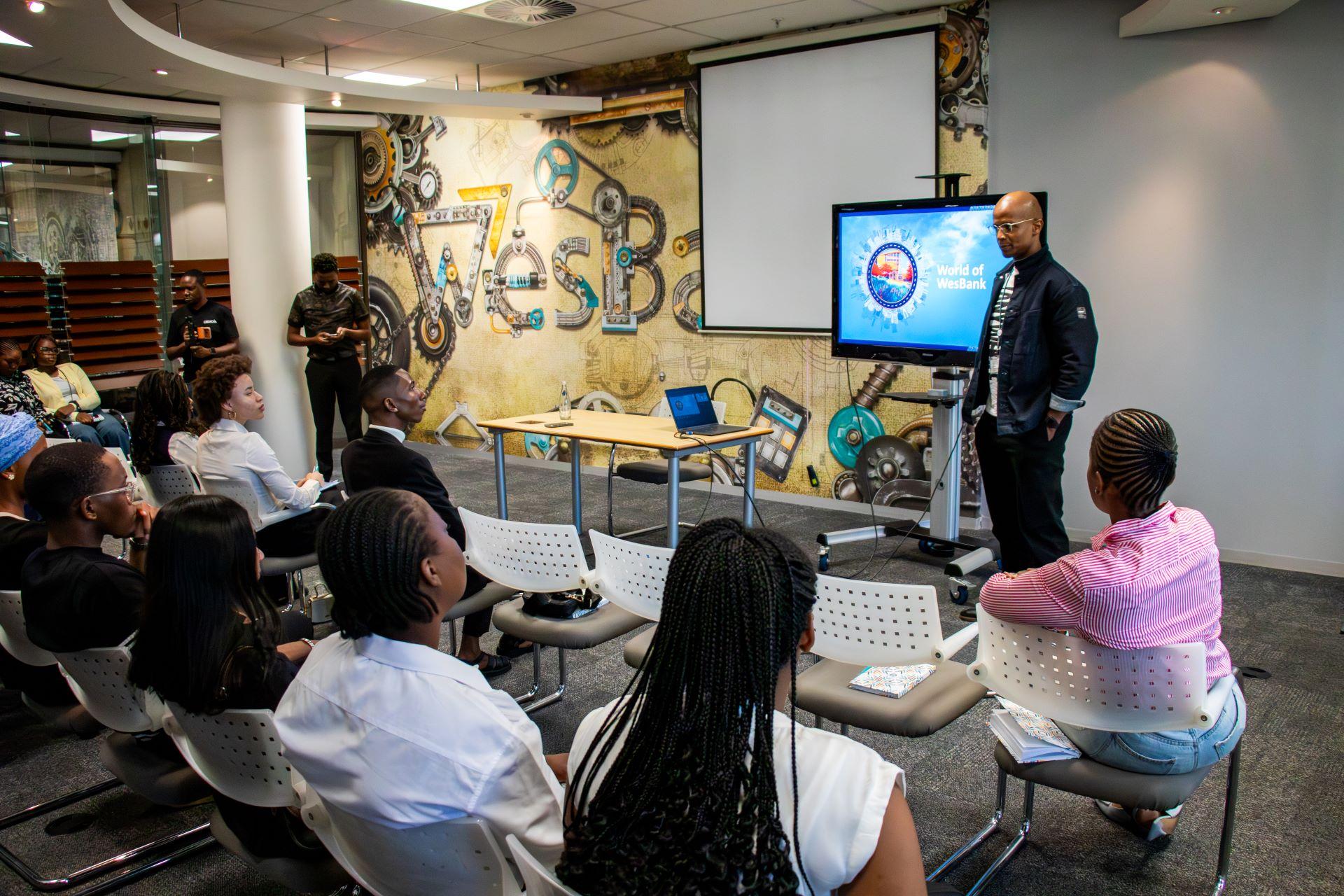
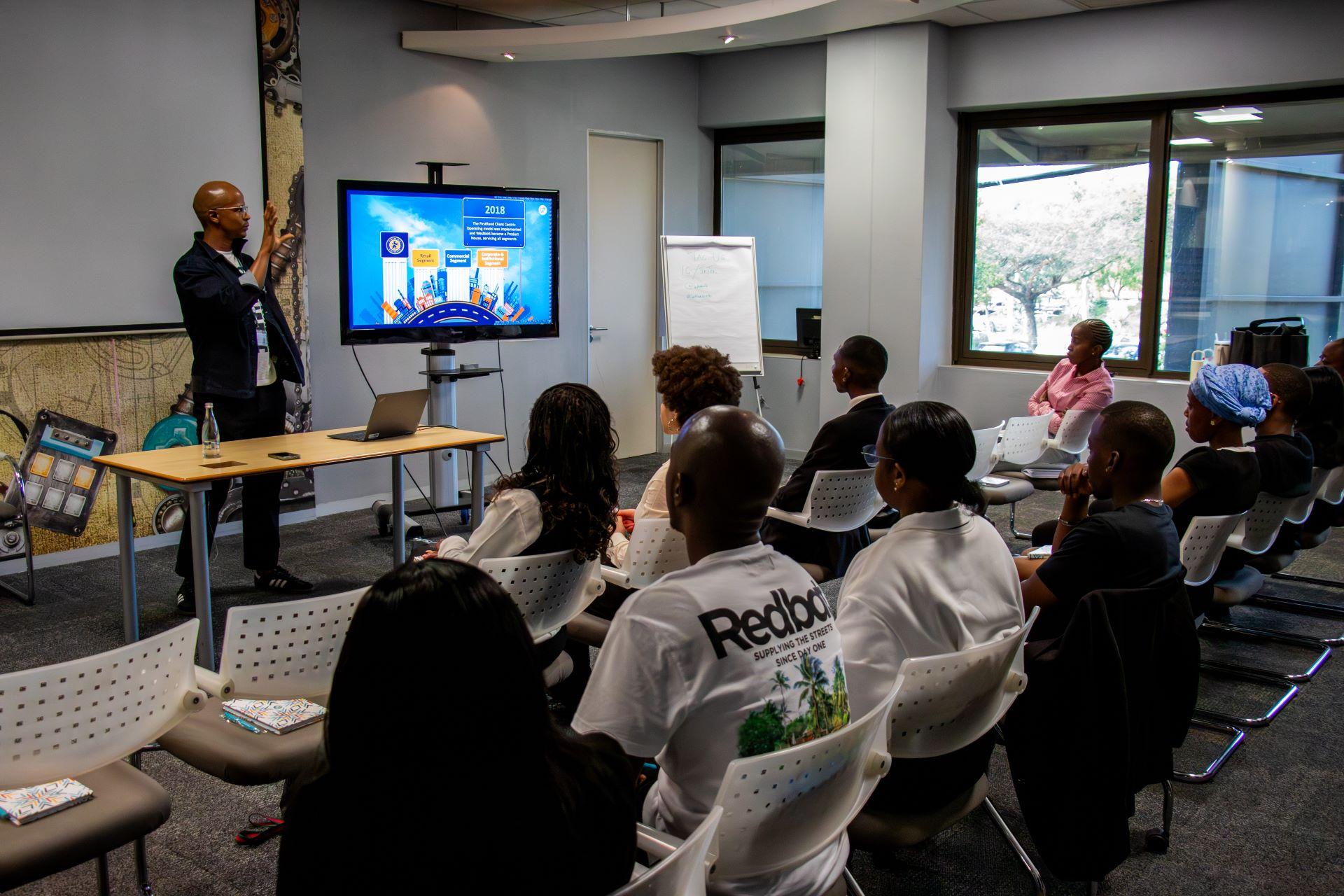
On Tuesday, 21 April, WesBank welcomed 25 students from Regent Business School to its Fairland offices, offering them a rare glimpse into the inner workings of a major financial services institution. The visit formed part of a broader effort to narrow the persistent divide between classroom learning and workplace expectations, a gap that continues to shape the trajectory of many young South Africans as they enter an increasingly competitive job market.
This challenge is not abstract. According to Stats SA, youth unemployment in South Africa remains above 40%, a statistic that underscores the urgency of improving graduate readiness at scale. Compounding the issue is the imbalance between demand and opportunity, with more than 40,000 graduates reportedly applying for limited placement programmes across the country. As Lehlogonolo Masoga, an administrator at a SETA, has noted, employers play a critical role in ensuring that graduates are not only qualified but also workplace ready.
Inside WesBank’s Fairland offices, students were immersed in the realities of financial services, gaining exposure to credit management, business operations, and the strategic role of asset-based finance in supporting both individuals and businesses. For many, it was their first meaningful interaction with a corporate environment, a moment where theory began to take on operational weight.
“Graduating should be the start of a career, not the beginning of uncertainty,” says Lebogang Gaoaketse, Head of Marketing and Communication at WesBank. “Too often, young people leave university with strong theoretical knowledge, but limited understanding of how the workplace operates. Early exposure helps close that gap. It builds confidence, sharpens expectations, and gives students a clearer sense of where they fit into the economy.”
The sentiment reflects a growing recognition that South Africa’s youth unemployment challenge cannot be solved by education or business acting in isolation. It requires structured, consistent collaboration between institutions that develop talent and those that employ it. Yet, as WesBank’s initiative demonstrates, meaningful impact does not always require complex frameworks or large-scale programmes. Sometimes, it begins with access.
By partnering with Regent Business School, WesBank is actively contributing to a more proactive approach to skills development, one that prioritises early engagement with the working world. The organisation is also encouraging other businesses and academic institutions to adopt similar models, arguing that early exposure can significantly improve employability outcomes.
“Bridging the gap between education and employment doesn’t require large-scale programmes, it starts with access,” Gaoaketse adds. “By simply opening their doors, organisations can play a meaningful role in shaping graduates who are better prepared for the realities of work.”
Beyond immediate skills development, the initiative also reflects WesBank’s broader commitment to community involvement and economic inclusion. It reinforces the idea that businesses have a stake not only in today’s workforce, but in the future pipeline of talent that will shape South Africa’s economy.
As the country continues to grapple with high youth unemployment, initiatives like this offer a practical reminder that solutions often begin with exposure, conversation, and opportunity. In opening its doors, WesBank is not just showing students how the financial sector works, it is helping them imagine where they might fit within it.