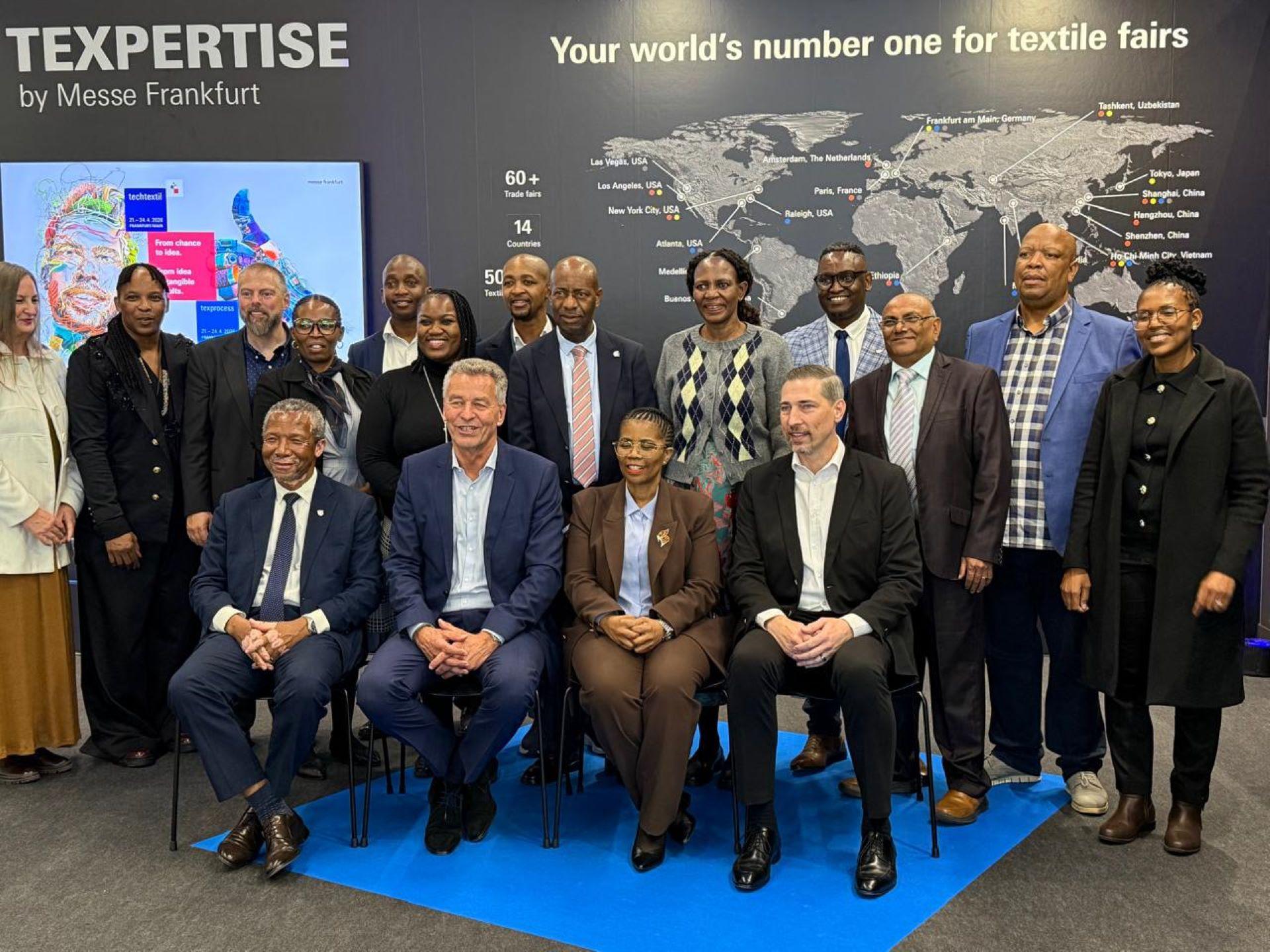
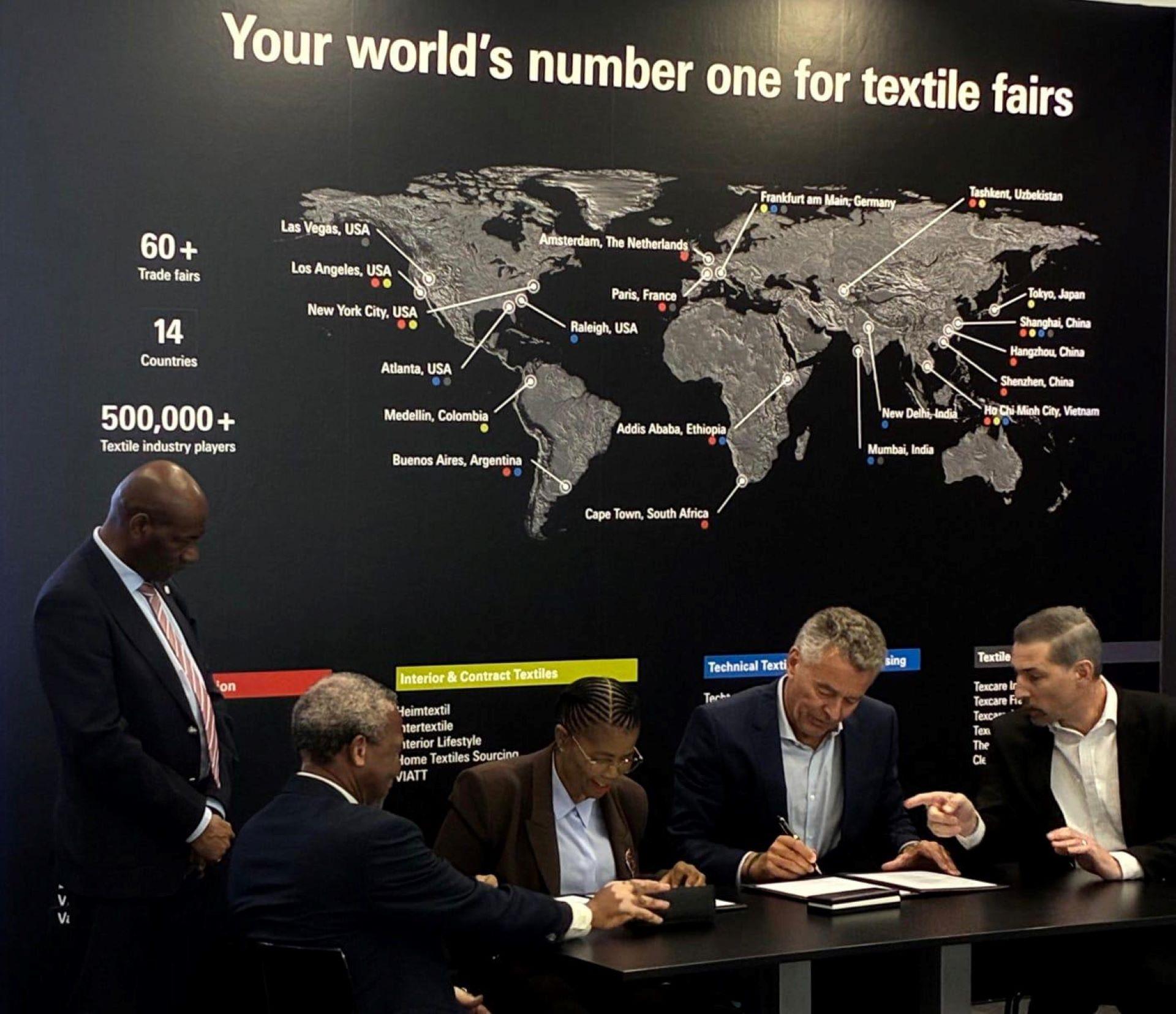
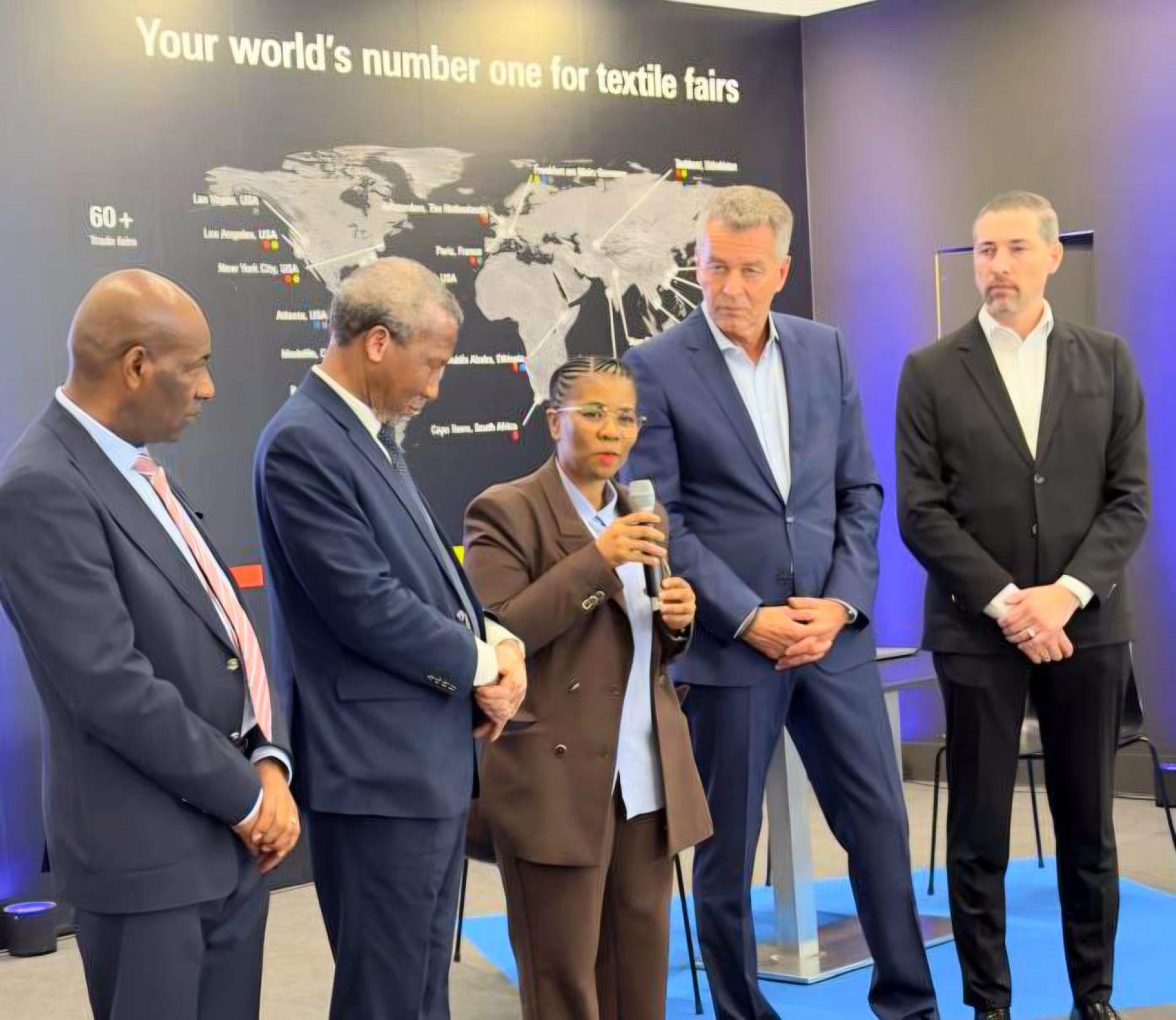
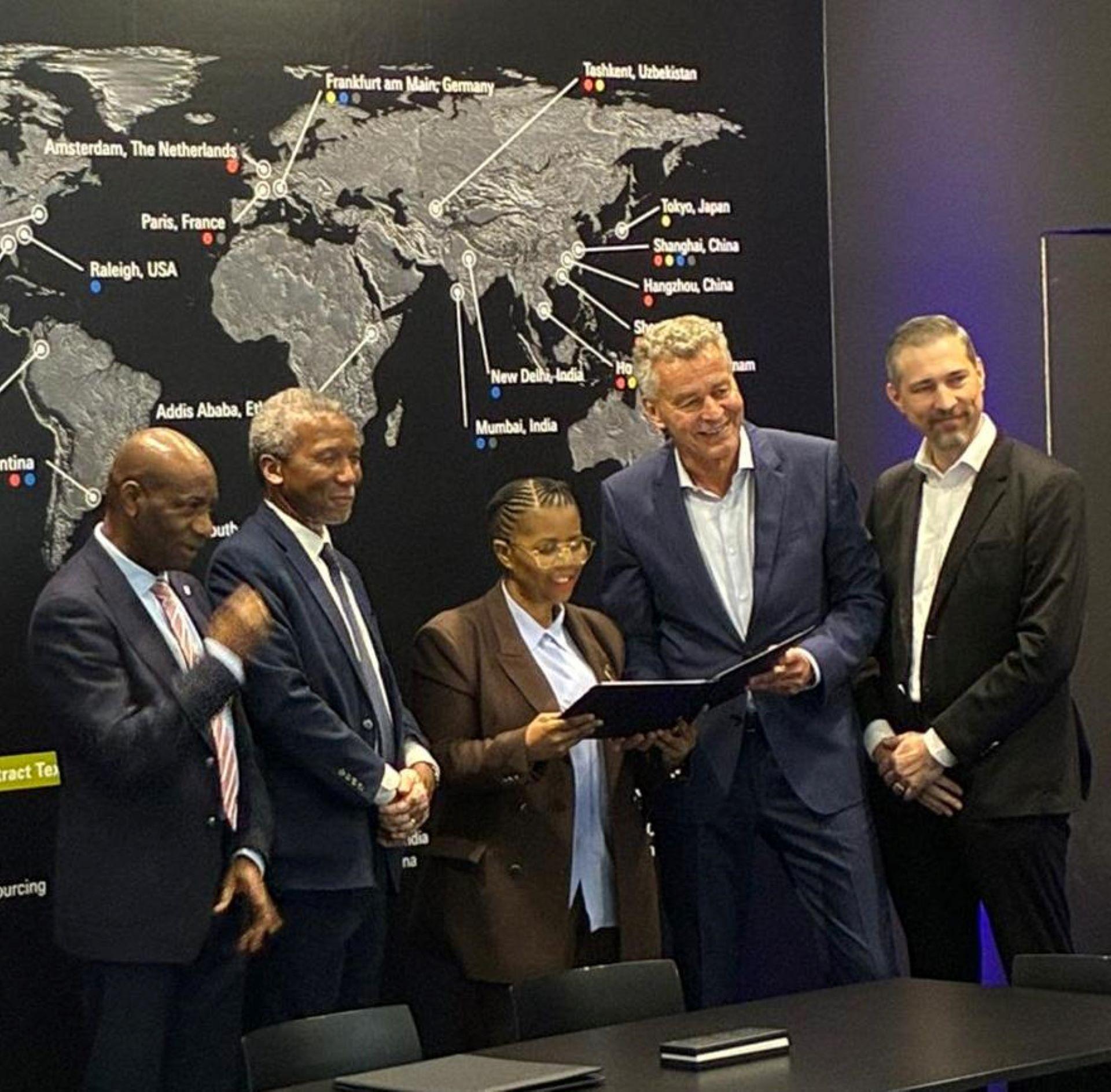
In a move that signals a closer alignment between academia and industry, the University of South Africa (UNISA) and Messe Frankfurt South Africa have formalised a strategic partnership during a signing ceremony in Frankfurt, Germany. The agreement, concluded on the sidelines of Techtextil and Texprocess on 22 April 2026, positions African academic insight within some of South Africa’s most influential trade exhibition platforms.
The Memorandum of Understanding was signed by UNISA Principal and Vice-Chancellor Professor Puleng LenkaBula and Messe Frankfurt South Africa Managing Director Michael Dehn, in the presence of Detlef Braun, Member of the Executive Board of Messe Frankfurt GmbH. The moment was more than ceremonial. It marked a deliberate effort to bridge a long-standing gap between knowledge production and industry application in South Africa.
Trade fairs, as Braun noted, are not merely commercial arenas but global stages where ideas compete, evolve, and gain traction. By introducing African academic voices into these environments, the partnership aims to elevate the continent’s intellectual contribution to global industry conversations. It also reflects a growing recognition that innovation thrives where disciplines intersect and where theory meets real-world demand.
For Messe Frankfurt South Africa, the collaboration introduces a structured way to integrate research, policy thinking, and academic expertise into its event ecosystem. For UNISA, it offers a powerful platform to showcase its research capabilities and connect its vast student body to industry-facing opportunities. With more than 400,000 students across South Africa and beyond, UNISA represents a dynamic cross-section of working professionals actively shaping the economy while advancing their education.
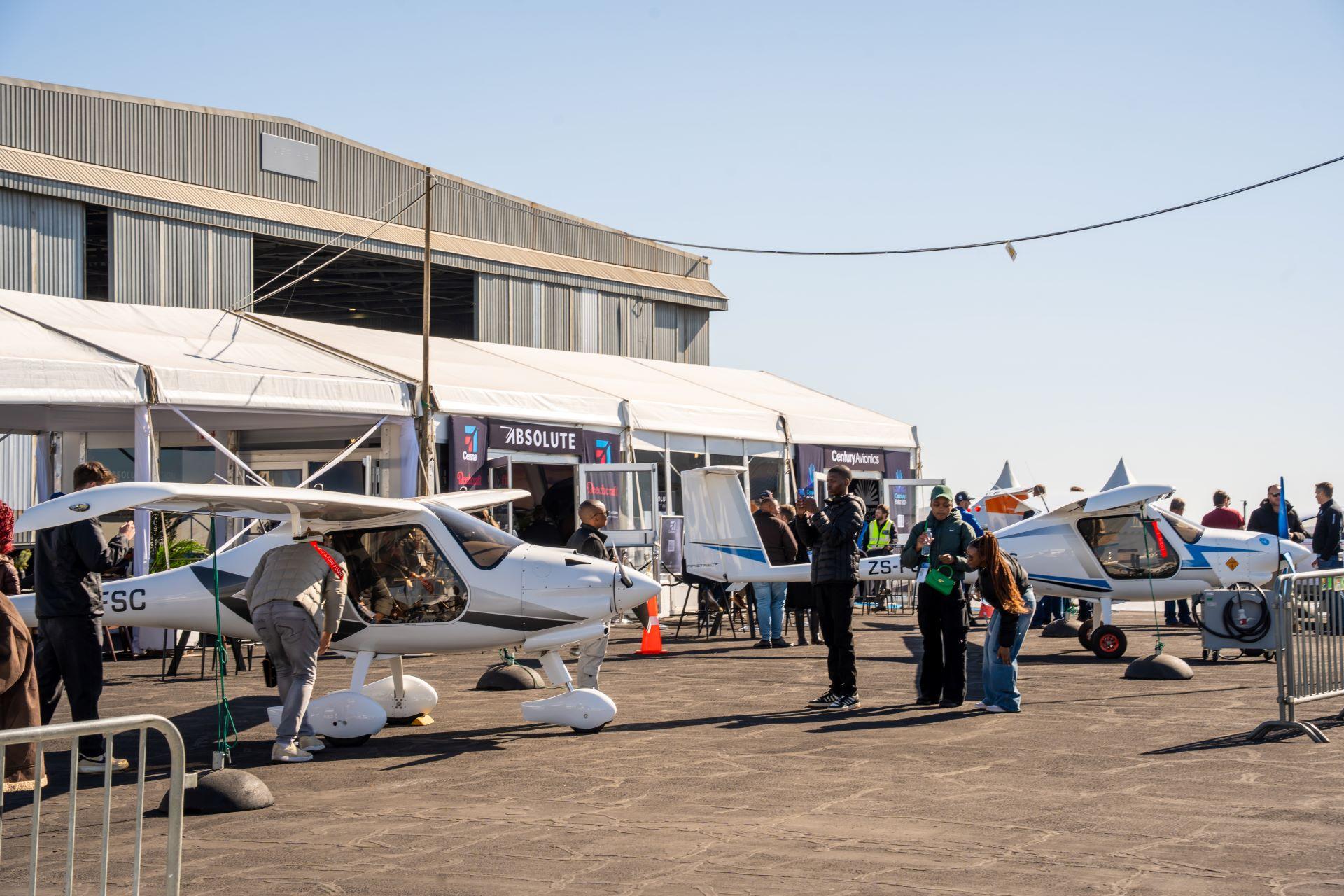
The partnership is already taking shape across key events. At AERO South Africa, hosted annually at Lanseria International Airport, UNISA’s expanding aviation research initiatives will gain visibility, supported by the institution’s recent acquisition of an airport site near Pretoria. Meanwhile, at AllFashion Sourcing in Cape Town, UNISA students will bring their creativity into the spotlight through participation in the Young Designers Competition, blending academic mentorship with industry exposure. Beyond these platforms, UNISA’s leadership will contribute to high-level discussions and CEO forums, injecting research-driven perspectives into conversations that influence business strategy and policy.
What makes this collaboration particularly notable is its symbolic and practical timing. Techtextil and Texprocess are among the most internationally recognised trade fairs in the world, attracting stakeholders from across industries and continents. By choosing this global stage to formalise their agreement, both institutions underscore the ambition behind the partnership. It is not only about local impact but about positioning South Africa’s knowledge economy within a broader international narrative.
Professor LenkaBula’s vision of an African university in the service of humanity finds a natural extension in this agreement. It reflects an understanding that education does not exist in isolation but is deeply embedded in the industries, communities, and creative sectors it serves. Through this partnership, academic knowledge is given new channels to influence practice, while industry gains access to a deeper well of insight and innovation.
For South Africa, where higher education and trade exhibitions have historically operated on parallel tracks, this MoU represents a meaningful shift. It signals the beginning of a more intentional dialogue between institutions that generate knowledge and platforms that commercialise it. In that intersection lies the potential for a more integrated, visible, and globally competitive knowledge economy.