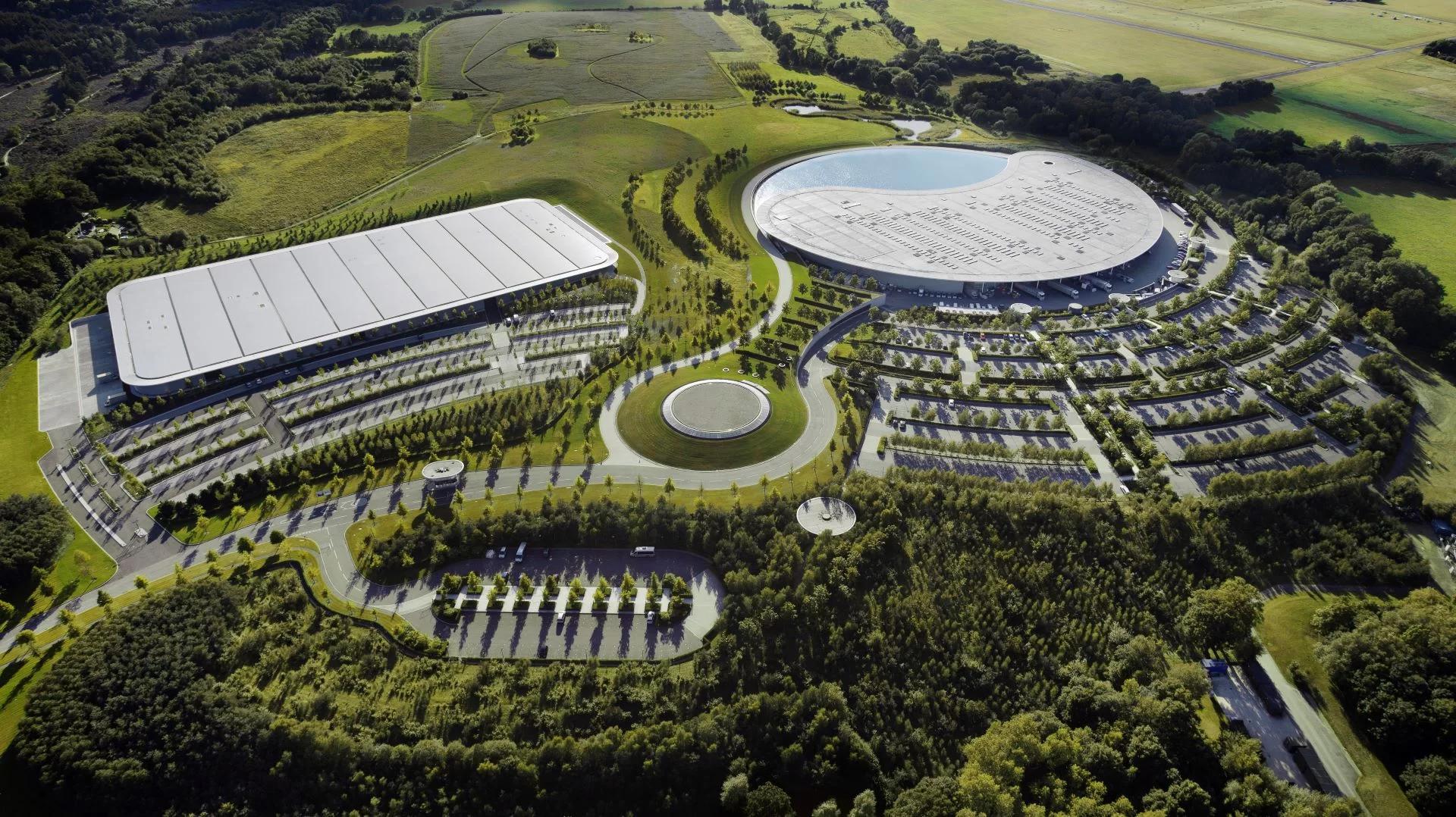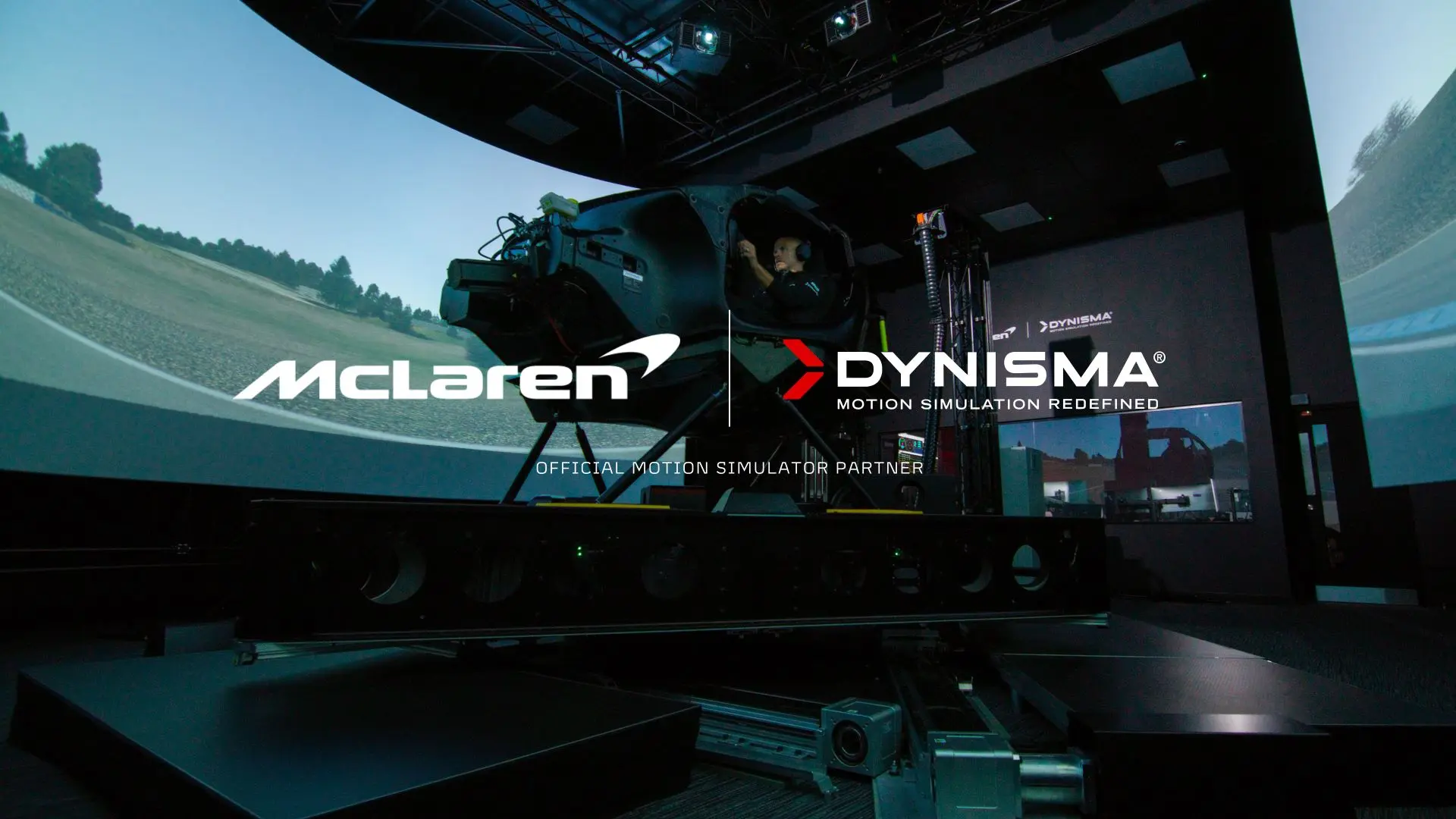
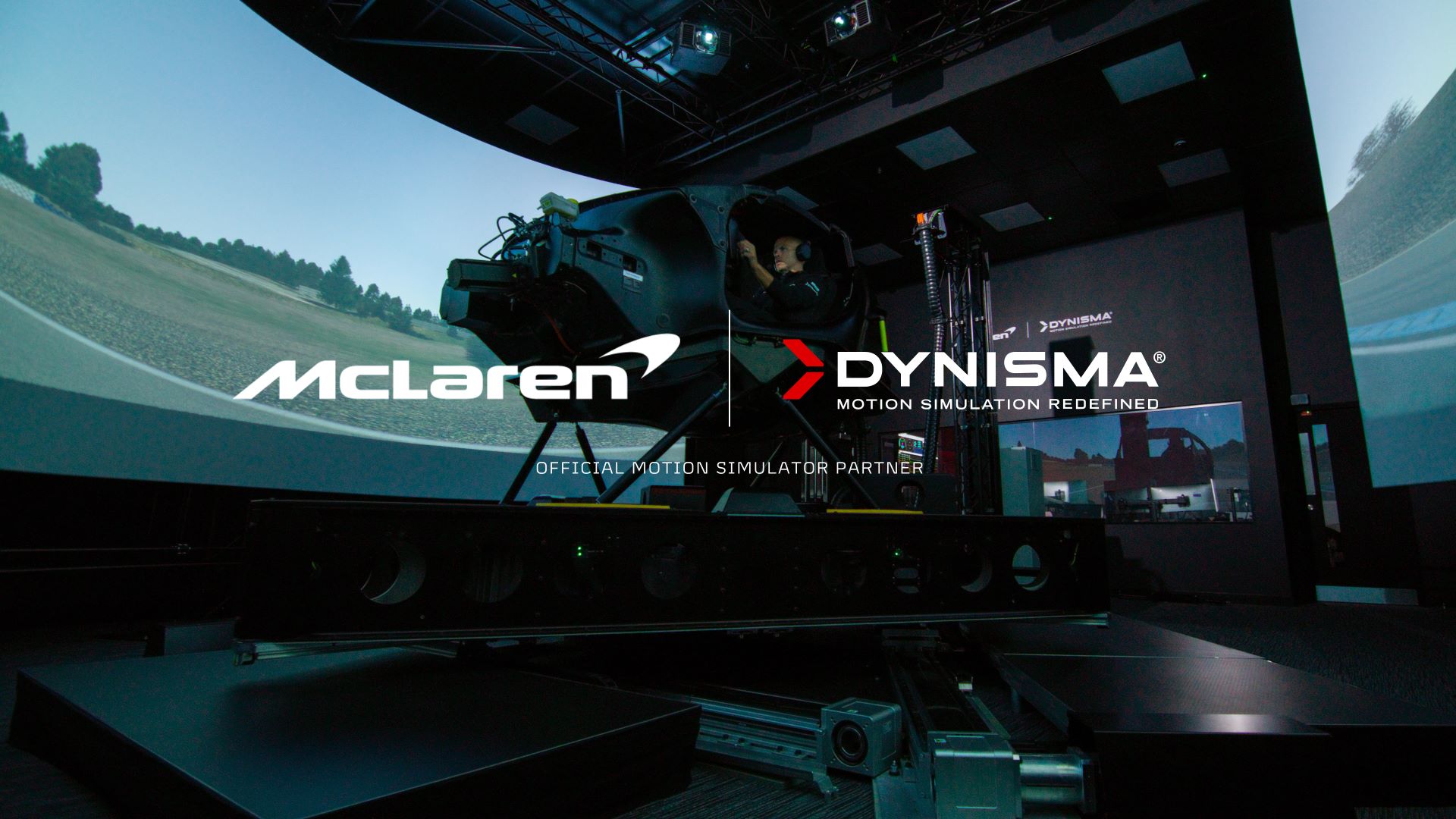
McLaren Automotive has taken a quantum leap in virtual vehicle development with the installation of a Dynisma Motion Generator™ (DMG™) at the McLaren Technology Centre (MTC). This cutting-edge system—derived from the same technologies used at the pinnacle of Formula 1—unlocks a new dimension of realism and precision in motion simulation, allowing McLaren engineers and test drivers to explore, refine, and perfect the driving experience before a prototype ever touches the road.
A New Era of Virtual Engineering
The integration of the DMG™ simulator marks a profound evolution in how McLaren develops its next generation of supercars. With ultra-low latency and exceptional motion bandwidth, the system delivers a tactile, true-to-life replication of how a vehicle behaves under any scenario—from sweeping track corners at high load to the subtle feedback of a textured road surface at urban speeds.
This fidelity is key to what McLaren calls “closing the loop”: a continuous interplay between real-world testing and virtual development. Engineers can now translate insights from physical prototype testing directly into the simulator, where those same conditions can be replicated with pinpoint accuracy. In turn, the simulator provides valuable data and driver feedback that inform the next phase of physical testing. It’s a symbiotic process that accelerates development timelines while deepening McLaren’s understanding of every nuance of vehicle behaviour.
Formula 1-Level Realism for the Road
The DMG™’s technology delivers Formula 1-grade realism, enabling engineers to digitally profile performance innovations with unprecedented speed. This means that test drivers can now experience and evaluate complex handling characteristics virtually—long before a physical prototype is built.
“The accuracy and representativeness of the Dynisma Motion Simulator allows us to extract a new level of detail and data from virtual development activity,” explains Emmanuele Raveglia, Chief Vehicle Programme Officer at McLaren Automotive. “We can explore a wider range of dynamic possibilities and behaviours in a virtual environment. The fidelity of road texture and ride inputs is so precise that we can simulate standard road conditions at lower speeds, alongside high-load scenarios on test tracks or race circuits, with remarkable realism.”
Proven Performance: The McLaren W1
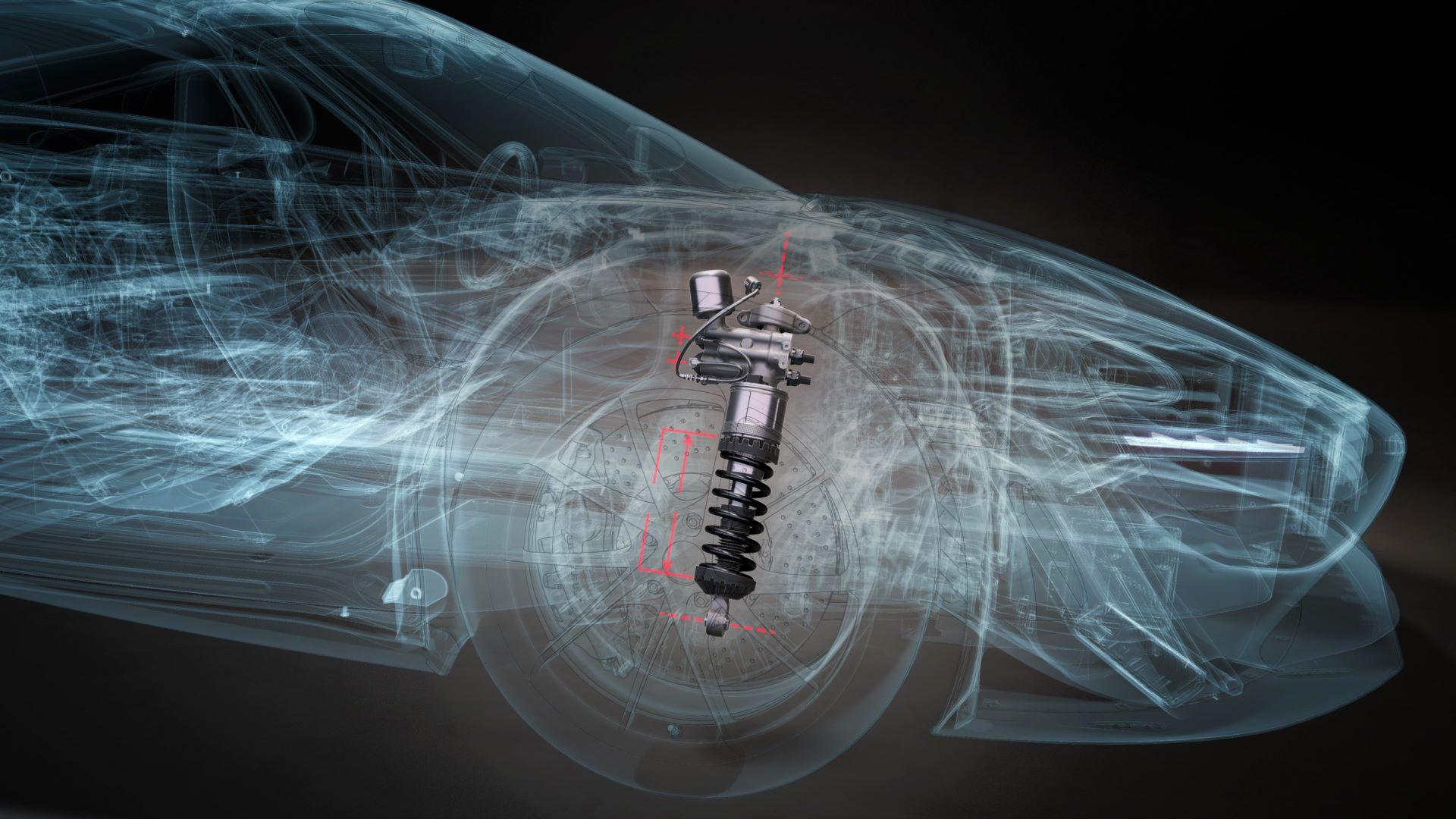
The McLaren W1 is the first car to benefit from this advanced virtual development ecosystem. The DMG™ played a pivotal role in finalising the W1’s active aerodynamic systems, suspension settings, and control logic, combining virtual validation with aerodynamic development to perfect its high-downforce, low-drag characteristics.
By allowing engineers to study moment-by-moment aerodynamic data—such as downforce variation and airflow interaction—the simulator bridges the gap between computational fluid dynamics (CFD), wind tunnel testing, and real-world validation. It provides a holistic, continuous view of how aero and suspension systems work together to deliver the hallmark agility and precision of a McLaren.
Accelerating the Future
The success of the DMG™ in validating the McLaren W1’s technologies has laid the foundation for even deeper integration of simulation into future vehicle programmes. What once required months of iterative prototype testing can now be explored virtually in a matter of days—with greater accuracy, flexibility, and environmental efficiency.
As McLaren continues to push the boundaries of automotive performance, the Dynisma Motion Generator™ stands as both a technological milestone and a philosophical statement: that the pursuit of driving perfection now begins in the virtual world, long before the roar of the engine ever meets the open road.