


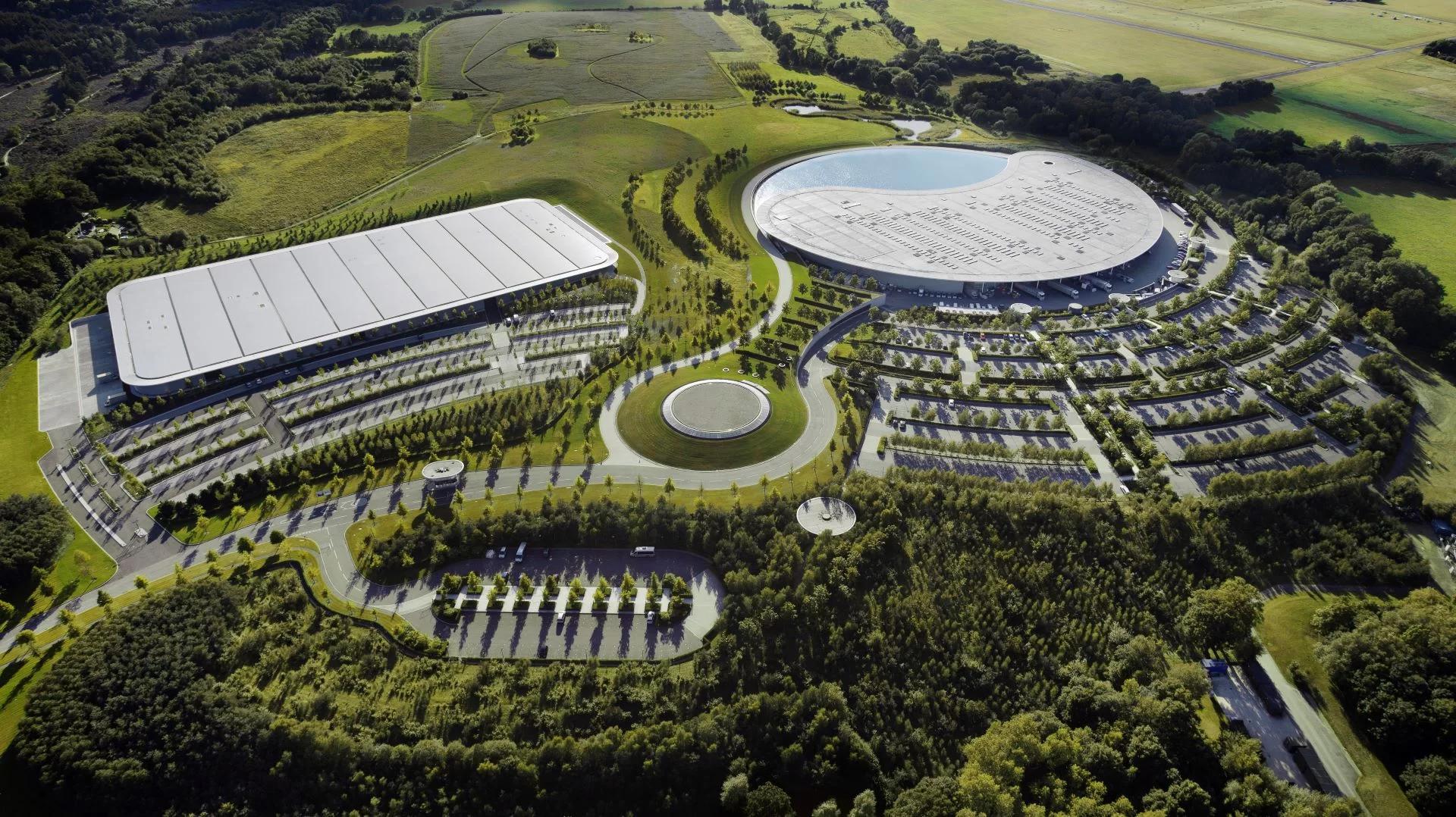
On May 12, 2024, the McLaren Technology Centre celebrates its 20th anniversary since being officially opened by Queen Elizabeth II. This architectural marvel, designed by the world-renowned British architect Lord Norman Foster, serves as the headquarters for both McLaren Automotive and McLaren Racing.
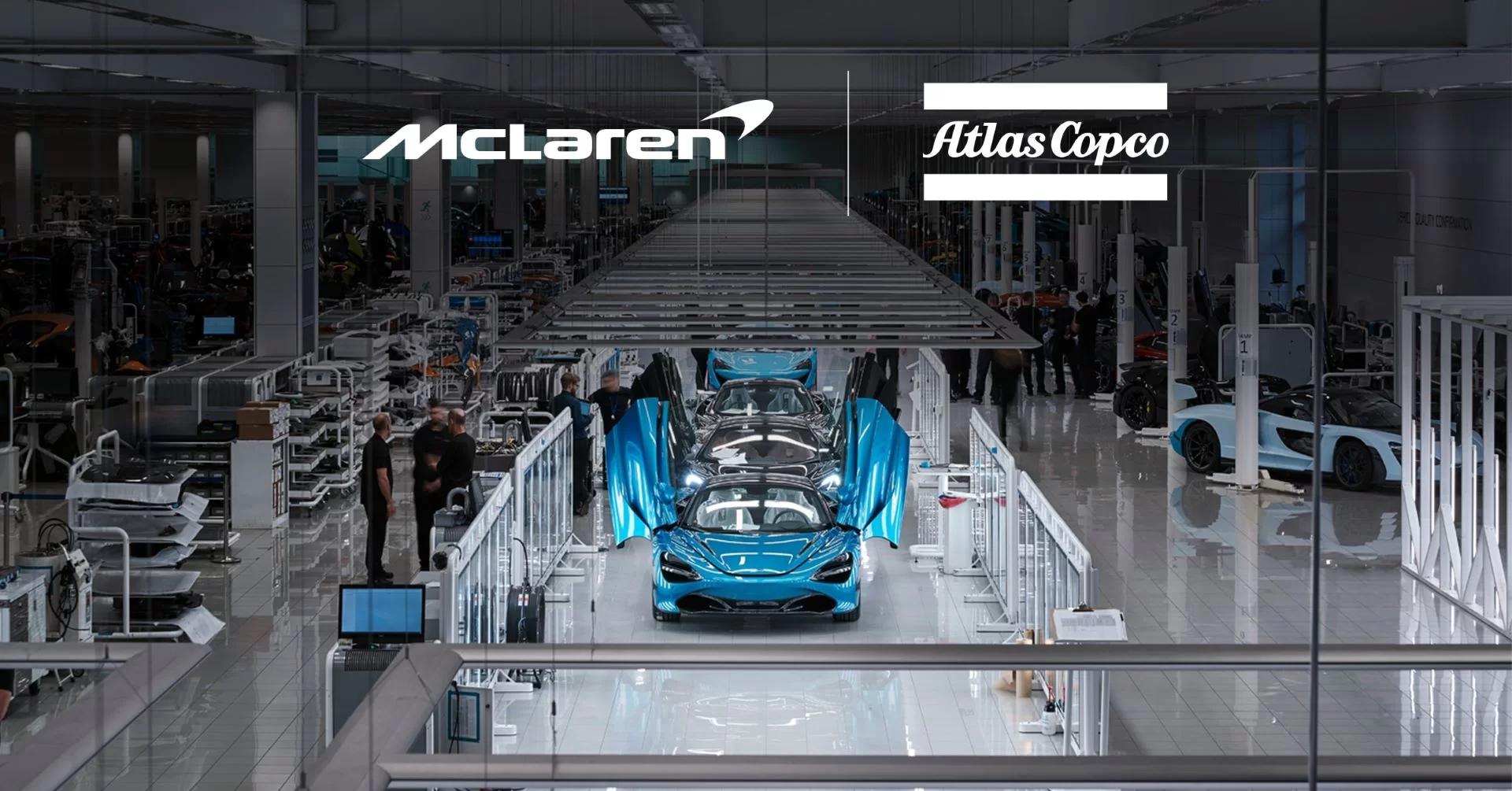
In 2011, the campus expanded with the addition of the McLaren Production Centre, where all of McLaren’s high-performance supercars are crafted. A remarkable feature of the Technology Centre is the lake that surrounds it, containing over 30 million litres of water. This water is pumped through heat exchangers to cool the buildings and dissipate the heat generated by the wind tunnel.
During the design phase, the building’s dimensions were meticulously calculated to avoid cutting any tiles, ensuring a seamless and precise fit. Similarly, the test equipment in the production centre was designed to fit perfectly around the tiles. The supporting blades of the building’s facade draw inspiration from the suspension wishbones of a Formula 1 car, exemplifying the blend of aesthetic and functional design.
The McLaren restaurant’s atmospheric pressure is slightly lowered and controlled to contain the smell of food, maintaining a pleasant environment for all visitors. Since acquiring the 50-hectare site, McLaren has planted over 100,000 trees and shrubs, and each of the five car parks boasts over 14,000 individual plants. The land was previously home to an ostrich farm and a model railway, highlighting the site’s transformation.
Constructing the McLaren Technology Centre required removing more than 300,000 cubic meters of earth, which was then redistributed and landscaped around the site. From an aerial view, the Technology Centre and its lake form a perfect circle. The futuristic building has also served as a set for various award-winning films and TV shows, including “Fast & Furious Presents: Hobbs & Shaw.”
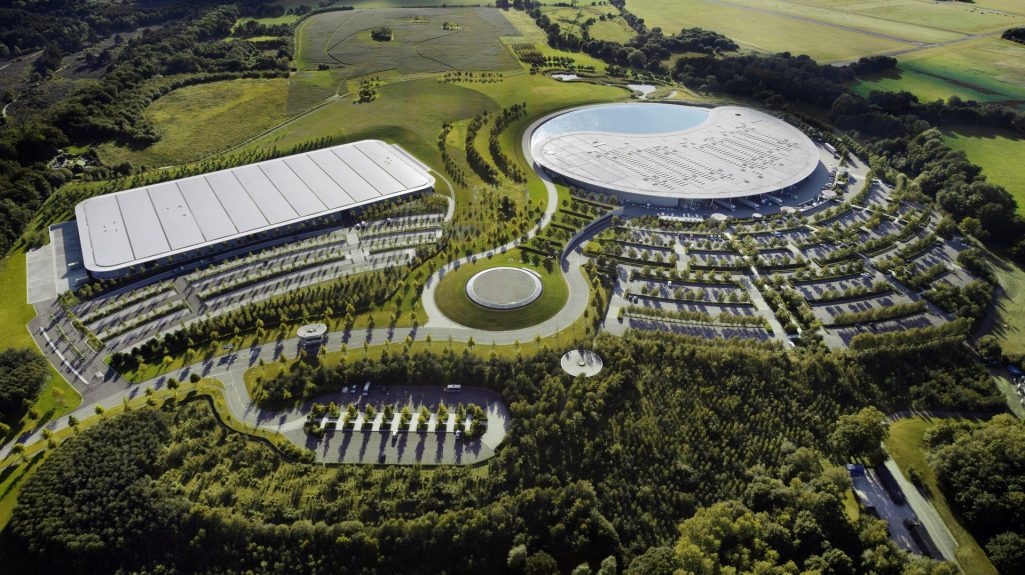
The centre features approximately 43,000 square meters of glass, and its construction demanded an astounding 2 million hours of labour. The rivers and lakes on the campus provide a habitat for 11 species of dragonfly and damselfly, a unique occurrence in such a developed area. The building’s main frame is large enough to house nine Boeing 747 aircraft nose to tail.
The Technology Centre is surrounded by a one-metre thick, 27-metre deep slurry wall. Digging this wall required a Backhoe Excavator, one of only three in the world, which was shipped from America in parts that filled nine articulated lorries and took a week to assemble.
McLaren Park, surrounding the campus, is a haven for wildlife. On sunny days in July or August, around 350 individual butterflies can be spotted along the boundary path, with over 25 different species observed annually. The design brief for the building aimed to create a space that felt 90% NASA and 10% Disney, achieving a unique blend of high-tech and wonder.
Each year, the vegetation at the MTC campus captures and stores 100 tonnes of carbon, contributing to environmental sustainability. The lake is home to “McLaren bred” carp, which have grown larger than the original stock introduced. The building’s glass lifts, inspired by pistons, are built from a one-piece hydraulic ram to avoid unsightly grease marks.
The visionary behind the McLaren Technology Centre, Sir Norman Foster of Foster and Partners, also designed iconic structures such as Wembley Stadium, the Gherkin in London, Hong Kong airport, and the Century Tower in Tokyo. His work on the McLaren Technology Centre stands as a testament to his innovative spirit and architectural excellence.
As we celebrate the 20th anniversary of this remarkable building, we honor the legacy of innovation, precision, and sustainability that defines the McLaren Technology Centre.