


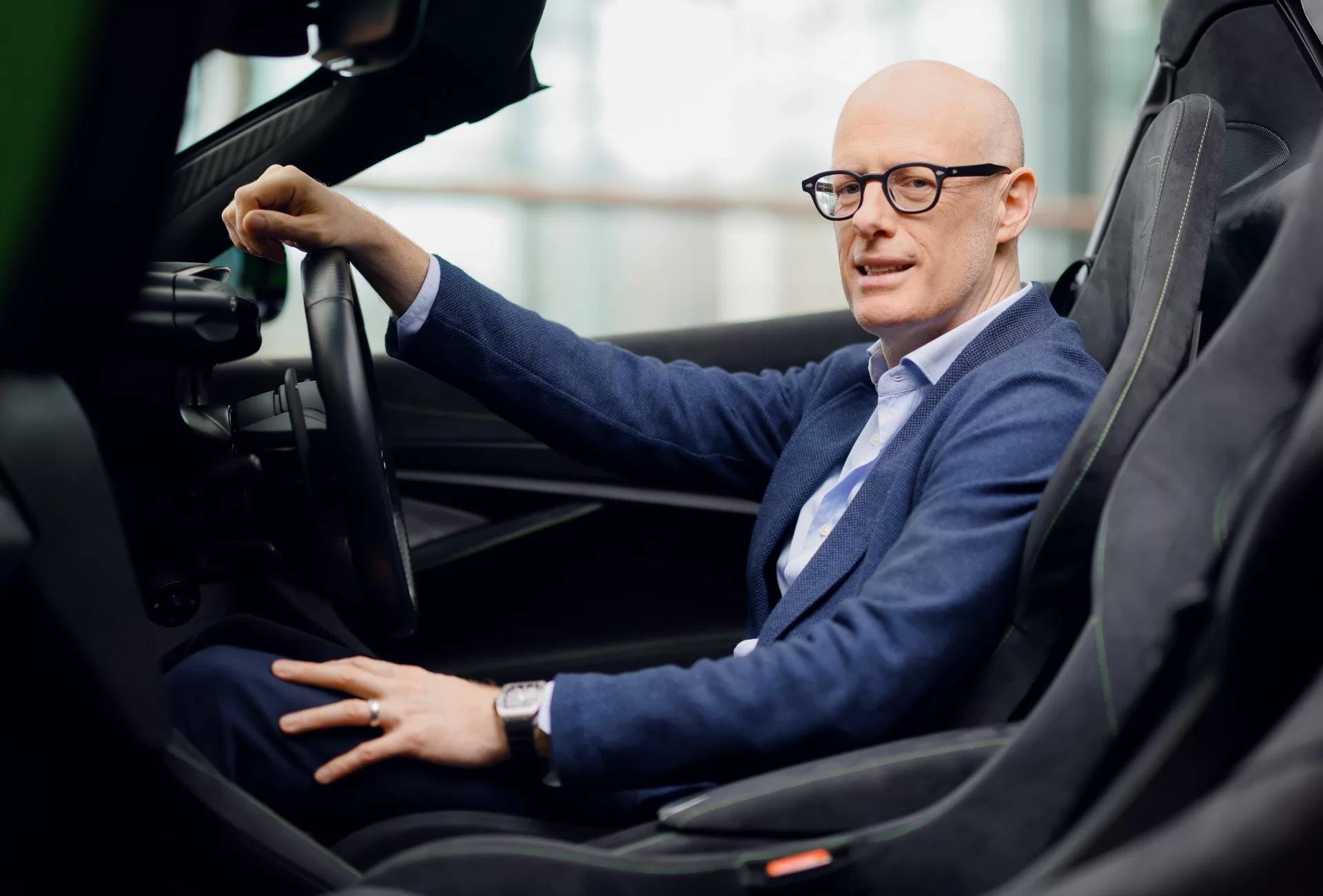
The United Kingdom, renowned for its prestigious automotive heritage and leadership in motorsport, stands poised to spearhead the electrification of supercar manufacturing, according to McLaren Automotive CEO, Michael Leiters. In a recent statement, Mr. Leiters highlighted the critical need for substantial investments in the UK’s domestic supply chain to meet the exacting demands of electric supercars.
“The current UK supply chain lacks the specialized capabilities required for electric supercars,” noted Mr. Leiters, underscoring the necessity for a strategic industrial roadmap supported by governmental investment in future powertrain technologies.
“A robust industrial strategy, bolstered by investments in our domestic supply chain, will drive growth, secure jobs, accelerate decarbonization efforts, and ensure a prosperous future for the UK’s high-performance car industry,” Mr. Leiters emphasized.
Once a global leader in vehicle exports, the UK remains home to world-renowned performance car brands and hosts a majority of Formula 1 teams. Mr. Leiters stressed the importance of harnessing the UK’s expertise in motorsport and performance cars to establish a premier global center for high-performance automotive excellence.
“UK-based luxury and sports car brands benefit from strong brand heritage, intrinsic value, and leading-edge performance attributes,” Mr. Leiters noted. “This positions them with considerable pricing power in the global market.”
McLaren, known for its innovation and high-performance vehicles, exemplifies this strength with employees contributing significantly more to productivity gross value added compared to the broader UK automotive sector. Over 90% of McLaren’s supercars are exported, highlighting the industry’s substantial contribution to the UK economy.

Mr. Leiters highlighted the critical role of government support in mitigating risks associated with the transition to electrification. “The costs involved in this technological shift are substantial, particularly for low-volume, specialized suppliers,” he stated. He emphasized that while current customer demand for electric supercars remains limited, strategic investments can position the UK at the forefront of future powertrain technologies.
“Even as hybrid vehicles dominate the market in this decade, stringent EU rules on vehicle exports necessitate locally sourced, high-performance battery technologies,” Mr. Leiters explained. He noted that transitioning to pure electric vehicles would further intensify these requirements.
Historically, luxury and high-performance markets have driven technological advancements in the automotive industry. “The McLaren P1 exemplified our commitment to pioneering high-performance hybrid technology long before electrification gained mainstream traction,” Mr. Leiters pointed out.
Developing a pure electric McLaren supercar capable of surpassing current performance benchmarks could accelerate the broader adoption of electric vehicles among mass-market consumers, Mr. Leiters suggested.
Furthermore, attracting leading battery suppliers to the UK could yield long-term benefits beyond the automotive sector. “A thriving UK supply chain specializing in cutting-edge, high-energy-density cells would support not only supercar production but also advancements in aerospace technologies such as vertical take-off aircraft and drones,” Mr. Leiters concluded.