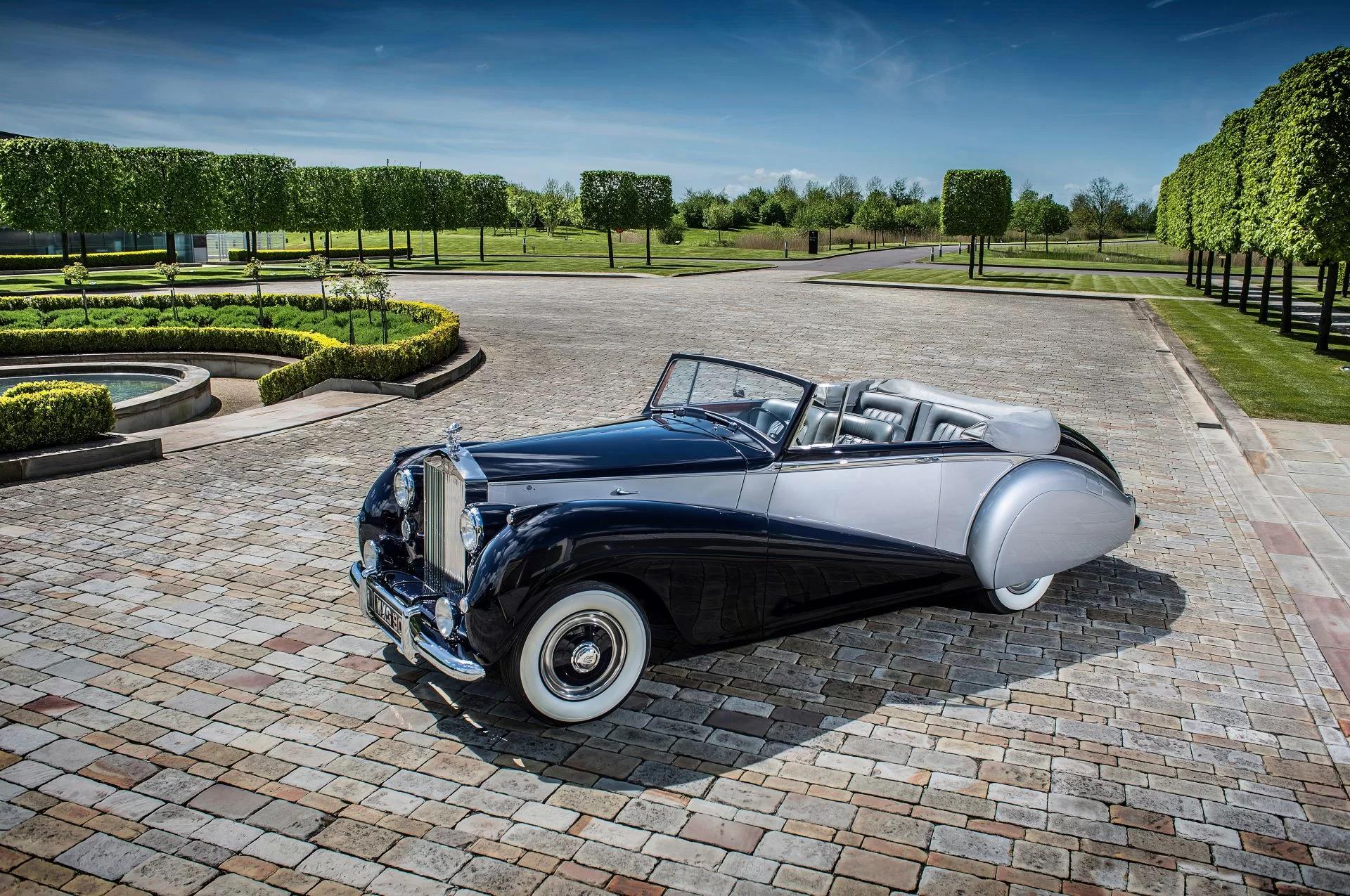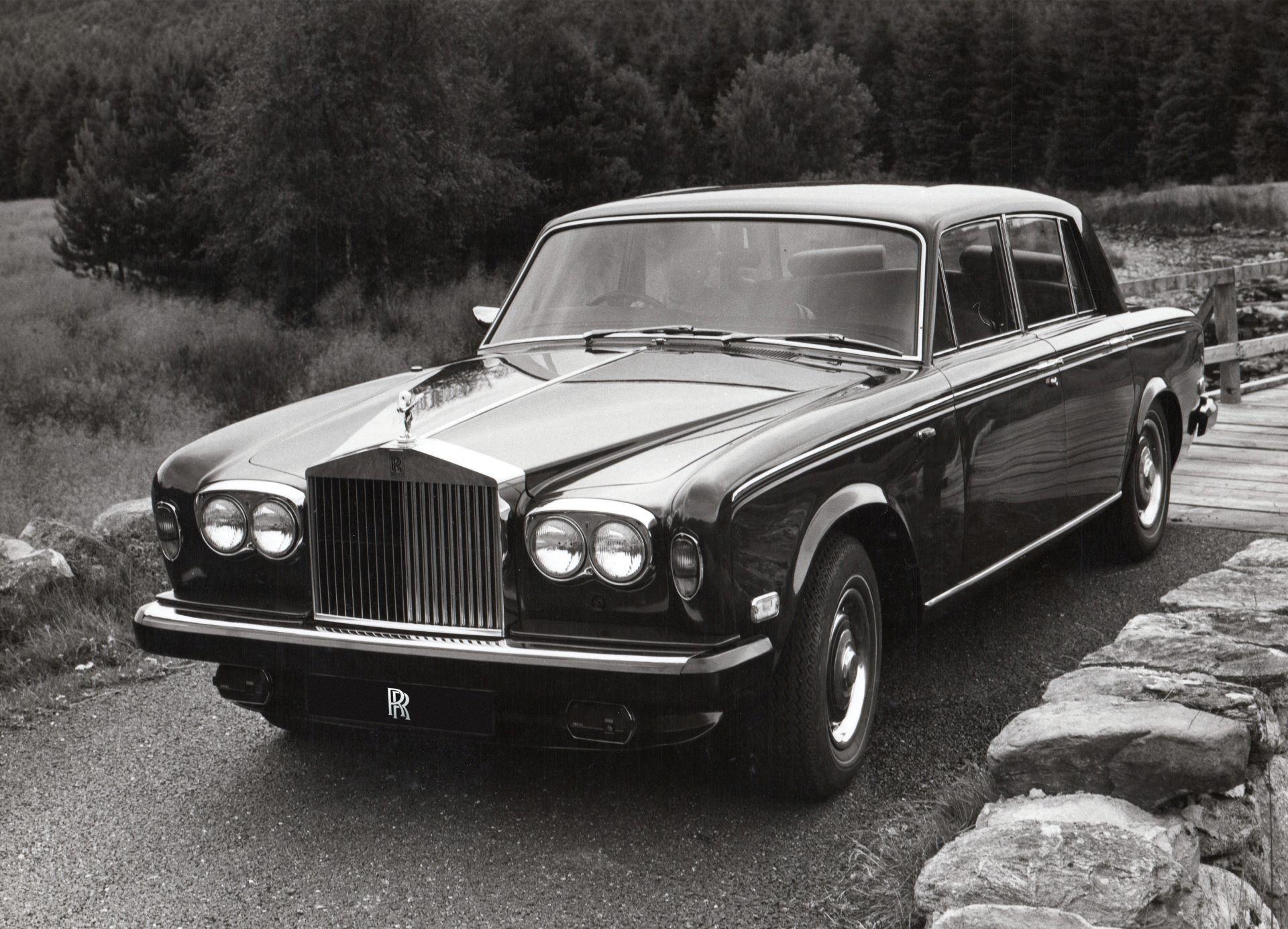
The Rolls-Royce Silver Shadow, unveiled in 1965, remains one of the most pivotal models in the brand’s storied history. As the seventh instalment in the ‘Models of the Marque’ series, the Silver Shadow marks a watershed moment in Rolls-Royce’s evolution, steering the company from its long-standing tradition of rolling chassis and bespoke coachbuilding into the era of monocoque construction. This transformation not only redefined Rolls-Royce’s approach to luxury but also set new standards for the entire automotive industry.
A New Era of Innovation
When the Silver Shadow was launched, it was, without question, the most technically advanced motor car in the world. Departing from the iconic rolling chassis, a construction method used by Rolls-Royce since 1906, the Silver Shadow introduced a revolutionary monocoque body. For the first time in the marque’s history, Rolls-Royce offered a complete motor car, integrating the chassis, body, and mechanical components into a single, unified design. This move represented a bold shift towards a more compact yet spacious automobile, built for a new generation of owners who valued both performance and comfort.
Designed by the legendary John Blatchley, the Silver Shadow was conceived not just as a contemporary marvel, but as a car that would remain relevant and in production for the next decade. The challenge was immense, but Blatchley’s success in creating a timeless vehicle with an enduring design is evident in the Silver Shadow’s legacy, which continues to influence Rolls-Royce models today.
A Testament to Luxury and Performance
Despite carrying over the engine and four-speed automatic gearbox from the preceding Silver Cloud III, nearly every other aspect of the Silver Shadow was groundbreaking. The three-box bodyshell, now smaller but more refined, offered expanded interior space, a larger fuel tank, and greater luggage capacity than its predecessors. These design innovations were made possible by the integration of monocoque construction, which also enhanced torsional rigidity, thereby improving ride comfort and handling.
The Silver Shadow’s suspension was another significant leap forward. The addition of hydraulically operated, self-levelling independent rear suspension and four-wheel disc brakes marked a notable departure from conventional technology, ensuring that the Silver Shadow was as dynamic on the road as it was serene in its luxury. Noise, vibration, and harshness (NVH) were reduced thanks to Vibrashock mountings, which isolated the subframes from the bodyshell, creating a near-silent cabin experience.
Additional innovations, such as an electrically operated gear-change selector and front-seat adjustment, further cemented the Silver Shadow’s position as the most advanced vehicle of its time. The result was a car that was not only a marvel of engineering but also a symbol of the ultimate in automotive luxury.
Expanding the Silver Shadow Range
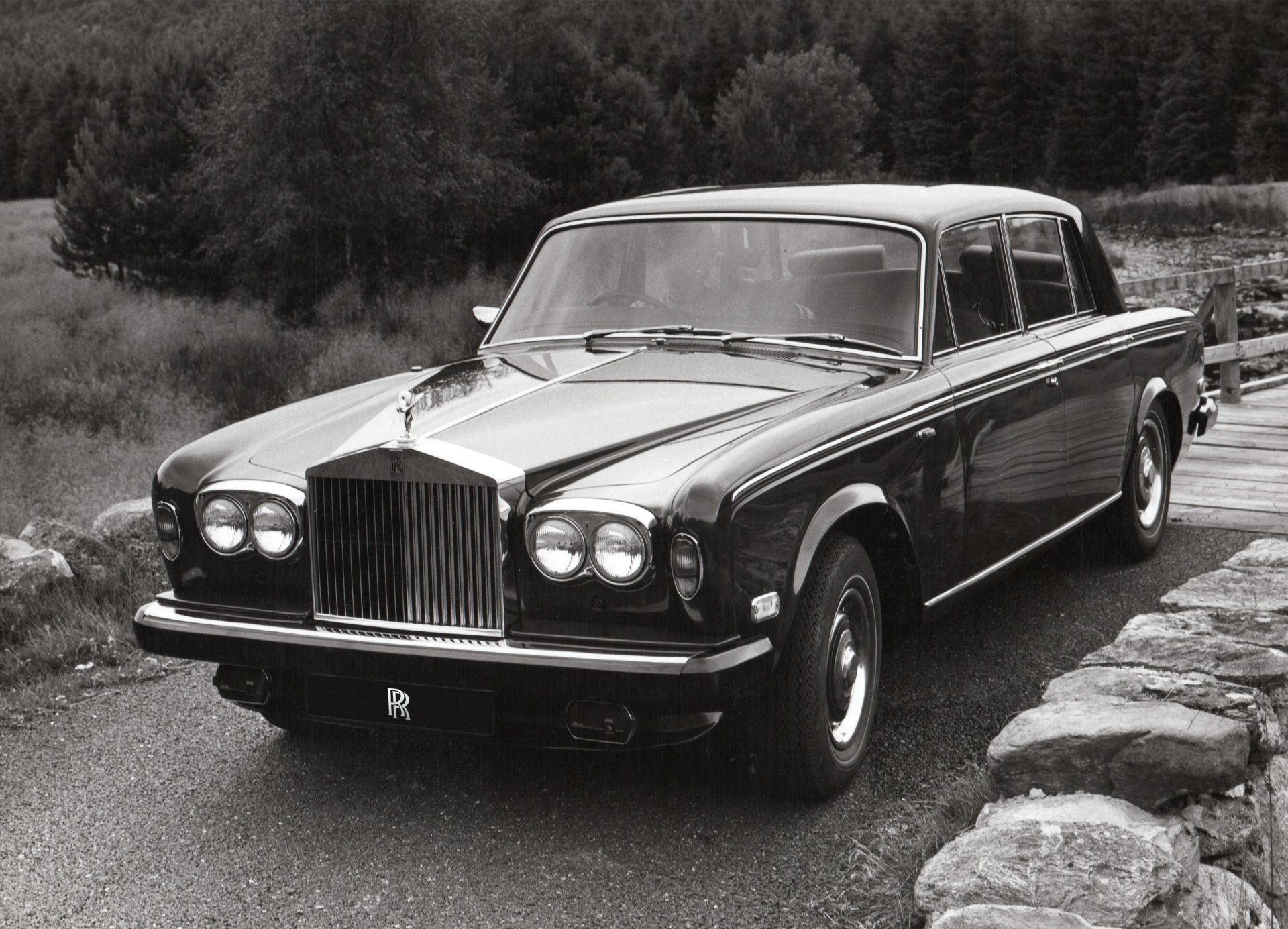
Rolls-Royce’s forward-thinking approach didn’t stop with the base model. In 1966, just a year after the Silver Shadow’s debut, the marque introduced two coachbuilt models—a fixed-head two-door saloon and a drophead coupé—created by their in-house coachbuilders, Mulliner Park Ward. These variants offered a more sporty appeal while maintaining the integrity and luxury of the Silver Shadow.
In 1969, a long-wheelbase version of the Silver Shadow was introduced to cater to the demand for increased rear passenger legroom, offering greater comfort for the most discerning of customers. The success of these variants led to continued refinement of the Silver Shadow range, with the introduction of the Silver Shadow II in 1977. The Silver Shadow II featured updates such as revised suspension settings, rack-and-pinion steering, and improved ergonomics, making it a more driver-oriented car without sacrificing the unparalleled comfort Rolls-Royce was known for.
The Silver Shadow Legacy
By 1980, the Silver Shadow’s enduring design gave way to the Silver Spirit, a car that retained the SY floorpan and mechanics of the Silver Shadow while sporting restyled bodywork. Though the Silver Shadow was officially replaced, the SY platform, which had initially been intended to last just 10 years, continued to underpin Rolls-Royce models well into the late 1990s.
Today, nearly 60 years after its introduction, the Silver Shadow remains a cherished classic, celebrated for its innovation, luxury, and technical achievements. Still regularly seen in the world’s most prestigious locations—from Rodeo Drive to New Bond Street—the Silver Shadow has earned its place as a modern classic, admired by both the generation that witnessed its debut and a new wave of enthusiasts, collectors, and owners.
With over 37,000 units produced across various iterations, including the Silver Spirit and Corniche, the Silver Shadow stands as the most successful Rolls-Royce design prior to the company’s return to the Goodwood era. As part of a year-long retrospective marking the 120th anniversary of the first meeting between Henry Royce and The Hon. Charles Stewart Rolls in 1904, the Silver Shadow is a testament to the lasting legacy of Rolls-Royce’s commitment to excellence and innovation.
A Legacy That Endures
In the words of Andrew Ball, Head of Corporate Relations & Heritage at Rolls-Royce Motor Cars, “Silver Shadow is a pivotal model in the Rolls-Royce story. It marked a decisive shift away from traditional rolling chassis and coachbuilding to monocoque construction, and was the first Rolls-Royce to be offered only as a complete motor car. Today, it remains a modern classic, fondly remembered and increasingly sought after by new generations of collectors.”
As we celebrate the 120th anniversary of the birth of Rolls-Royce, the Silver Shadow stands as a beacon of the company’s history—a model that not only defined an era but also set the stage for the future of luxury motoring.