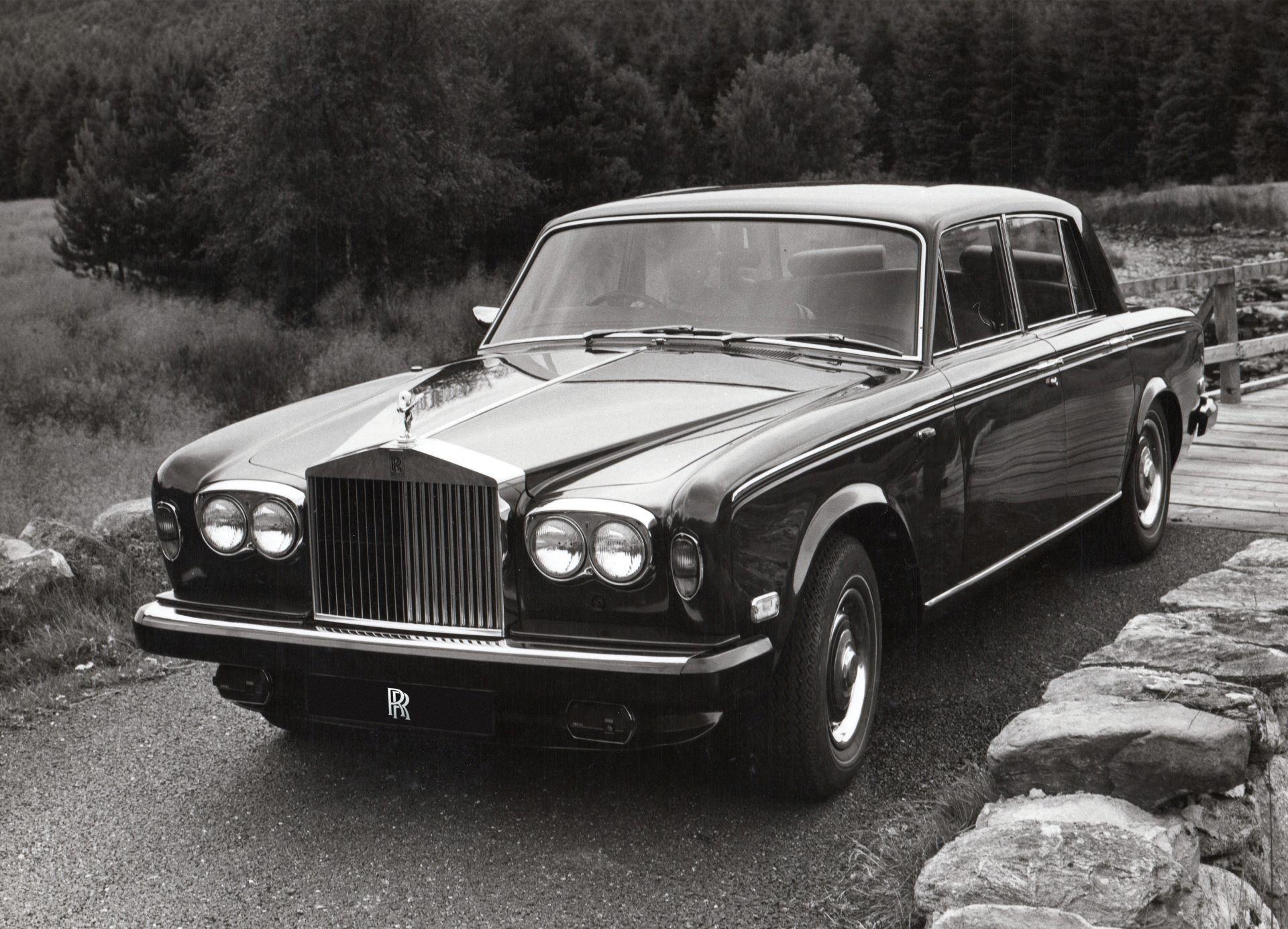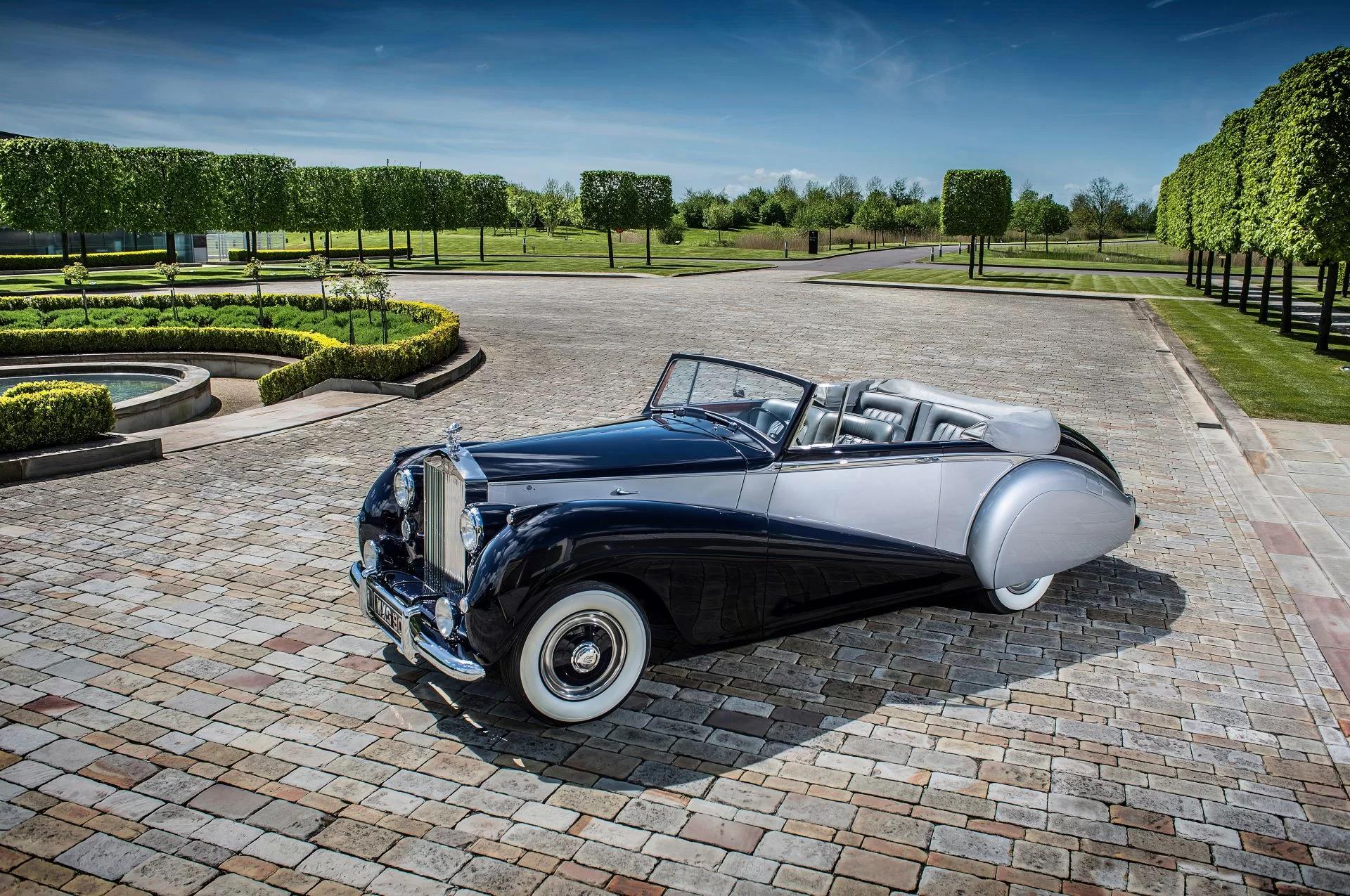
The Rolls-Royce Silver Dawn, a landmark model unveiled in 1949, represents a pivotal shift in the storied history of the marque. As the first complete motor car to be crafted entirely by Rolls-Royce, the Silver Dawn signaled a departure from the company’s traditional reliance on third-party coachbuilders, embodying the marque’s response to the post-war automotive landscape.
A New Beginning
The Silver Dawn emerged during a transformative period for Rolls-Royce. Prior to this model, the company’s focus was predominantly on rolling chassis, which were then fitted with bespoke bodywork by independent coachbuilders. This method, while prestigious, became increasingly unsustainable in the austere economic climate of the post-war years. Rolls-Royce’s solution was to create a more streamlined production process, culminating in the Silver Dawn—a complete motor car that would allow the company greater control over design and manufacturing.
Design and Engineering Innovation
Andrew Ball, Head of Corporate Relations and Heritage at Rolls-Royce Motor Cars, highlights the significance of the Silver Dawn: “For the first 40 years of its existence, Rolls-Royce built only rolling chassis, onto which independent coachbuilders installed bodywork specified by the client. It wasn’t until the late 1940s that the marque produced its first complete motor car—the Silver Dawn. Launched in 1949, it marked a profound change for Rolls-Royce, reflecting the realities of the post-war market while giving the marque more control than it had ever enjoyed over the exterior design of its products.”
The Silver Dawn’s introduction was part of the “Rationalised Range” development program, which aimed to reduce production costs without compromising the brand’s legendary quality. This new model was built on a single, adaptable chassis and featured an innovative engine that could be configured in straight-four, six, or eight-cylinder variants. These design principles foreshadowed the advanced Architecture of Luxury that underpins all modern Rolls-Royce vehicles.
Production and Legacy
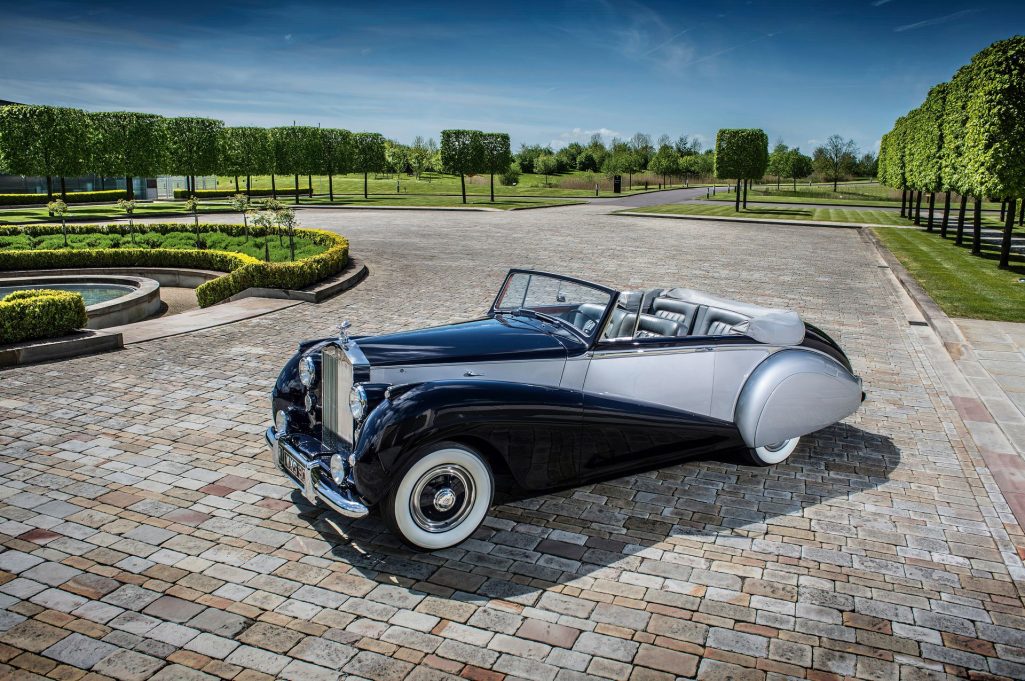
Initially, the Silver Dawn was available only as an export model, catering primarily to North American and Australian markets, with availability in the UK beginning in 1952. Of the 761 units produced, the majority were fitted with ‘Standard Steel’ four-door saloon bodies, with a select few offered as rolling chassis for bespoke coachwork. The Silver Dawn was also among the last Rolls-Royce models to offer a manual transmission, a feature that was phased out in favor of automatic gear selection—a hallmark of modern Rolls-Royce engineering.
Towards the end of its production run, the Silver Dawn’s design was subtly refined by John Blatchley, a former London coachbuilder who had joined Rolls-Royce. Blatchley’s modifications not only improved the car’s aesthetics but also increased luggage capacity, further enhancing the Silver Dawn’s practicality and luxury.
Enduring Appeal
Despite its age, the Silver Dawn remains a testament to Rolls-Royce’s enduring commitment to excellence. Today, nearly 70 years after its debut, the Silver Dawn continues to offer a refined driving experience and a comfortable ride, embodying the timeless qualities of the Rolls-Royce brand.
The Silver Dawn’s legacy is celebrated as the fifth installment in Rolls-Royce’s ‘Models of the Marque’ series, commemorating the 120th anniversary of the initial meeting between Henry Royce and Charles Stewart Rolls in 1904. Its influence is evident in the modern iterations of Rolls-Royce’s luxury vehicles, maintaining the brand’s illustrious tradition of craftsmanship and innovation.