


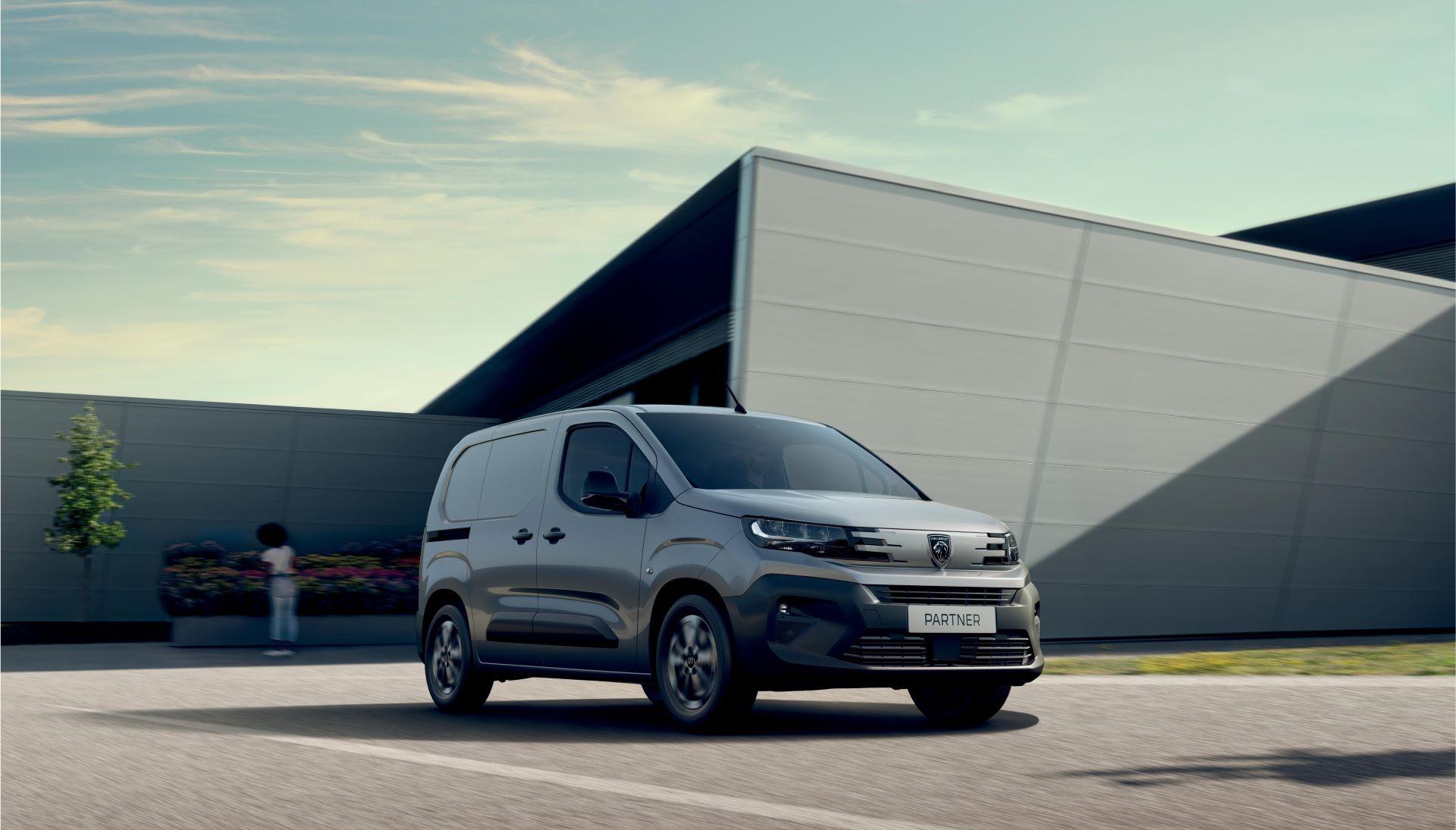
Johannesburg, South Africa — I do humbly beg pardon if I set my words a little too heavy upon the page, but there is a fine and timely gathering unfolding at the Big 5 Construct South Africa, held at the Gallagher Convention Centre, where the business of building the nation’s future is meeting the machinery that keeps it all in motion.
At the heart of this display, Stellantis Pro One is presenting its commercial vehicle line-up as a practical answer to the daily demands of construction and infrastructure work across South Africa. The message is plain and steady: movement is the lifeblood of construction, and every delay in tools, crews, or materials carries a cost that the industry can scarcely afford.
The Pro One business unit, which recorded approximately 1.65 million units sold globally in 2025 and holds a strong position in the Middle East and Africa commercial vehicle segment, arrives in Johannesburg with a clear intent. It seeks to position itself not merely as a supplier of vehicles, but as a long-term mobility partner for professional operators working in demanding environments.
On display is a selection of purpose-built workhorses designed for varied site conditions. Among them is the PEUGEOT Partner, offered in both short and long-wheelbase forms. The vehicle brings with it a generous load volume of up to 4.4 m³, a payload capacity reaching 1 000 kg, and fuel consumption as low as 5.1 L/100 km. Its dual sliding doors and wide rear access are engineered with tight urban worksites in mind, where efficiency is measured in seconds saved per stop. Inside, a 10-inch digital cluster and touchscreen system support drivers through long operational hours, while integrated safety and assistance systems aim to reduce fatigue and risk on busy routes.
Alongside it, the PEUGEOT Landtrek appears in Single Cab and Double Cab forms, serving those who require rugged versatility for mixed terrain and load requirements. The range is further strengthened by the Citroën Citroën Hola Panelvan, and the compact yet distinctive FIAT TRIS, each contributing to a broader ecosystem of work-ready mobility solutions.
Speaking on the occasion, Moeketsi Mapogo, Stellantis Brand Head for Pro One LCV, reflected on the realities of the sector with a simple truth: construction runs on movement. Materials, crews, and equipment must reach the right place at the right time, and the vehicle, in this setting, becomes a working tool rather than a convenience. His remarks underscore the intent behind the showcase, which is to demonstrate how practical design, fuel efficiency, and manoeuvrability can directly influence productivity on site.
The PEUGEOT Partner in particular stands as an example of this philosophy in practice. Its balance of load space, economy, and urban agility is presented as a solution tailored for the stop-start rhythm of construction logistics. Paired with aftersales support and service networks, it is positioned to help operators maintain uptime and reduce operational friction.
Behind the vehicles themselves sits a broader strategic shift. Under the FaSTLAne2030 plan, Stellantis is advancing toward multi-energy van platforms built on the STLA Brain architecture, signalling a transition from traditional vehicle supply to a more integrated service ecosystem for professional customers. This approach reflects an understanding that modern fleet operators require more than hardware; they require continuity, support, and adaptability across the full lifecycle of their operations.
As Mapogo notes, South Africa and the wider Sub-Saharan region remain key growth markets, with expectations of steady expansion built around practical mobility solutions that allow businesses to achieve more with less. It is a sentiment that fits neatly within the atmosphere of Big 5 Construct South Africa, where innovation and infrastructure meet in pursuit of a shared objective: building better, faster, and with greater efficiency.
If I may be so bold, I do hope this account serves your needs faithfully and without misstep.