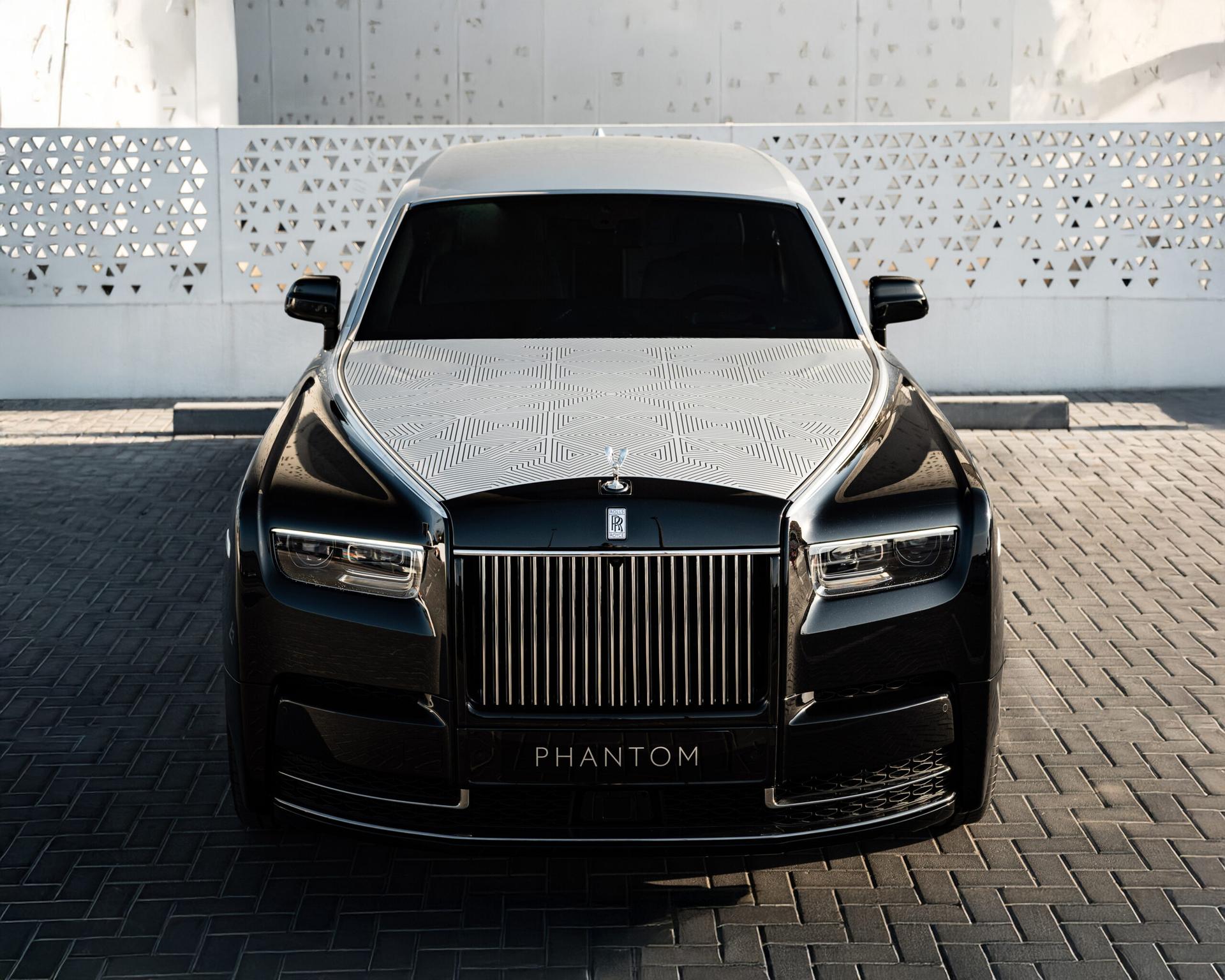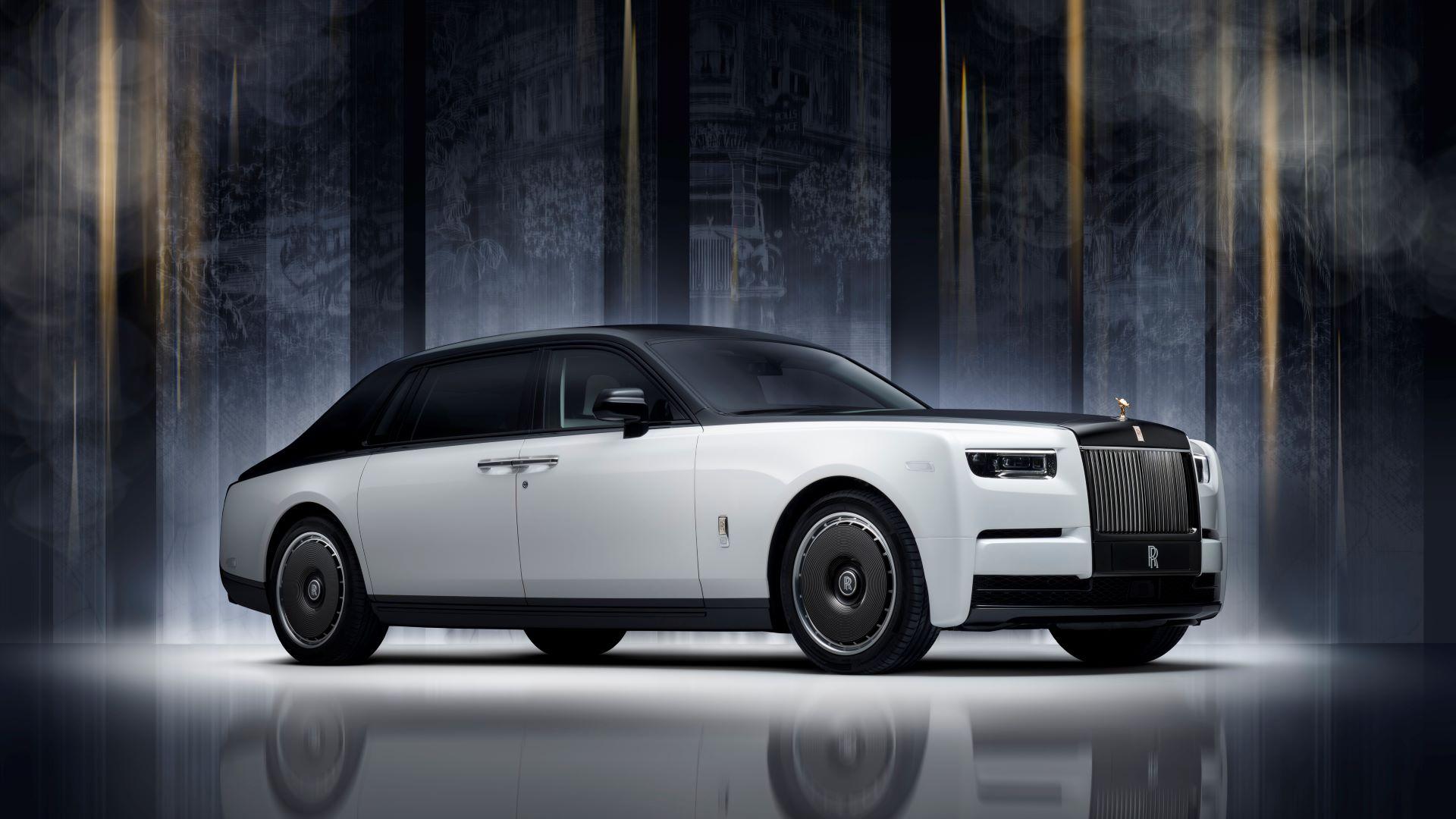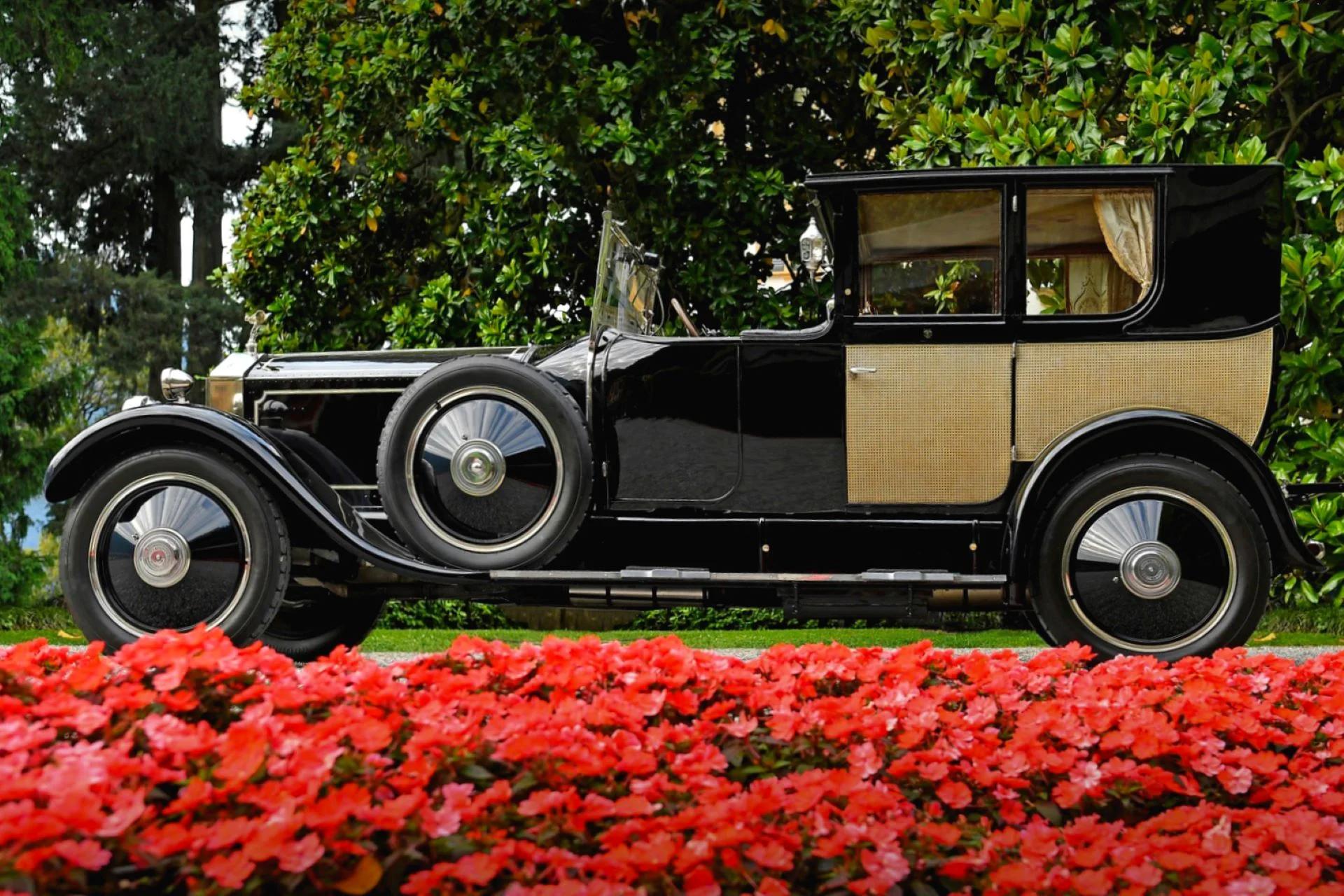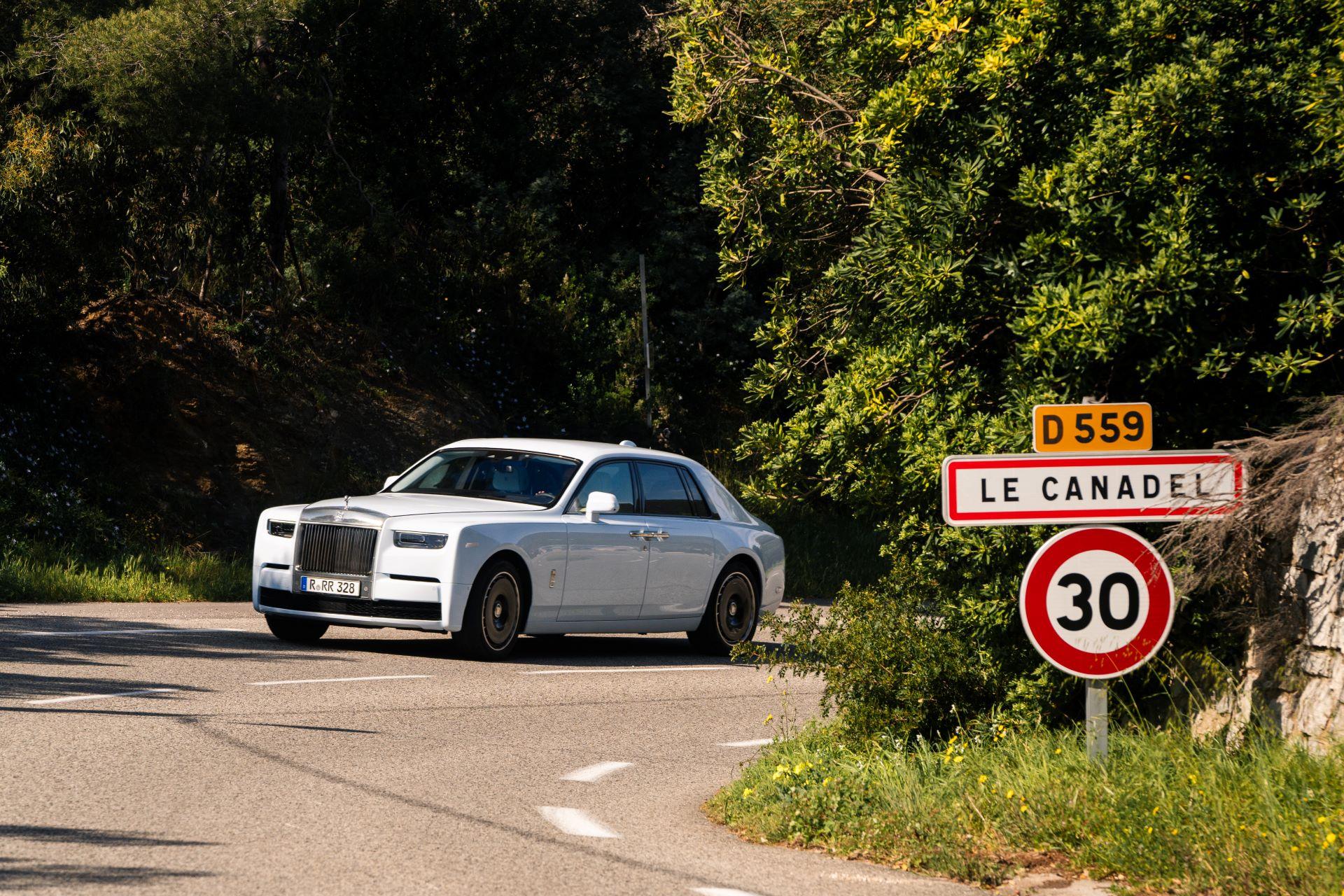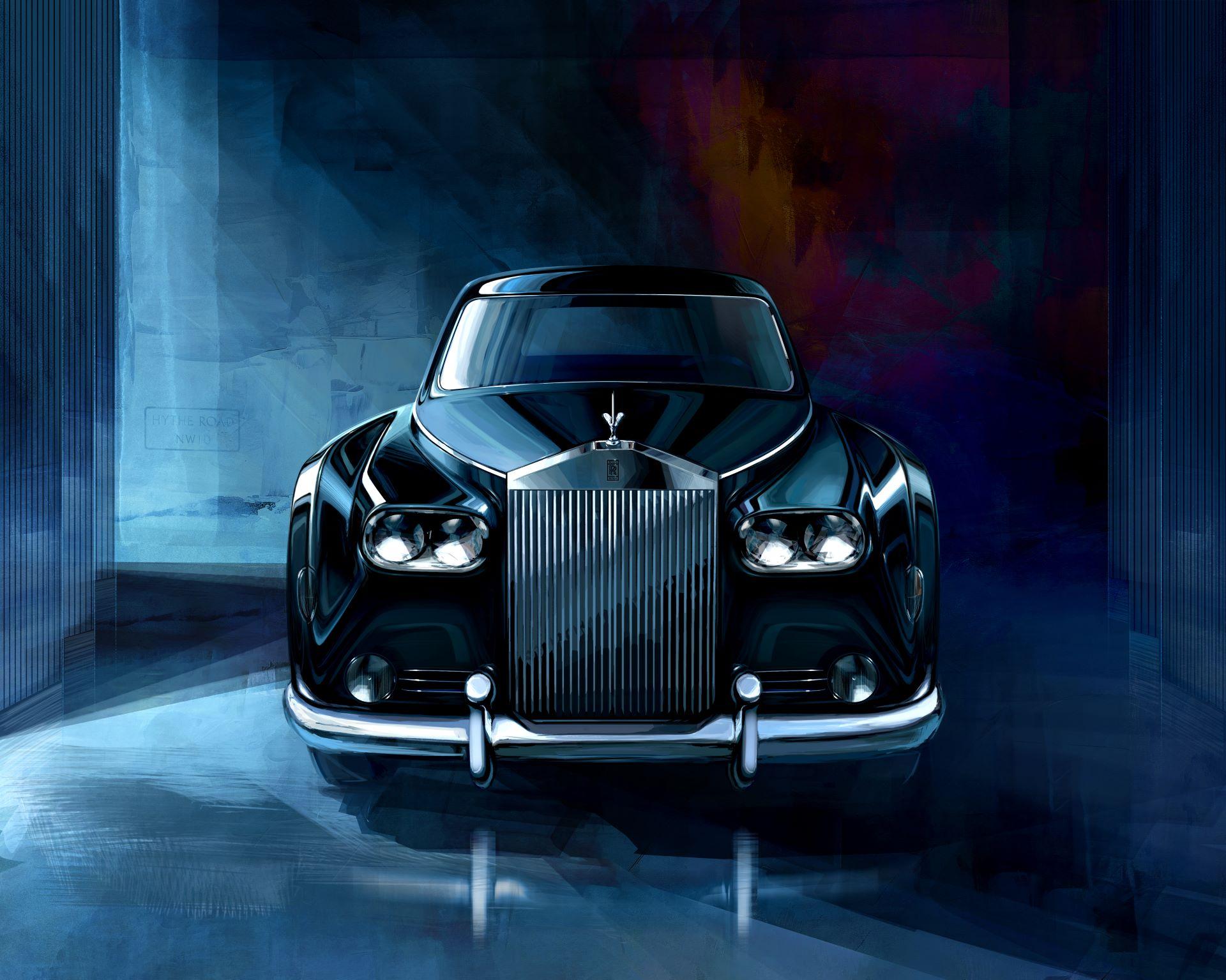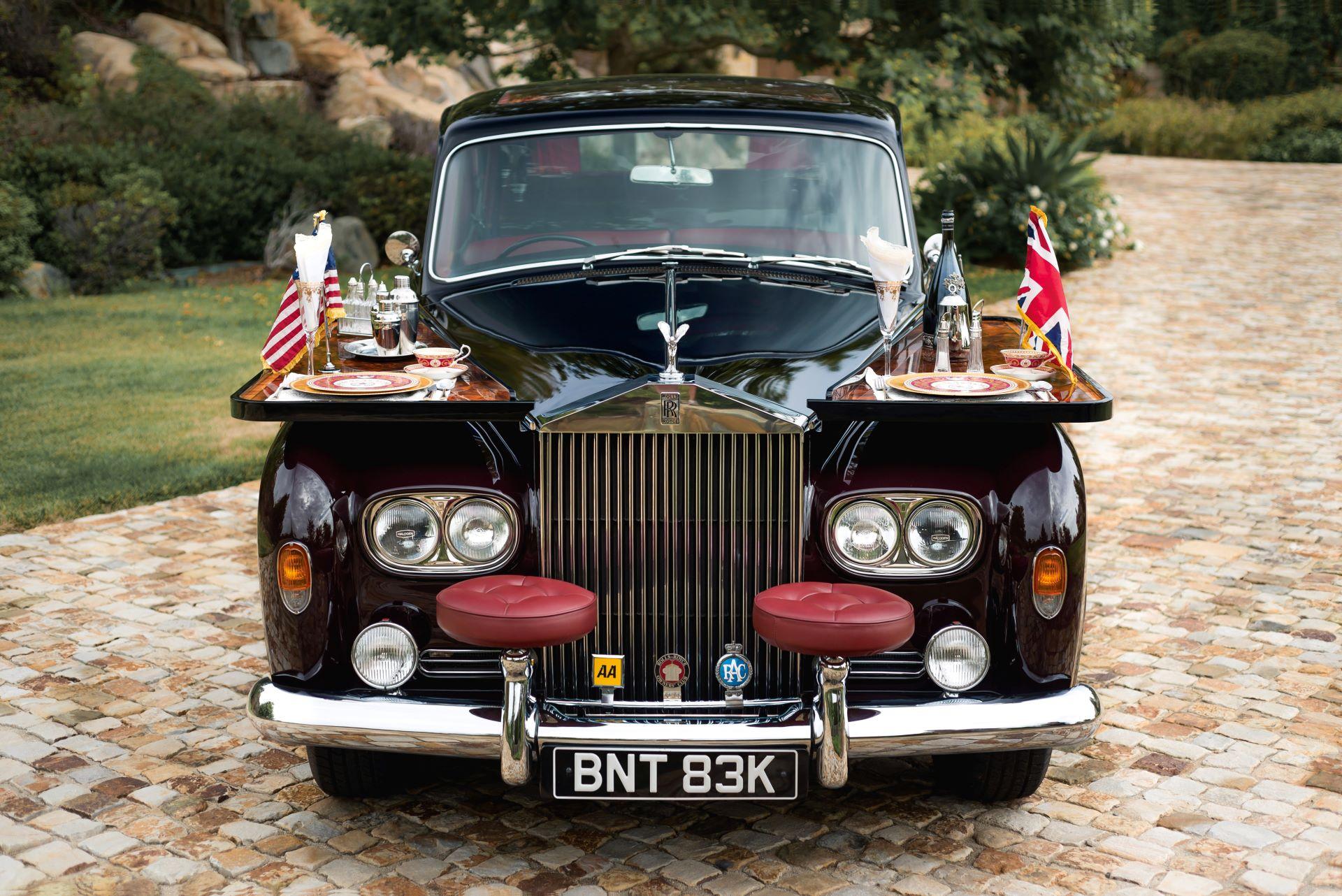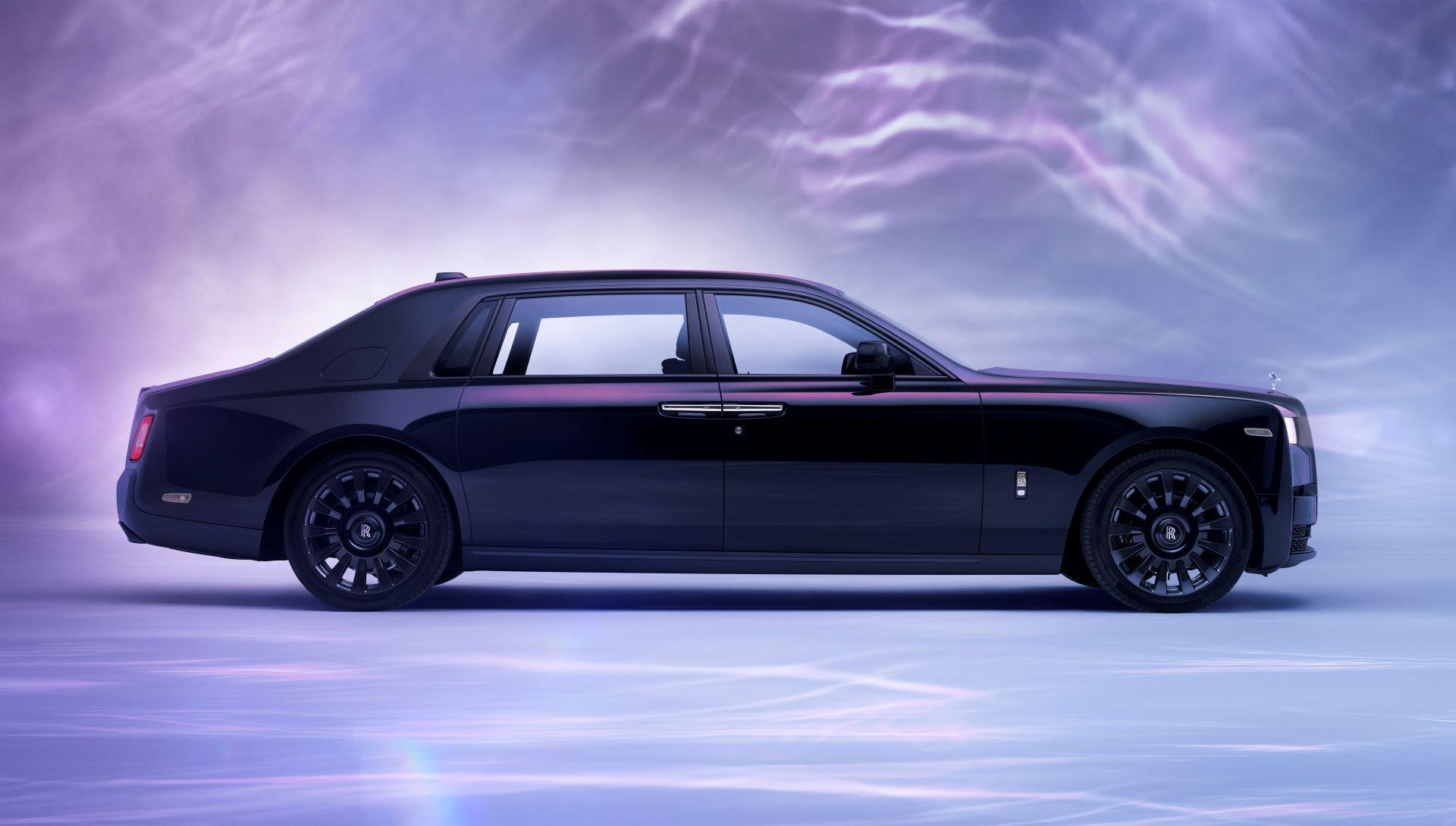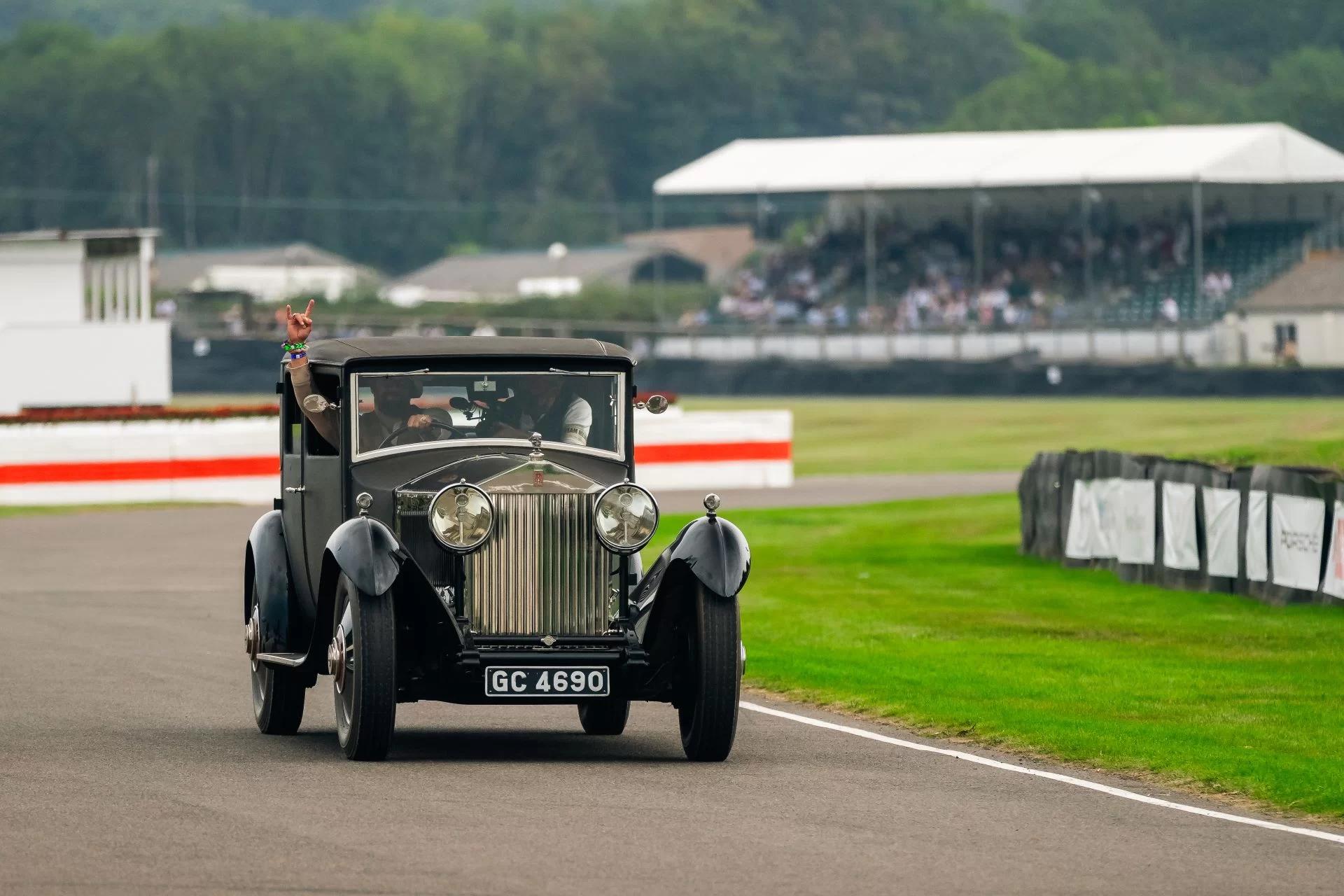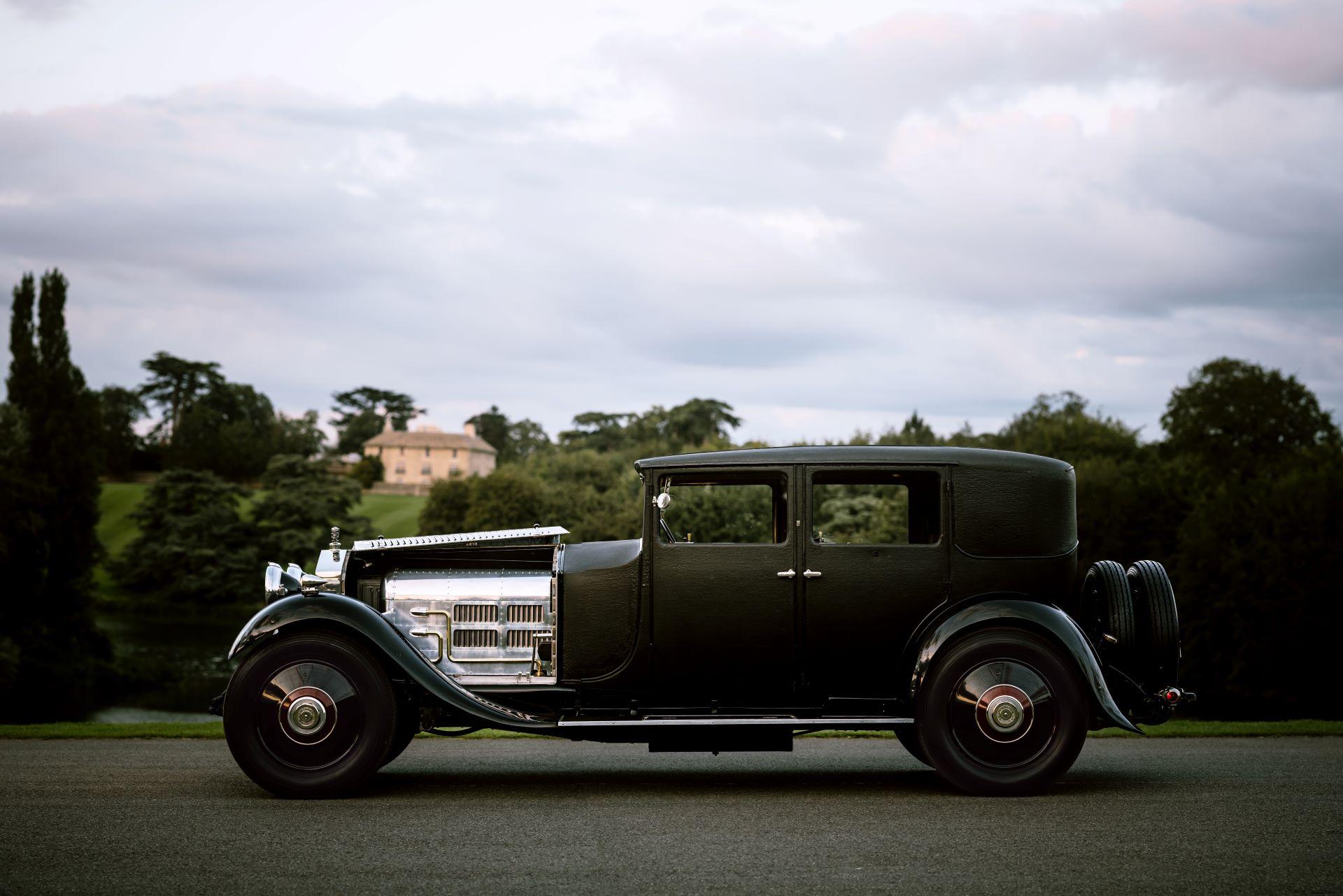




For over a hundred years, the Rolls-Royce Phantom has been inseparable from the world of music, standing not just as a symbol of achievement but as a canvas for self-expression. From the smoky jazz clubs of the 1920s to the swagger of contemporary hip-hop, Phantom has carried legends across every genre—becoming a star in its own right along the way.
Chris Brownridge, Chief Executive of Rolls-Royce Motor Cars, summarises this enduring connection:
“From the Golden Age of Hollywood to the rise of hip-hop, over the last 100 years, music artists have used Phantom to project their identity and challenge convention. Their motor cars often became icons in their own right, with a lasting place in the history of modern music. This enduring connection reminds us that Rolls-Royce and the extraordinary people who are part of the marque’s story are united by one ambition: to make their presence felt.”
A Legacy Interwoven with Music History
The association between Rolls-Royce and music began almost as early as the recording industry itself. Before John Lennon, Elvis Presley and Pharrell Williams etched Phantom into modern folklore, figures such as Duke Ellington, Count Basie, Edith Piaf, Ravi Shankar and Sam Cooke all travelled in Rolls-Royce. Equally, pioneering music moguls—Brian Epstein, Berry Gordy and Ahmet Ertegun—saw Phantom as the ultimate emblem of artistry and success.
Across generations and continents, Rolls-Royce has remained the reward for creative brilliance. Yet no model encapsulates this bond more than Phantom, the marque’s pinnacle creation. Across eight generations, Phantom has consistently attracted the most influential figures in music, drawn to its engineering excellence, artistry and the freedom it offers to reflect individuality.
Icons Behind the Wheel
Phantom’s role in music history is defined by the artists who made it their own:
- Marlene Dietrich received a green Phantom I upon her Hollywood arrival in 1930, a gift that soon appeared alongside her in the film Morocco.
- Elvis Presley, at the height of his fame, personalised his Phantom V with a microphone, mirror-polished paintwork, and even a writing pad for spontaneous inspiration.
- John Lennon transformed his Phantom V into a psychedelic masterpiece, a symbol of the Summer of Love, before commissioning an all-white Phantom for his minimalist phase with Yoko Ono.
- Liberace, “Mr Showmanship,” covered his Phantom V in mirrored tiles, driving it on stage during his Las Vegas performances.
- Sir Elton John owned several Phantoms, each personalised to match his flamboyant persona—one even finished in pink and white before being gifted to percussionist Ray Cooper.
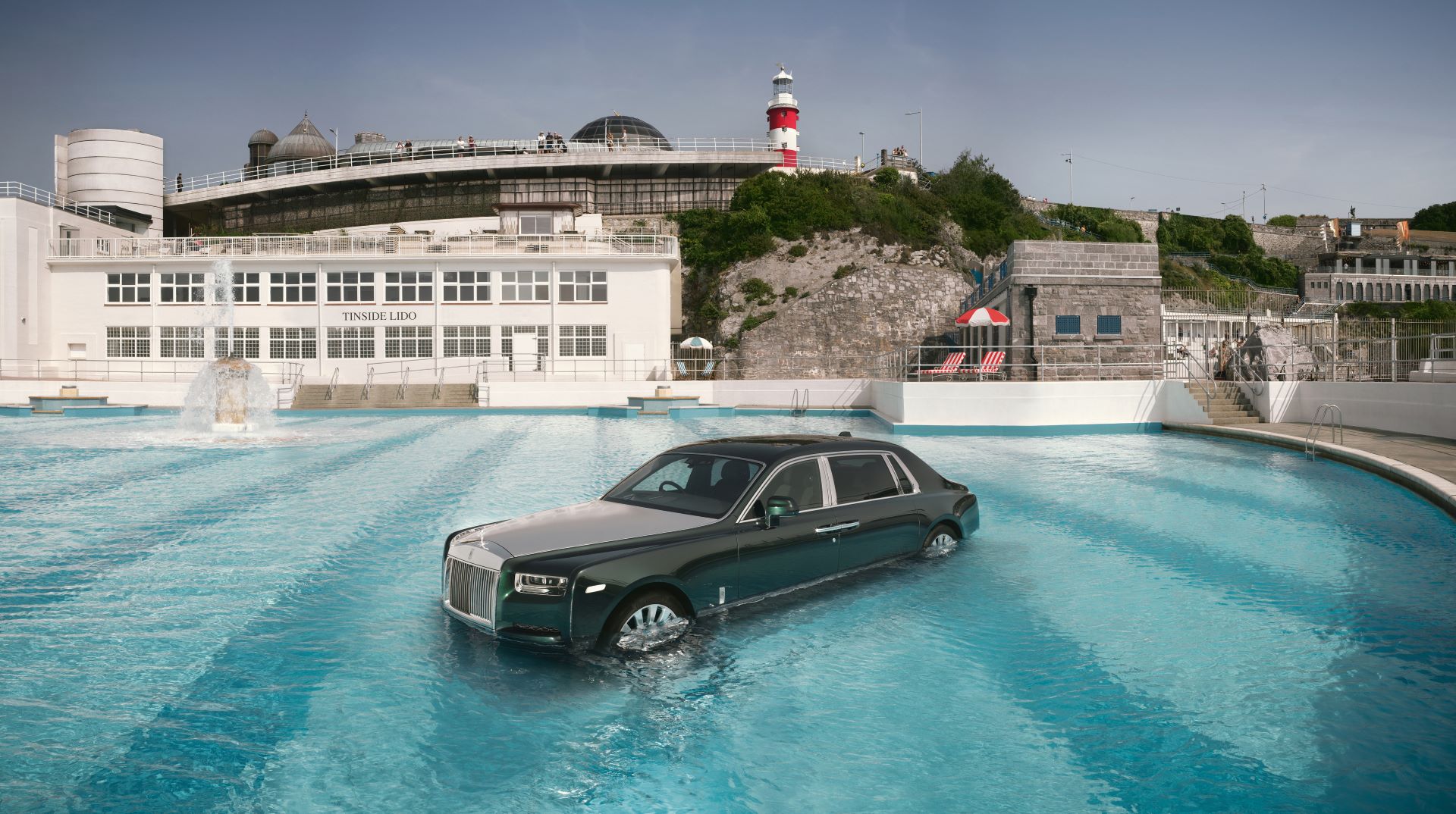
- Keith Moon’s notorious 21st birthday gave rise to the enduring legend of a Rolls-Royce plunged into a swimming pool, cementing Phantom in rock mythology.
From Rock to Rap
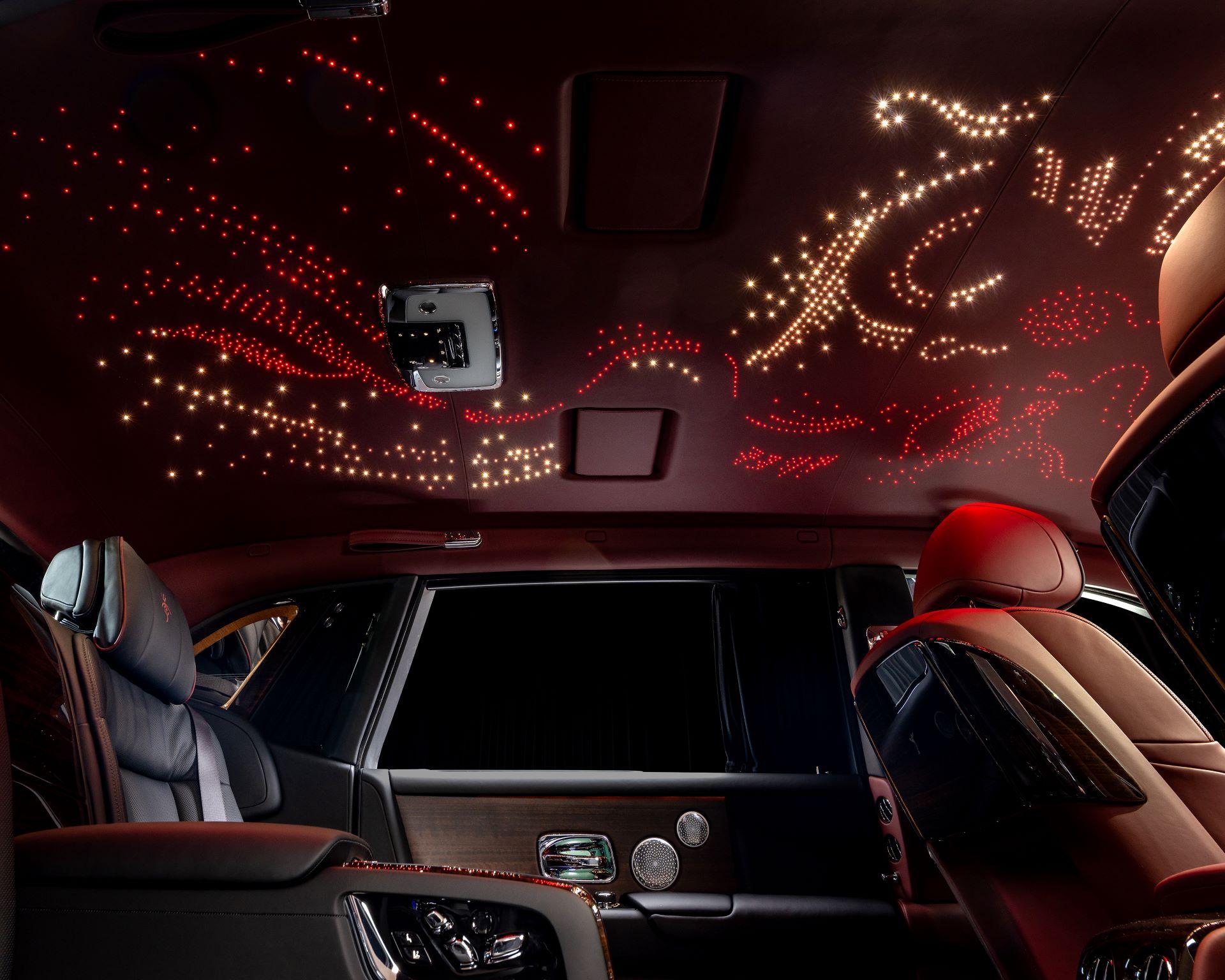
As Phantom entered its Goodwood era in 2003, it became a fixture of modern hip-hop culture. Rolls-Royce soon became the most name-checked brand in lyrics worldwide, immortalised in songs and videos. From Pharrell and Snoop Dogg’s Drop It Like It’s Hot to 50 Cent’s cameo in Entourage, Phantom became synonymous with success, individuality and aspiration. Even the marque’s Starlight Headliner—celebrated in countless rap verses as “stars in the roof”—owes much of its iconic status to hip-hop’s influence.
Encore: Phantom’s Timeless Appeal
As Phantom approaches its centenary in 2025, it continues to serve as the ultimate expression of creative freedom. Each generation of artists has found in Phantom a means of amplifying their identity, challenging convention, and leaving behind a legacy that transcends music. More than a car, Phantom is a cultural artefact—an icon among icons—forever harmonising with the soundtrack of modern history.