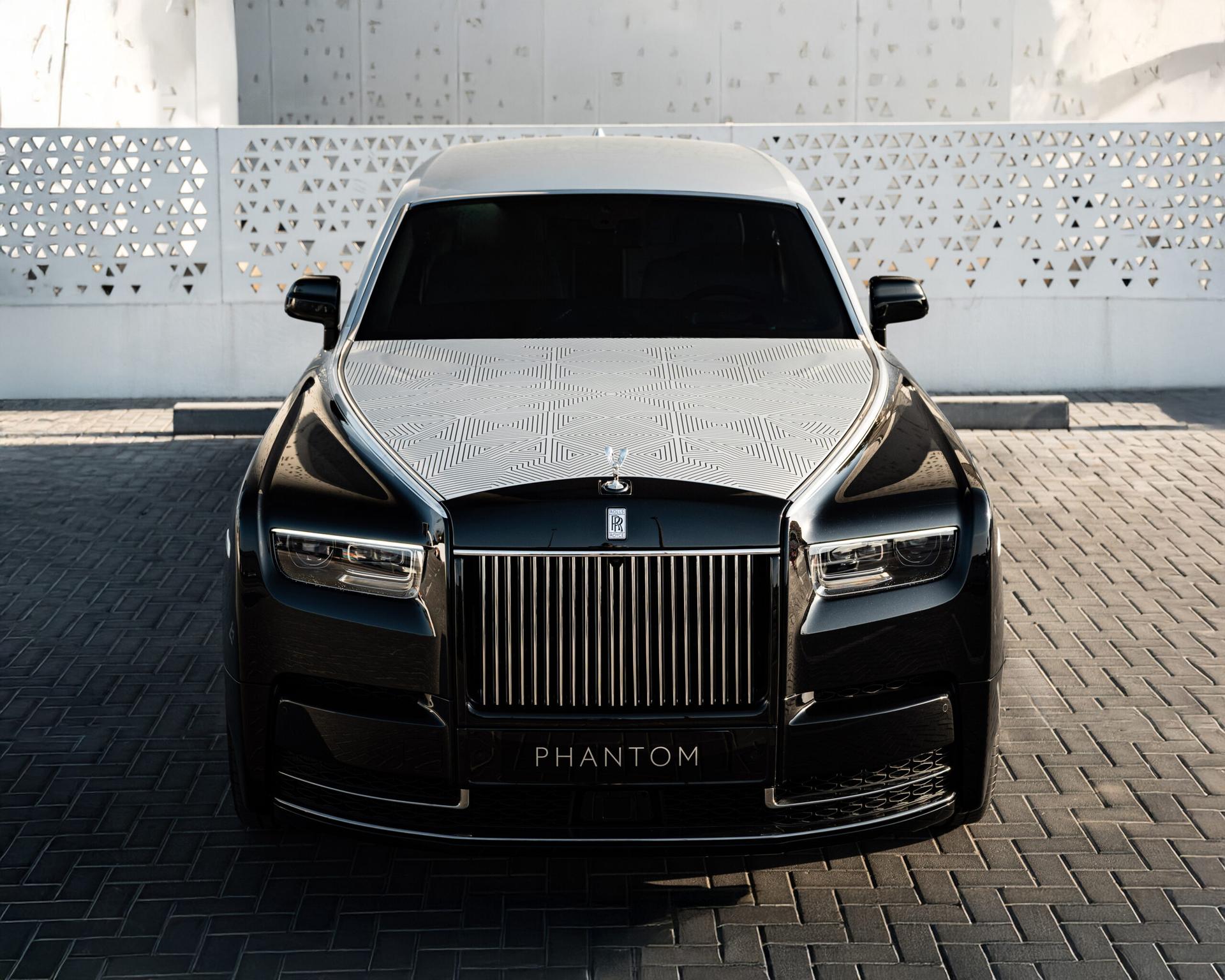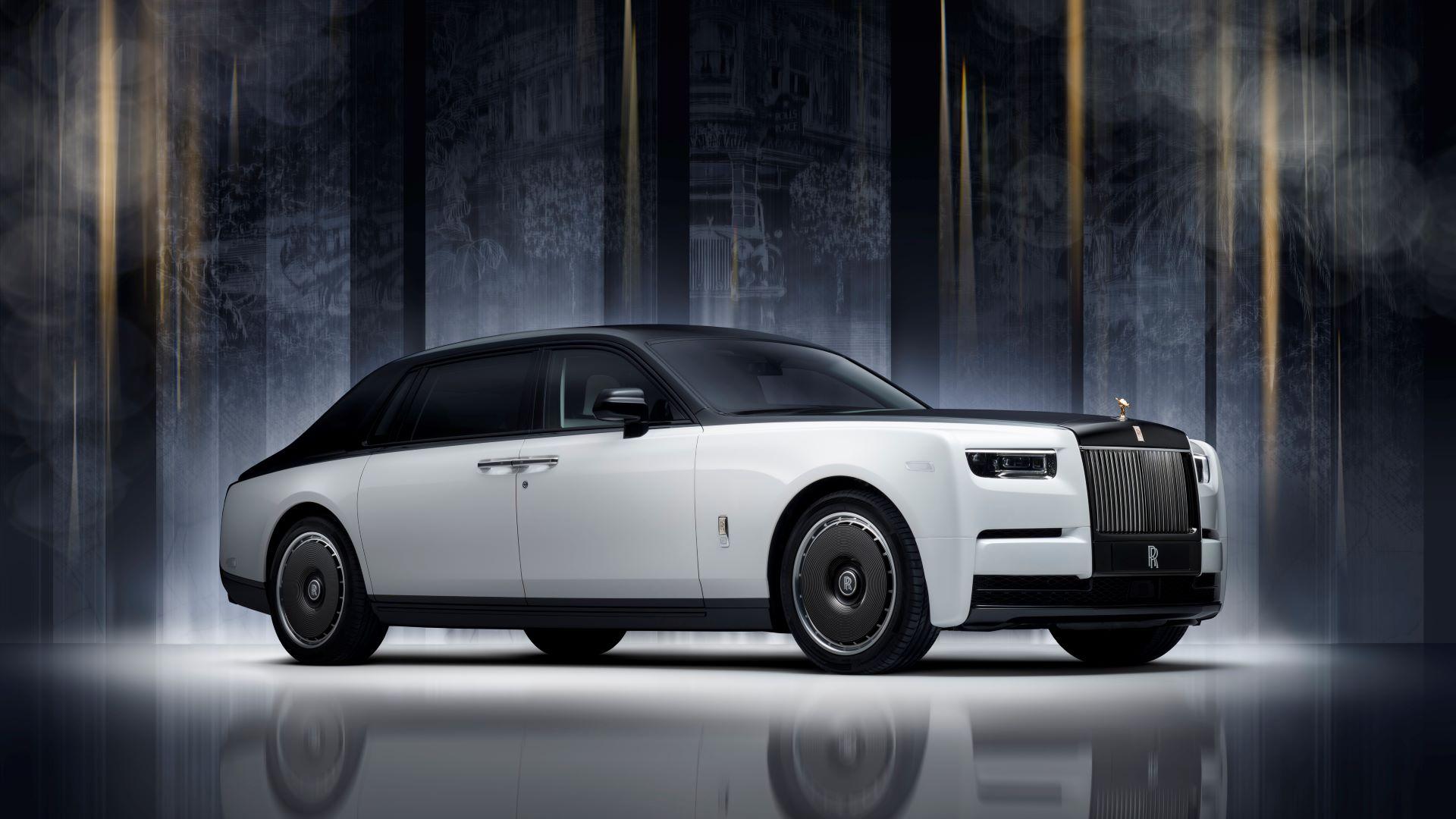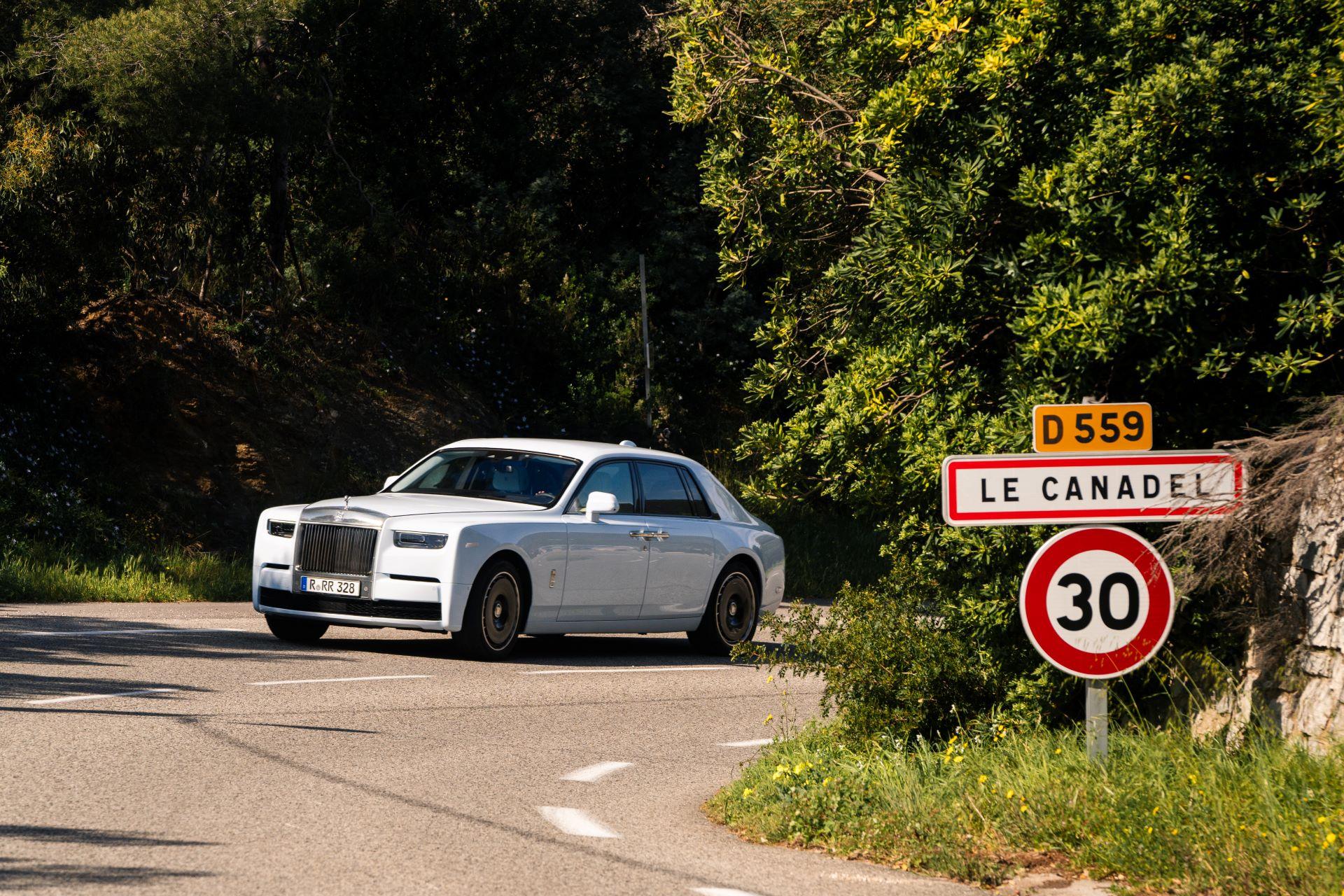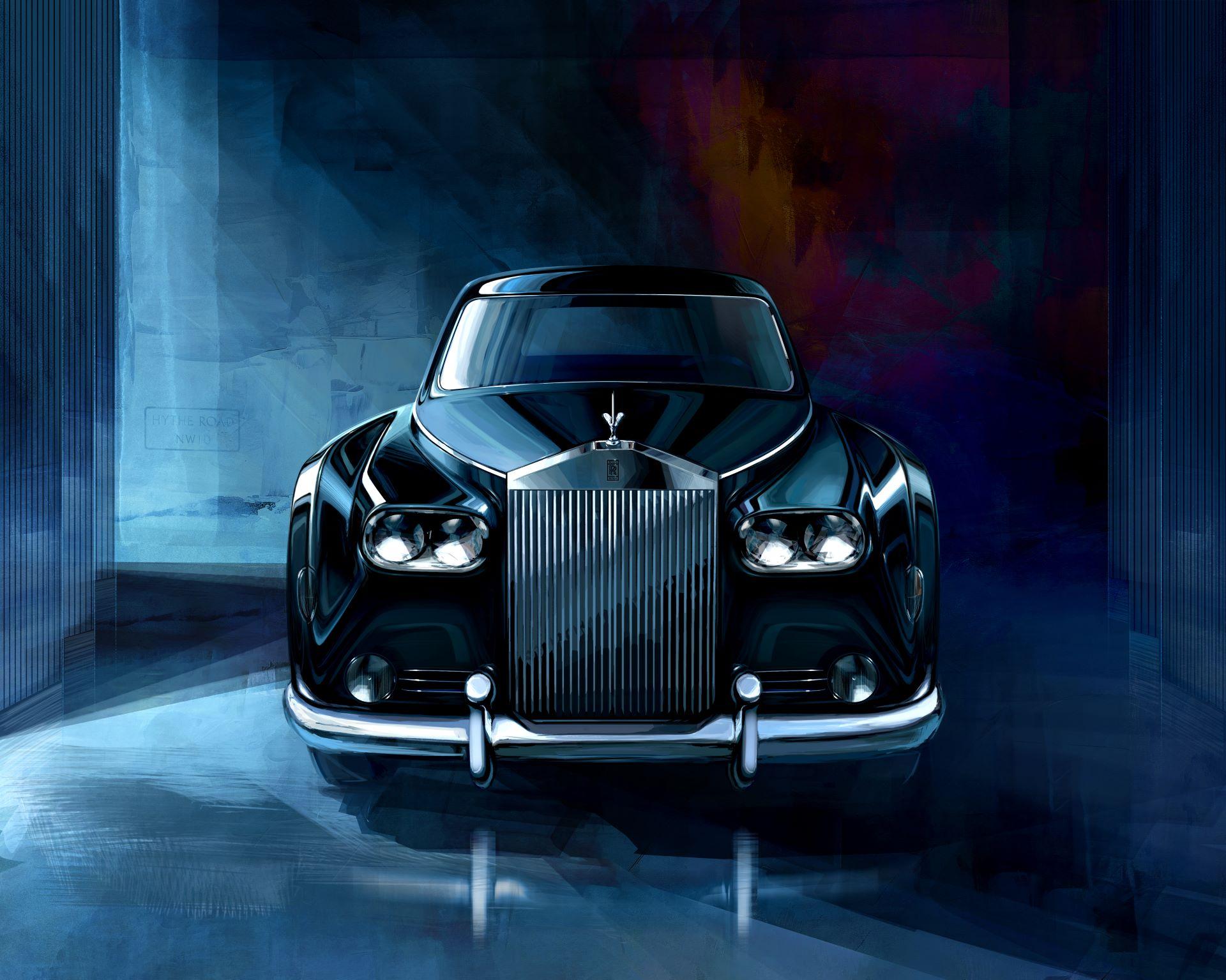



For one hundred years, the Rolls-Royce Phantom has reigned as the definitive expression of luxury, artistry, and cultural reflection. Since its debut in May 1925, the Phantom has transcended its status as a mere motor car to become an enduring symbol of individuality — a canvas upon which its owners, from royalty to revolutionaries of art and industry, have expressed their personal visions of perfection.
As Rolls-Royce Chief Executive Chris Brownridge aptly reflects, “The story of Phantom’s first 100 years is uniquely human, told through the Bespoke details commissioned by generations of clients. The evolution of their requests, richly detailed here, reflects profound shifts in society, culture and technology. It also highlights Phantom’s unique capacity to capture its owner’s personal tastes and desires – a quality that continues to draw clients to the marque, and indeed to Phantom itself, today.”
A LEGACY OF POWER AND PRESTIGE
From the moment the first Phantom appeared, it became the natural choice for those whose presence shaped nations and defined eras. Early commissions from India’s Maharajas saw Phantoms clad in silver and copper, designed to shimmer under the subcontinental sun. These creations were not only feats of craftsmanship but symbols of divine rule — expressions of status rendered in precious metal.
By contrast, the Phantom VI commissioned for the Lord Mayor of London nearly fifty years later demonstrated the same grandeur, but with a distinctly ceremonial purpose. Its bespoke rear armrest was designed specifically to cradle the ornate ceremonial mace — an understated yet deeply symbolic example of Phantom’s ability to blend function with prestige.
THE EVOLUTION OF PRIVACY AND PRESENCE
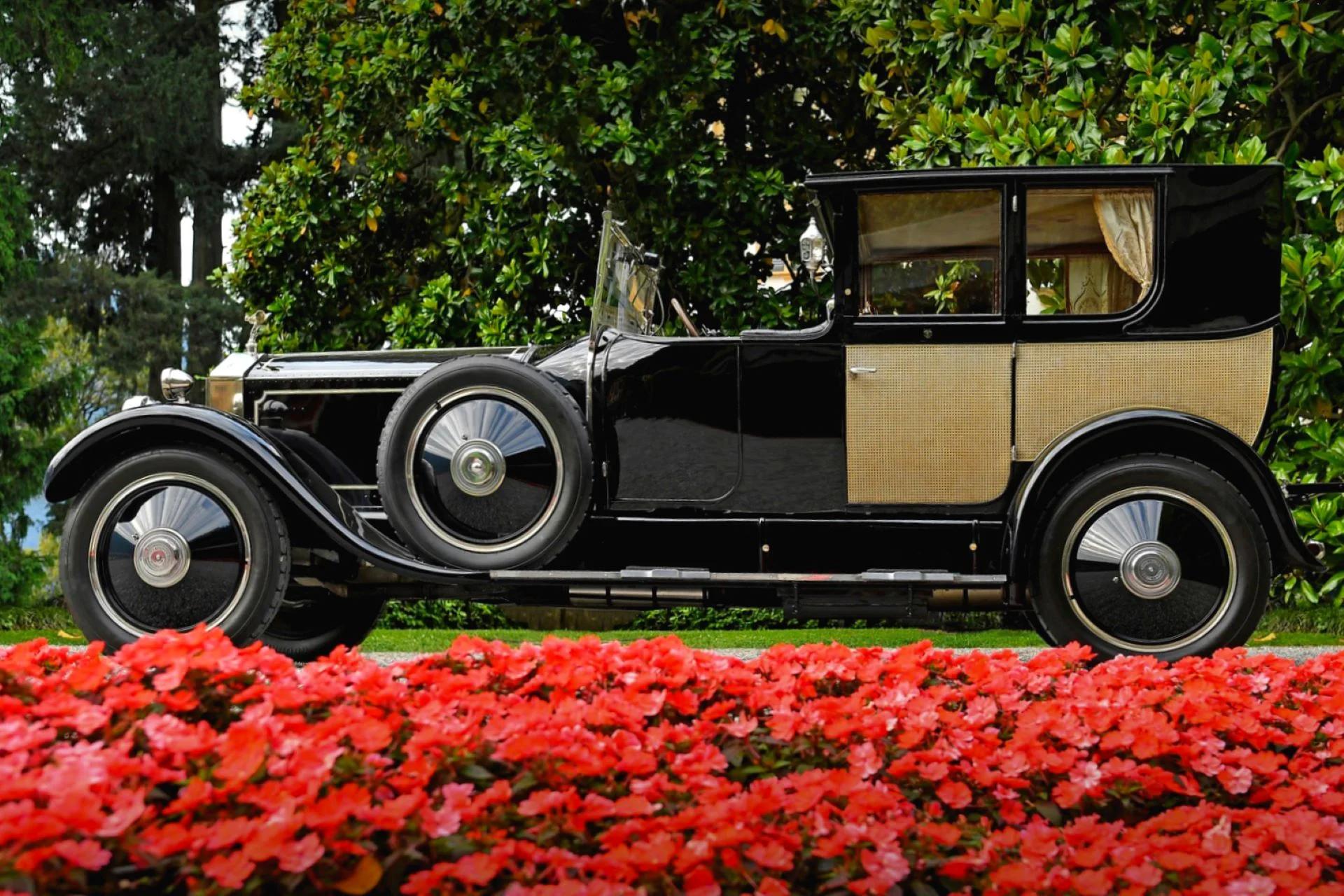
In an age before celebrity, privacy was a matter of dignity rather than discretion. Early 20th-century Phantoms often featured heavy curtains, allowing monarchs, diplomats, and dignitaries to move unseen. In India, ‘purdah’ cars protected royal passengers from public gaze, while in Britain, adjustable seating allowed occupants to slide gracefully in or out of view.
By the mid-century, this theme evolved with the introduction of transparent Perspex domes and removable aluminium covers — innovations that balanced visibility and seclusion. These features would later find spiritual successors in today’s Privacy Suite: soundproof, technologically advanced, and tailored for a modern age where fame demands both exposure and retreat.
A SYMBOL OF CONFIDENCE AND CONFIDENTIALITY
As media attention turned public figures into global icons, Phantom became both a symbol of success and a sanctuary from it. When John Lennon’s psychedelic Phantom V first appeared in 1965, its tinted glass and bold exterior embodied the era’s rebellious creativity — yet also its yearning for privacy.
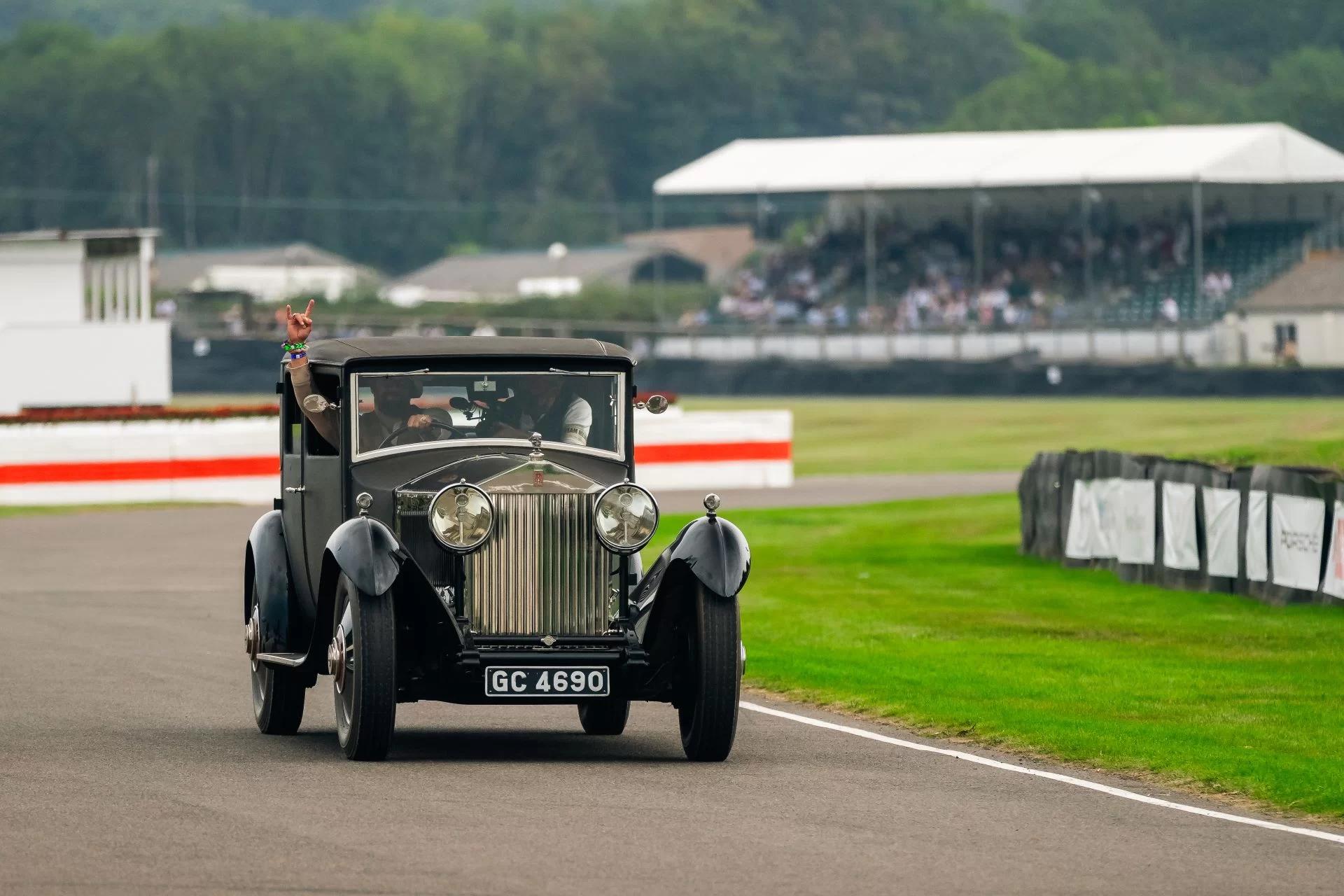
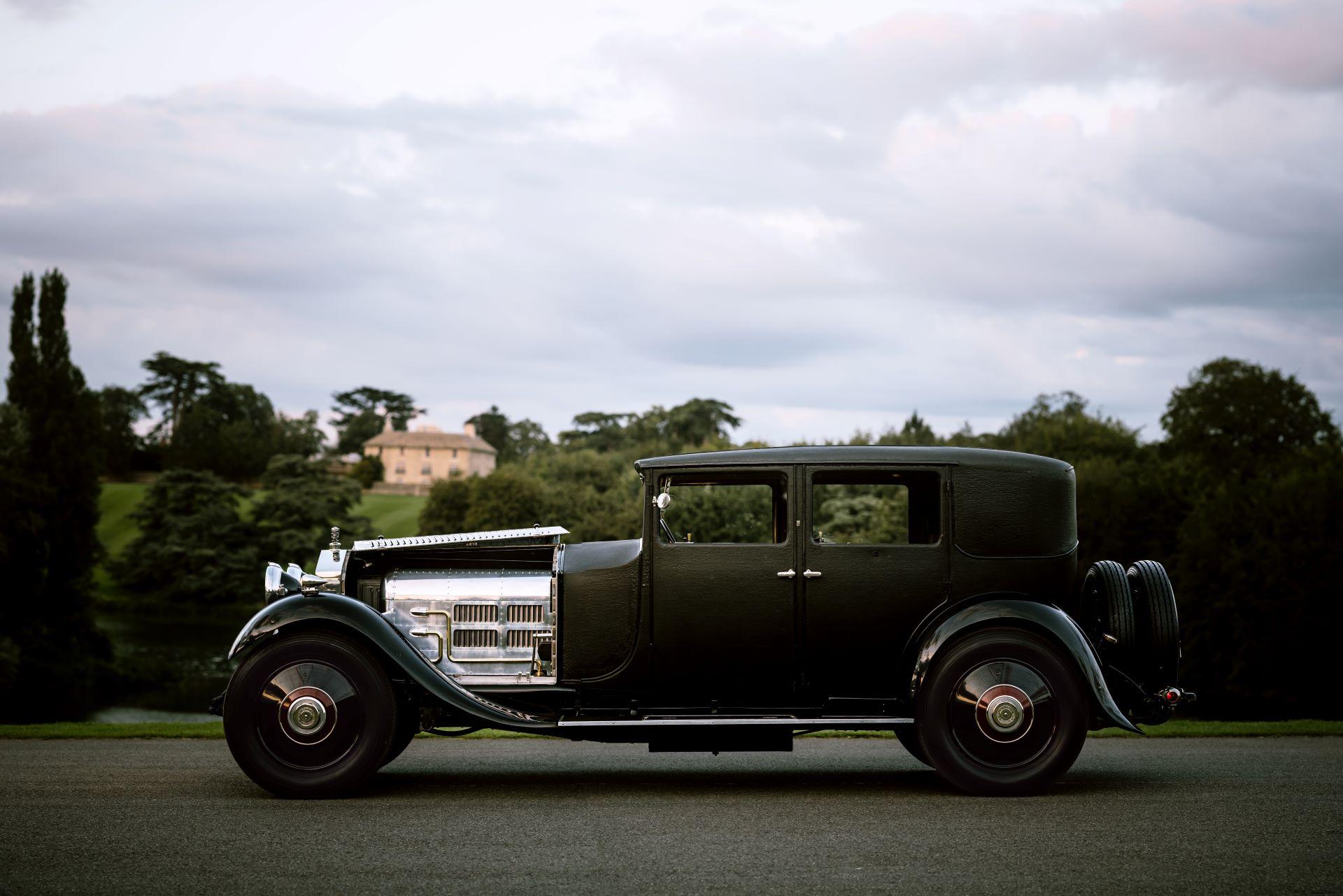
Others pursued secrecy with subtler intent. Otto Oppenheimer’s 1928 Phantom I ‘Black Diamond’, built for De Beers’ London operations, concealed a hidden compartment for transporting uncut gems — a feature known only to its creator and owner. Nearly a century later, that same car’s mystique was reaffirmed when it claimed the Cartier Style et Luxe crown at the 2025 Goodwood Festival of Speed.
THE CHANGING FACE OF LUXURY
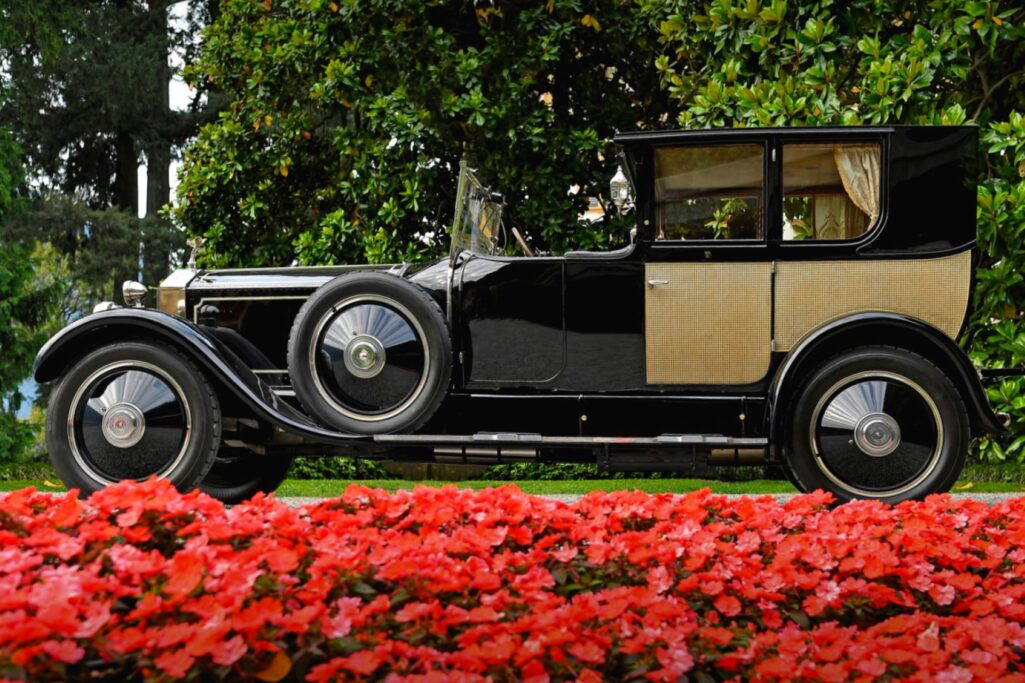
From the opulence of the Jazz Age to the minimalist refinement of today, Phantom has continually mirrored evolving notions of taste. The 1930s’ Art Deco influence — all polished copper, geometric design and industrial glamour — gave way to the lush, romantic excesses of bespoke commissions like The Phantom of Love (1926). Conceived as a gift from Woolworths director Clarence Gasque to his wife, the car’s Versailles-inspired interior included gilded ceilings, Aubusson tapestry upholstery and ormolu-mounted vases — a motor car transformed into a palace on wheels.
In later decades, understated sophistication came to define the Rolls-Royce aesthetic. Materials such as ‘West of England’ cloth and William Playne Twill replaced ostentation with quiet refinement. Her Majesty Queen Elizabeth II’s preference for Baroda Blue and Light Grey exemplified a more restrained, dignified interpretation of luxury that continues to inform contemporary design philosophy.
LEISURE, ENTERTAINMENT, AND THE ART OF LIVING WELL
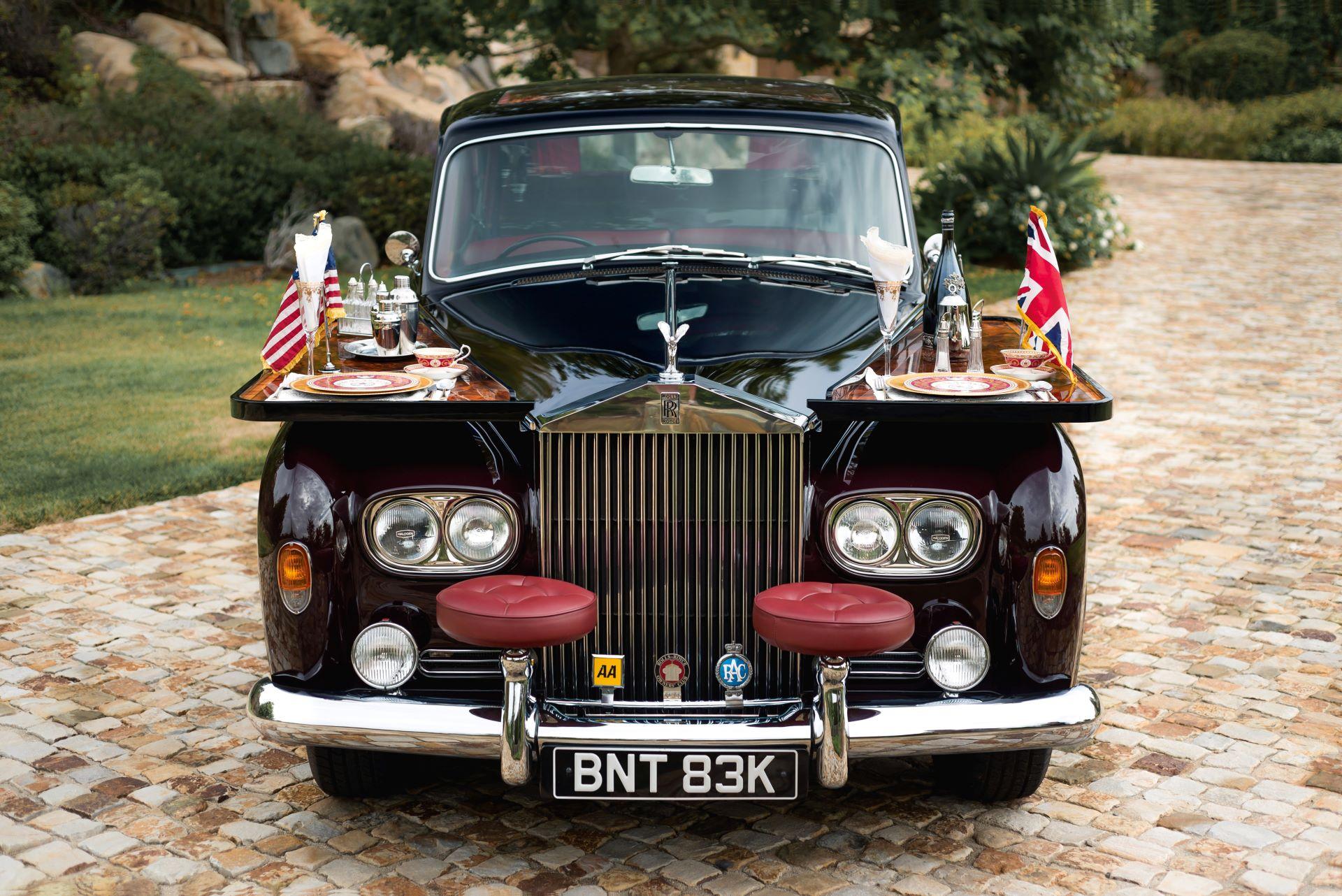
Across its century, Phantom has remained not merely a mode of transport, but a social space — a mobile salon for conversation, celebration, and culture. During America’s Prohibition, clandestine compartments concealed crystal decanters and flasks, a subtle rebellion against the times. After repeal, these features evolved into proudly displayed cocktail sets and drinks cabinets — traditions that live on in today’s Champagne Chest and Cocktail Hamper.
Technology, too, found its way into Phantom’s refined environment. The Phantom II once carried a gramophone; the Phantom III introduced in-car radios. By the 1960s, Phantom V owners such as Elvis Presley embraced televisions and microphones — novelties that prefigured today’s immersive Bespoke Audio systems, now among the finest sound experiences in any motor car.
THE GOODWOOD ERA: A NEW DEFINITION OF BESPOKE
When Rolls-Royce entered its modern era at Goodwood, Phantom once again became a platform for the avant-garde — a bridge between heritage and innovation. The Phantom Serenity transformed hand-painted silk into a tranquil, garden-like sanctuary, while Phantom Drophead Coupé Waterspeed honoured Sir Malcolm Campbell’s Bluebird K3 with brushed steel and vivid Maggiore Blue, celebrating engineering prowess and artistic courage in equal measure.
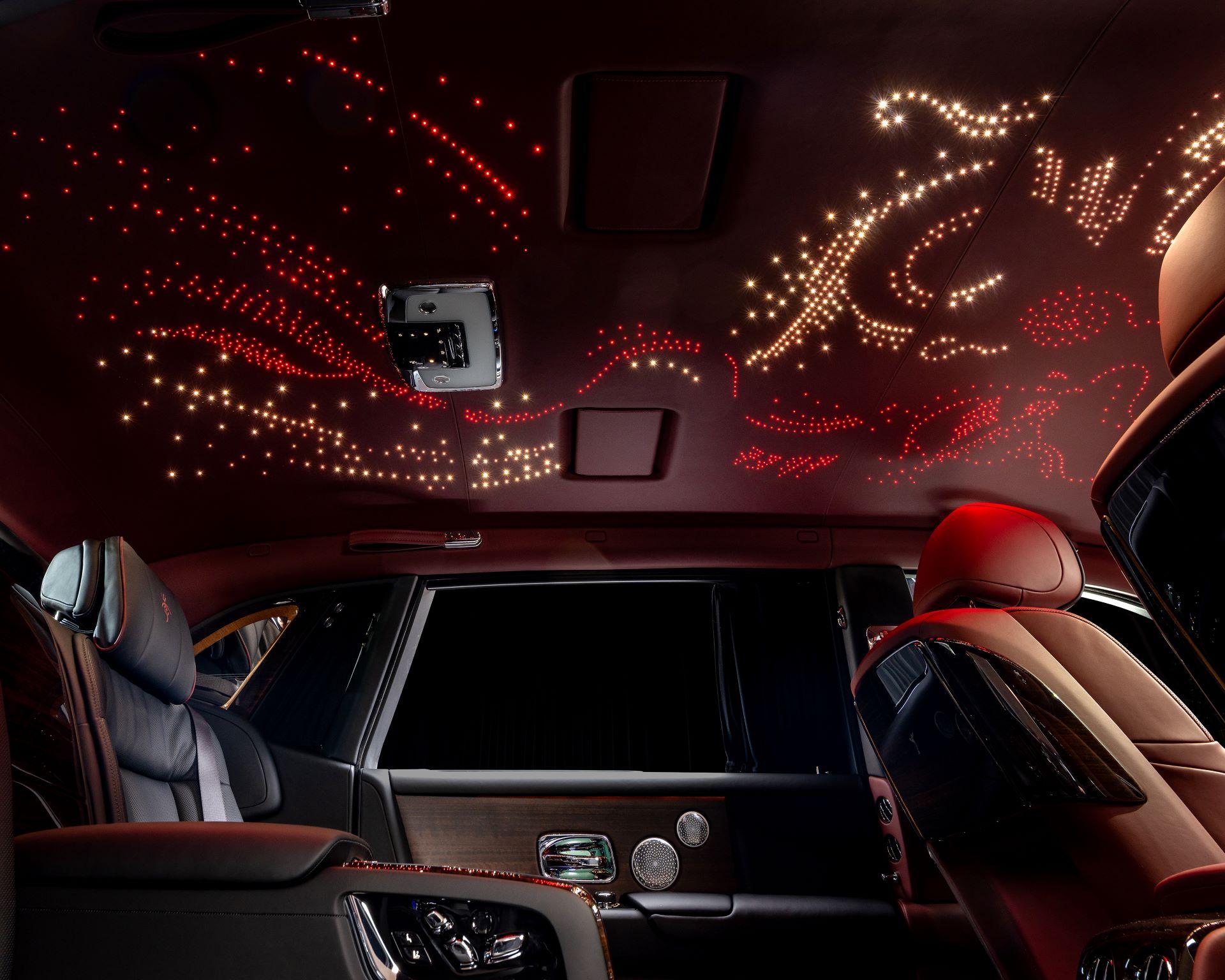
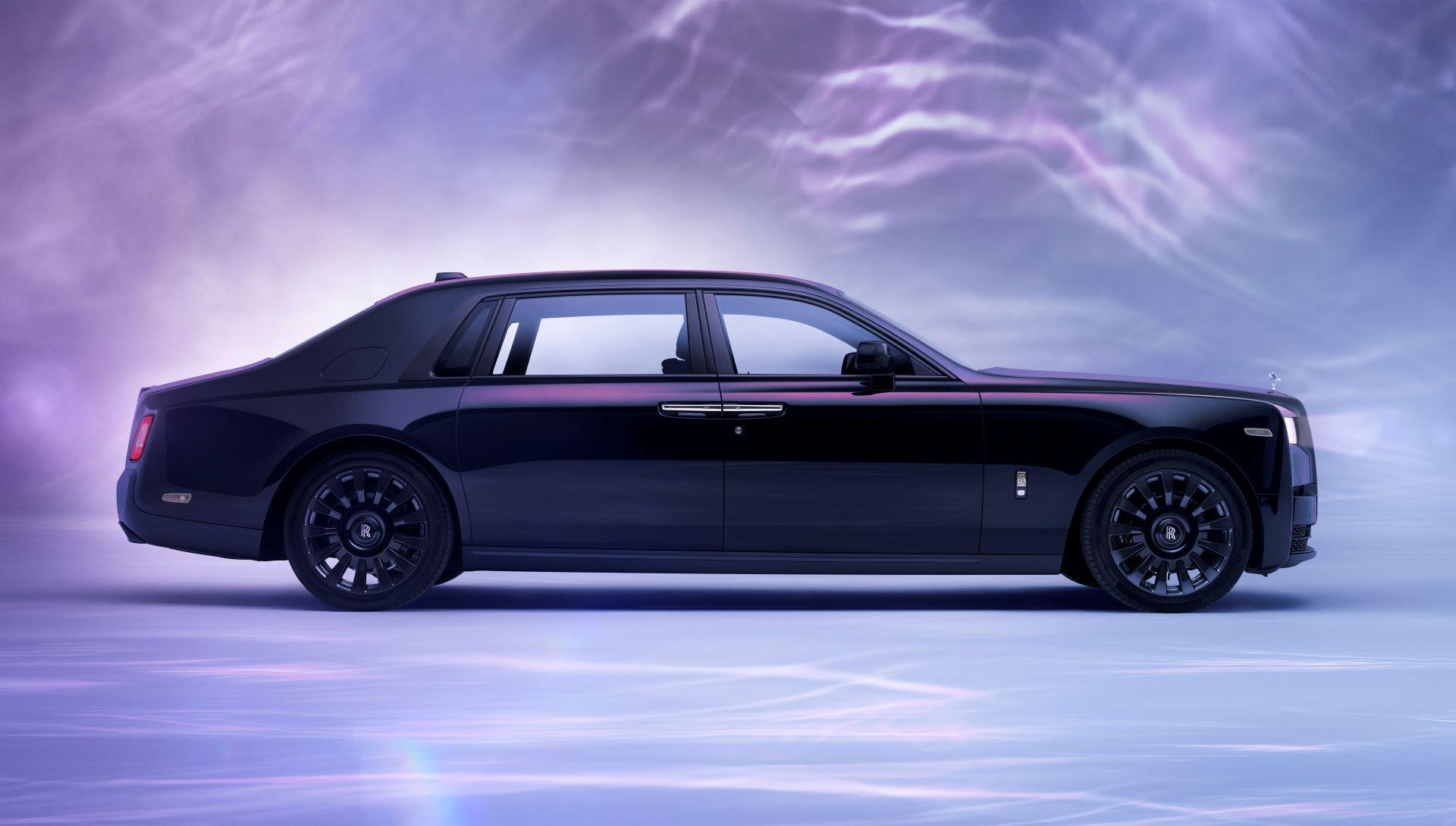
In recent years, Phantom’s role as muse has only deepened. Phantom Syntopia, created in collaboration with Dutch couturier Iris van Herpen, merged haute couture with automotive design — its sculptural silk headliner requiring over 700 hours to perfect. Phantom Scintilla, meanwhile, captured the ethereal movement of the Spirit of Ecstasy through 869,500 stitches and a starlit ceiling of 4,450 perforations.
These are not cars in the conventional sense; they are works of art that move, breathe, and inspire.
A CENTURY OF CULTURAL EXPRESSION
Across eight generations, Phantom has reflected the world’s shifting ideals — from gilded imperial splendor to quiet, modern grace. Each Bespoke commission serves as both a time capsule and a testament: a mirror of human creativity, aspiration, and self-expression.
For one hundred years, Phantom has not merely accompanied history — it has helped to shape it. And as Rolls-Royce looks toward the next century, one truth endures: through Bespoke, Phantom is not only the best car in the world — it is the best car for its owner and their world.