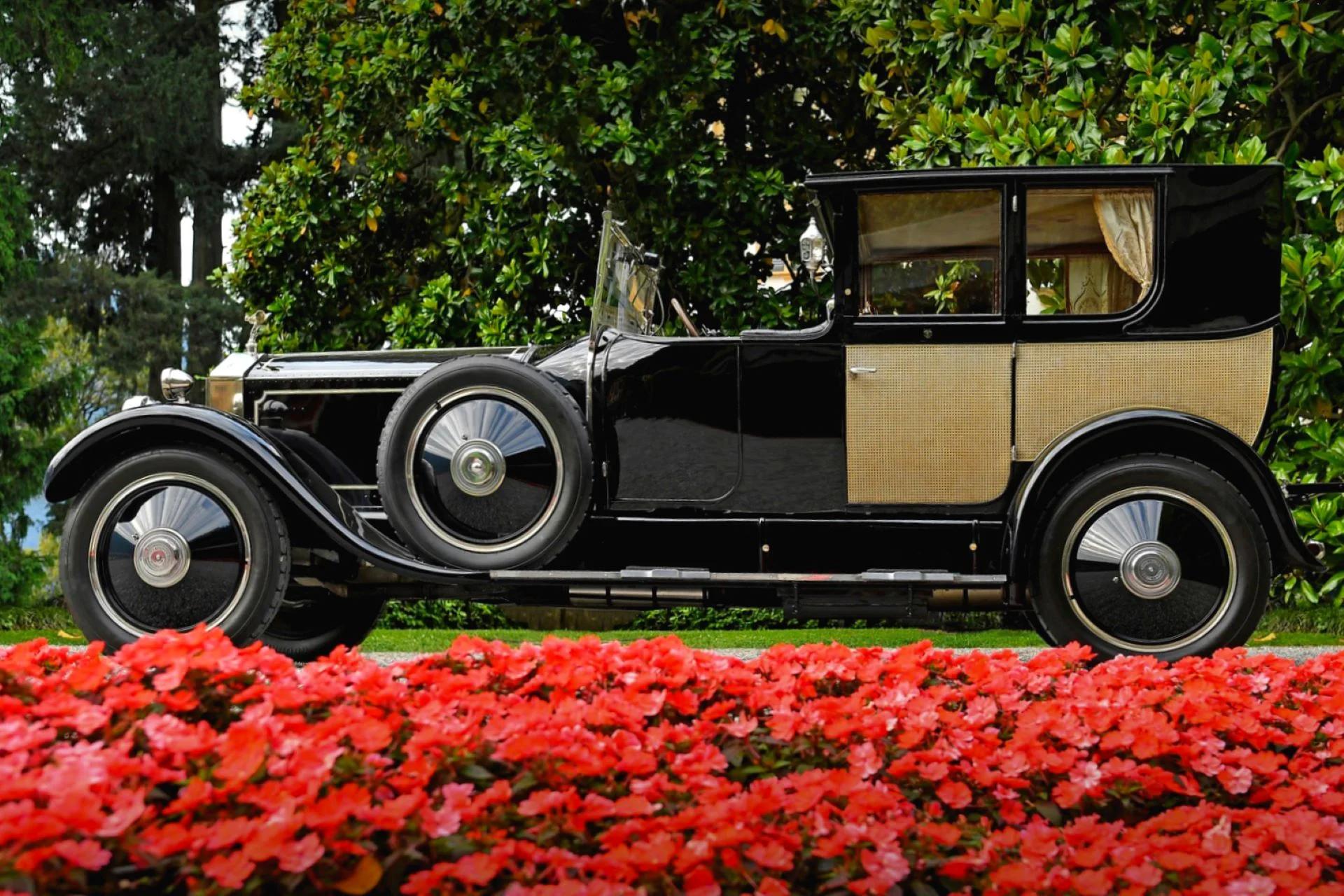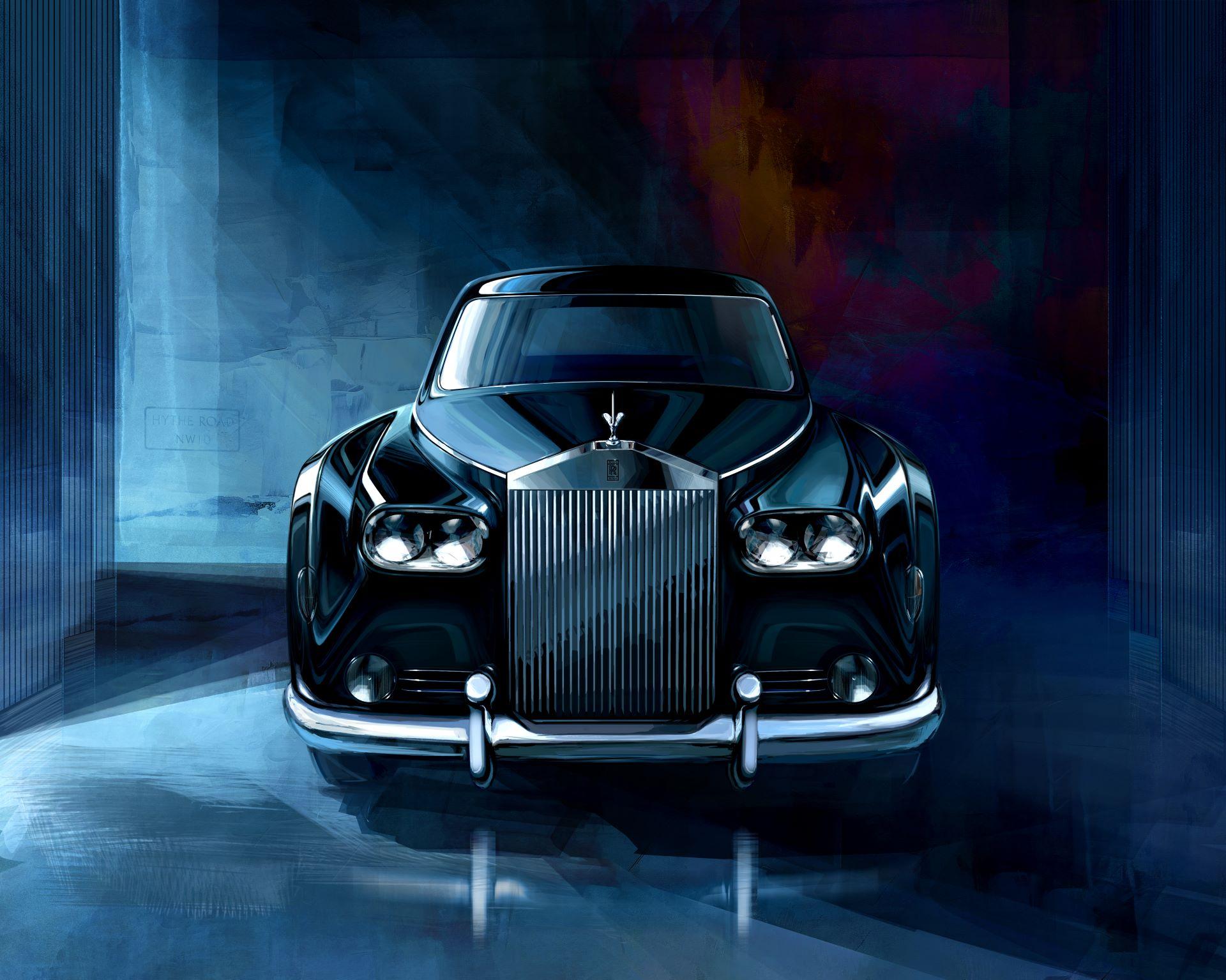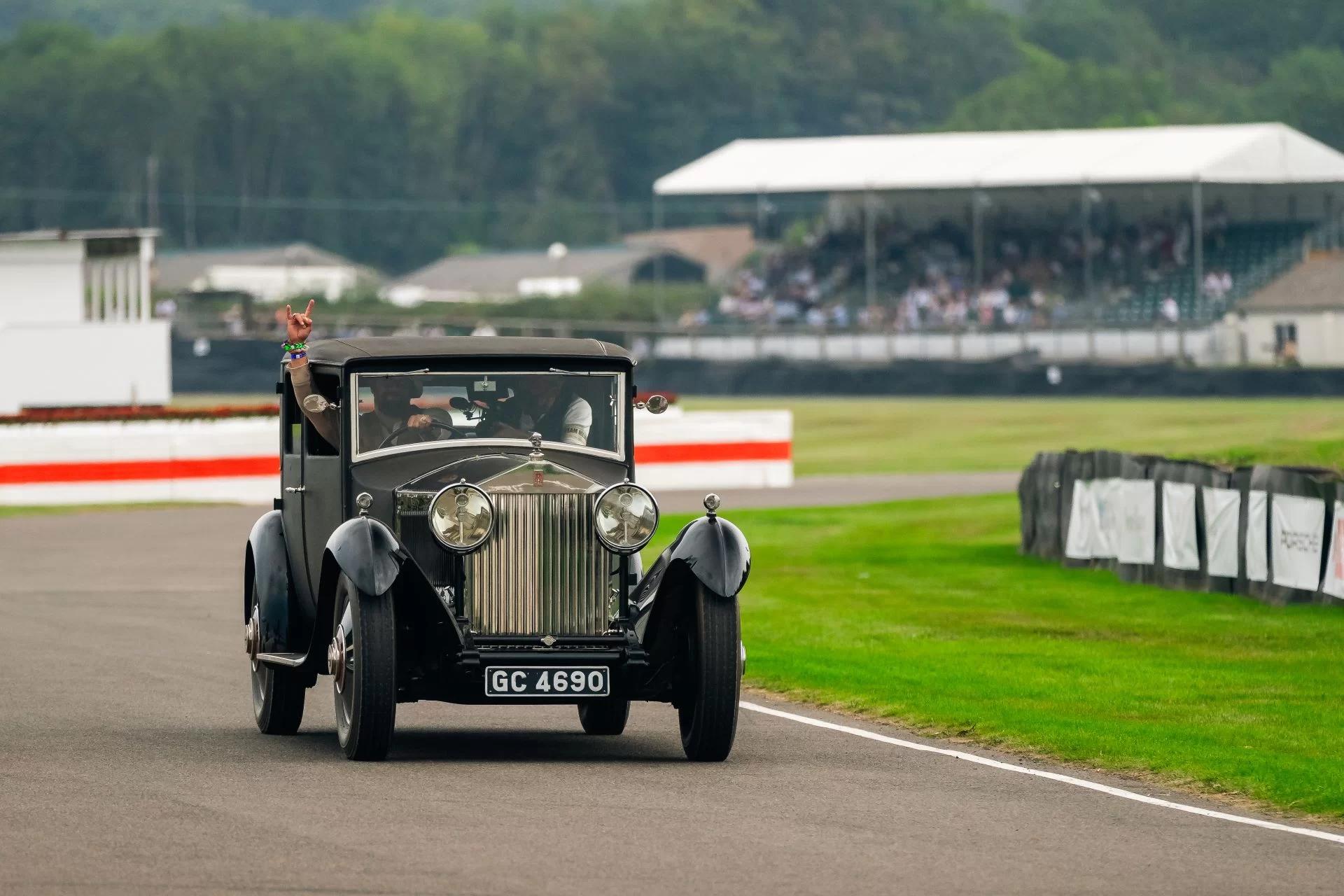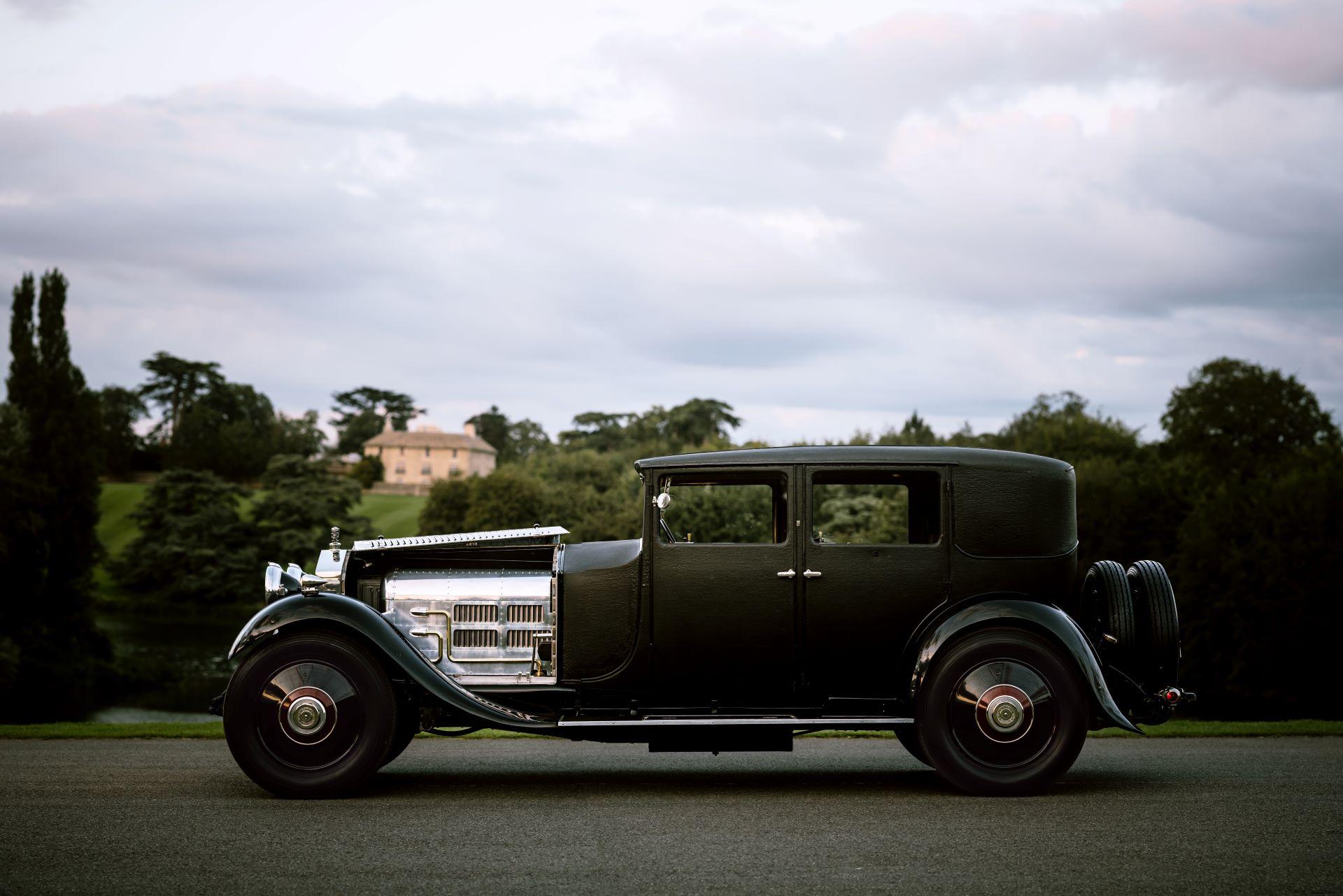



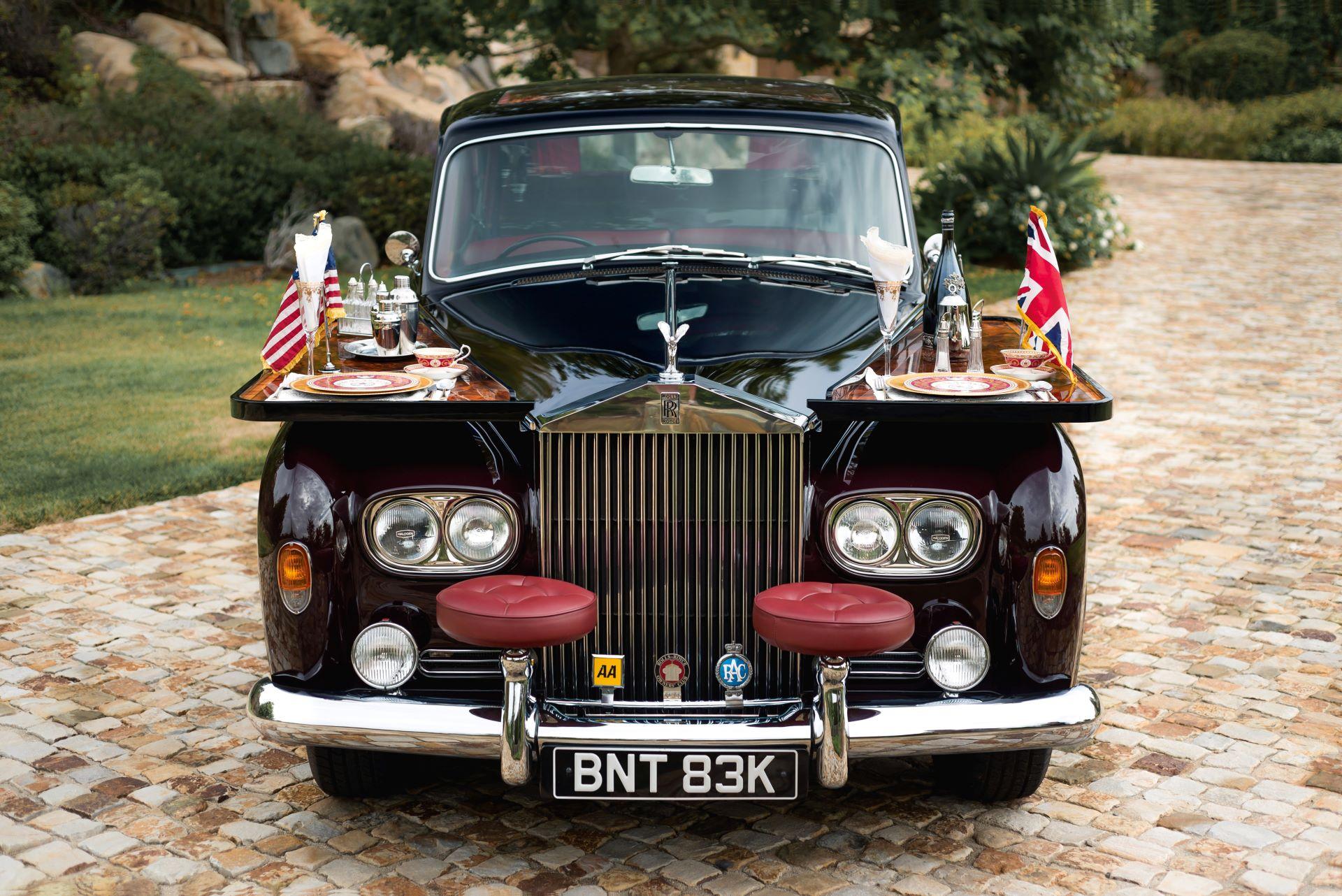
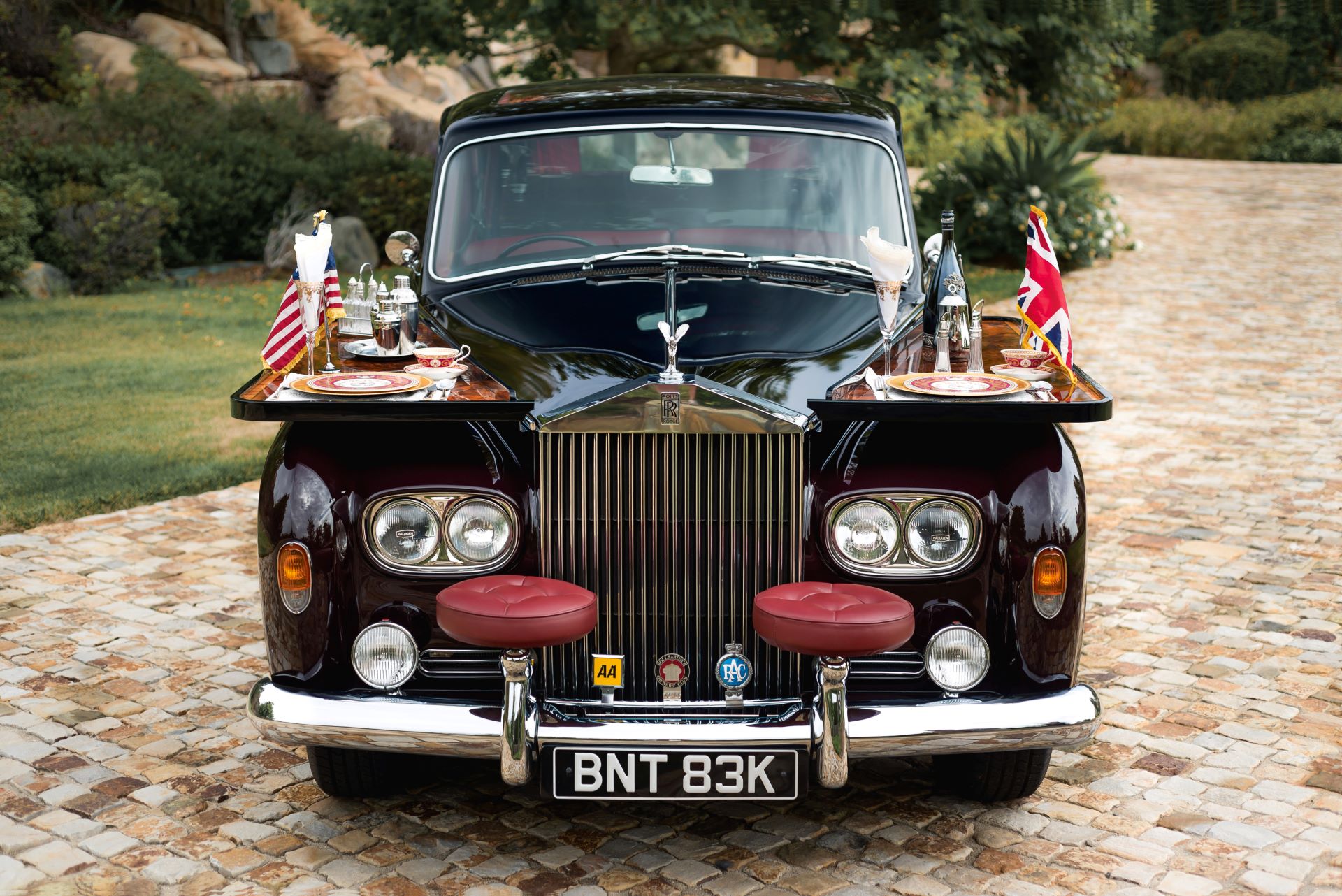
The Rolls-Royce Phantom VI stands as a monument to a bygone era, a final flourish of traditional coachbuilding before modern manufacturing techniques transformed luxury motoring. Produced between 1968 and 1993, it was the last Rolls-Royce to be built on a rolling chassis—a practice that had been the foundation of the marque since its inception in 1904. The Phantom VI’s significance is underscored by its enduring presence within the British Royal fleet, a testament to its timeless elegance and impeccable craftsmanship.
A Legacy of Coachbuilding Excellence
From its earliest days, Rolls-Royce supplied rolling chassis to independent coachbuilders, who would then craft bespoke bodies tailored to the tastes of the marque’s distinguished clientele. This tradition endured even as monocoque construction became the industry standard in the 1960s. The Phantom VI, however, represented the last of its kind, with all examples featuring coachwork exclusively by H. J. Mulliner Park Ward, Rolls-Royce’s in-house coachbuilding division following the consolidation of H. J. Mulliner and Park Ward in 1961.
Born out of continual refinement, the Phantom VI evolved from its predecessor, the Phantom V. Despite maintaining a classic, stately design, it incorporated numerous mechanical advancements, including a 6.75-litre V8 engine and a more modern three-speed automatic transmission. Its braking system, adapted from the Silver Shadow, featured high-pressure hydraulics and improved heat dissipation for superior stopping power.
A Regal Presence
While Phantom VI clients included heads of state and business magnates, its most famous patrons were the British Royal Family. HM Queen Elizabeth The Queen Mother favored the Landaulette variant, with a retractable rear section allowing for greater visibility during public engagements. Meanwhile, HM Queen Elizabeth II owned two Phantom VIs, including one with a raised roof and a Perspex rear cupola—details that ensured both elegance and practicality. Both of these regal motor cars remain in service today, reflecting the model’s unparalleled durability and timeless appeal.
A Fortress on Wheels
Beyond luxury and refinement, the Phantom VI also offered security enhancements for those who required additional protection. The ‘Special Limousines,’ codenamed ‘Alpha,’ were among the most exclusive commissions. While outwardly resembling standard Phantom VIs, they were fitted with bulletproof glass and armor plating, ensuring the utmost safety for their occupants. Interestingly, while these modifications rendered the rear compartment impervious to external threats, the chauffeur’s section remained unprotected—perhaps a relic of a more cavalier age.
The End of an Era
Despite its grandeur, the Phantom VI was already an anachronism by the 1980s. Coachbuilding was becoming increasingly difficult as mass production took hold, and sourcing components from the Silver Cloud era proved a growing challenge. By the early 1990s, the curtain was drawn on Phantom VI production, with the final example—a striking black-over-red Landaulette—delivered in 1993. Initially intended for Rolls-Royce’s own collection, economic pressures ultimately led to its sale.
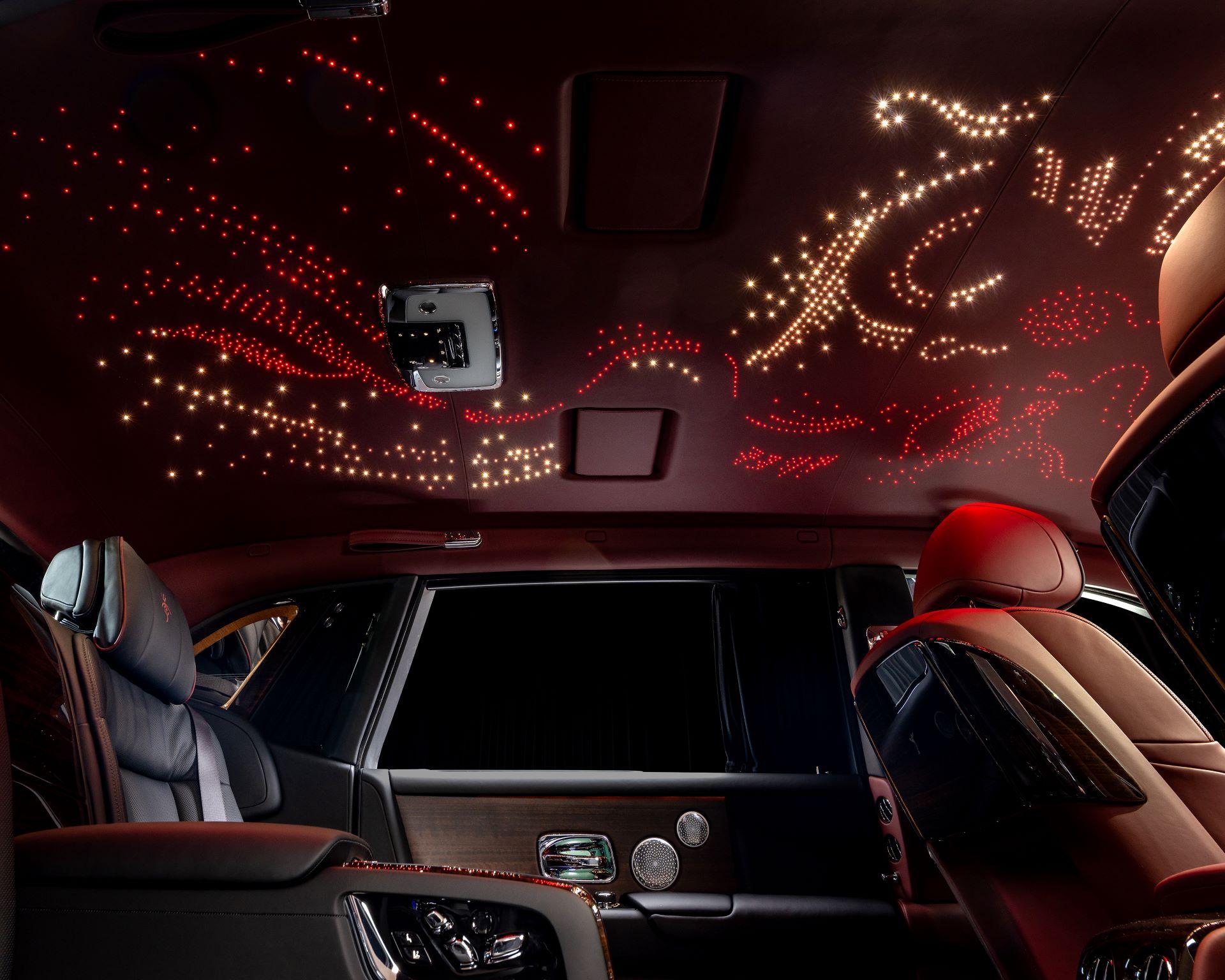
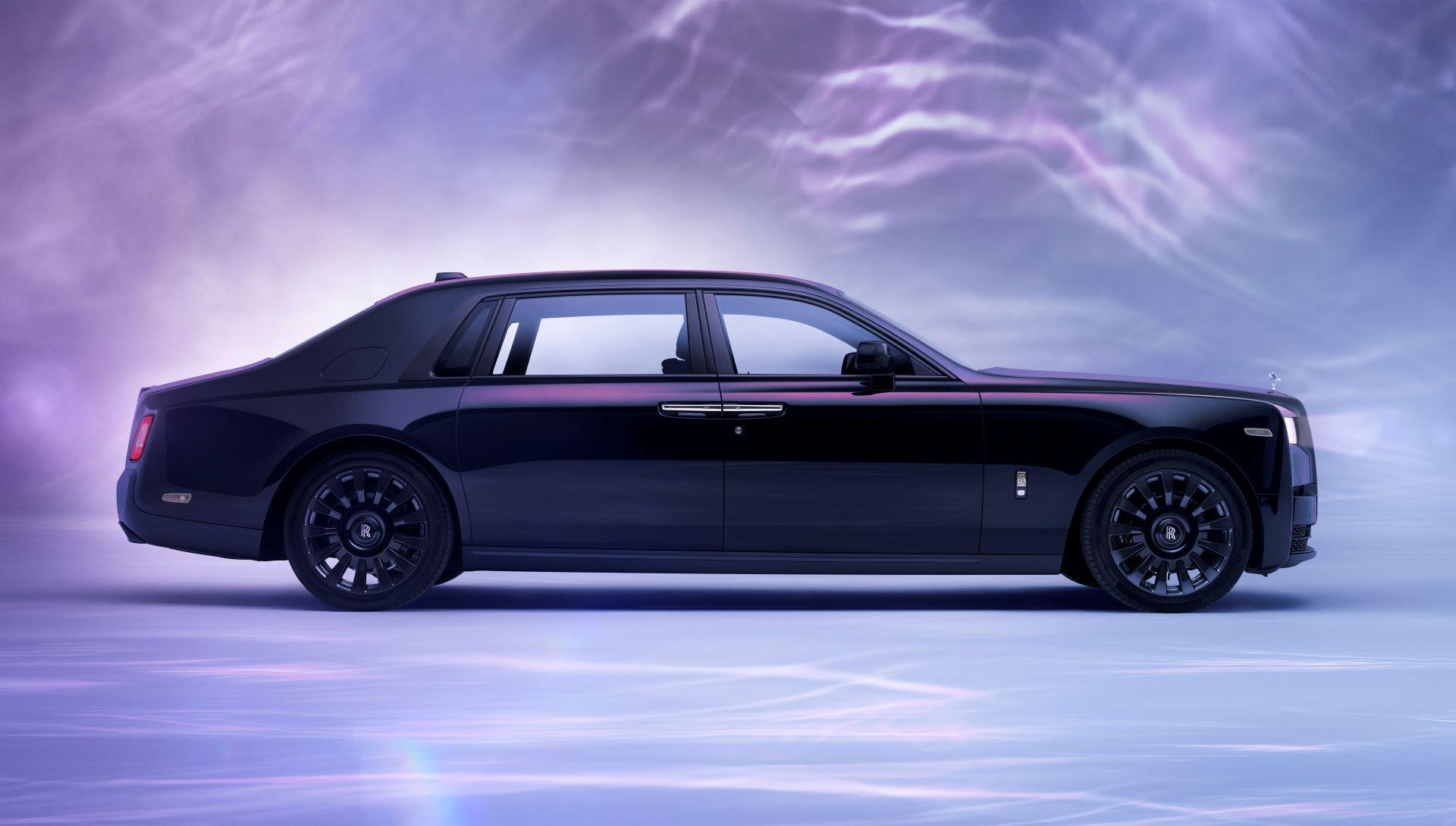
With just 374 units built over a span of 23 years, the Phantom VI remains one of the rarest and most distinguished Rolls-Royces ever produced. It was the last word in handcrafted automotive excellence, embodying the peak of the coachbuilder’s art before its long dormancy. More than two decades later, Rolls-Royce revived this tradition with the unveiling of the one-off ‘Sweptail’ in 2017, followed by the formation of the Coachbuild division, which has since introduced masterpieces like the Boat Tail and Droptail.
A Lasting Influence
As Rolls-Royce marks its 120th anniversary, the Phantom VI serves as a crucial chapter in the marque’s history—both as the swansong of its original coachbuilding era and as a beacon for the future. It stands as a reminder that, while the automotive world may change, the Rolls-Royce commitment to artistry, craftsmanship, and timeless luxury endures.