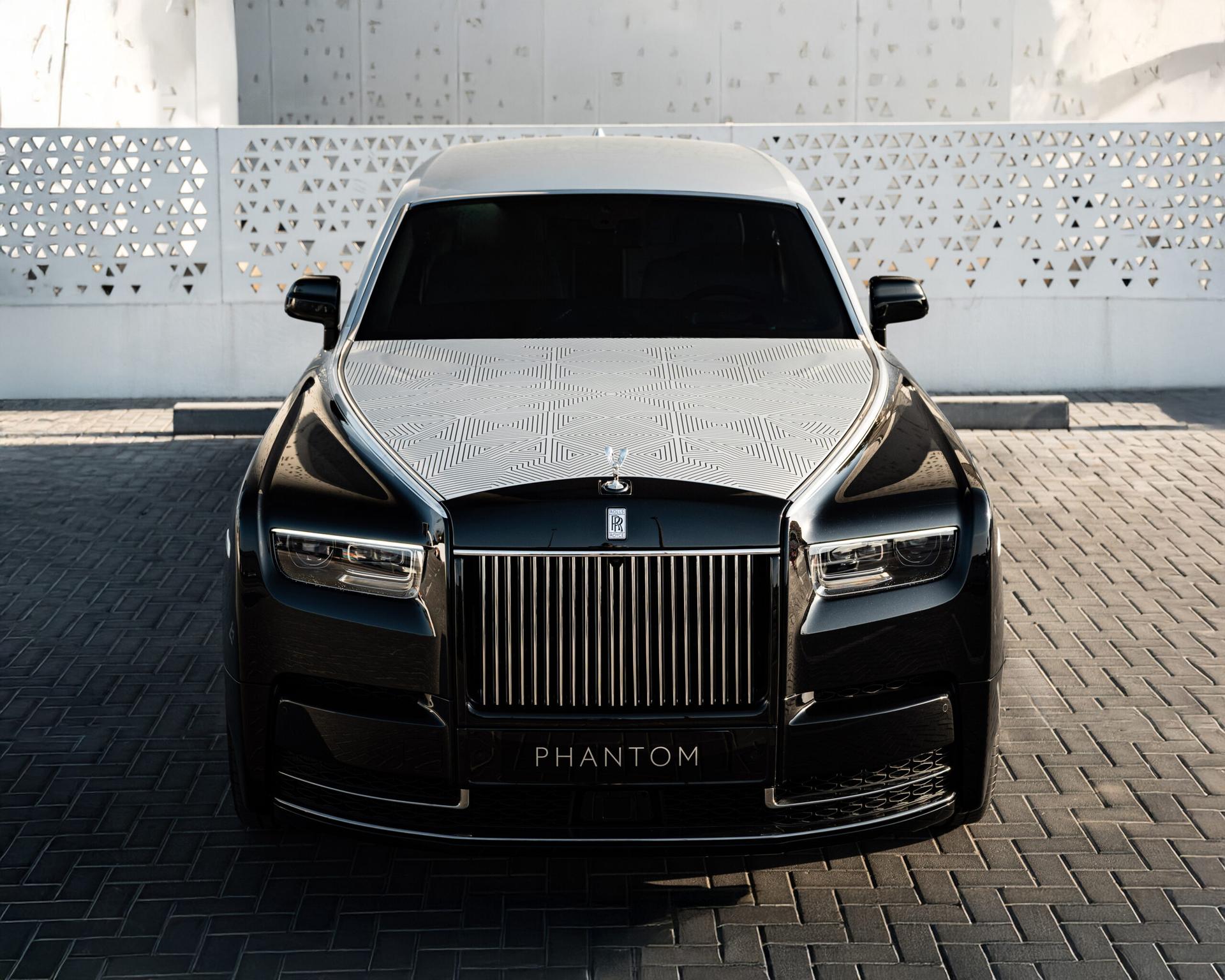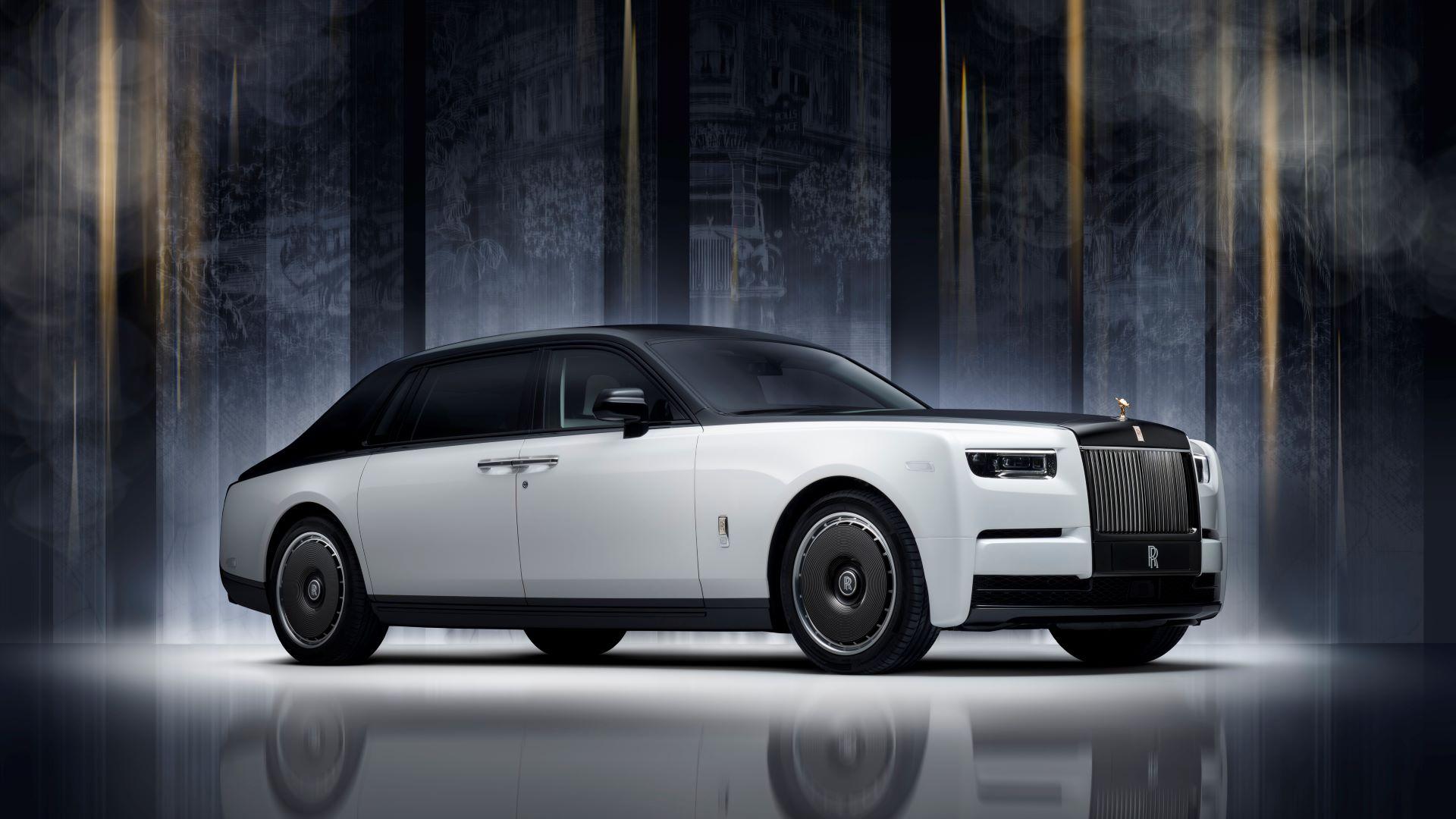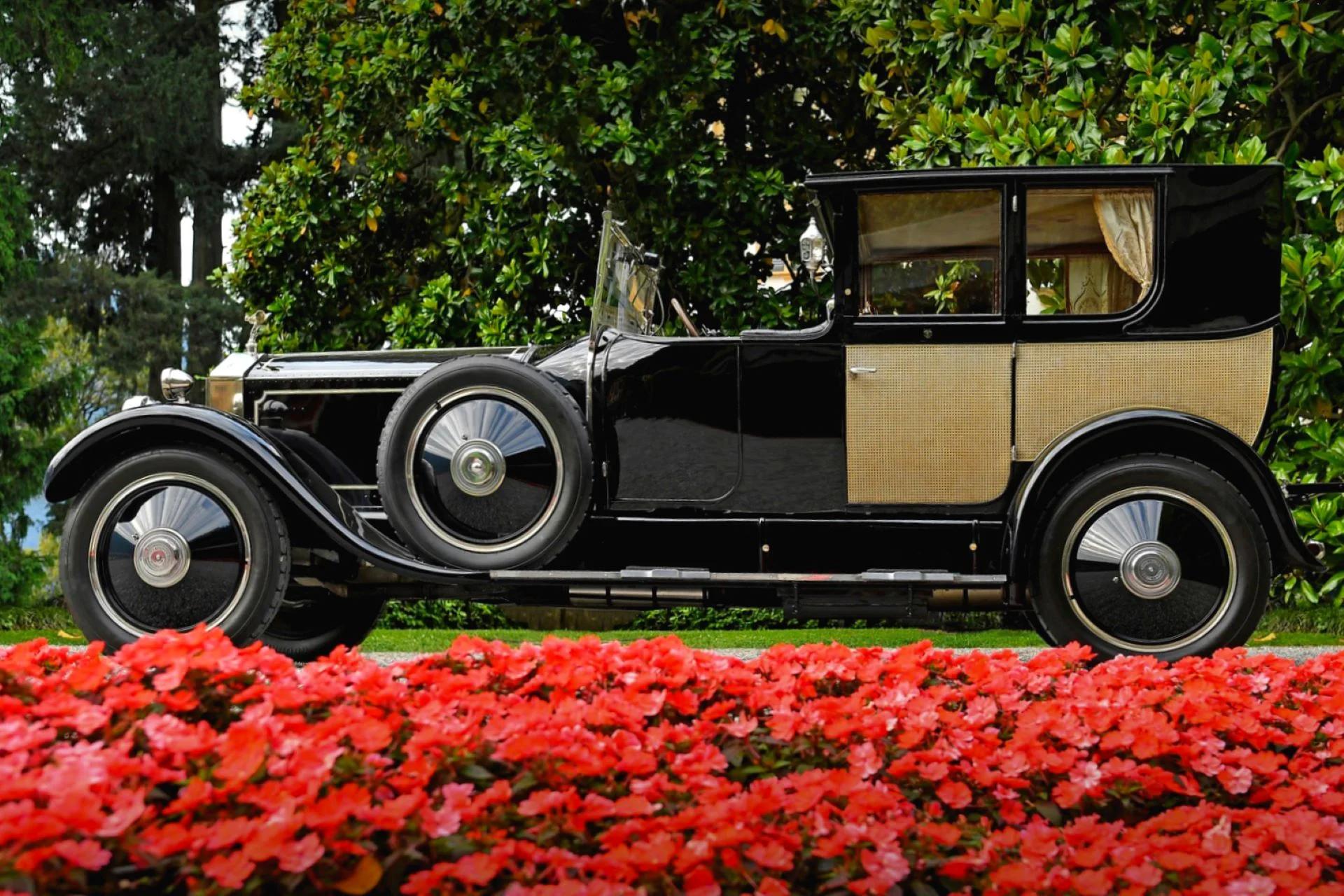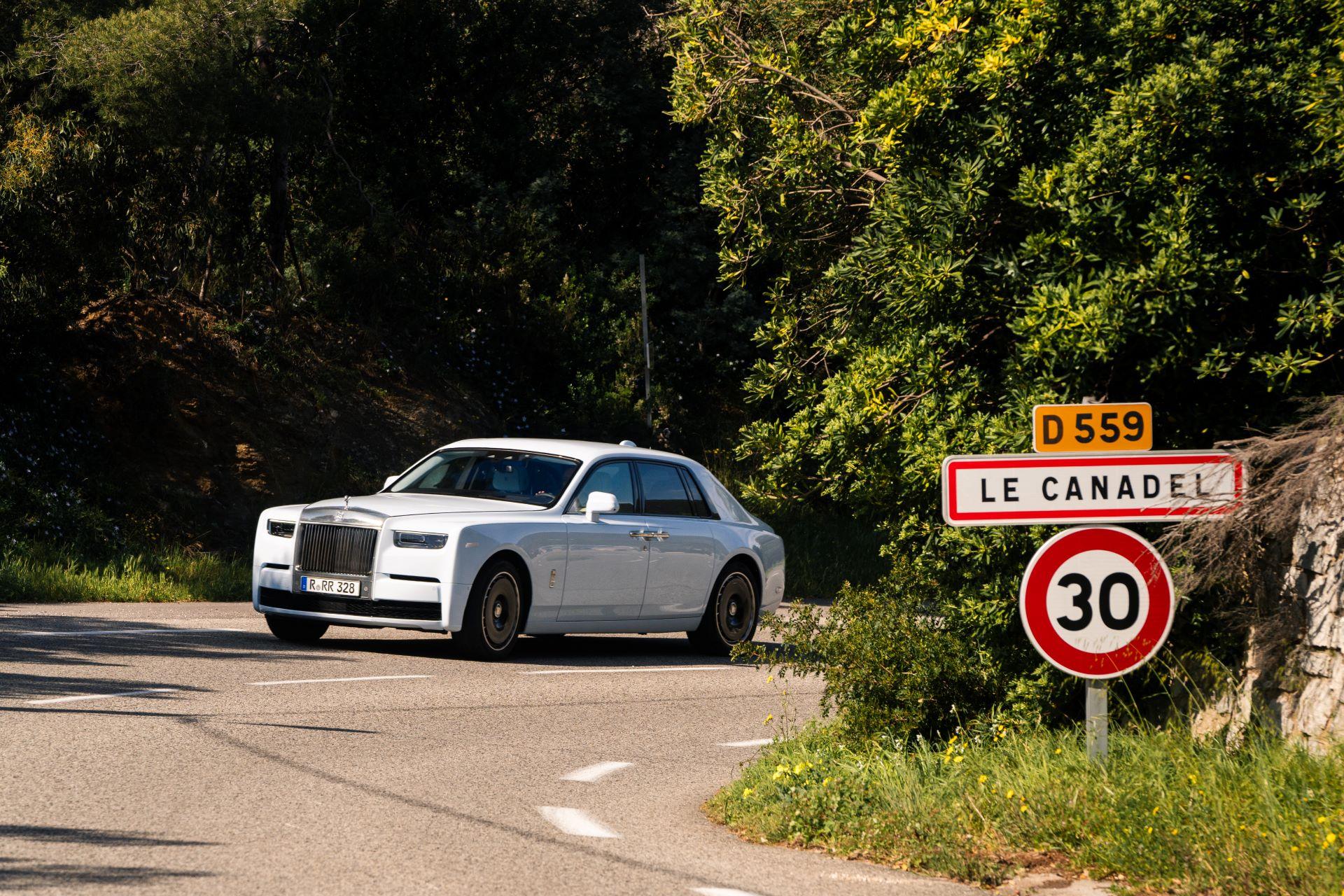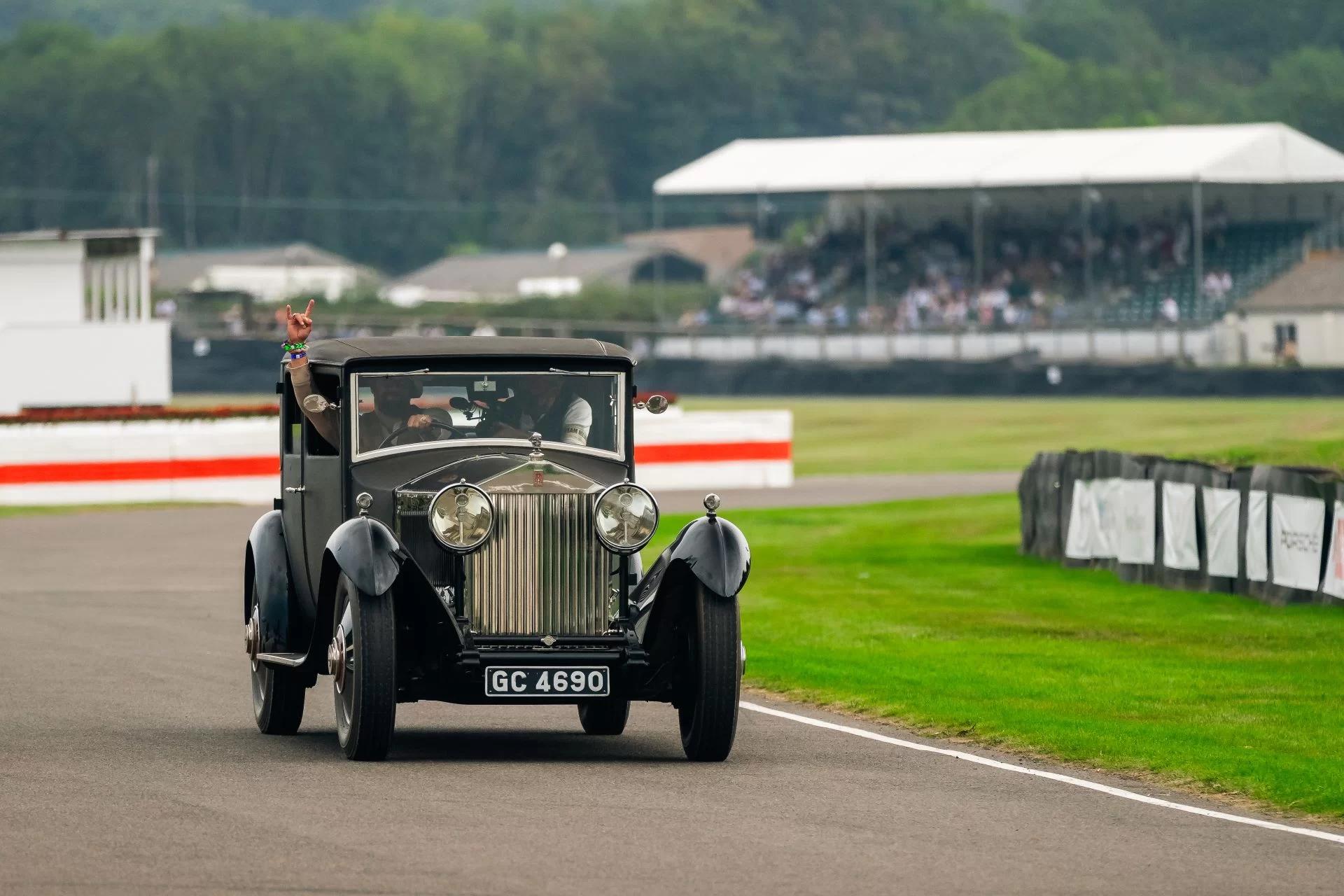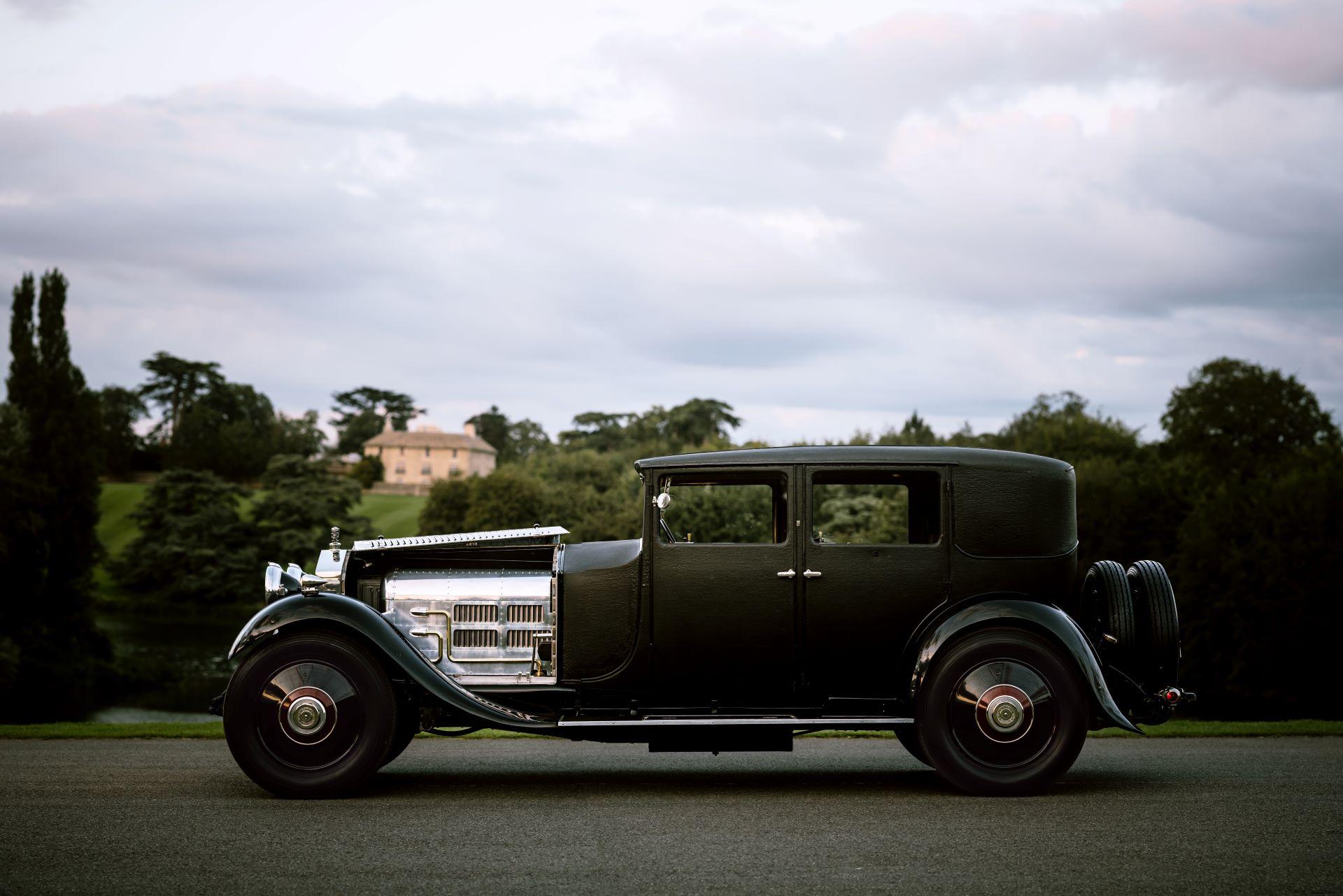




For a hundred years, the Rolls-Royce Phantom has existed not merely as a motor car but as a cultural artefact — a silent, powerful presence woven through some of the most evocative moments in modern art. Celebrated for its design, grandeur, and aura of timeless sophistication, Phantom has not only transported creative legends but has, on countless occasions, become the subject of art itself. As it reaches its centenary in 2025, Rolls-Royce reflects on the Phantom’s intricate relationship with the world of artistic expression — a bond forged through eccentric encounters, iconic ownerships and visionary collaborations.
“For 100 years, the Rolls-Royce Phantom has moved in the same circles as the world’s leading artists,” notes Chris Brownridge, Chief Executive of Rolls-Royce Motor Cars. “As a symbol of self-expression, Phantom has often featured in incidents of creative significance – many of them defining moments of the last decade.”
A Century in the Studio
The early association between Rolls-Royce and the artistic elite was never accidental. From its inception, the brand attracted the avant-garde. Salvador Dalí, Andy Warhol, Henri Matisse, Pablo Picasso, Cecil Beaton, and Christian ‘Bébé’ Bérard were all known to travel in Rolls-Royce motor cars. Dame Laura Knight, Britain’s first female Royal Academician, even transformed her Phantom into a roving atelier — sketching jockeys and horses at Epsom and Ascot from the car’s interior, where the wide, clear vistas offered both privacy and perspective.
Collectors, too, gravitated to the marque. Peggy Guggenheim, Nelson Rockefeller, and Jacquelyn de Rothschild all recognised Rolls-Royce not just as a possession, but as a projection of taste — a mobile gallery for a life lived at the edge of aesthetic innovation.
But of all the Rolls-Royce models, none has courted artists and courted artistry like the Phantom.
Phantom and the Surreal: Dalí’s Eccentric Roadshow
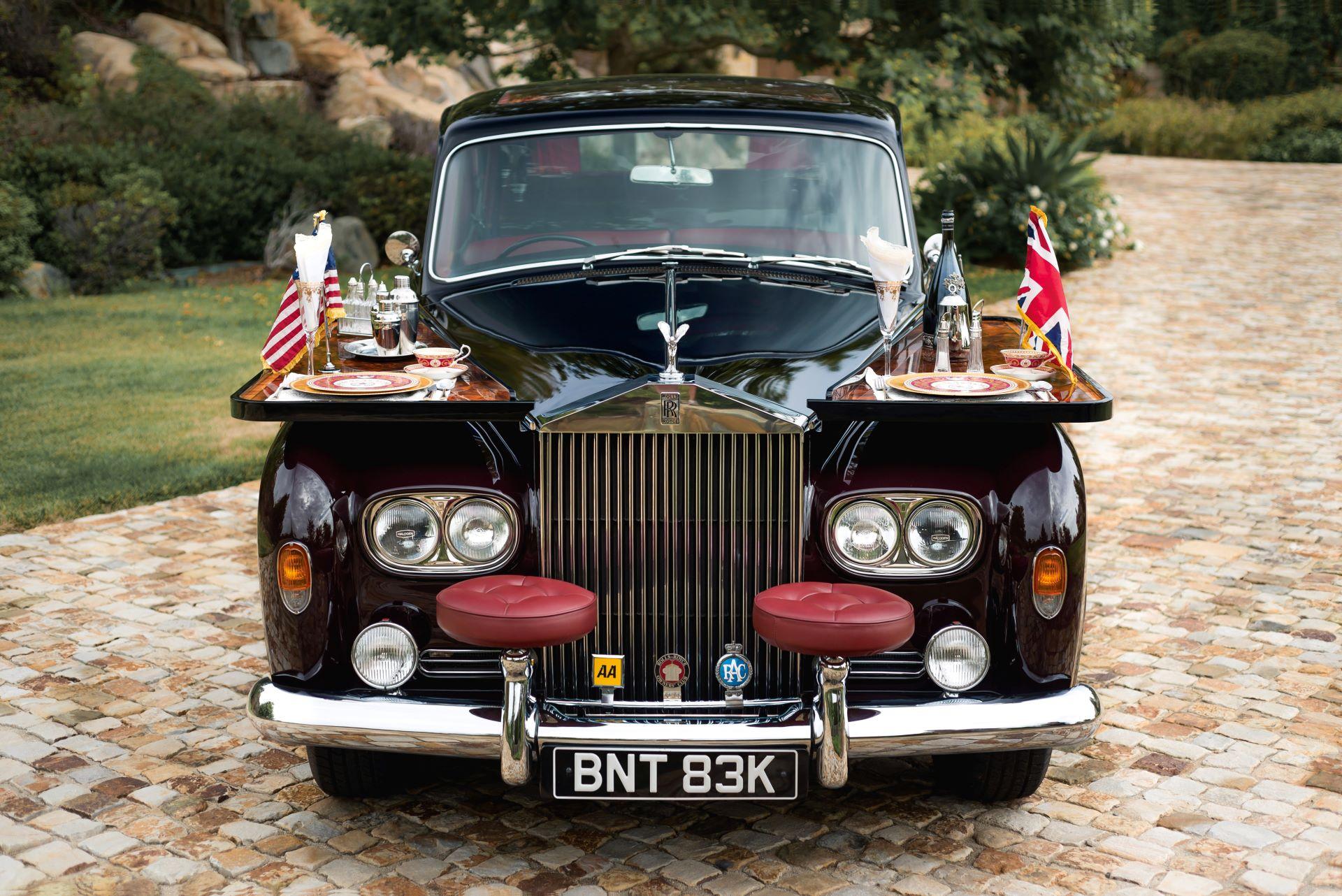
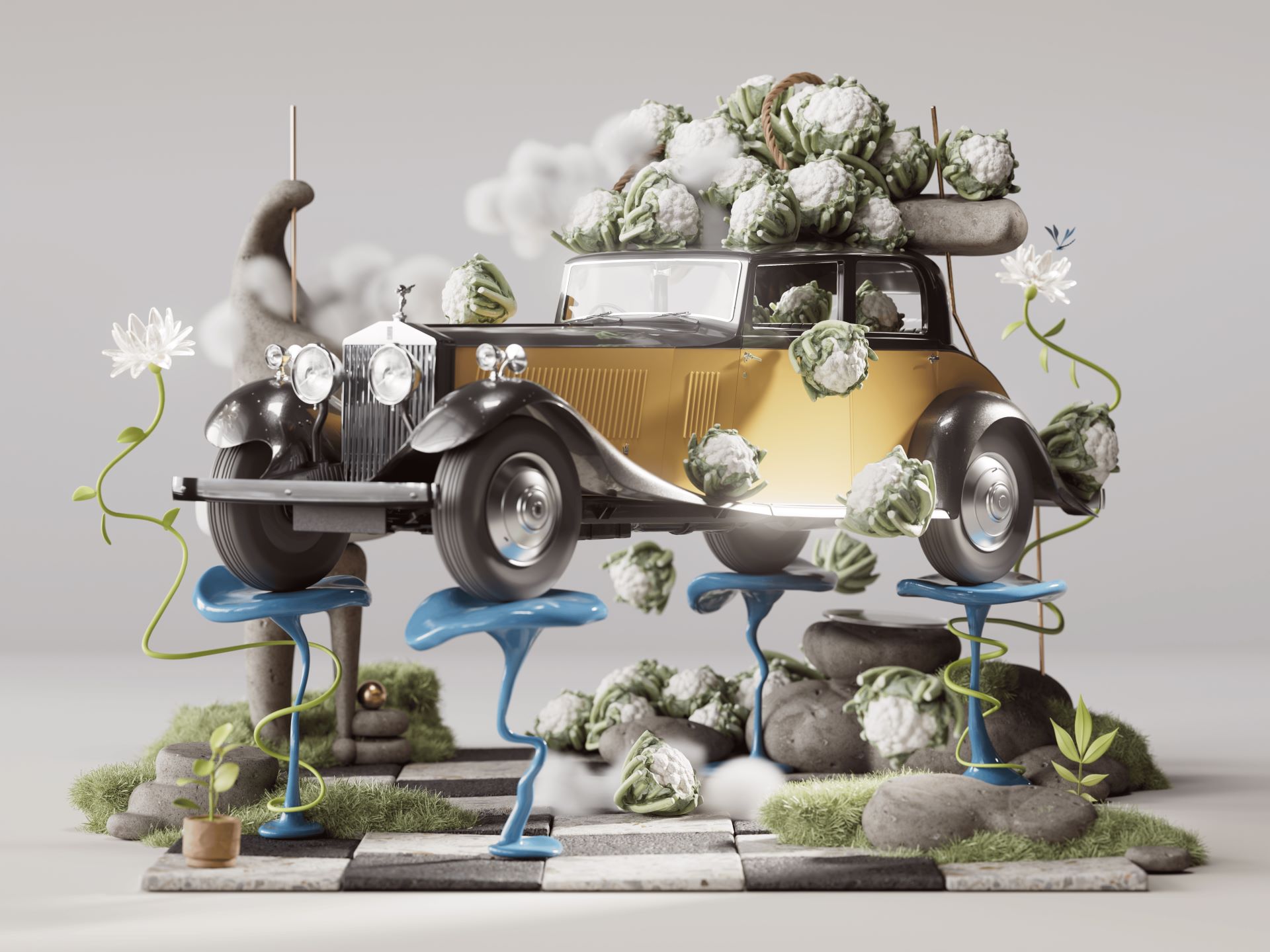
The relationship between Salvador Dalí and the Phantom is one of irrepressible theatricality. In 1955, determined to deliver more than just a lecture at the Sorbonne, Dalí commandeered a friend’s black-and-yellow Phantom and filled it with half a tonne of cauliflowers. He then roared through the Parisian winter to the university steps, flinging open the doors to unleash a vegetal avalanche before a bemused crowd of 2,000.
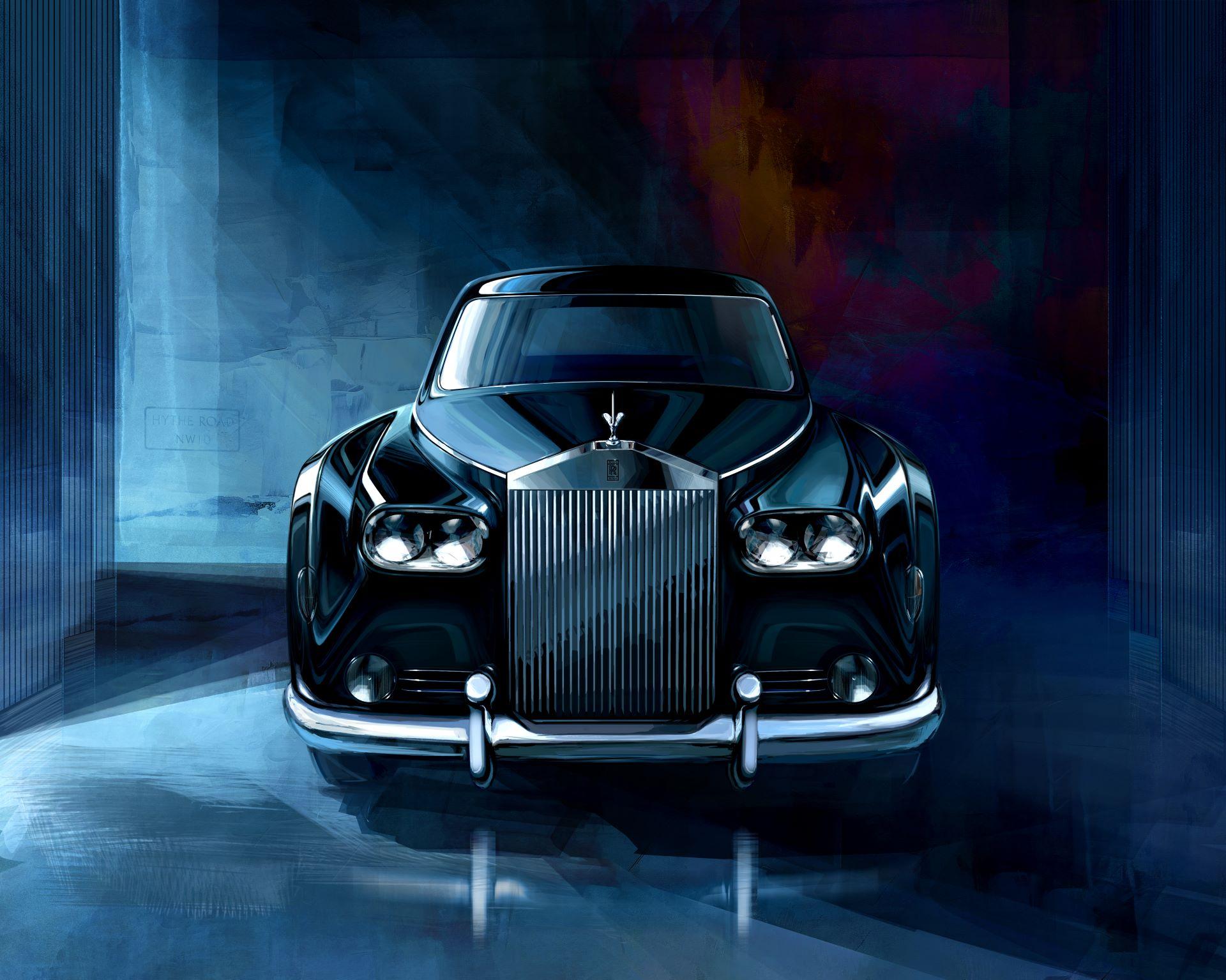
This surrealist gesture — equal parts performance and protest — was Dalí in his element: the Phantom as stage, provocation, and vehicle for absurdity. Years earlier, in a haunting 1934 illustration for Les Chants de Maldoror, Dalí portrayed a Phantom marooned in an icy wasteland, its ghostly elegance trapped in desolation — a potent metaphor, perhaps, for beauty encased in madness.
To mark this moment of surreal audacity, Rolls-Royce has commissioned a contemporary artist to create a new work inspired by Dalí’s cauliflower-filled Phantom — a modern homage to madness and majesty on wheels.
Warhol’s Moving Canvas
When Andy Warhol met Dalí at the St Regis Hotel in 1965, the moment was immortalised by photographer David McCabe. “Dalí turned the whole event into theatre,” he said. “Andy was petrified.” But within the quiet iconoclast of Pop Art, a similarly extravagant taste stirred.
In the early 1970s, Warhol purchased a 1937 Phantom shooting brake, discovered serendipitously in a Zurich antique shop. He brought it back to New York, where it remained his for six years — not just transport, but talisman. Like his Brillo Boxes and Marilyns, the car was elevated through association — a symbol made sacrosanct.
Now, to celebrate Warhol’s singular imprint on 20th-century culture, Rolls-Royce will present a new Phantom commission interpreted through the lens of Pop Art. This is not mimicry but continuation — a way to bridge the era of soup cans and silver wigs with today’s multi-sensory, digitally fluent art world.
The Spirit of Ecstasy: An Original Masterpiece
No conversation about Rolls-Royce and the arts is complete without homage to the Spirit of Ecstasy. This iconic emblem, gliding above every Phantom since 1911, began life in the hands of an artist.
Charles Sykes — a classically trained sculptor and illustrator — was commissioned to create a figure worthy of the car’s spirit. Inspired by the Winged Victory of Samothrace and tempered by the elegance of a fairy, the result was a piece of bronze-born poetry: a figure leaning into the wind, delicate yet defiant.
Sykes personally supervised production of the mascot for decades, his daughter Jo later taking over the tradition. For early Phantom owners, the Spirit of Ecstasy wasn’t just branding; it was sculpture — and often, a Sykes original.
Phantom as Medium and Muse
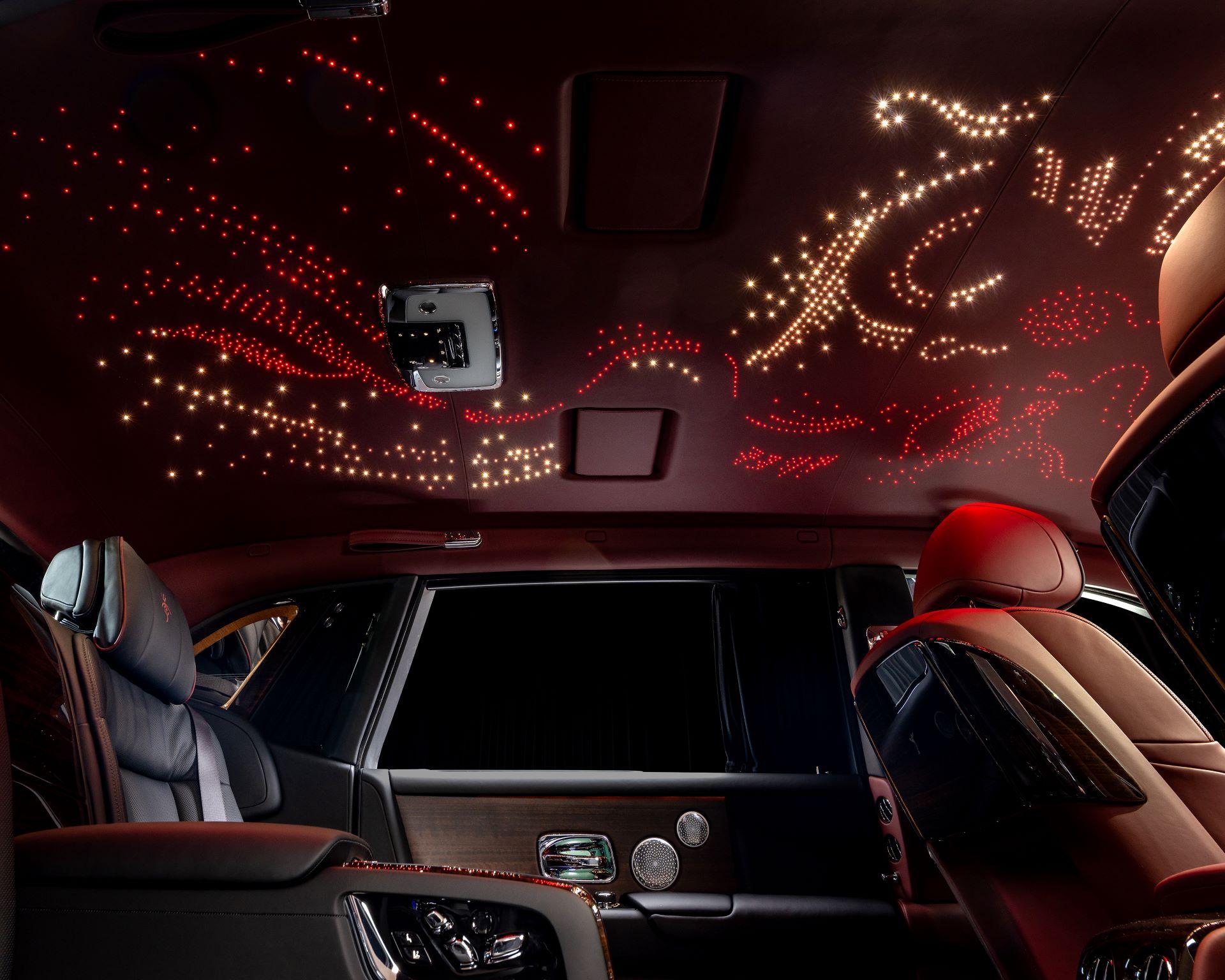
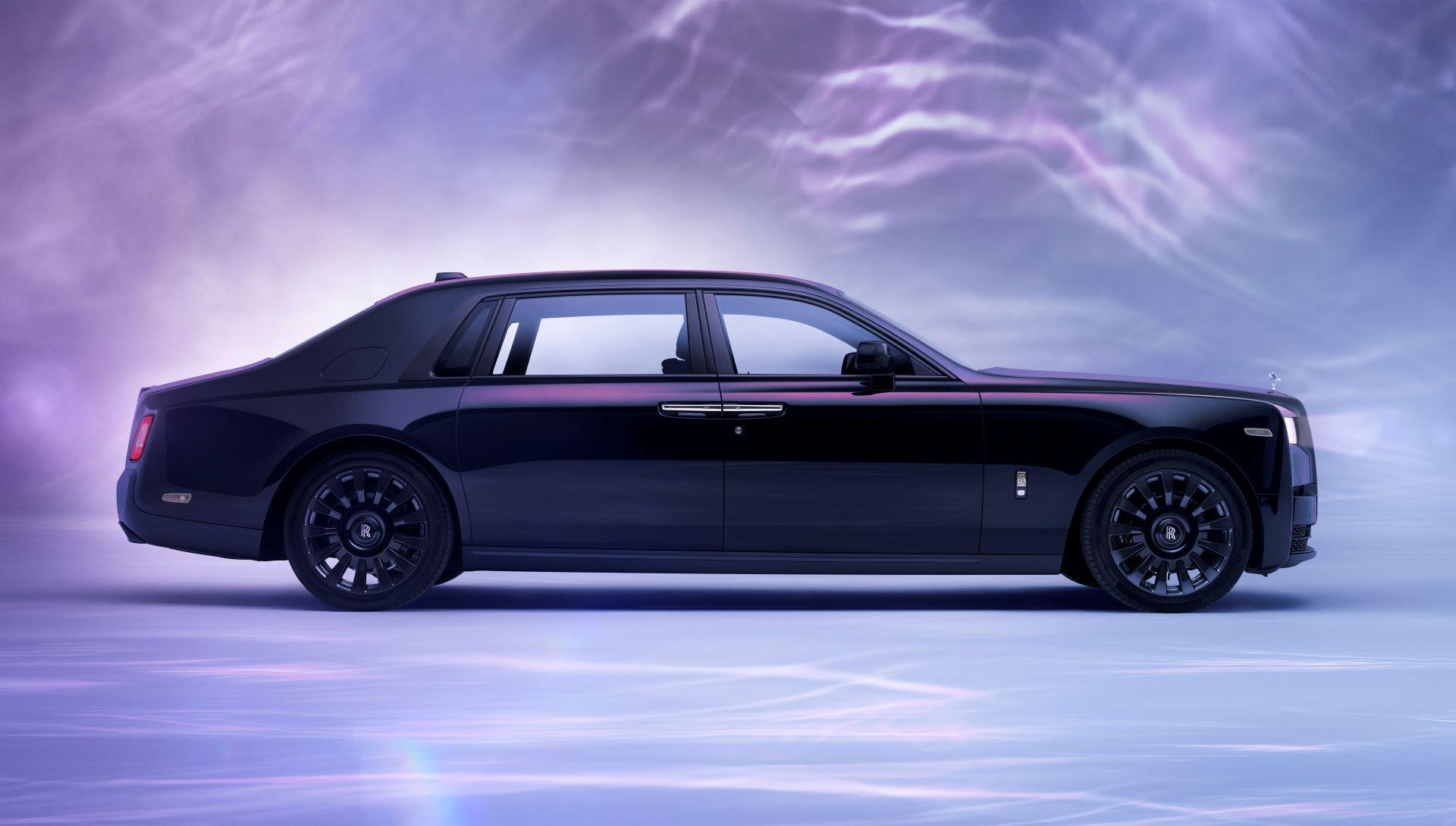
Across its eight generations, Phantom has transcended its role as an ultra-luxury automobile. It has been painted, performed, photographed, and reimagined — its lines as recognisable as any masterwork, its presence as commanding as any monumental installation. Exhibited at institutions from London’s Saatchi Gallery to the Smithsonian in New York, Phantom holds a place not just in garages but in galleries.
It is, at once, a muse and a canvas. An object of desire, but also a vehicle — literal and metaphorical — for the most potent expressions of creativity.
A Future Framed by Art
As Rolls-Royce prepares to mark Phantom’s centenary in 2025, it does so not with retrospection but with renewed reverence for the art world that embraced it — and which it continues to inspire. In an age of ever-faster visual culture, Phantom’s enduring relationship with the world’s boldest minds proves that true artistry is timeless.
A Phantom, like a painting, lives beyond the moment of its creation.
It is not just something you own.
It is something that says who you are — and what you stand for.