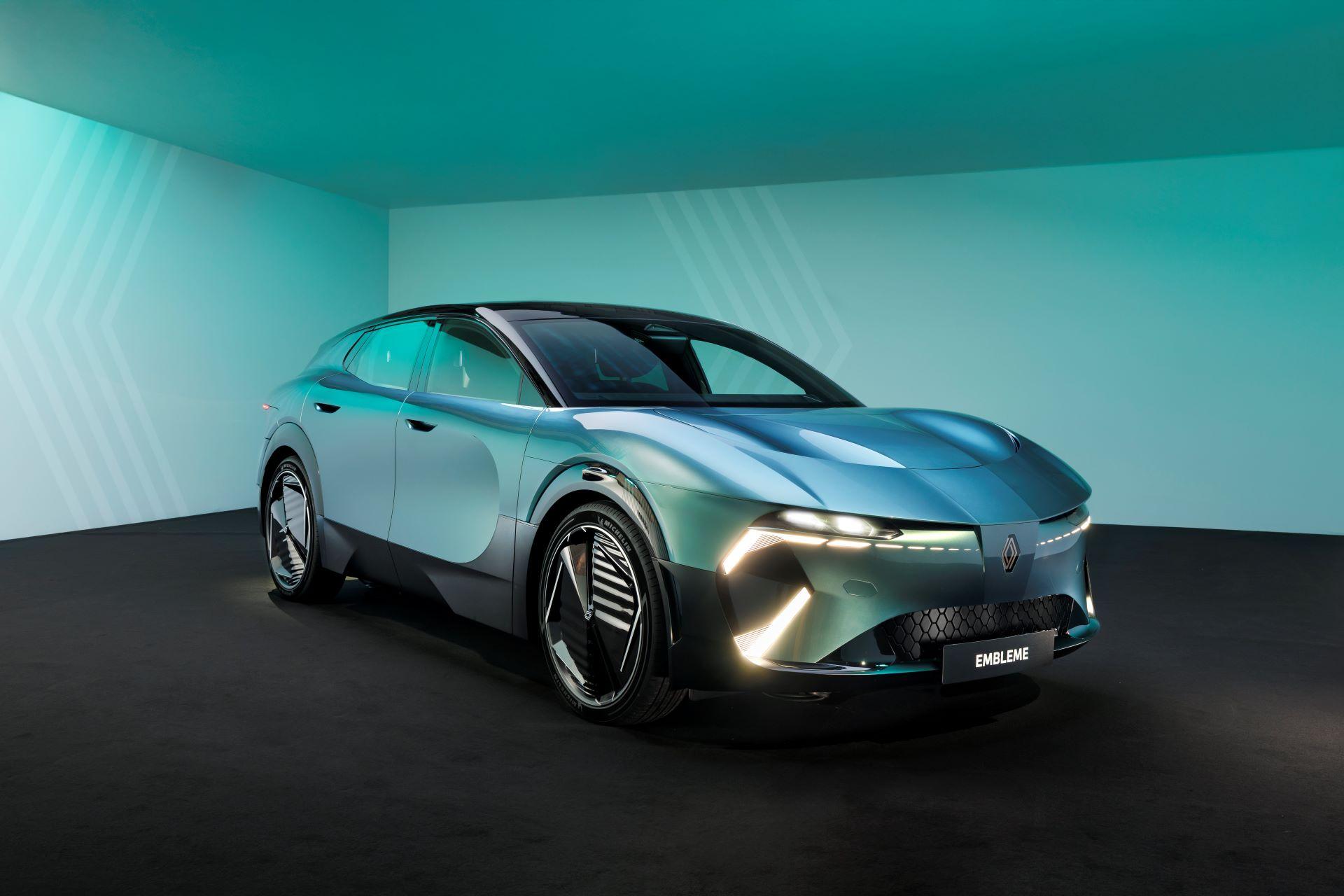
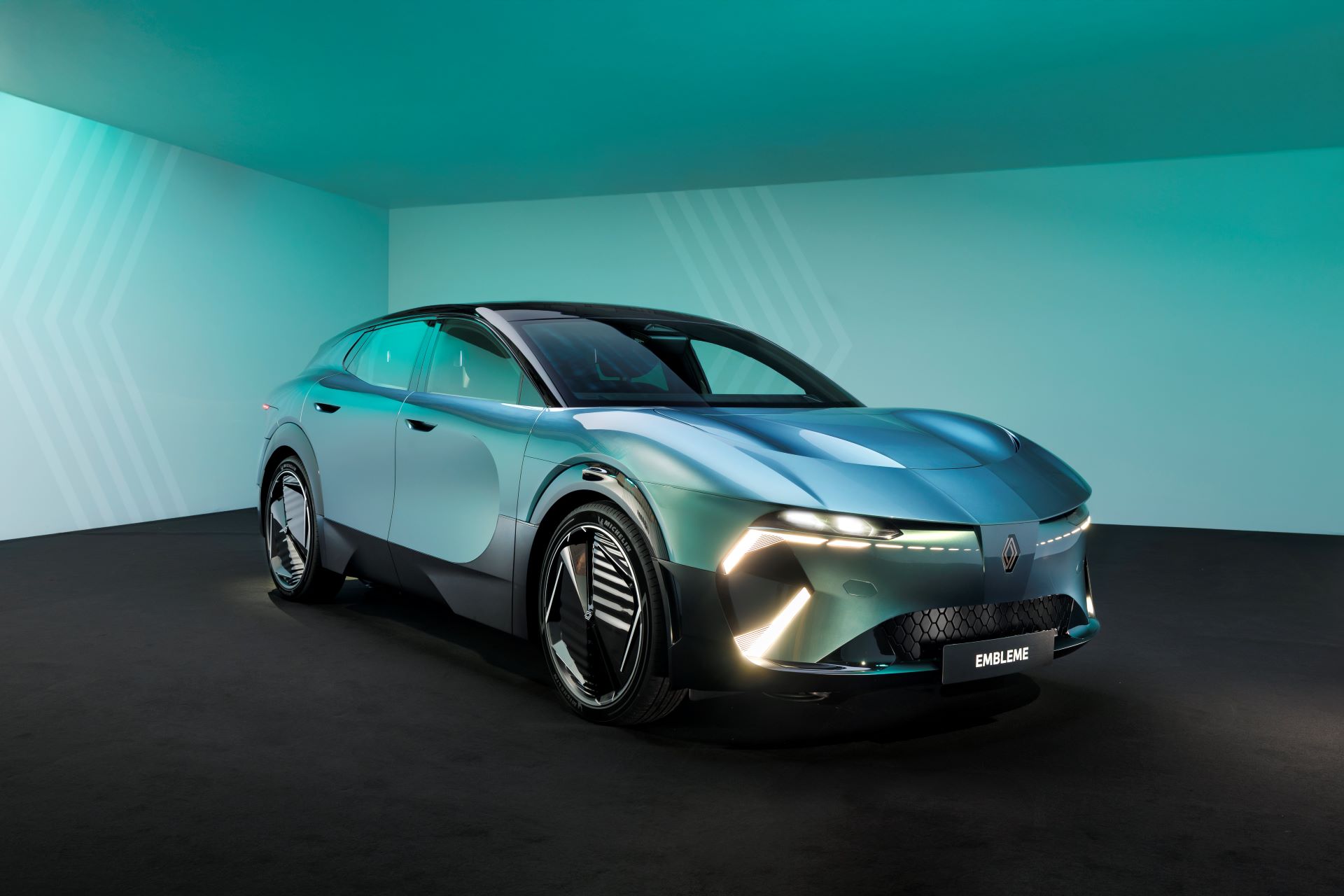
In the face of climate change and global resource constraints, the automotive industry is undergoing its most transformative era in over a century. Renault, with its latest innovation — the Emblème — is not just reacting to this change, but actively driving it forward. More than just a concept, Emblème is a fully operational demo car developed by Ampere that reimagines the modern family vehicle through the lens of full life-cycle decarbonisation.
From Vision to Reality: The Emblème Journey
Building on the groundwork laid by the 2022 Scenic Vision concept, Renault Emblème represents the culmination of years of research, cross-disciplinary collaboration, and engineering ingenuity. It’s an ambitious yet tangible response to a critical challenge: how to create a stylish, spacious, and comfortable family car that is radically low in carbon emissions.
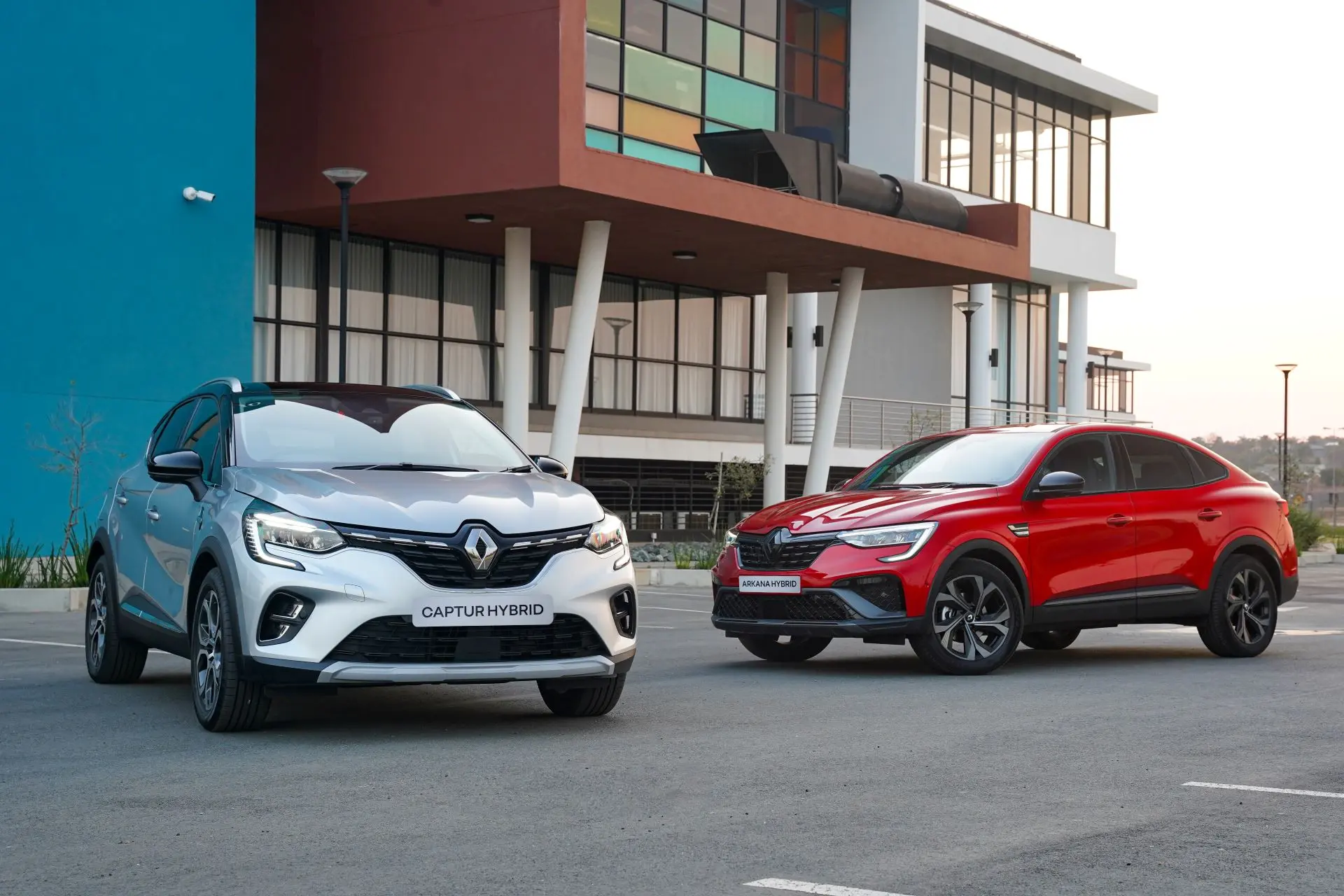
Emblème achieves a remarkable milestone — emitting just 5 tonnes of CO₂ equivalent (CO₂eq) across its entire life cycle. Compared to a 2019 petrol Captur’s 50 tonnes and the 25 tonnes of a Megane E-Tech Electric, this is a 90% reduction in greenhouse gas emissions — verified by independent experts at IFPEN.
Designing for a Circular Future
Renault didn’t approach decarbonisation as a one-dimensional challenge. Instead, Emblème was created with an integrated eco-design strategy, addressing emissions from cradle to grave across five key phases: design, material sourcing, production, usage, and end-of-life recycling.
- 70% Reduction in Parts Production Footprint: Through smarter material selection and supplier partnerships, the carbon footprint of manufacturing components was slashed.
- 50% Recycled Materials: From aluminium doors to acoustic insulation, the car features a wide variety of recycled content — and almost 100% recyclability at end-of-life.
- 1,800 kg Weight Limit: By cutting unnecessary mass and optimising every component, Emblème remains agile without sacrificing safety or comfort.
This was made possible through meticulous planning and collaboration with over 20 expert partners, such as Constellium, ArcelorMittal, AKWEL, and Autoneum, each contributing low-carbon materials and innovative solutions within their specialties.
Technology with a Conscience
Emblème’s forward-thinking design includes a dual-energy powertrain, combining electric and hydrogen propulsion. This hybrid approach enables the vehicle to tackle both short city commutes and long-distance journeys with minimal carbon impact.
Inside, passengers are greeted by a poetically modern cabin, where natural textures meet digital innovation. The standout feature is a full-width openR panorama screen, offering immersive interaction while supporting a minimalist aesthetic.
And yet, despite its futuristic approach, the Emblème remains grounded in realism. It’s not a flight of fancy, but a roadmap for Renault’s next generation of vehicles — a working prototype that previews upcoming silhouettes and technologies soon to be introduced across the brand’s lineup.
Cradle to Grave, and Back Again
The life cycle analysis (LCA) of the Emblème sets a new benchmark for environmental responsibility in the automotive world. It accounts for emissions across all phases of the vehicle’s life, from raw material extraction and assembly, to 15 years or 200,000 km of use, and finally, recyclability.
To support these goals, Ampere integrated three critical levers of decarbonisation:
- Energy efficiency
- Renewable energy
- Circular economy principles
Examples include:
- AKWEL’s sensitive door handles, which are 60% lighter and made from 65% recycled material, delivering an 88% emissions reduction.
- Autoneum’s single-material acoustic insulation, reducing component weight by 25% and carbon footprint by 70%.
- Constellium’s aluminium doors, created using a mix of low-carbon and recycled aluminium.
- ArcelorMittal’s XCarb® steels, produced using 100% renewable electricity and 75% circular content.
A Vision for Net Zero
Renault Group has pledged to reach net-zero emissions in Europe by 2040, and globally by 2050. Projects like Emblème are more than technical exercises — they are strategic accelerators that bring this vision to life.
“More than a concept car, it’s a demo car on the road that’s a pleasure to look at, to be in and to drive — a real invitation to travel,” says Fabrice Cambolive, CEO of Renault Brand.
It is, as VP of Sustainability Cléa Martinet aptly puts it, a “collective, ecosystemic” response to the climate crisis — one where carmakers, suppliers, and innovators collaborate across the value chain to design and build vehicles that are as responsible as they are refined.
The Future Has a New Emblème
Renault Emblème is not just a glimpse into what a sustainable vehicle could be — it is proof that it can be done. Stylish yet sensible, technologically advanced yet environmentally responsible, it sets the standard for a new generation of family cars. As Renault continues to forge its path toward carbon neutrality, the Emblème stands as a compelling symbol — not just of progress, but of purpose.
The road to zero begins here.