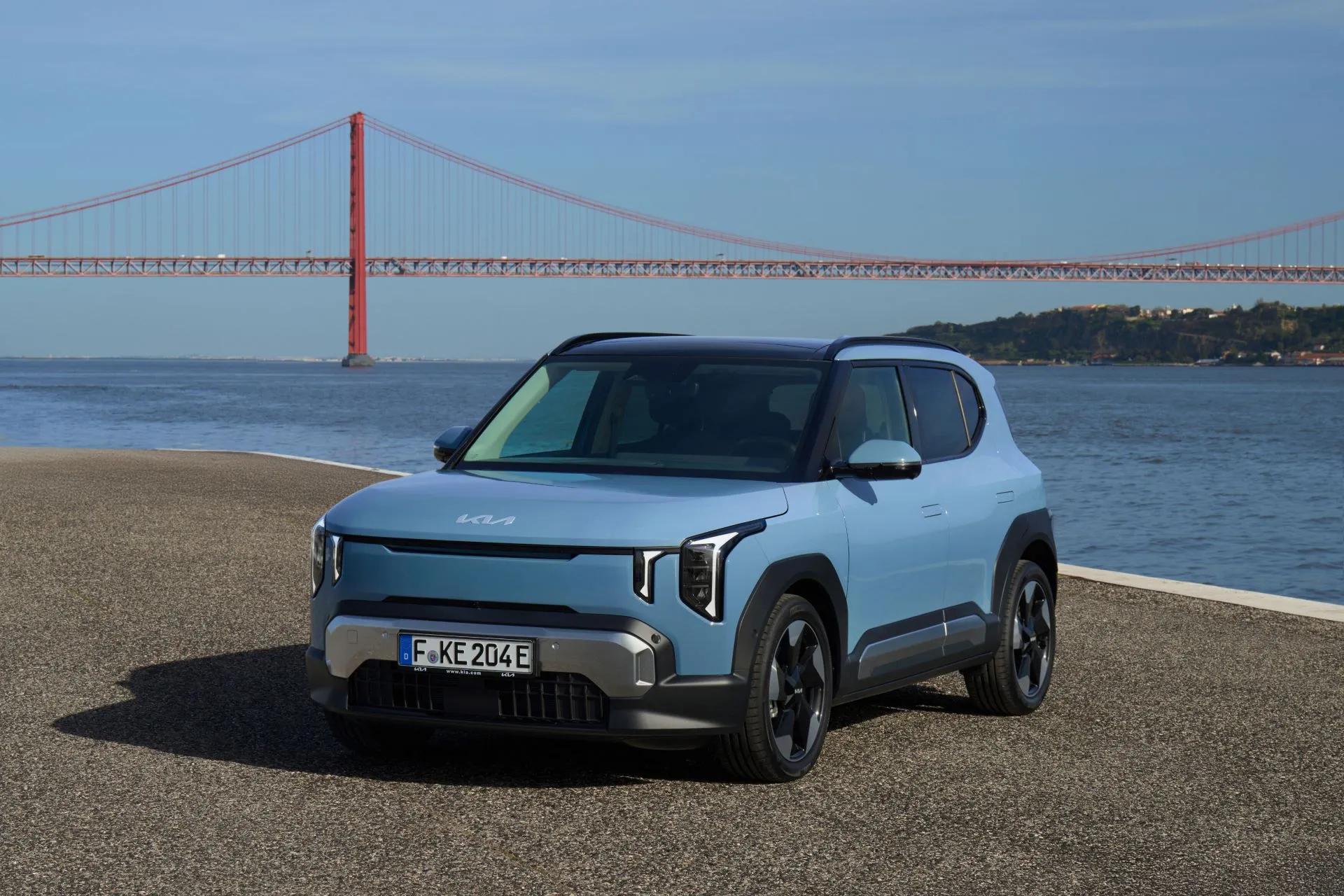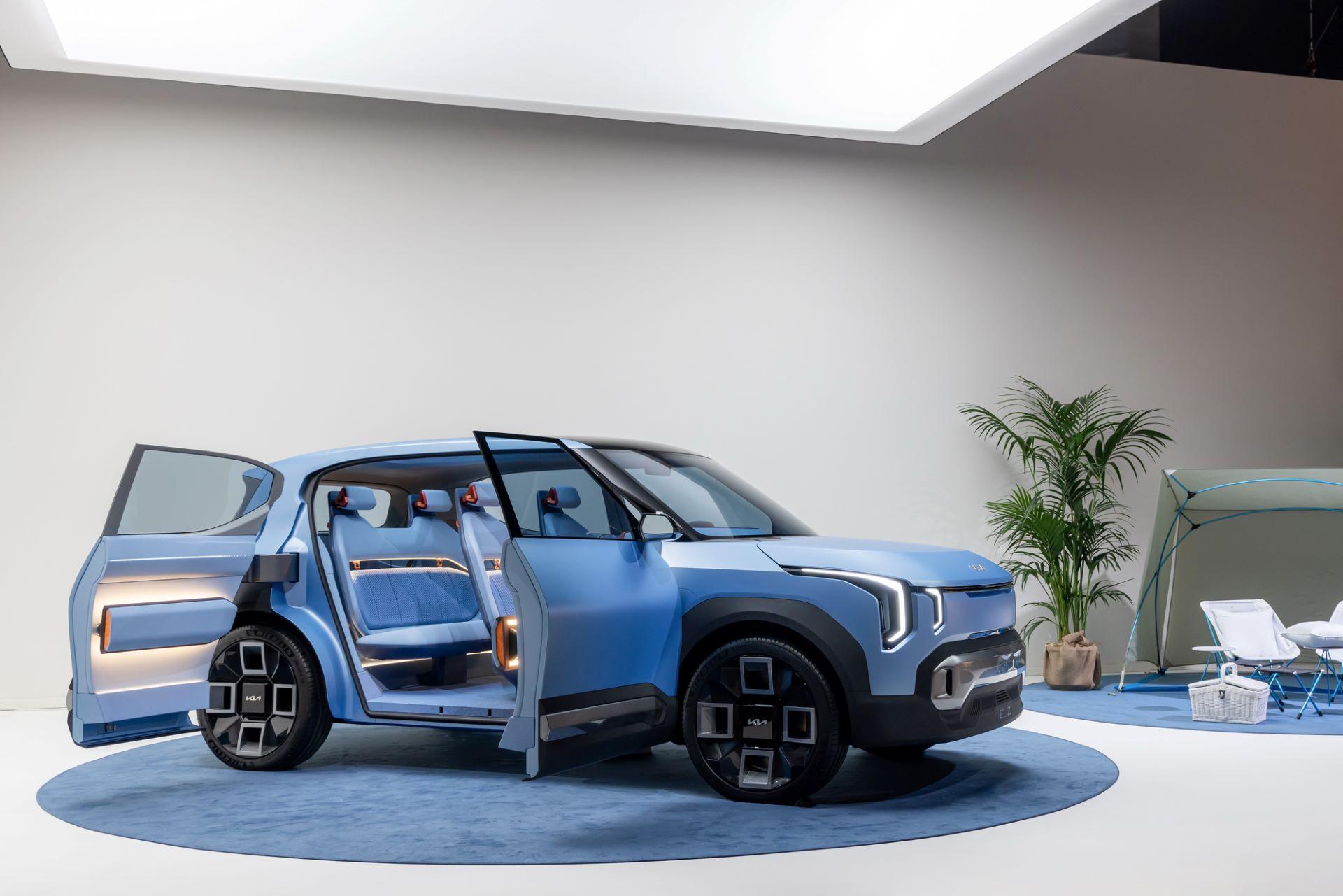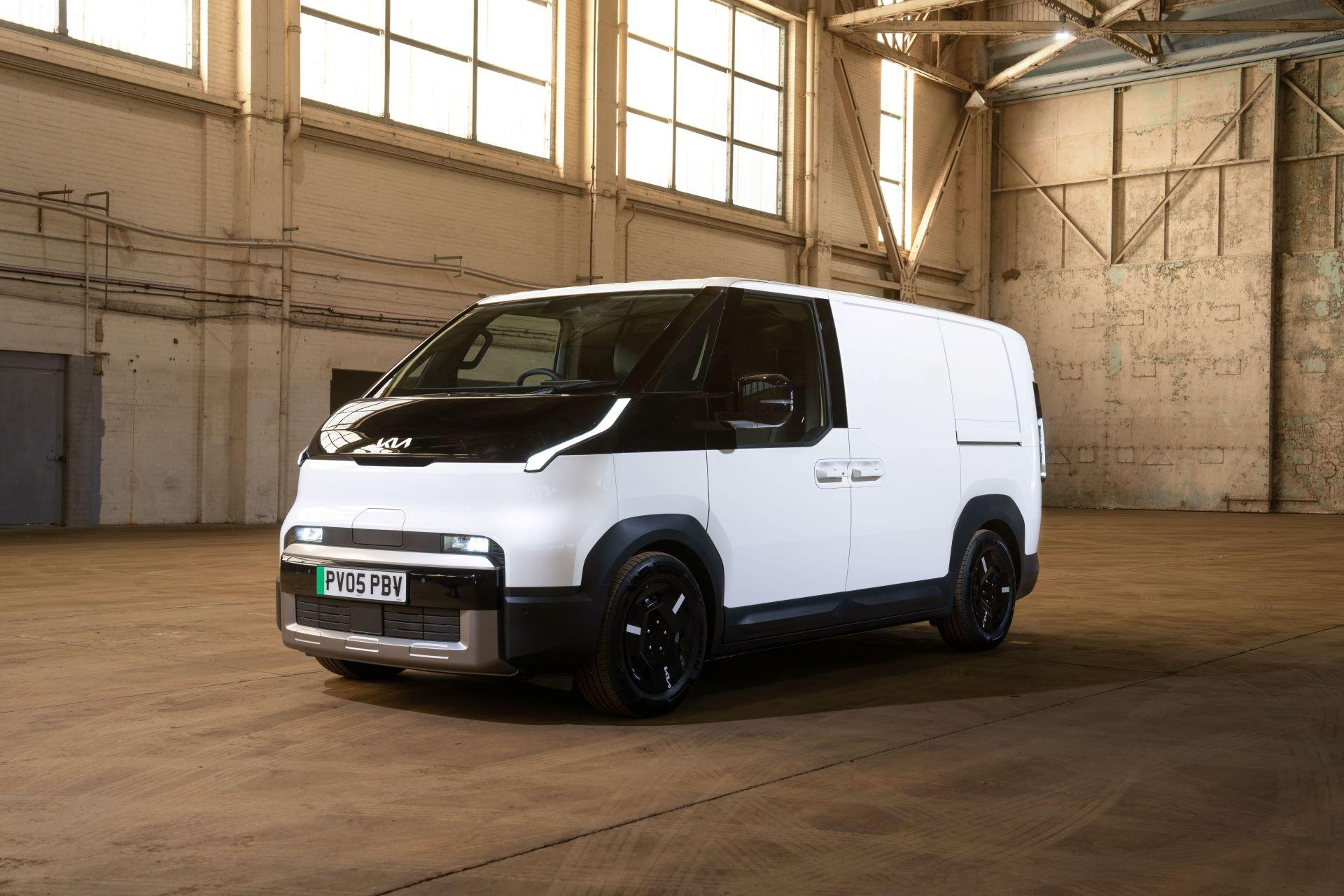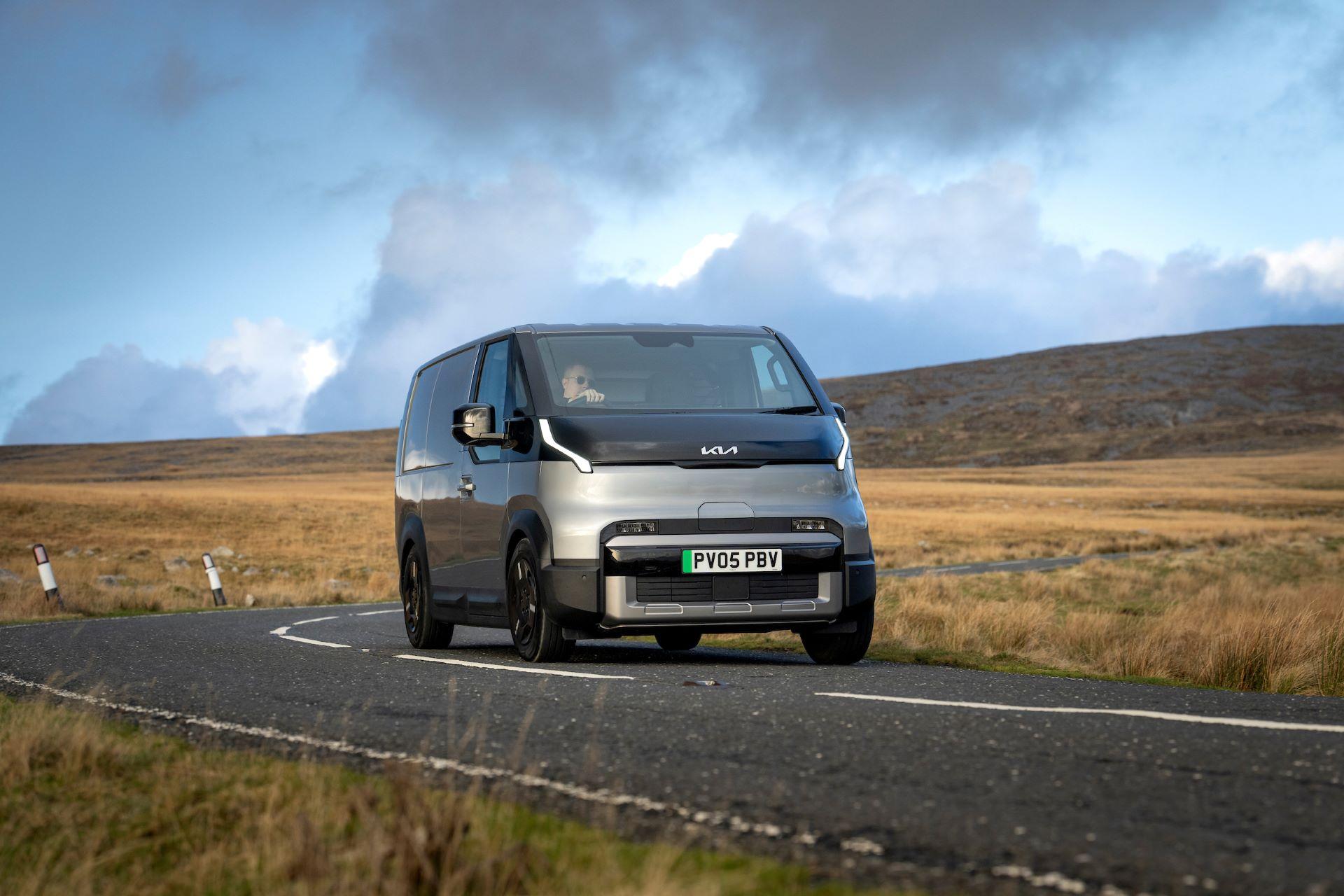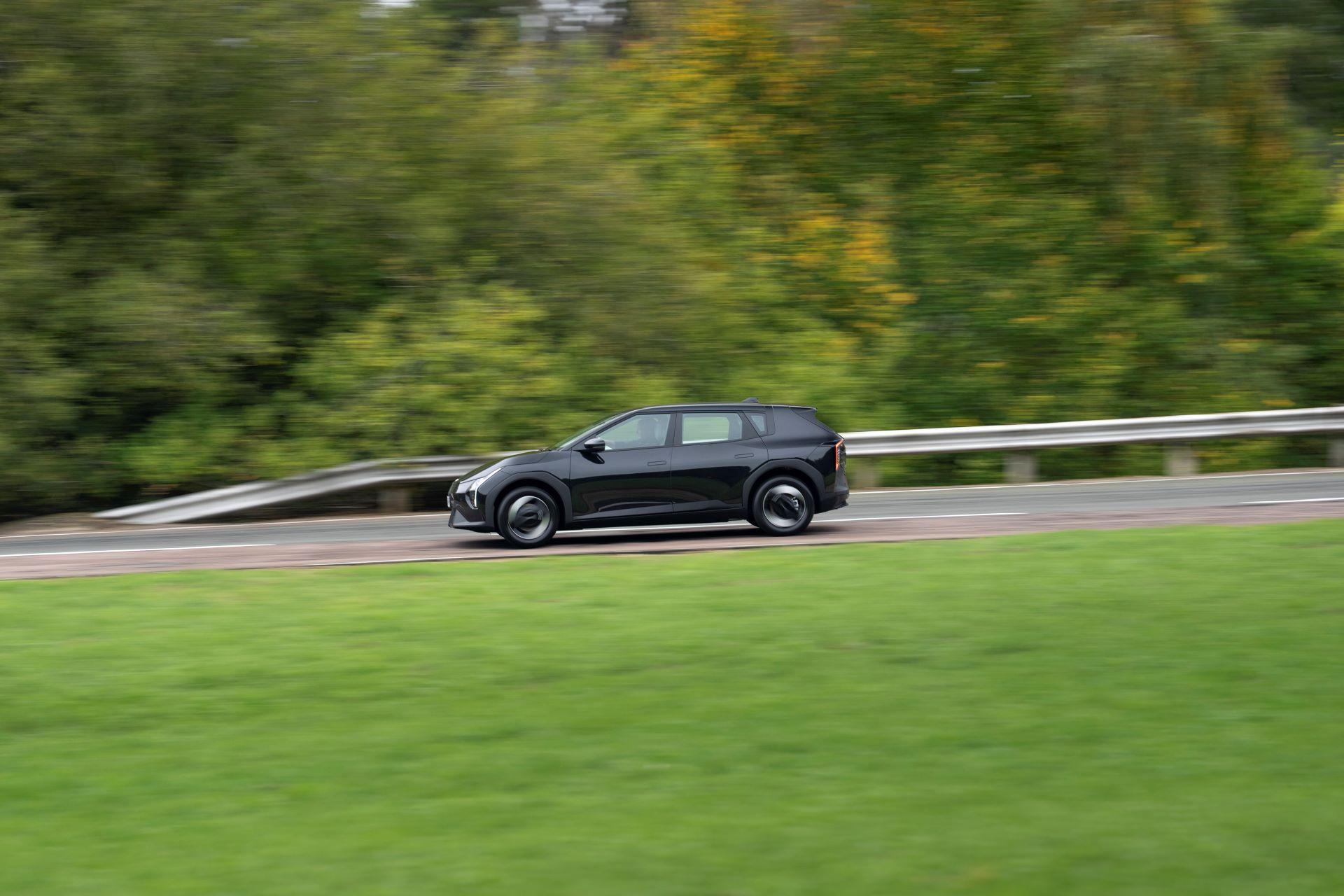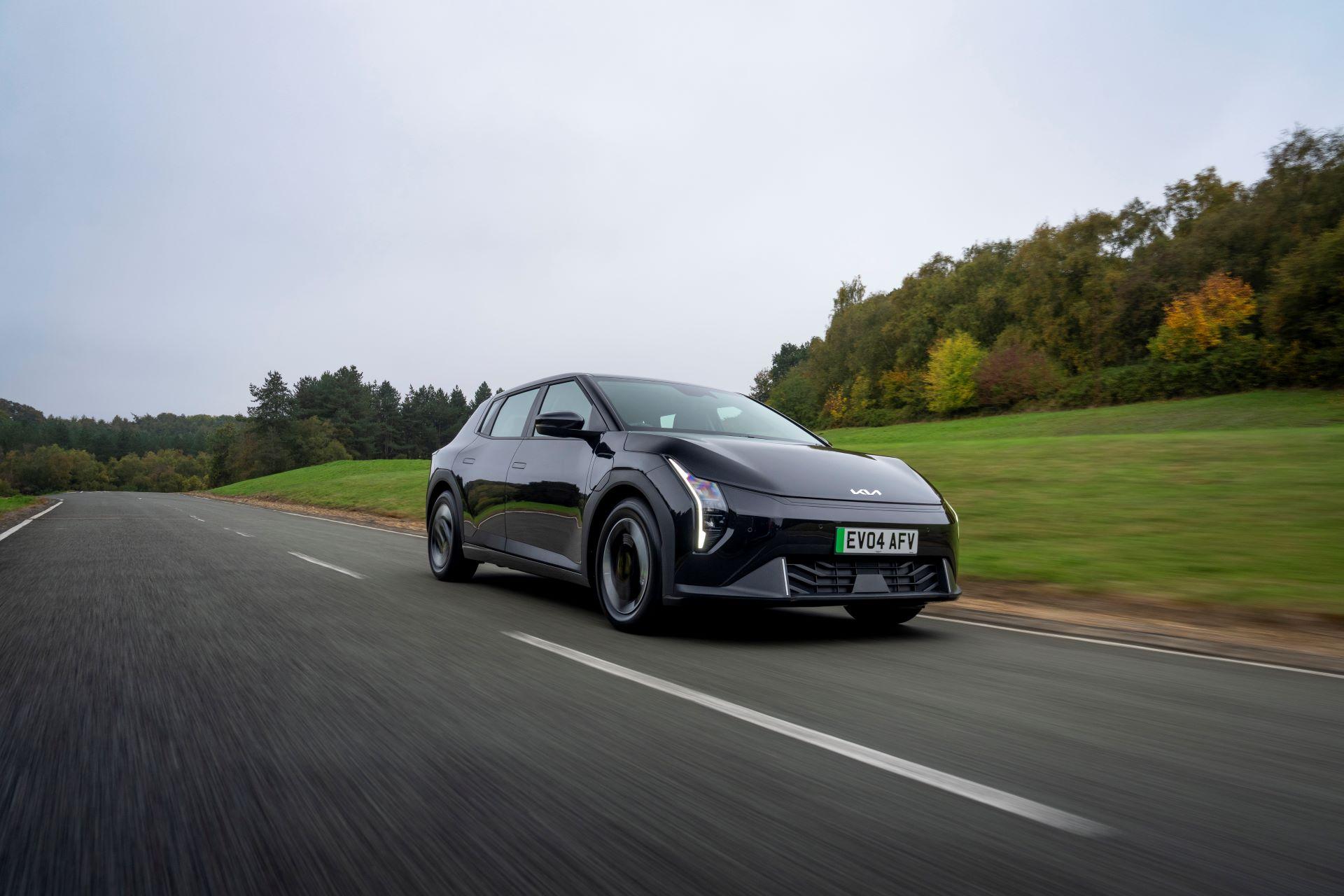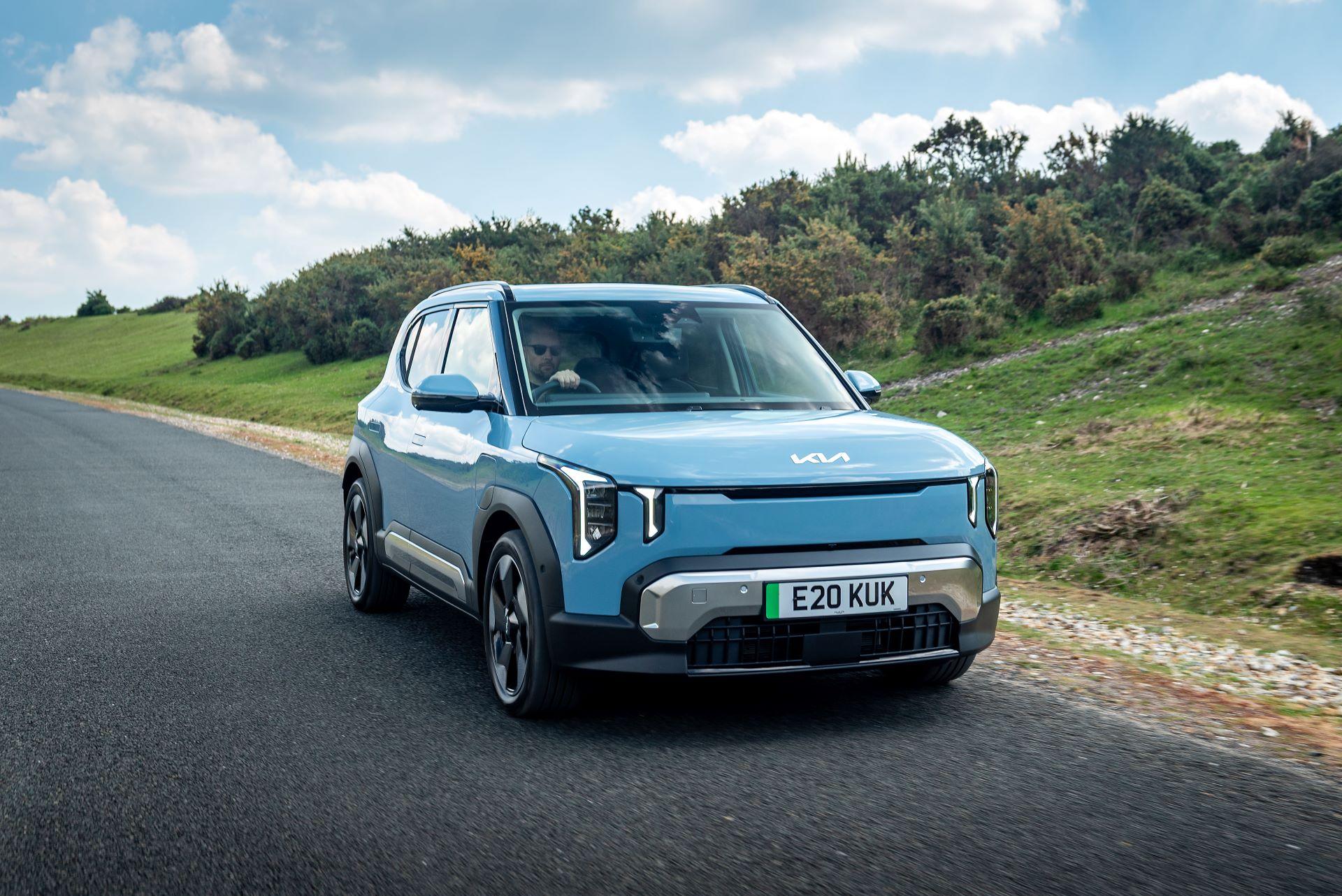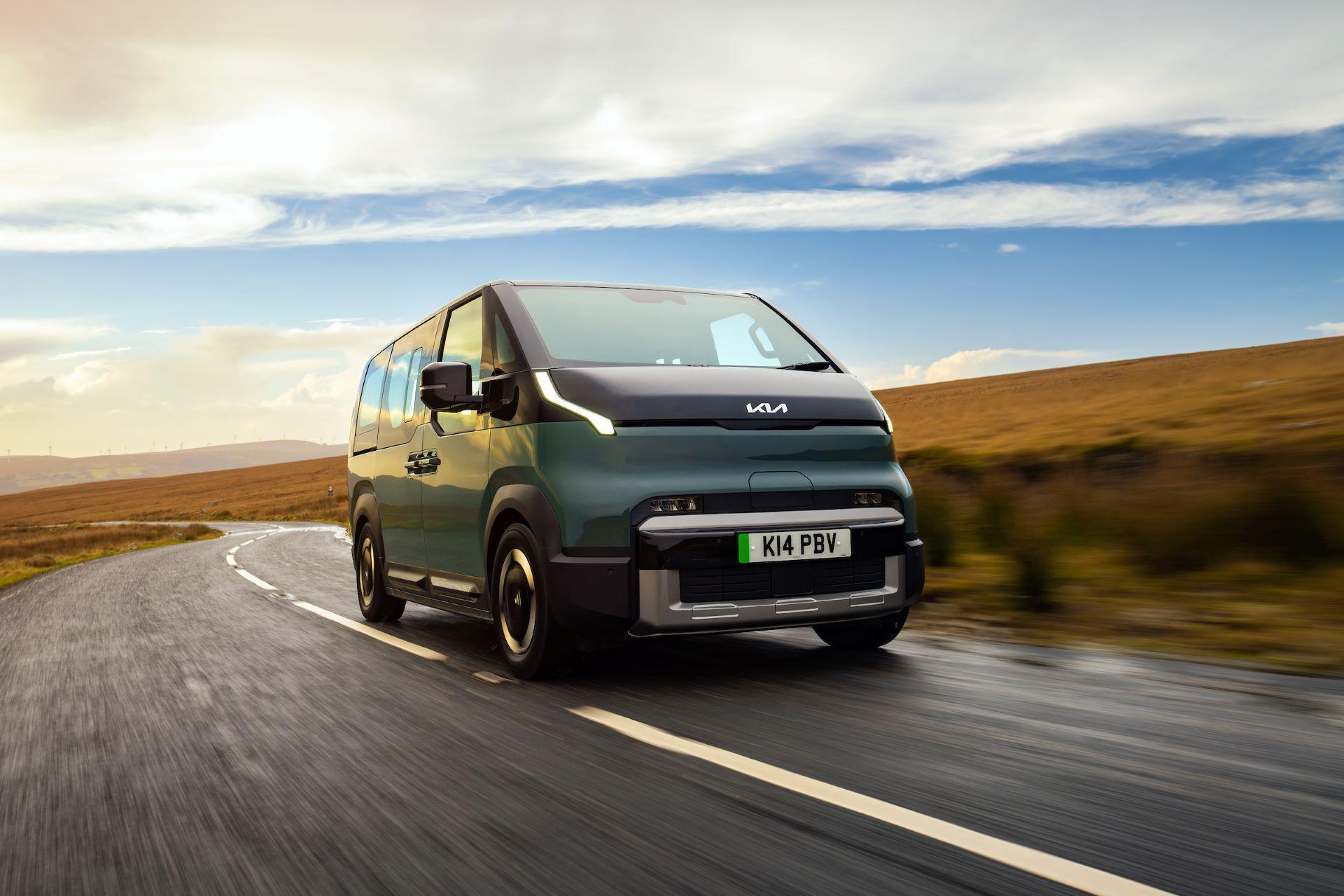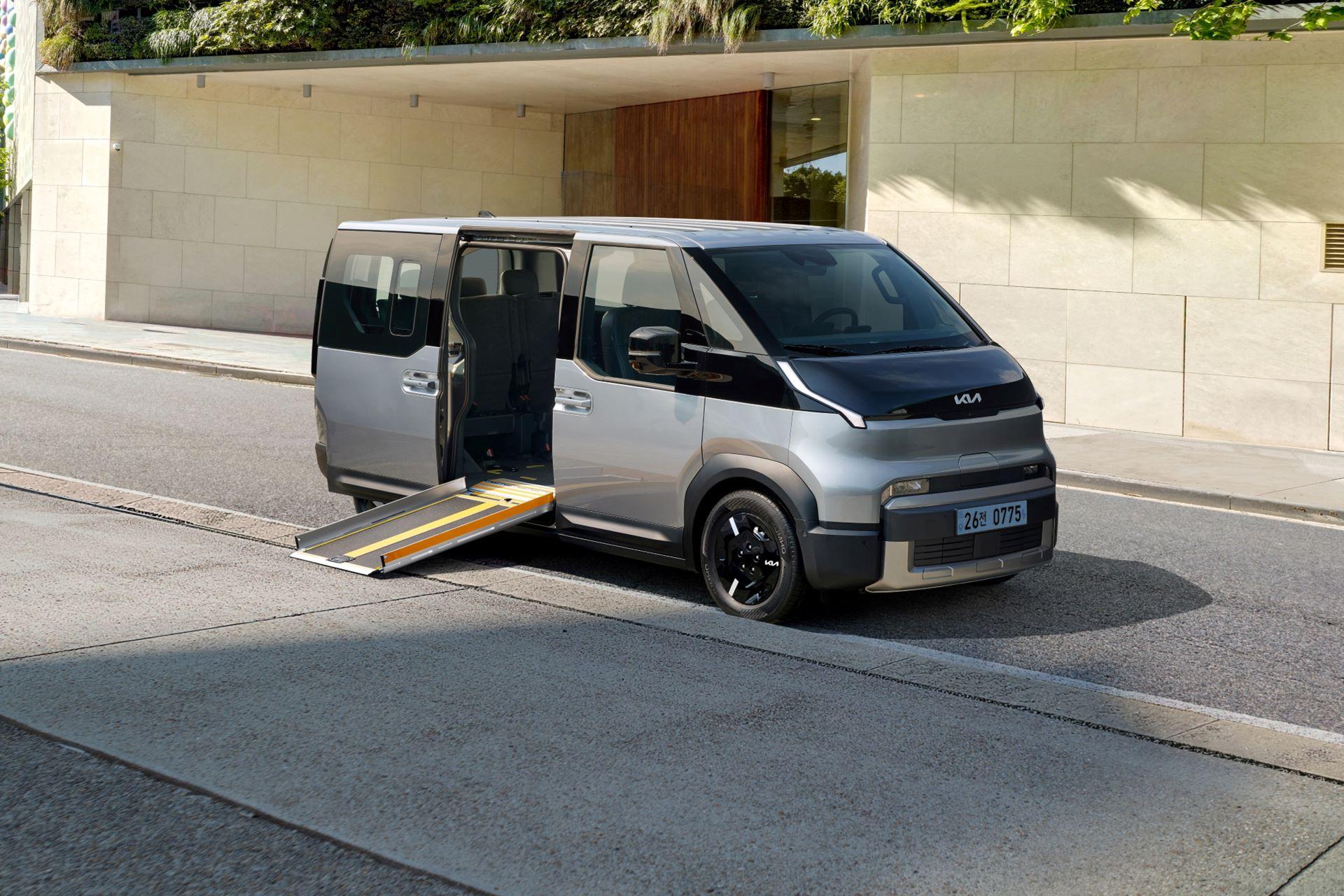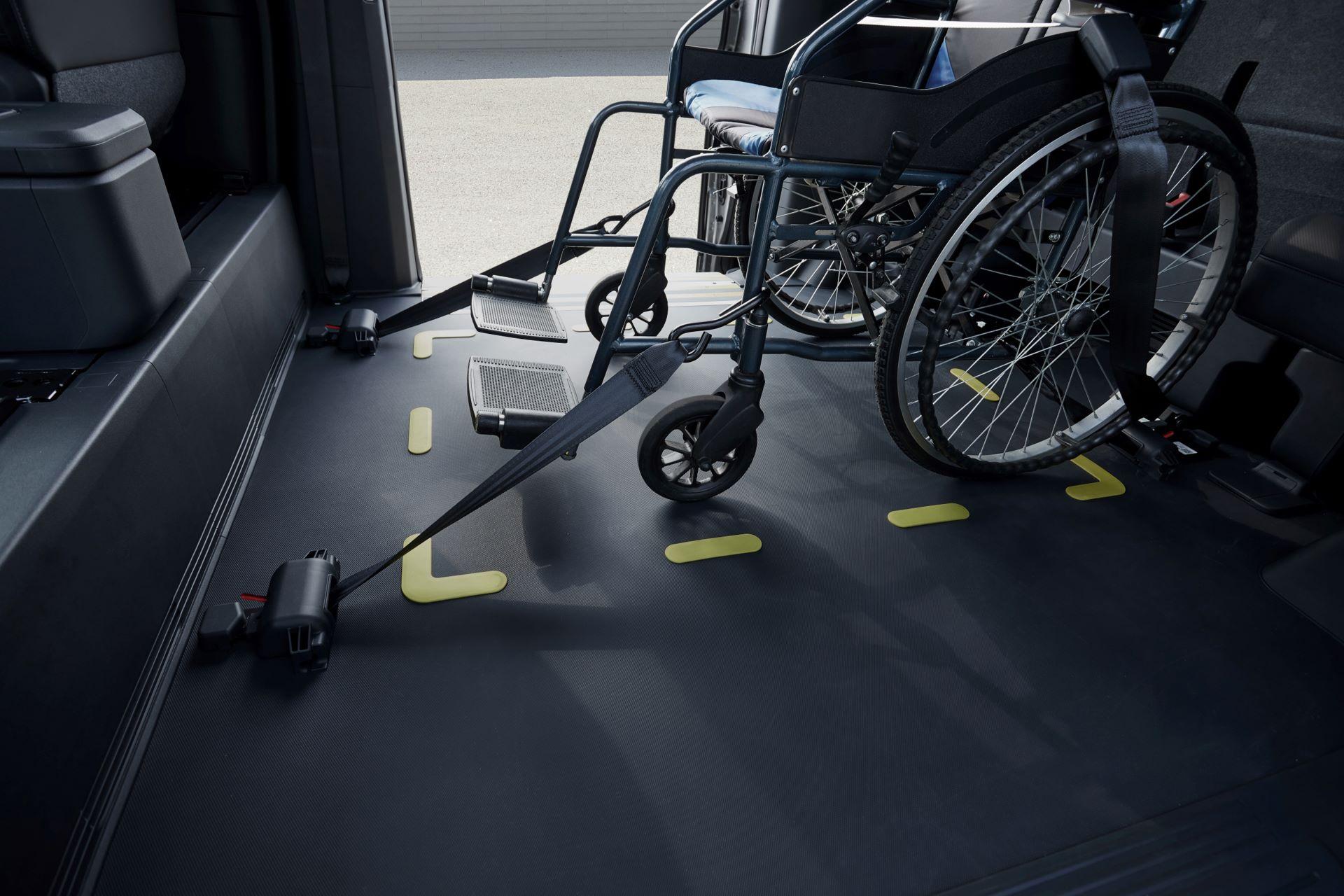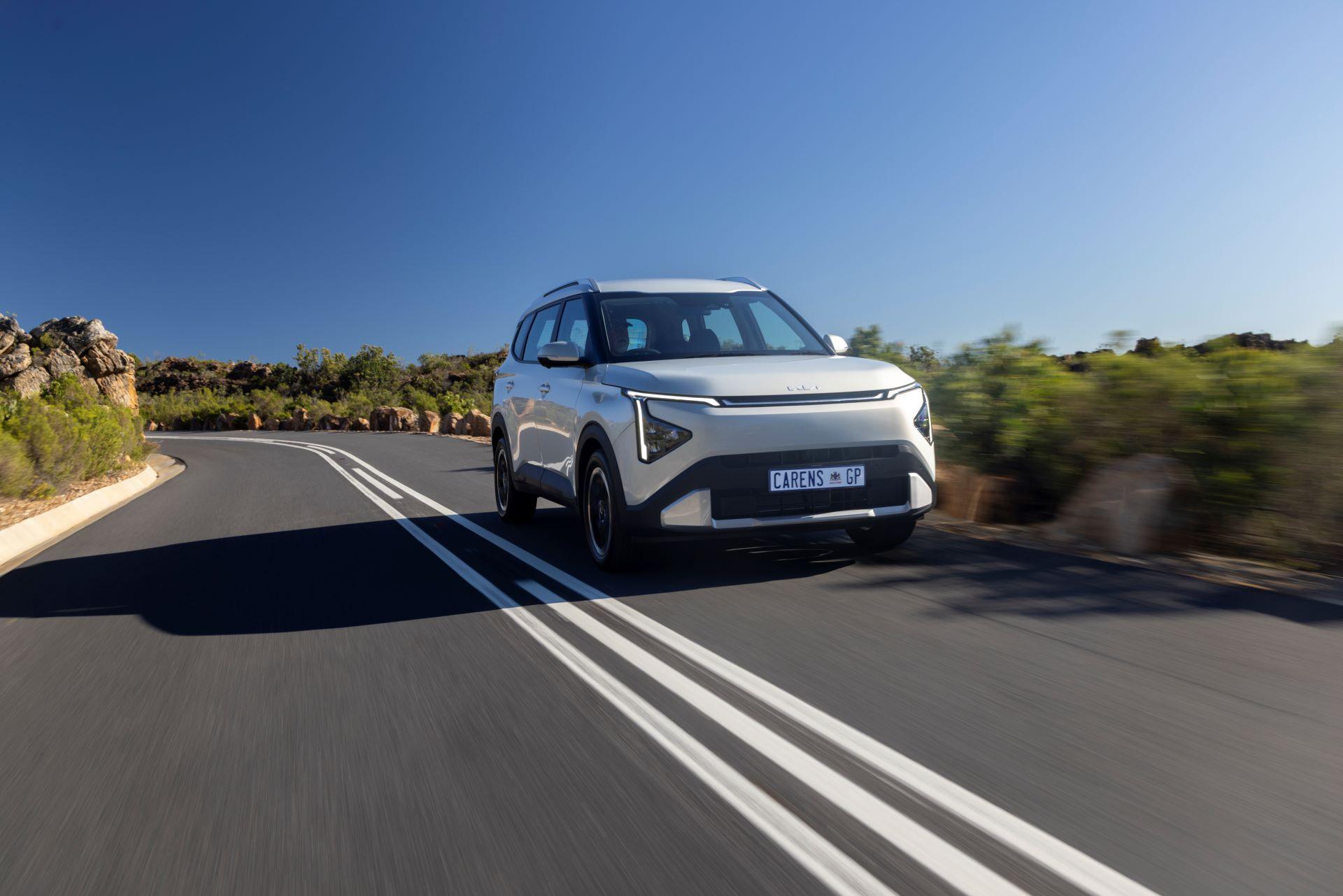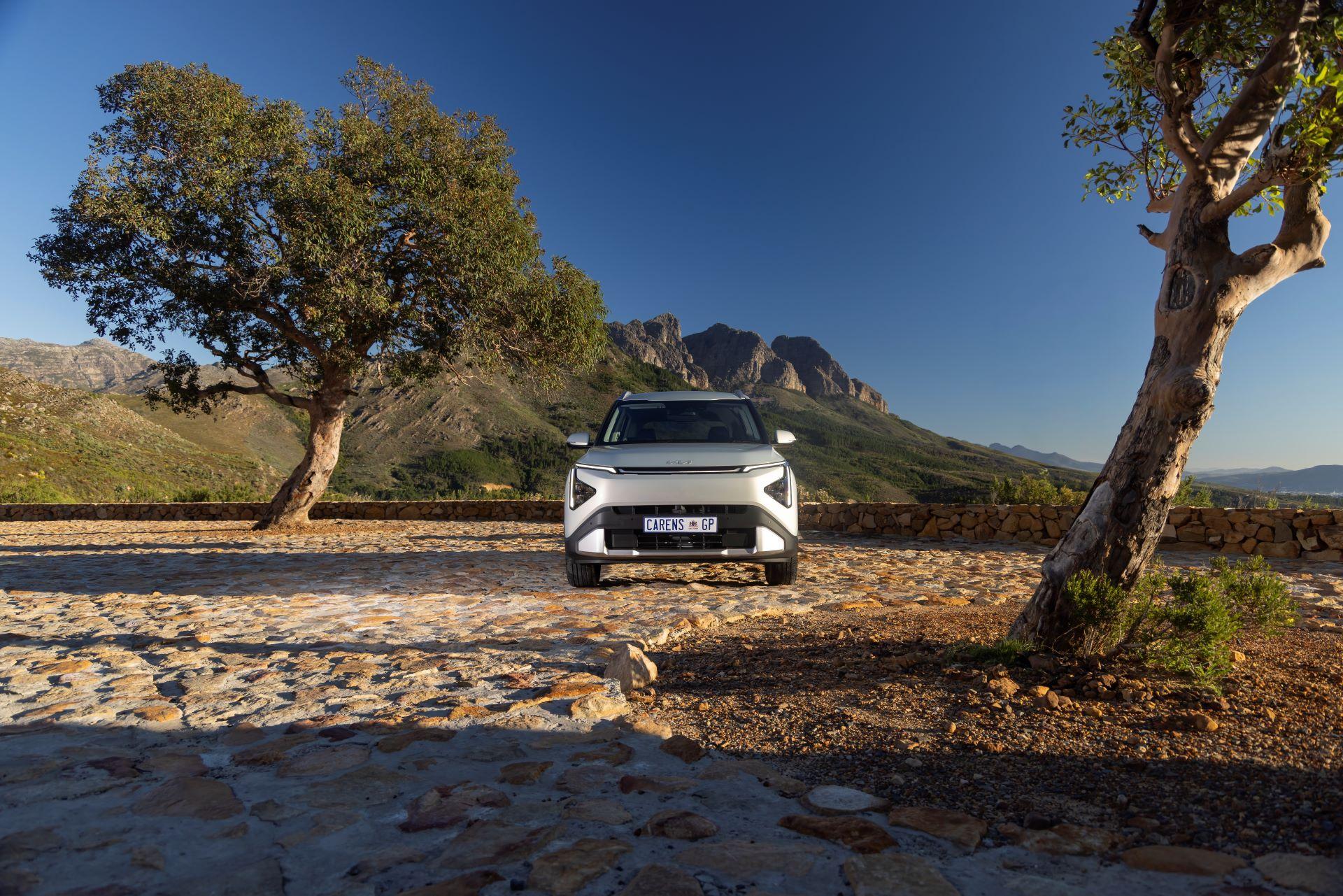



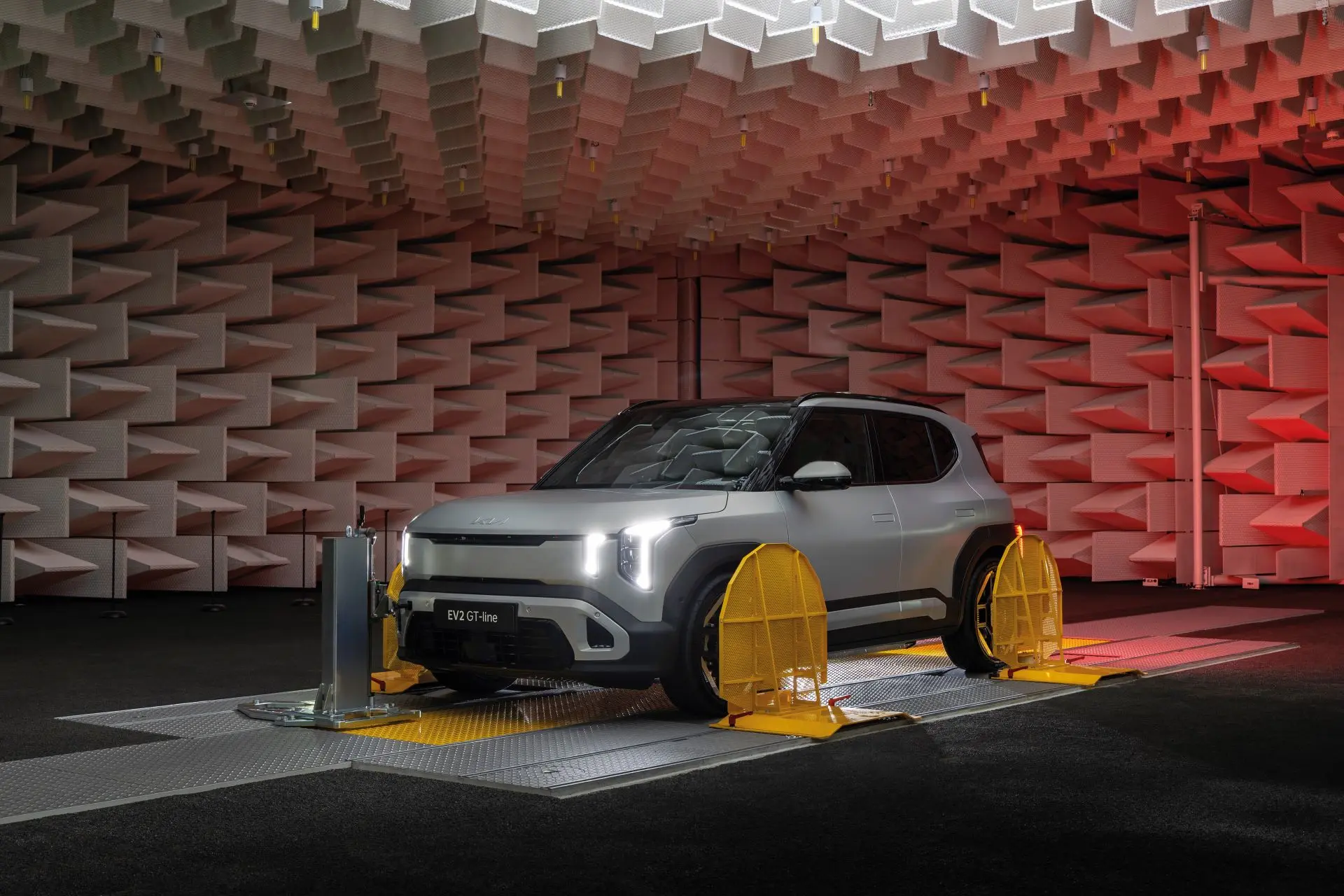
Kia has placed noise, vibration, and harshness (NVH) development at the centre of the EV2’s engineering programme, ensuring the compact electric vehicle delivers a calm and composed driving experience tailored to European expectations. Designed, developed, engineered, produced and sold in Europe, the EV2 brings an unusually refined acoustic profile to the competitive B-SUV segment, demonstrating how careful engineering can significantly elevate everyday comfort in smaller electric vehicles.
Electric vehicles present a unique challenge when it comes to perceived cabin refinement. Without the familiar background hum of a petrol or diesel engine, many of the subtle sounds that drivers would normally never notice become far more apparent. Road noise, wind turbulence and high-frequency tones from electric components can easily dominate the driving experience if not properly controlled. Recognising this, Kia engineers approached the EV2 with a comprehensive NVH strategy that addressed the entire acoustic system of the vehicle from the earliest stages of development.
“EVs change what customers notice first; without a petrol or diesel engine covering up the background noise, small high-frequency sounds and vibrations stand out immediately,” explained Pablo Martínez Masip, Vice President Product, Brand & Customer Experience at Kia Europe. “The EV2 behaves calm at higher speed, controlled on rough roads, and consistent every day, so the car feels refined from the first kilometre.”
The development process relied heavily on advanced simulation tools at the Hyundai Motor Europe Technical Centre. Engineers used numerical modelling to predict how road and wind noise would behave across different driving conditions and surfaces commonly encountered across European markets. This simulation-led approach allowed the team to identify potential acoustic disturbances early in the design phase and develop targeted solutions before physical prototypes were even built.
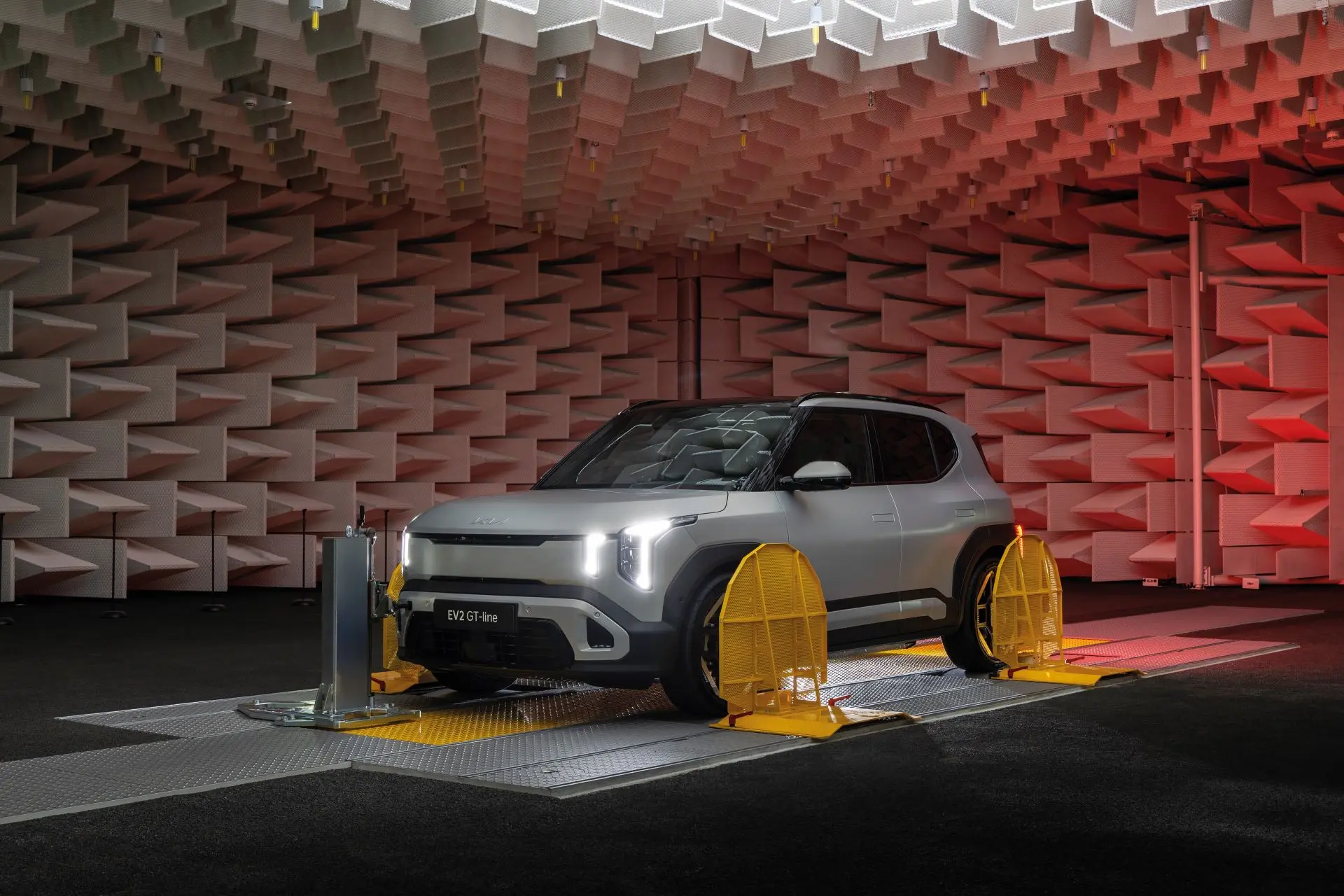
Once the engineering concepts were validated digitally, dyno-based NVH testing played a critical role in fine-tuning the vehicle’s acoustic behaviour. By testing in a controlled laboratory environment, engineers could isolate individual frequencies and measure how different components affected the cabin soundscape. This approach eliminated variables such as weather changes or inconsistent road surfaces, enabling repeatable measurements and more precise adjustments.
“We treated the EV2’s NVH development as a system,” said Oliver Jung, Lead Engineer at HMETC. “Early simulations helped us identify where road and wind noise could disrupt the cabin. Next to that, dyno-based testing gave us repeatable data to validate every countermeasure. Acoustic tyres, acoustic glazing, and an optimised sound package work together to keep the cabin calm and quiet, even on motorways.”
A series of carefully engineered components contribute to this quiet environment. Acoustic tyres help reduce tonal road noise that can otherwise travel through the suspension and body structure. These are complemented by specially developed carpets and wheel arch absorbers that further dampen sound entering the cabin from the road surface. At higher speeds, wind noise is minimised through the use of acoustic laminated glass for the doors and windscreen, which reduces air turbulence and helps maintain a stable and relaxed atmosphere inside the vehicle.
Even though electric motors operate more quietly than combustion engines, EV-specific hardware can introduce its own unique sounds. Components such as the inverter and DC/DC converter may generate high-frequency tonal noise that becomes noticeable in a silent cabin. To address this, Kia engineers developed a dedicated sound management package that includes enhanced dash insulation, a frunk absorber and an optimised underbody cover designed to limit the transmission of these frequencies into the passenger compartment.
Beyond controlling unwanted noise, the EV2 also integrates sound design elements that support both safety and usability. The pedestrian warning sound alerts nearby road users to the presence of the vehicle while remaining subtle for occupants. Similarly, the alert sound used by the Intelligent Speed Limit Assist system has been carefully tuned to ensure it delivers clear guidance without becoming distracting or irritating during daily driving.
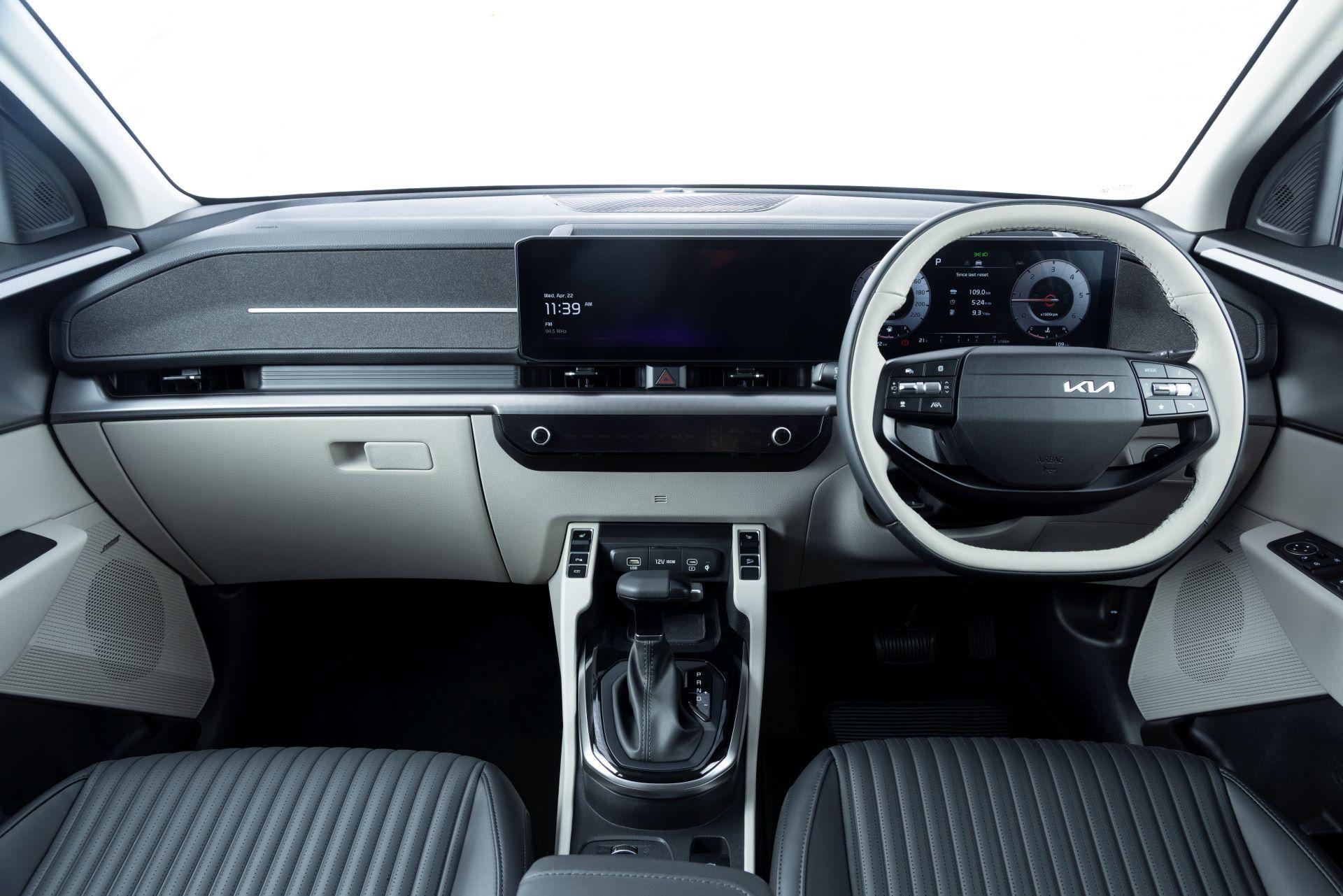
The EV2’s quiet cabin forms part of a broader package designed to make electric mobility more accessible to European households. Positioned in the B-SUV segment, the model combines compact dimensions with practical interior space, offering generous legroom, flexible rear seating and up to 362 litres of cargo capacity. The cabin integrates triple-screen displays, over-the-air update capability and a suite of advanced driver assistance technologies that align with the expectations of modern EV buyers.
Powertrain options further expand the vehicle’s versatility. Buyers can choose between 42.2kWh and 61.0kWh battery packs, delivering estimated ranges of up to 317km and 453km respectively according to pending WLTP figures. The EV2 also supports 400V DC fast charging along with 11kW and 22kW AC charging options, ensuring convenient charging both at home and on longer journeys. Features such as EV route planning, Plug & Charge functionality and bidirectional charging capabilities further enhance everyday usability.
With the EV2, Kia demonstrates that refinement is no longer reserved for larger or more expensive electric vehicles. Through careful engineering, advanced simulation techniques and comprehensive validation testing, the brand has delivered a compact EV that prioritises acoustic comfort while maintaining the practicality and accessibility expected in its class. For European drivers, the result is a vehicle that feels calm, controlled and sophisticated from the moment the journey begins.