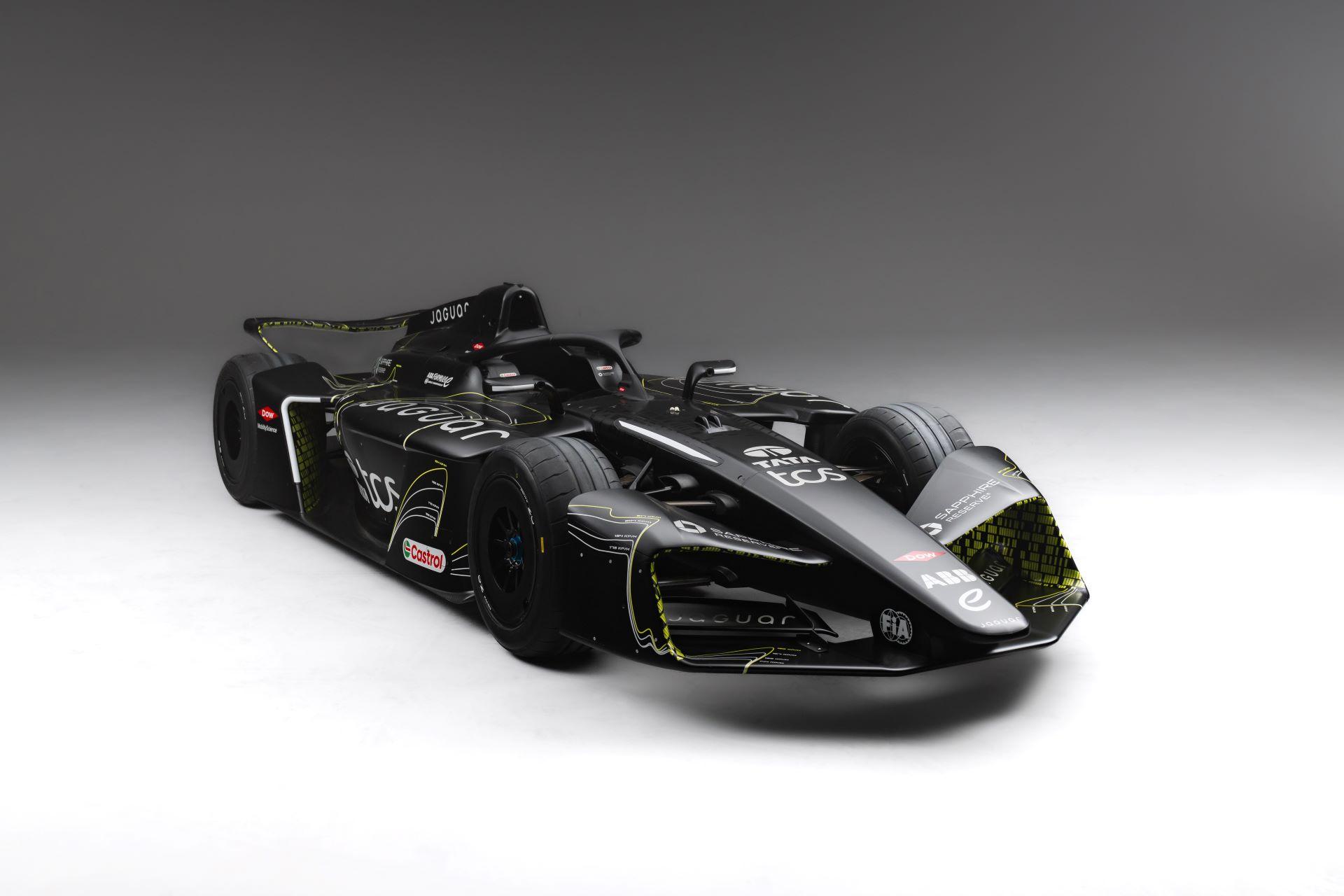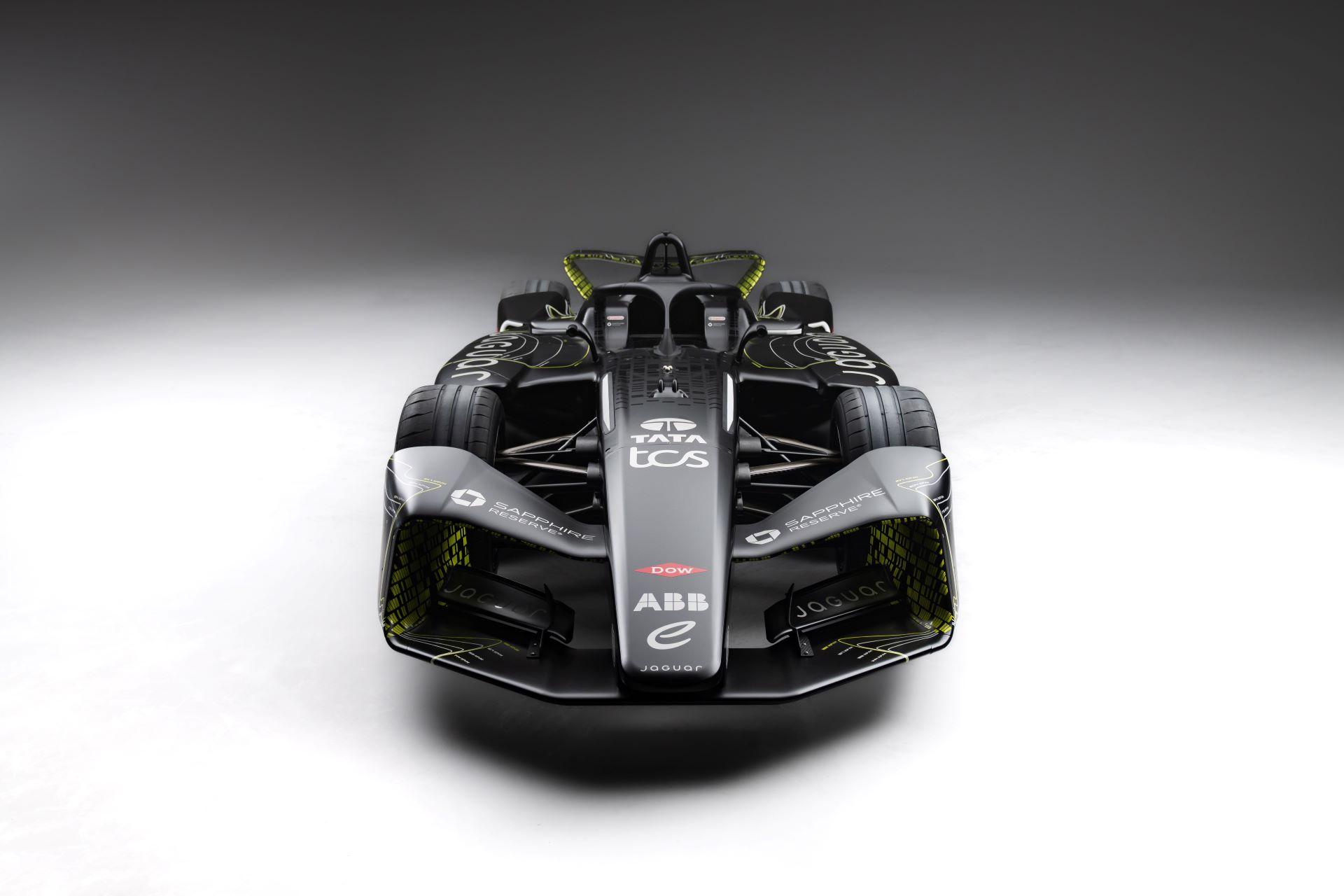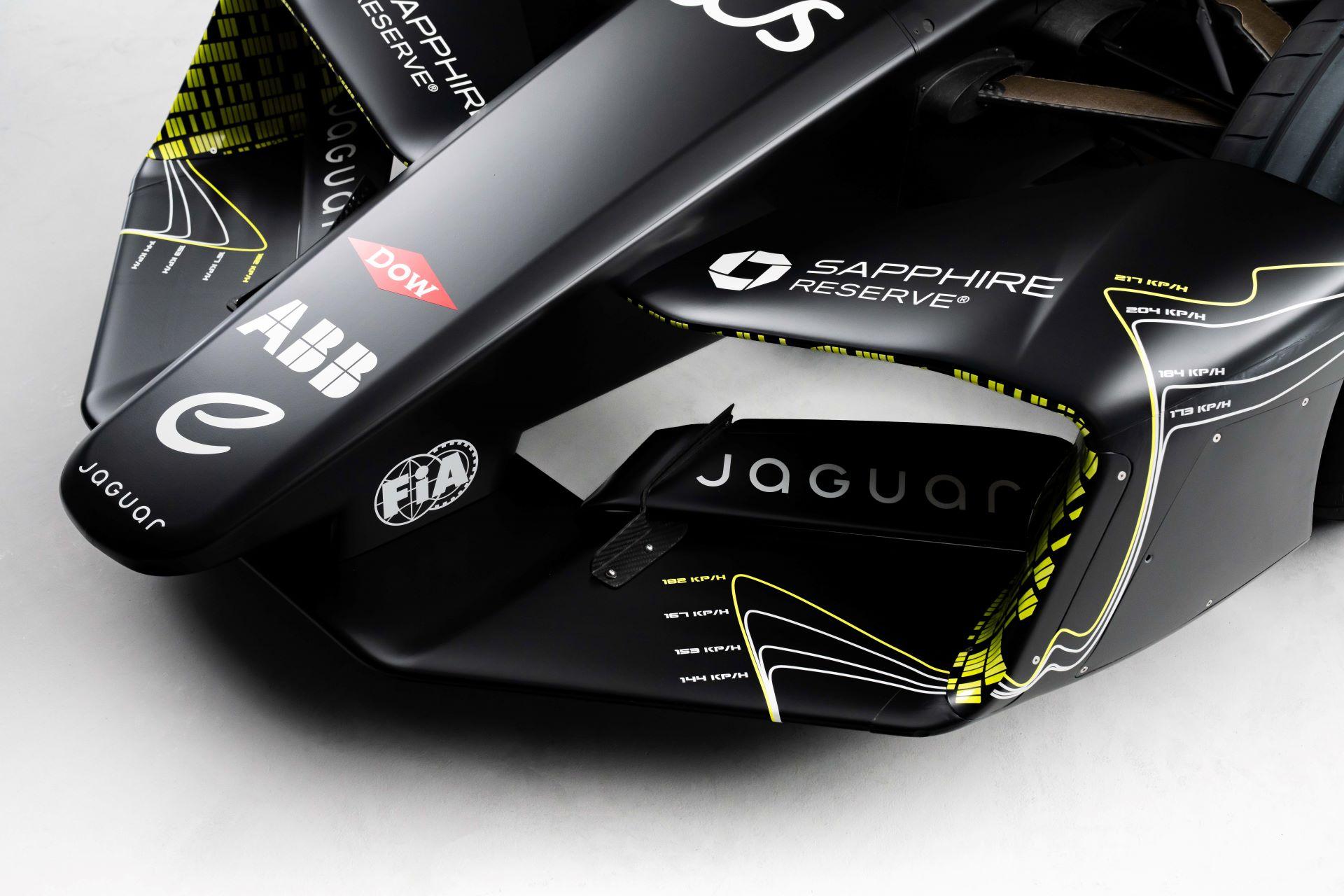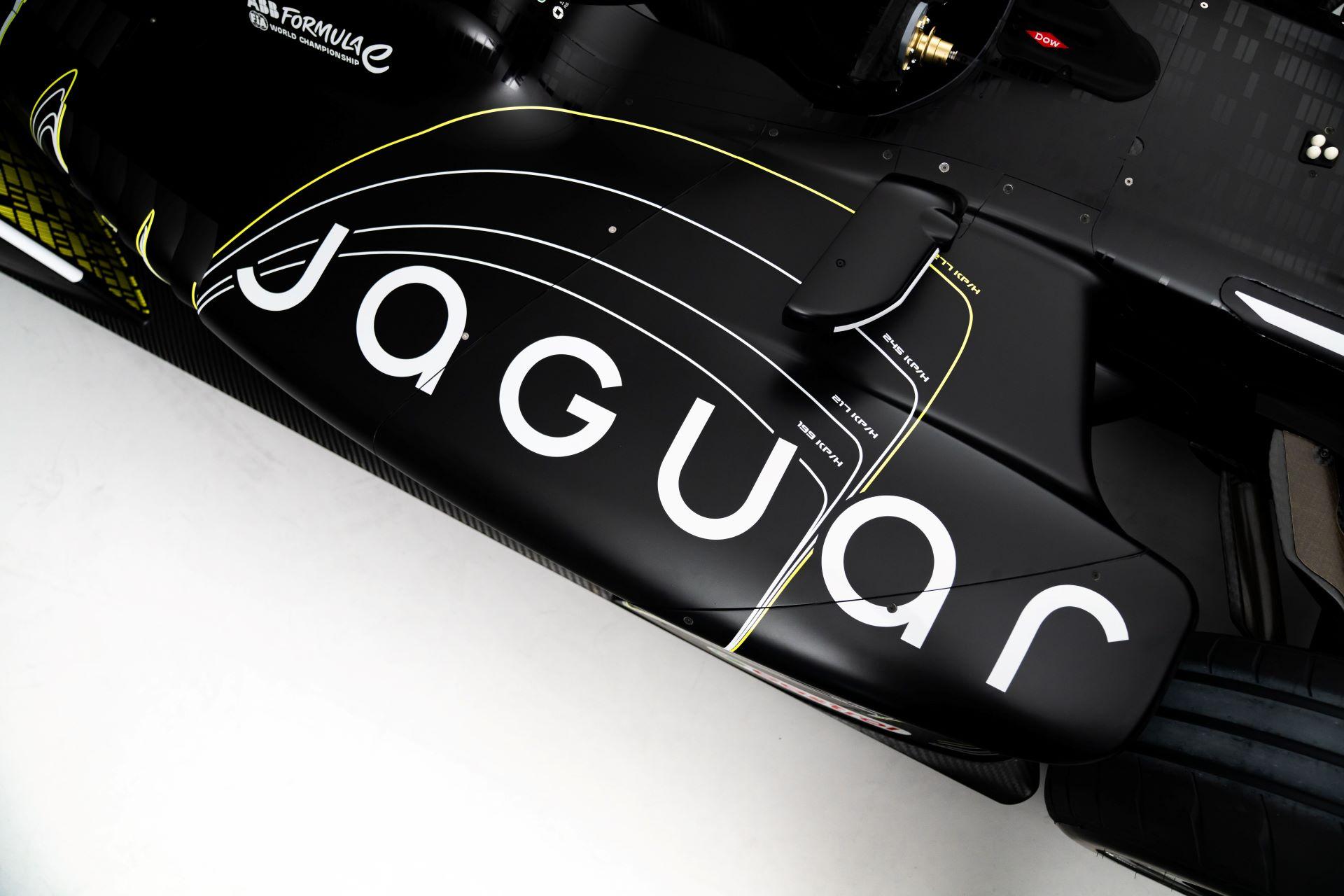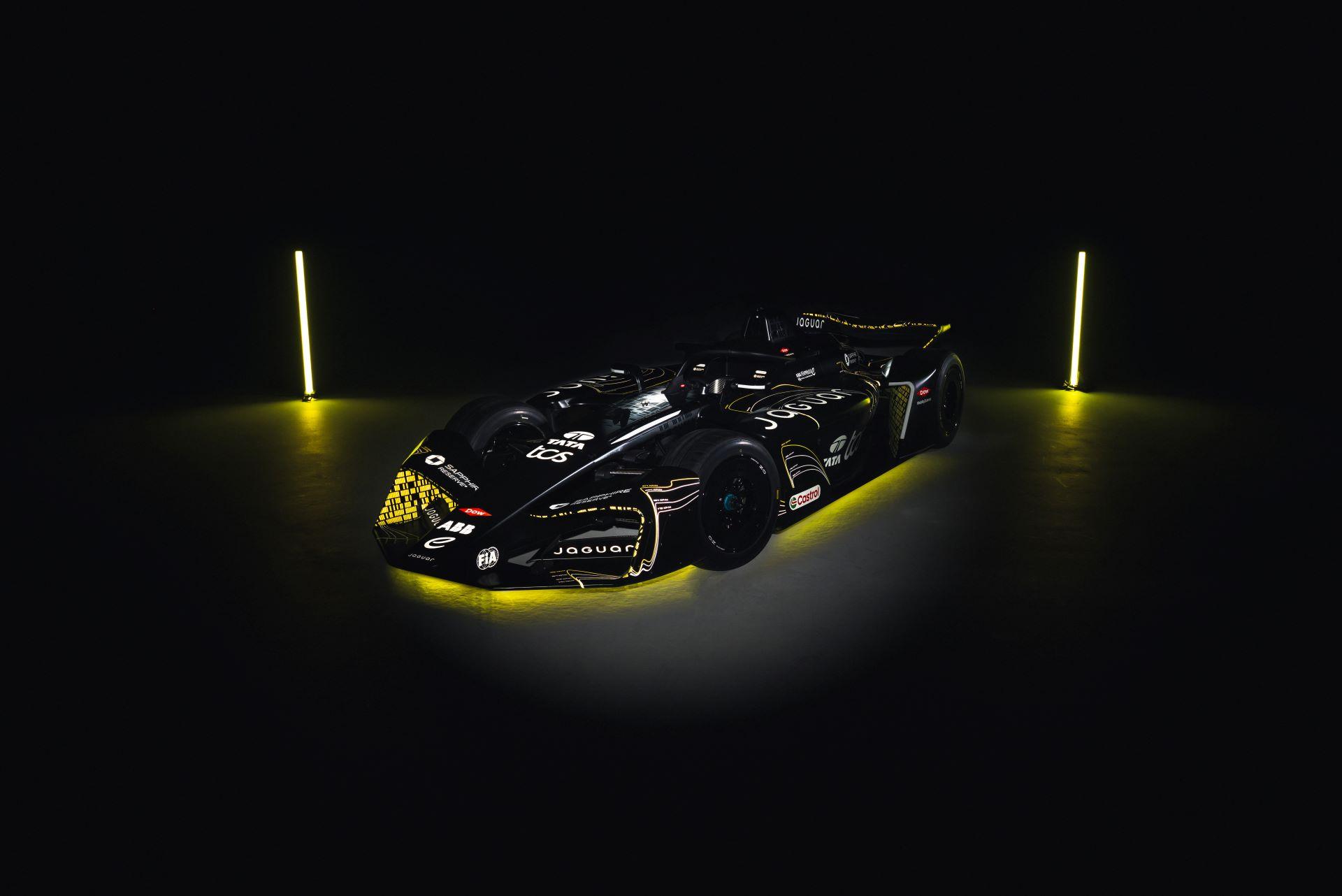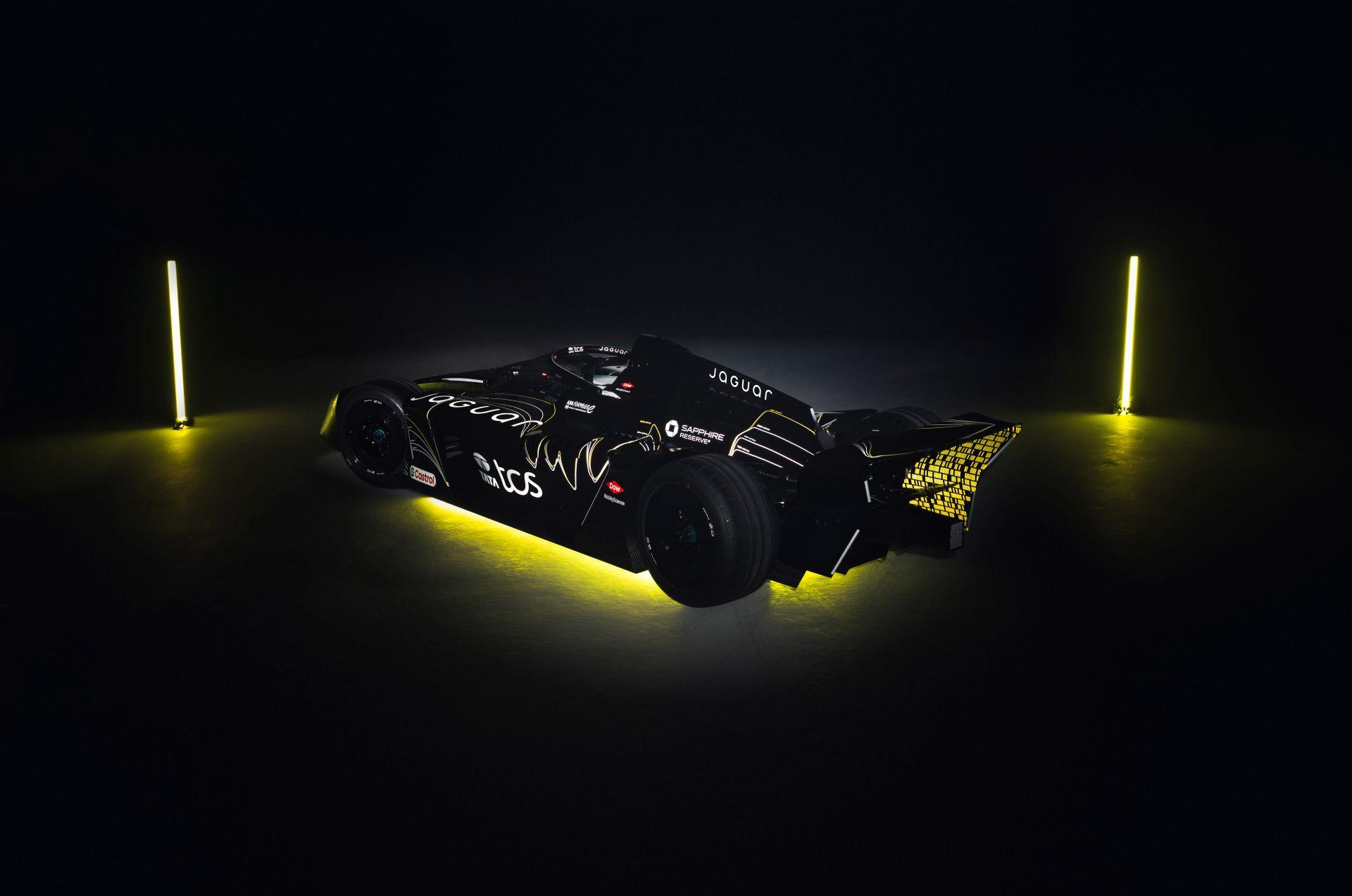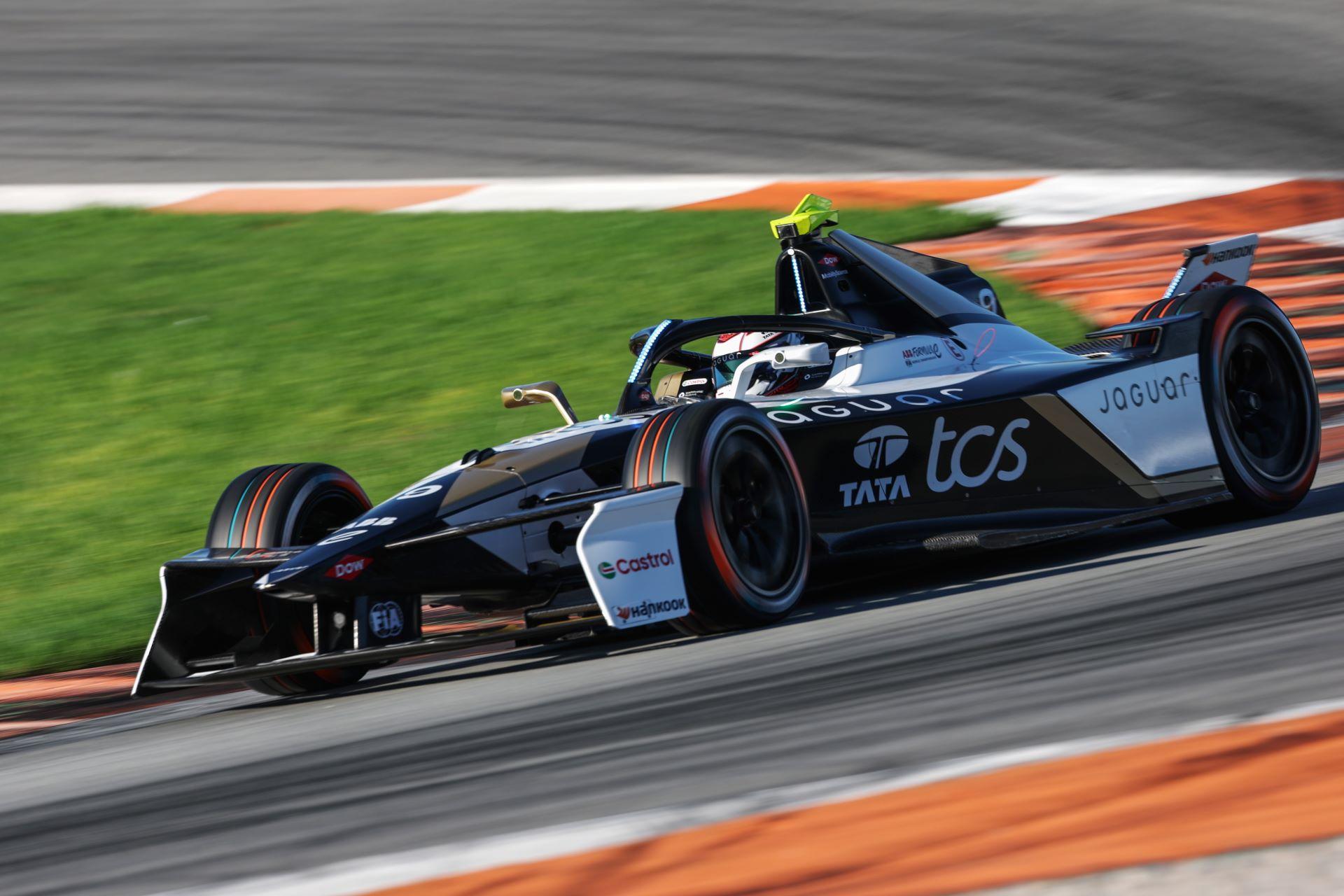



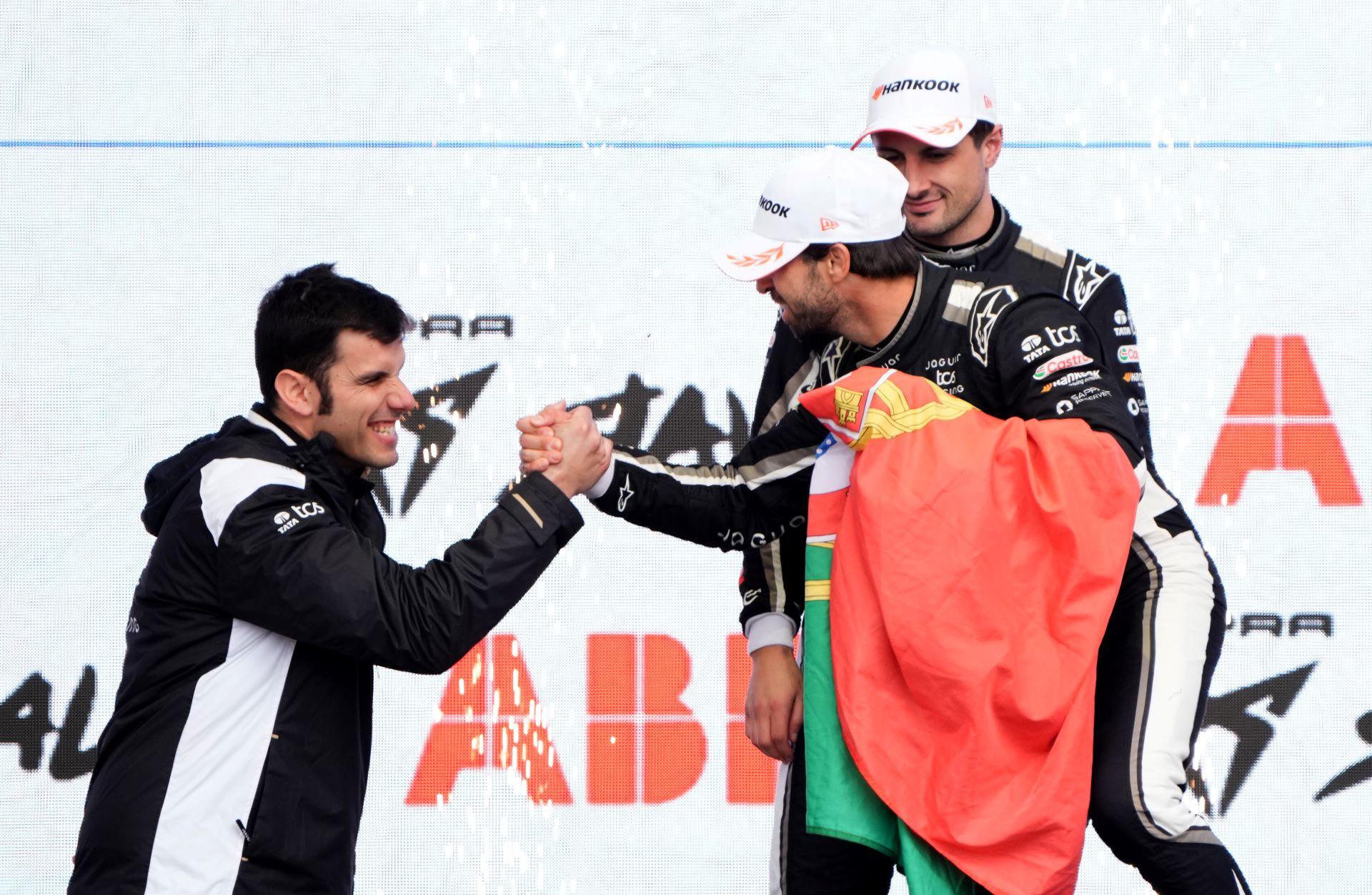
There are races where everything clicks, and then there are races where a team seems to bend the rhythm of the circuit itself to its will. At the inaugural Madrid E-Prix, Jaguar TCS Racing delivered the latter, orchestrating a performance that felt less like a victory and more like a statement carved into the championship’s timeline.
At the heart of it stood António Félix da Costa, marking his 150th start in the Formula E with a victory that carried both weight and poetry. Milestones in motorsport often arrive quietly, tucked behind routine finishes or near-misses. This one arrived with a roar, wrapped in strategy, resilience, and a touch of defiance after early adversity.
The setting added its own gravitas. The historic Circuito de Jarama, a venue steeped in racing heritage, hosted its first electric showdown under the banner of the Madrid E‑Prix. It was unfamiliar territory for the grid, but Jaguar’s execution suggested a team entirely at ease, as if they had already mapped every contour of the challenge before a single lap was turned.
Da Costa’s race was anything but straightforward. Early contact on lap three forced him wide, dropping him down the order and threatening to unravel what should have been a landmark outing. Lesser drives fracture under that kind of pressure. Instead, his response was measured, almost surgical. Within two laps, he had begun the climb back, recalibrating his approach and leaning on the team’s strategic blueprint.
The turning point came with an early PIT BOOST call at the end of lap 11. It was a move that required both nerve and foresight, committing to track position over immediate stability. When the pit cycle played out, the decision revealed its brilliance. Da Costa emerged effectively leading the race, having undercut the field with precision timing that spoke to hours of preparation distilled into a single moment.
While da Costa was reshaping the front, Mitch Evans was crafting a race of equal intrigue further back. Starting from P16, his path to the front resembled a slow-burning fuse rather than an explosion. In Formula E, aggression without discipline is a liability. Evans chose patience, managing energy with the kind of restraint that often goes unnoticed until it suddenly changes everything.
As the race entered its closing stages, that restraint became a weapon. Where others began to fade, Evans surged. Positions fell one by one, not through desperation, but through calculated intent. By the time he reached the top ten, the energy advantage he had cultivated allowed him to shift gears, turning conservation into attack.
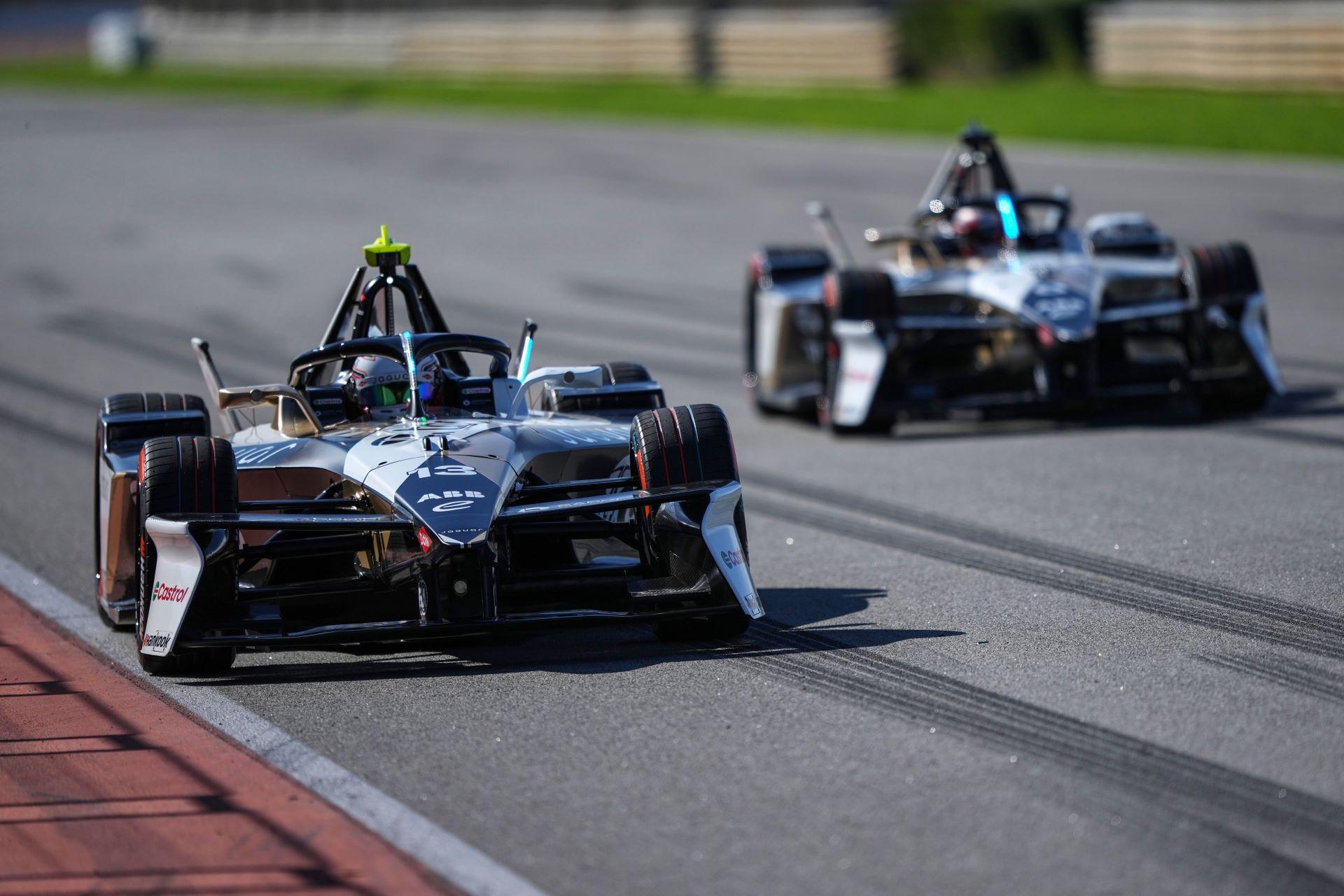
The final laps unfolded like a carefully choreographed crescendo. Da Costa reclaimed the lead decisively on lap 17, dispatching Max Günther with authority, and managed the pressure that followed with composure. Behind him, Evans was no longer climbing quietly. He was charging, overtaking Pascal Wehrlein to secure second place on the penultimate lap and seal a remarkable 1-2 finish.
What made the result resonate was not just the positions, but the manner in which they were achieved. Both drivers operated with a clear strategic advantage, holding more usable energy than their rivals in the closing laps. It transformed the end of the race into a showcase, a demonstration of how preparation, data, and trust within a team can manifest as dominance on track.
For Jaguar TCS Racing, this was more than just another win. It marked their 25th victory in the championship, extending their status as the most successful team in Formula E history. More importantly, it underscored a growing momentum in the 2026 season. With three wins from the opening six rounds and the only 1-2 finish so far, the team has positioned itself not just as a contender, but as a benchmark.
There is a particular satisfaction in victories that emerge from adversity. Da Costa’s recovery drive embodied that spirit, turning an early setback into a defining triumph. Evans’ ascent from the back of the grid added a complementary narrative, reinforcing the depth of performance within the team. Together, they created a result that felt complete, balanced between individual brilliance and collective execution.
Team Principal Ian James captured the essence of the achievement in his reflections, pointing to the meticulous preparation and belief that underpin such outcomes. In a championship where margins are razor-thin and variables constantly shift, those qualities often make the difference between contention and control.
As the championship moves forward, the implications of Madrid extend beyond the points table. Jaguar TCS Racing now sits second in both the Teams’ and Manufacturers’ standings, with Evans and da Costa holding third and fourth in the Drivers’ Championship. The numbers tell one story. The momentum tells another, quieter but more compelling narrative of a team finding its stride at precisely the right moment.
Next comes the Berlin E-Prix double-header, another test in a season that is beginning to take shape. If Madrid was an overture, Berlin may well be the next movement in a campaign that is gathering both pace and purpose.
For now, though, the image that lingers is simple and striking: two Jaguar cars at the front of the field, moving with clarity and control, as if the race had been rewritten to suit their rhythm. It is the kind of performance that does more than win races. It shifts expectations.