

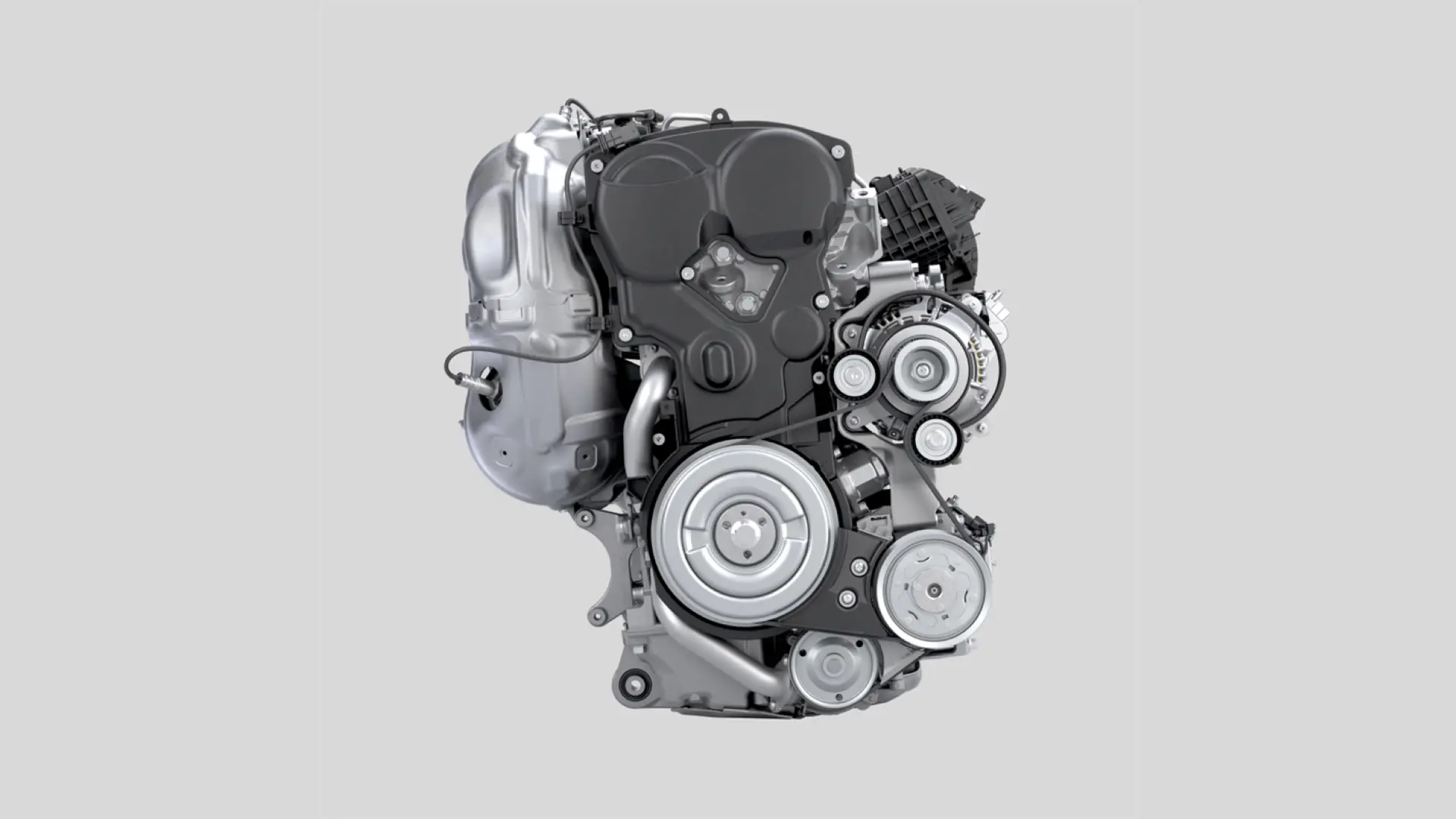
In the steadily tightening world of global emissions regulation, evolution rarely arrives in leaps. It comes in carefully engineered steps, measured in grams of CO₂ saved, fractions of fuel economy improved, and production lines retooled without missing a beat. The latest step belongs to Horse Powertrain, which has introduced the upgraded HORSE V20 engine, marking a significant advancement in its hybrid and combustion powertrain portfolio.
Developed under the company’s Aurobay Technologies division, the new 2.0-litre, four-cylinder gasoline engine has officially entered production at the Skövde manufacturing facility in Sweden, a site now positioned as a key export hub supplying markets across Europe, the United States and Asia. The upgrade arrives at a pivotal moment, as automakers face increasingly strict emissions requirements across multiple regulatory regions.
What makes the HORSE V20 notable is not a single breakthrough, but a shared architectural philosophy designed to serve two distinct electrified pathways. Built on one core engine architecture, it is offered in both a 400-volt plug-in hybrid configuration and a 48-volt mild hybrid variant. This dual-variant strategy allows manufacturers to tailor electrification levels to different market demands while maintaining a common engineering foundation.
The plug-in hybrid version delivers a measurable improvement in efficiency, reducing fuel consumption by approximately seven percent compared to the engine it replaces. That gain is achieved through a combination of hardware and systems refinement rather than radical redesign, including an updated crankshaft-mounted starter-generator, a repositioned mechanical water pump, and a reworked cooling layout designed for improved thermal management.
Further enhancements extend deep into the combustion and intake systems. A new multi-injection fuel system works alongside an updated engine management platform, while a redesigned air induction system ensures compatibility with the revised architecture. Together, these refinements contribute to both efficiency gains and compliance with tightening emissions legislation across the U.S., Europe and China.
Beyond performance, the economic logic of the platform is equally central to its design. By sharing a common architecture across both hybrid variants, the system reduces material complexity and production cost, creating greater scalability for automakers navigating fragmented global regulations. It is an engineering response not only to technical demands, but also to the financial pressures of electrification transition strategies.
According to Ingo Scholten, Deputy CTO of Horse Powertrain and Managing Director of Aurobay Technologies Sweden, the challenge lies precisely in this balancing act. Designing a single engine that can satisfy multiple regulatory regimes, he noted, is more complex than building separate units for each market. Yet doing so unlocks significant value, particularly when production scale and compliance efficiency are considered together.
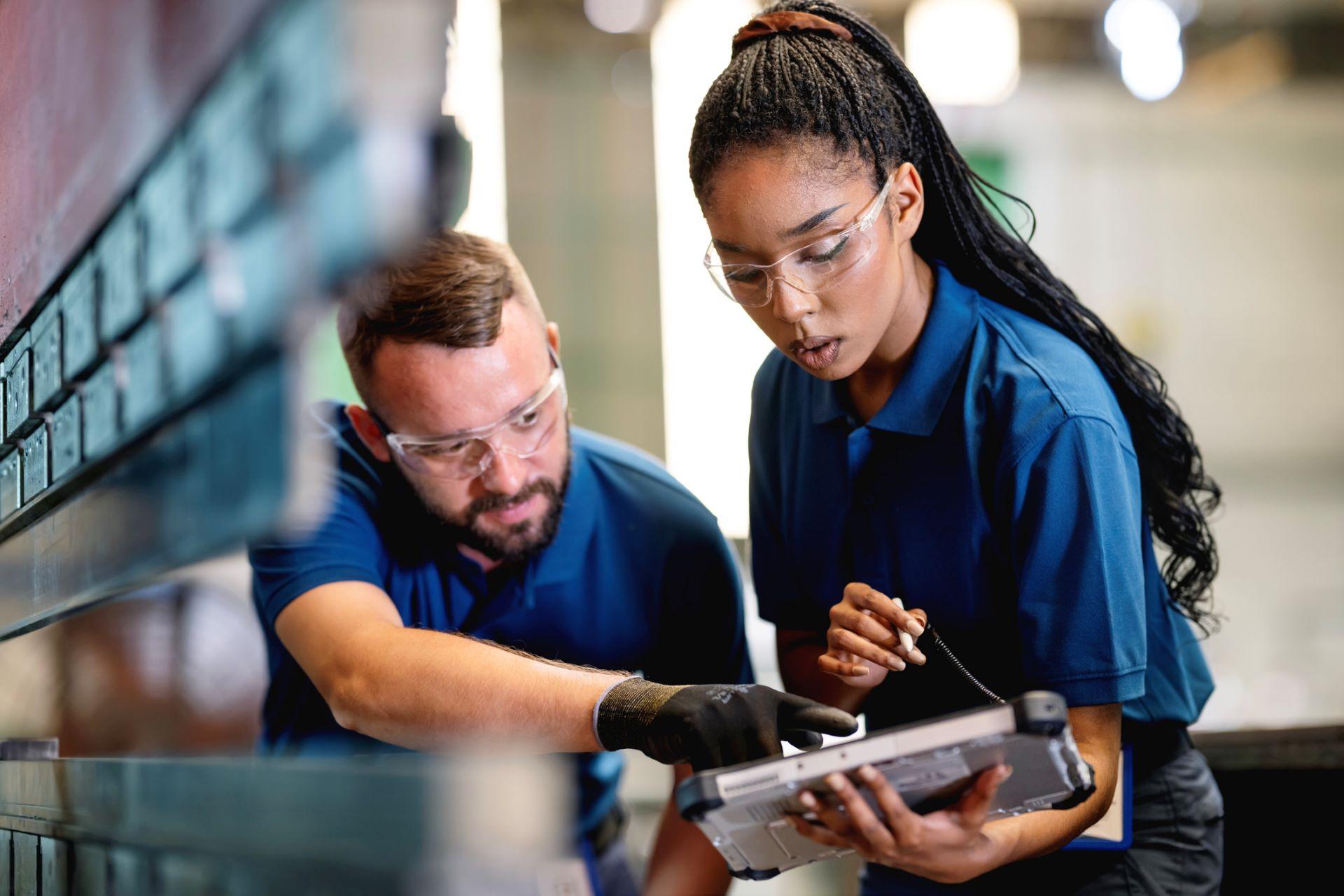
The Skövde plant, located in Skövde, Sweden, plays a critical role in this strategy. Production of the HORSE V20 began on a newly optimised assembly line that retains elements of the previous generation’s infrastructure while introducing a streamlined final assembly process to improve material flow. Impressively, this transition was completed without halting existing production, underscoring the operational discipline behind the rollout.
As demand builds through 2026 and 2027, output from Skövde is expected to increase, positioning the facility as a key contributor to the company’s global supply chain. In a market where flexibility is becoming as important as outright performance, the HORSE V20 reflects a broader industry shift: one where adaptability, efficiency and regulatory agility define the next era of internal combustion and hybrid engineering.