

15 Million Litres of Water Recycled Annually, 13.4MW Solar Power Installed, and Zero-Landfill Ambitions Take Shape
PRETORIA, SOUTH AFRICA, 22 April 2025 – As Earth Day 2025 dawns with rainfall drenching many parts of the country, it’s a timely reminder that even in times of abundance, South Africa’s water crisis remains dire. Despite the deluge, the nation receives less than half the global average rainfall annually—an alarming statistic exacerbated by climate change, ageing infrastructure, and rising demand.
Against this backdrop, Ford Motor Company of Southern Africa (Manufacturing) (Pty) Limited continues to lead by example, implementing bold sustainability strategies at its Silverton Manufacturing Plant in Pretoria. From cutting-edge water recycling systems to a sprawling solar energy project and zero-landfill waste goals, Ford South Africa is reimagining what it means to be a responsible manufacturer in a resource-scarce country.
Closing the Loop on Water Waste
“In a water-stressed nation, the importance of conservation cannot be overstated,” says Rhys Davies, Operations Director at Ford South Africa. “Our latest water initiative sees nearly 15 million litres of effluent water recycled annually in a closed-loop system that feeds directly into the Paint Shop.”
This initiative means that water used in the plant’s Paint Shop is now recirculated with zero wastage, significantly reducing the plant’s reliance on municipal water supplies. Plans are already underway to replicate this closed-loop, zero-waste water system in other areas of the facility—a crucial step forward in long-term water security.
Solar Power: Driving Toward Energy Independence
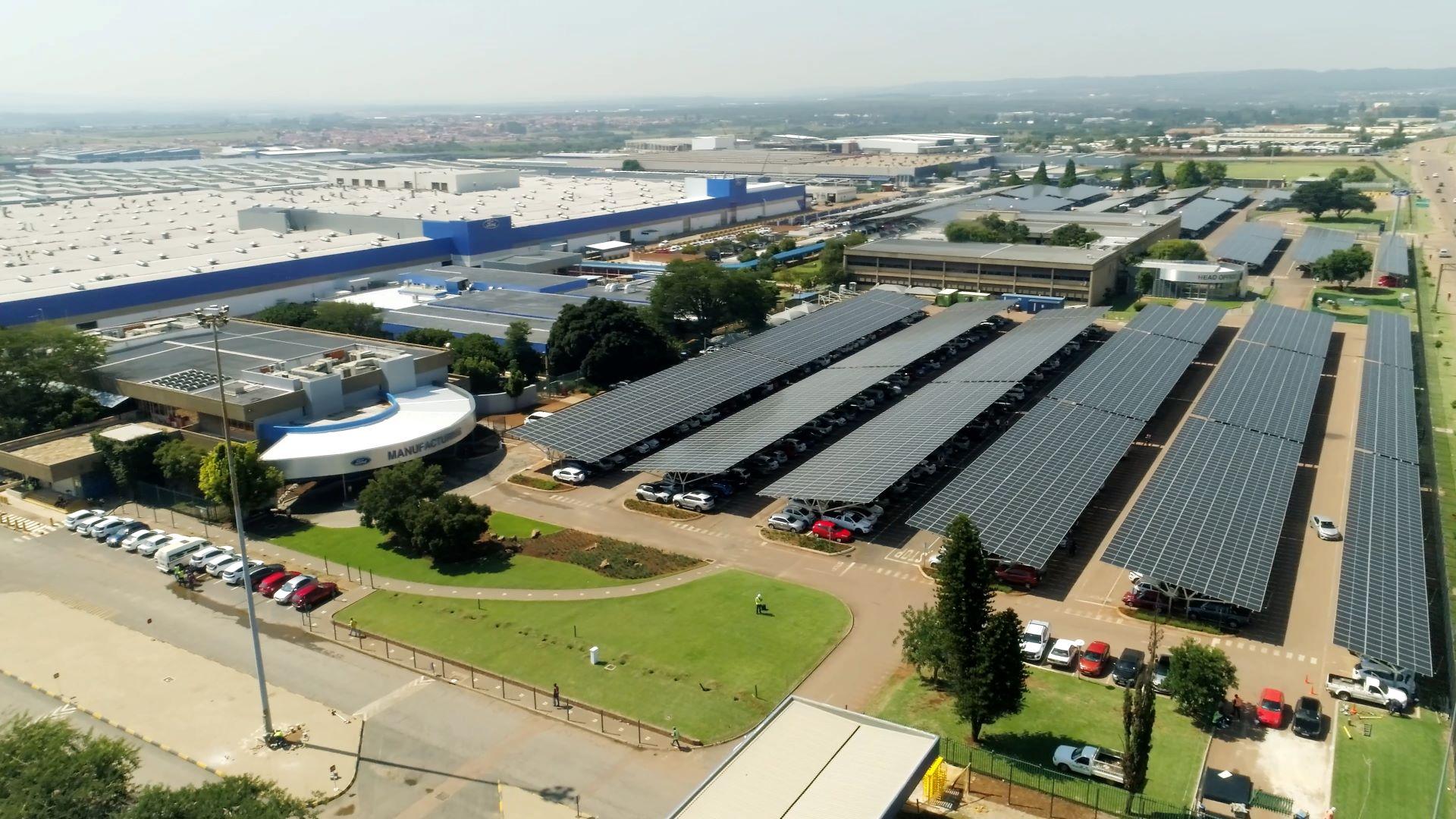
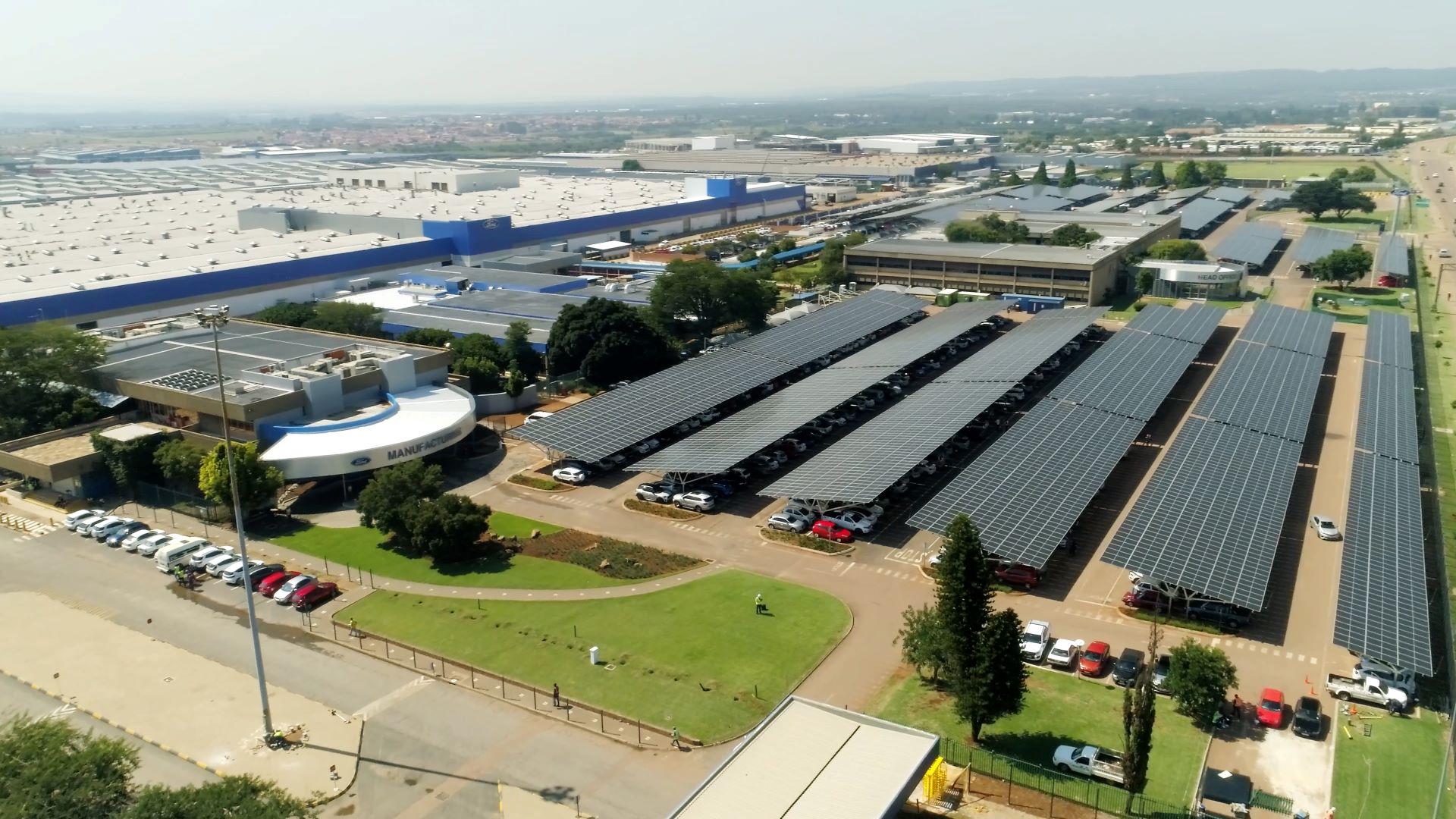
In tandem with water conservation, Ford South Africa is also making impressive strides in renewable energy. A massive solar carport array—comprising more than 30,000 solar panels—now generates 13.4 megawatts of electricity. This clean energy source is capable of powering the entire Silverton plant during daytime operations.
“This is an important milestone in our journey towards off-grid energy independence,” Davies adds. “We are actively investigating battery storage solutions and additional renewable energy sources to ensure continuous operation, even when solar energy isn’t available.”
Waste Not, Want Not: On Track for Zero Landfill
Equally ambitious are the company’s waste reduction efforts. A newly constructed onsite scrapyard has significantly boosted the volume of paper, plastic, and cardboard that can be sorted and recycled. This move aligns with Ford’s global objective to eliminate waste to landfill across all its operations.
The plant is also exploring innovative alternatives to transform waste into valuable by-products—creating both environmental and economic opportunities. Internally, employees are empowered to play a part, with recycling bins strategically placed throughout the facility to encourage responsible disposal habits.
The Future of Paint is Greener
The Silverton Paint Shop itself is undergoing a major upgrade, incorporating state-of-the-art technologies that will not only elevate paint application quality and durability but also reduce the facility’s dependency on gas and electricity. These changes underscore the company’s dual focus on product excellence and environmental stewardship.
As South Africa wrestles with the realities of water insecurity, energy constraints, and waste management, Ford South Africa’s Silverton Plant stands as a shining example of what’s possible when innovation meets intention.
“We believe that sustainable manufacturing is not just an environmental imperative—it’s a business one too,” concludes Davies. “Each step we take today is an investment in a cleaner, more resilient tomorrow—for our operations, our communities, and the planet.”