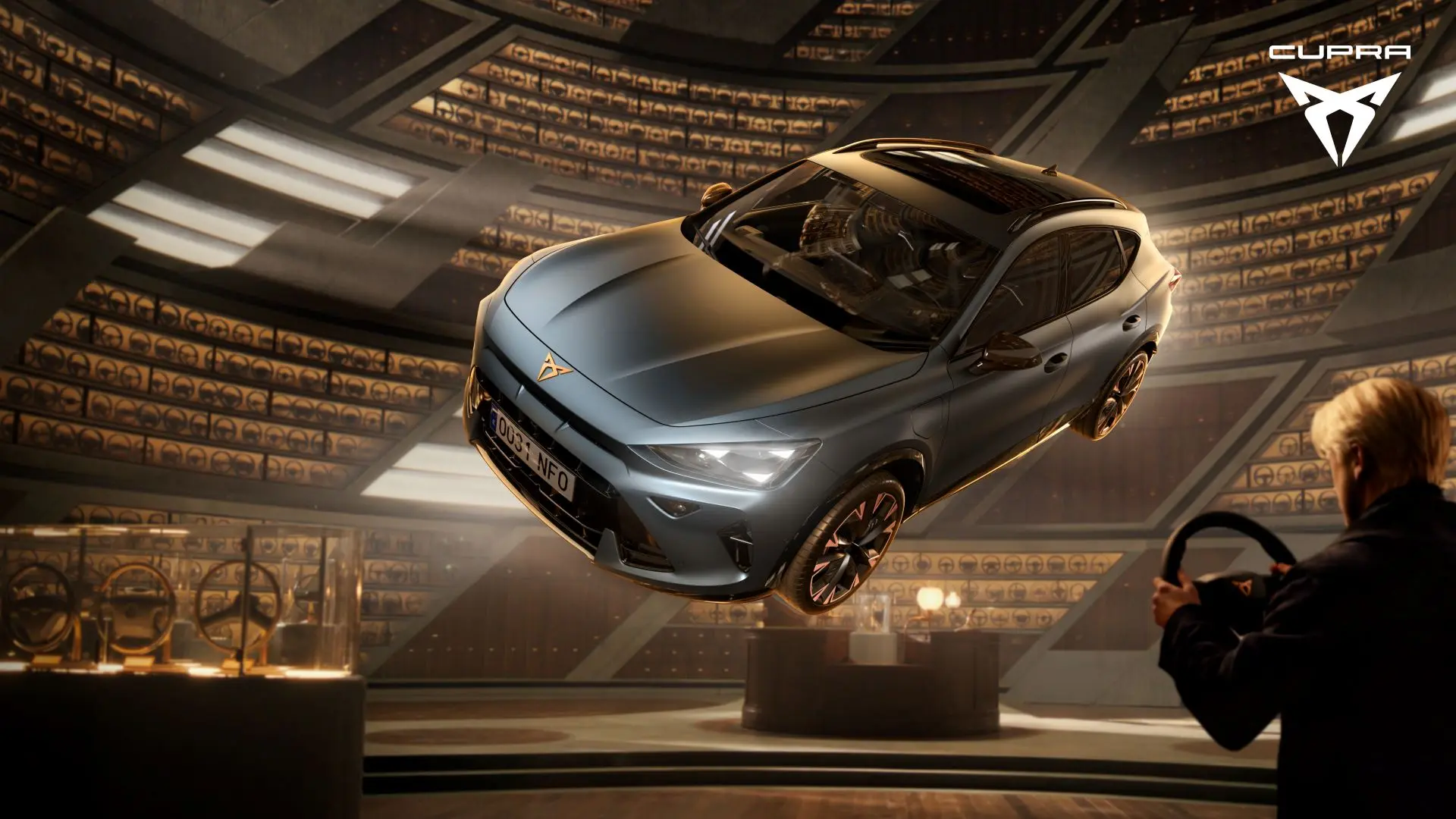
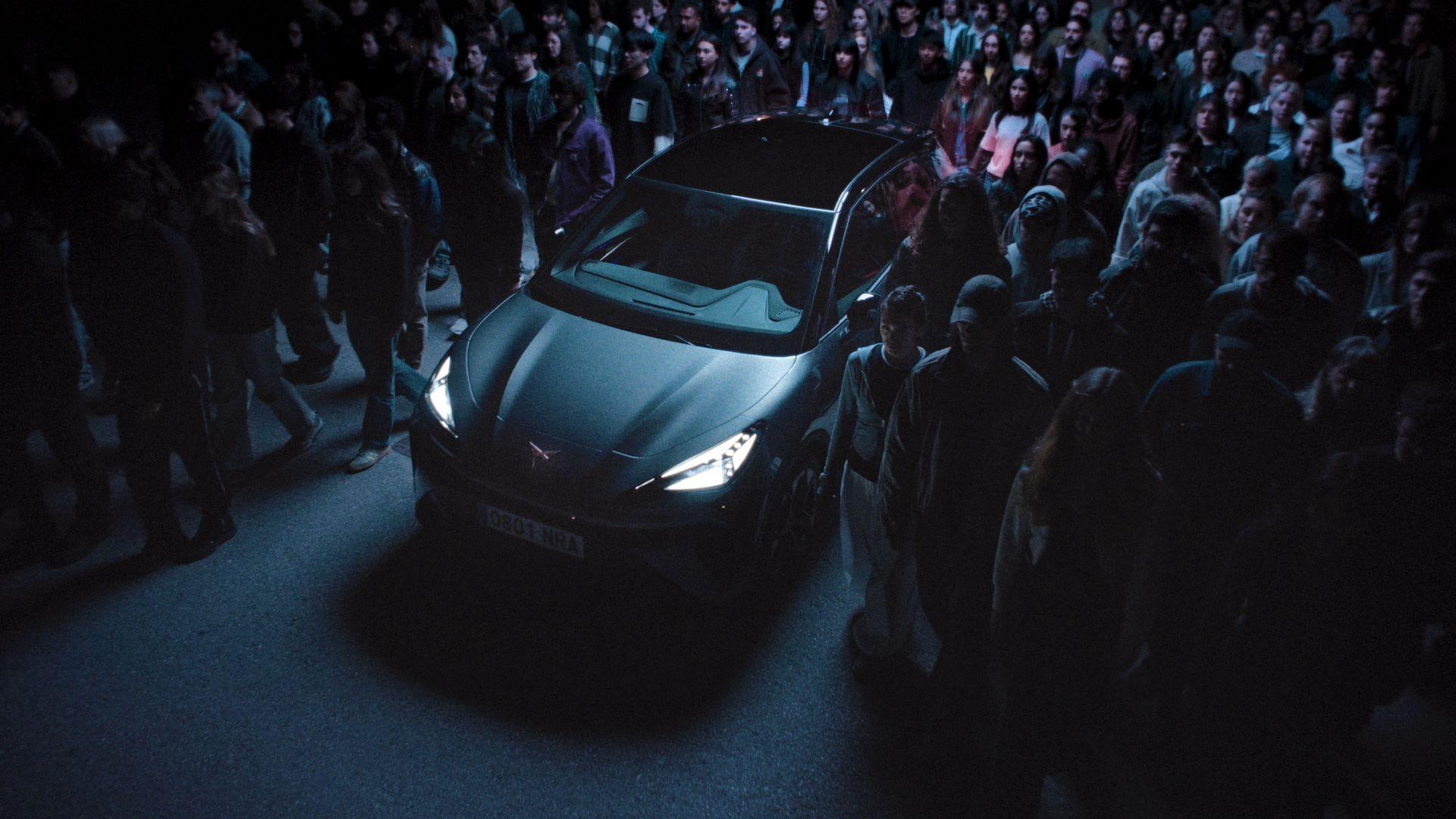
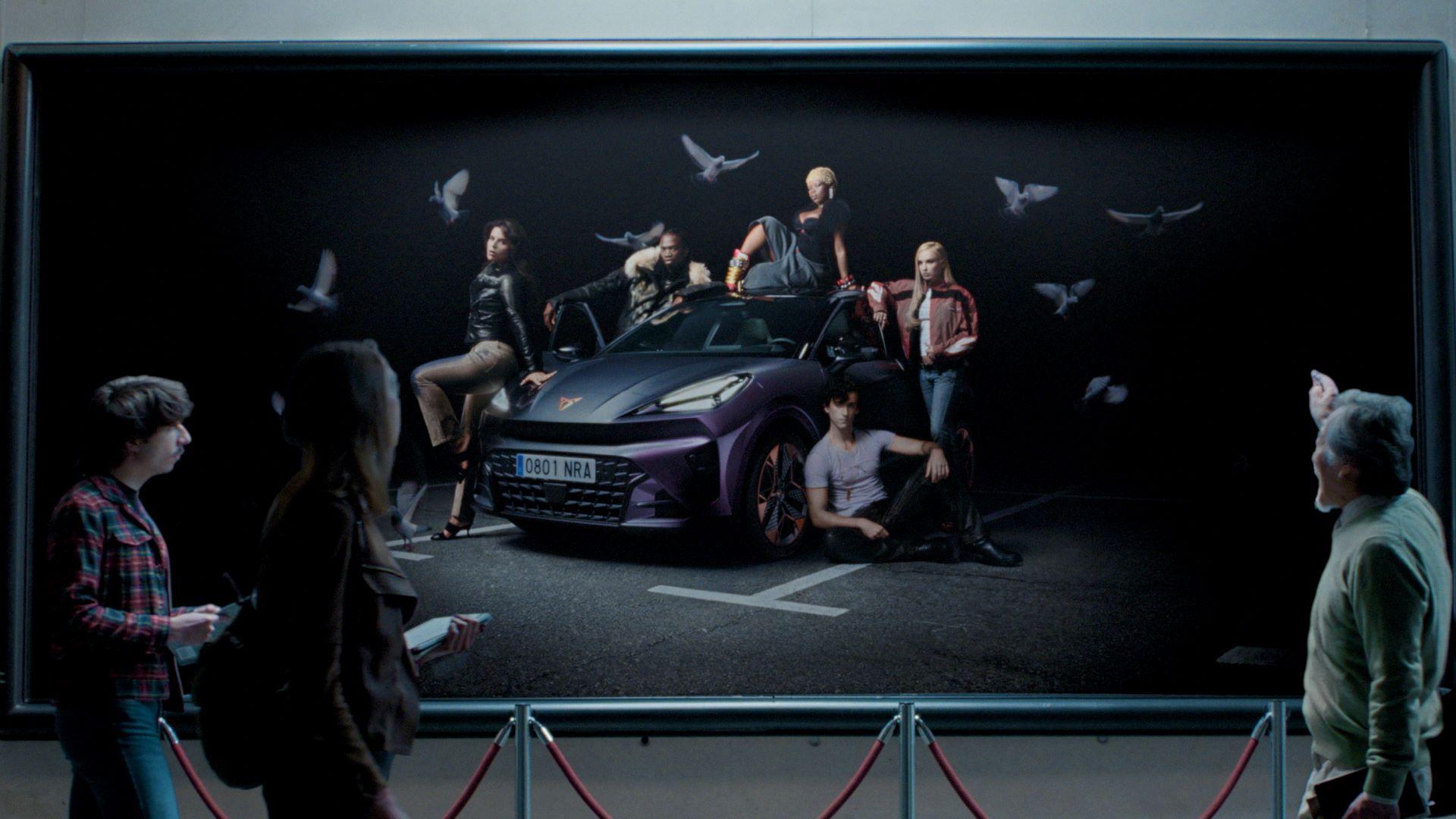
In a world increasingly shaped by algorithms, institutions, and predefined paths, CUPRA has chosen a different kind of classroom. One without walls, without syllabi, and without permission. It calls it the “University of the Streets,” a cultural statement that reframes how identity, success, and creativity are learned, lived, and performed.
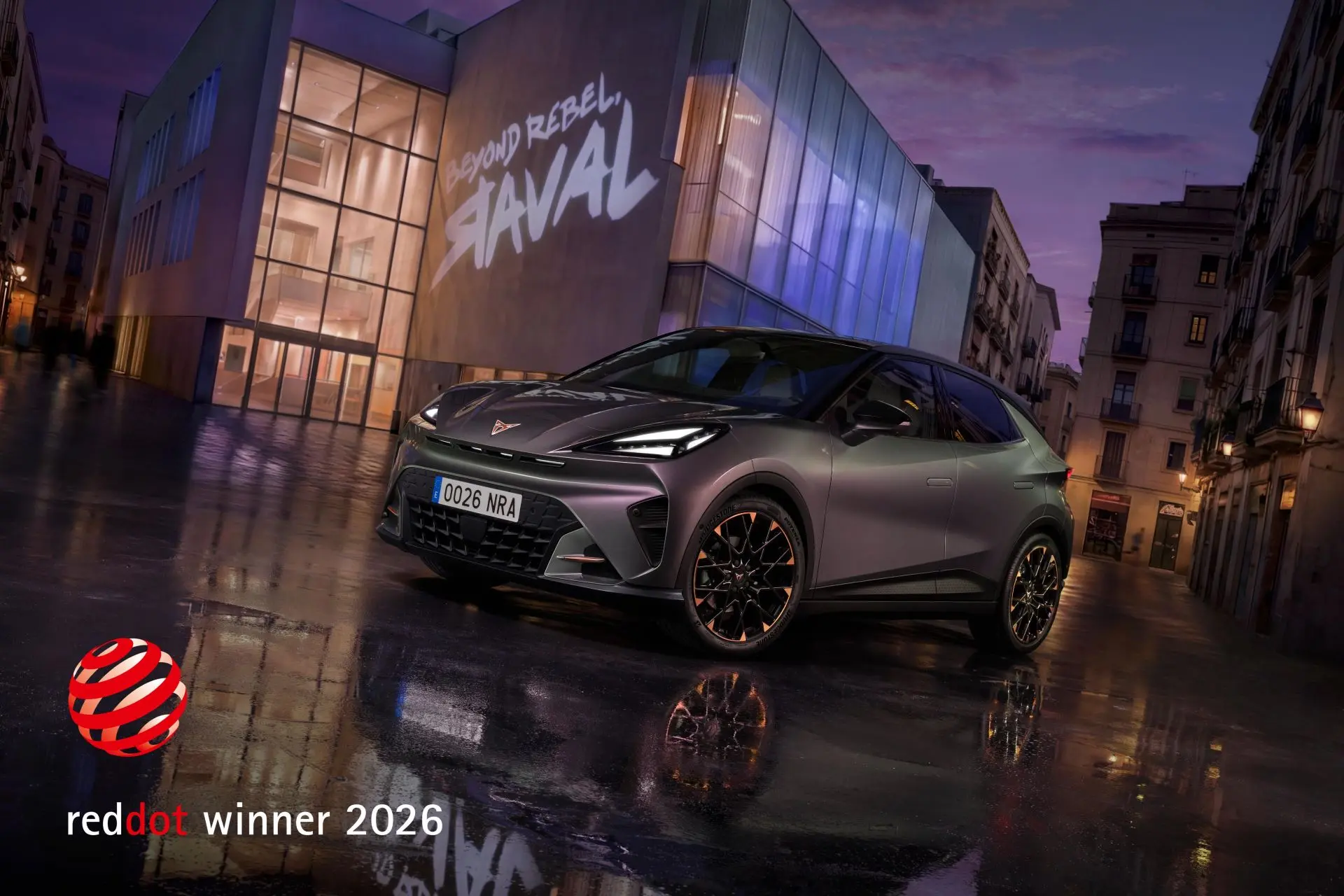
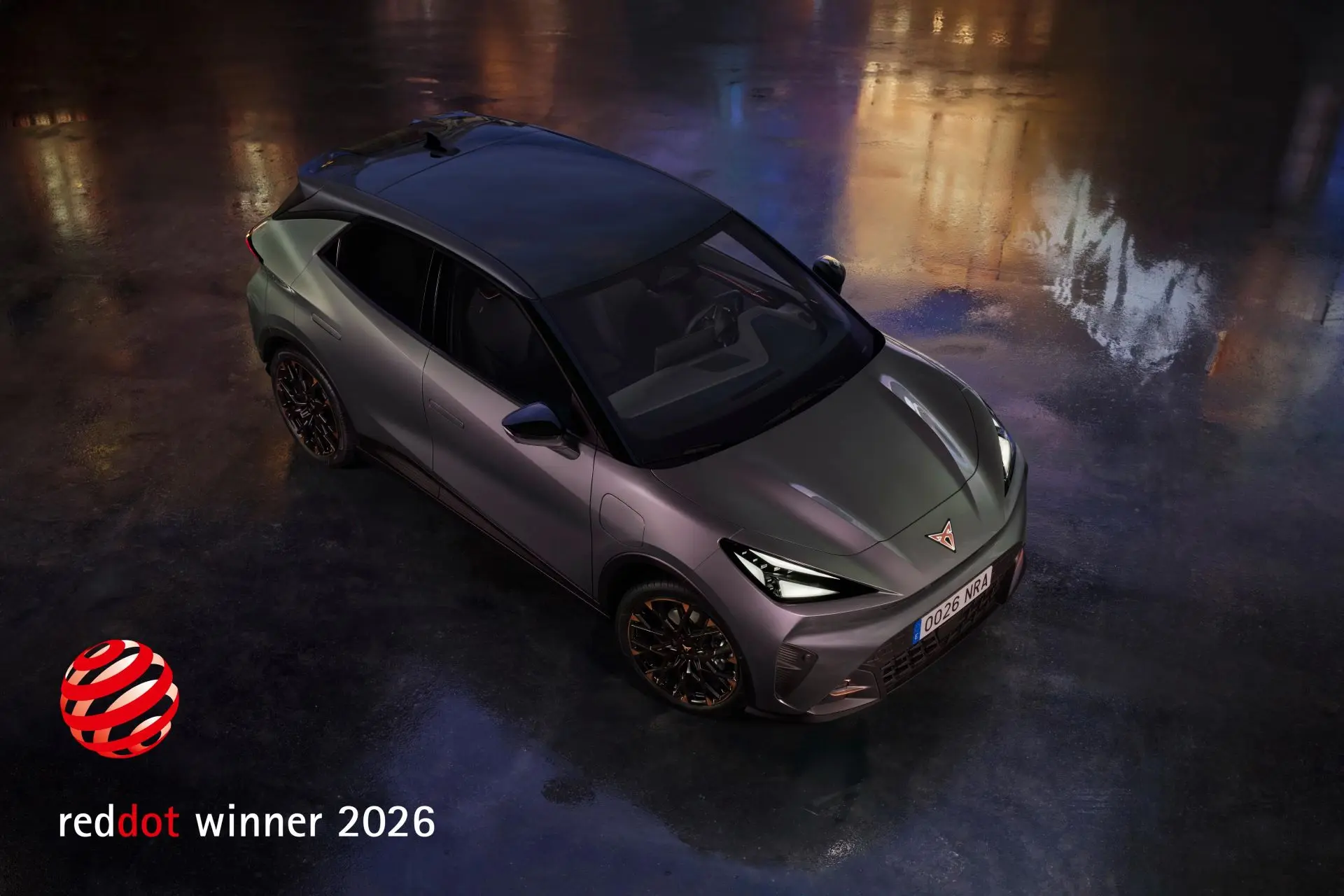
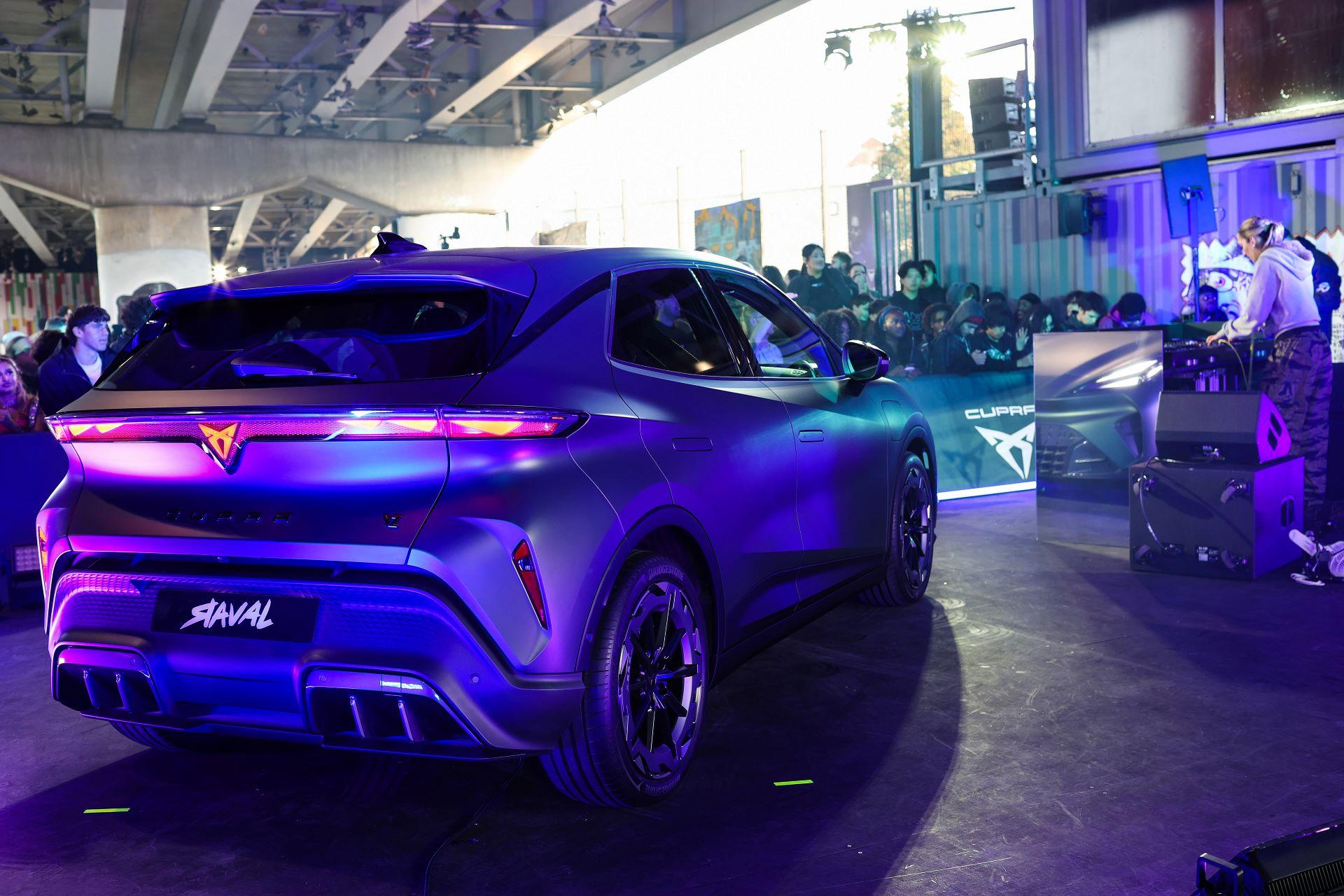
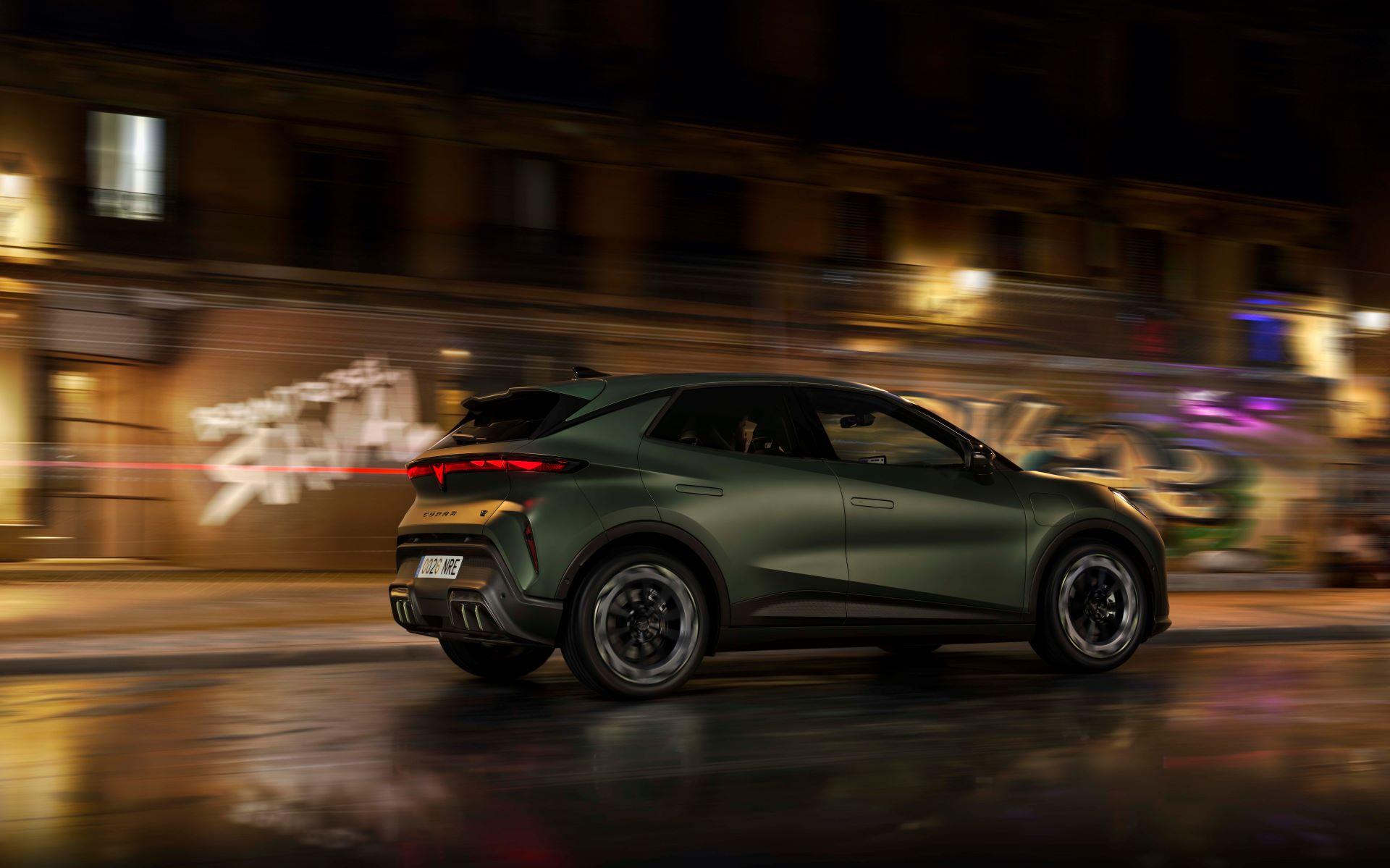
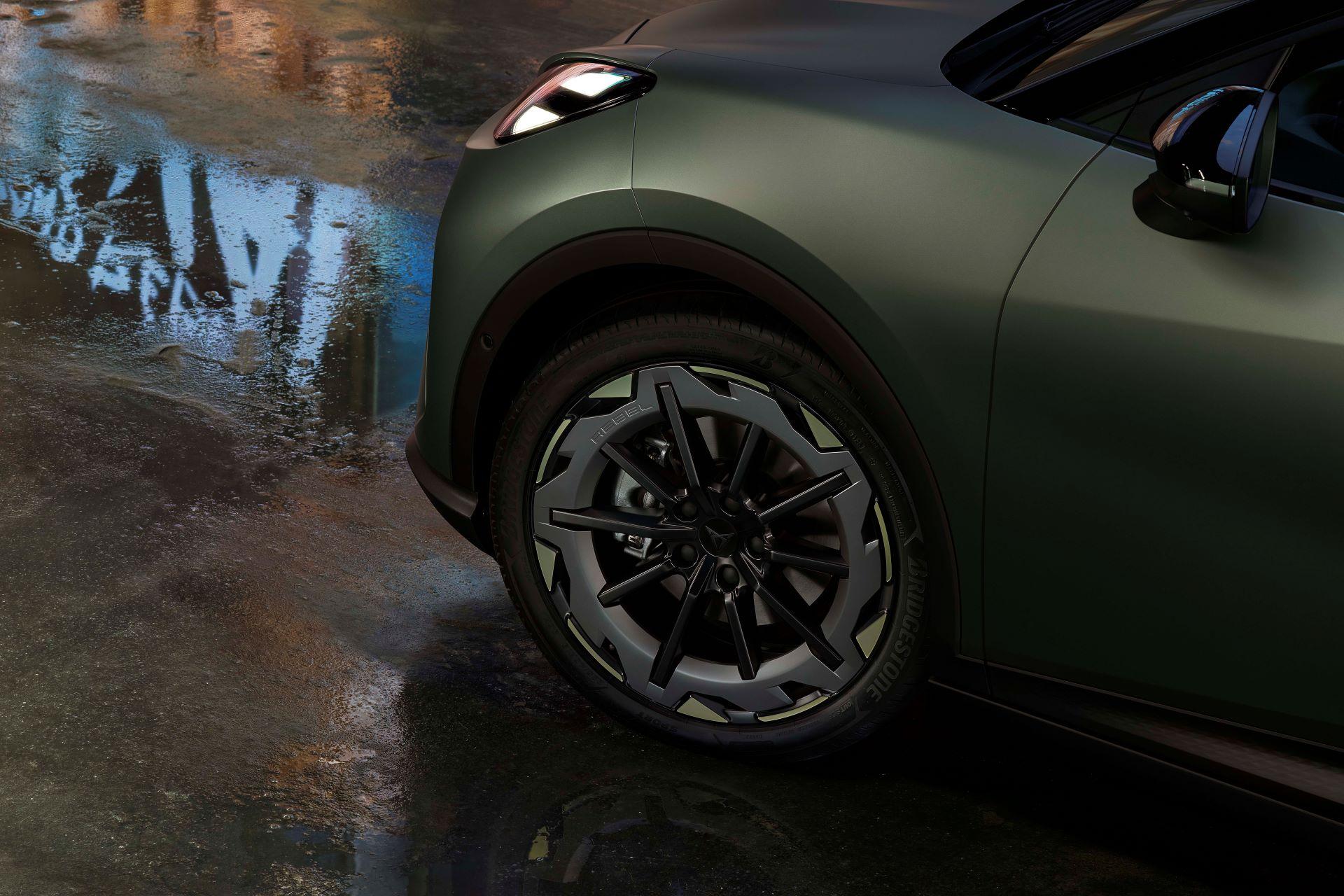
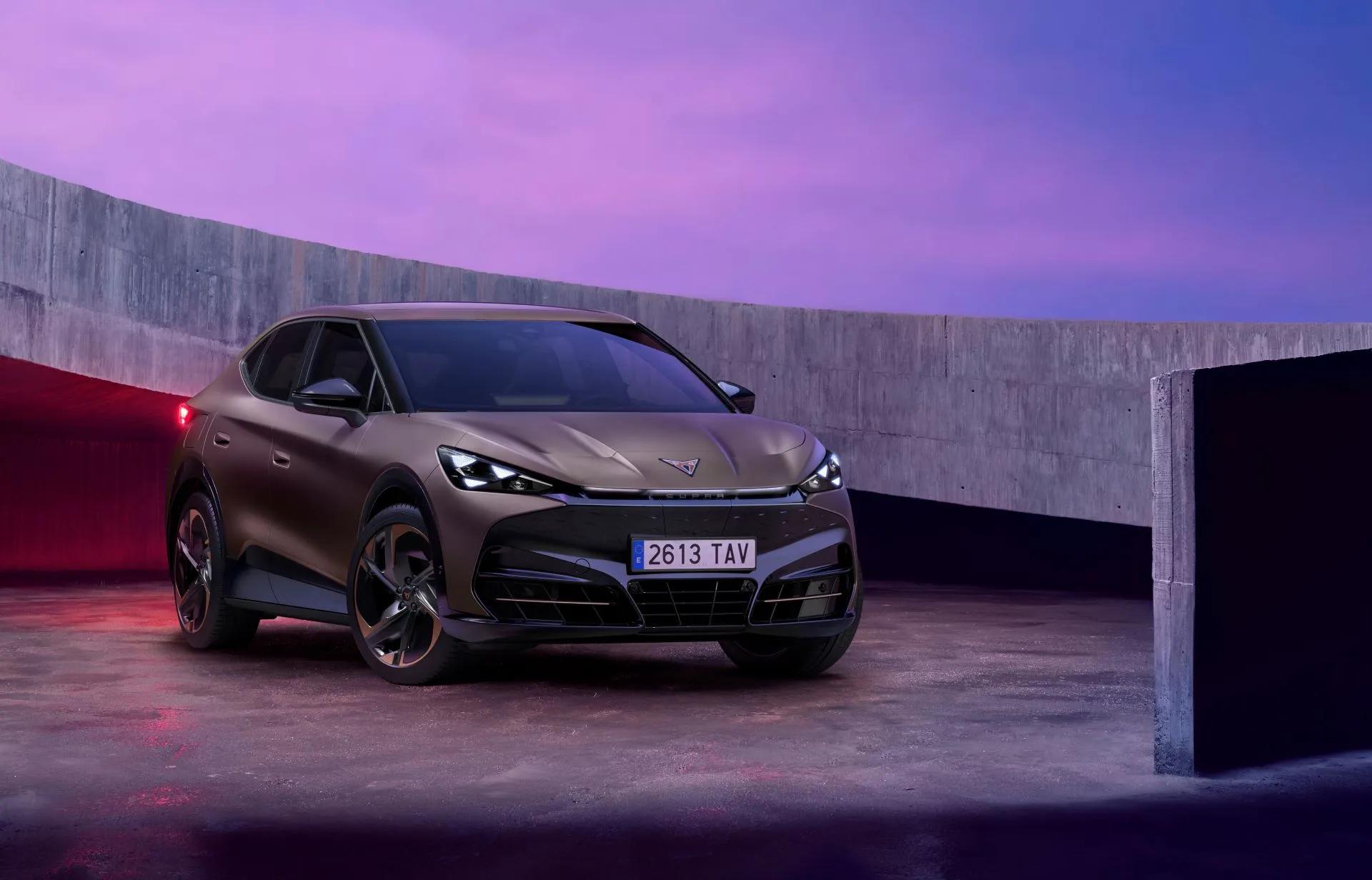
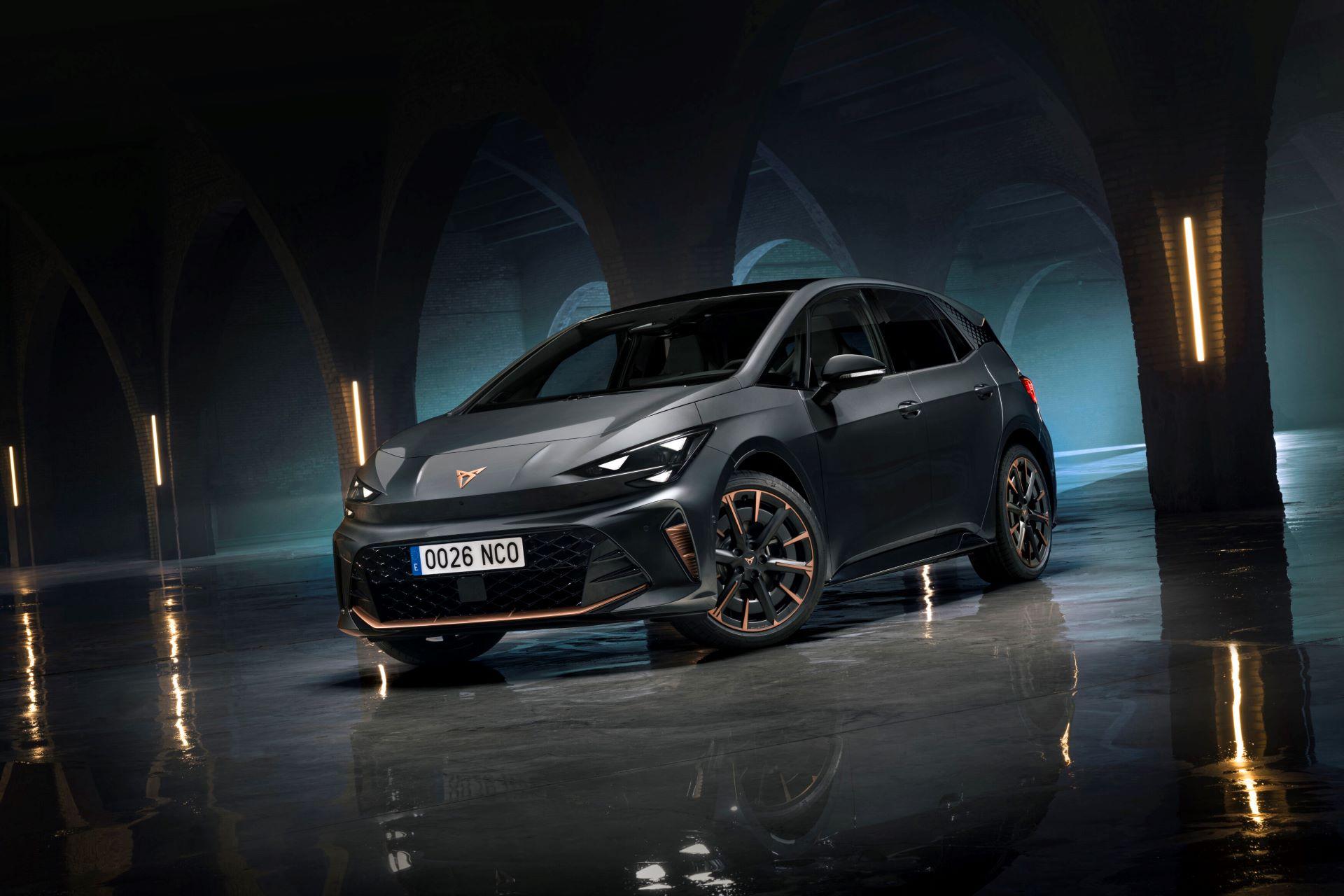
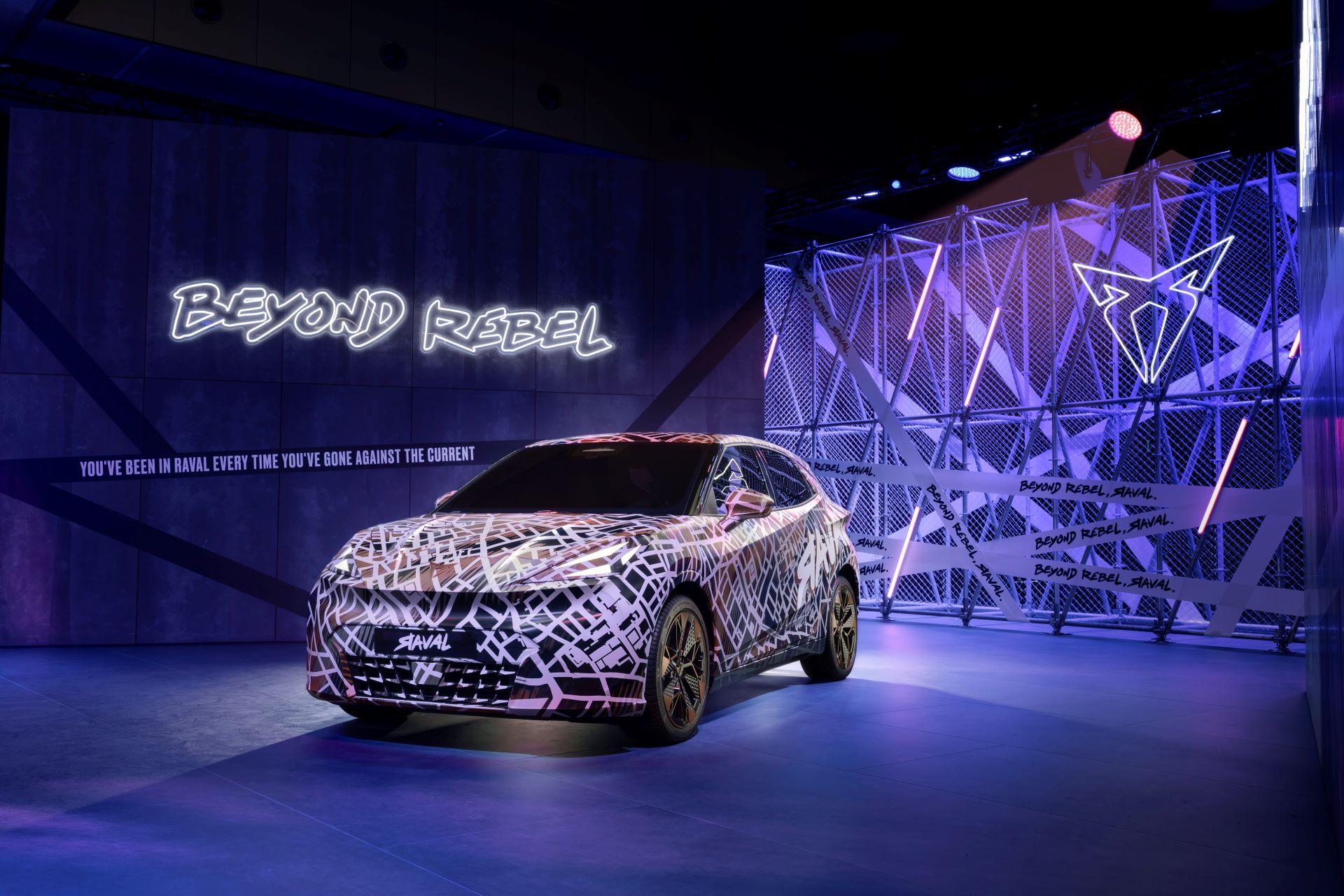
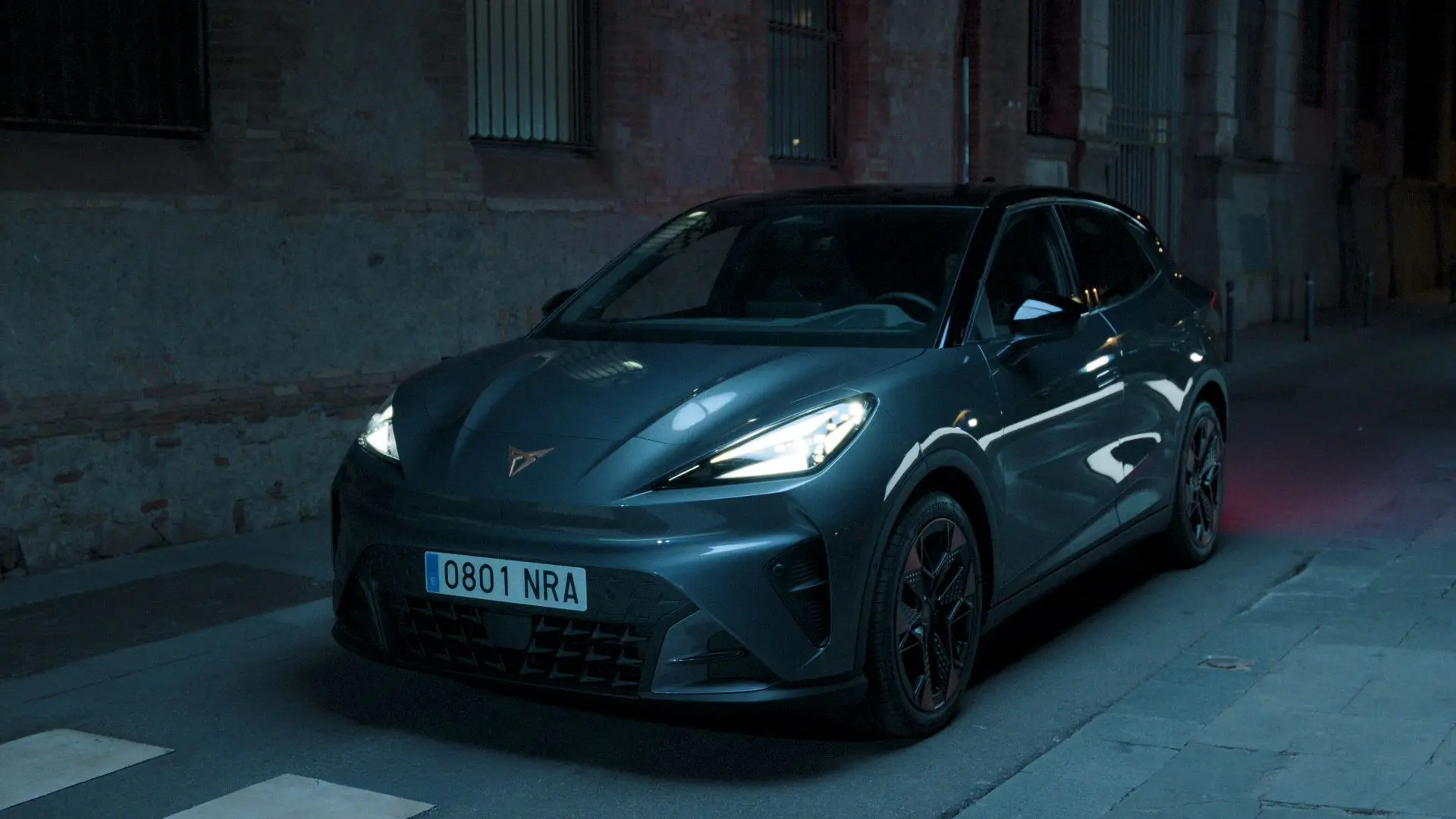
At the centre of this narrative is the CUPRA Raval, the brand’s radical 100% electric urban vehicle, embodied here not simply as a product but as a cultural signal. Born in Barcelona’s most electric neighbourhood, Raval becomes both setting and symbol, a moving idea shaped by its environment rather than separated from it.
The campaign unfolds as a 94-second cinematic manifesto that begins in the familiar structure of a graduation speech, only to fracture and reassemble itself in the streets. What starts in formality dissolves into rhythm, movement, and collective expression, mirroring a shift from institutional learning to lived experience. The transformation is deliberate, echoing the belief that the most meaningful lessons are rarely taught in classrooms, but absorbed through culture, conflict, creativity, and community.
Set in Barcelona’s Raval district, the film positions this dense cultural crossroads as more than geography. It becomes a mindset, a place where global voices intersect and redefine what it means to belong to a generation that refuses to wait for permission. From here, the story expands outward, turning a local postcode into a global cultural frequency.
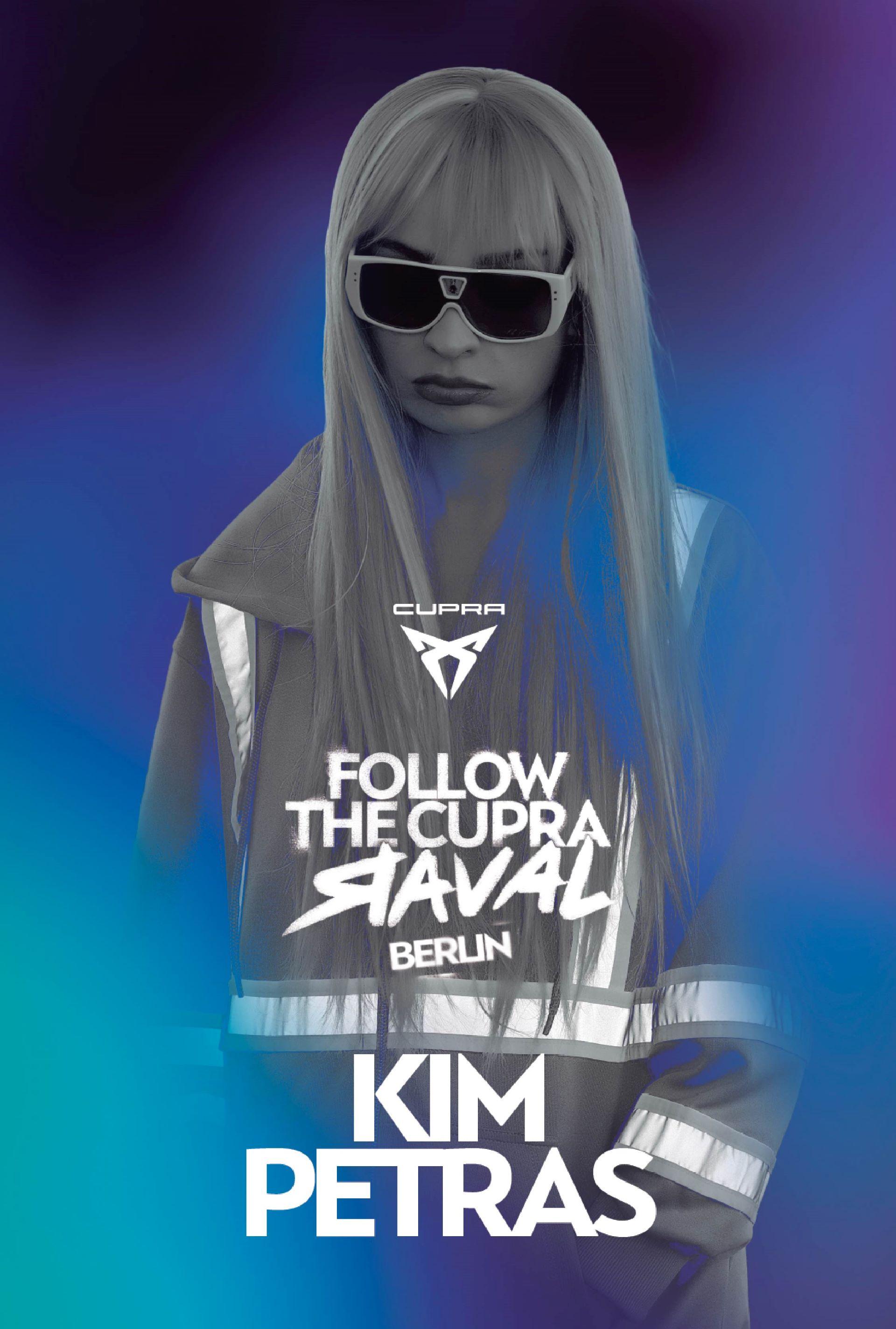
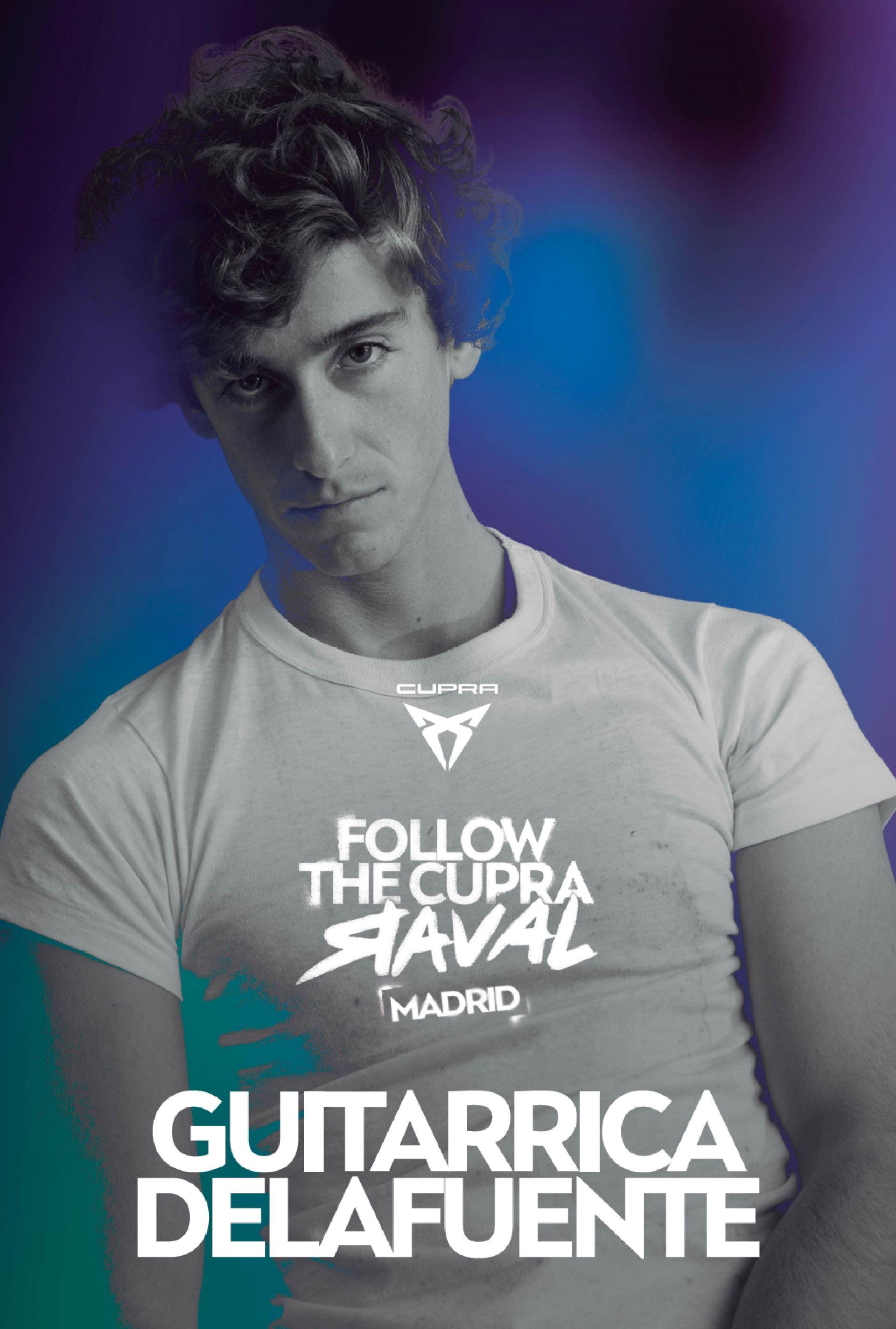
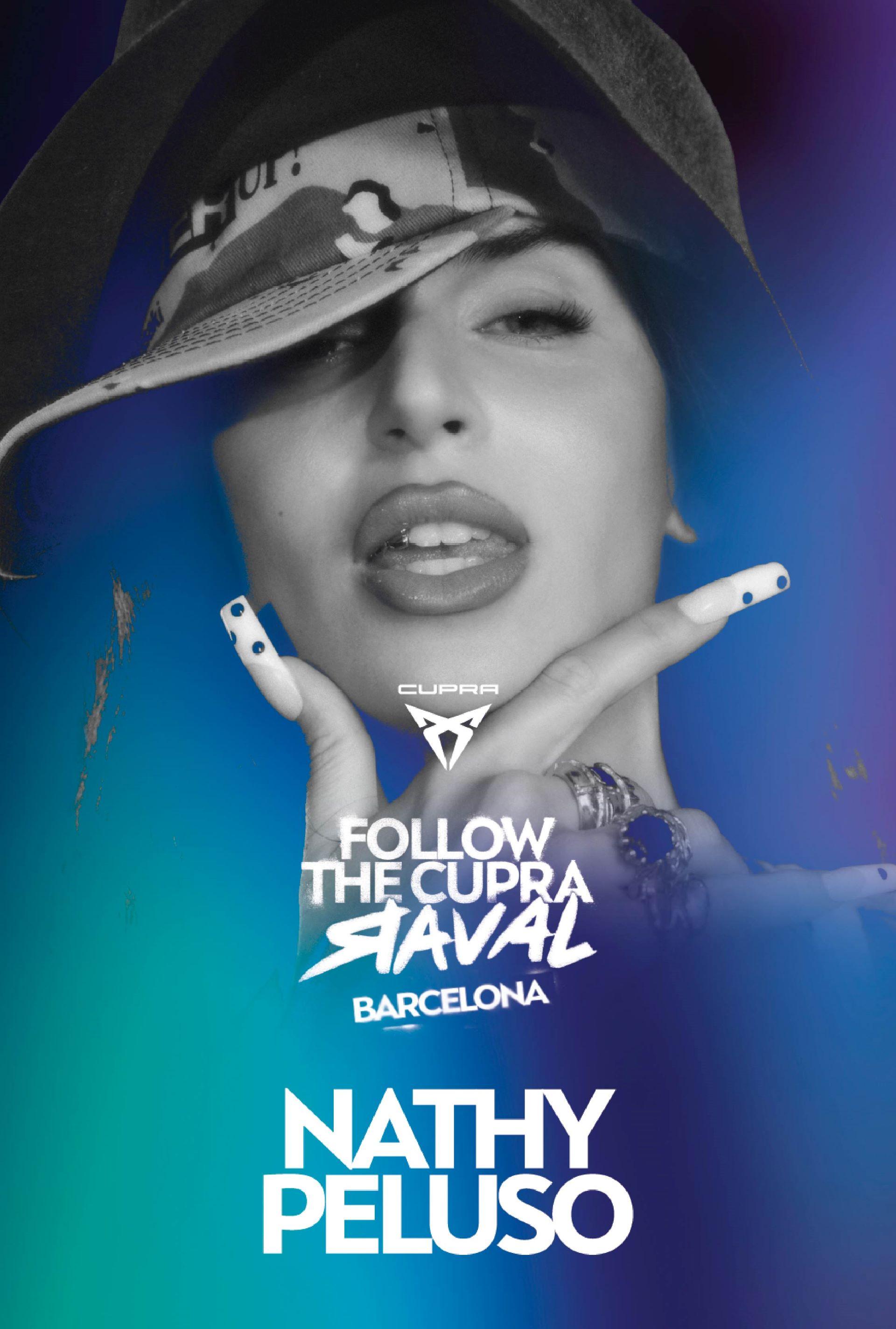
The cast reflects that ambition. In music, Nathy Peluso, Guitarricadelafuente, Kim Petras, Theodora, and Lancey Foux bring distinct sonic identities into a shared narrative space. In sport, the story is carried by a new generation of FC Barcelona talent including Vicky López, Pedri, Fermín López, Pau Cubarsí, Alejandro Balde, and Ferran Torres, each representing a different expression of discipline, pressure, and performance under global visibility.
Rather than placing a single protagonist at the centre, the film distributes meaning across many voices. It reflects a networked generation where identity is not inherited or assigned, but constructed through participation. The streets become the curriculum, and experience becomes the credential.
A reinterpretation of “Gangsta’s Paradise” underpins the film’s emotional structure, transforming familiarity into reinvention. The Raval’s 08001 postcode becomes more than a location marker; it becomes a shorthand for a mindset that resists confinement. What begins in Barcelona does not remain there. It moves, mutates, and resonates across borders.
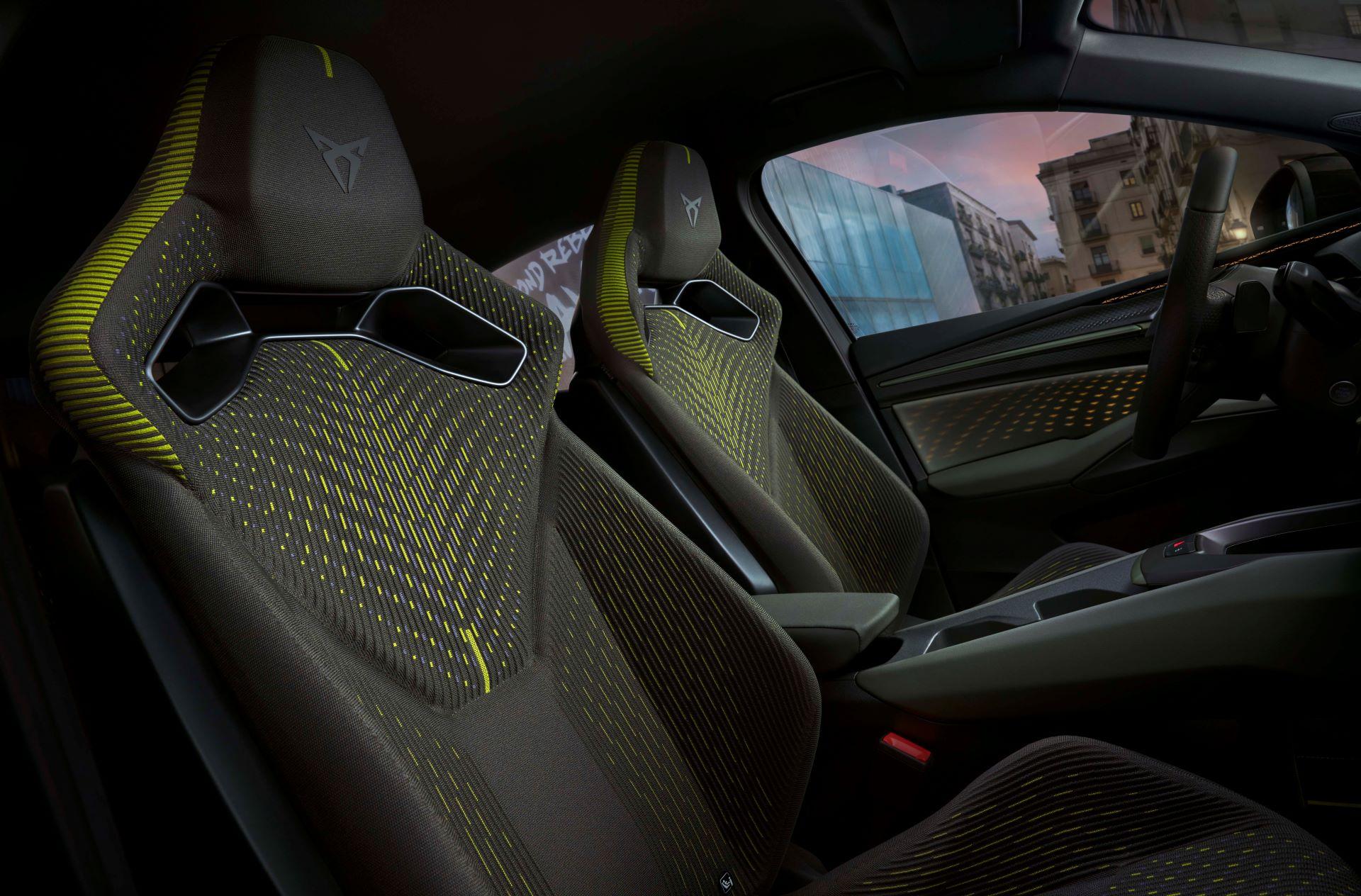
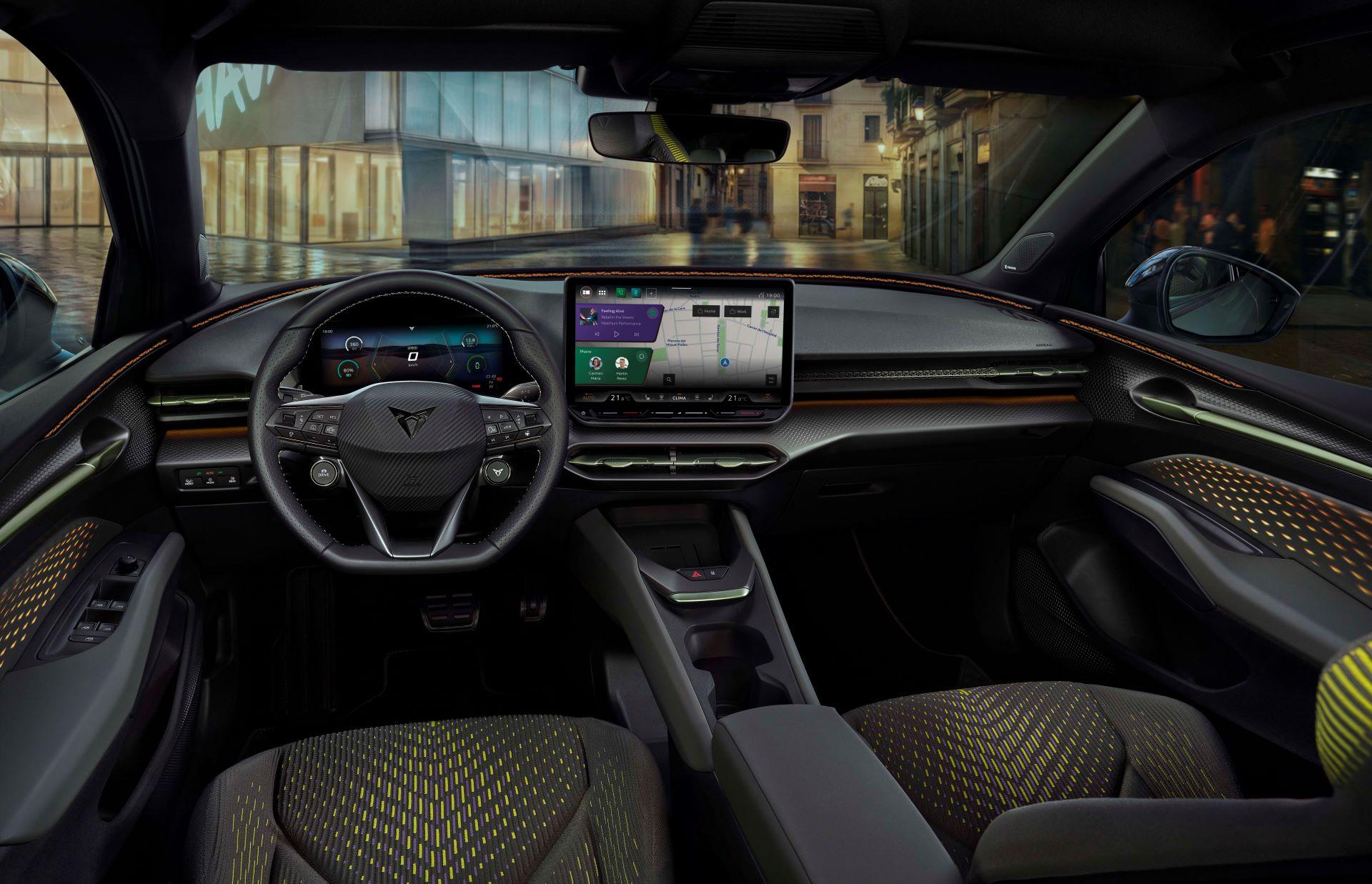
The CUPRA Raval itself sits at the centre of this cultural architecture. Compact, electric, and designed for a new urban reality, it represents CUPRA’s most accessible entry into its electric future, with an expected starting price of around €26,000. Developed in Barcelona, it signals a continuation of the brand’s commitment to design-led, performance-driven mobility.
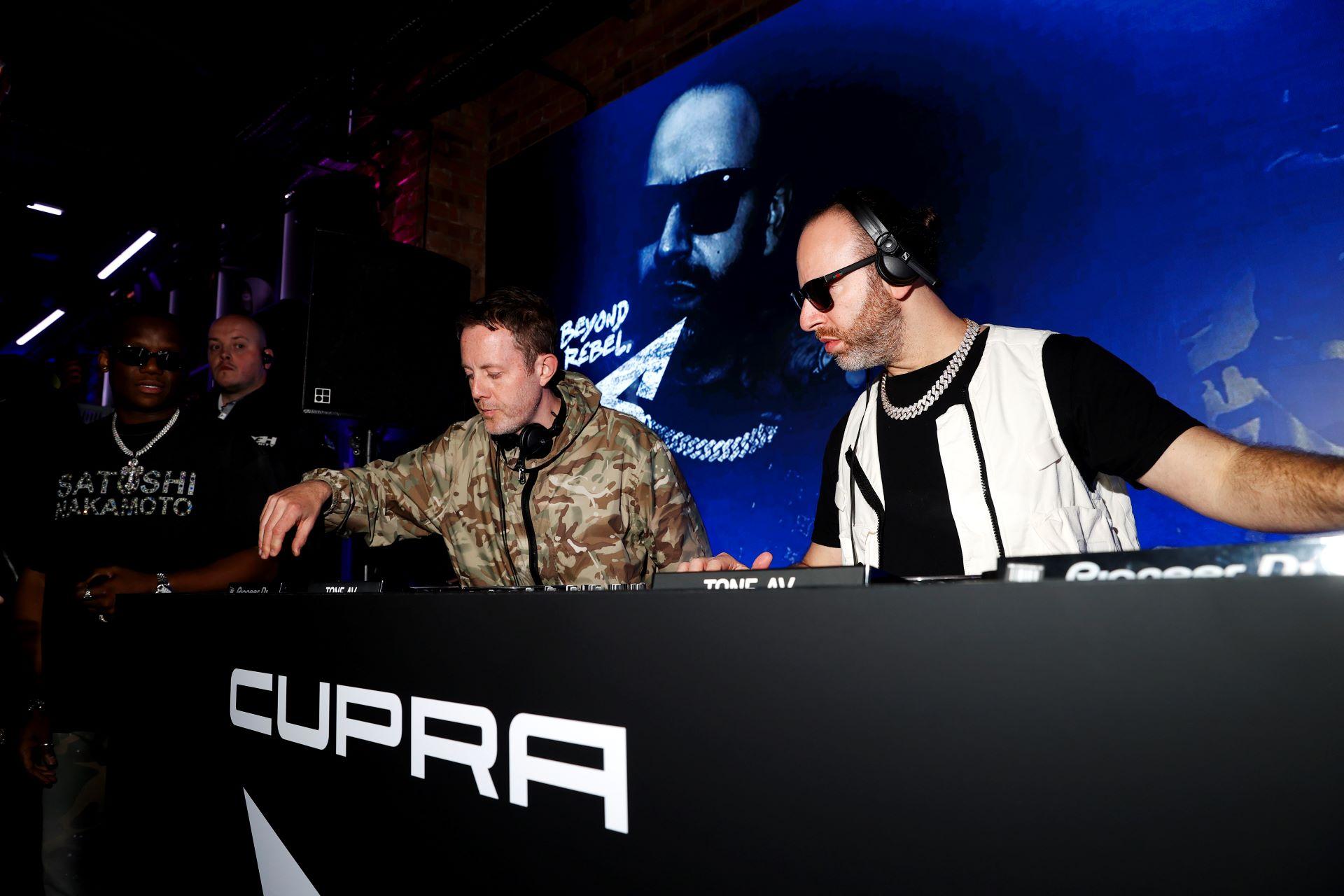
The campaign also extends a broader creative arc that began with the CUPRA Raval World Premiere and continued through “The Soundtrack of Raval,” a musical film that blended product storytelling with cultural production. This new chapter pushes that approach further, transforming marketing into an evolving cultural platform rather than a singular launch moment.
Behind the film sits a collaboration between creative agency &Rosàs, production company CANADA, and talent and rights coordination led by Vampire, reflecting a tightly orchestrated convergence of automotive design, music, sport, and visual storytelling. The result is not simply a campaign, but a constructed cultural environment.
The full film is available via CUPRA’s official channel here CUPRA YouTube, extending the experience beyond the screen into a broader digital conversation.
With “University of the Streets,” CUPRA continues its positioning as a disruptor within the automotive landscape, treating mobility not just as transport, but as expression. The CUPRA Raval stands as both object and idea, anchored in the belief that progress is not inherited, but created through friction, culture, and the courage to redefine the road ahead.