


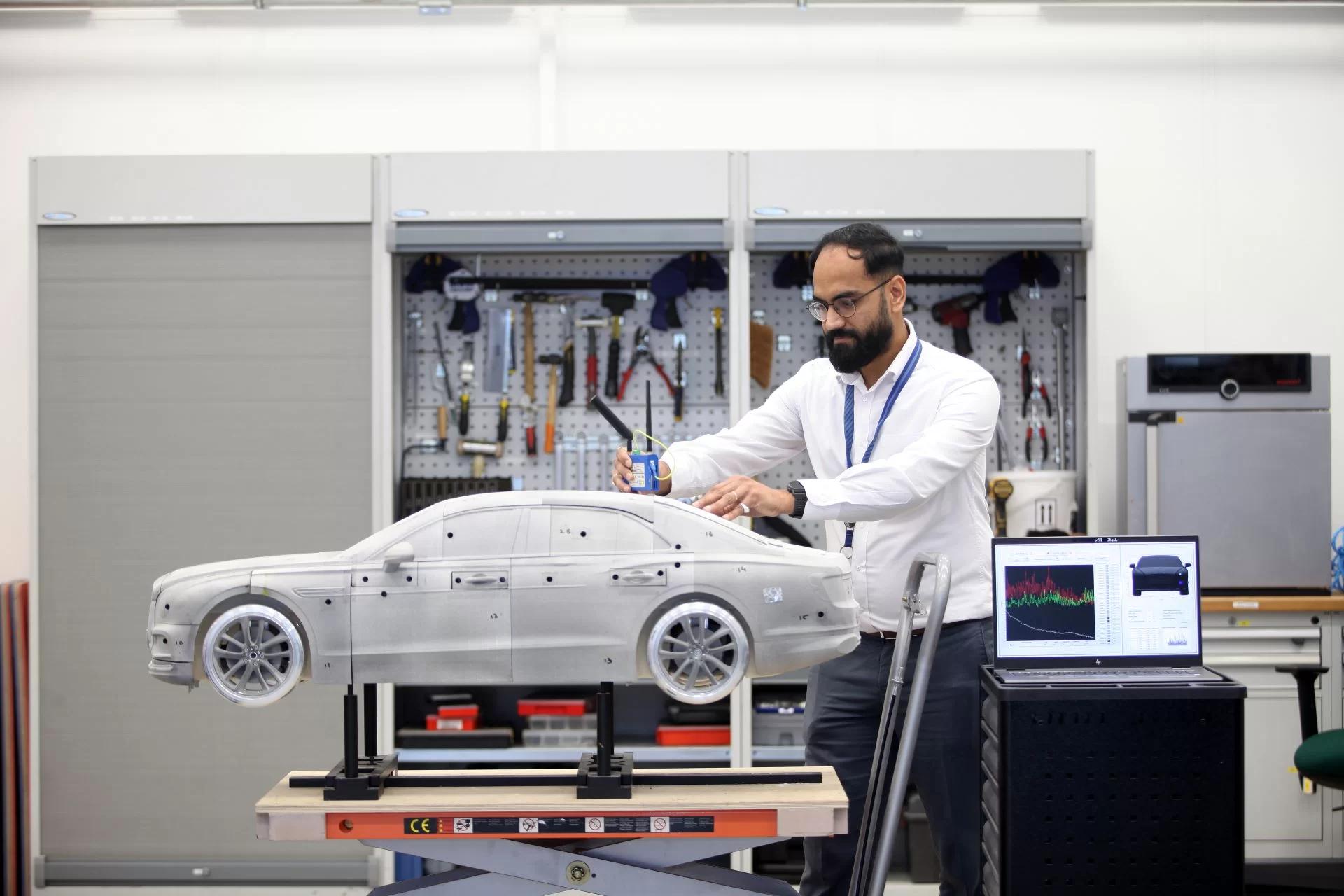
(Crewe, 10 April 2025) – Bentley Motors is celebrating a remarkable milestone at its headquarters in Crewe, marking 25 years of Additive Manufacturing (AM), more commonly known as 3D printing. Over the course of two and a half decades, Bentley’s pioneering work in this field has not only shaped the future of the brand’s luxury vehicles but has also played a pivotal role in the development of groundbreaking technologies within the automotive industry. The company’s commitment to in-house 3D printing began with the original Continental GT and has evolved into a cutting-edge facility integral to the development of its forthcoming fully-electric vehicles, including the world’s first luxury urban SUV, due to be revealed in 2026.
A Legacy of Innovation: From Continental GT to the First Fully-Electric Car
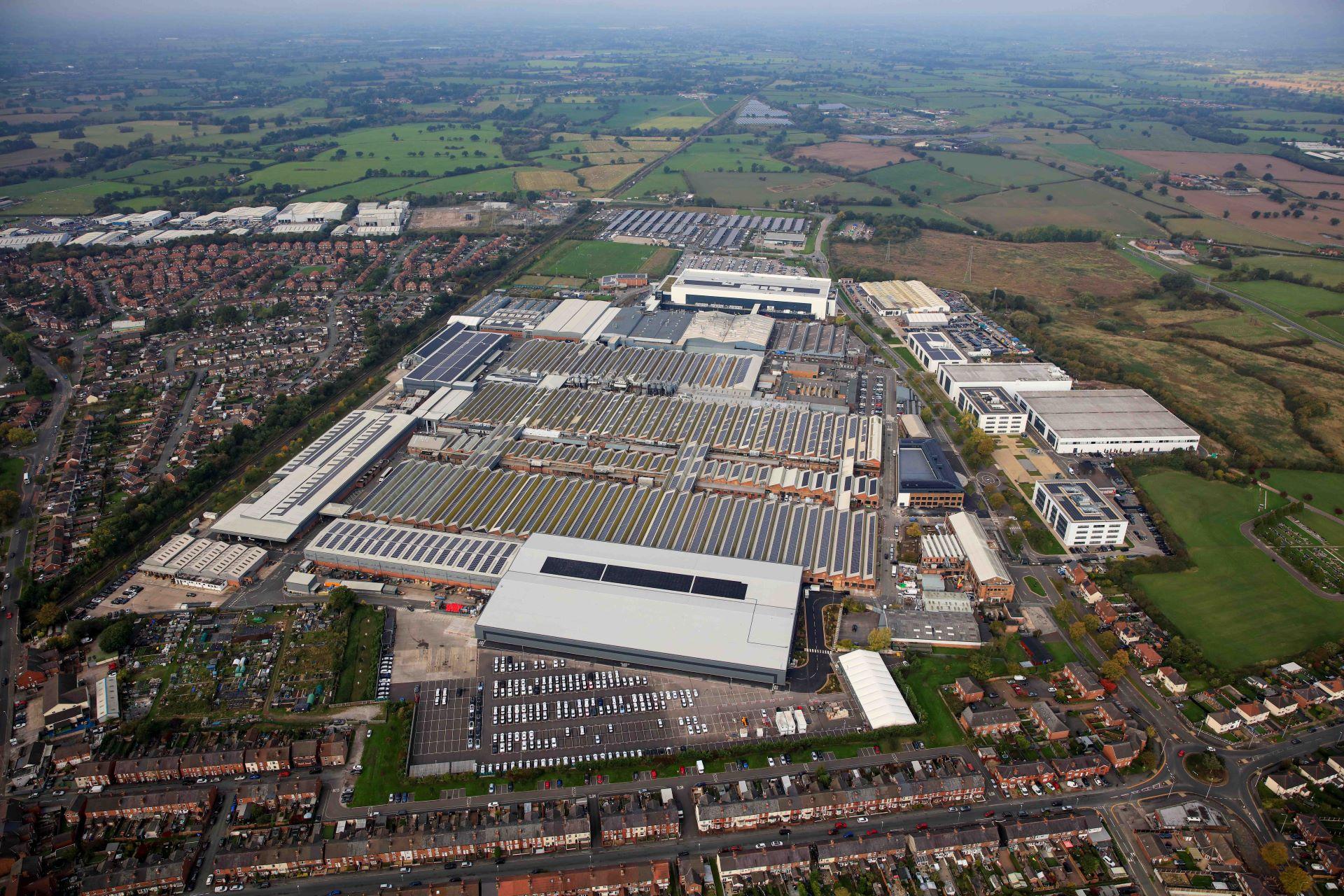
Bentley’s journey into additive manufacturing started with a clear vision: to streamline the product development process and create a new way to enhance the craftsmanship and performance of its cars. The original 3D printing facility, located in the A1 building at the Pyms Lane site—the oldest building on Bentley’s grounds—was a humble beginning. However, as the brand’s ambition grew, so did its investment in the technology, and the facility has since been relocated to Bentley’s state-of-the-art Engineering Technical Centre. This move not only signifies a step forward in the company’s commitment to advancing its manufacturing capabilities but also lays the foundation for Bentley’s upcoming electric era.
The modern AM facility now houses 13 machines operating six cutting-edge technologies, allowing Bentley to produce prototype parts, models, and bespoke components with unparalleled precision. The capabilities of these machines play a critical role in the development of every Bentley, ensuring that the company can push boundaries in design and performance while maintaining the luxury and quality for which the brand is renowned.
A Diverse Range of Technologies for Every Application
Bentley’s AM team utilises a wide variety of technologies to create parts and prototypes for all stages of production, from initial design concepts to fully realised components. The facility’s impressive roster of advanced machines includes Fused Deposition Modelling (FDM), Multi-Jet Fusion (MJF), and Lithography-based Metal Manufacturing (LMM) technologies—each offering unique strengths suited to different needs. These technologies enable the company to rapidly produce both functional and aesthetic components, reducing lead times and material waste, while also ensuring the highest levels of detail and precision.
One recent example of Bentley’s AM capabilities was seen in the creation of ‘The Black Rose’—a one-of-three right-hand-drive Baturs. The AM team introduced a world-first when they incorporated 3D printed solid rose gold into the car’s interior, adding a bespoke touch that epitomises the brand’s commitment to craftsmanship. In total, 210 grams of hallmarked 18-karat rose gold were intricately incorporated into the coachbuilt coupe, adorning key touchpoints within the cabin. This example of cutting-edge artistry and technology exemplifies how Bentley is redefining luxury through the fusion of tradition and innovation.
Pioneering Sustainability and Community Impact
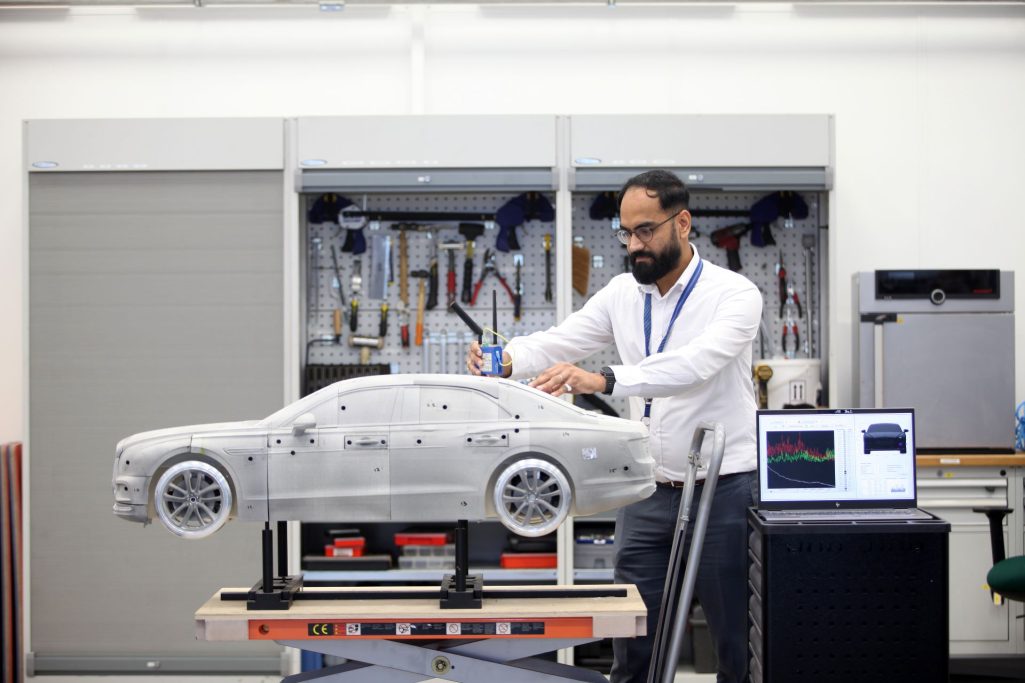
The role of Bentley’s Additive Manufacturing facility goes beyond just enhancing its products—it also underscores the company’s dedication to sustainability and community support. As part of its efforts to reduce waste, Bentley has developed processes to reuse excess materials. For instance, the AM team has pioneered the practice of recycling polymer powder from the MJF process, reusing it as filament in FDM printing. This accounts for roughly 60 percent of the material output in the AM facility, making it an integral part of Bentley’s ongoing sustainability efforts.
Bentley’s AM expertise also made a significant impact during the COVID-19 pandemic when the team produced over 20,000 items of personal protective equipment (PPE) for NHS staff and local care homes. This gesture of support highlighted Bentley’s broader role within the community, ensuring that its technological capabilities were put to use in times of need.
Looking to the Future: AM and the Electrification of Bentley’s Range
Dr. Matthias Rabe, Bentley’s Member of the Board for Research & Development, reflected on the importance of AM in Bentley’s ongoing evolution:
“Additive manufacturing continues to play a vital role in the product development process, and our capability and expertise in this field have gone from strength to strength. The ability to rapidly produce and iterate components has advanced how we develop our models and offers further opportunities as we electrify our model range and create our next generation of extraordinary cars.”
As Bentley embarks on the electrification of its lineup and prepares to unveil its first fully-electric vehicle in 2026, the AM facility will remain a key enabler of the brand’s development process. From large, functional components to scale models and intricate parts, Bentley’s additive manufacturing expertise will play an essential role in bringing the brand’s vision for the future to life.
A Glimpse into the Future of Luxury Automotive Manufacturing
As Bentley continues to innovate, its Additive Manufacturing facility remains a beacon of what’s possible when cutting-edge technology meets traditional craftsmanship. From rapid prototyping to sustainable practices, this facility is not just shaping the future of Bentley—it’s shaping the future of luxury automotive manufacturing itself. With 25 years of pioneering work in 3D printing, Bentley is poised to lead the way into a new era of automotive excellence, where innovation and luxury exist in perfect harmony.