Nestled within the rolling landscapes of West Sussex, the Home of Rolls-Royce at Goodwood is more than the beating heart of automotive excellence. While it remains the only place in the world where Rolls-Royce motor cars are designed and hand-built, this 42-acre estate has quietly become a vital sanctuary for a remarkable array of wildlife.
The site, which lies within the storied 12,000-acre Goodwood Estate and just a stone’s throw from the South Downs National Park, is a tapestry of biodiversity. The recent extension of the Home of Rolls-Royce, adding over 10,000 square meters, includes over 400,000 trees, shrubs, and plants, all carefully selected to blend cultivated beauty with the resilience of the wild. Together with the neighbouring Goodwood Estate, Rolls-Royce plays a critical role in sustaining habitats, supporting species, and enriching the local community both environmentally and economically.
Living in Style
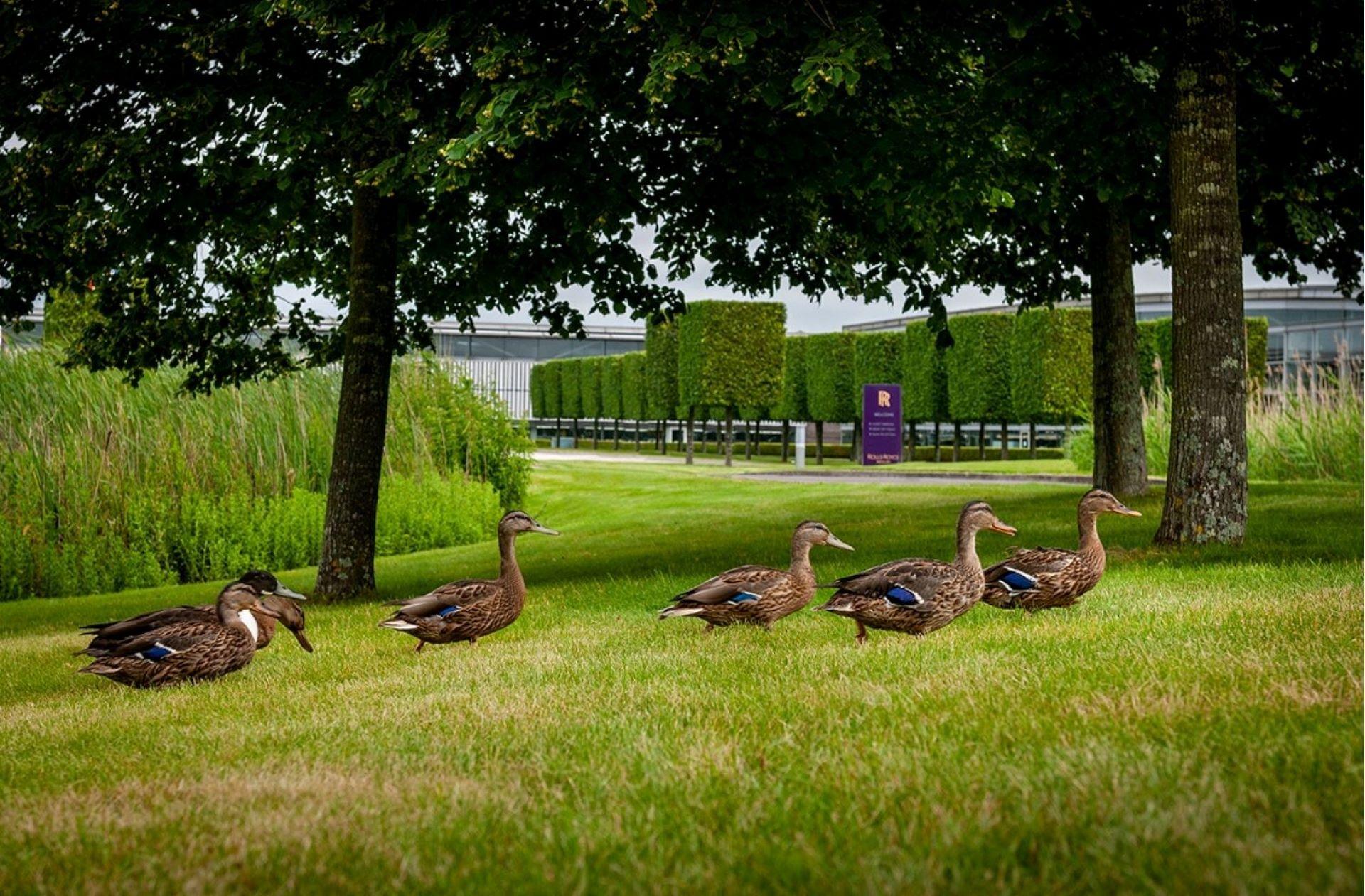
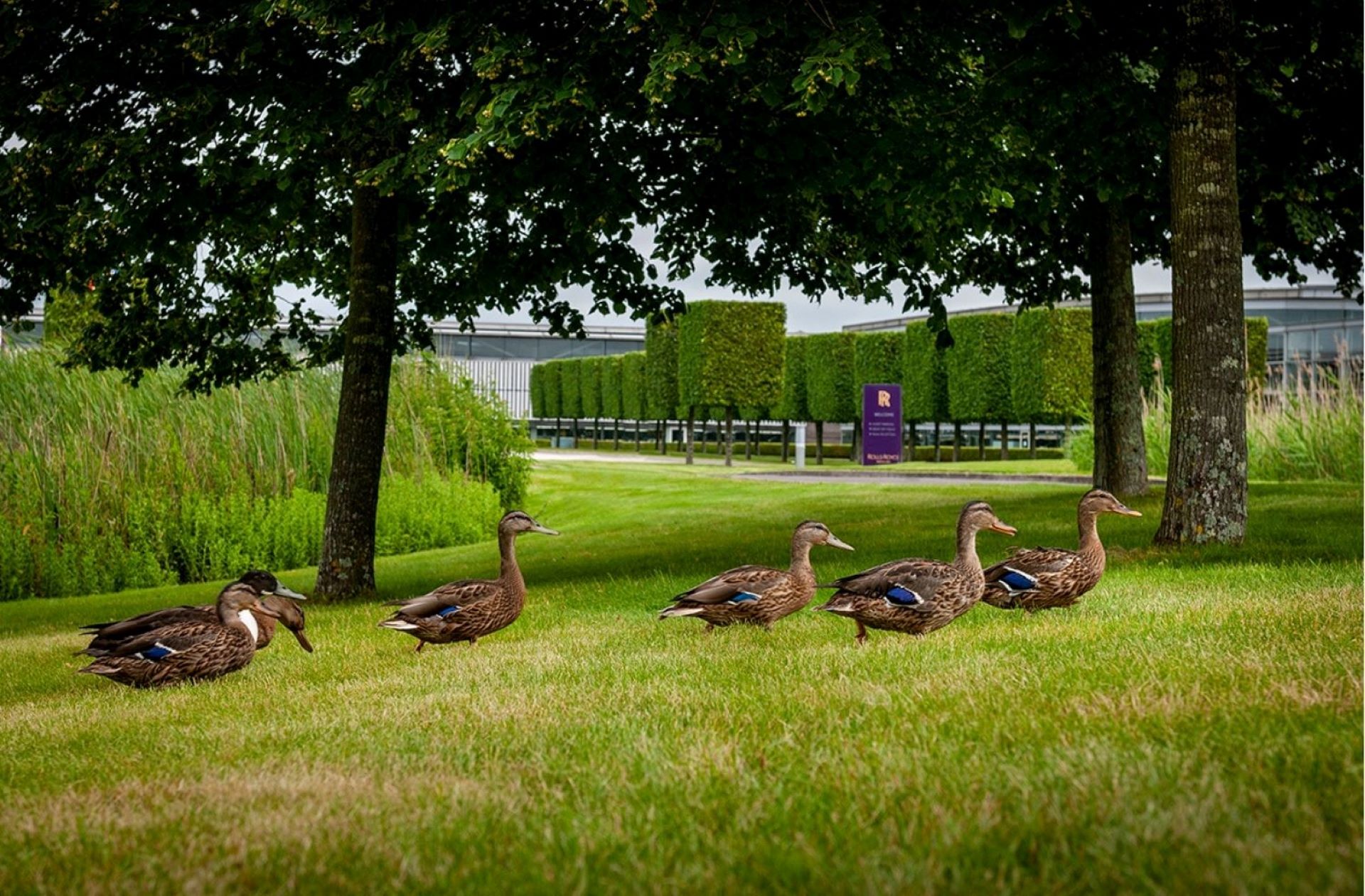
The lakeside at Goodwood has become a magnet for wildfowl, with ducks and other birds settling into surroundings befitting their noble new address. Rolls-Royce Apprentices and Interns collaborated on a floating hexagonal platform, designed as a safe resting place for the birds. The structure, topped with a cedar-clad six-sided hut and gentle ramps into the water, reflects the same meticulous craftsmanship that goes into every Rolls-Royce.
Among the lake’s residents are 15 mallard ducks with extraordinary stories. Seven were orphaned on-site and raised to adulthood by the Brent Lodge Wildlife Hospital, later chauffeured to their new home in a Rolls-Royce Cullinan. Visitors are gently reminded to watch for these distinguished guests via bespoke ‘Wildfowl Crossing’ signage.
Rewilding the Wildlife Garden
Adjacent to The Drive lies the Rolls-Royce Wildlife Garden, a haven for South England’s native flora and fauna. Recently reimagined with Chichester District Council and the South Downs National Park Trust, the garden embraces ‘rewilding’—restoring land to its natural state, reconnecting fragmented habitats, and allowing nature to flourish.
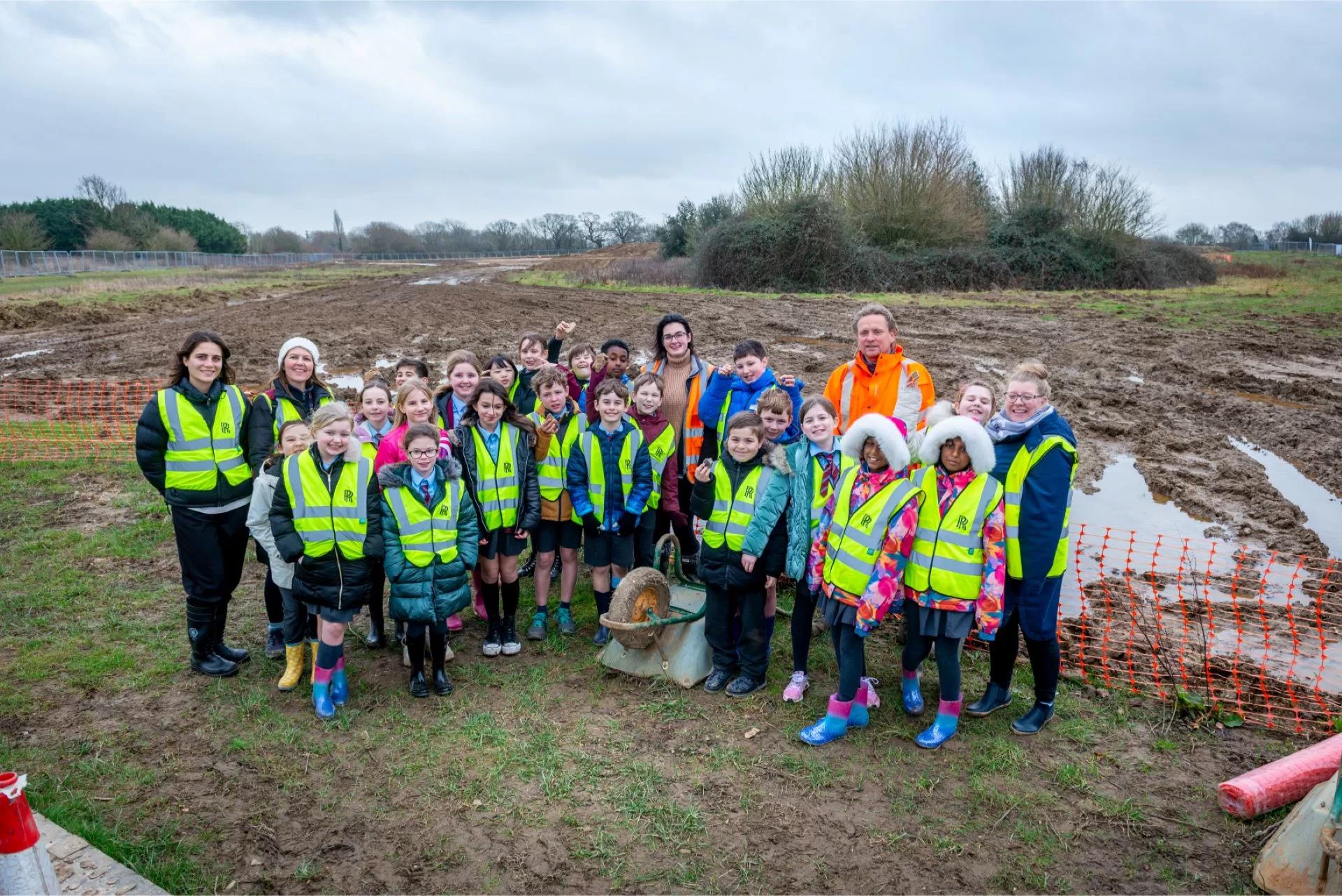
Children’s imaginations also played a role: a design competition saw eight-year-old Iris envision Tiggy Town, a habitat supporting the UK’s dwindling wild hedgehog population. Apprentices crafted hedgehog homes and bespoke nesting boxes for birds, bats, dormice, and solitary bees. Visitors can now wander all year along an all-weather bark pathway, pausing on recycled wooden benches to observe the thriving ecosystem.
Wild at Heart
The Home of Rolls-Royce is part of the Strategic Wildlife Corridor initiative, connecting the South Downs National Park to Chichester and Pagham Harbours. By linking previously isolated habitats, the corridor supports pollinators such as honeybees, bumblebees, and butterflies, as well as a wide variety of other species.
Further rewilding has included hedge-laying projects along the southern boundary, creating vital food sources and safe passages for wildlife. The local flora and fauna, from European honeybees in the Goodwood Apiary to rare water voles, benefit from careful habitat management and ecological oversight.
A Small Miracle
Among the Home of Rolls-Royce’s more elusive residents is the water vole, a rare and highly threatened species in Britain. A recent ecological survey revealed footprints, burrows, and feeding signs, confirming their presence despite their secretive nature. These discoveries coincide with careful planning during the site’s expansion, ensuring minimal disruption to habitats while accommodating modern infrastructure, including EV chargers.
Joined-Up Thinking
Rolls-Royce continues its longstanding collaboration with Goodwood Estate, supporting biodiversity and local conservation efforts. Initiatives include studying Barbastelle bat flight patterns, investing in wildflower seed harvesting, and creating new dew ponds to support natural habitats. Collectively, these projects demonstrate a deep commitment to sustainability alongside engineering excellence.
Building for the Future
The first major extension of the Home of Rolls-Royce since 2003 is a model of environmental foresight. One-third of the new site is dedicated to biodiversity, featuring thousands of native trees and bushes, a landscaped perimeter bund, and a bio-solar roof covered in native wildflowers. Protected reptiles, including grass snakes, lizards, and slow worms, were carefully relocated to purpose-built habitats, while hibernacula, timber piles, ponds, and scrapes provide year-round shelter.
Even the footpath crossing the site has been upgraded, doubling its width and ensuring wheelchair accessibility, allowing visitors to enjoy the estate’s beauty while supporting wildlife.
At Goodwood, Rolls-Royce demonstrates that luxury and sustainability are not mutually exclusive. Here, engineering precision meets ecological stewardship, creating a sanctuary where people and wildlife coexist in exquisite harmony. The marque’s commitment to the environment ensures that, even as motor cars of unrivaled quality are crafted, the natural world continues to flourish—one carefully tended acre at a time.