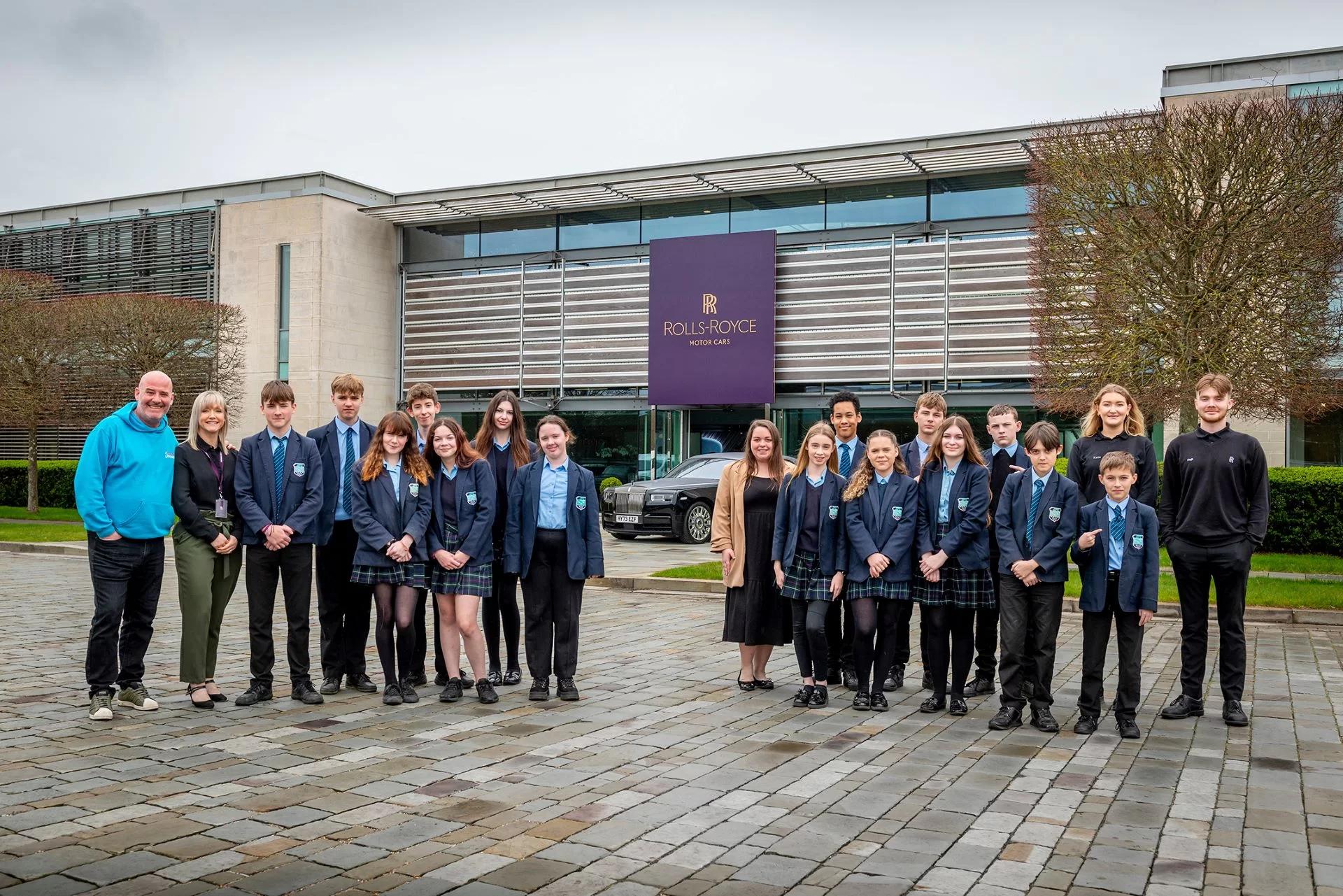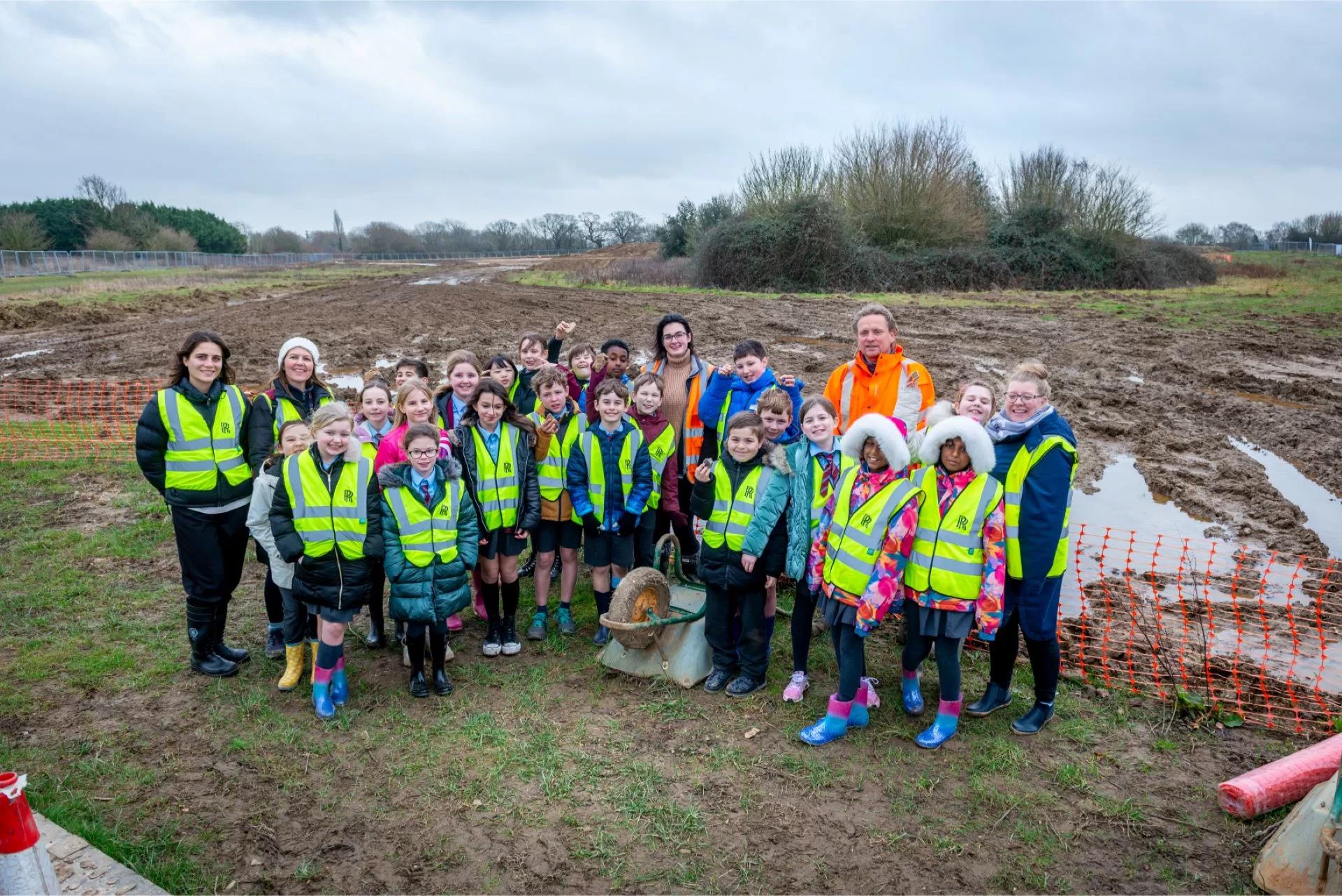
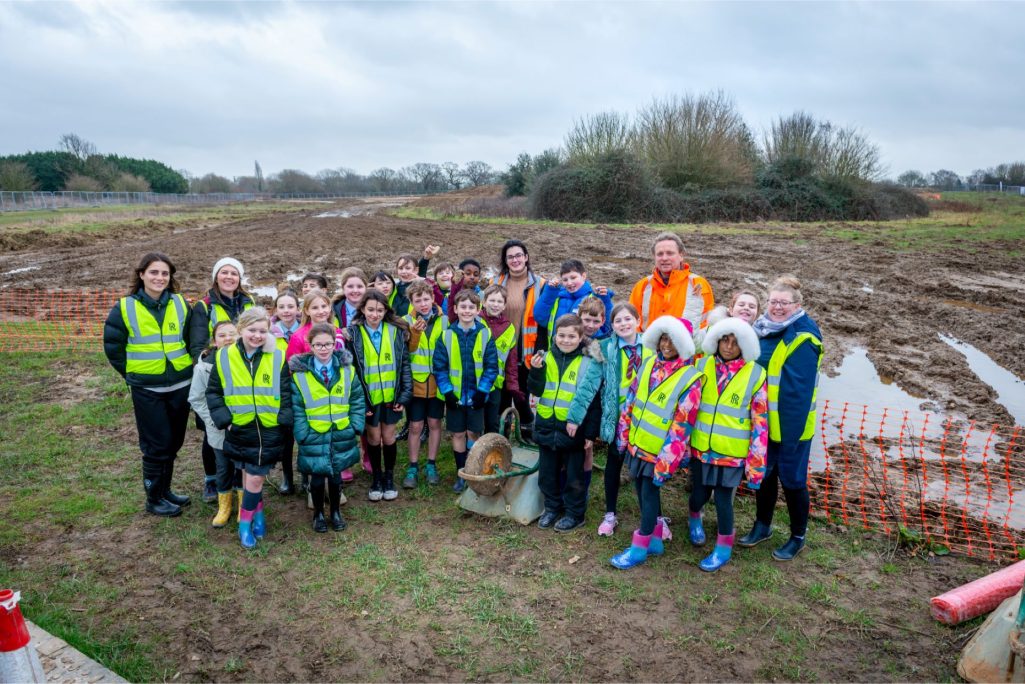
Rolls-Royce Motor Cars has initiated a comprehensive archaeological investigation at the location planned for its upcoming extension. The project, undertaken by Oxford Archaeology, a leading European institution in archaeological and heritage practices, has engaged local schoolchildren from The March CE Primary School as part of an educational initiative, inviting them to experience a day as ‘junior archaeologists.’
During the excavation, the team unearthed over 20,000 artifacts, some of which date back over 2,000 years, including Roman roof tiles adorned with human and animal prints, pigs’ teeth, and fragments of ancient pottery. These findings will undergo further analysis to construct a clearer historical narrative of the area, which is known to have been inhabited since the Lower Palaeolithic period, approximately 500,000 years ago.
Andrew Ball, Head of Corporate Relations and Heritage at Rolls-Royce Motor Cars, expressed enthusiasm about the project: “In our 120th year, this archaeological endeavor not only honors the deep historical roots of Westhampnett but also involves the community, particularly young students, in the discovery and appreciation of their local heritage. The excitement and inspiration it has sparked in these children are profound, with many now aspiring to careers in archaeology.”
The survey aligns with the company’s planning application process and underscores Rolls-Royce’s commitment to preserving and celebrating the historical significance of their site. The artifacts are slated for public display later this year, promising to offer local residents a unique glimpse into their ancient past.