Well now, I do beg your pardon for takin’ up your time with a tale that carries both a shade of worry and a glimmer of progress, but such is the nature of the road the motorcar world is travelin’ these days.
Volvo Cars has reported global sales of 178,980 vehicles for the three-month stretch from March through May 2026, markin’ a decline of 5.5 per cent compared to the same period a year prior. And yet, in a twist that speaks to the uneven rhythm of this industry, those same figures show an improvement over the preceding February to April period, suggestin’ that while the road is bumpy, the direction still holds forward motion.
Electrification, bless its ambitious heart, continues to carve out a stronger foothold. Nearly half of all vehicles sold—48 per cent, to be exact—were electrified models, with fully electric cars accountin’ for 23 per cent and plug-in hybrids takin’ up another 25 per cent. It is a delicate balance, like watchin’ a great ship shift its sails mid-storm, but the trend is unmistakably leanin’ toward electric horizons.
Across global markets, the conditions remain as stubborn as a summer drought. China continues to weigh heavily on performance, with industry volumes fallin’ sharply amid fierce competition and a rather unforgivin’ macroeconomic backdrop. In contrast, the United States is showin’ the earliest signs of recovery, though demand remains somewhat restrained, especially in the wake of subsidy adjustments that have cooled enthusiasm for electrified drivetrains.
In this broader context, the sentiment from Volvo Cars leadership in South Africa carries a steady hand. Grant Locke, Managing Director of Volvo Car South Africa, noted that while electrification advances at different speeds across regions, customer curiosity and acceptance are steadily growin’, particularly as infrastructure and awareness begin to mature in markets such as South Africa and across the wider African continent.
He further observed that globally, the momentum behind fully electric models underscores the direction the industry is headed, while locally the focus remains on introducin’ the right products at the right time and guidin’ customers through a transition that still feels new to many.
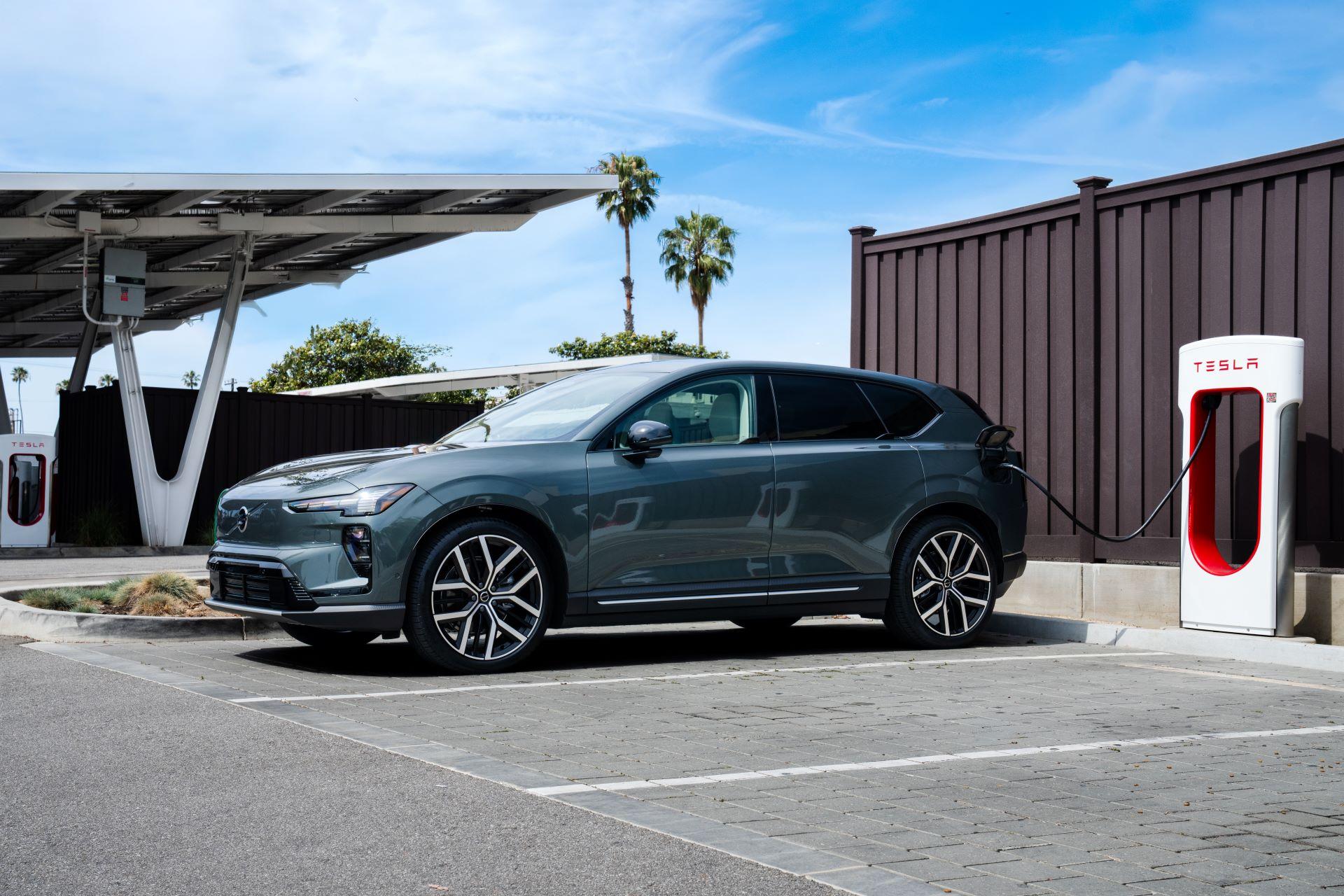
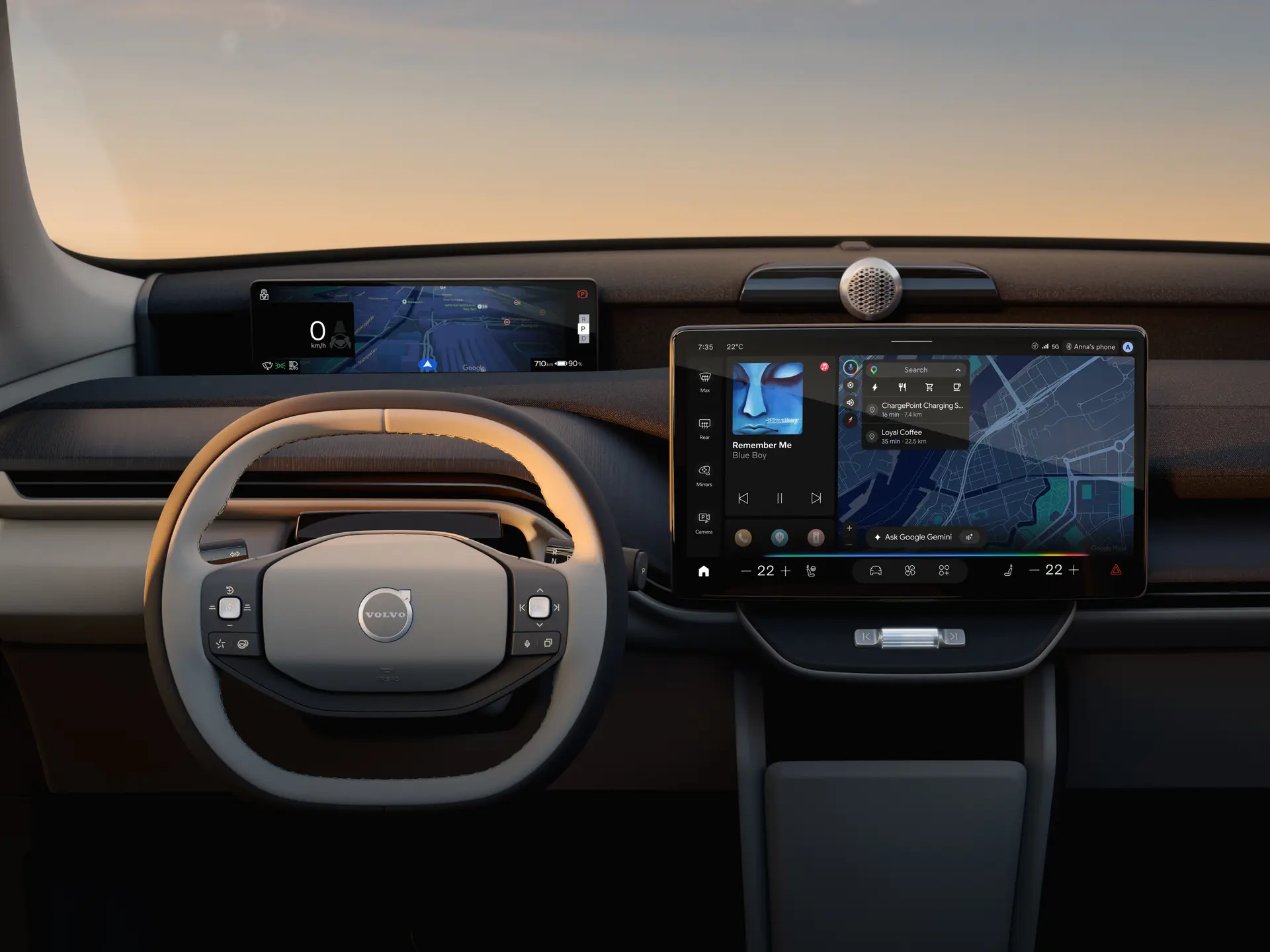
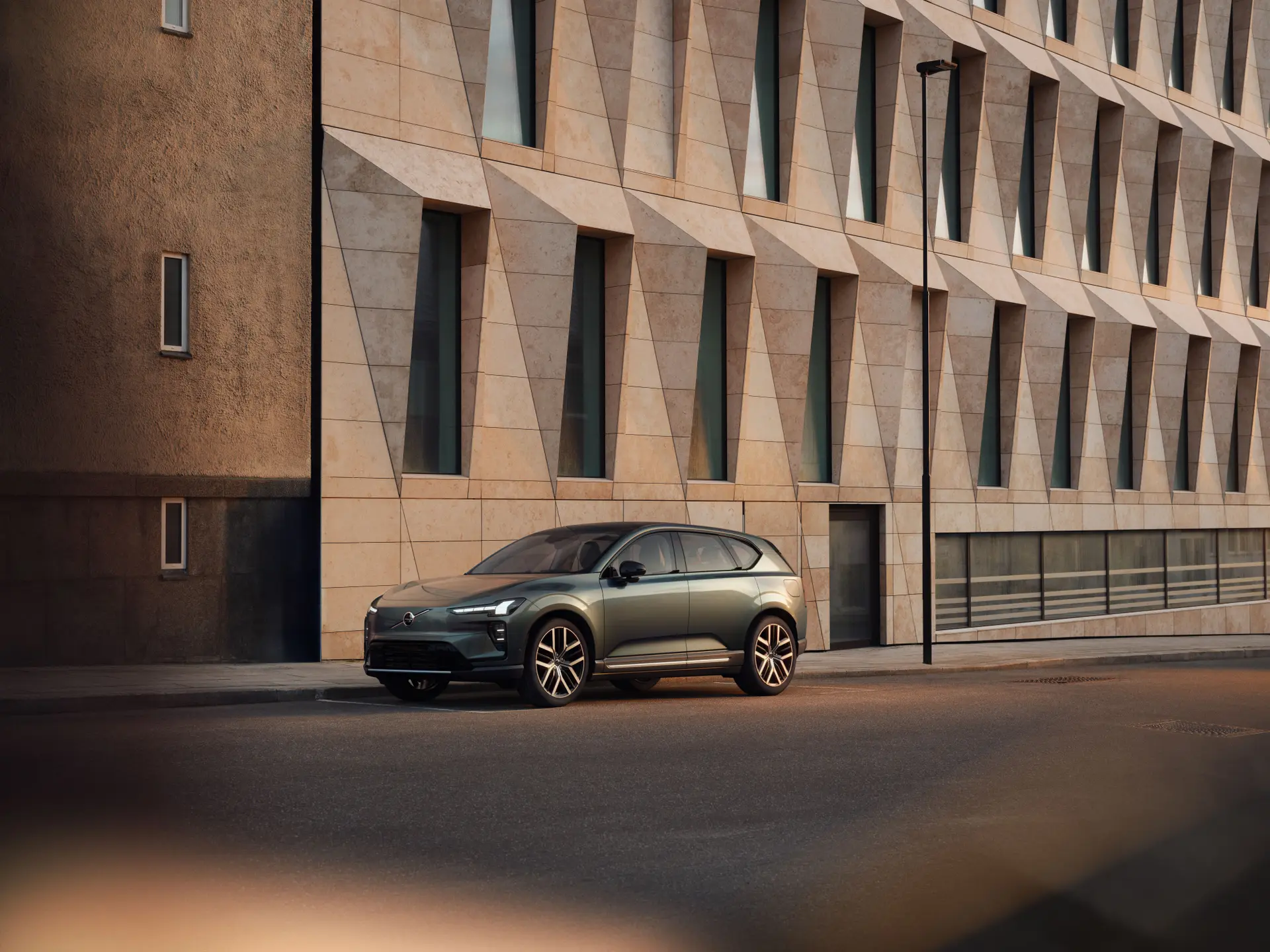
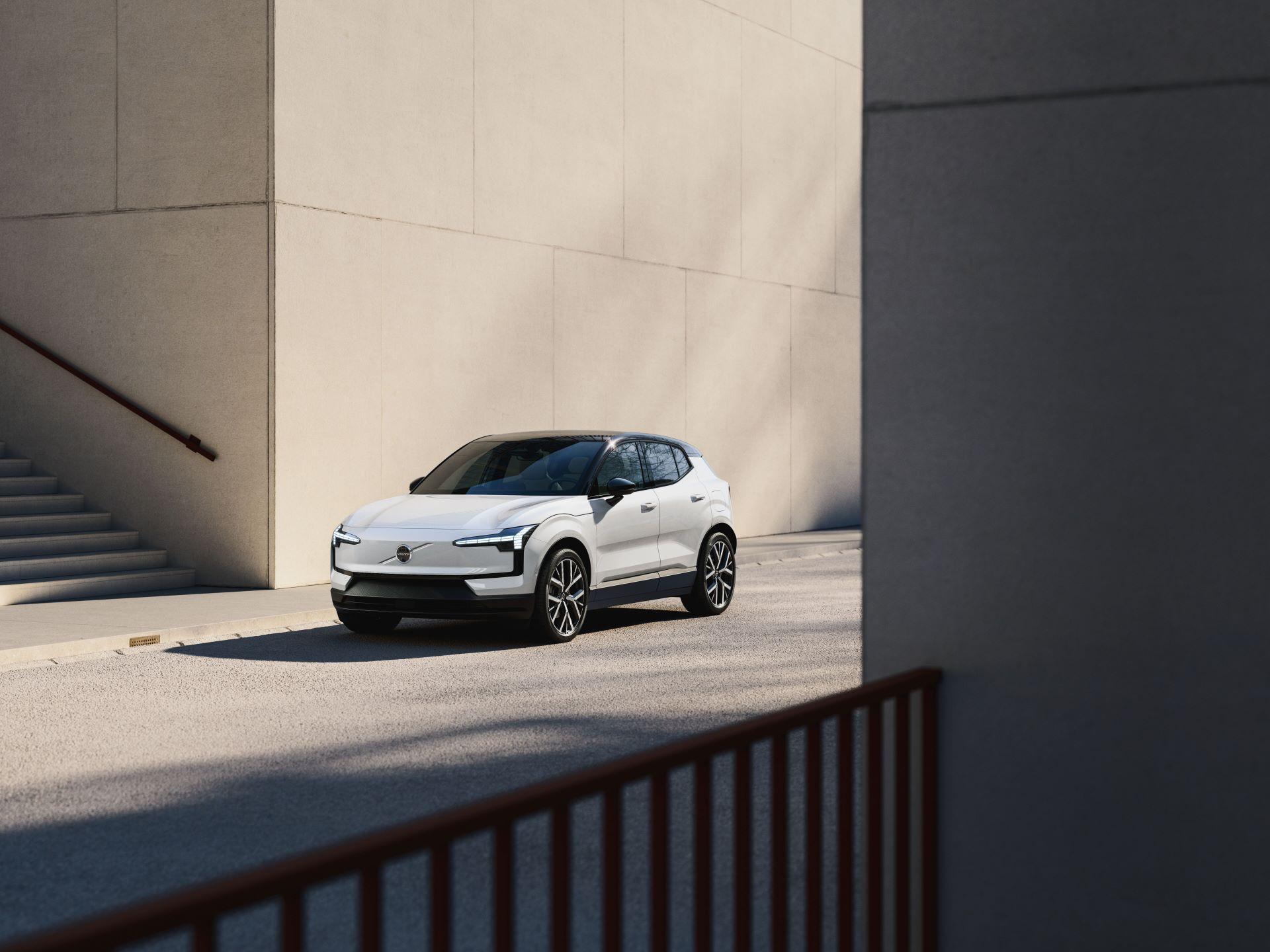
Supportin’ this broader narrative are models such as the Volvo EX30 and Volvo EX40, which continue to contribute meaningfully to demand in key markets. Their reception has helped sustain Volvo’s electrified presence even as overall volumes fluctuate.
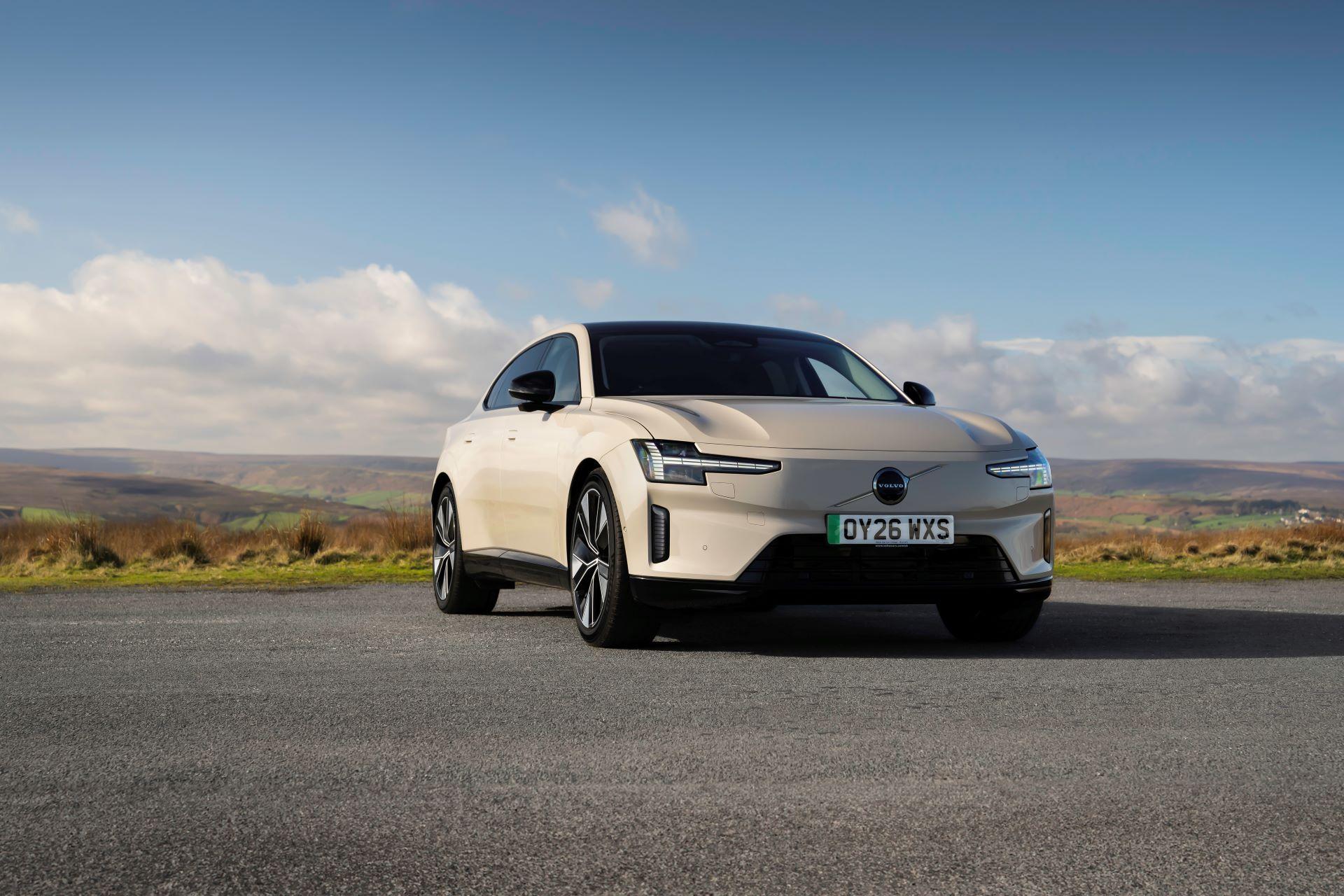
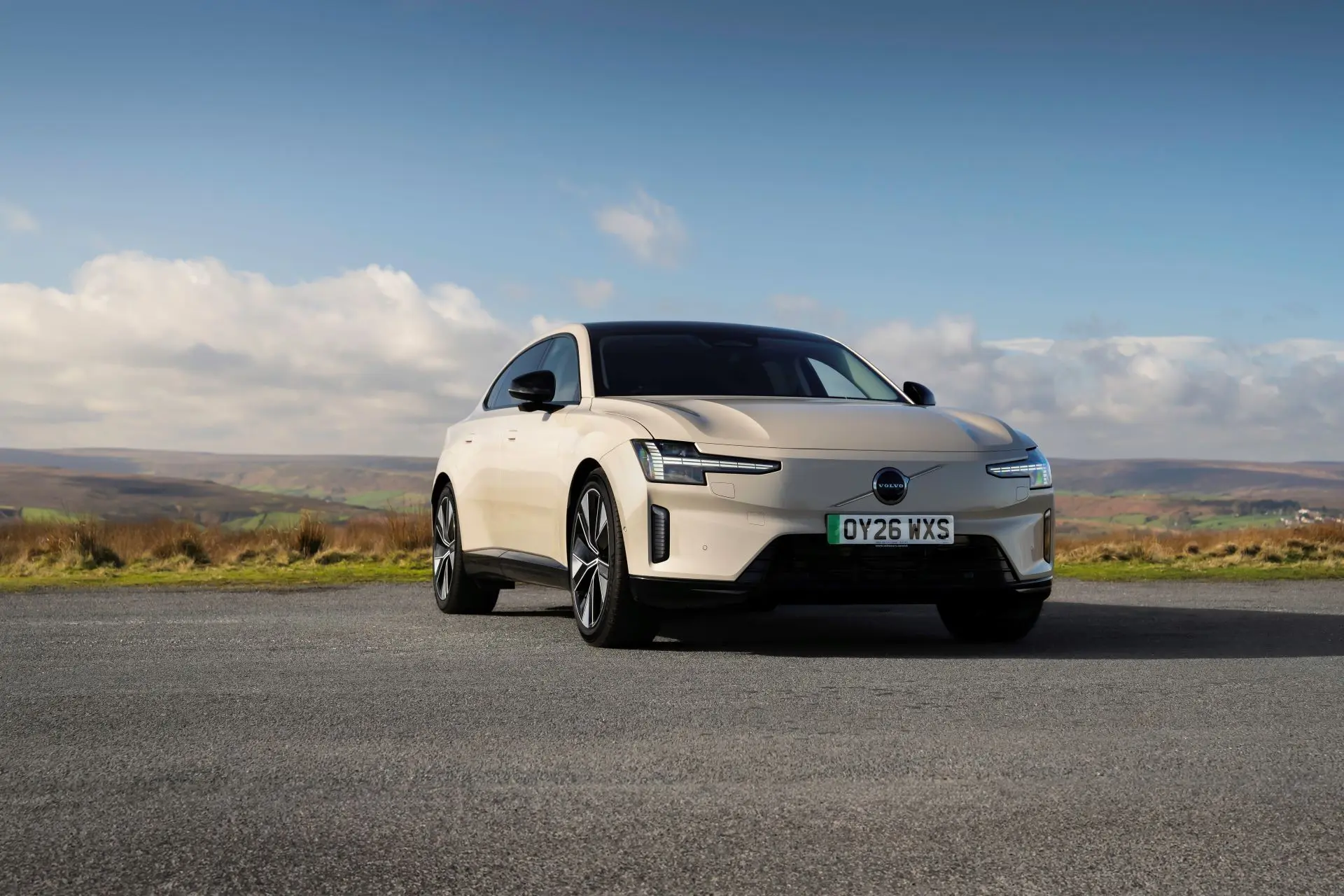
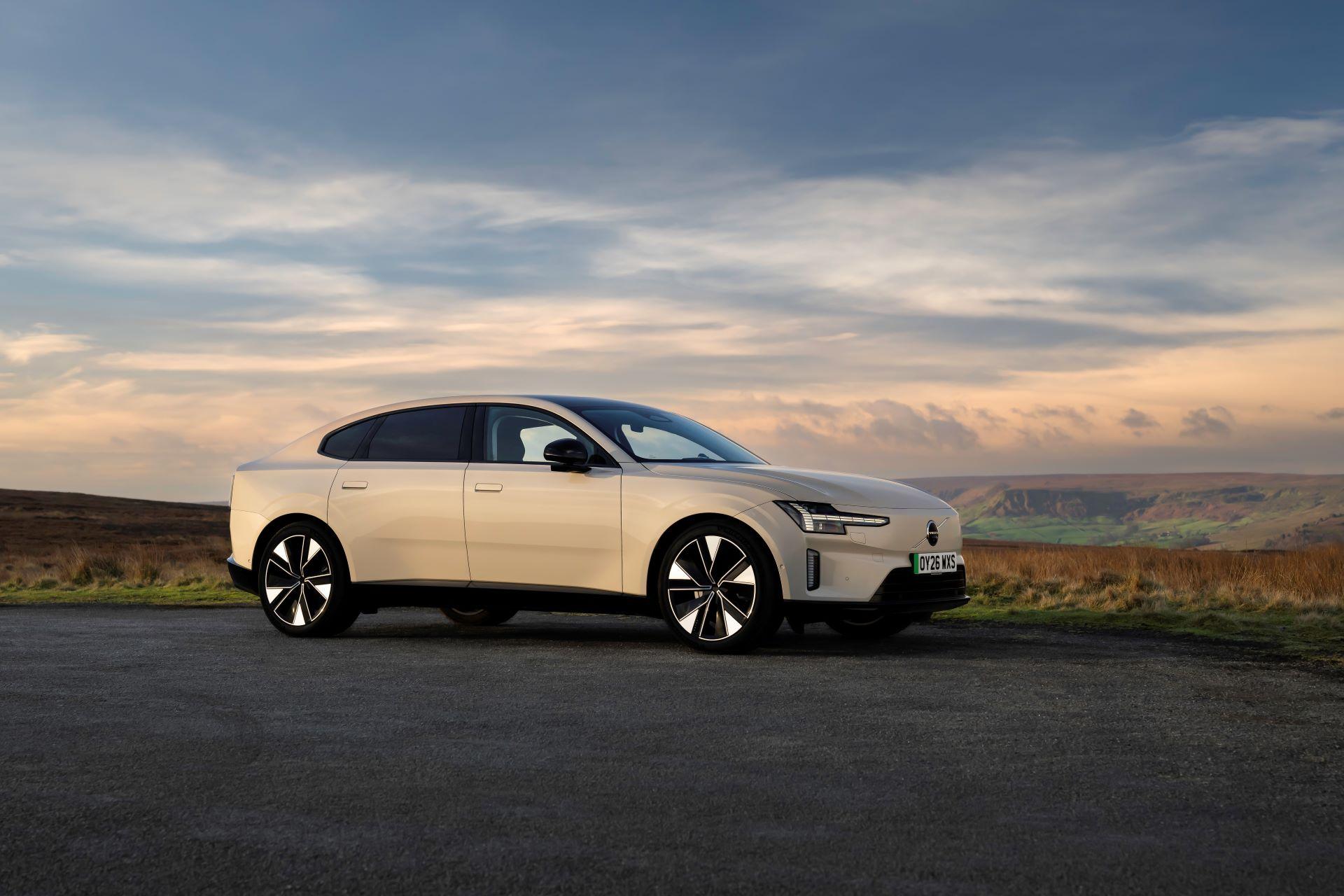
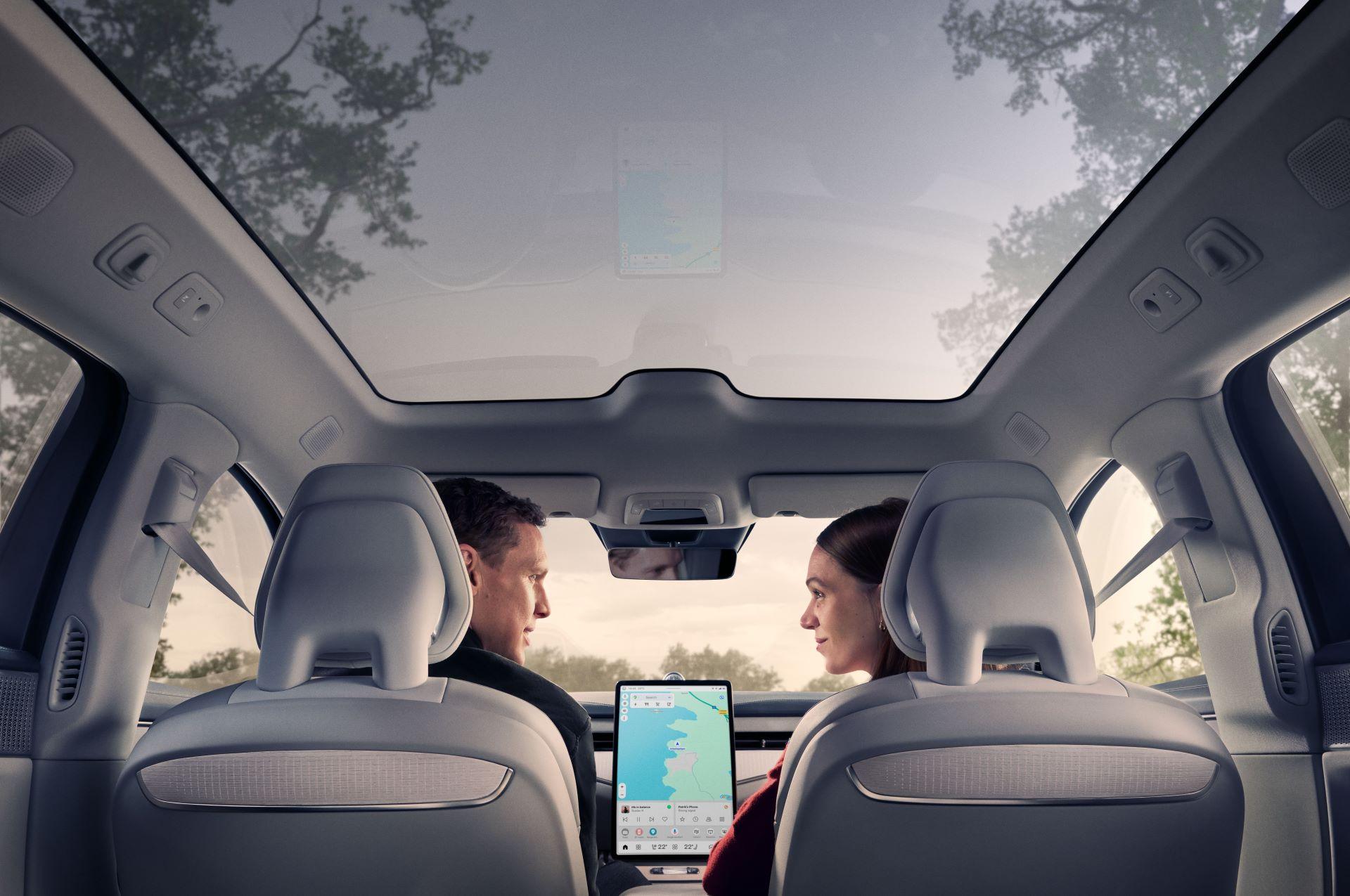
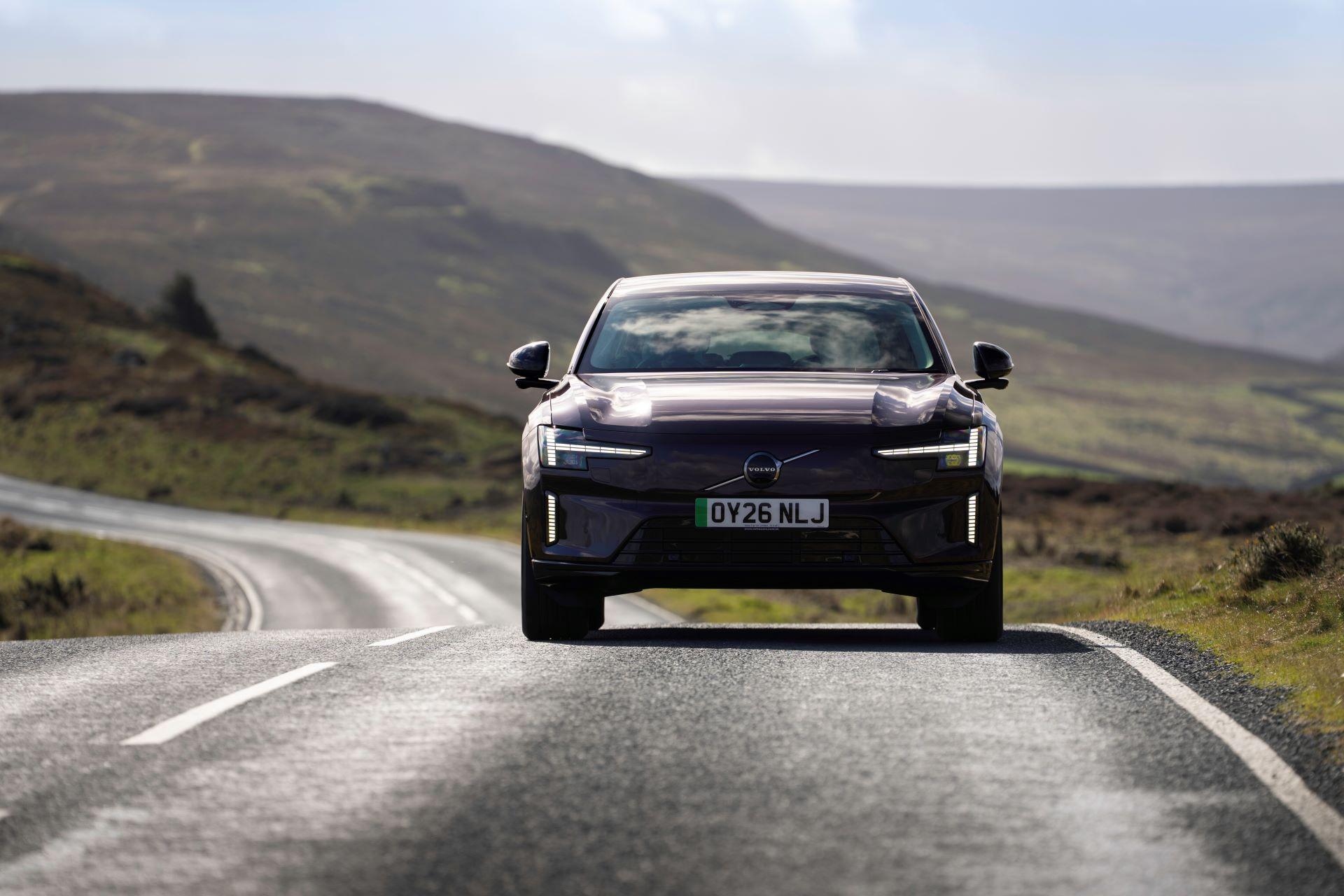
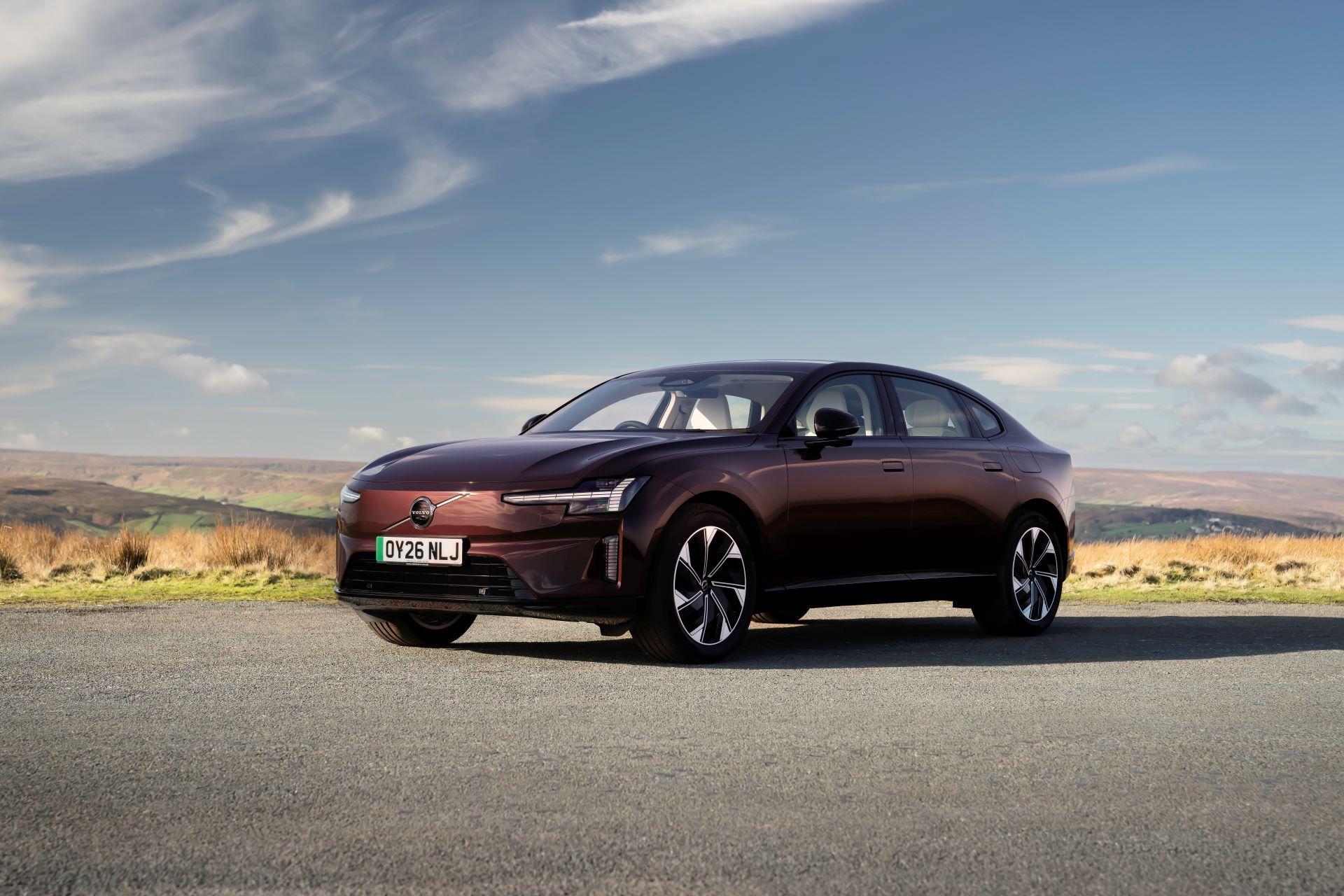
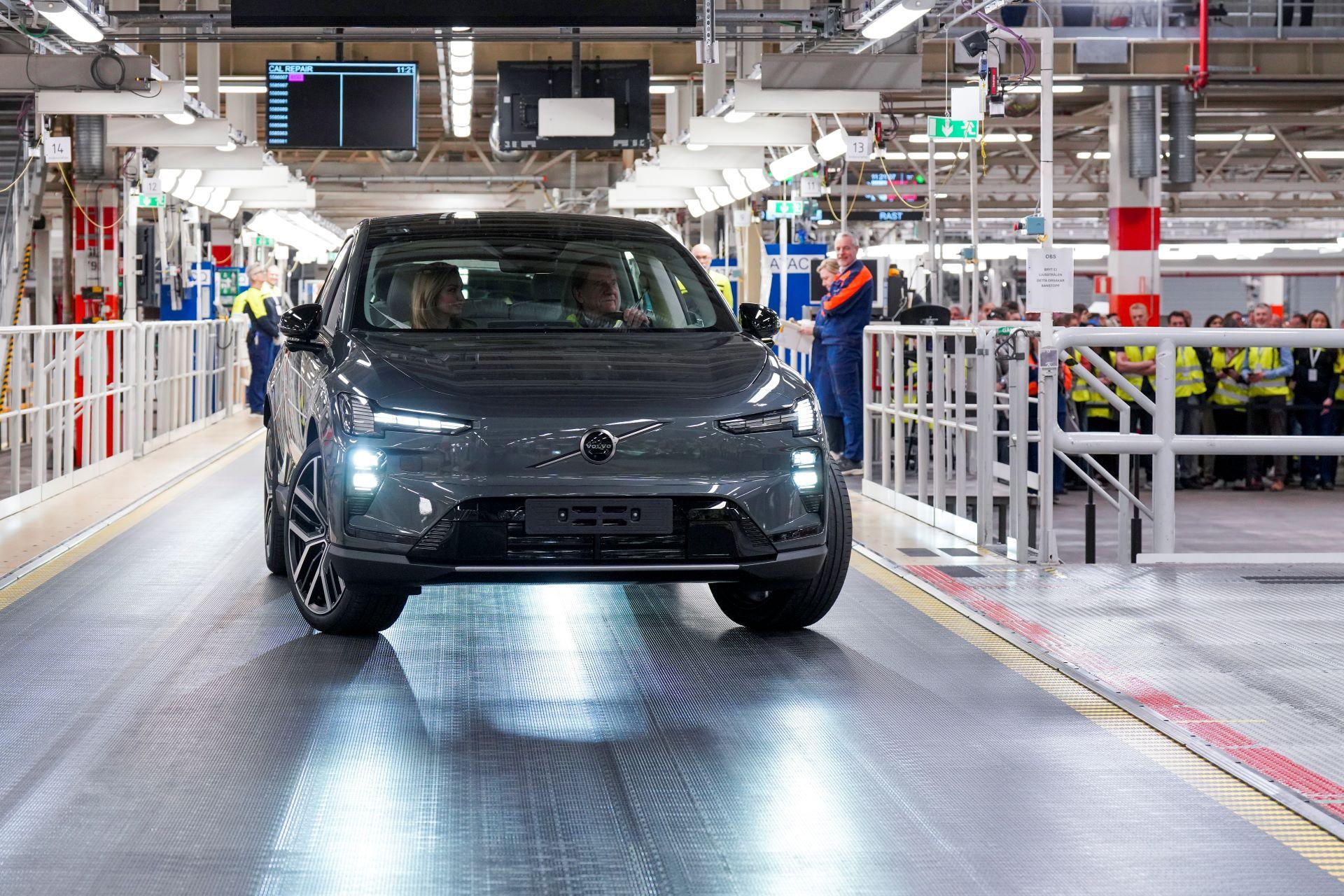
And then, there is the Volvo EX60, still fresh in its early journey, already drawin’ notable interest. Early orders have surpassed internal expectations, and production is expected to scale gradually through the latter half of the year, hintin’ at a product that may well shape the next chapter of Volvo’s electric ambition.
So while the numbers carry a note of caution, they also whisper of transition, persistence, and the steady reshaping of an industry that is learnin’, mile by mile, how to move into its electric future.