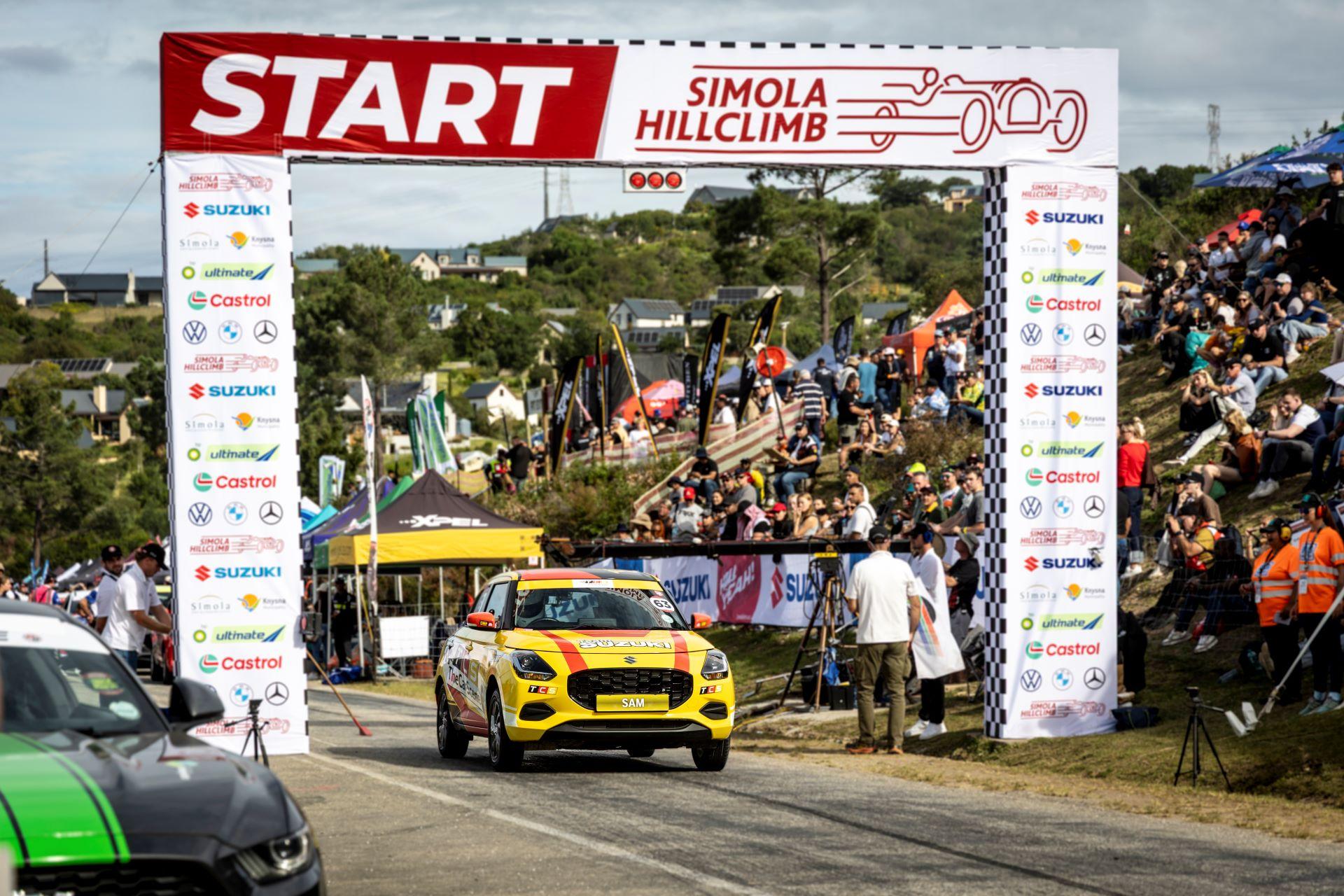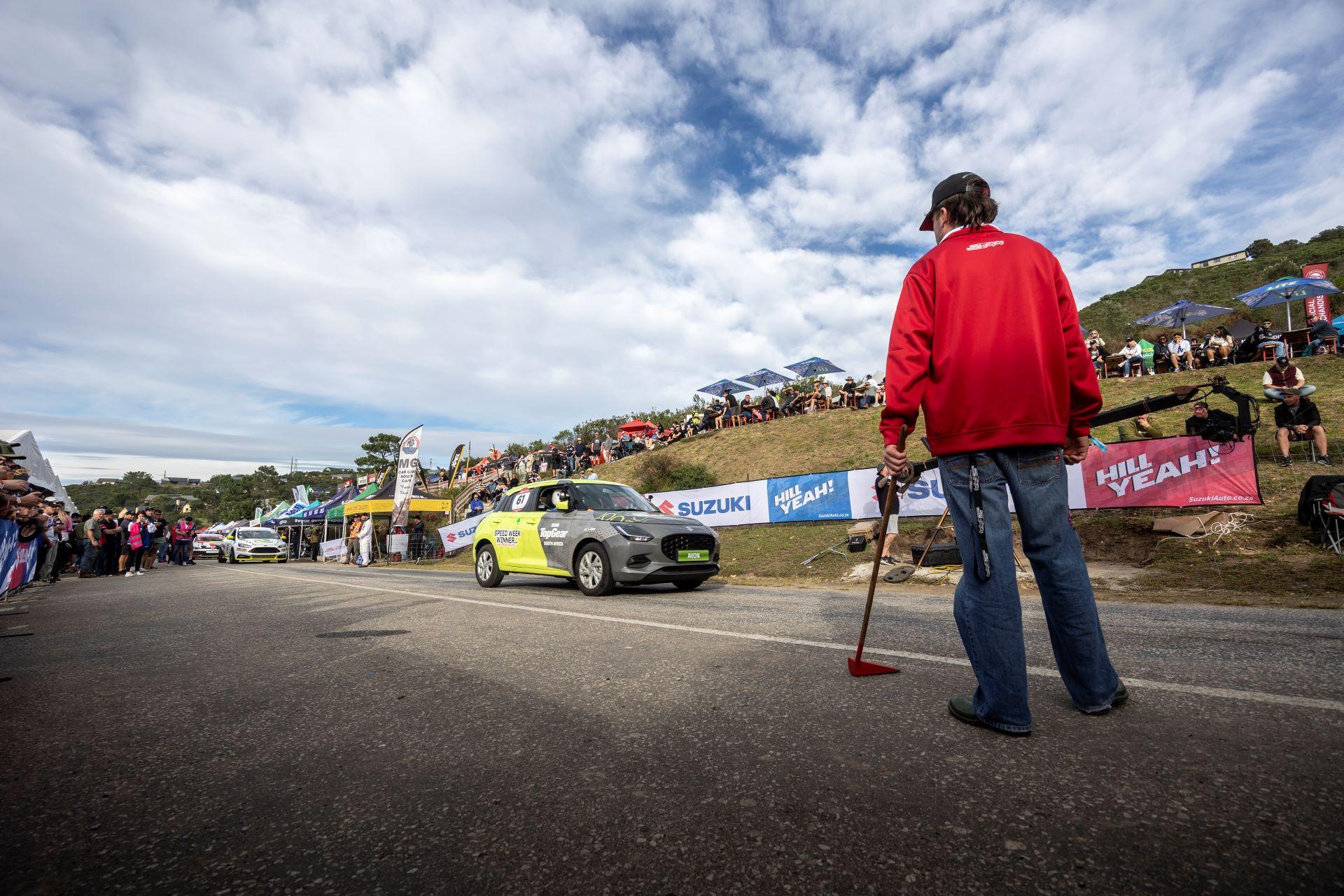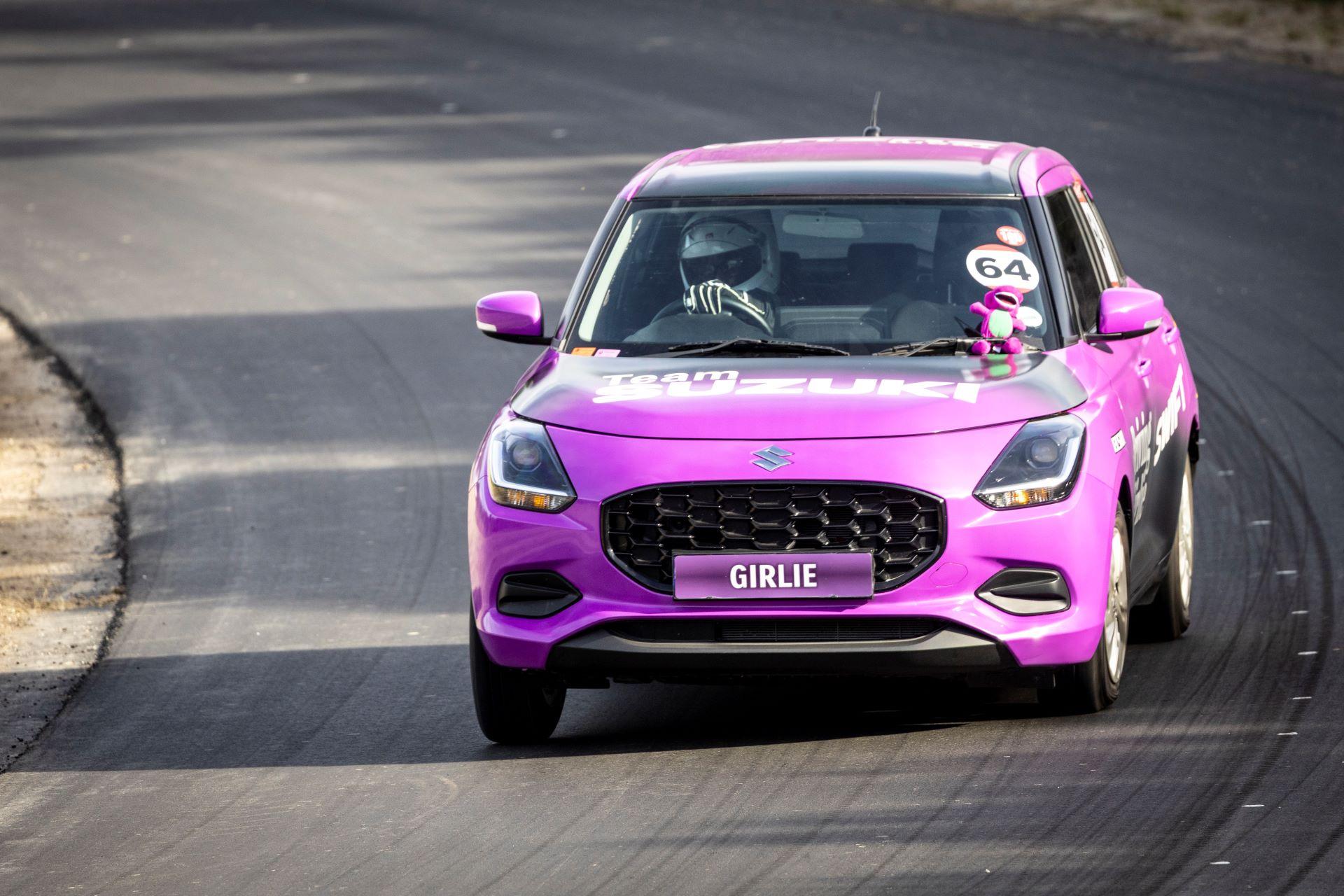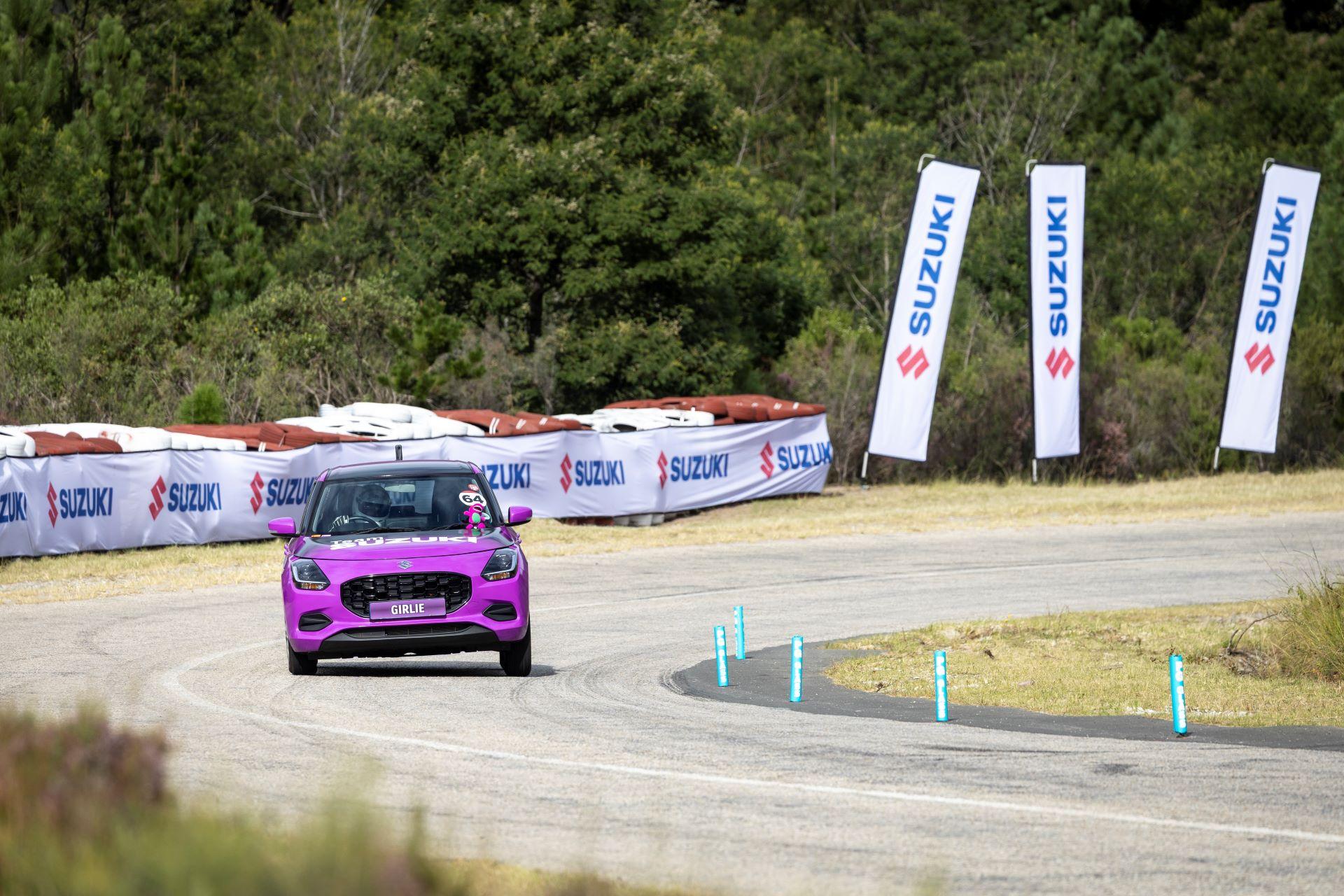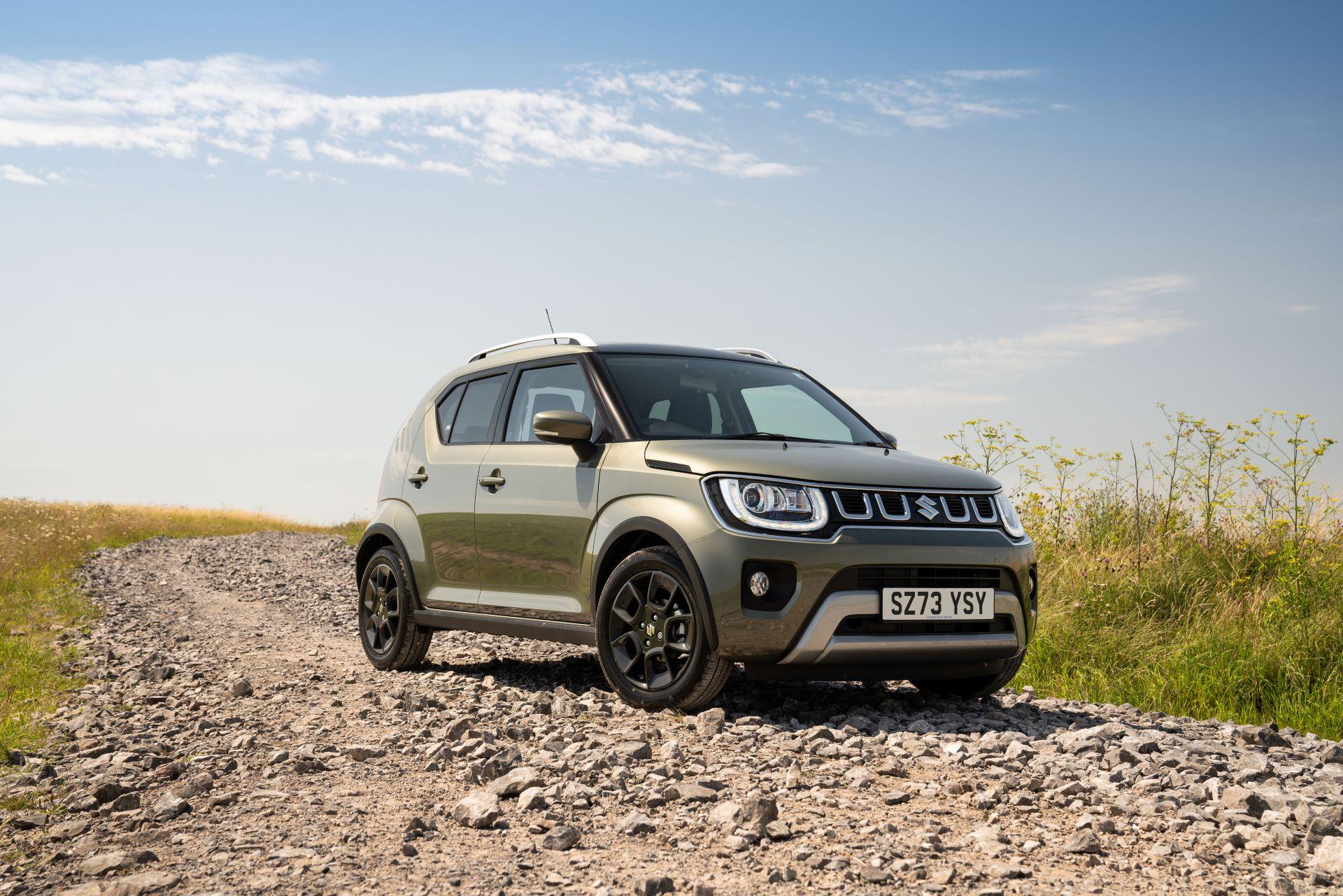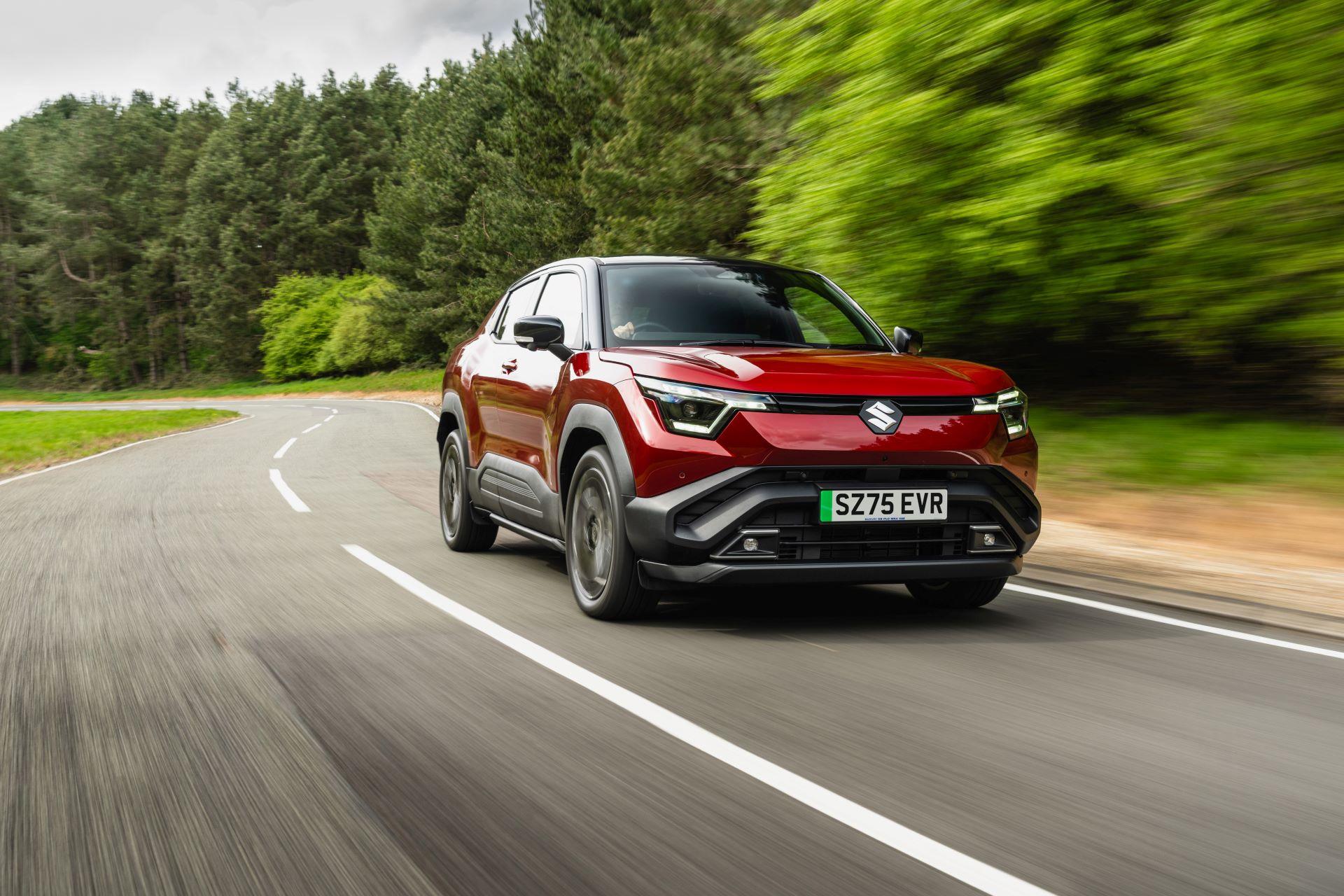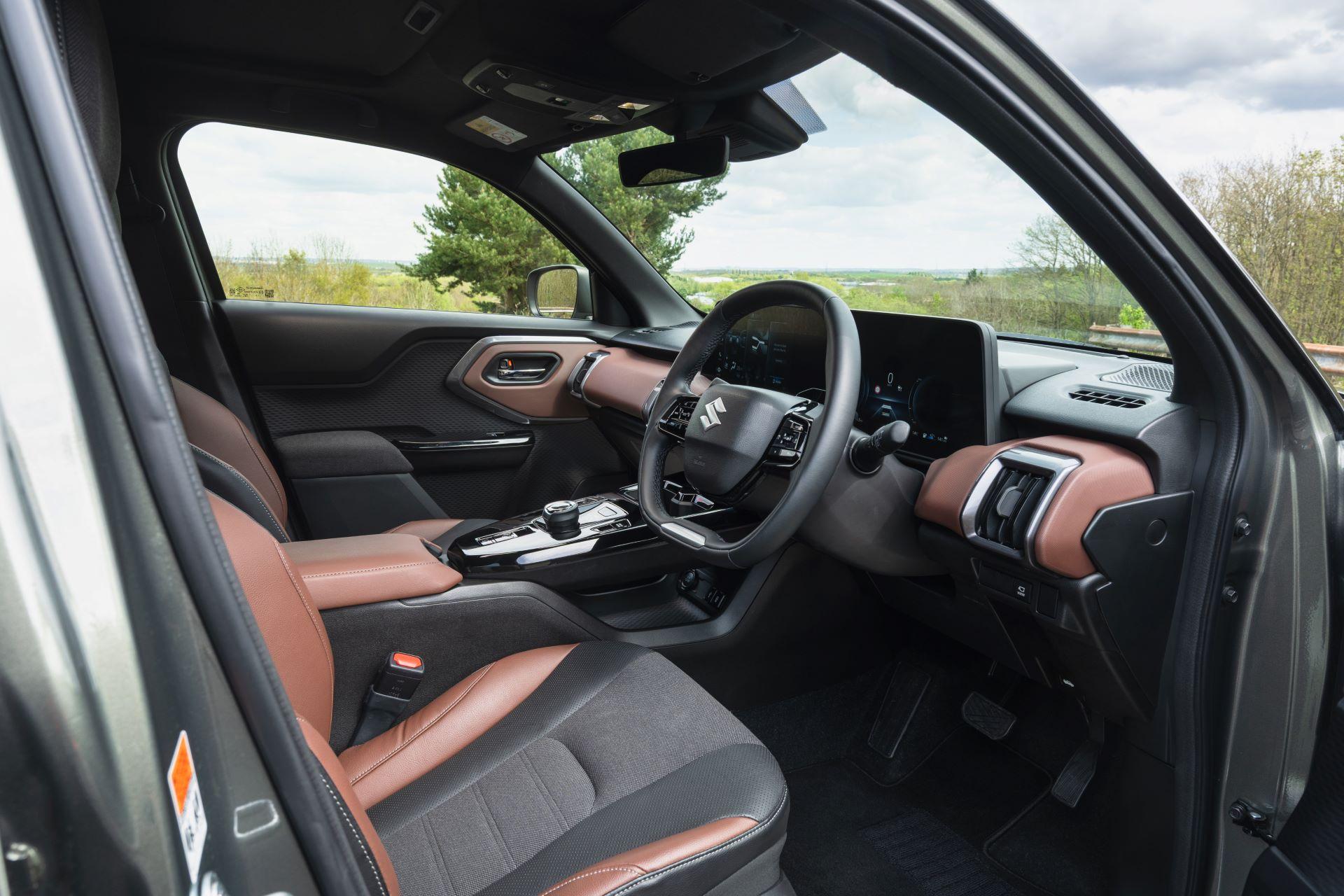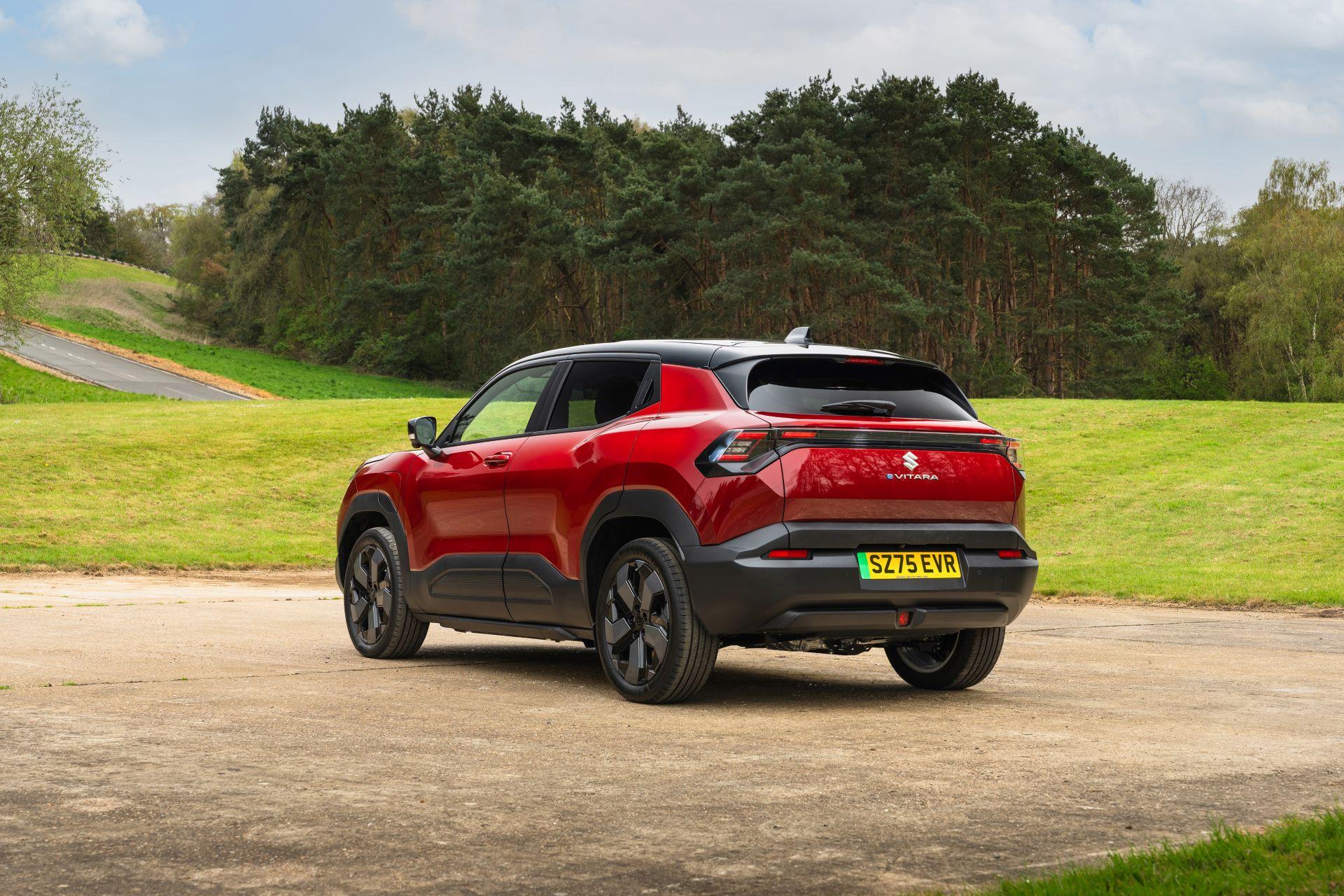



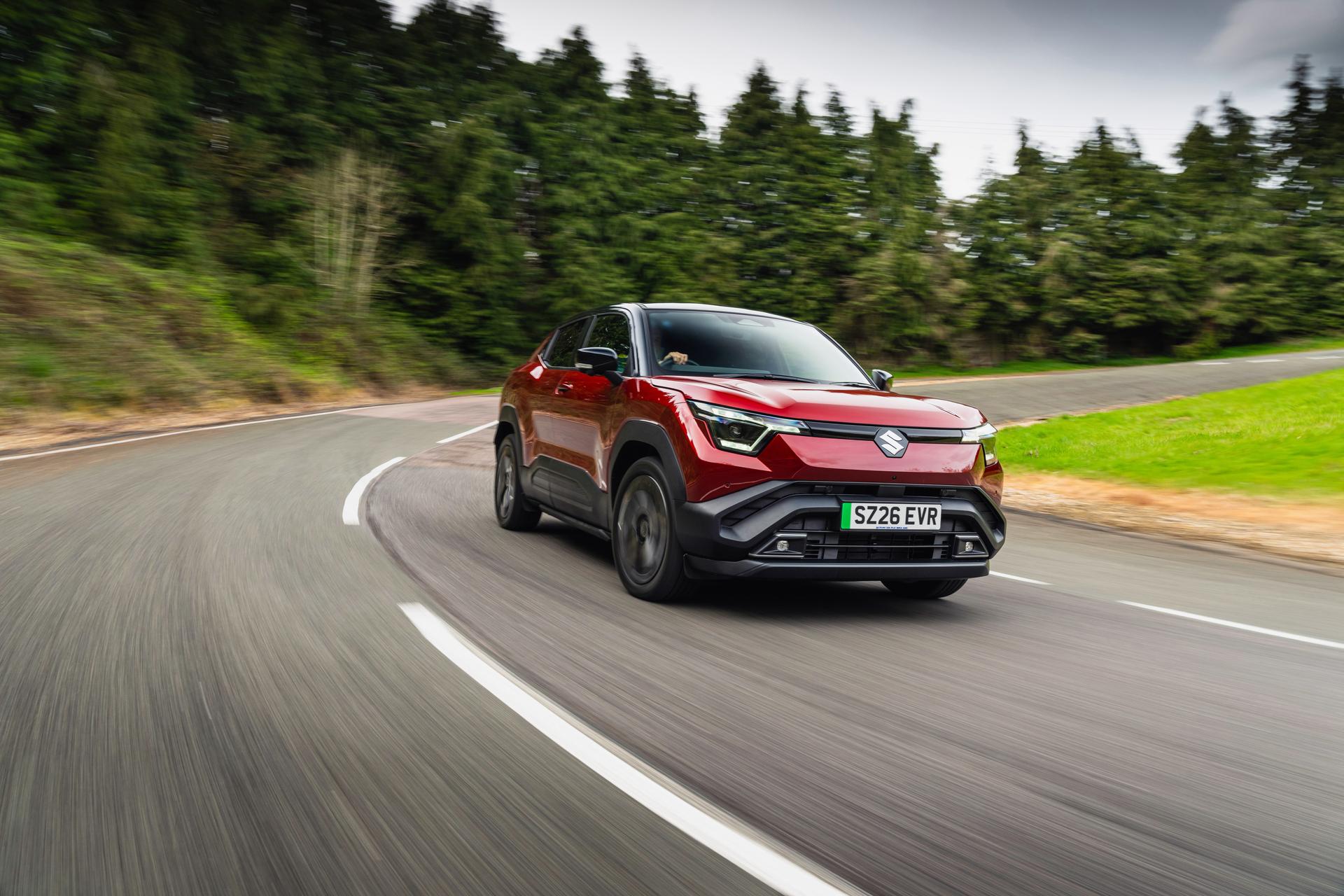
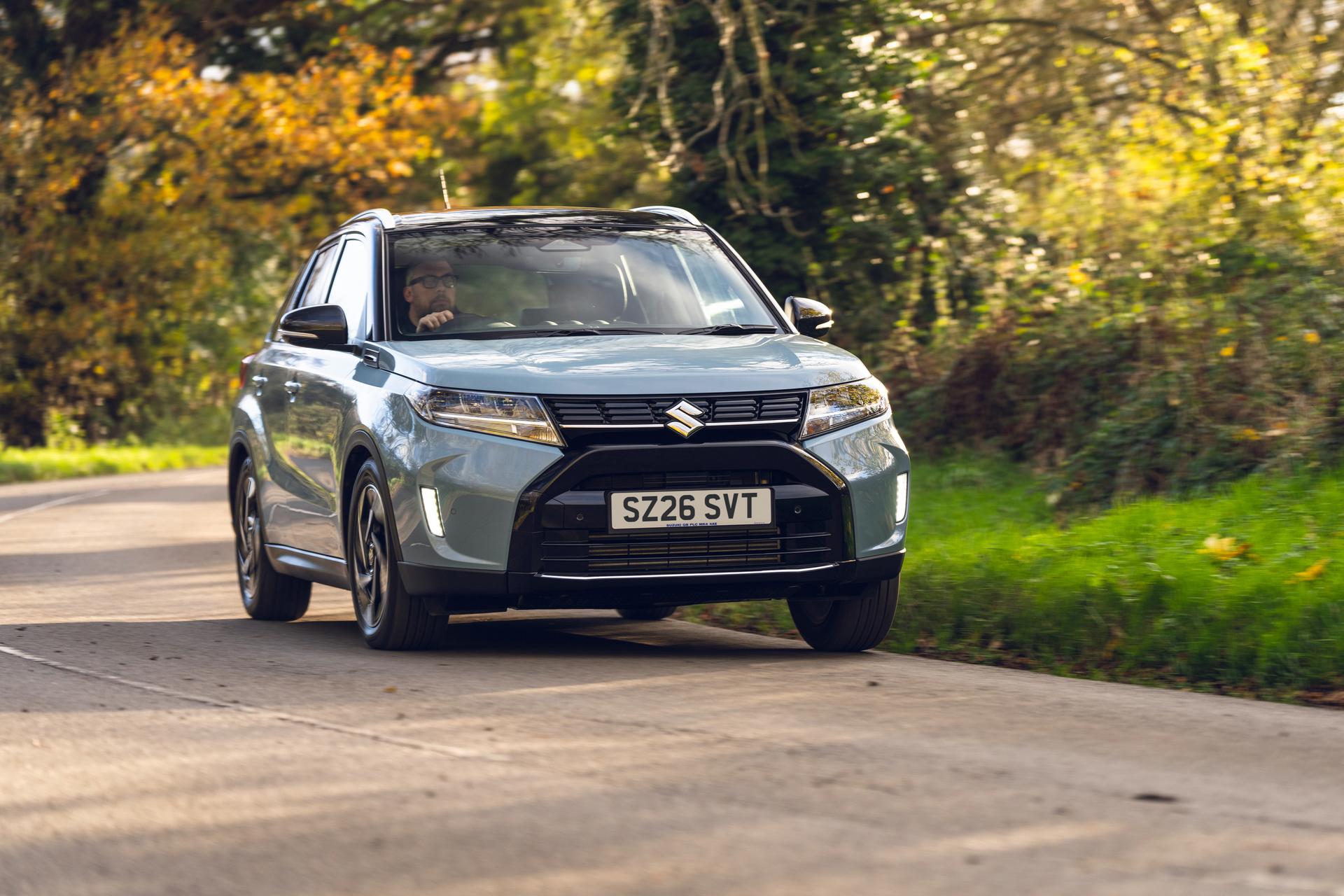
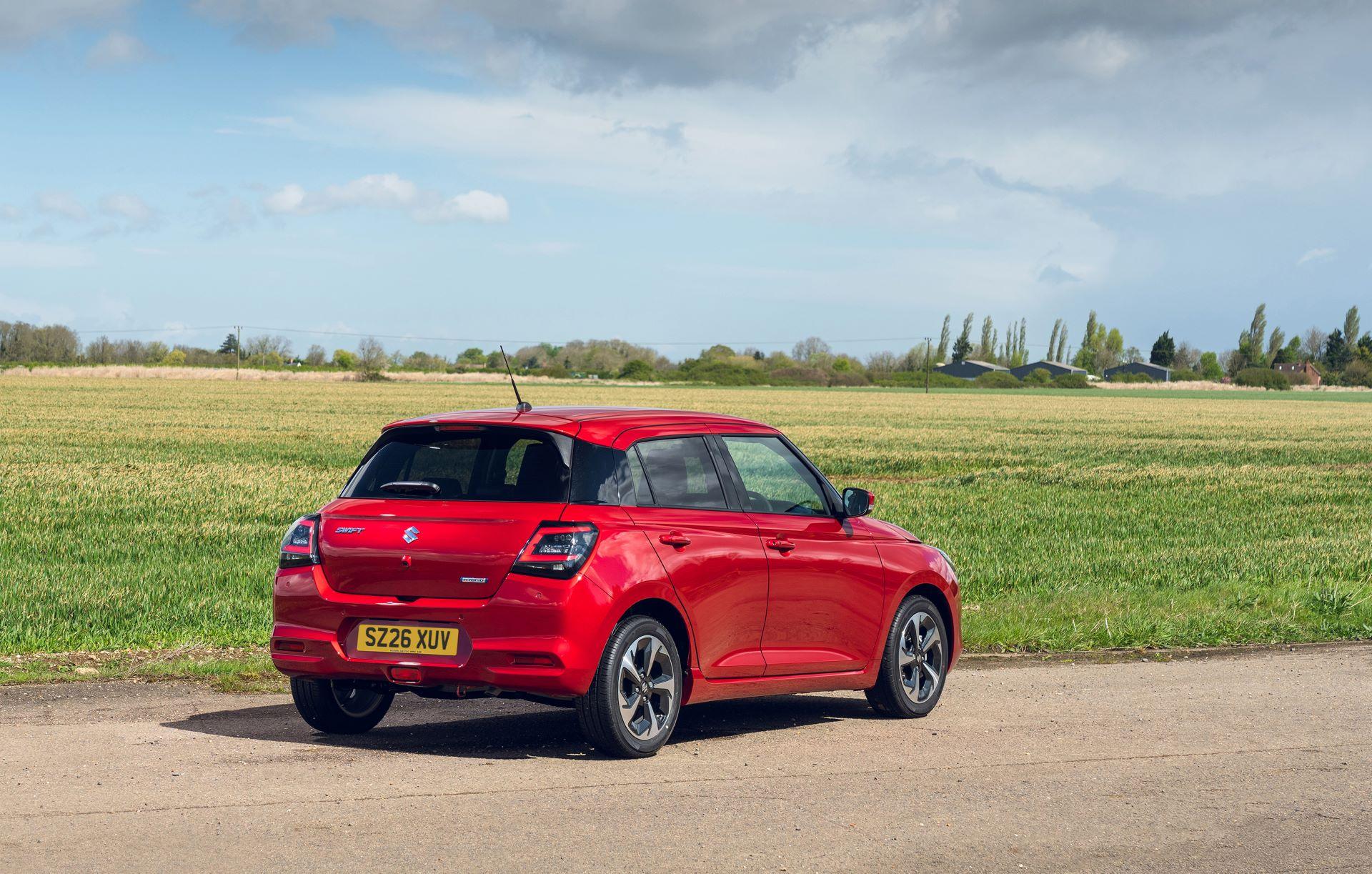
In an automotive landscape where complexity often gets mistaken for progress, [Suzuki](https://www.globalsuzuki.com?utm_source=chatgpt.com) continues to quietly take a different route, one built on restraint, clarity, and long-term dependability. That philosophy has now been reinforced in a striking way through the latest reliability survey conducted by Warranty Solutions Group (WSG), where the brand emerged at the very top of the rankings.
Out of 29 manufacturers assessed, [Suzuki](https://www.globalsuzuki.com?utm_source=chatgpt.com) recorded the lowest warranty claim rate at just 6.29%. In practical terms, that figure is more than just a statistic. It signals fewer mechanical issues reaching the warranty stage, fewer disruptions for owners, and a product philosophy that prioritises durability over unnecessary complication.
WSG attributes this performance to something deceptively simple: controlled vehicle complexity. In an industry often driven by feature inflation and layered systems, simpler engineering tends to reduce failure points. With fewer interconnected systems, there is less to malfunction, fewer stress pathways in long-term use, and a more predictable ownership experience. [Suzuki](https://www.globalsuzuki.com?utm_source=chatgpt.com) appears to have turned that principle into a defining strength.
This reliability outcome also reflects the brand’s four guiding product pillars, which are Tech, Efficiency, Quality and Trust. Rather than treating these as marketing language, they function more like design constraints. Technology is applied with intention rather than excess, efficiency is embedded in both fuel and mechanical performance, quality is measured in durability rather than novelty, and trust becomes the cumulative result of consistent delivery over time.
Ownership experience is further strengthened through an extended support structure that continues beyond the standard manufacturer warranty. Once the initial three-year or 60,000-mile warranty period concludes, customers who service their vehicles within the official dealer network unlock a Service Activated Warranty that extends coverage for up to 10 years or 100,000 miles, whichever comes first.
This system is designed to be both practical and accessible. It is offered at no additional cost to retail customers and renews automatically after each qualifying service, ensuring that coverage remains continuous as long as maintenance requirements are met. The result is a living warranty model that evolves alongside the vehicle rather than expiring abruptly, reinforcing long-term confidence in ownership.
What makes this particularly significant is how it aligns engineering philosophy with aftersales structure. Reliability is not only built into the vehicle at the point of manufacture but is also supported through an ownership ecosystem that encourages proper maintenance and rewards consistency. It is a feedback loop where design simplicity reduces failure risk, and structured servicing preserves that advantage over time.
In a market where consumers are increasingly cautious about long-term repair costs and electronic complexity, [Suzuki](https://www.globalsuzuki.com?utm_source=chatgpt.com) positions itself as a brand that prioritises clarity over complication. The WSG results do not simply highlight a strong performance in a single survey cycle; they reinforce a broader identity built around dependable mobility that remains accessible, predictable and engineered for real-world longevity.
As automotive technology continues to evolve, the question is not only what vehicles can do, but how consistently they can do it over time. In that space, simplicity is no longer a compromise. It becomes a competitive advantage.