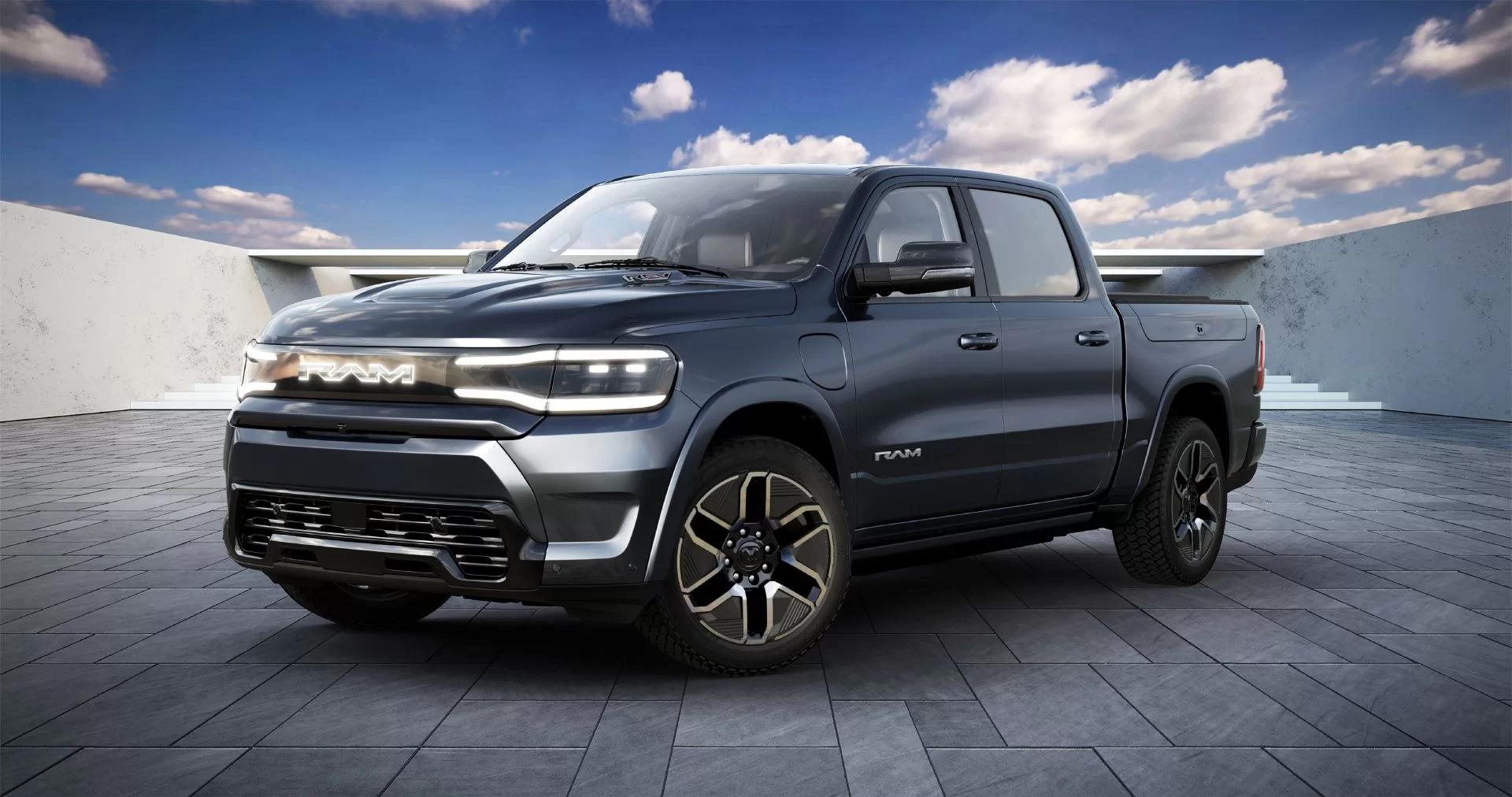
Stellantis has announced a strategic investment of over $406 million across three Michigan manufacturing facilities to support its multi-energy strategy and bolster its electrification efforts. The move is aligned with the automaker’s Dare Forward 2030 plan, which aims to lead the industry in clean, safe, and affordable mobility solutions. A key highlight of this investment is the transformation of the Sterling Heights Assembly Plant (SHAP), which will become Stellantis’ first U.S. facility to produce a fully electric vehicle—the highly anticipated 2025 Ram 1500 REV.
Electrifying the Ram 1500: A Landmark Moment for Stellantis
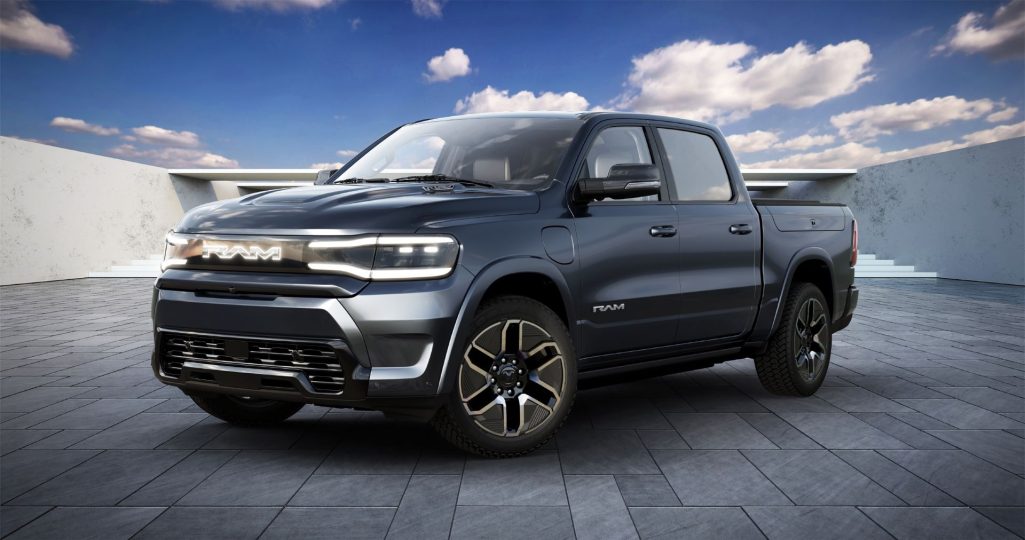
The investment of $235.5 million in SHAP underscores Stellantis’ commitment to manufacturing flexibility, as the plant will now produce internal combustion engine (ICE), battery-electric vehicle (BEV), and range-extended electric variants of the Ram 1500 on the same assembly line. The Ram 1500 REV, which was unveiled at the 2023 New York Auto Show, will debut in late 2024. It will be joined by the range-extended 2025 Ram 1500 Ramcharger, offering customers a blend of electrification and power.
CEO Carlos Tavares expressed pride in the company’s achievements, noting, “Gearing up to build our first-ever Ram electric truck and the range-extended version in Michigan is a meaningful moment of pride for our teams.”
The Ram 1500 REV will be built on Stellantis’ STLA Frame architecture, a cutting-edge platform specifically designed for full-size electric vehicles. Boasting a range of up to 500 miles with its optional 229 kWh battery pack, the Ram 1500 REV exemplifies Stellantis’ focus on customer-centric innovations that blend performance and sustainability.
The Ram 1500 Ramcharger, with its 663 horsepower and a 0-60 mph acceleration in just four seconds, brings unparalleled power to the electrified pickup market. Its 92 kWh battery pack, paired with a 130 kW generator, also enables vehicle-to-vehicle and vehicle-to-home bi-directional charging—underscoring the flexibility of Stellantis’ electric solutions.
Warren Truck Assembly Plant: Future-Proofing Jeep® Wagoneer Production
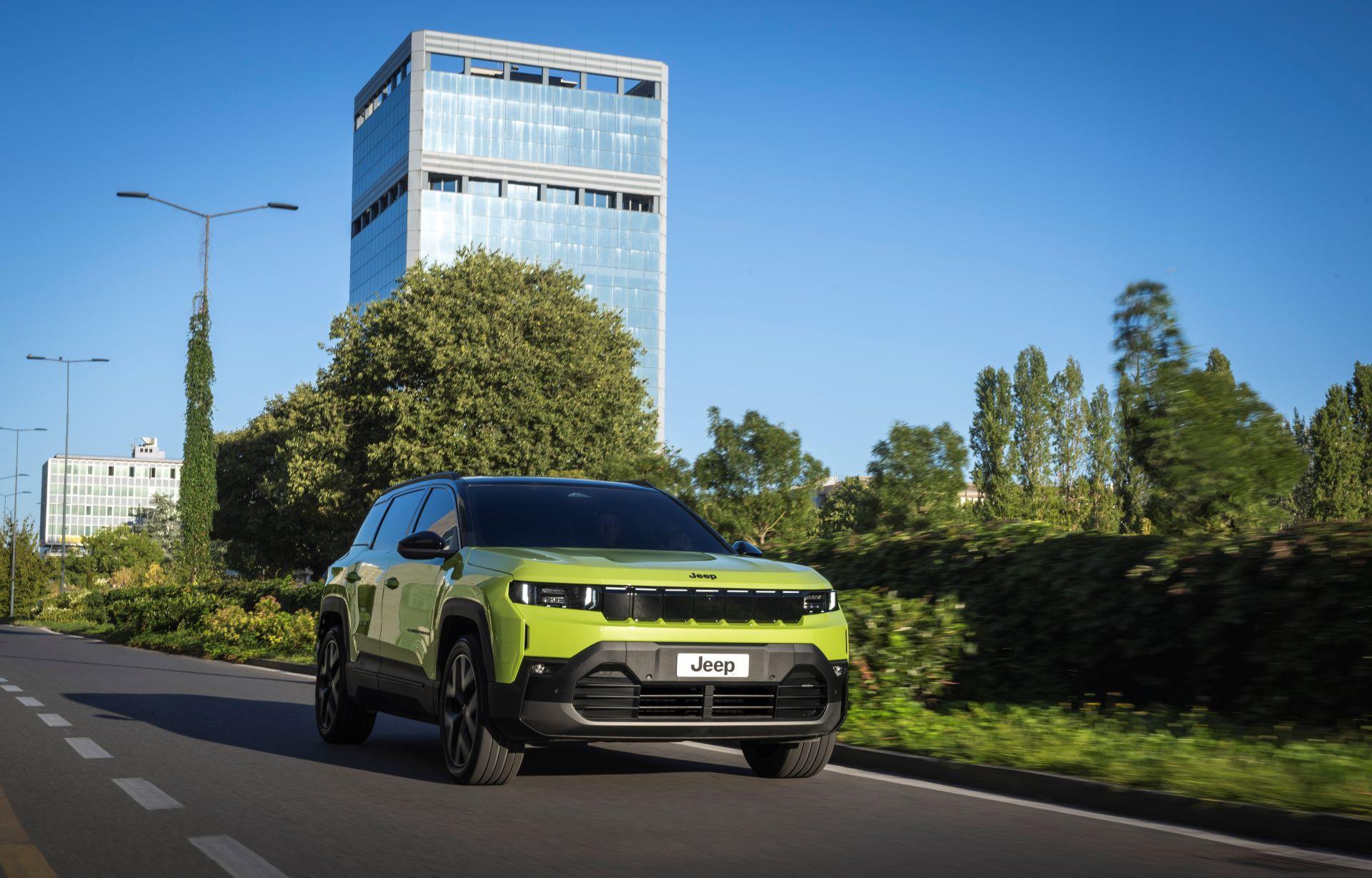
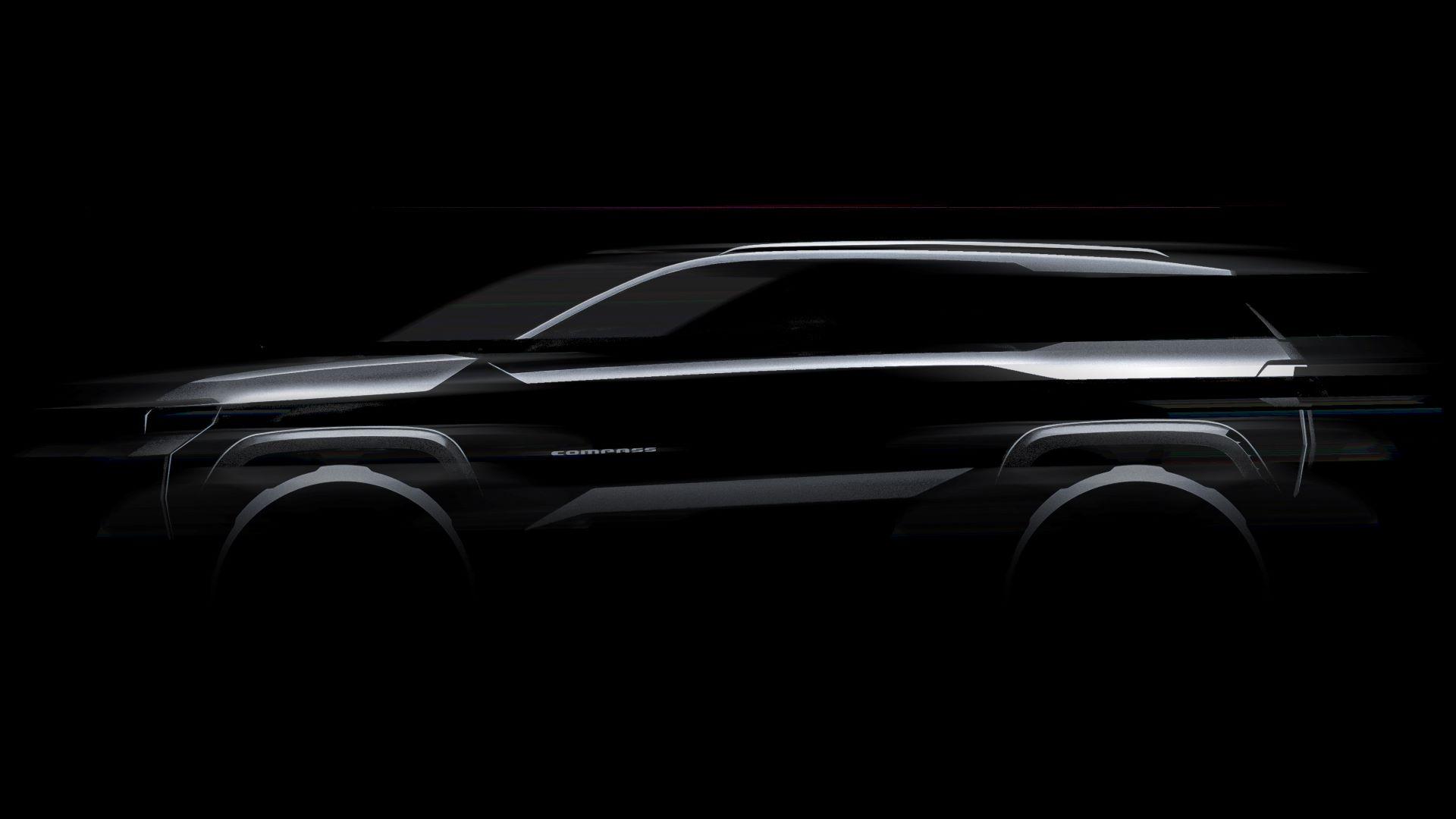
Another significant portion of Stellantis’ $406 million investment will be directed toward the Warren Truck Assembly Plant (WTAP), where approximately $97.6 million will support the production of an electrified Jeep Wagoneer. This model is part of Jeep’s global electrification strategy, which aims to launch four new EVs by 2025.
WTAP’s assembly lines will produce both electrified and ICE versions of the Wagoneer, showcasing the plant’s manufacturing versatility. The Jeep Grand Wagoneer and Wagoneer L will continue to roll off the same lines, reinforcing Stellantis’ ability to meet diverse customer needs.
Dundee Engine Plant: Supporting Electrification from the Ground Up
Stellantis’ multi-energy strategy also extends to the Dundee Engine Plant (DEP), where more than $73 million will be invested to support battery tray production and beam machining for Stellantis’ advanced STLA Frame and STLA Large architectures. Production of these components will complement existing ICE assembly operations, beginning in 2024 and continuing through 2026.
The Dundee investment includes the assembly of Stellantis’ new 1.6-liter turbocharged engine, which is designed for hybrid-electric vehicle (HEV) applications and will debut in 2025. This hybrid-capable engine further supports Stellantis’ strategy of offering a broad range of electrification options tailored to customer preferences.
Dare Forward 2030: A Vision for the Future
These investments are critical to Stellantis’ broader vision outlined in the Dare Forward 2030 strategic plan. The company is investing over €50 billion throughout the decade to support its goal of achieving a 100% battery-electric vehicle (BEV) passenger car sales mix in Europe and a 50% BEV sales mix in the United States by 2030.
To meet these ambitious targets, Stellantis is securing around 400 GWh of battery capacity from manufacturing plants in North America and Europe. Additionally, Stellantis aims to become a carbon net-zero corporation by 2038, further reinforcing its leadership in the global transition toward clean mobility.
The investments in Michigan’s Sterling Heights, Warren Truck, and Dundee Engine plants are just the latest steps in Stellantis’ ongoing journey toward electrification, solidifying its commitment to innovation, sustainability, and customer satisfaction. As Stellantis continues to evolve, its multi-energy approach offers flexibility to navigate a wide array of electrification scenarios, ensuring the company remains at the forefront of the automotive industry’s transformation.