


Milton Keynes, 6 March 2025 – It’s no secret that dogs are cherished members of the family, and for many pet owners, their comfort during car journeys is a top priority. In a groundbreaking new study, Škoda has revealed that dogs experience less anxiety when travelling in electric vehicles (EVs) compared to traditional petrol or diesel cars. The research, in collaboration with Dr Scott Miller, a leading veterinary surgeon and dog expert, highlights the growing role that car design and technology play in improving the wellbeing of our four-legged companions.
Groundbreaking Research with Real-Life Results
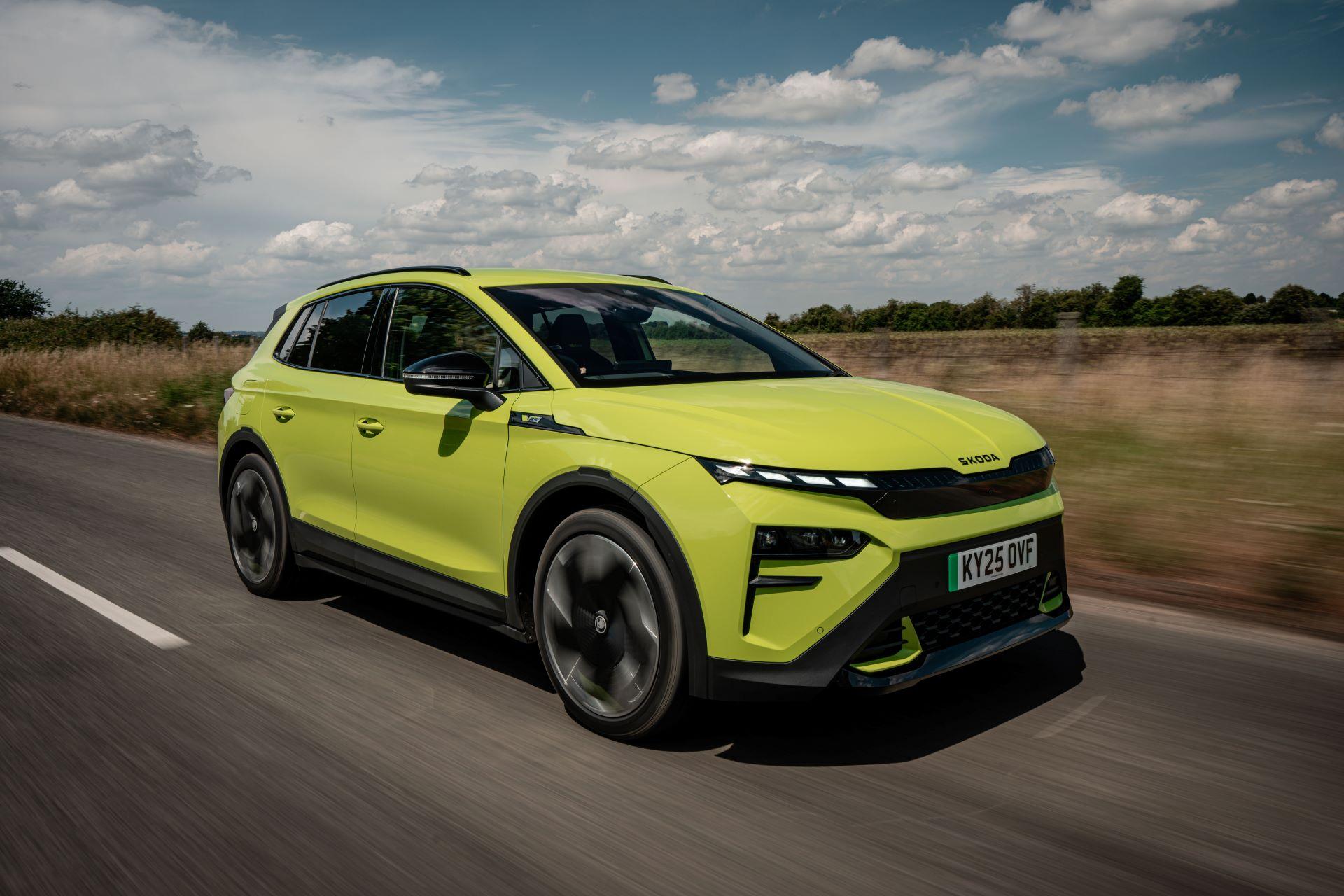
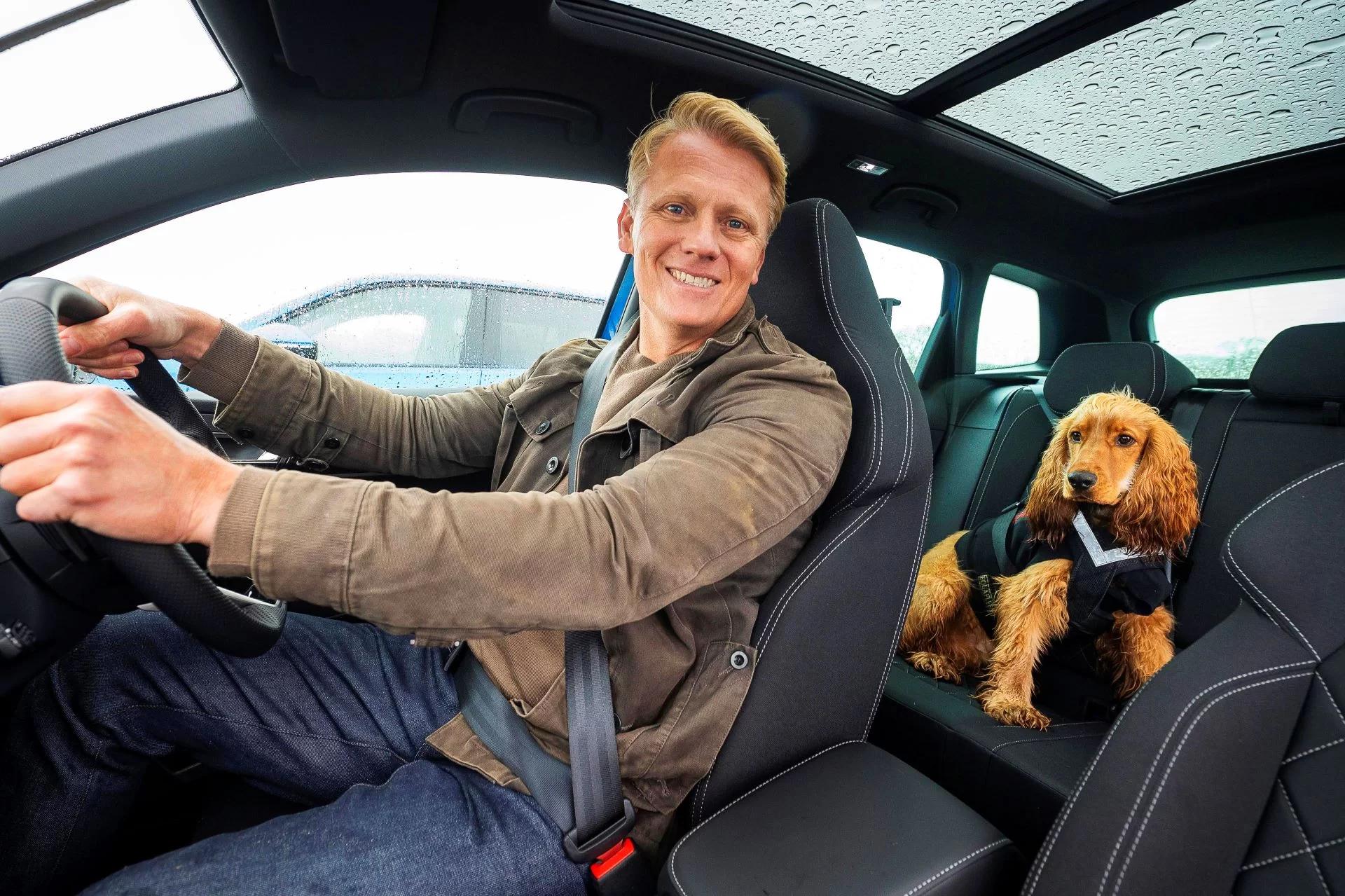
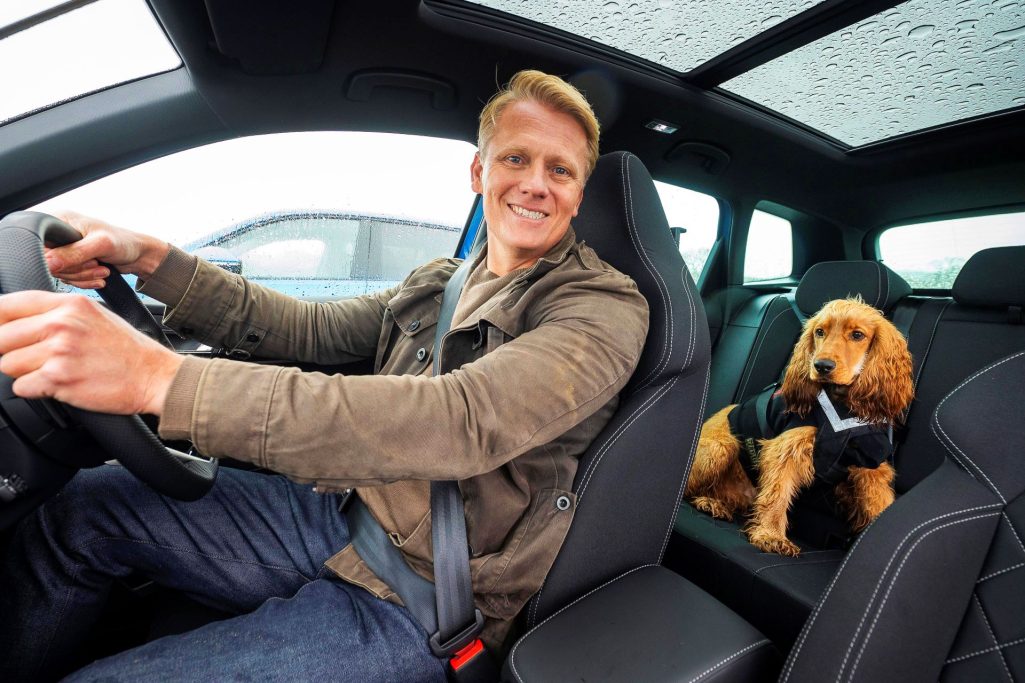
To better understand how dogs react to different car types, Škoda conducted an experiment involving Mango, a one-year-old Cocker Spaniel. Mango’s heart rate was monitored during a series of car journeys in Škoda’s latest electric vehicle, the Elroq, as well as in petrol and diesel models, all driven on a private track. With speeds reaching up to 70 mph, the study revealed remarkable differences in Mango’s stress levels.
When riding in the Elroq, Mango’s heart rate only increased slightly from 80 beats per minute (BPM) at rest to 100 BPM—indicating a relatively calm state. In contrast, his pulse surged to 120 BPM and 125 BPM in the petrol and diesel cars, respectively, signaling higher levels of stress. Interestingly, Mango appeared more relaxed in the Elroq, often lying down and almost dozing off. Meanwhile, in the fuel-powered vehicles, he seemed more alert and unsettled, showing physical signs of discomfort such as rapid head movements and wide eyes.
EVs: A Calmer Ride for Dogs
Dr Scott Miller, who conducted the research, commented: “The results of this study are clear—electric vehicles provide a smoother and quieter ride, which has significant health and psychological benefits for dogs. The absence of loud engine noises, gear changes, and vibrations creates a more serene environment, allowing dogs to travel in comfort.”
The study also comes at an important time for Škoda, marking the brand’s ongoing sponsorship of Crufts 2025, the world’s most prestigious dog show. The findings suggest that electric cars, with their quieter engines and more spacious interiors, may provide the ideal setting for dog owners seeking to make their pets’ travels as comfortable as possible.
Supporting Dog Owners: Tips for Reducing Travel Anxiety
Alongside the study, Škoda highlights the importance of addressing the anxiety many dogs experience during car journeys. A survey of 1,500 dog-owning drivers revealed that 32% of owners worry about their dog’s stress levels during travel. Other concerns include safety (38%), lack of space (7%), and difficulty securing pets (7%). Despite these challenges, the survey found that 53% of dog owners travel with their pets at least once a week, with many specifically seeking cars that offer more dog-friendly features.
In response to the findings, dog behaviourist and expert Anna Webb shared her top tips for calming dogs during travel, regardless of the car type. Her advice includes using pet carriers or seat-belt harnesses to create a secure environment, starting with short trips to ease dogs into longer journeys, and creating a calming atmosphere with soft music or familiar sounds, such as Škoda’s Happy Hounds playlist.
Anna Webb’s Top 10 Tips for a Calm Journey
- Make Them Feel Safe: Train your dog to settle in a pet carrier or harness, ensuring they have a secure space.
- Spot Signs of Stress: Watch for signs like whining, drooling, or rapid panting, which indicate stress and the need for a break.
- Ease Into Travel: Start with short trips, gradually increasing the duration to build comfort.
- Create a Positive Environment: Use sound therapy, like the Happy Hounds playlist, to make the car a familiar and relaxing space.
- Listen to Vocal Cues: Pay attention to whining or barking—signals that your dog may need a break.
- Manage Sound Sensitivity: Be mindful of loud engine noises, heavy rain, or other sounds that could trigger anxiety.
- Ensure Proper Ventilation: Keep the car well-ventilated to prevent motion sickness, and drive smoothly to reduce vibrations.
- Stay Calm: Dogs can sense stress in their owners, so staying calm can help reassure them.
- Monitor Temperature: Keep the back seat cool and comfortable, especially during warmer months.
- Plan Your Journey: Avoid peak traffic times and make regular stops to give your dog a break and keep them refreshed.
The Future of Dog-Friendly Travel
As more drivers prioritize their pets’ comfort, especially on longer journeys, it’s clear that car manufacturers are paying attention. In Škoda’s research, nearly half (41%) of dog owners would even consider their dog’s comfort when choosing their next vehicle. With EVs now seen as a more pet-friendly option by 31% of respondents, the automotive industry is increasingly recognising the growing demand for dog-friendly features in vehicles.
Škoda’s study is just one step in their commitment to creating cars that cater to the needs of all family members, including our canine companions. Whether driving a state-of-the-art electric vehicle or a traditional car, the ultimate goal is to ensure that dogs travel safely, comfortably, and stress-free.
For pet owners seeking to reduce their dogs’ travel anxiety, the future looks promising—and with Škoda’s ongoing research, that future is on the road today.