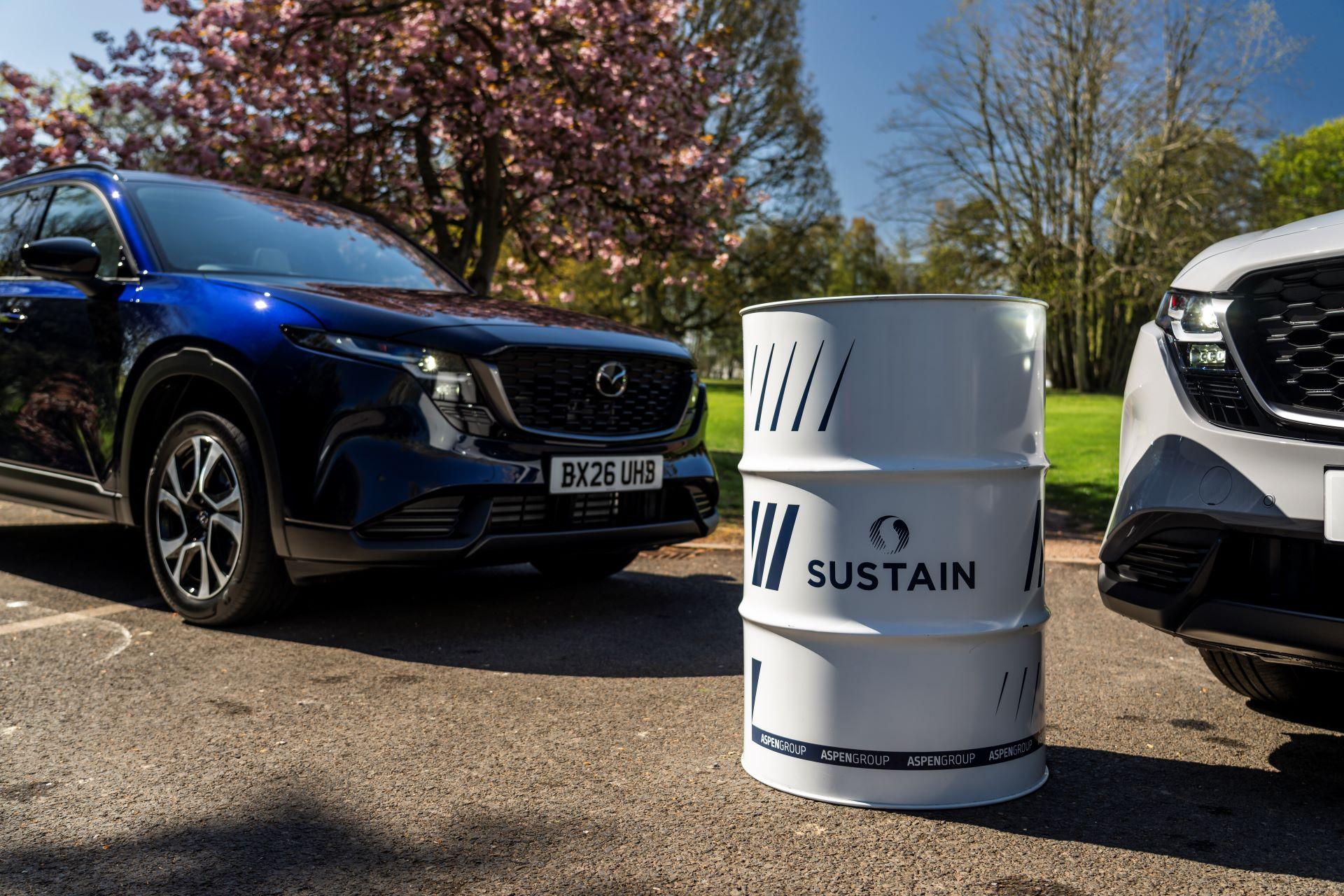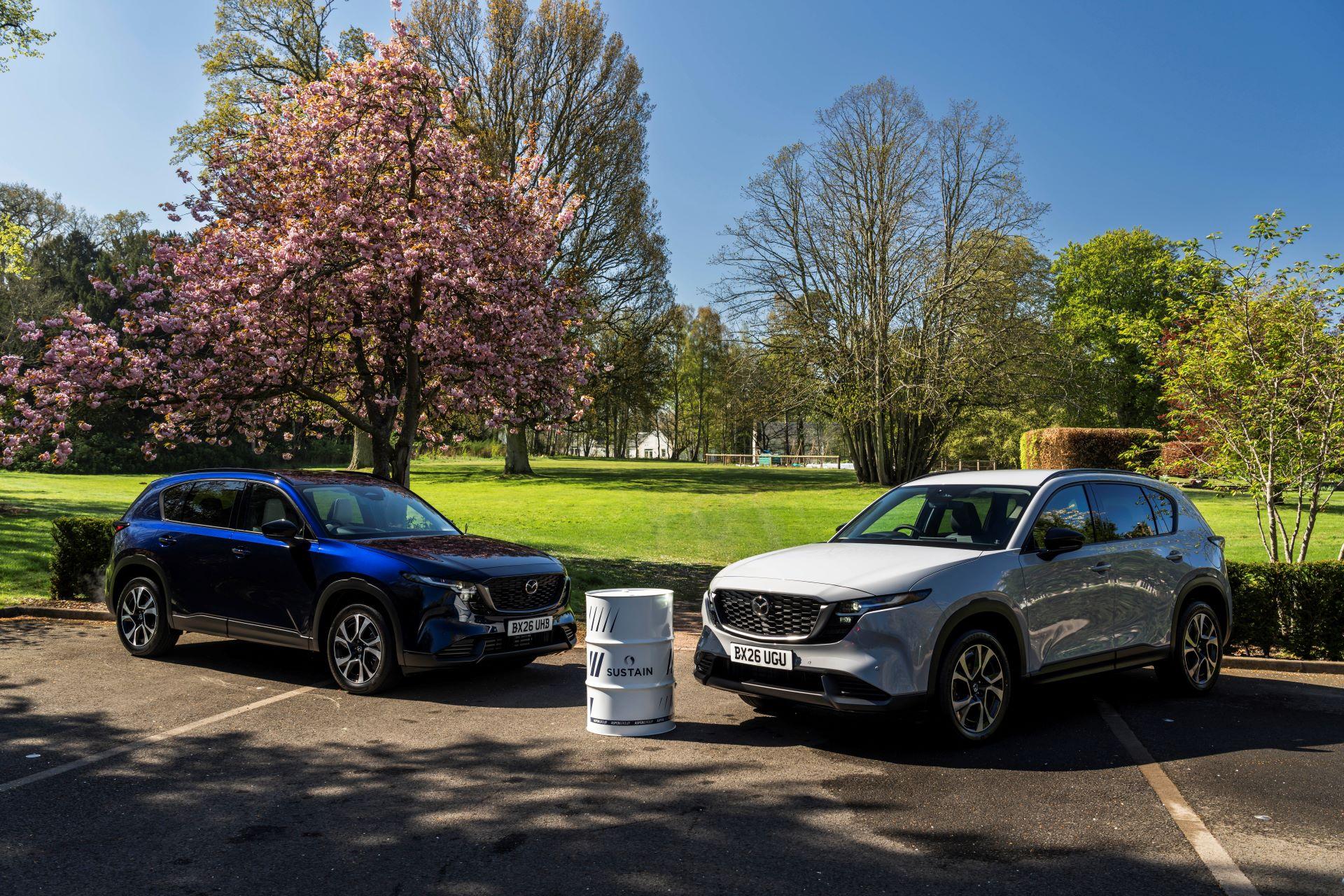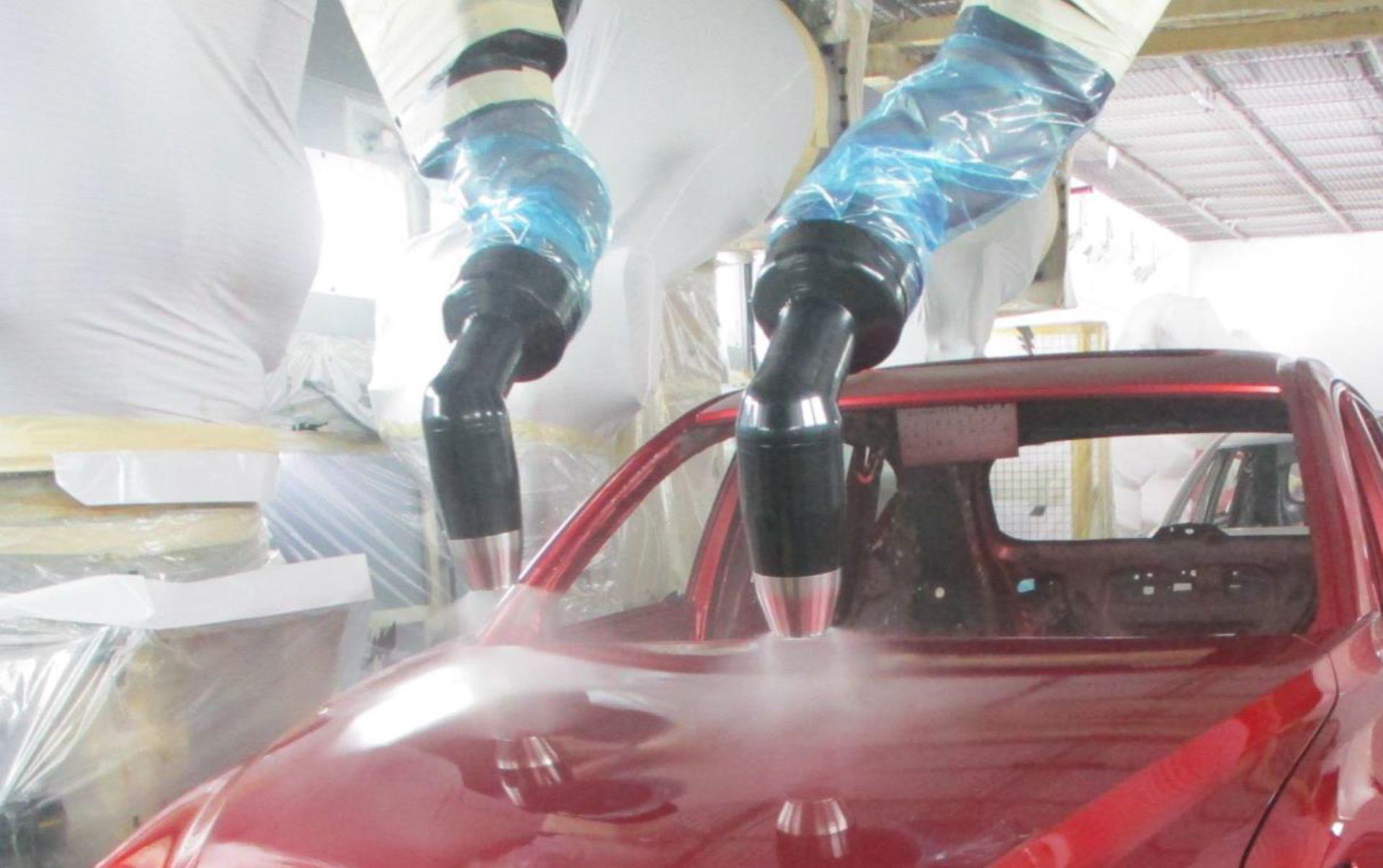
Mazda has taken a significant leap towards achieving its ambitious sustainability goals with the deployment of ABB’s RB1000i-S paint atomizers at its Ujina plant No. 1 in Hiroshima, Japan. These digitally-enabled, high-efficiency atomizers are central to Mazda’s efforts to cut CO2 emissions from its manufacturing processes, particularly in the painting stage, which accounts for an estimated 60% of the company’s total manufacturing emissions.
The RB1000i-S paint atomizers, developed by ABB Robotics, offer Mazda a transformative solution for enhancing the sustainability of its operations. These advanced systems achieve up to 95-99% paint transfer efficiency, drastically reducing paint overspray and optimizing resource usage. For Mazda, this innovation translates into a 17% reduction in paint usage at the Ujina plant, equating to savings of approximately 30,000 liters of paint annually. The impact is twofold: lower costs and reduced emissions, aligning with the automotive giant’s objective of reaching carbon neutrality in its global production facilities by 2035.
Joerg Reger, Managing Director of ABB Robotics’ Automotive Business Line, underscores the significance of this advancement: “Mazda’s painting process is responsible for the majority of its manufacturing CO2 emissions, making it a crucial target for optimization. The RB1000i-S atomizers are a game changer, cutting down on paint usage, VOC emissions, and energy consumption, all while supporting Mazda’s sustainability efforts.”
The integration of these high-tech atomizers not only improves environmental performance but also supports Mazda’s circular economy initiatives. The ability to retrofit the RB1000i-S to existing robots, both ABB and non-ABB models, allows Mazda to upgrade its operations without the need for entirely new systems, minimizing waste and maximizing cost efficiency. Additionally, ABB’s Circularity Approach ensures that at least 80% of its product portfolio will be designed to support sustainable solutions by 2030, further enhancing the longevity and efficiency of Mazda’s production processes.

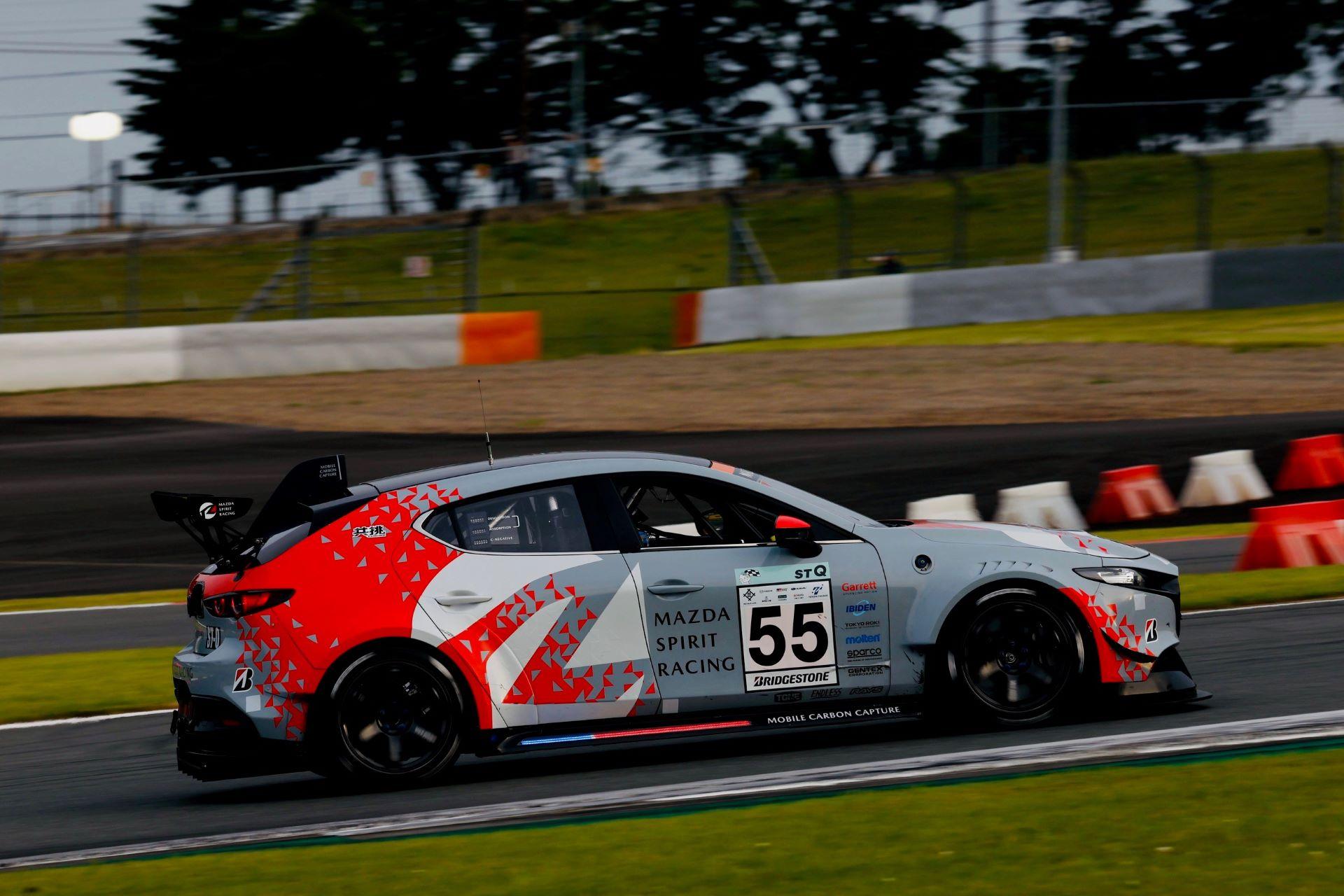
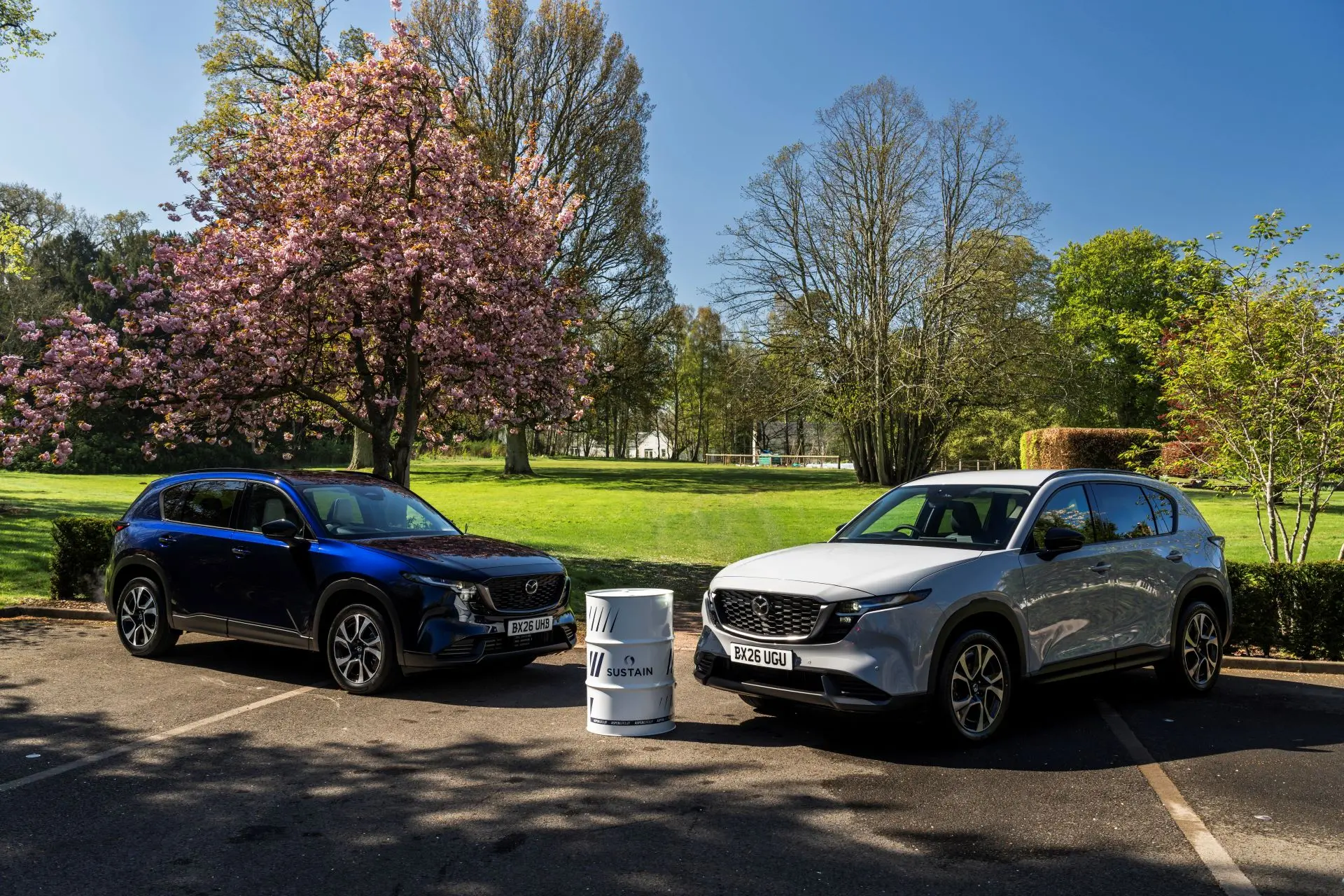
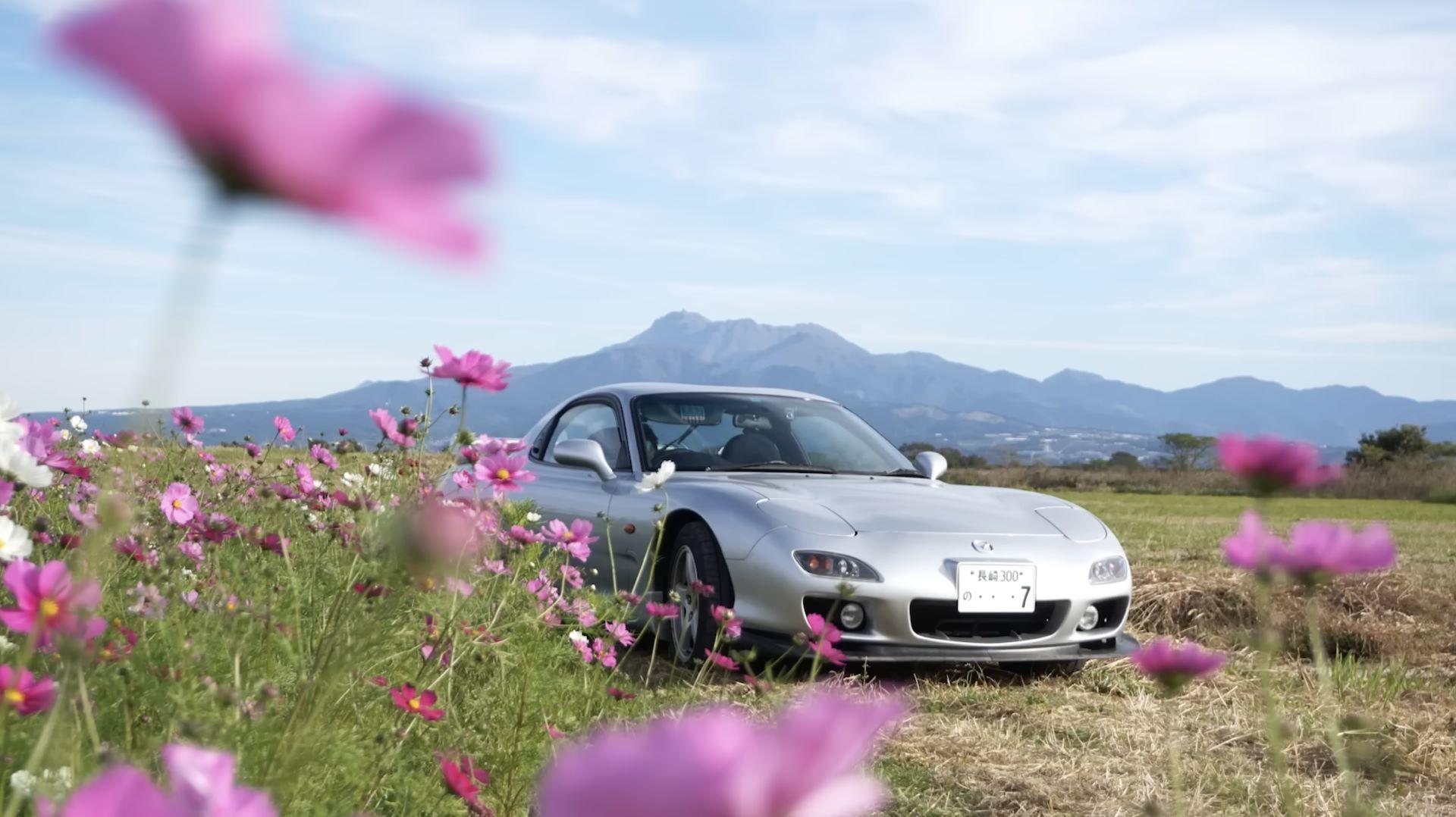
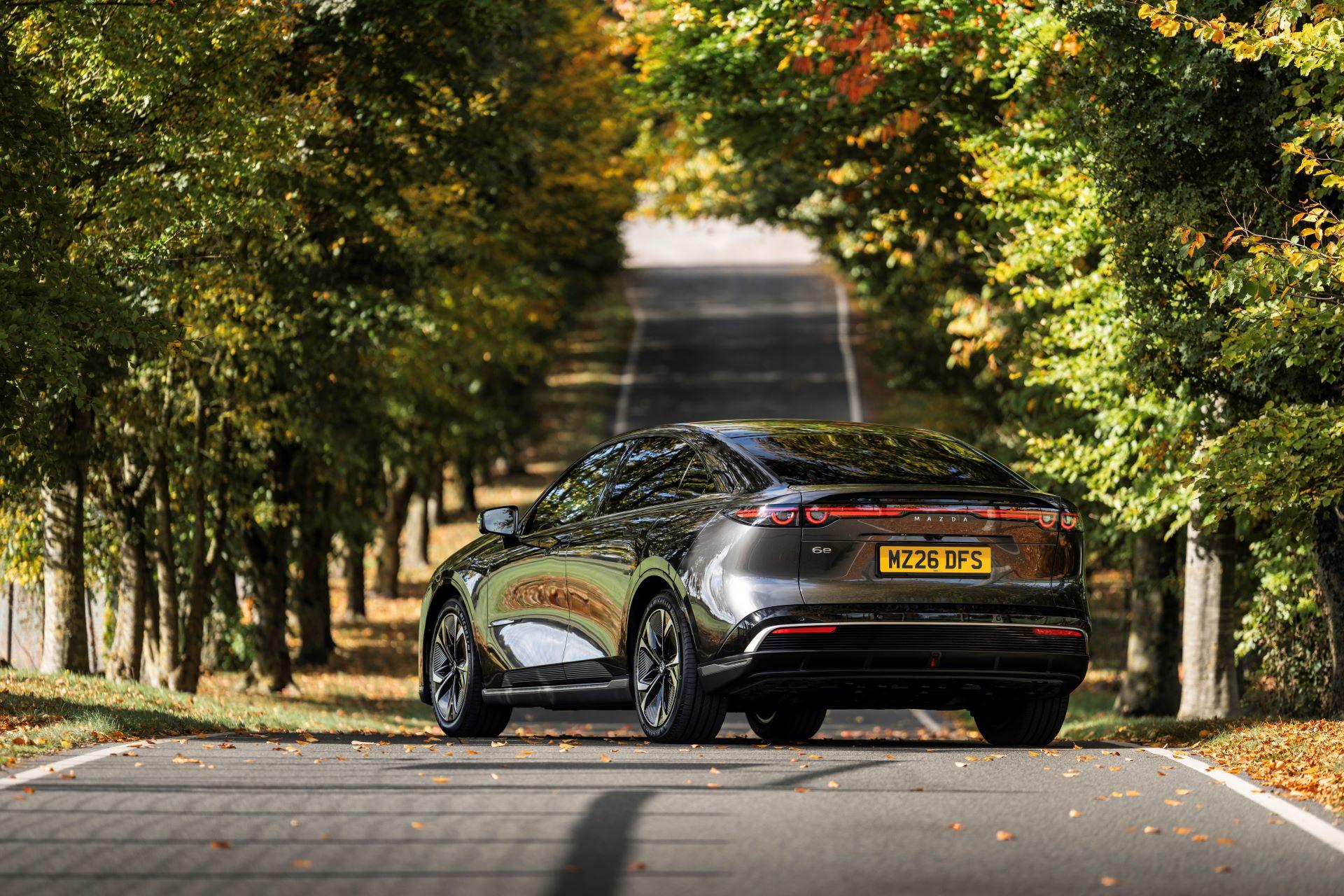
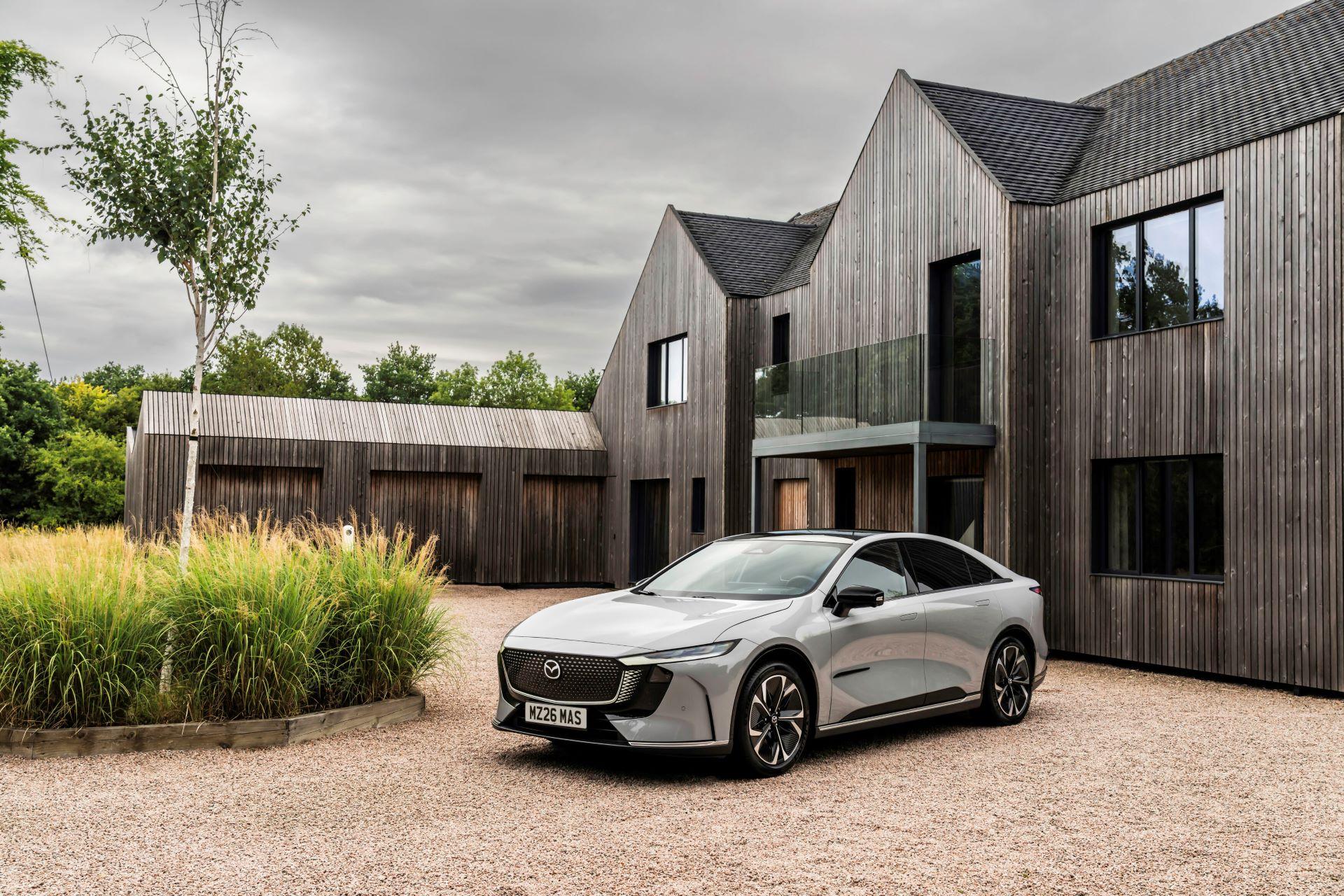
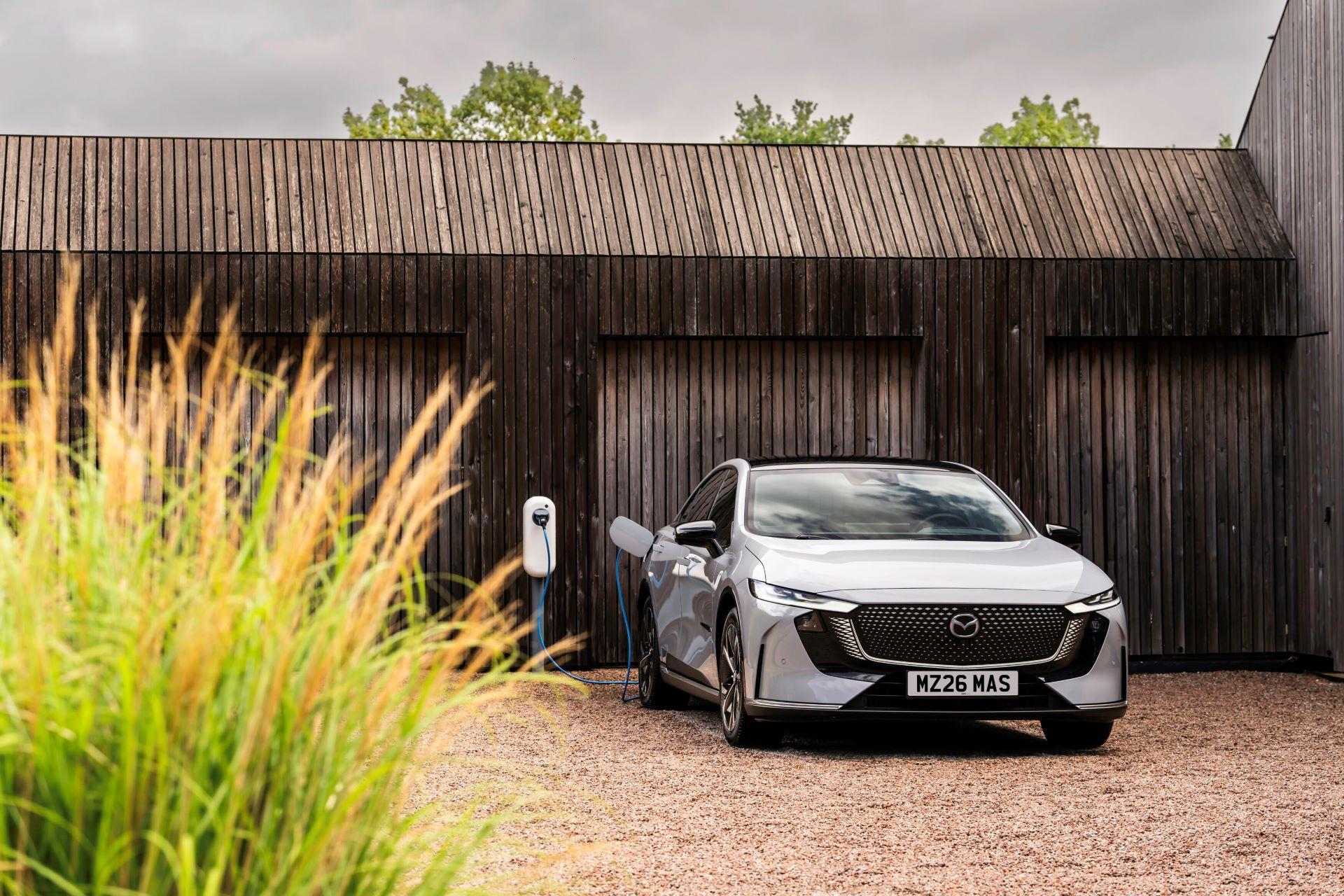
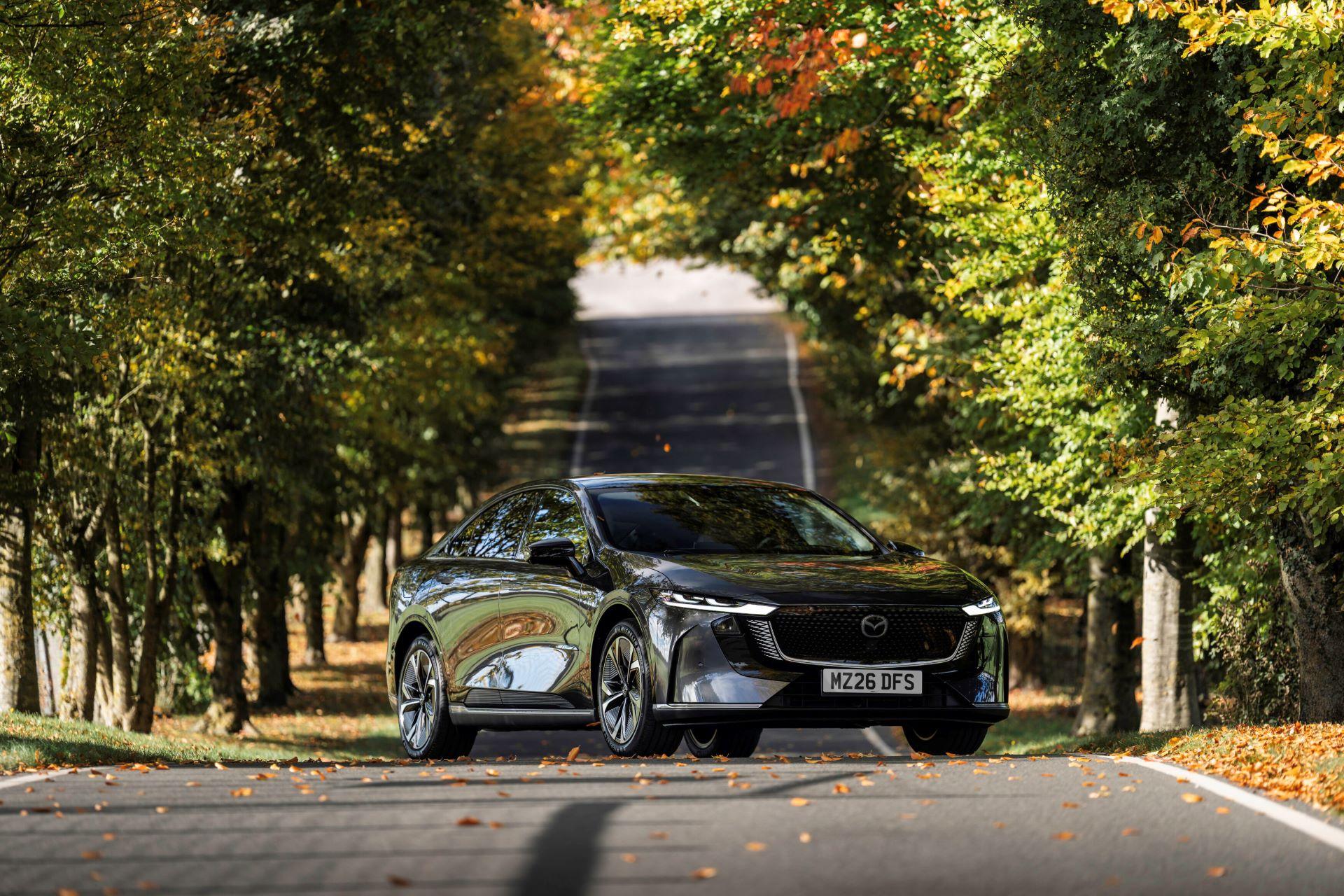
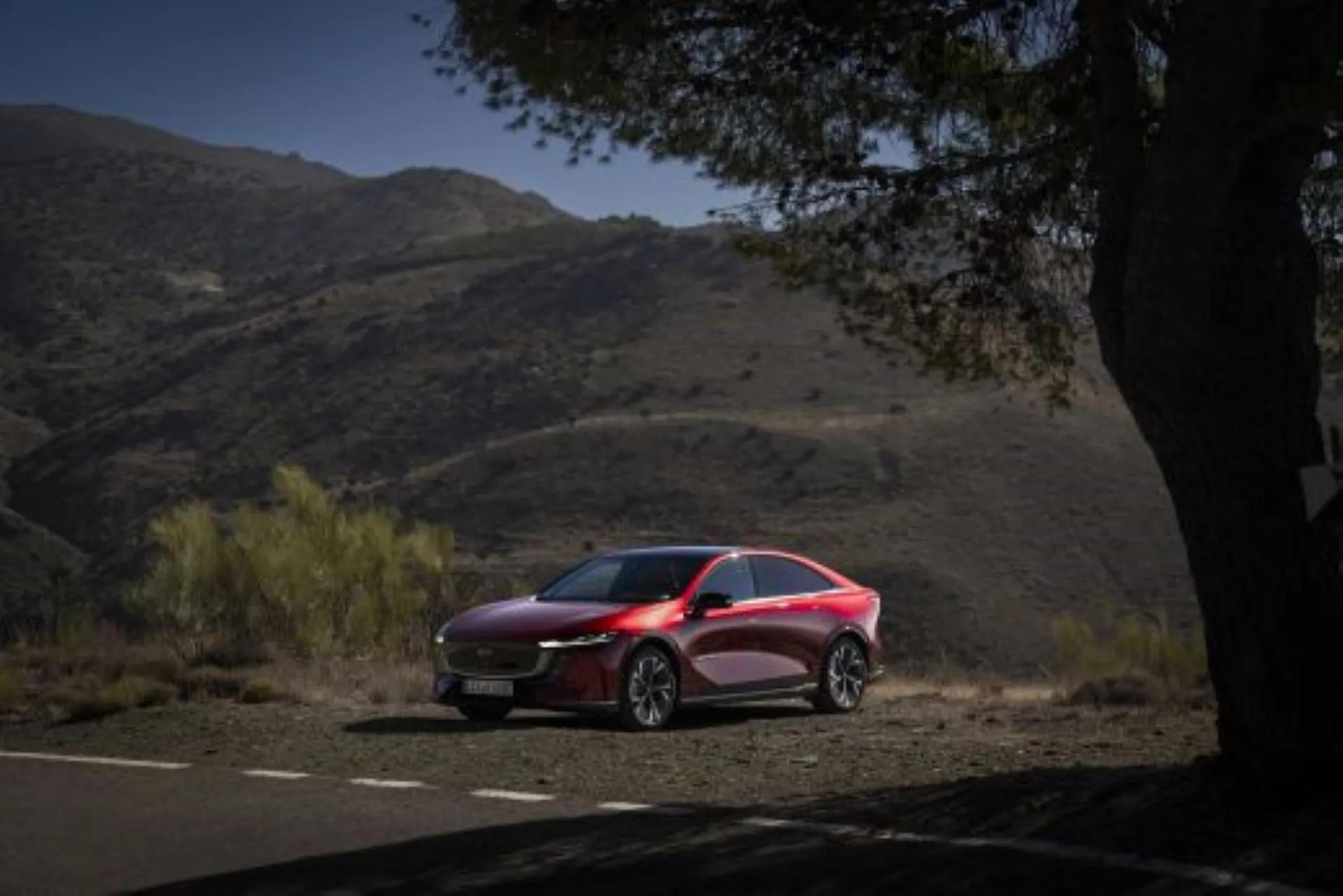
Mazda’s adoption of ABB’s RB1000i-S atomizers is a significant step towards reducing the environmental footprint of its iconic models, such as the CX-5 and MX-5 roadster, both manufactured at the Ujina plant. By leveraging ABB’s cutting-edge technology, Mazda is setting an example for the automotive industry, demonstrating how digital innovation and sustainability can work hand in hand to create a more efficient and eco-friendly future.
ABB’s continued commitment to driving industrial transformation is evident through its comprehensive range of robotics and automation solutions, designed to help industries of all sizes become more resilient and sustainable. As Mazda accelerates its journey toward carbon neutrality, the collaboration with ABB marks a pivotal moment in the evolution of automotive manufacturing, where efficiency, innovation, and sustainability converge.
About ABB
With a legacy spanning over 140 years, ABB is a global leader in electrification and automation. Through its integrated portfolio of robots, autonomous mobile robots, and machine automation solutions, ABB is helping industries optimize their operations for a more sustainable future. The company’s mission is to accelerate industrial transformation across sectors, including automotive, electronics, and logistics, enabling businesses to become more efficient and resilient in a rapidly changing world.
For more information, visit ABB’s website at www.abb.com.