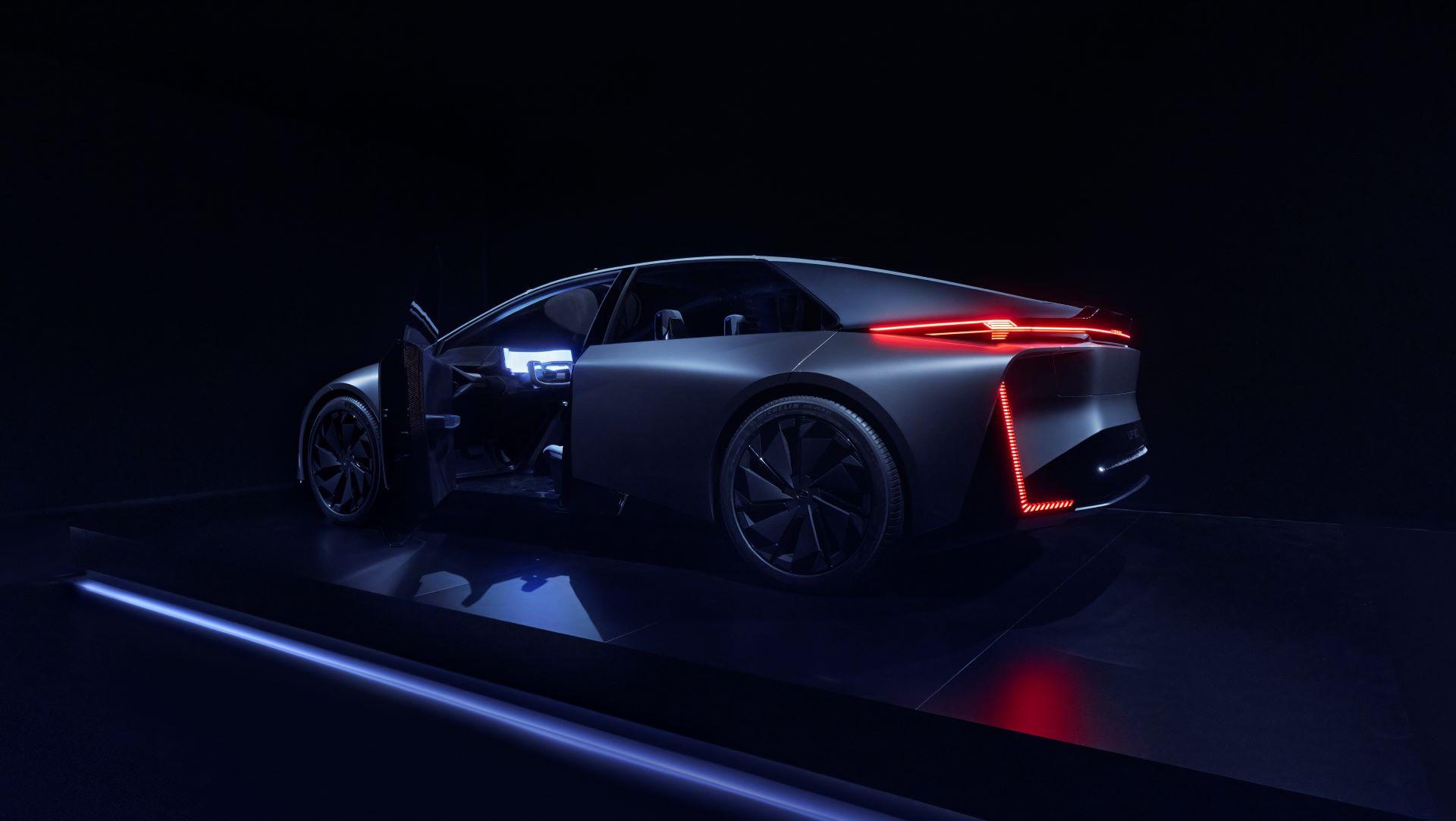





At Milan Design Week 2026, where ideas tend to stretch their limbs and reshape entire industries, Lexus has arrived with something less like a display and more like a philosophical provocation. Titled “SPACE,” the brand’s latest installation is not simply an exhibition of design, but a full-bodied meditation on what luxury could become when freed from the constraints of metal, glass and four wheels.
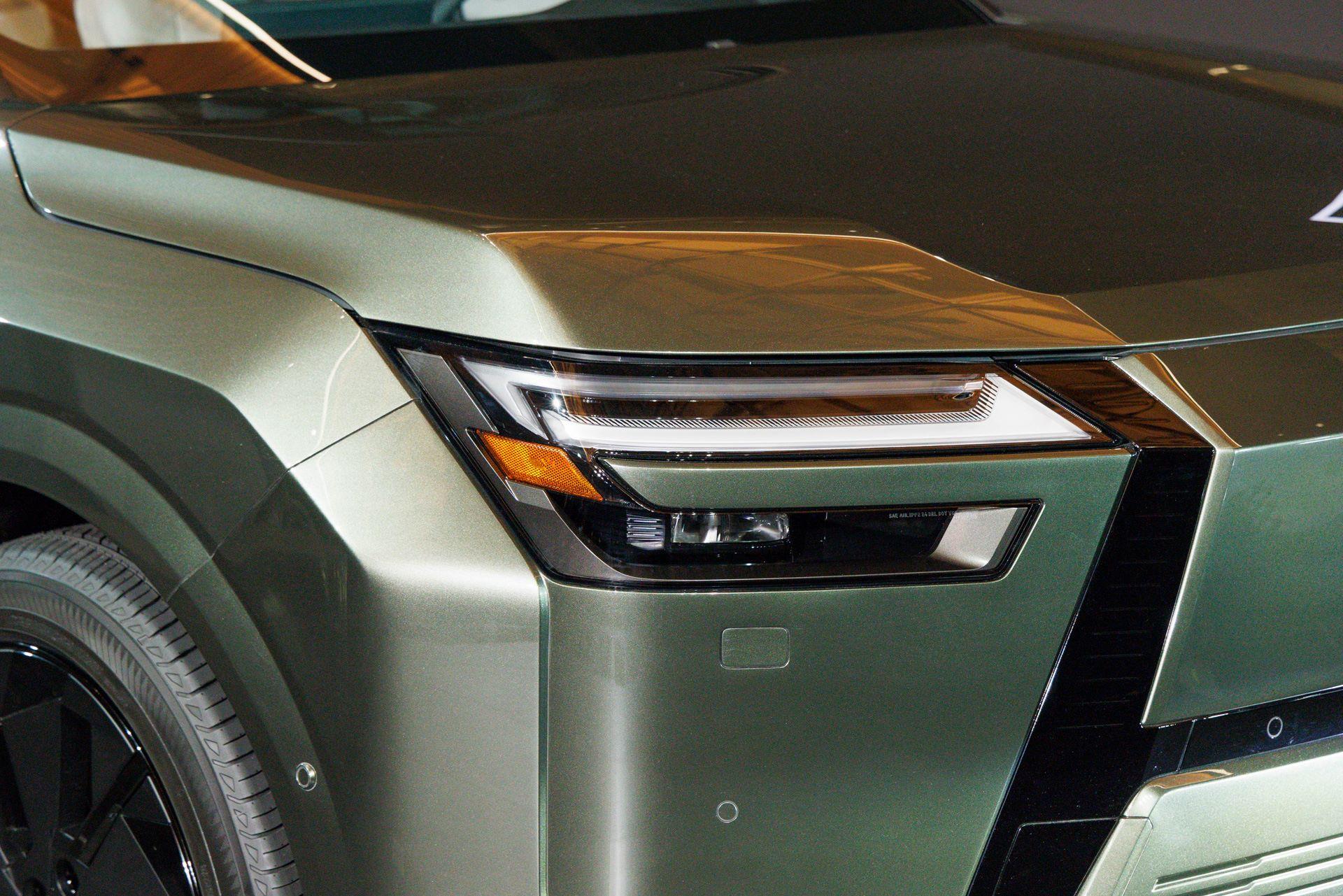
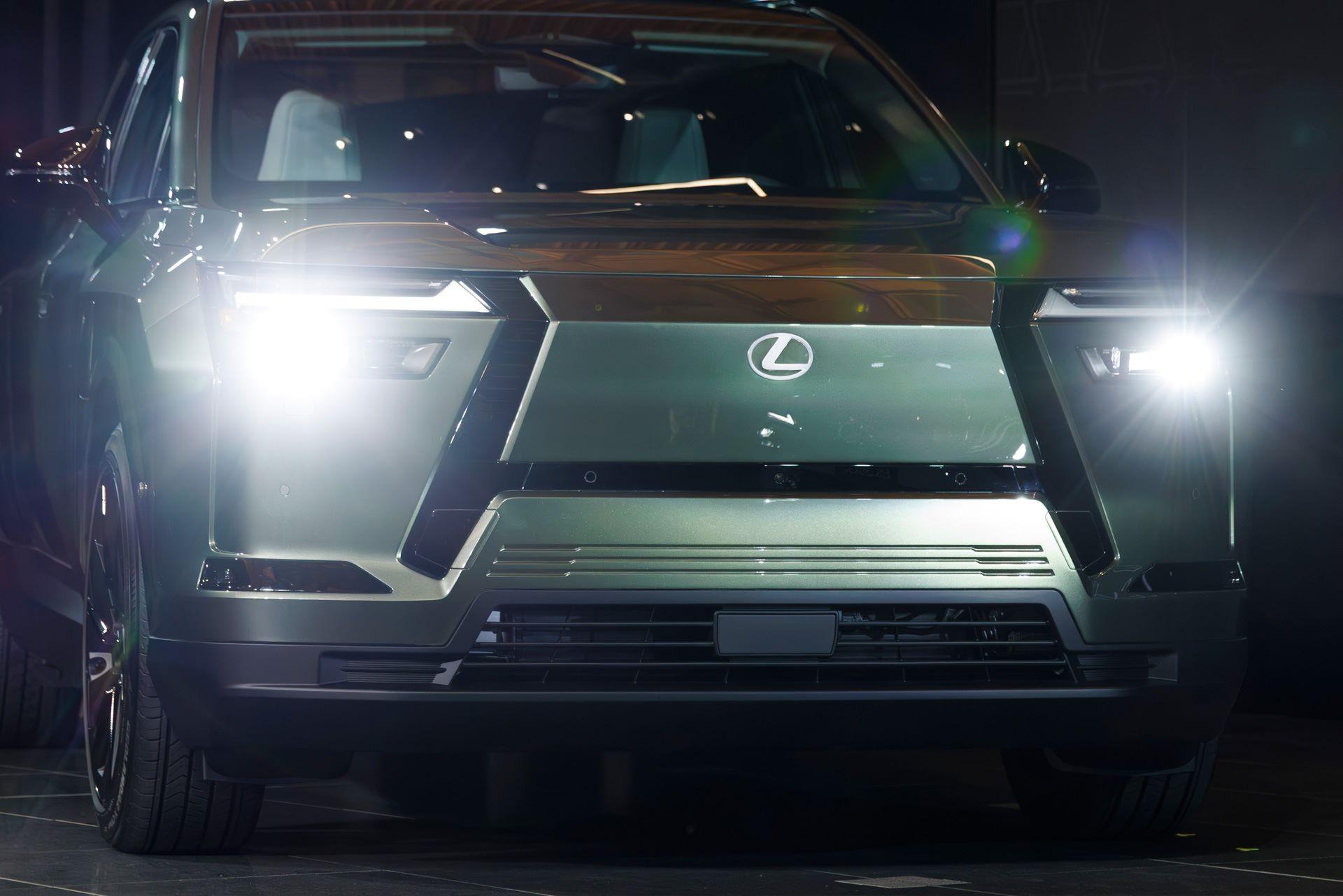
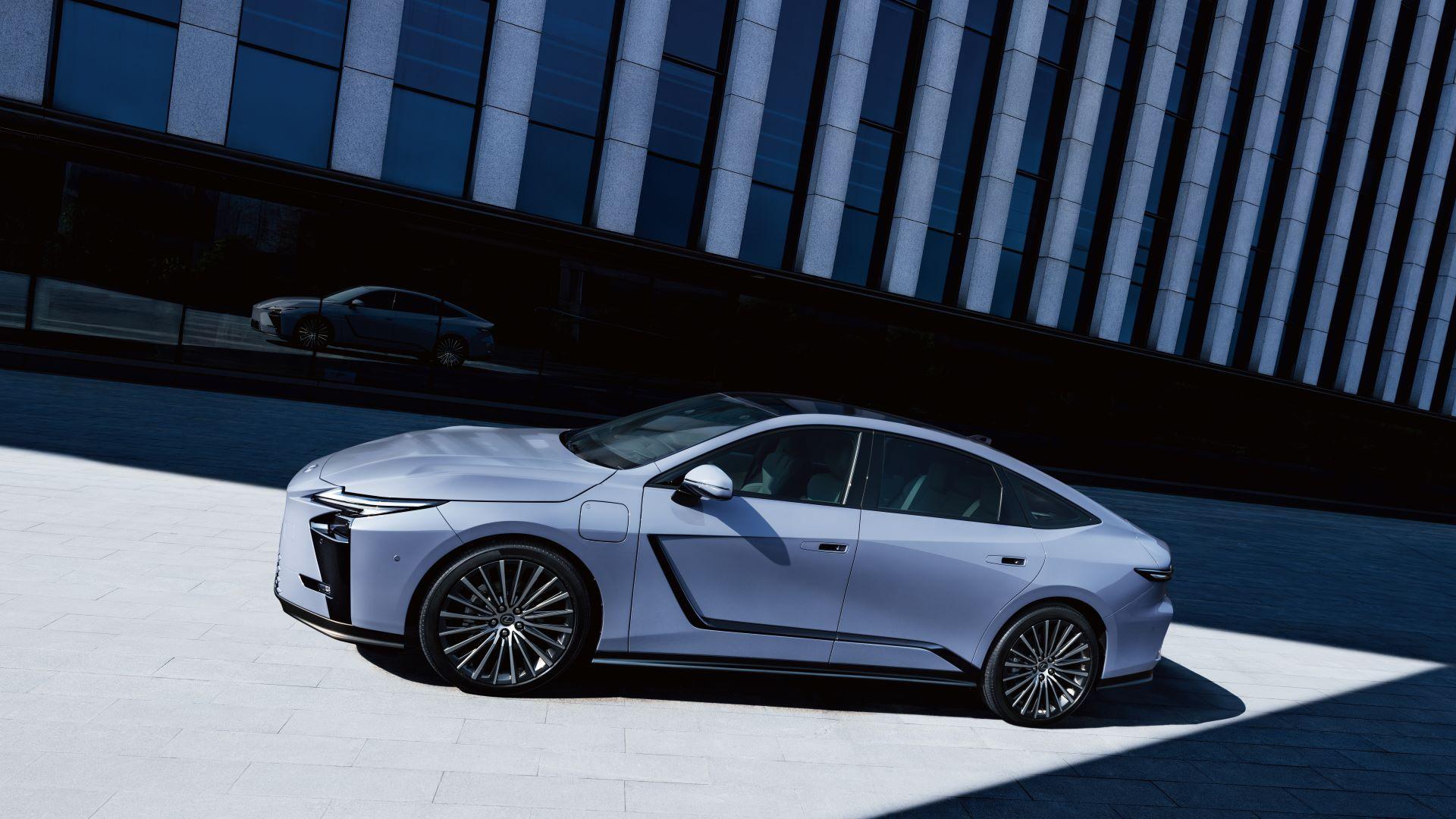
At the centre of this vision sits the Lexus LS Concept, though “sits” feels almost misleading. The vehicle is less an object here and more a gravitational force around which the entire installation orbits. In Lexus’ evolving lexicon, the “S” in LS no longer points to “Sedan,” but instead to “Space”, a deliberate shift that reframes the car not as a form factor, but as an experience container. It’s a subtle yet profound repositioning, suggesting that the future of mobility will be measured not in horsepower or silhouette, but in the quality and meaning of the environments it creates.
“SPACE,” staged at Superstudio Più Daylight in Milan’s Tortona district, envelops visitors in a 360-degree sensory environment. Light, sound and motion converge to dissolve the boundaries between physical and digital, interior and exterior, vehicle and world. The effect is less like stepping into a car and more like stepping into a living idea. Here, mobility is no longer about moving from A to B, but about expanding the emotional and sensory bandwidth of the journey itself.
This perspective is rooted in a broader vision where land, sea and air no longer exist as separate domains, but as seamlessly connected layers of experience. Movement becomes fluid, continuous, and deeply personal. The car, in this context, evolves into a node within a much larger ecosystem of human experience, one that adapts, responds and ultimately enriches the lives it touches.
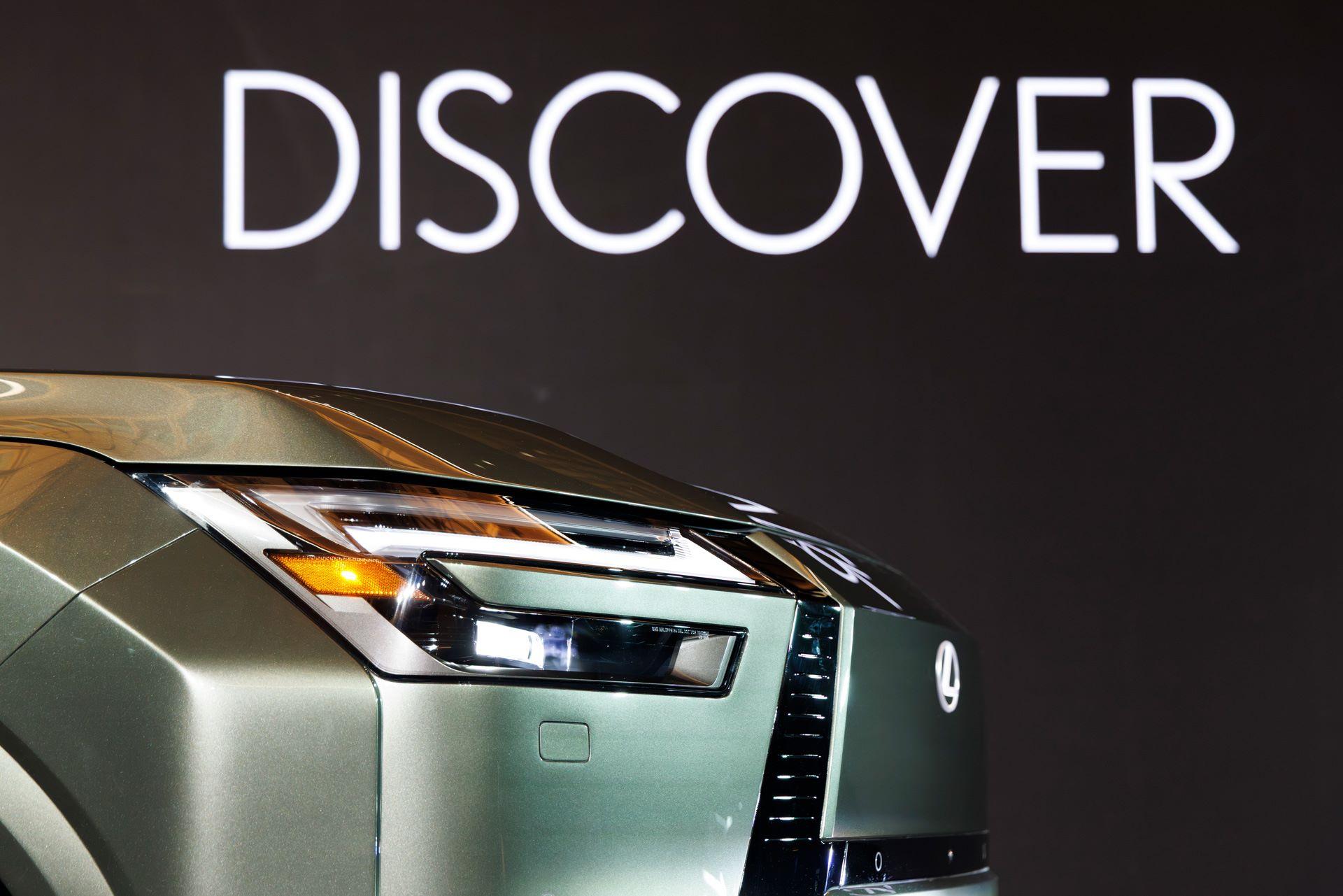
Running alongside the central installation is “Discover Together 2026,” a collaborative initiative that brings together emerging creative voices to interpret the theme “Discover Your Space.” If “SPACE” is the thesis, these works are its many dialects, each offering a unique translation of what personal space might mean in a future shaped by technology, culture and human emotion.
One installation reimagines the traditional Japanese tea room as a shifting, almost dreamlike environment where light becomes a storyteller. Another explores the idea of “wearable space,” embedding fibre optics into garments so that the human body itself becomes a generator of spatial experience. There is also a cocoon-like sanctuary that responds to the rhythm of a visitor’s breath, transforming the interior into a calming, almost meditative refuge. In perhaps the most poetic expression, Japanese craftsmanship is elevated to a cosmic scale, where microscopic precision and vast, expanding forms coexist in quiet harmony.
What ties these works together is not just their diversity, but their shared insistence that space is not passive. It is something we shape, inhabit and feel, often without realising its influence. Lexus, through this exhibition, seems intent on making that invisible relationship visible, tangible and, above all, experiential.
The installation runs from April 21 to April 26, following its media debut on April 20, offering visitors a rare opportunity to step inside a future that feels both speculative and strangely immediate. It is a future where luxury is no longer defined by ownership or status, but by the depth of connection between people, environments and the moments that unfold within them.
In Milan, a city that has long mastered the art of blending heritage with innovation, Lexus’ “SPACE” feels right at home. Not because it fits in, but because it dares to redraw the lines entirely.