


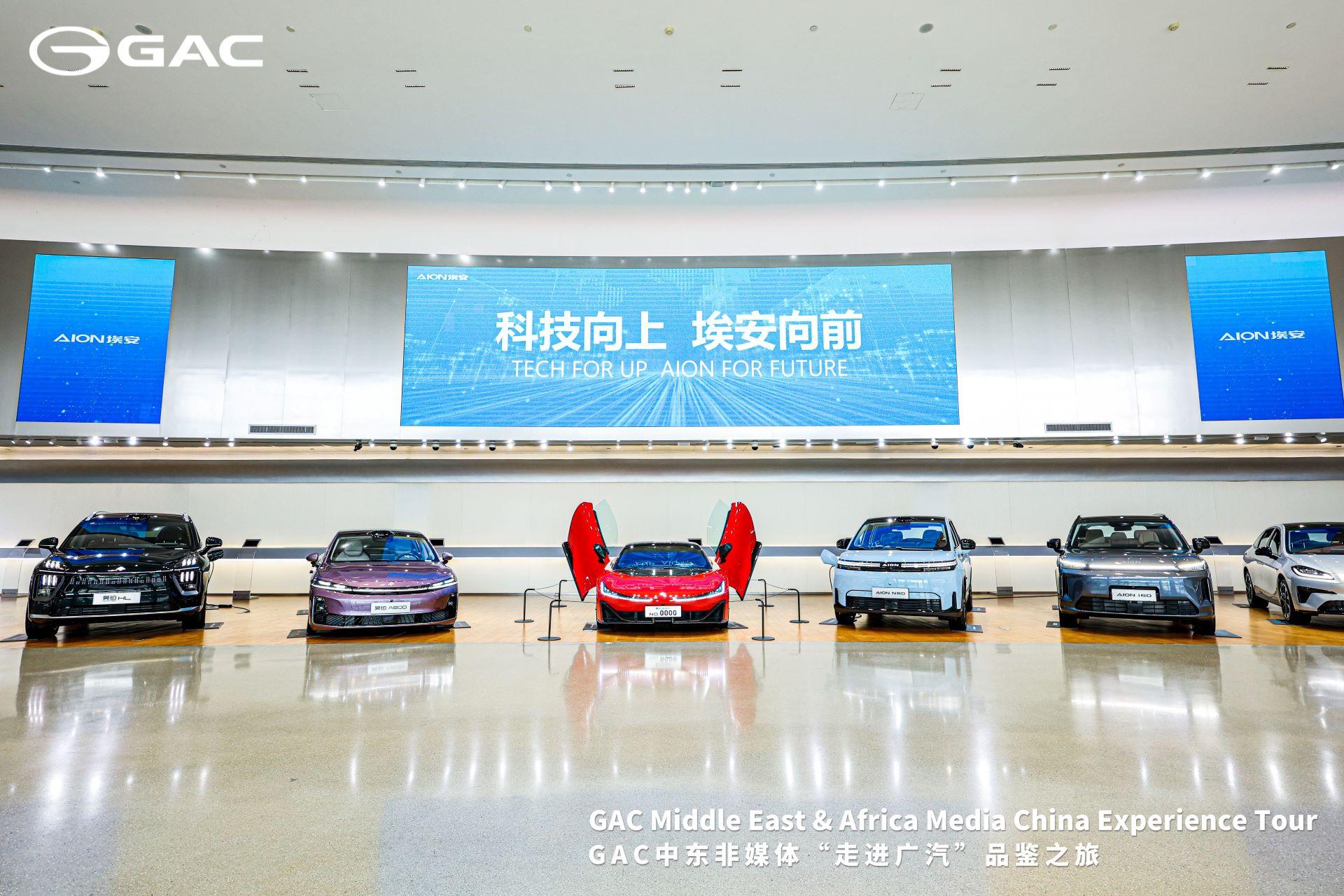
The global automotive stage is shifting rapidly, and GAC Group is stepping into the spotlight with increasing confidence. At Auto China 2026, this momentum was underscored by a Middle East and Africa media experience tour that brought 21 influential journalists and industry KOLs from the UAE, Saudi Arabia, Kuwait, Egypt, South Africa, Ethiopia and other key markets into the heart of China’s advanced automotive ecosystem. What followed was not a simple showcase, but an immersive journey through the layered architecture of “Tech GAC”, where manufacturing precision, digital intelligence and global ambition converge.
The experience began in Guangzhou, where the delegation visited GAC’s core industrial base. At the GAC Toyota Factory, they were introduced to a production environment shaped by more than two decades of joint expertise between GAC and Toyota. On the fifth production line, lean manufacturing principles were on full display, with tightly controlled processes and rigorous quality systems guiding every stage from parts assembly to final vehicle completion. The experience reinforced a clear message: GAC’s manufacturing strength is anchored in global standards, precision engineering and disciplined production culture, forming the backbone of its international reputation.
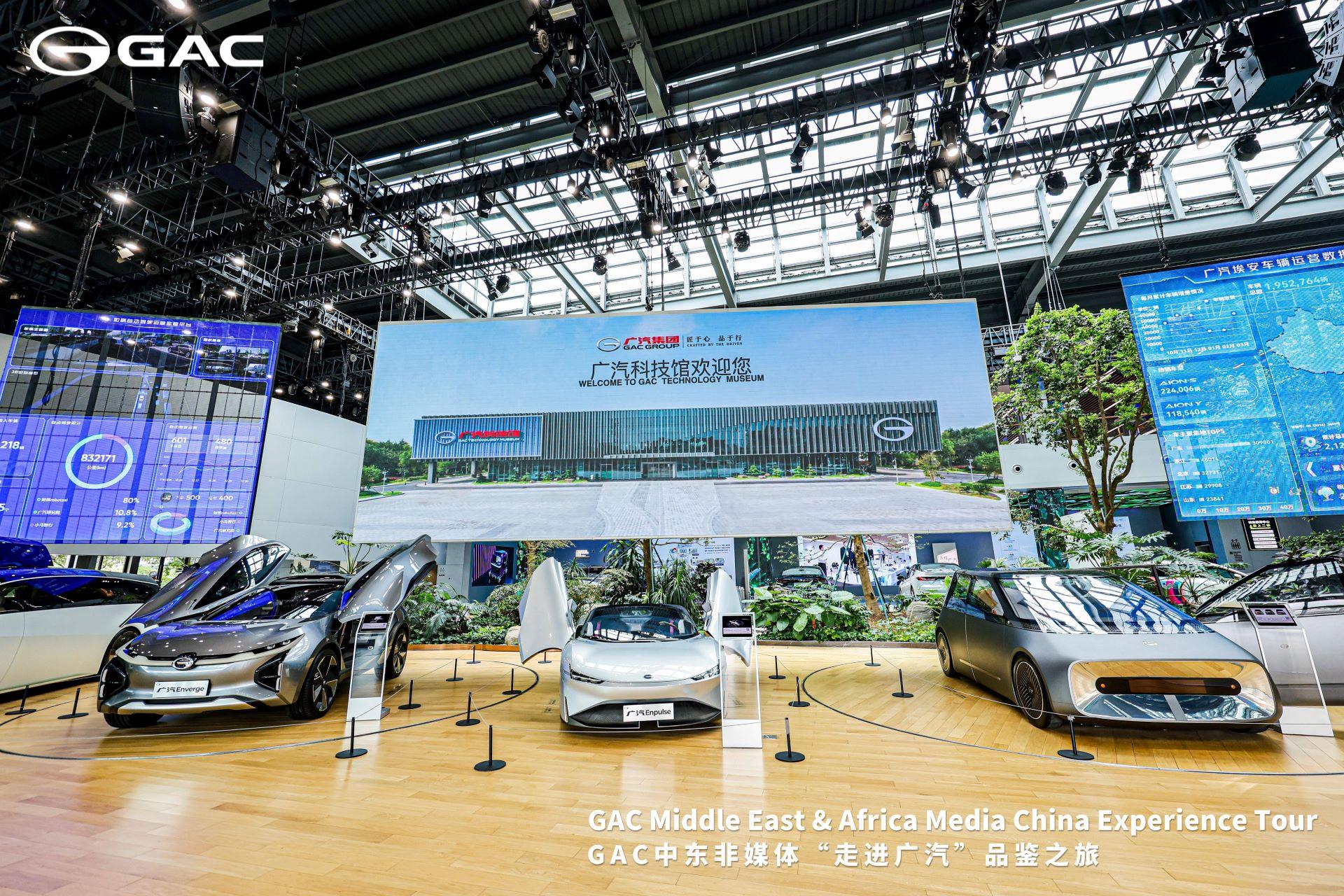
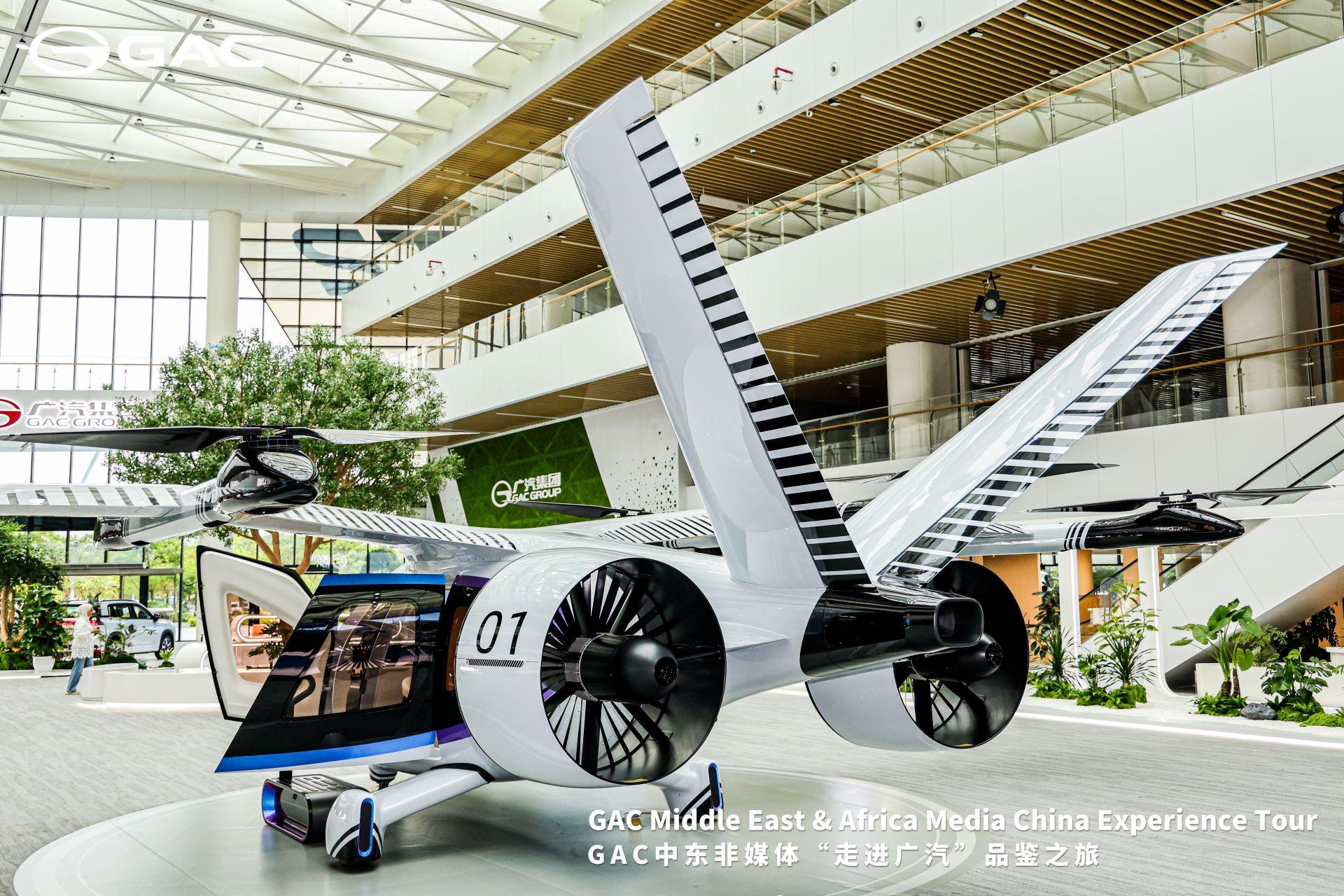
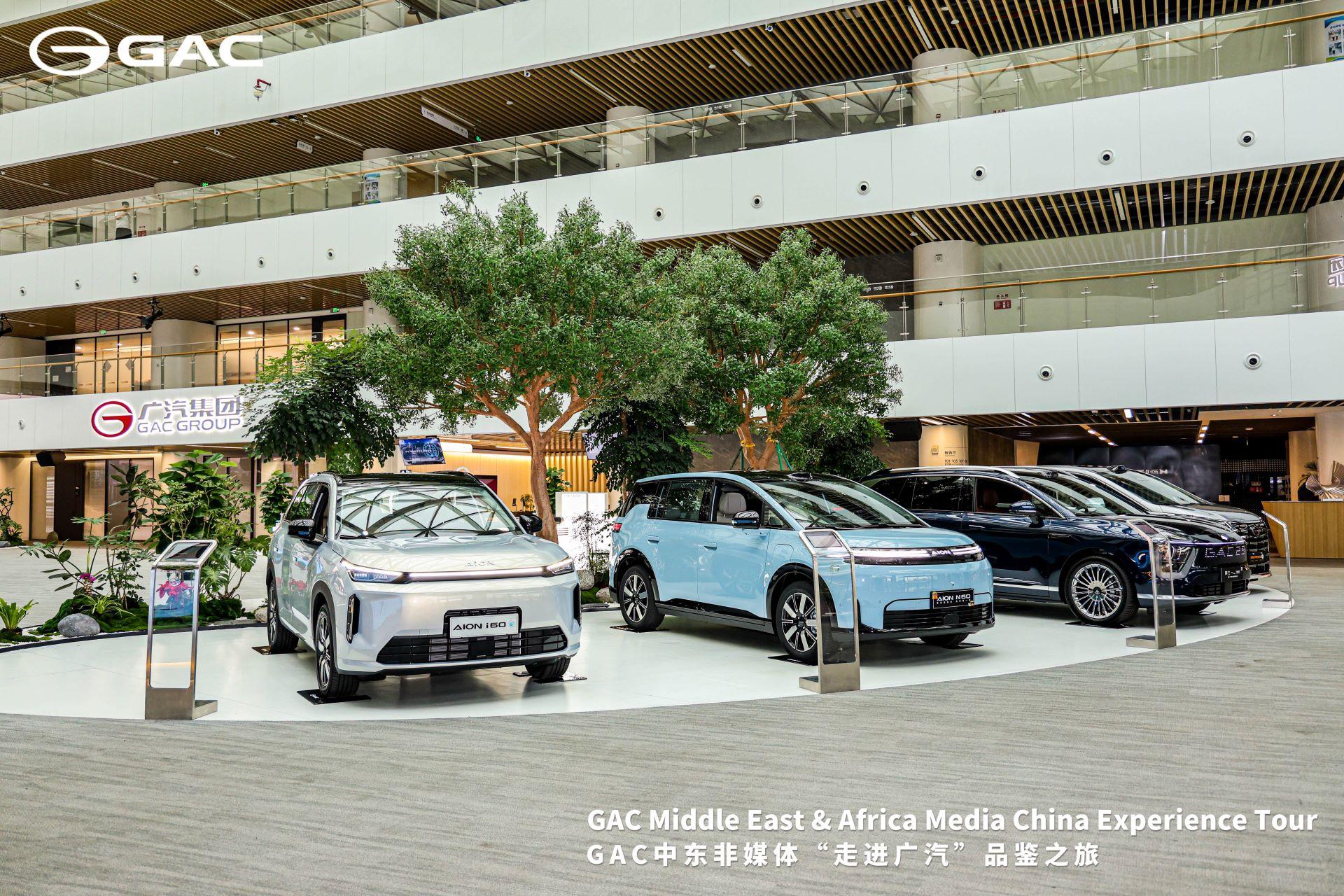
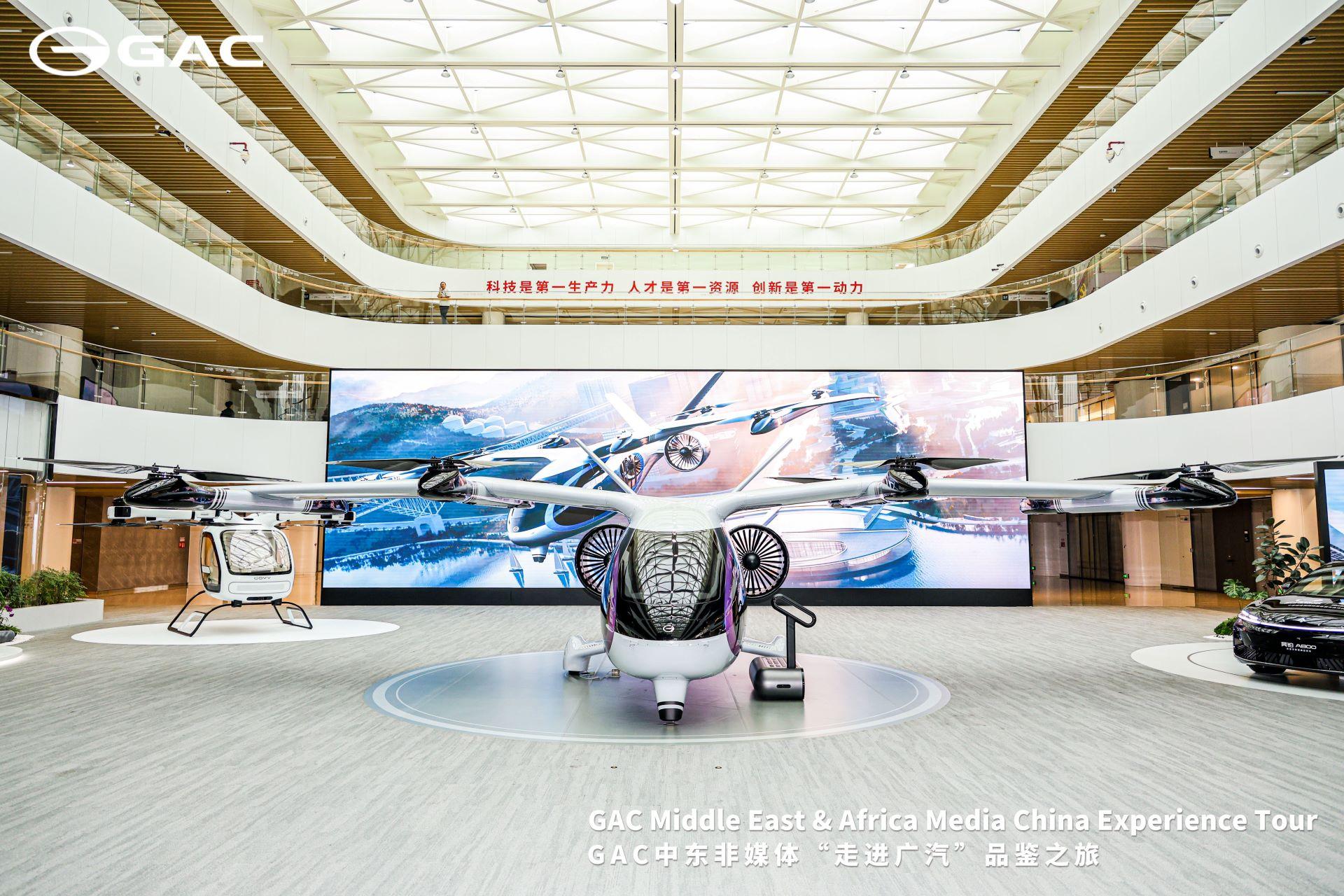
From there, the narrative expanded beyond traditional manufacturing into technological evolution at the GAC Technology Museum. This space presented a wider vision of mobility, where automotive engineering intersects with emerging technologies. Exhibits included unmanned aerial systems, advanced battery innovations, high-efficiency electric motors, intelligent driving systems, smart cockpit platforms and broader future mobility ecosystems. The message was unmistakable: GAC is no longer confined to conventional automotive identity but is actively shaping a multi-dimensional technology enterprise with full-chain capabilities across new energy and intelligent mobility.
This transformation became even more tangible at the GAC AION Factory, where the delegation observed large-scale intelligent manufacturing in action. Highly automated production lines demonstrated how GAC integrates research, development and mass production into a seamless workflow for new energy vehicles. Robotics, digital monitoring systems and precision engineering processes highlighted a mature manufacturing ecosystem capable of delivering both scale and consistency. It was a clear demonstration of how GAC is building industrial capacity for global NEV competitiveness.
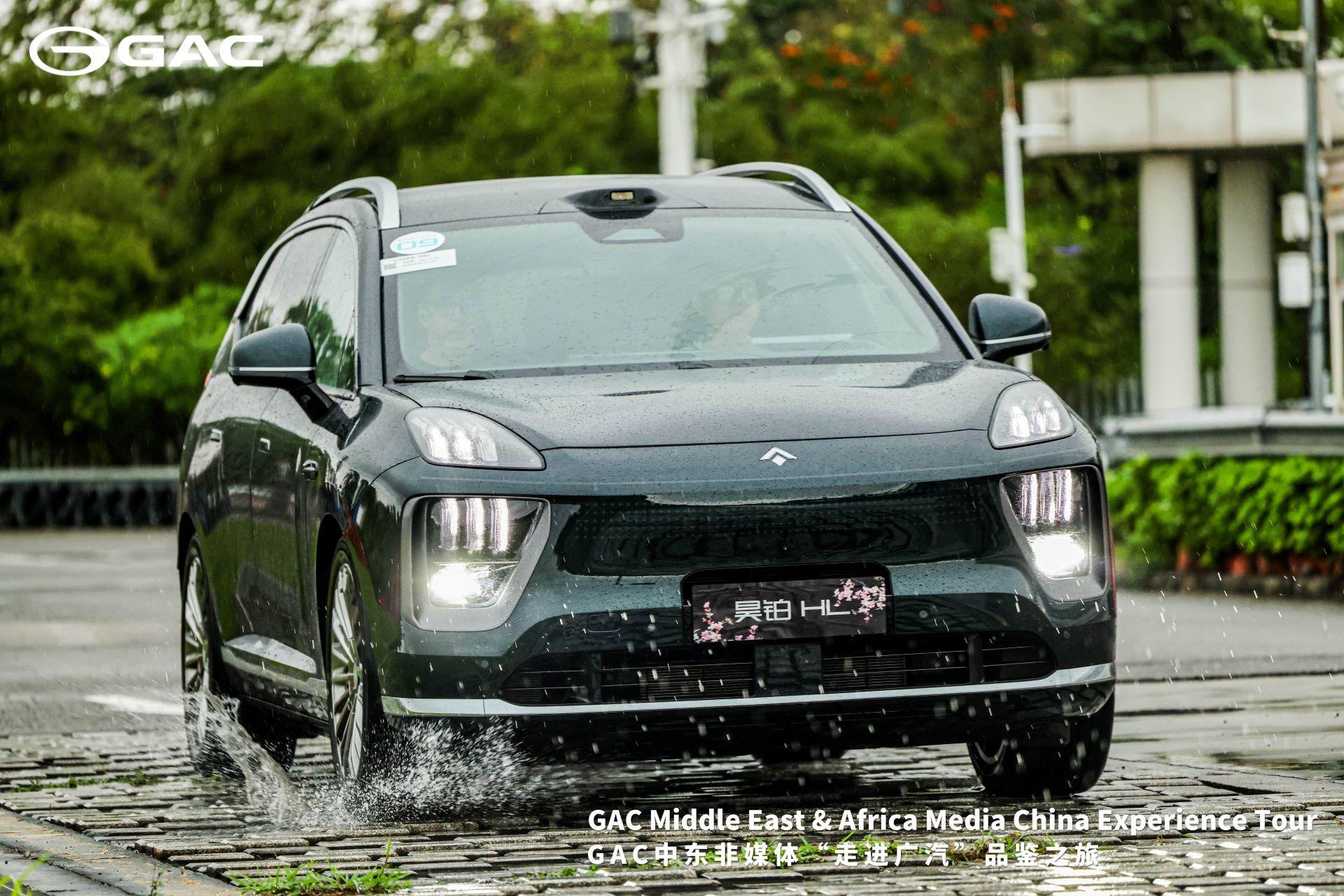
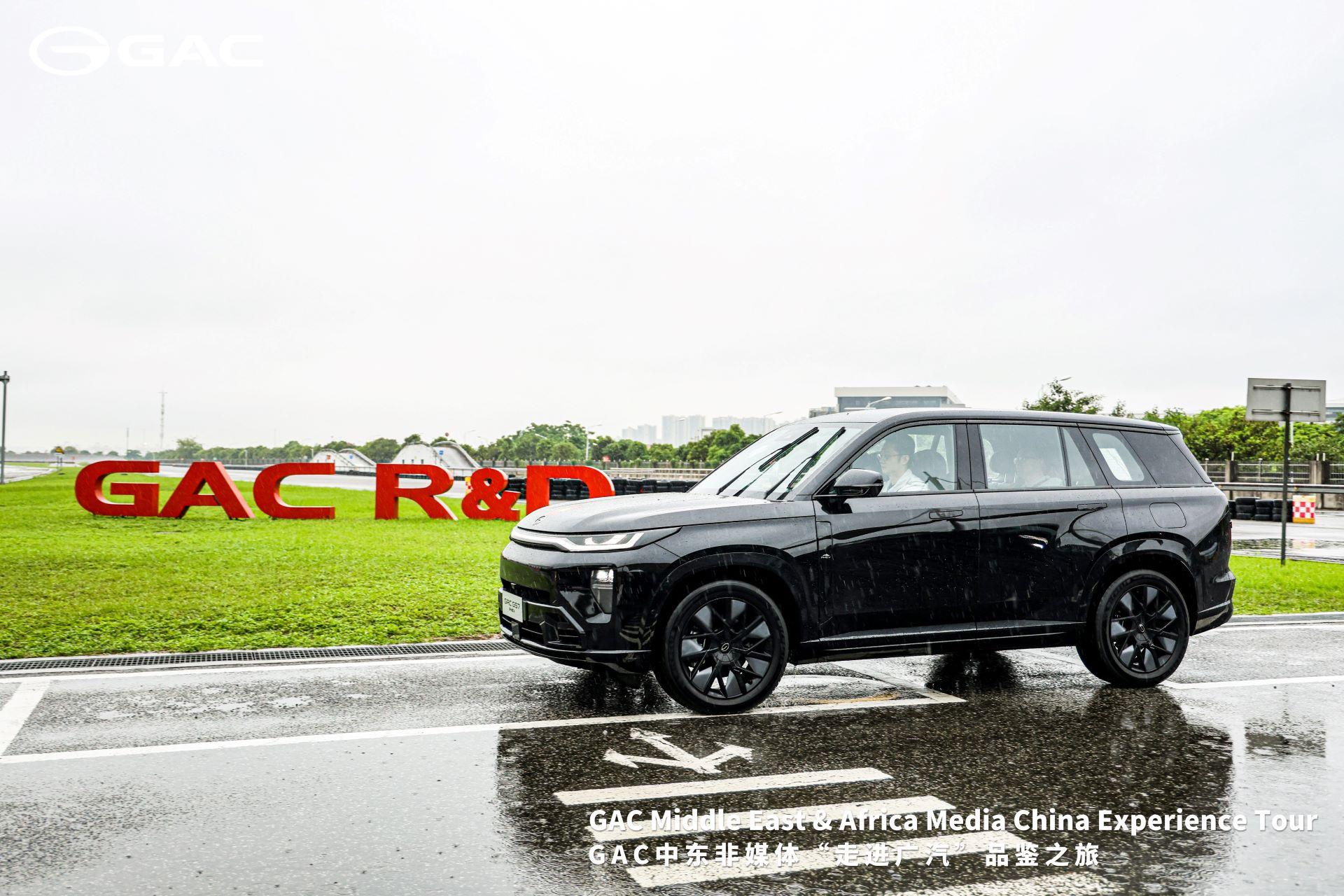
At the GAC R&D Center, the focus shifted from production to performance. Media representatives participated in test drives featuring flagship models including the GAC GS7 PHEV, AION i60 and Smilodon Pro. The experience included both structured track testing and real-world road conditions, allowing participants to evaluate handling stability, suspension performance and power delivery. The GS7 PHEV, scheduled for introduction into Middle East and Africa markets in 2026, stood out as a particularly strategic model, designed with regional mobility needs in mind and already generating anticipation ahead of its launch.
The engagement extended beyond driving, with senior executives including Wang Feng, Vice President of GAC International and President of the Middle East & Africa Regional Center, and Chen Jianzhou, Global R&D Director of GS7, leading in-depth discussions with media. Conversations focused on product strategy, localisation, technology implementation and long-term regional investment, reinforcing GAC’s commitment to sustained growth in the Middle East and Africa.
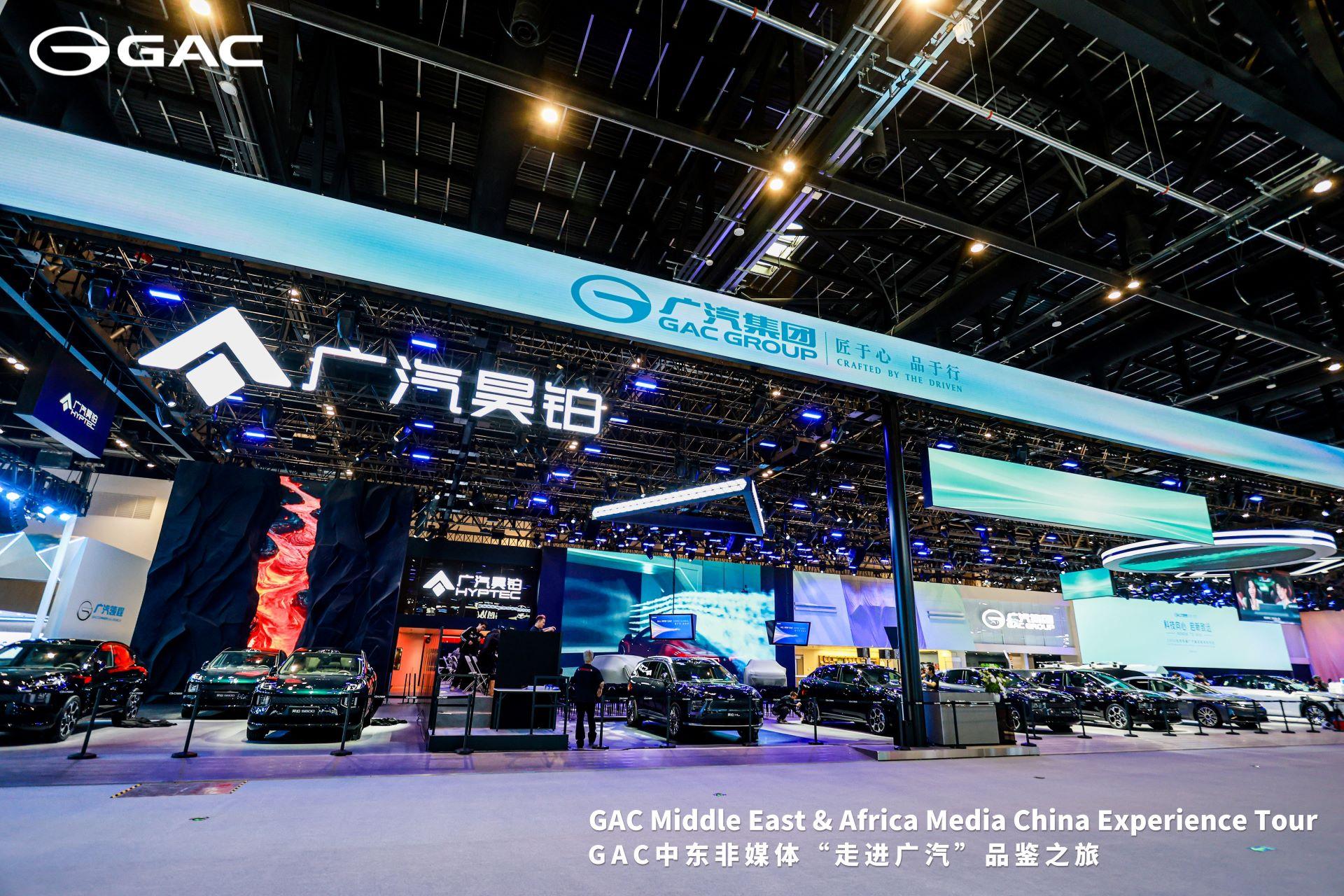
The journey reached its strategic peak at Auto China 2026, where GAC Group and GAC International presented an upgraded global expansion blueprint. The company outlined its ambition to become a leading force in China’s automotive exports by 2030, supported by three key pillars: in-local-for-local development, technology-driven innovation and ecosystem co-construction. This framework reflects a more embedded approach to globalisation, where products, supply chains and services are tailored to regional markets rather than simply exported.
Further discussions with senior leadership, including Masato Katsumata, CTO of GAC International, deepened insight into how GAC plans to balance new energy vehicles with traditional fuel offerings while strengthening localisation strategies across the Middle East and Africa. The emphasis was clear: long-term presence requires more than market entry, it requires integration.
Beyond factories, vehicles and strategy sessions, the media tour itself became a powerful amplification engine. Through social media coverage, video content and editorial reporting, the visiting media and KOLs are expected to generate over 70 million impressions and 60 million views across regional platforms. In doing so, they extend GAC’s narrative far beyond China’s borders, positioning it as a globally relevant technology and mobility brand.
As GAC International continues its global expansion, its focus remains rooted in craftsmanship, trust, technology and ecosystem development. The Middle East and Africa stand as key pillars in this journey, serving not only as growth markets but as active partners in shaping the future of intelligent mobility.