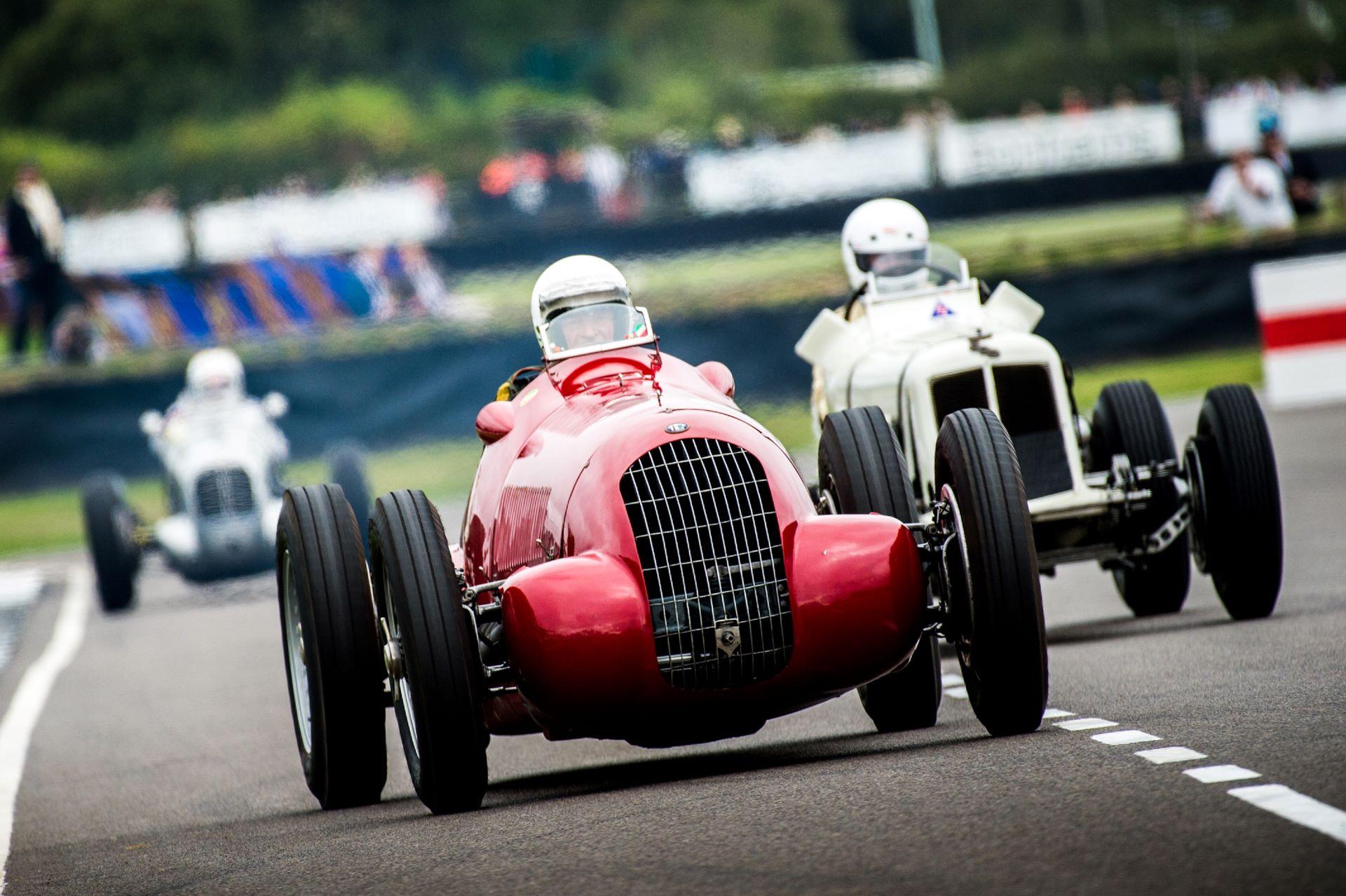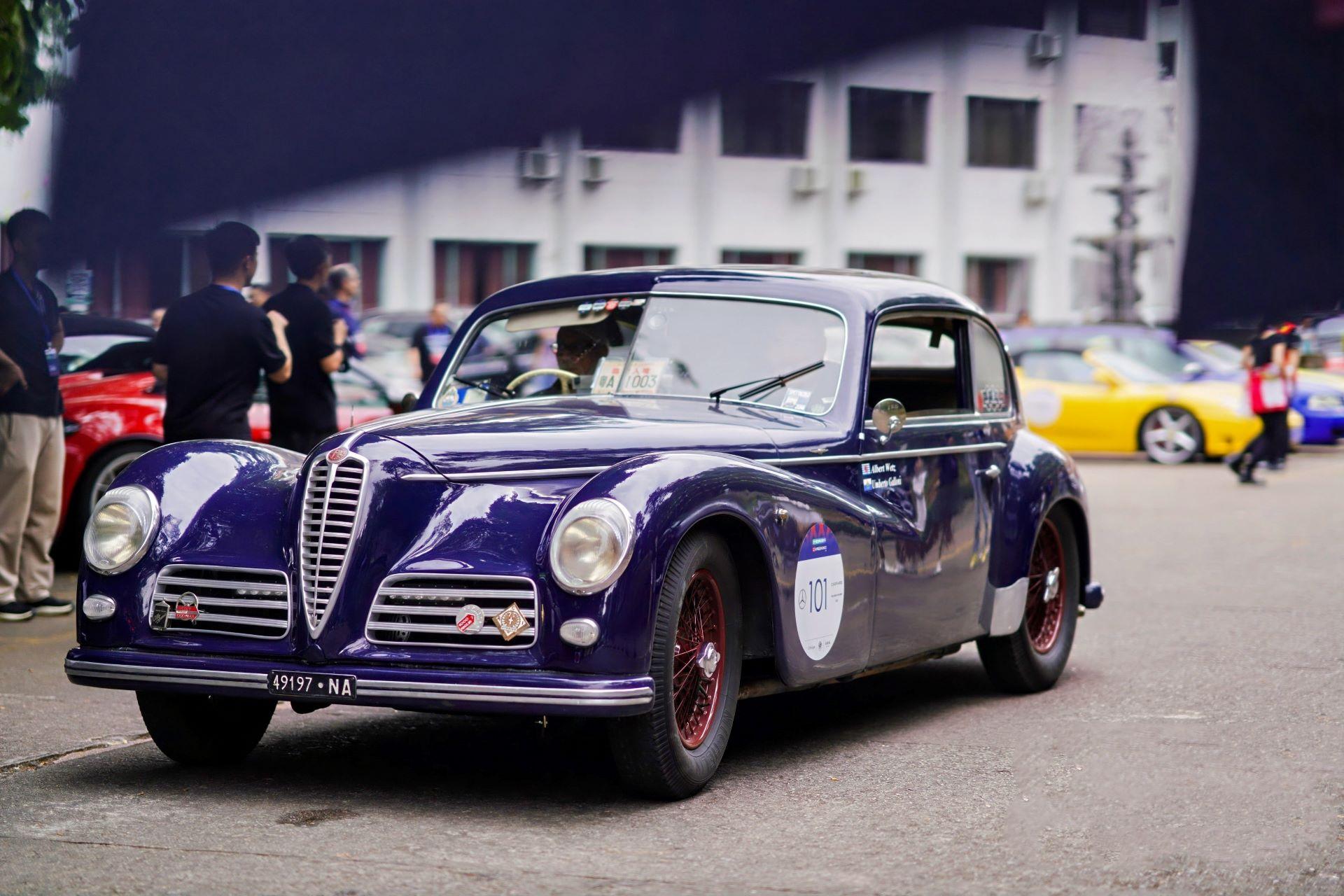



In an exhilarating tribute to its motorsport pedigree, Alfa Romeo claimed a resounding victory at the 43rd edition of the 1000 Miglia, as Team Villa Trasqua’s 1929 Alfa Romeo 6C 1750 Super Sport—piloted with precision and flair by Vesco and Salvinelli—crossed the finish line first. This masterful performance was part of a commanding podium sweep, with the Argentinian duo Erejomovich–Llanos finishing second in a 6C 1500 SS, and Tonconogy–Ruffini securing third in the breathtaking 6C 1750 GS Spider Zagato.
For a marque whose motorsport journey spans over 115 years, this triple triumph was more than just a race result—it was a stirring reaffirmation of Alfa Romeo’s enduring DNA. Each of these historic models, steeped in racing legacy, reminded the nearly 400 teams and thousands of spectators along the 1,900-km route that few brands can match the charisma, elegance, and competitive spirit of the Biscione.
Among the rolling masterpieces that captivated hearts was the 1956 Alfa Romeo 1900 Super Sprint. Part of the Stellantis Heritage Collection, and more often admired behind glass at the Alfa Romeo Historical Museum in Arese, the Super Sprint returned to the open road under the stewardship of the Luna Rossa team. Its participation marked more than just an aesthetic highlight—it served as a powerful symbol of synergy between two national icons: Alfa Romeo and Italy’s celebrated sailing team, who are now preparing to represent the country at the America’s Cup in Naples. The graceful coupé danced through curves and ascents with the same verve that made it the connoisseur’s choice during the golden years of the post-war boom.
An Evolving Stage for Legacy and Innovation
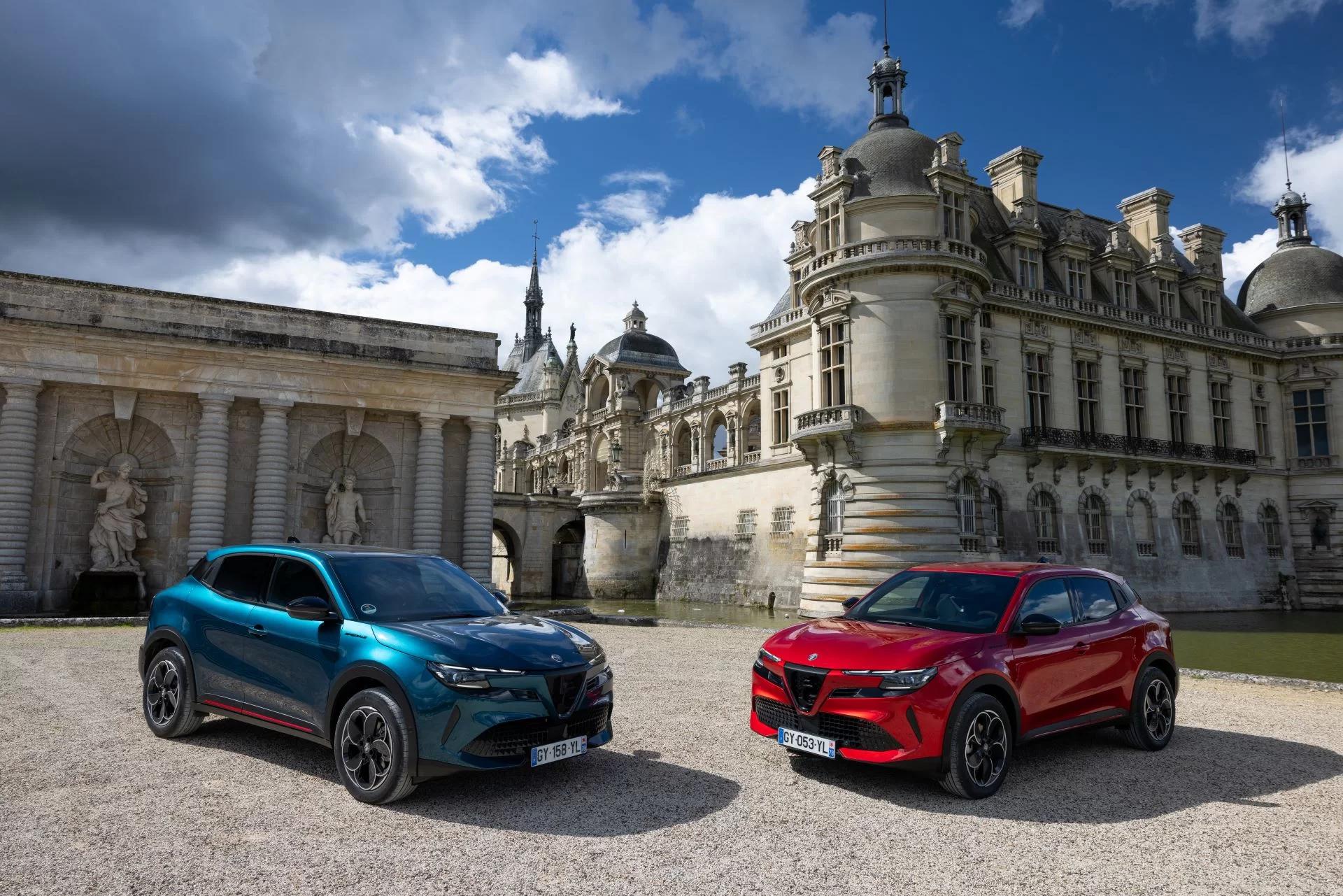
Yet the 1000 Miglia is not simply a parade of the past—it’s an evolving stage where legacy and innovation converge. Alfa Romeo made this duality tangible by fielding its full modern lineup as Support Cars for the event. From the agile and electrified Junior Hybrid Q4, to the commanding Stelvio Intensa and the head-turning Giulia Quadrifoglio Super Sport—a limited edition commemorating the brand’s first 1000 Miglia victory—the lineup encapsulated the modern expression of Alfa’s legendary sportiness.
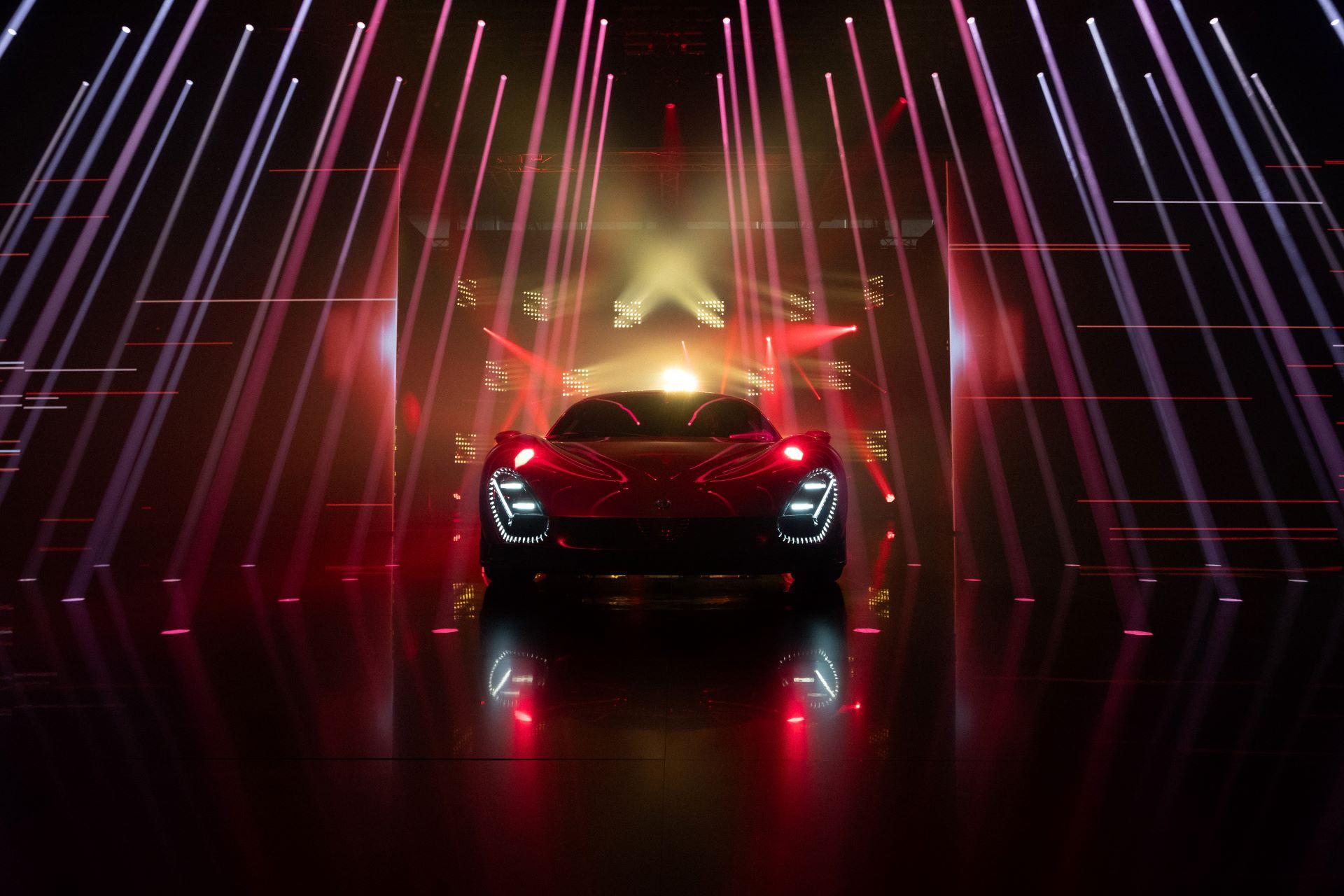
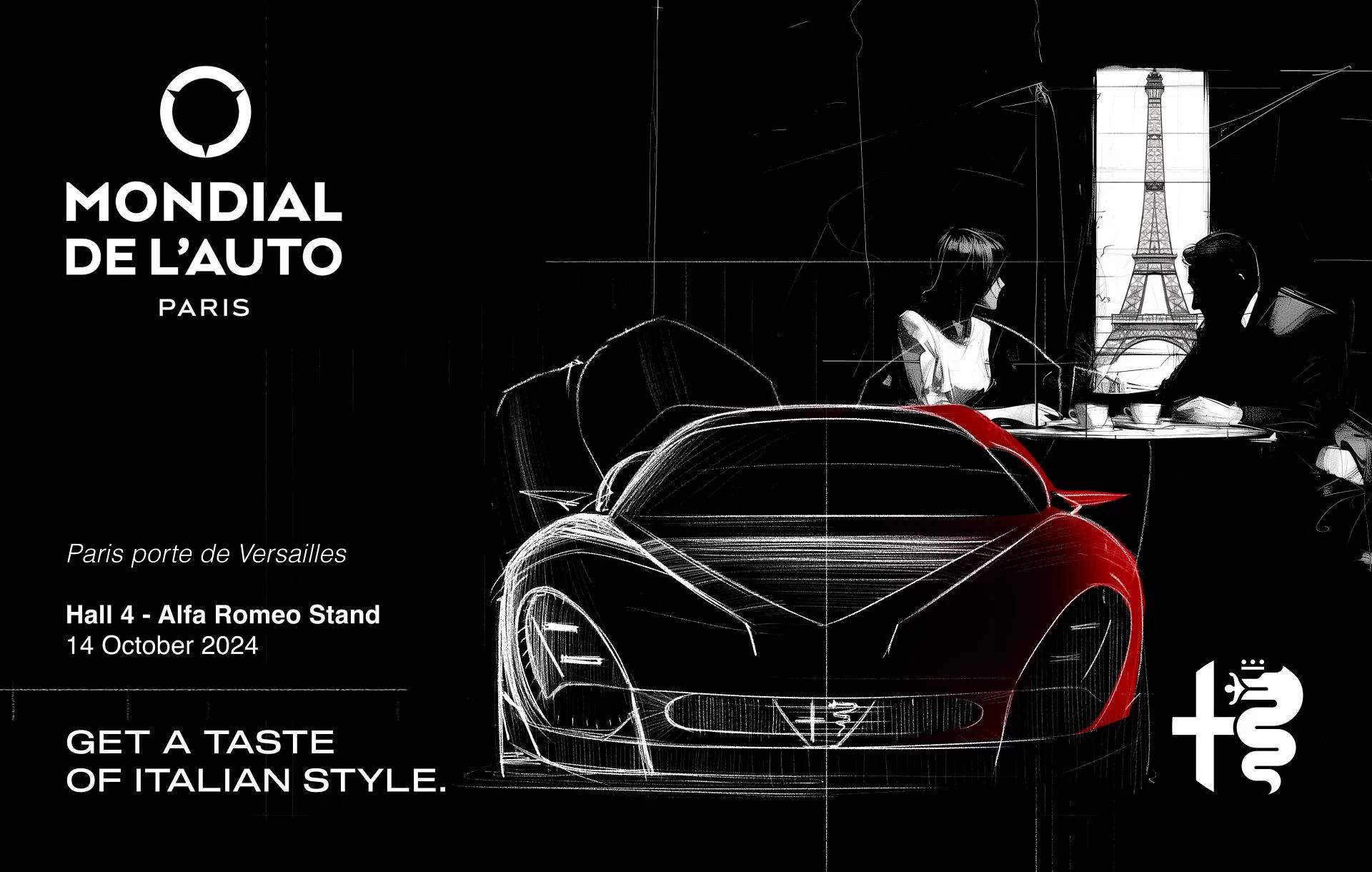
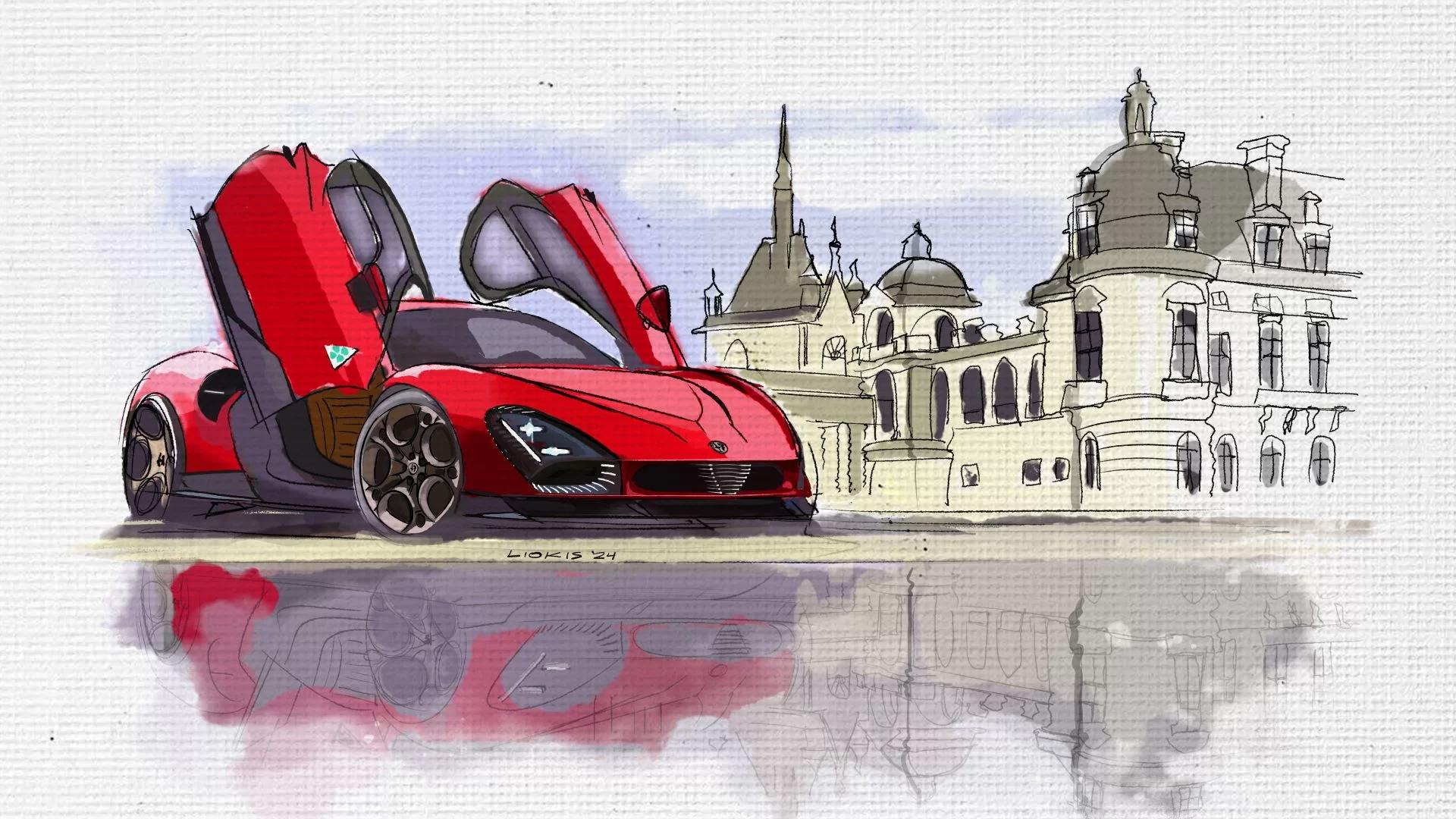
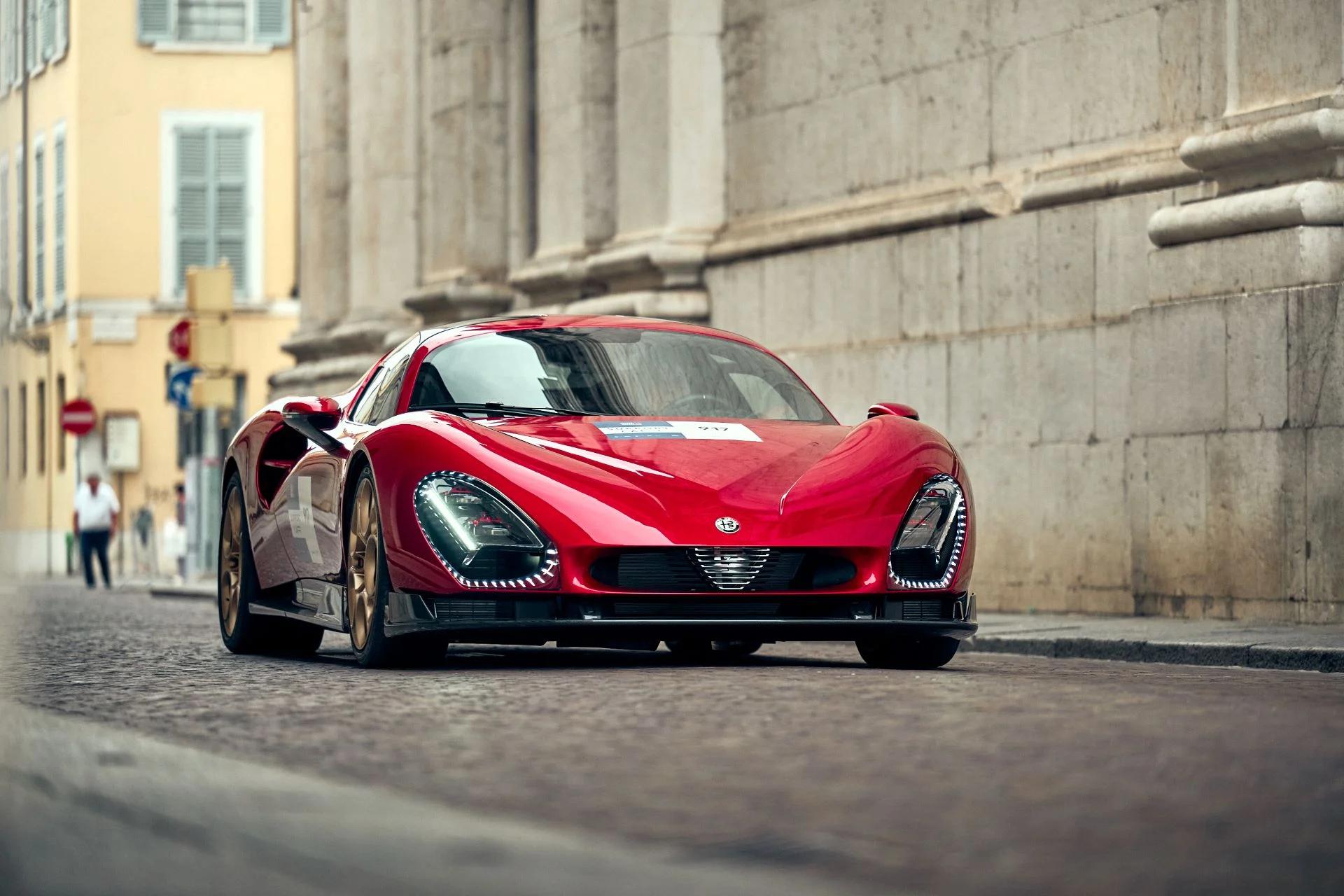
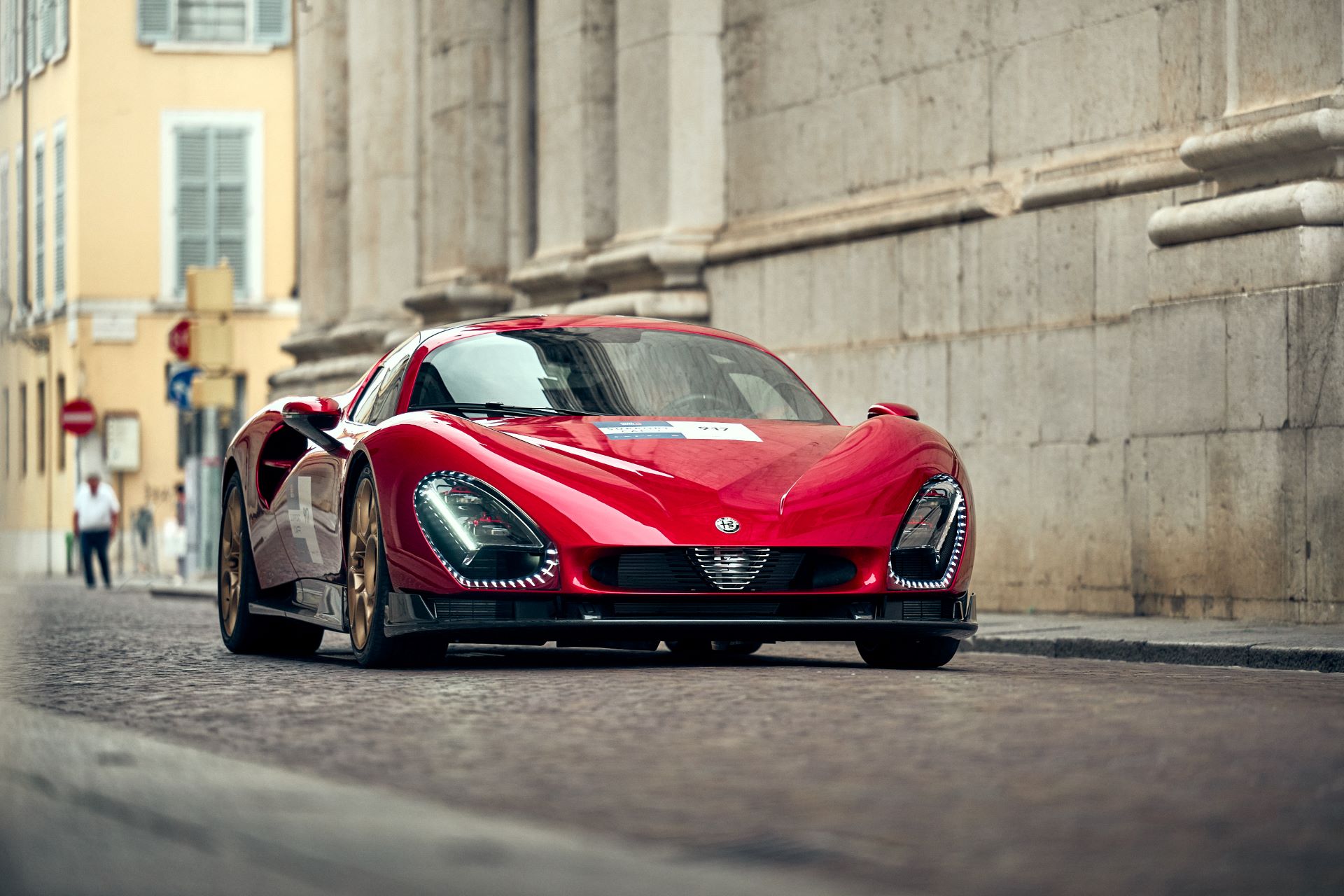
Making an especially poignant entrance was the new 33 Stradale, which made its dynamic public road debut to the delight of onlookers. Produced in an ultra-exclusive run of just 33 handcrafted models, this reincarnation of the iconic 1967 33 Stradale is not merely a homage—it is a statement. Realised in partnership with Milanese coachbuilder Touring Superleggera, the new Stradale fuses high design and engineering artistry in a way that only Alfa Romeo can. Its presence on the Mille Miglia was not just symbolic—it was visceral, a bridge between high-octane tradition and the forward-looking artistry of today’s automotive world.
The Enduring Philosophy of Motorsport
The story of Alfa Romeo at the 1000 Miglia is inseparable from that of motorsport itself. It’s a story once penned by legends such as Tazio Nuvolari, whose 1930 victory alongside Guidotti in a 6C 1750 remains one of the race’s most legendary feats. Averaging 100 km/h over treacherous, unpaved roads, Nuvolari’s achievement defined an era where speed met spirit, and where technology became an expression of beauty.
Nearly a century later, that same philosophy endures. The 1000 Miglia is still the proving ground where Alfa Romeo doesn’t just relive its past—it reasserts its vision for the future. A future powered by passion, designed with soul, and driven by an unwavering pursuit of excellence. In this most beautiful of races, Alfa Romeo once again reminded the world: it was born to compete, built to inspire, and destined to endure.