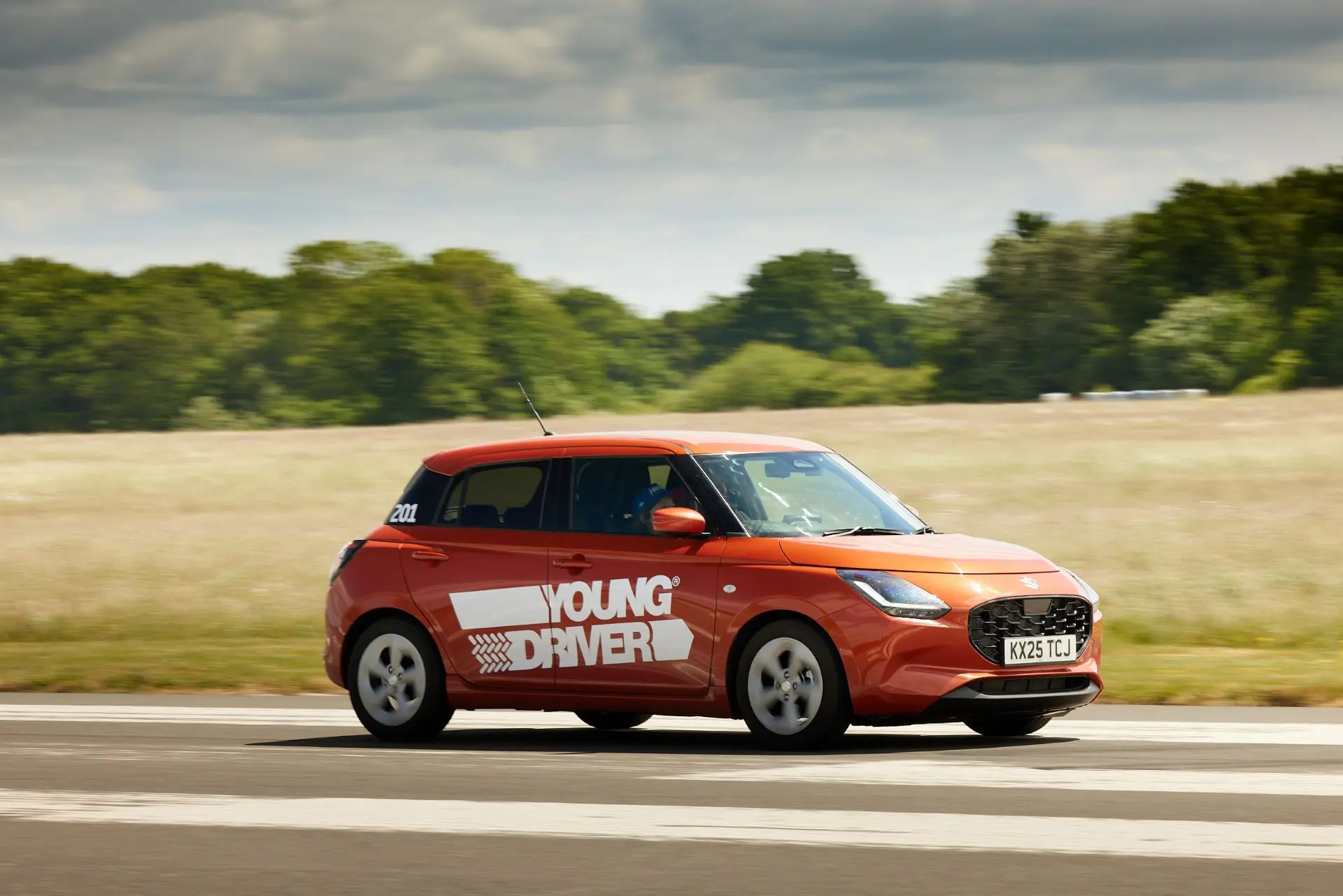
I do beg your pardon for barging in with so much enthusiasm, but this here World Environment Day has stirred up a fine bit of reflection over at the UK’s largest pre-17 driving school, Young Driver, and I am ever so obliged to share what they’ve been teaching their young pupils about greener motoring habits.
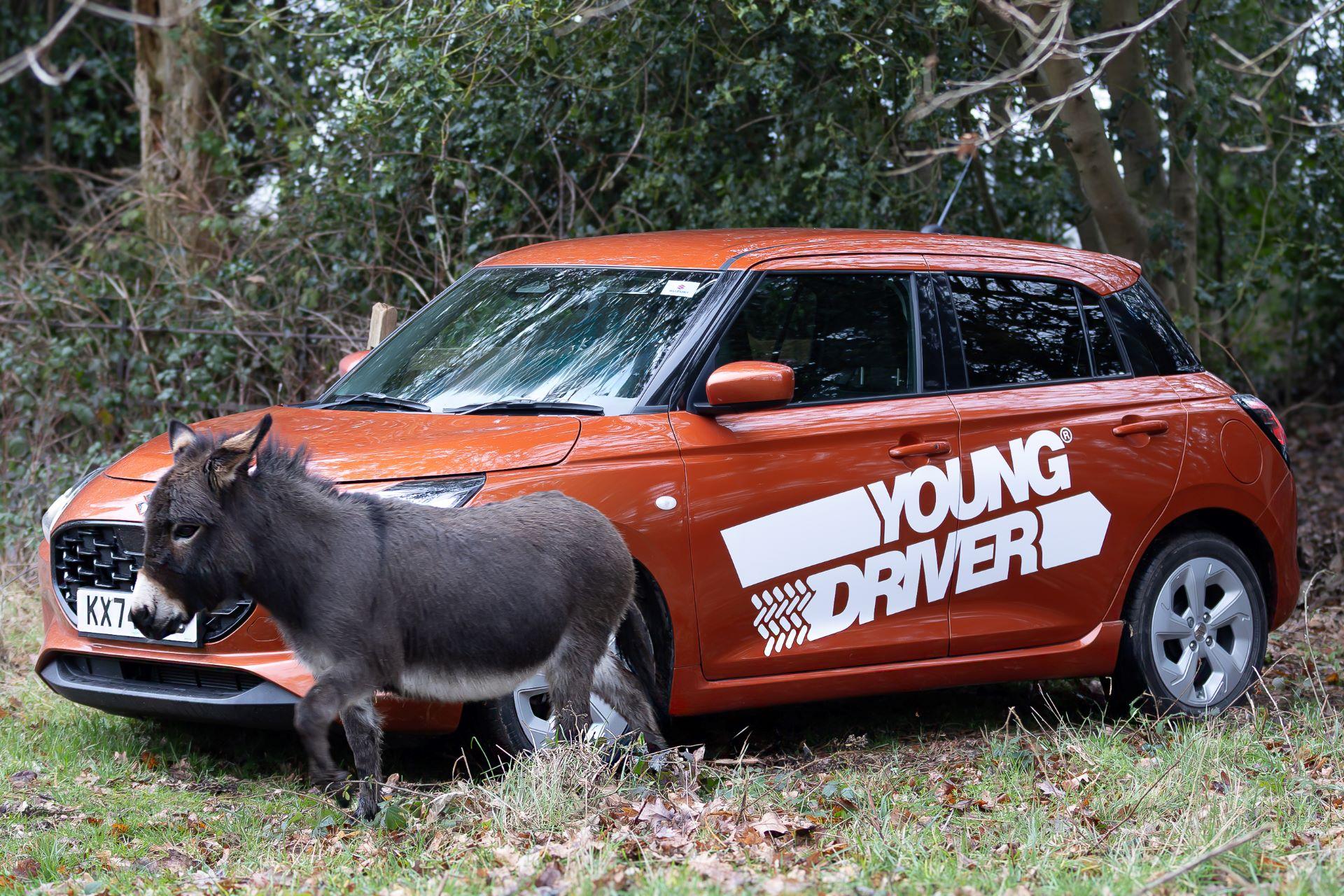
Now this outfit has already guided more than 1.6 million driving lessons for children as young as four, using everything from specially built electric Firefly sports cars to dual-controlled Suzuki Swift Hybrid vehicles such as the Suzuki Swift Hybrid, and their whole philosophy leans toward raising a generation of drivers who treat the road and the environment with equal care.
At the heart of their message is the gentle art of smooth driving, where sharp braking and heavy-footed acceleration are replaced with a calmer rhythm that saves fuel and keeps emissions down, almost like coaxing a horse to a steady trot rather than a gallop.
They also stress the importance of travelling light, since an overloaded car drinks fuel far faster than a well-kept one, and even something as simple as a forgotten roof box or bike rack can quietly sabotage efficiency by adding drag where none is needed.
Speed, too, plays its part, and keeping to sensible limits not only improves safety but also reduces fuel consumption, especially when paired with thoughtful use of cruise control on longer motorway stretches where consistency becomes a quiet ally.
Tyre pressure is another unsung hero in this story, because underinflated tyres increase rolling resistance and waste fuel without most drivers even realising it, which is why a quick weekly check can make a surprisingly meaningful difference.
Air conditioning, while a comfort in hot weather, is encouraged to be used with intention rather than habit, as it draws additional energy from the engine, and in many situations opening a window at lower speeds can be the more efficient choice, though at higher speeds the balance may shift due to air resistance.
Regular maintenance is treated not as an inconvenience but as a responsibility, ensuring engines run cleanly and efficiently, while idling is strongly discouraged since burning fuel while stationary achieves nothing but unnecessary emissions and poorer air quality.
Route planning is also part of the greener mindset, with drivers encouraged to check traffic conditions before setting out and combine journeys where possible, because cold engines tend to produce higher emissions until they reach optimal operating temperature.
Even gear changes become part of the environmental equation, with early upshifts around the 2000 rpm mark helping engines operate in their more efficient ranges rather than lingering unnecessarily in lower gears.
Behind all of this sits a broader commitment from Young Driver, whose managing director Ian Mulingani has emphasised that while many young people cannot yet access electric vehicles, they can still be taught habits that meaningfully reduce emissions, supported by a fleet that now includes highly efficient hybrid models and even innovative electric Firefly vehicles designed for the youngest learners.
Their environmental efforts stretch far beyond the driving course itself, with thousands of trees planted annually, wildlife habitats nurtured across their nine-acre headquarters, and an ecosystem that now includes ponds, beehives, rescued animals, and nesting spaces for birds and bats, all working together like a living ledger of environmental intent.
Even their shift from traditional petrol models to efficient hybrids such as the Swift reflects a broader philosophy that cleaner driving begins long before a driver ever reaches public roads, and research from their programme suggests that pupils are significantly less likely to crash once they do qualify, reinforcing the idea that responsibility and sustainability often travel in the same lane.
And so, in this season of reflection, their message lands with quiet clarity, reminding us that greener driving is not a grand gesture but a collection of small, deliberate choices made every time we turn the key and set out upon the road.